
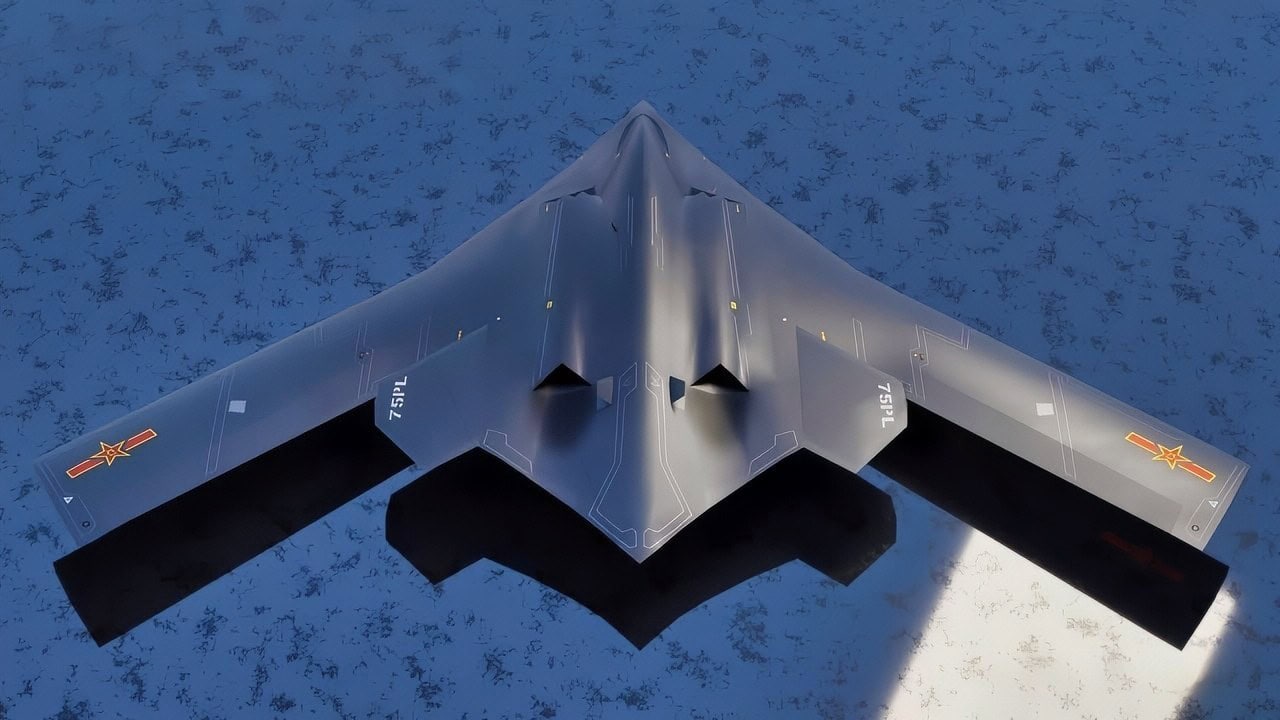
Synopsis: General Stephen Davis of U.S. Global Strike Command has downplayed the immediate threat of China’s H-20 stealth bomber, characterizing the PLAAF as a “regional bomber force at best.”
-While envisioned as a flying-wing platform with a 10,000km range targeting Guam and Hawaii, the H-20 faces significant engineering hurdles in stealth materials and engine performance.
-China currently relies on the aging, Soviet-derived H-6 fleet, which remains vulnerable to modern defenses.
-Although the H-20 would bolster China’s nuclear triad, the U.S. maintains a definitive technological lead with the B-2 and the upcoming B-21 Raider.
Why the U.S. Air Force Thinks China’s H-20 Stealth Bomber is “Not There Yet”
The War Zone highlighted comments from the new head of U.S. Air Force Global Strike Command, General Stephen Davis, who downplayed the immediate threat posed by China’s long-awaited H-20 stealth bomber.
China remains a “regional bomber force at best,” Davis said, underscoring the question revolving around the H-20 program for years: Is the platform a looming strategic equalizer or an aspirational project with limited application?
The H-20 Stealth Bomber on Paper
The H-20 is believed to be a stealthy flying-wing long-range bomber, a rough analog to the American B-2 Spirit.
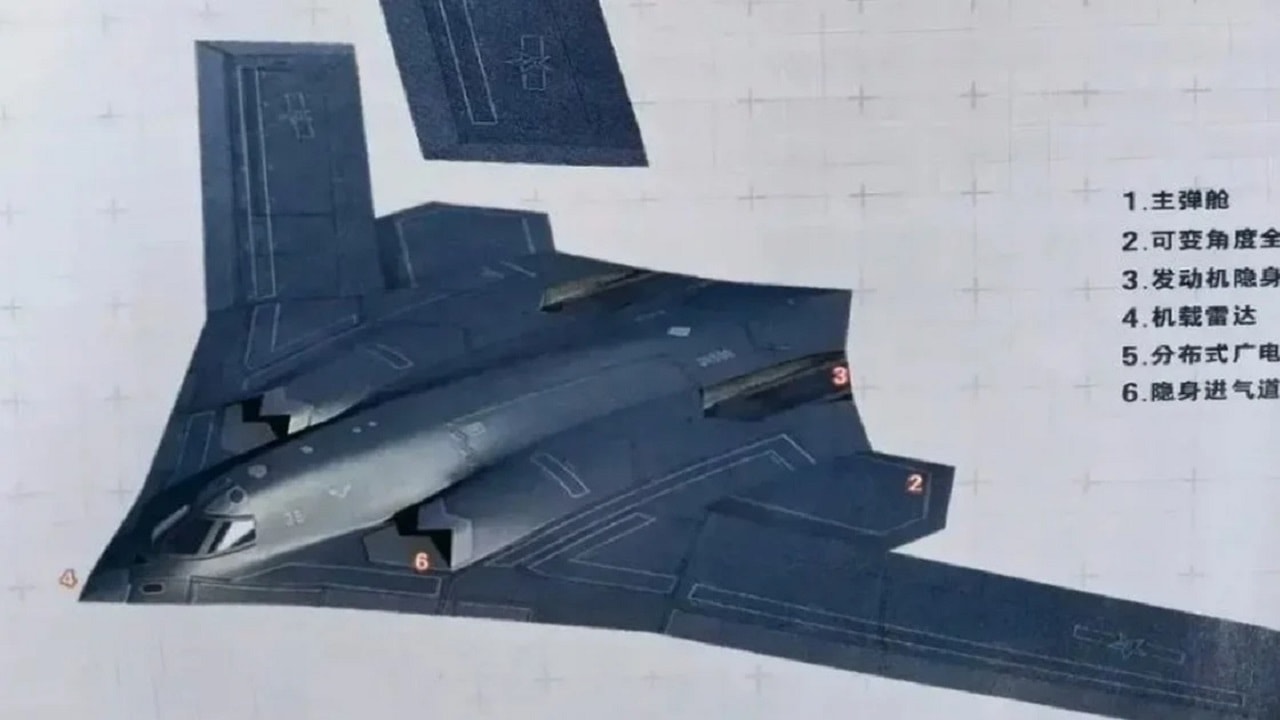
H-20 stealth bomber artist rendering. Image Credit: Creative Commons.
The program has been kept under wraps, but reported projected specifications suggest an unfolded range of 10,000 kilometers, up to 10 tons of payload, and potential cruise-missile capability.
China wants the H-20 to provide true global strike reach, expanded nuclear triad credibility, and the ability to threaten Guam, Hawaii, and potentially parts of the continental United States.
China’s Current Roster
China’s bomber force is limited. Its main platform is the H-6, which is derived from the Soviet-era Tu-16 design.
Modernized versions, such as the H-6K and H-6N, carry cruise missiles and air-launched ballistic missiles and provide a leg of China’s nuclear triad. But these platforms are theater-range systems.
They are non-stealthy and vulnerable against modern defense systems.
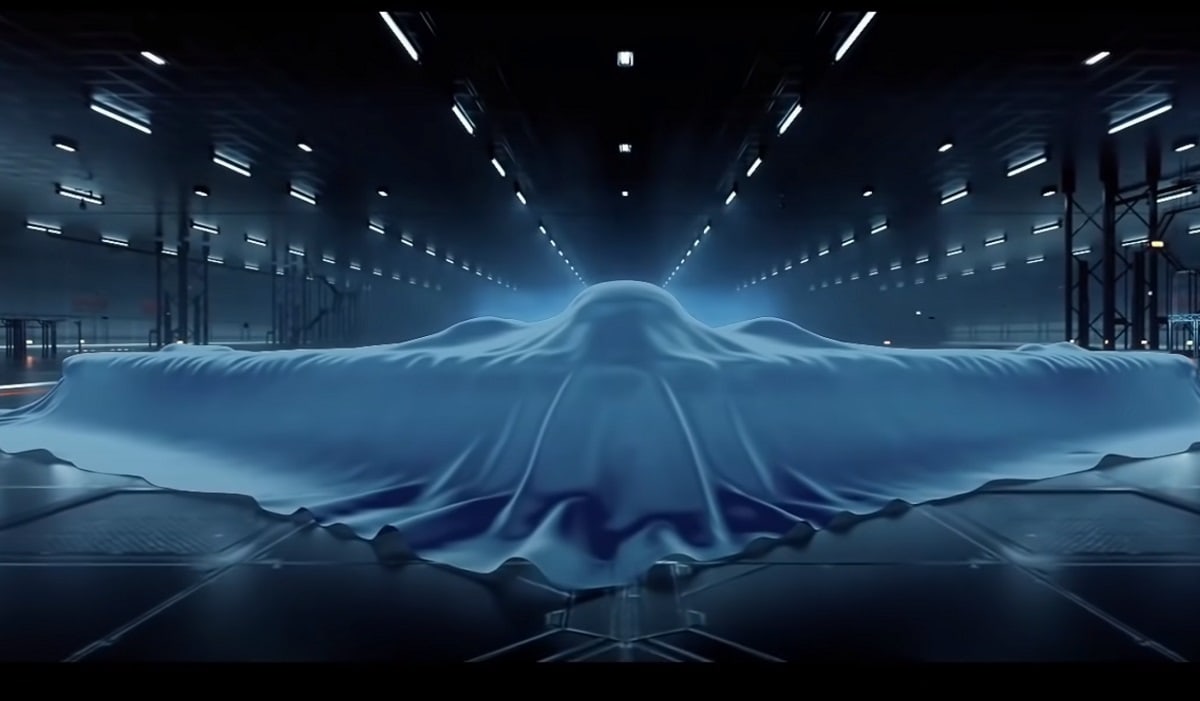
What could be China’s H-20 Stealth Bomber. Image: YouTube Screenshot.
Why So Skeptical?
General Davis’ assessment of the H-20 is that China is pursuing stealth strategic bomber capability aggressively, but is just not there yet.
U.S. intelligence has previously suggested that engineering hurdles remain, and that the bomber’s low-observable quality is unlikely to match U.S. platforms such as the B-2 or forthcoming B-21. Pentagon reports are increasingly vague on the H-20 timeline, and the bomber was notably absent from the most recent annual China report.
Engineering and industrial hurdles are likely.
To date, only one nation—the United States—has ever fielded a stealth bomber. Developing a true penetrating stealth bomber requires advanced materials science, extremely tight manufacturing tolerances, high-performance engines, and mature sensor fusion. U.S. experience with the B-2 and now the B-21 shows just how complex the process is.
While China has made excellent progress in tactical aviation, including fifth-generation fighters, a long-range stealth bomber remains a higher benchmark.
Regional vs. Global Power
Today, China’s bomber fleet is optimized for Taiwan contingencies, South China Sea operations, a Guam strike envelope, etc.—regional operations, essentially.
The H-6 platforms already conduct long-range patrols with Russia. But this is a different game, that of establishing a global bomber: Global strike requires persistent reach, survivability in heavily defended air space, and strategic logistics support.
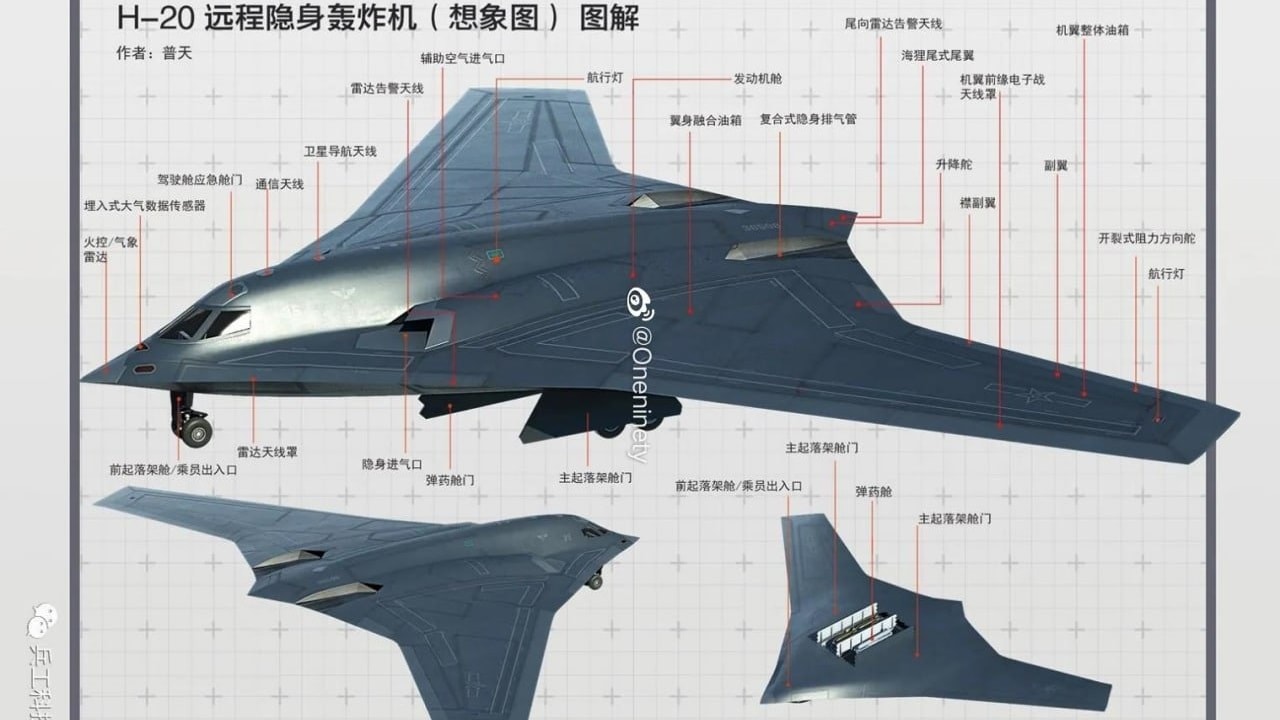
Artist Rendering of China’s H-20 Stealth Bomber. Image Credit: Chinese Internet.
Even if the H-20 is delayed or engineering hurdles remain, the strategic logic behind the platform is clear: China seeks a more flexible, more far-reaching airborne leg of its nuclear triad.
Bombers provide recallability that intercontinental ballistic missiles cannot, and would give China flexible deterrence through escalation options.
A functioning H-20 stealth bomber would complicate US homeland defense and increase deterrence leverage. Since China seeks parity in prestige and optionality, rather than just regional firepower, the H-20 remains a logical ambition.
American Influence on H-20
U.S. strategy is centered on penetrating bombers, networked strike, and long-range stand-off weapons.
The forthcoming B-21 is expected to increase survivability and integrate seamlessly into joint kill chains. Global Strike Command emphasizes the Air Force’s continued ability to penetrate environments covered by China’s anti-access/area-denial assets.
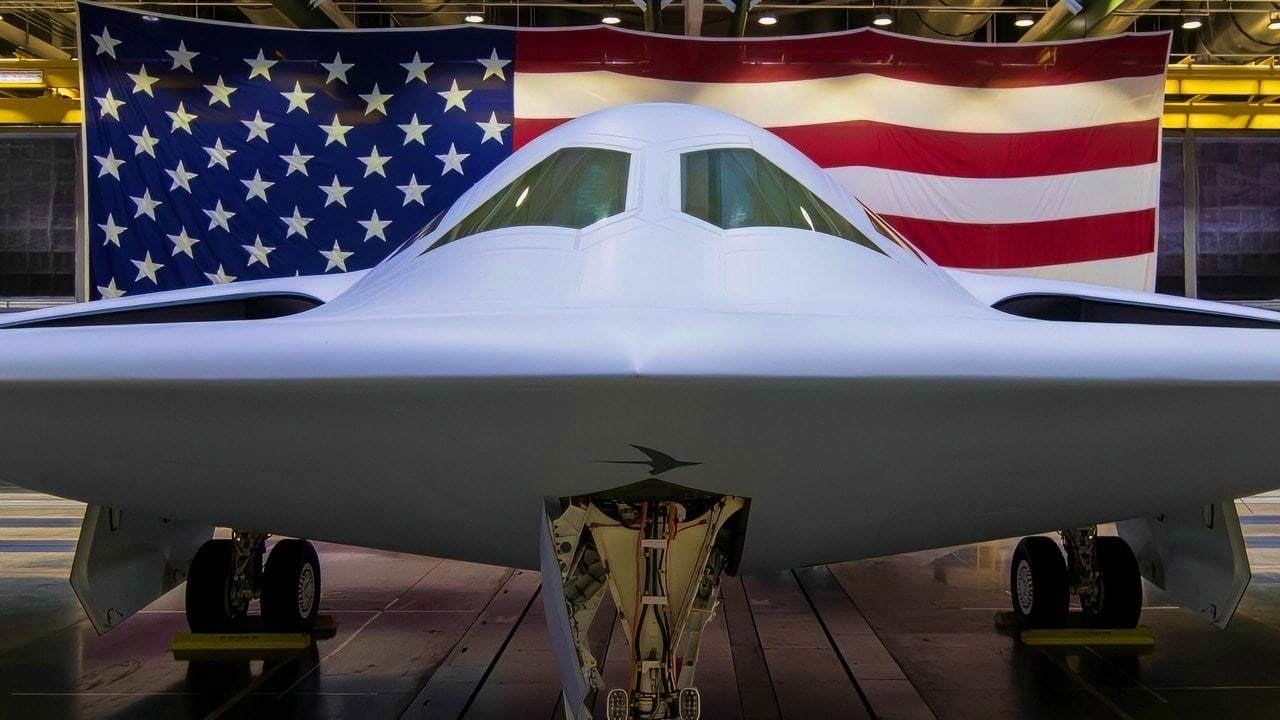
The B-21 Raider was unveiled to the public at a ceremony December 2, 2022 in Palmdale, Calif. Designed to operate in tomorrow’s high-end threat environment, the B-21 will play a critical role in ensuring America’s enduring airpower capability. (U.S. Air Force photo)
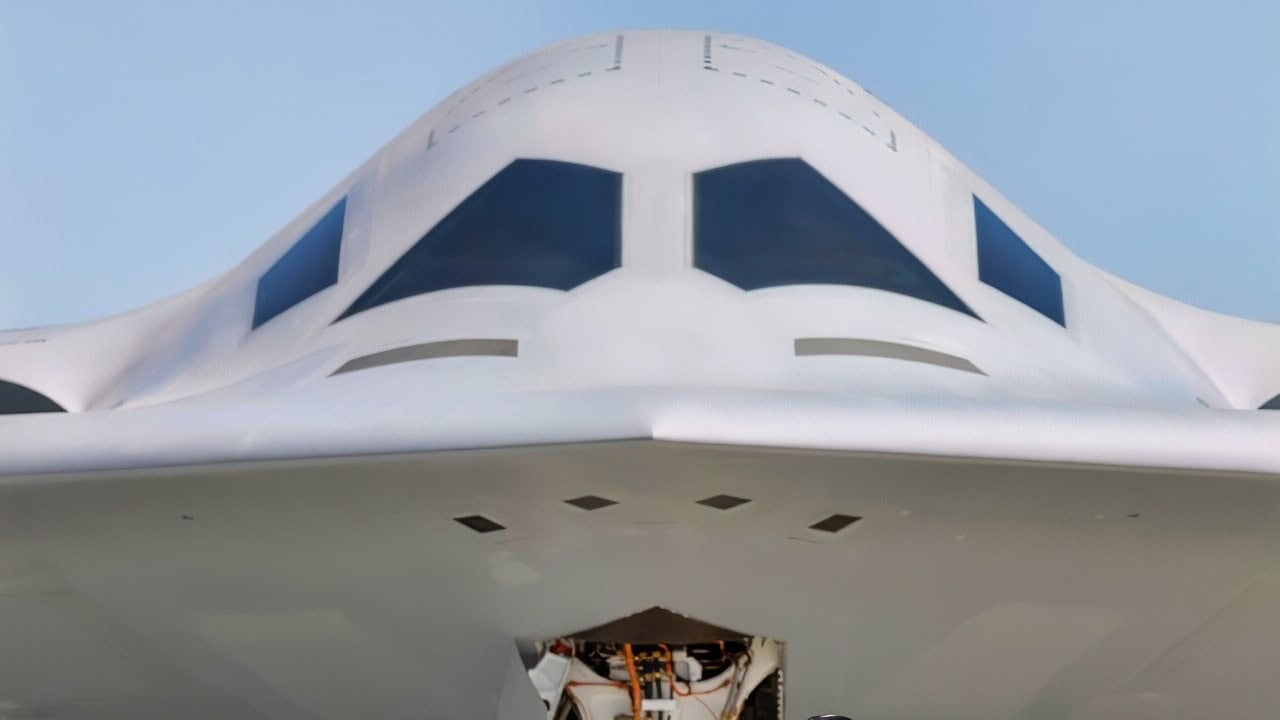
U.S. Air Force Airmen with the 912th Aircraft Maintenance Squadron prepare to recover the second B-21 Raider to arrive for test and evaluation at Edwards AFB, Calif., Sept. 11, 2025. The arrival of a second test aircraft provides maintainers valuable hands-on experience with tools, data and processes that will support future operational squadrons. (U.S Air Force photo by Kyle Brasier)
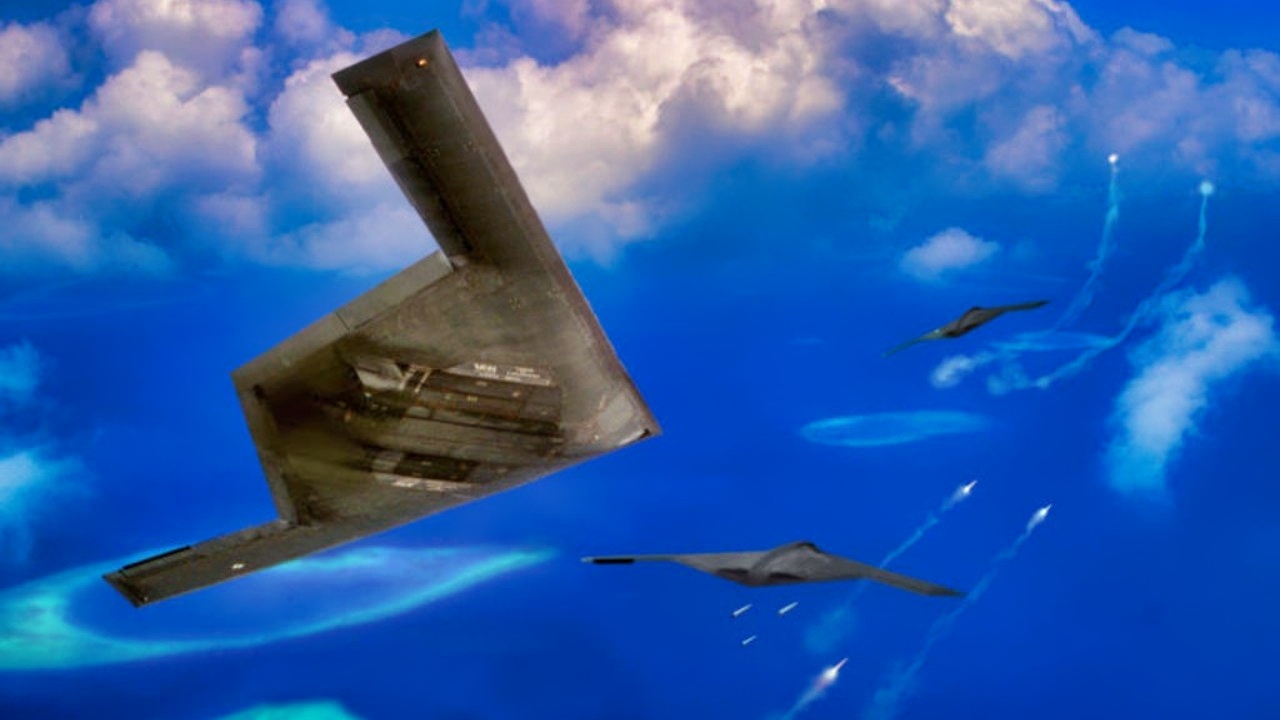
B-21 Raider Bomber. Artist Rendition/Creative Commons.
Davis’ assurances that the H-20 is “not there yet” serve as strategic messaging to reassure allies and signal confidence in the United States’ relative strength.
But the comments likely also reflect confidence in a real technological gap. China has advanced rapidly in fighters, drones, and carrier aviation—but long-range stealth bombers remain its most elusive aviation milestone.
What If Bomber Questions for China?
If the H-20 does emerge, it would immediately extend China’s strategic reach into the Central Pacific, increase pressure on U.S. basing posture, and complicate missile-defense architecture.
Still, the H-20 would not automatically equal U.S. bomber dominance. Numbers, readiness, and training pipelines remain important.
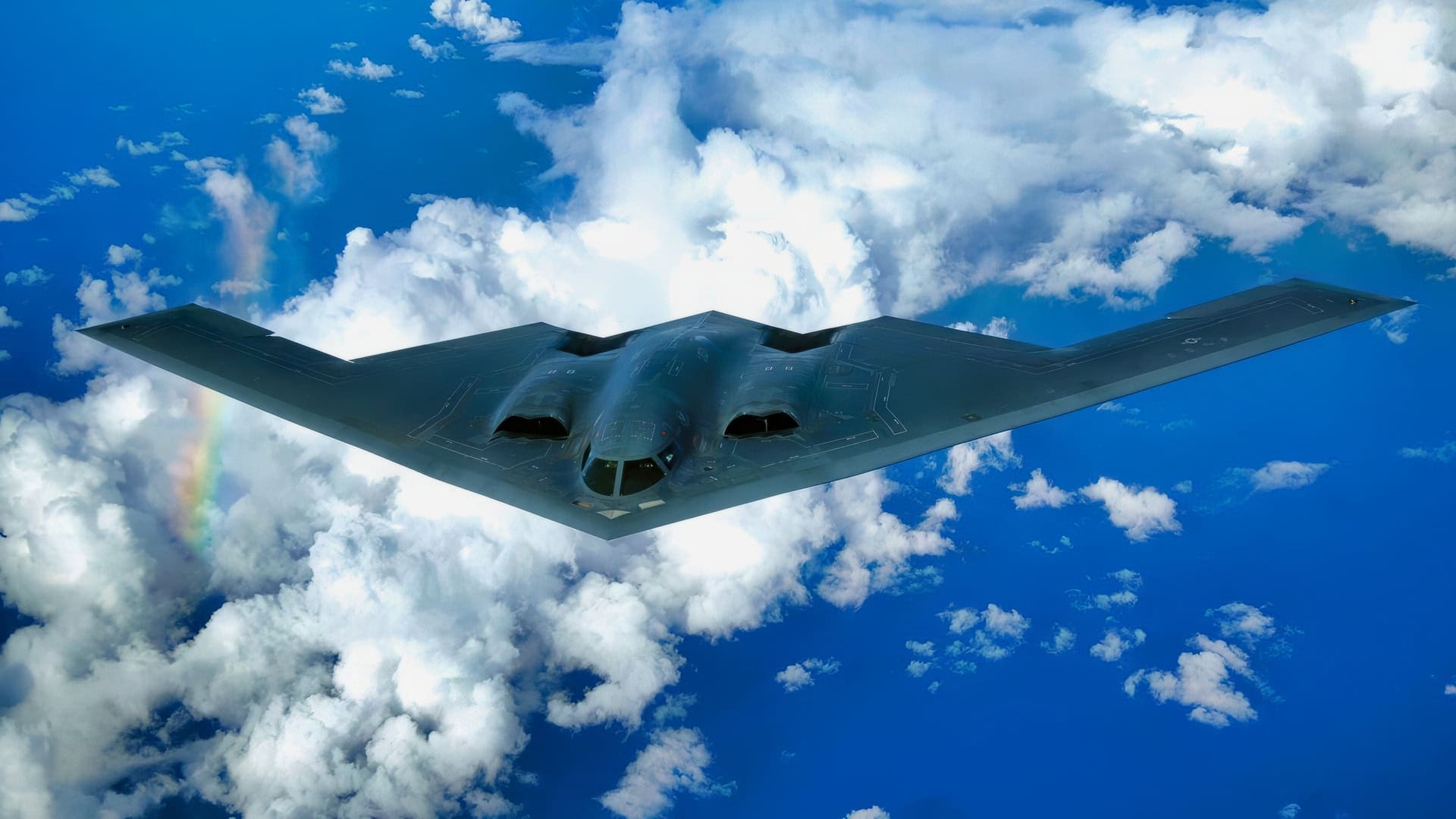
A B-2 Spirit soars after a refueling mission over the Pacific Ocean on Tuesday, May 30, 2006. The B-2, from the 509th Bomb Wing at Whiteman Air Force Base, Mo., is part of a continuous bomber presence in the Asia-Pacific region. (U.S. Air Force photo/Staff Sgt. Bennie J. Davis III)
The United States will retain an edge even after the H-20 is initially fielded.
China clearly intends to introduce a true long-range stealth bomber. But today its bomber force is regionally oriented.
The United States retains unmatched global strike reach. China will continue to work toward parity, but whether the H-20 can be fielded and produced at scale remains a pressing question.
About the Author: Harrison Kass
Harrison Kass is an attorney and journalist covering national security, technology, and politics. Previously, he was a political staffer and candidate, and a US Air Force pilot selectee. He holds a JD from the University of Oregon and a master’s in global journalism and international relations from NYU.