
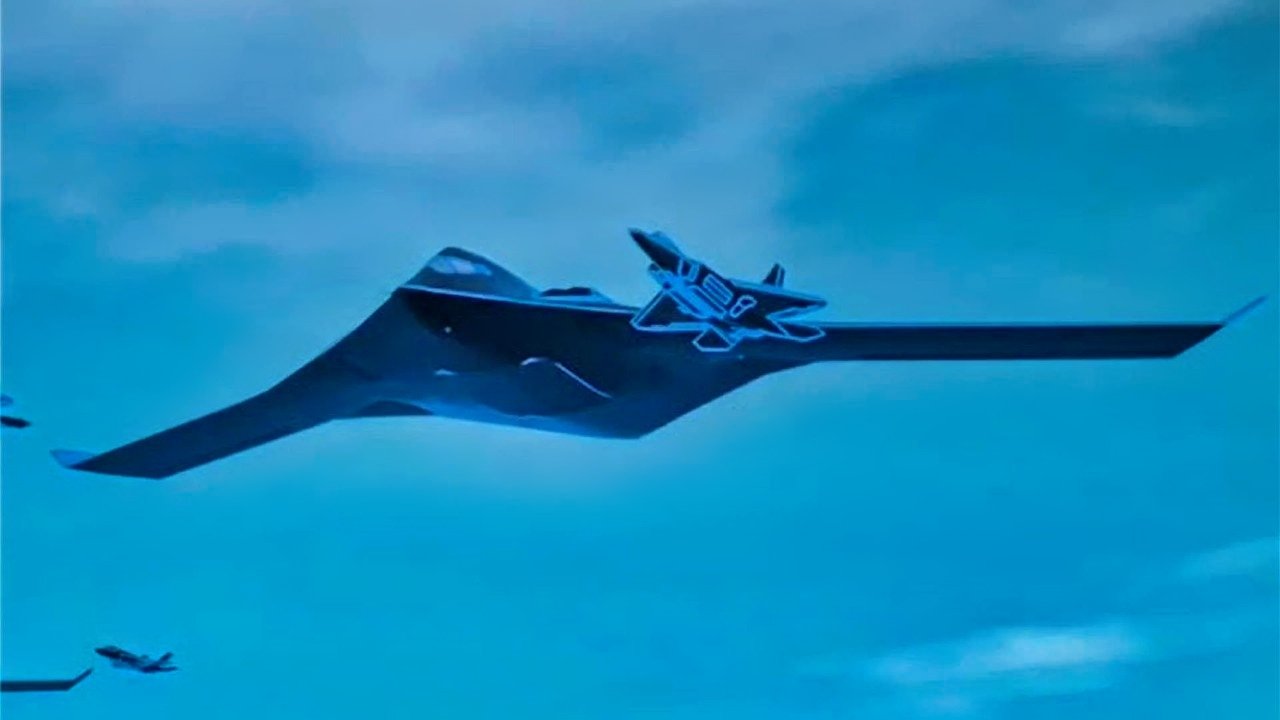
Summary and Key Points: China’s long-rumored H-20 stealth bomber is “coming soon,” yet U.S. Air Force Global Strike Command chief Gen. Stephen Davis remains skeptical, labeling the PLA a “regional” force for now.
-While unverified 2026 imagery suggests a flying-wing prototype similar to the B-2 Spirit and B-21 Raider, Washington assesses the H-20’s true reach is still years away.
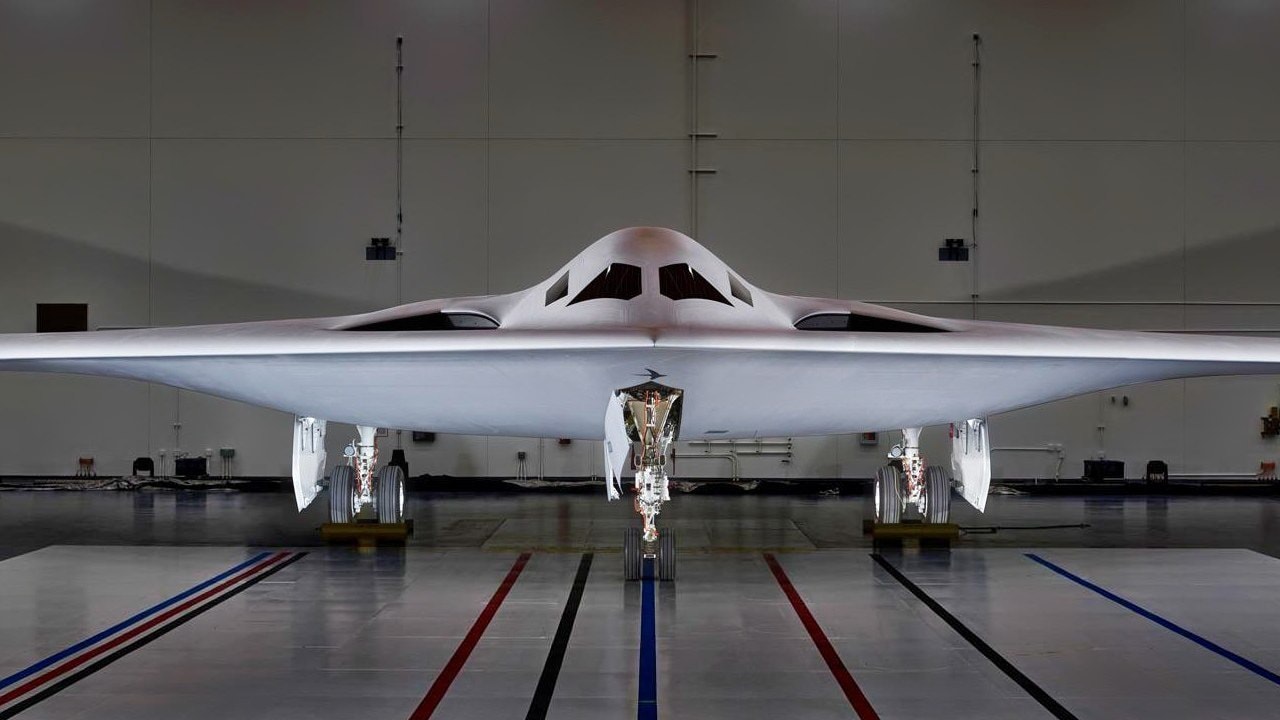
B-21 Raider Bomber U.S. Air Force.
-Currently, Beijing relies on upgraded H-6K and H-6N variants to project power across the First Island Chain and Taiwan. As the H-20 aims for a 10,000 km intercontinental range, the Pentagon is watching to see if China can finally bridge its global strike deficit.
-In 1 Word: Incomplete
Why the US Air Force is Skeptical of China’s “Coming Soon” H-20 Stealth Bomber
On a few occasions now over the years, Chinese state media proclaimed that the long-rumored H-20 stealth bomber was “coming soon.”
According to multiple reports spanning years, China’s next-generation long-range stealth bomber will be unveiled in the near future, but no specific timeframe has been provided.
These reports followed images circulated online that purport to show a prototype of the aircraft in flight, depicting a stealthy-looking flying wing. Those sightings, however, cannot be independently verified as depicting a next-generation stealth bomber – and even if they do, it remains unclear at what stage the program may currently be. Washington seems skeptical, too, with U.S. Air Force Global Strike Command (AFGSC) commander Gen. Stephen Davis telling The War Zone recently that China’s H-20 progress may be overhyped.
Is the H-20 Overhyped?
In a long discussion about Chinese and American bomber development, Davis acknowledged China’s aggressive pursuit of next-generation bombers and other platforms, but described its current bomber capabilities as “regional.”
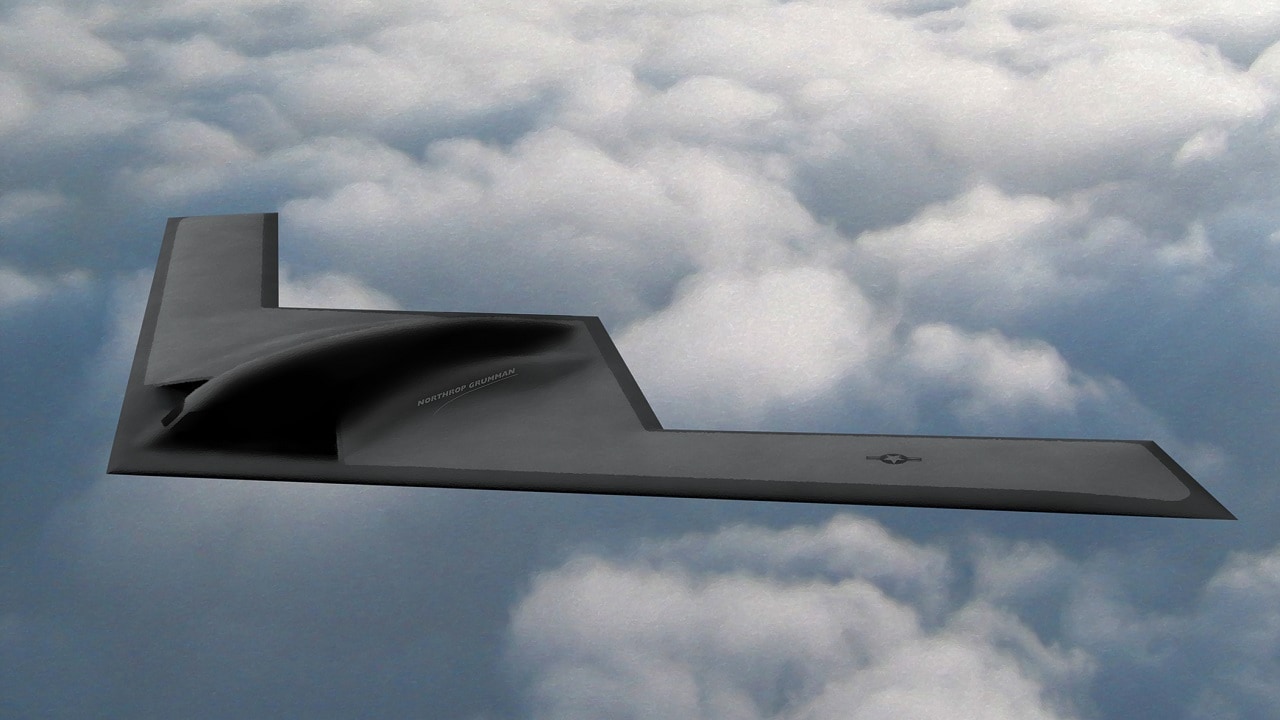
B-21 Raider bomber. Image Credit: Creative Commons.
“I can certainly understand their desire to have a long-range strike capability like the United States, and I know that they’re pursuing it aggressively,” Davis said, adding that “they’re just not there yet.”
“I think our adversaries look at our long-range strike capabilities and…want to mimic them, but they can’t.”
Nevertheless, Davis argued that China is more interested in developing its regional bomber force.
“There’s no other country in the world that can take and deliver a long-range strike platform pretty much on any day, in any time and place that they’re choosing, right?” he said about U.S. bomber capacity. “Really, China is a regional bomber force at best. I think they’re trying to continue to develop that.
Davis was addressing China’s current capability and did not appear to deny the existence of the H-20 program, but his comments do reflect a level of skepticism about the extent of the progress on the rumored platform. Washington believes that China is indeed chasing global strike power, then, but simultaneously believes that most of its resources are being focused on developing its regional bomber force.
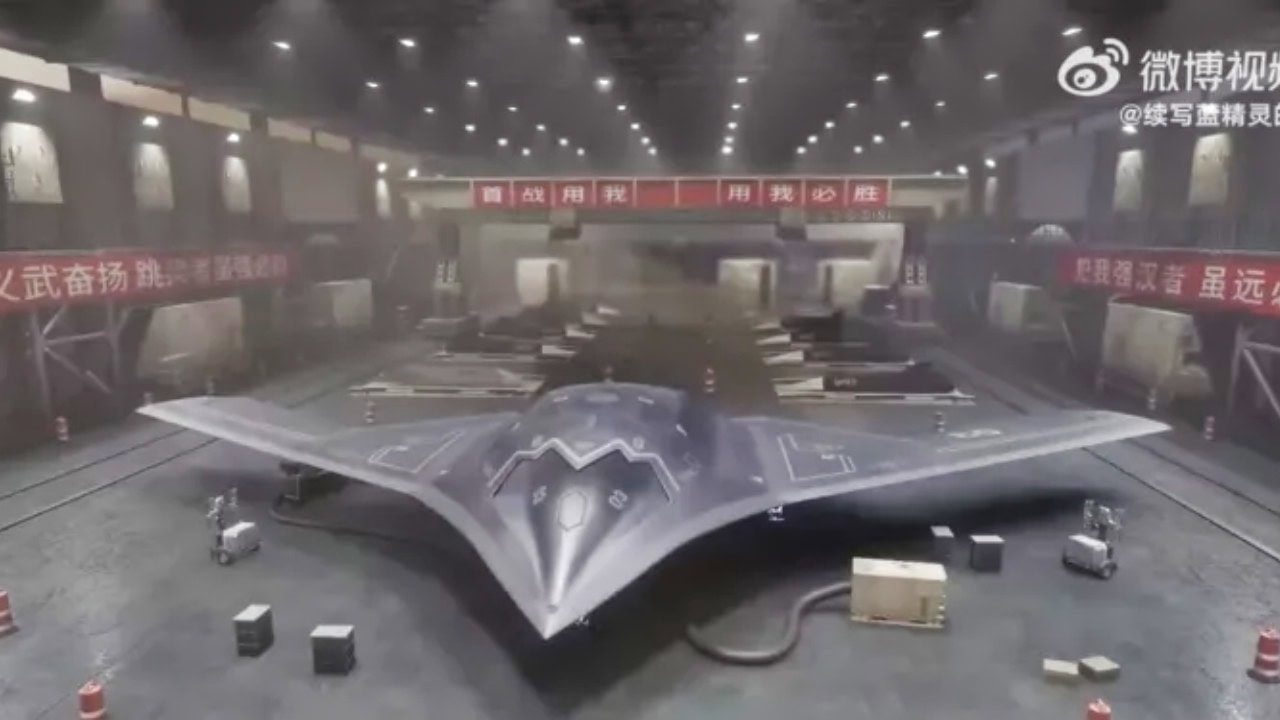
H-20 Bomber. Image Credit: X Screenshot.
What is the H-20?
The Xi’an H-20 is widely believed to be China’s first true intercontinental, stealth, nuclear-capable bomber – one that is broadly analogous in concept to the American B-2 Spirit and the forthcoming B-21 Raider. The program was first publicly acknowledged in 2016, when the People’s Liberation Army Air Force (PLAAF) confirmed it was developing a new-generation long-range bomber.
Speculation then intensified in 2021 after images embedded in a promotional video by manufacturer AVIC appeared to show a flying-wing aircraft that resembled the B-2.
Further unverified imagery circulated online in late 2025 and early 2026 purporting to show a flying-wing prototype bomber in flight has not been independently authenticated.
The U.S. Department of Defense believes that the program is real, and assesses that the upcoming bomber will likely feature a flying-wing design, have a range beyond 8,500 km and potentially exceeding 10,000 km, and be capable of carrying both nuclear and conventional weapons.
For now, though, China’s bomber force remains regional, centered on upgraded H-6 variants like the H-6K and H-6N – aircraft capable of carrying long-range cruise missiles and, in the H-6N’s case, potentially air-launched ballistic missiles. In recent years, Beijing has expanded H-6 operations into the South China Sea and Western Pacific, including patrols around Taiwan.
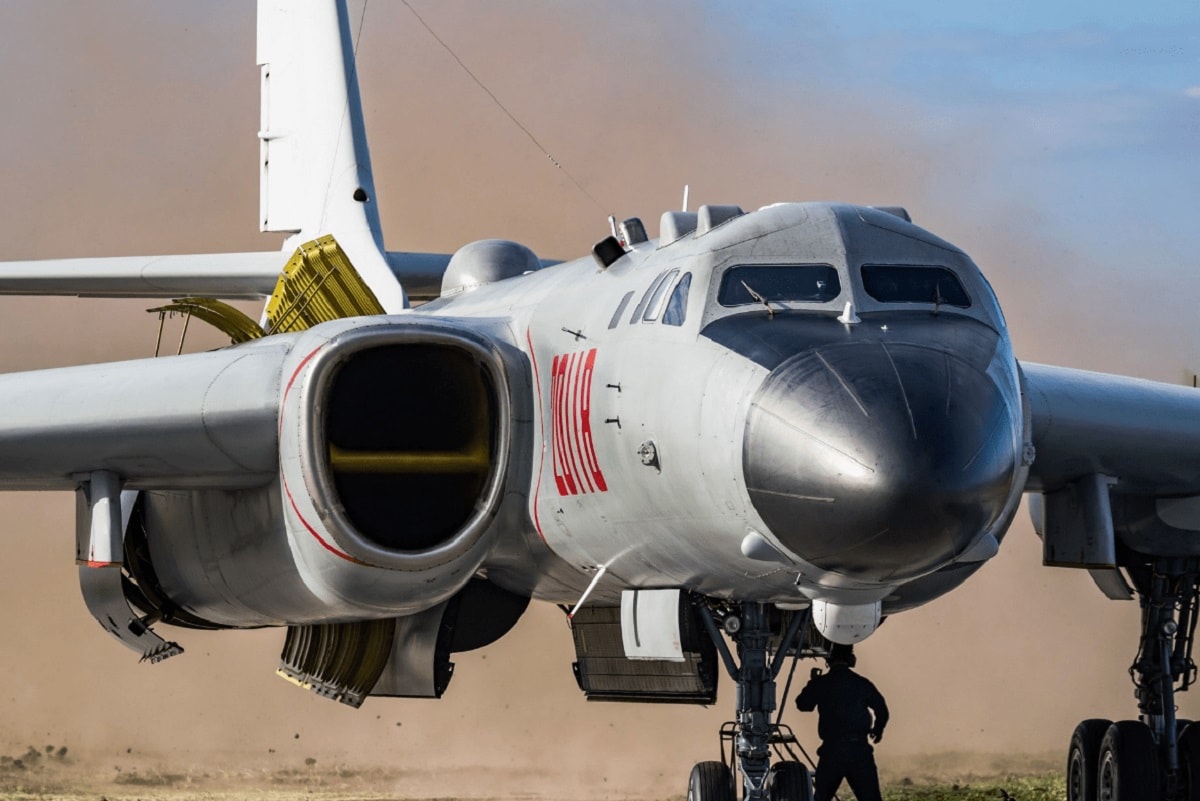
H-6 Bomber. Image: Creative Commons.
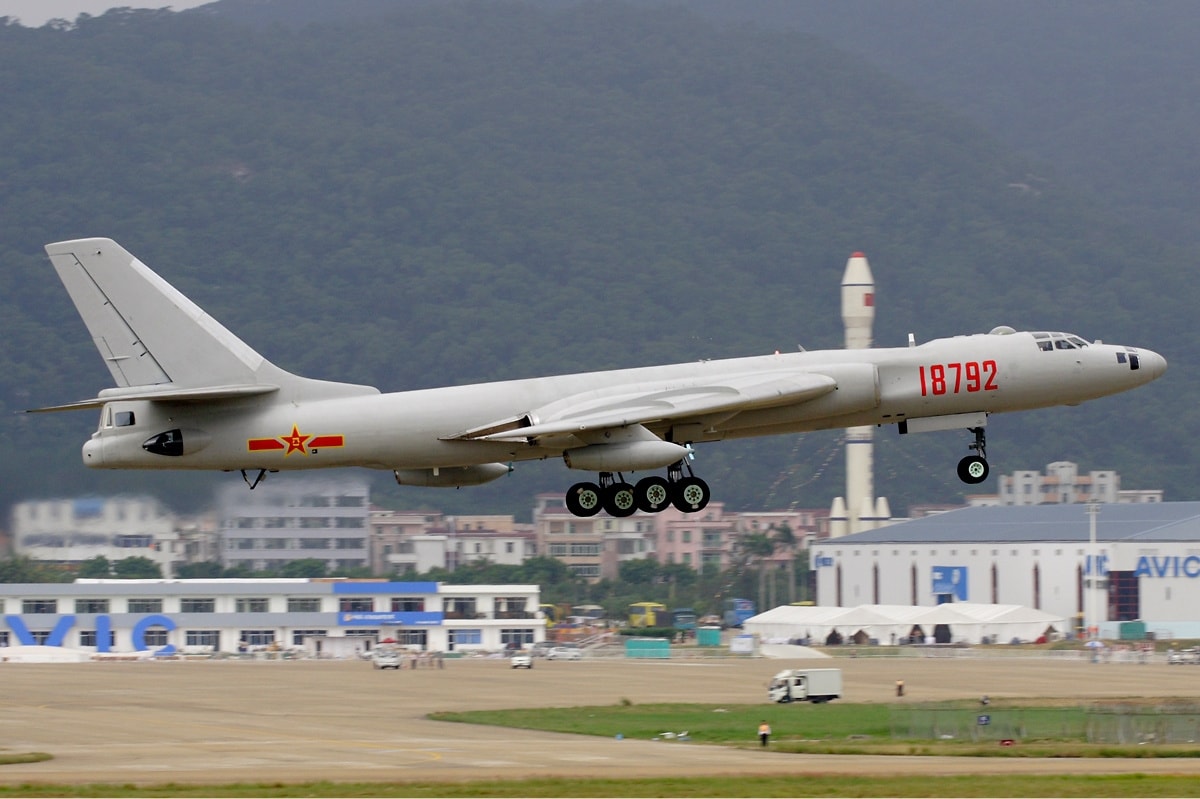
PLANAF HY-6U with aerial refuelling pods (2008) “The most distinct difference between HY-6U and HY-6D is that HY-6U has a metal nose cone, while HY-6D still has the transparent glass nose”.
Is Davis Right?
Davis is not offering a casual assessment of China’s current and projected bomber capabilities. As commander of the U.S. Air Force Global Strike Command, he oversees the U.S. bomber force, nuclear command and control, and long-range strike planning, placing him at the center of how Washington evaluates adversary capabilities and timelines. That’s the first thing to note here.
Also, when Davis describes China as a “regional bomber force,” he is speaking less about their intent and more about where Beijing is demonstrably allocating its resources today.
That assessment fits with other trends. Over the past decade, China has rapidly expanded the systems that underpin its regional strike power. Beijing has a large number of H-6K and H-6N bombers armed with CJ-20 land-attack cruise missiles and, potentially, air-launched ballistic missiles. It boasts a growing inventory of DF-26 intermediate-range ballistic missiles explicitly designed for regional conventional and nuclear missions, and it has a maturing ISR and command network that consists of satellites, early warning platforms like the KJ-500, and over-the-horizon radars.
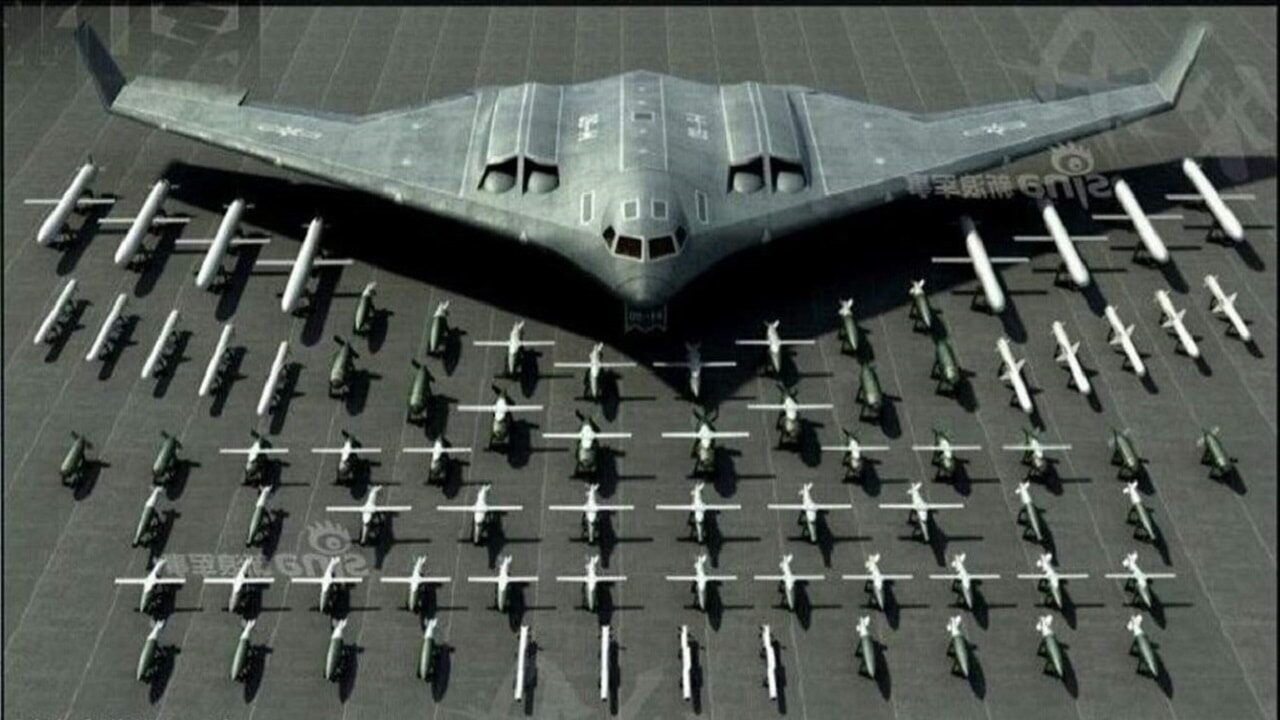
H-20 Stealth Bomber. Image Credit: Artist Rendering Chinese Internet.
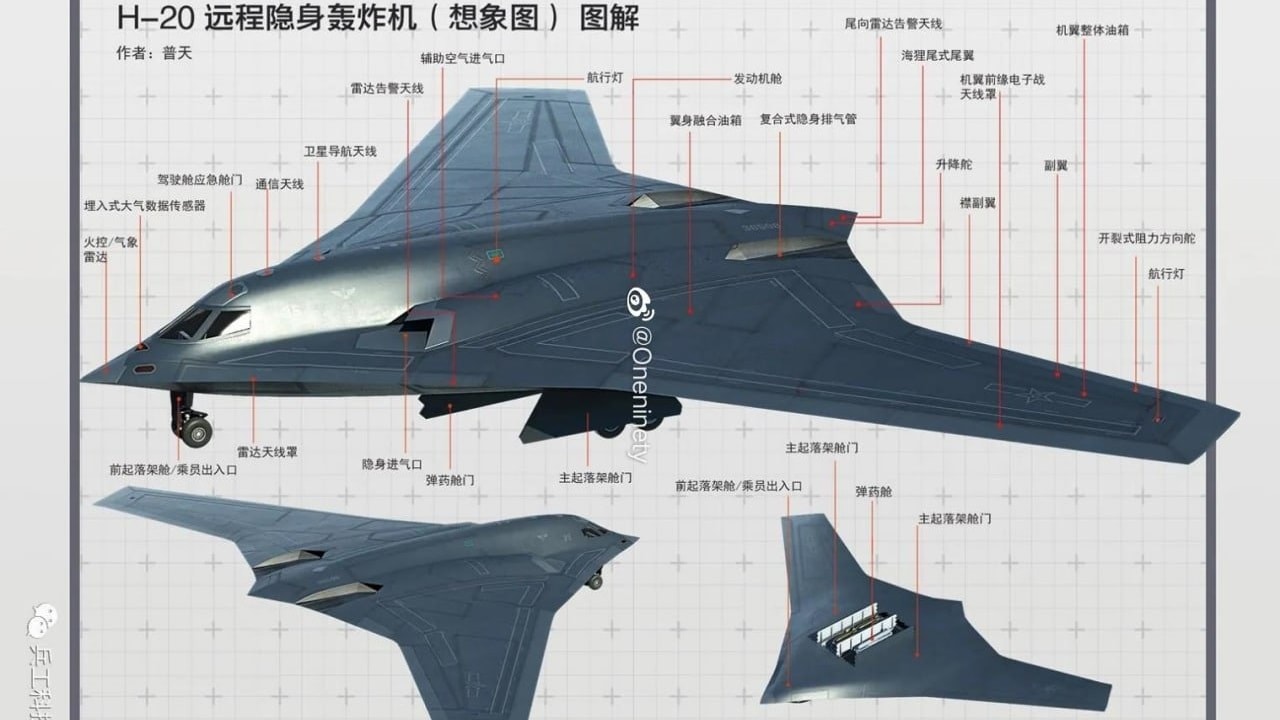
Artist Rendering of China’s H-20 Stealth Bomber. Image Credit: Chinese Internet.
China’s current naval aviation posture and basing strategy also reinforce that same picture.
By flying the H-6 beyond the First Island Chain and conducting bomber flights around Taiwan, and even expanding access to forward airfields in the South China Sea, Beijing is demonstrating that its most significant progress is in regional reach.
That being said, the H-20 appears to be real, and Davis’ comments – I don’t think – are dismissive of the potential of the H-20 in the long term.
Chinese state messaging, coupled with repeated leaks and DoD assessments that the program is real, suggests that Beijing may be close to fielding a global strike platform. But even if the program officially announces major progress soon, there’s no telling how long it will take before the platform can be fielded in substantial numbers, when it will be truly operational, and when Beijing will be ready to use it.
About the Author:
Jack Buckby is a British researcher and analyst specialising in defence and national security, based in New York. His work focuses on military capability, procurement, and strategic competition, producing and editing analysis for policy and defence audiences. He brings extensive editorial experience, with a career output spanning over 1,000 articles at 19FortyFive and National Security Journal, and has previously authored books and papers on extremism and deradicalisation.