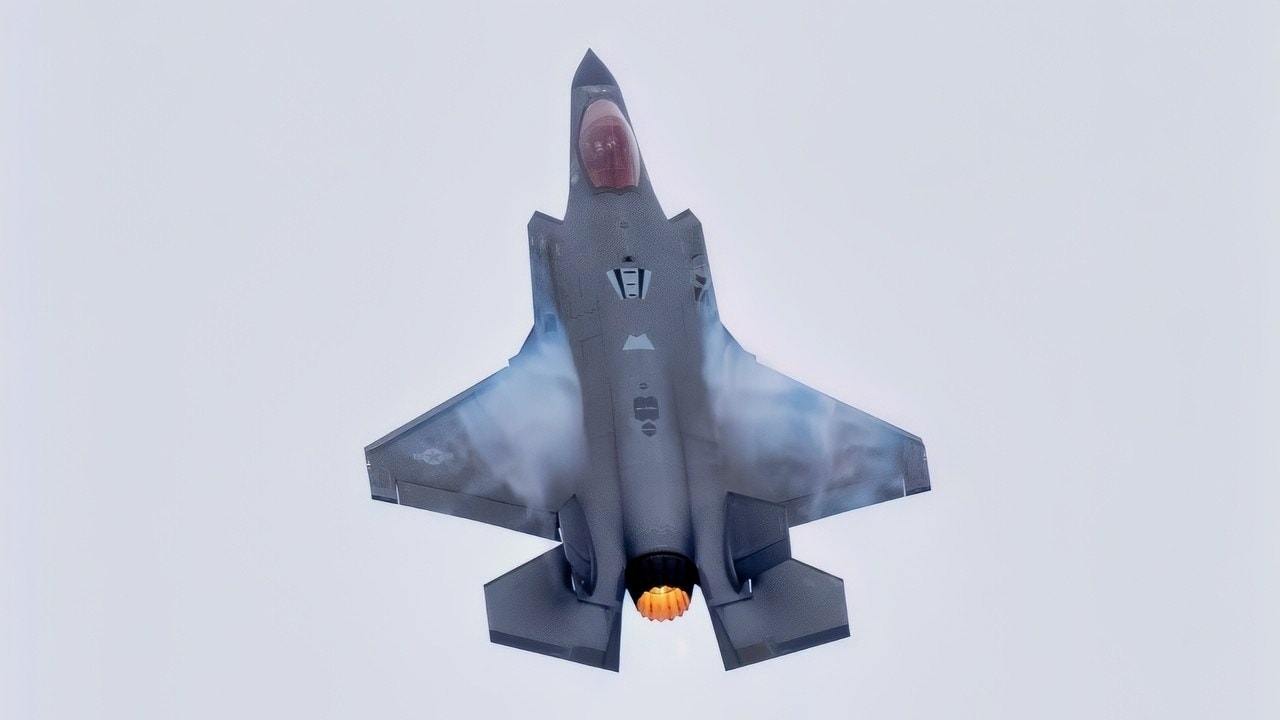
Summary and Key Points: Brandon J. Weichert, a senior national security editor and author of many defense-focused books, analyzes Canada’s potential pivot from the Lockheed Martin F-35 to the Saab JAS 39 Gripen.
-Amidst tensions between Prime Minister Mark Carney and President Donald Trump, this 19FortyFive report explores the risk to NORAD and NATO interoperability.
-The analysis weighs the F-35’s sensor fusion and 5th-generation stealth against the Gripen’s lower costs, evaluating how a failure to align with U.S. and European ISR networks would degrade collective defense in the Arctic and beyond.
The F-35 Standoff: Why Canada’s Refusal to Buy the Lightning II Threatens NORAD Cohesion
Since 1958, the United States and Canada have jointly defended North America’s airspace through the North American Aerospace Defense Command (NORAD). What’s more, the two countries are long-time members of the North Atlantic Treaty Organization (NATO), meaning the Canadian and American defensive strategies are well and truly linked.
NORAD at Risk
Yet Canada is threatening to upend both NORAD’s and NATO’s essential military interoperability by refusing to purchase the Lockheed Martin F-35 Lightning II fifth-generation stealth warplane. Instead, Canada is contemplating the purchase of a 4.5-generation Swedish warplane, the Saab JAS 39.

An F-35A assigned to the 461st Flight Test Squadron, F-35 Integrated Test Force, conducts a weapon separation test at the Precision Impact Range Area at Edwards Air Force Base, California. AF-01 was the first F-35A built for the United States Air Force and remains an active test asset. (Courtesy Photo by Kyle Larson, Lockheed Martin Corporation)
Ostensibly, the reason that Ottawa is behaving the way it is (after it already agreed to purchase a tranche of F-35s) has to do with US President Donald Trump’s comments about annexing parts or all (depending on the day) of Canada. A recent opinion piece in the Canadian Globe & Mail, however, takes this churlishness on the part of Ottawa’s leadership to task.
Politics Over Policy
According to the author of the piece, Christopher Worswick, the Canadian position lacks any strategic foresight. It also looks bad that the Canadian government would be holding up the purchase of the F-35s they had already agreed to purchase, just to signal displeasure with some of the comments that the American president has made.
These actions, per the Globe & Mail, reflect much more poorly on Canadians than on Americans.
What’s more, if Ottawa’s goal is to defend Canadian sovereignty, secure the Arctic, fulfill its NATO obligations, and protect North American airspace—all of which requires greater interoperability with the US military—then the F-35 is clearly the preferred plane over the Gripen. That’s according to Canada’s own top military leadership, who have consistently advocated for the completion of the purchase of the F-35.
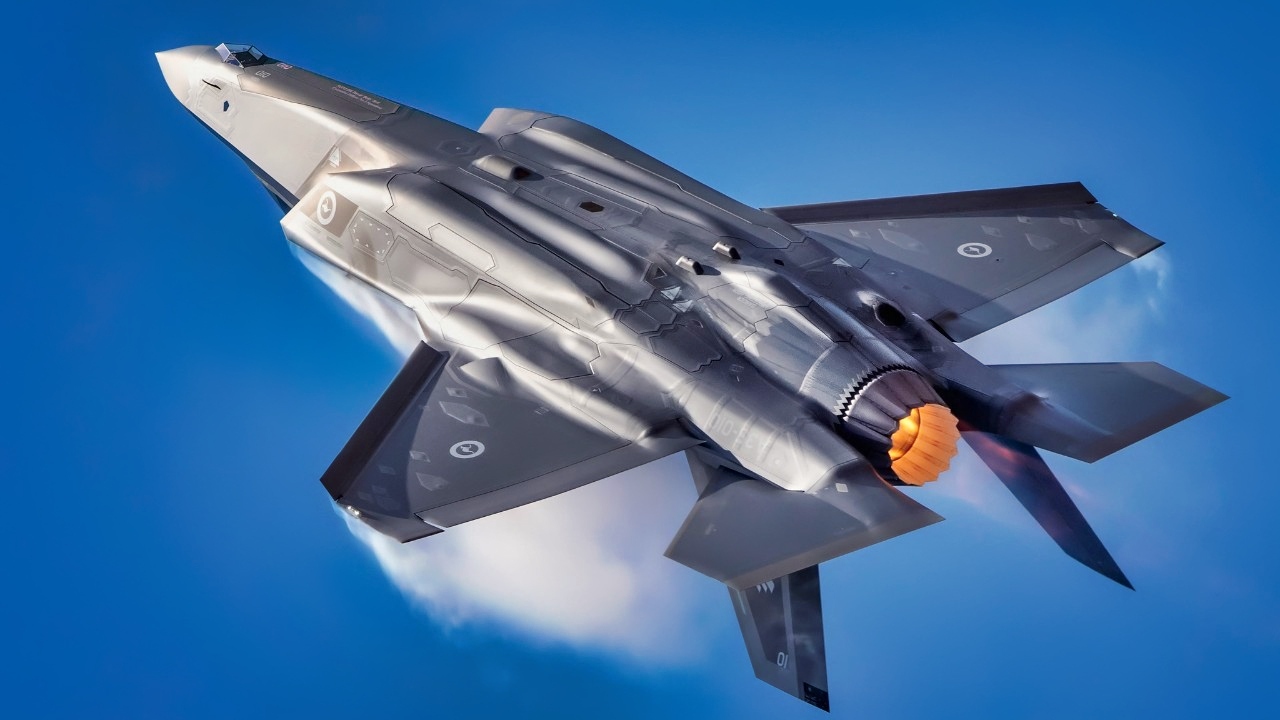
F-35 fighter. Image Credit: Creative Commons.
The F-35 vs. JAS 39 Gripen
The F-35 Lightning II features advanced sensor fusion, enhances interoperability with US and NATO elements, is designed for high-end peer conflict, and is fully integrated into allied logistics and intelligence, surveillance, and reconnaissance (ISR) networks.
The Saab JAS 39 Gripen, on the other hand, is only a 4.5-generation warplane; it is cheaper than the F-35, but it lacks the kind of stealth that fifth-generation plane, like the F-35, possesses. It uses an American-made GE F414 engine and delivers strong performance—especially in regional defense roles.
But the key distinction between the F-35 and Gripen lies in stealth and sensor fusion. The Americans argue, and the Canadian military leadership agrees, that the F-35 would offer greater protection for Canada than would the Gripen.
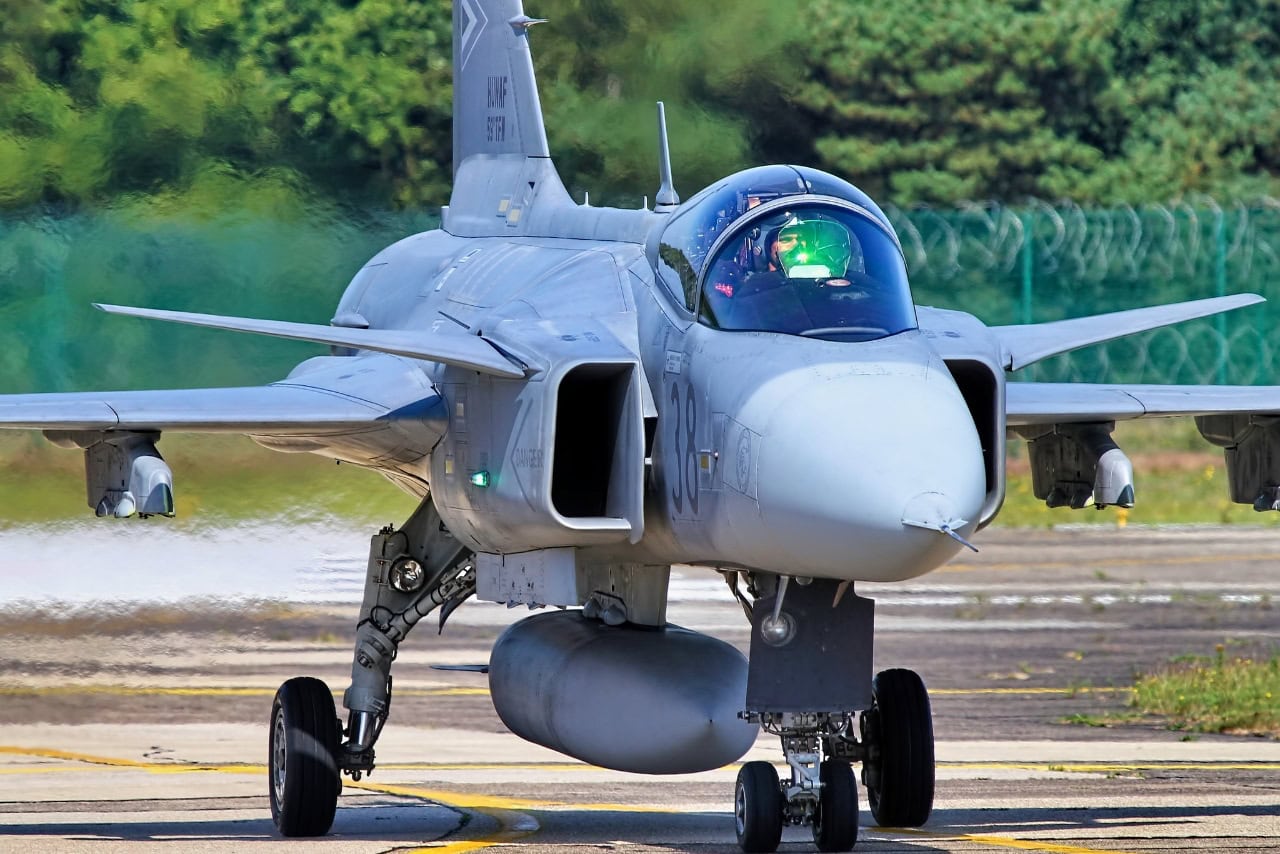
JAS 39 Gripen. Image Credit: Creative Commons.
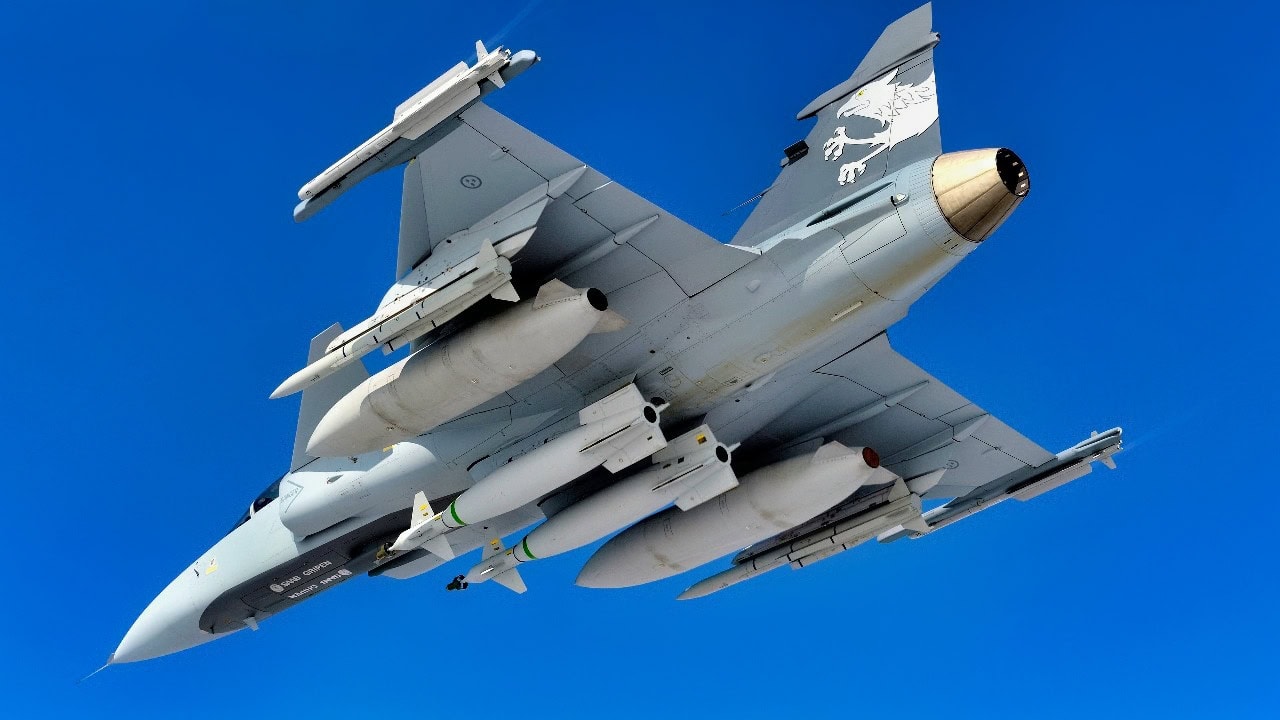
JAS 39 Gripen. Image Credit: Creative Commons.
Plus, the NORAD integration problem is a major component of this conversation. You see, the F-35 already aligns with existing US sensor and command networks. In contrast, the Gripen would increase integration costs for the Canadian Armed Forces, complicate the logistics chain between the US and Canada, and unintentionally weaken NORAD cohesion, which Canada deeply and consistently values.
Canada’s government is far more ideologically supportive of NATO than the current US administration is.
Yet if the Canadians chose the Gripen over the F-35, it would greatly complicate shared maintenance, munitions, data links, and pilot training, because much of Europe is transitioning to the F-35. Canada would likely deploy its fighters at some point as part of its NATO agreement.
So, if those Canadian fighters were not interoperable with Europe’s fighters, collective defense would be degraded.
Mark Carney’s Multilateral Paradox
The Gripen is undoubtedly a cheaper, very capable fighter. It won’t serve Canada’s needs. That isn’t only because of the technological shortfalls of the Gripen, but it is also because of the political case that Prime Minister Mark Carney has been making to the world.
You see, at a time when the United States under President Trump has become far more nationalistic and parochial, Carney is attempting to contrast those developments with Canada’s openness and multilateralism.
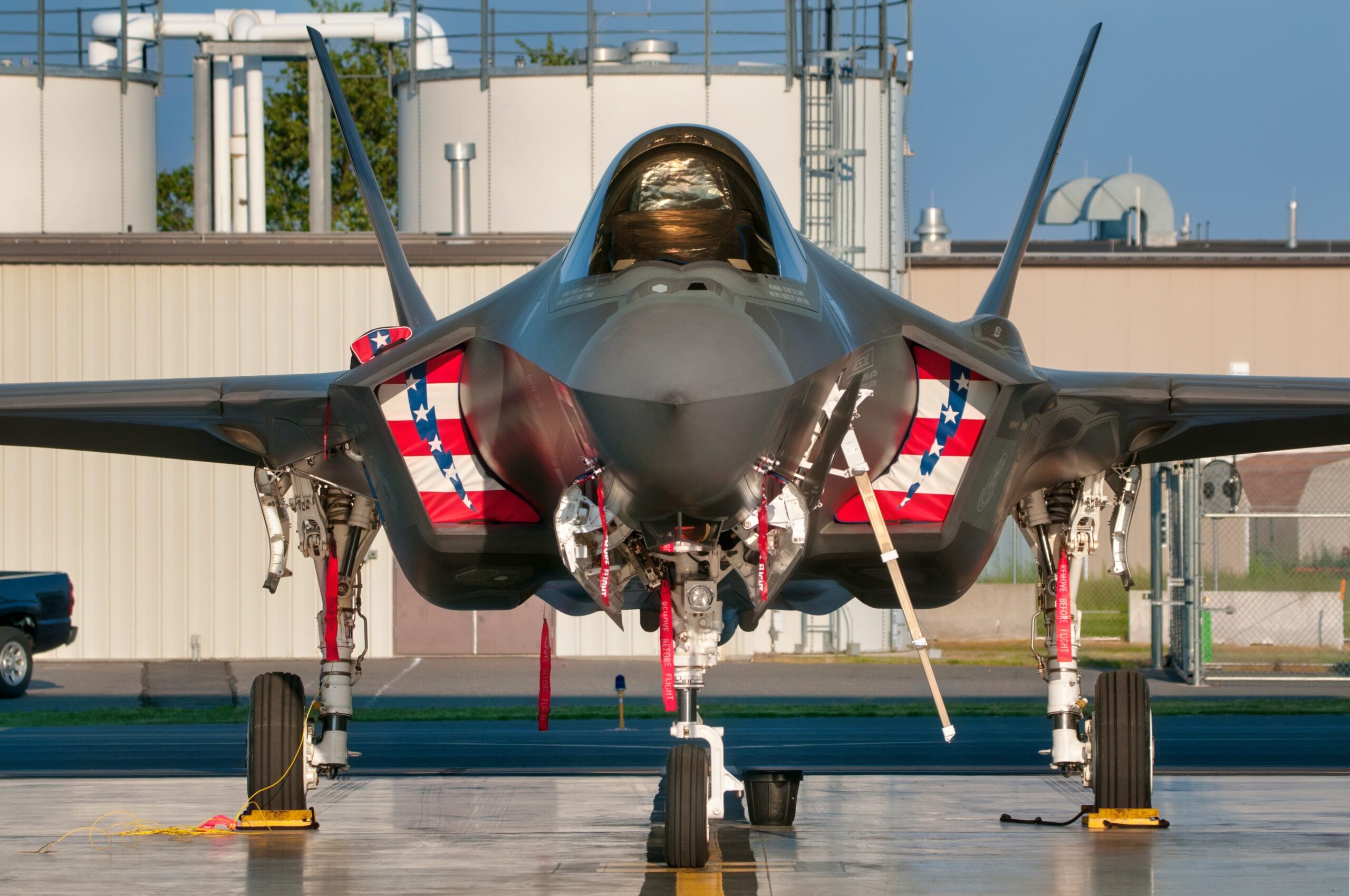
A U.S. Air Force F-35 Lightning II fighter jet from the 56th Fighter Wing, Luke Air Force Base, Arizona, displays it’s crew-designed red, white and blue inlet covers while parked in a military aircraft shelter at the Atlantic City International Airport in Egg Harbor Township, N.J. on May 26, 2016. Pilots and crew from the USAF F-35 Heritage Flight Team made a stop at the 177th Fighter Wing of the New Jersey Air National Guard on the way to their performance at the Jones Beach Airshow in Wantagh, New York on May 28 and 29. (U.S. Air National Guard photo by Master Sgt. Andrew J. Moseley/Released)
Carney is explicitly pro-NATO and wants to maintain the alliance. He wants Canada to be seen as a so-called responsible actor on the world stage (especially when contrasted with, at least in the eyes of the globalists, Donald Trump’s America). Well, if Carney opts out of the F-35 deal with the United States, it will weaken the alliance structures Canada is so keen to promote.
It will undermine Ottawa’s case to the world.
Ultimately, the Canadians are likely to complete their purchase of the F-35s. They’re just going to hem and haw for a while before doing so. Canada needs the United States’ defensive and economic umbrella far more than the United States needs Canada’s, after all.
About the Author: Brandon J. Weichert
Brandon J. Weichert is the Senior National Security Editor at 19FortyFive.com. He was previously the senior national security editor at The National Interest. Weichert is the host of The National Security Hour on iHeartRadio, where he discusses national security policy every Wednesday at 8pm Eastern. He hosts a companion show on Rumble entitled “National Security Talk.” Weichert consults regularly with various government institutions and private organizations on geopolitical issues. His writings have appeared in numerous publications, among them Popular Mechanics, National Review, MSN, and The American Spectator. And his books include Winning Space: How America Remains a Superpower, Biohacked: China’s Race to Control Life, and The Shadow War: Iran’s Quest for Supremacy. Weichert’s newest book, A Disaster of Our Own Making: How the West Lost Ukraine, is available for purchase wherever books are sold. He can be followed via Twitter/X @WeTheBrandon.