
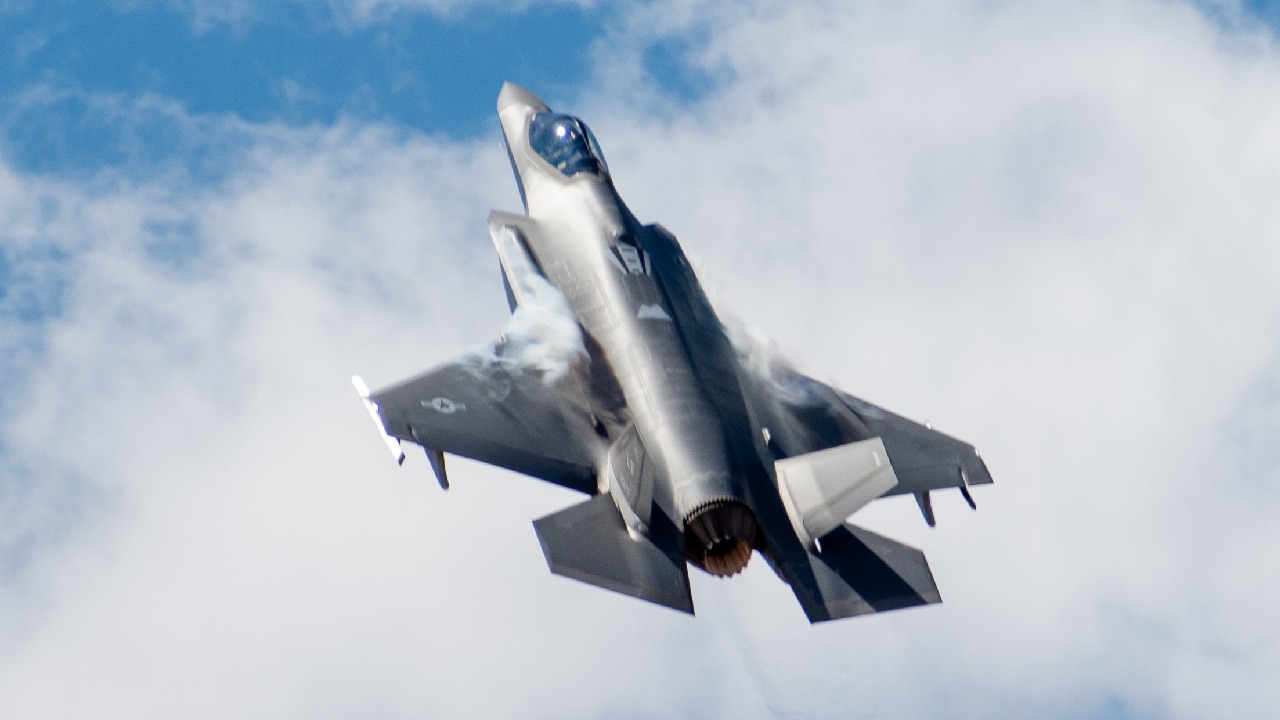
Summary and Key Points: The Canadian government, led by Prime Minister Mark Carney, has reportedly authorized payments for “long-lead” components for 14 additional F-35 Lightning II jets, even as a broader strategic review continues.
-This move aims to secure production slots amidst soaring global demand and escalating trade tensions with the second Trump Administration.
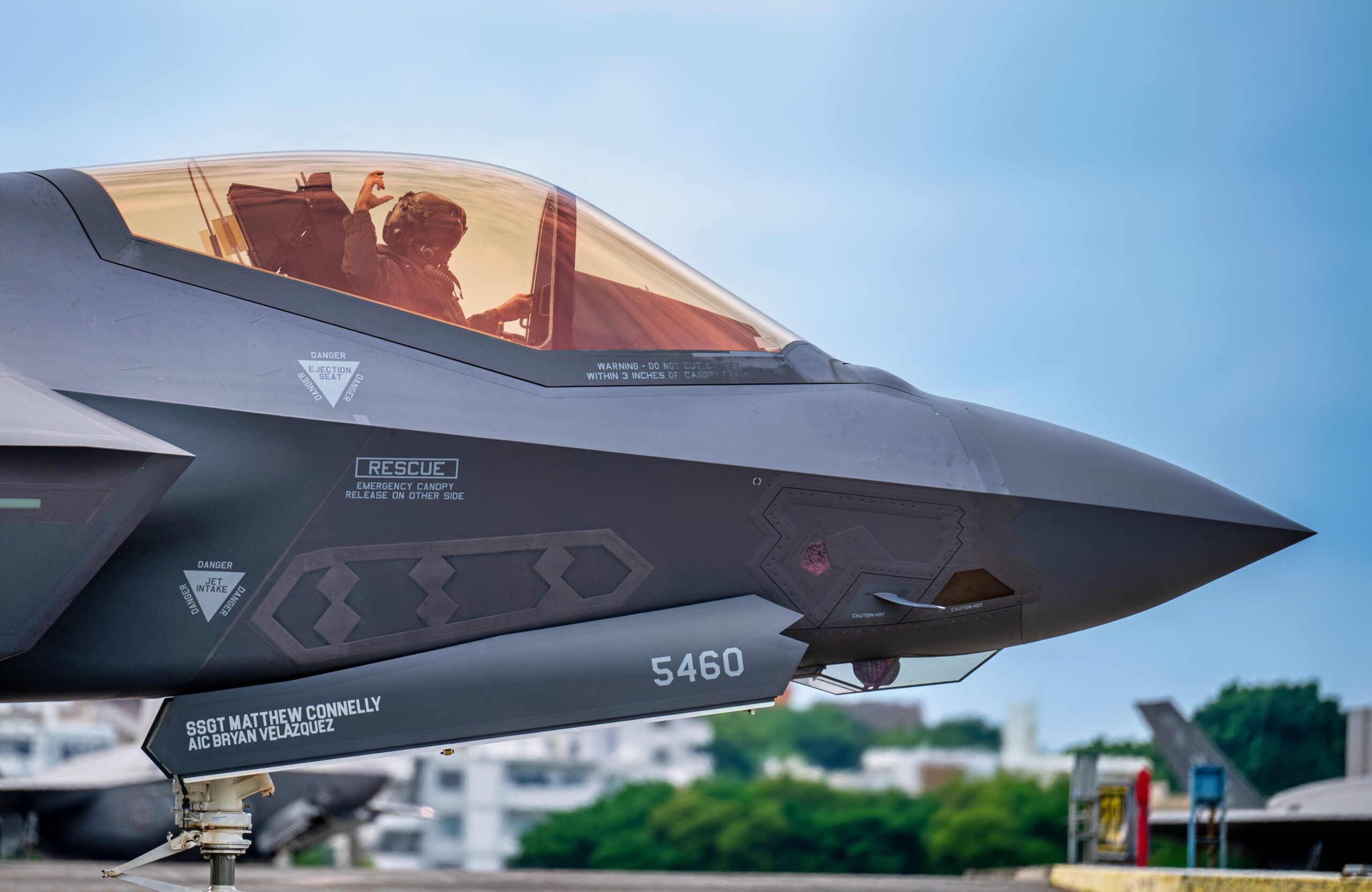
A U.S. Air Force F-35A Lightning II pilot assigned to the 355th Expeditionary Fighter Squadron taxis on the flightline at Marine Corps Air Station Futenma, Japan, during a routine 18th Wing readiness exercise at Kadena Air Base, Japan, May 6, 2025. The U.S. Air Force continues to work on its ability to meet new challenges in dynamic environments. In line with this direction, U.S. Pacific Air Forces is constantly evaluating and validating new warfighting concepts. (U.S. Air Force photo by Senior Airman Catherine Daniel)
-While the U.S. warns that failing to complete the 88-aircraft purchase could jeopardize the NORAD agreement, Ottawa remains cautious of over-reliance on U.S. military technology.
-Consequently, the prospect of a “mixed fleet” featuring the Saab Gripen E remains a viable alternative to maintain Canadian sovereignty.
Mixed Fleet Future? Why Canada Paid for More F-35s While Still Eyeing the Saab JAS 39 Gripen E
As the Canadian government’s review of its purchase of F-35 jets from Lockheed Martin approaches the one-year mark, there are hints about which way Canada is leaning.
On February 10, CBC reported that Canada had placed a deposit for 14 additional F-35s.
“Ottawa has started to make payments for key components for 14 additional U.S.-built F-35s, even as the Carney government has been reviewing future fighter-jet purchases in the context of trade tensions with Washington, sources have told CBC News,” the CBC report said. “The money for these 14 aircraft is in addition to the contract for a first order of 16 F-35s, which will start being delivered to the Canadian Armed Forces at the end of the year.”
The CBC report stated that this doesn’t necessarily mean Canada has made a final decision, but rather that the new purchases are related to certain “long-lead” items, defined as “parts that must be ordered well in advance of the delivery of a fully assembled aircraft.”
Had Canada not made those payments, the thinking goes, it would fall behind the many other countries lined up to buy F-35s.
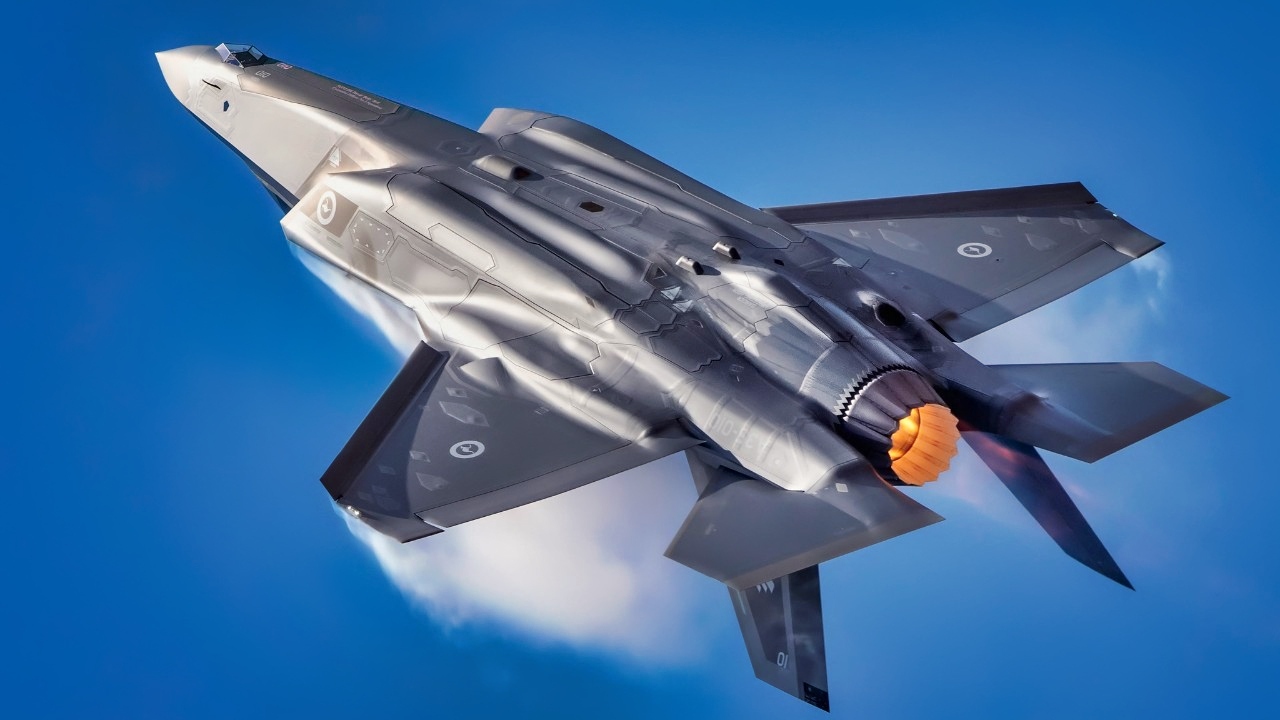
F-35 fighter. Image Credit: Creative Commons.
Following the 2025 election of a new Canadian government and amid the Trump Administration’s tariffs and talk of making Canada the “51st state,” the review of the purchase of 88 F-35s was announced. The review has since continued, despite talk last year that a decision would be made in 2025.
Confirmed in Parliament
The Department of National Defence had responded to the CBC, and had “refused to confirm that new funds have been committed for new F-35s, saying the review of the proposed purchase is “still underway.”
According to an Aerotime report citing a French-language Radio-Canada report, Carney has confirmed the new expenditures in Parliament.
“When pressed in the House of Commons by Bloc Québécois leader Yves-François Blanchet – who accused the government of inconsistency after Carney’s World Economic Forum remarks on strategic autonomy from the United States – the prime minister acknowledged the payments. However, he framed them as an option rather than a firm recommitment,” the Aerotime report said.
The Aerotime report confirmed a few things that have long been known: the Canadian government review remains ongoing; it’s not clear when it might be completed; and if Canada adopts a mixed fleet, the leading candidate for the second jet is Saab’s JAS 39 Gripen E.
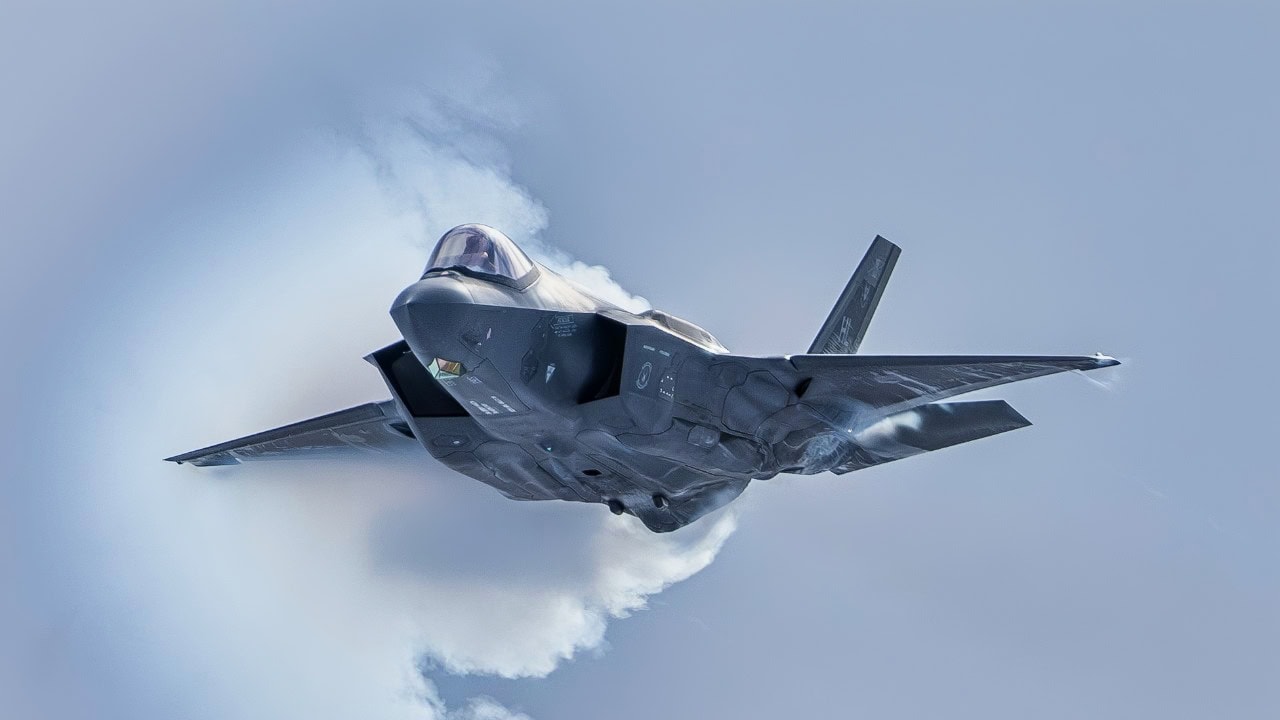
A U.S. Air Force F-35A Lightning II assigned to the F-35A Lightning II Demonstration Team performs a practice airshow performance at Hill Air Force Base, Utah, Jan. 11, 2023. The F-35 Demo Team performs rehearsal flights regularly to maintain required flying certifications and to uphold and maintain their mission and Air Force recruiting standards. (U.S. Air Force photo by Staff Sgt. Kaitlyn Ergish)
Meanwhile, Pete Hoekstra, the US Ambassador to Canada, has continued to pressure Canada, stating in a recent interview that the NORAD agreement “would have to be altered” if Canada does not proceed with the full purchase.
Should the U.S. Be Worried?
A Simple Flying story on Wednesday looked at the F-35 issue from the U.S. side.
“This has created an issue with the North American Aerospace Defense Command (NORAD) where the US Armed Forces may be required to deploy more of its own F-35 fighter jets if Canada cannot afford its own,” the story said.
“This would mean a higher number of airframes need to be procured by the US. President Donald Trump’s administration has notoriously pressured the Canadian government on numerous policy fronts, which has only served to exacerbate the complications with the Royal Canadian Air Force (RCAF) F-35 deal.”
The tensions in the second Trump Administration have escalated tensions between the North American neighbors.
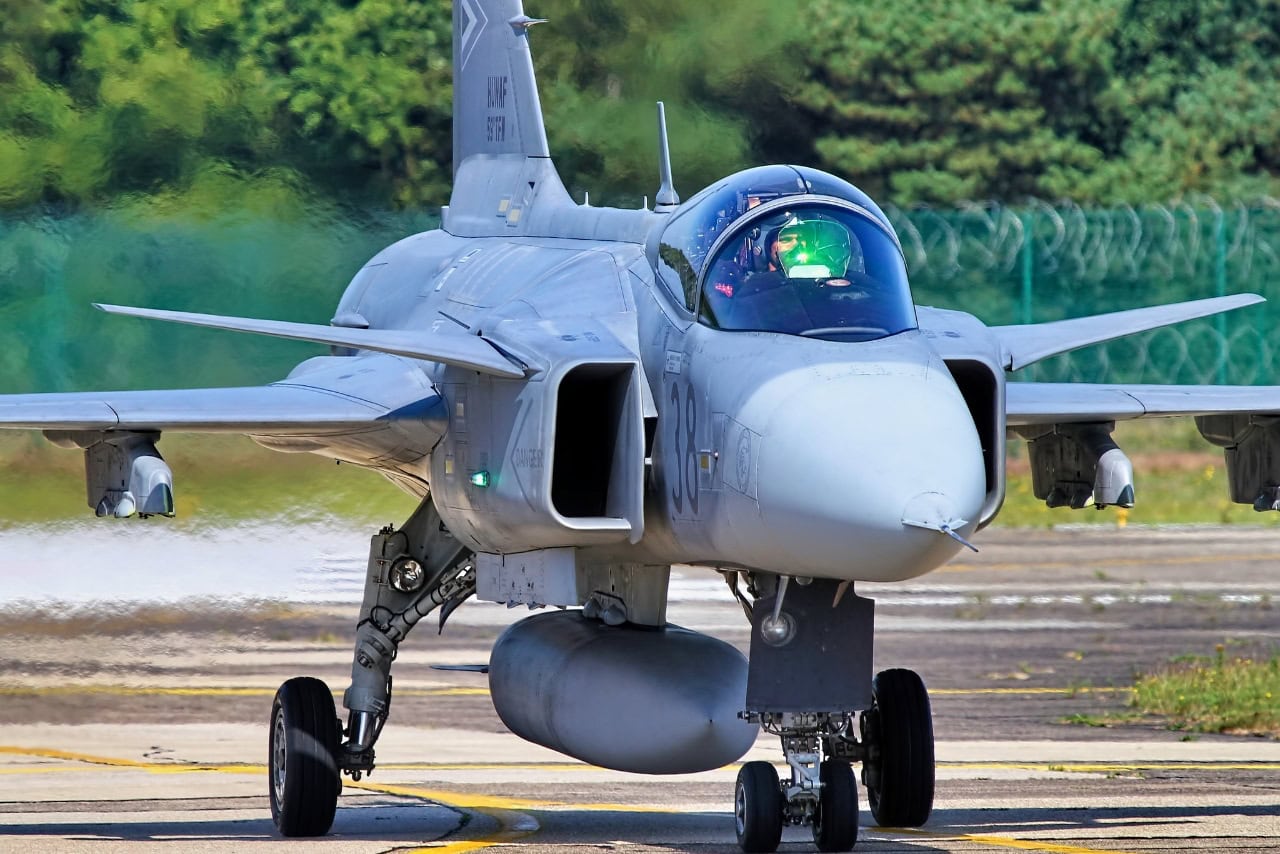
JAS 39 Gripen. Image Credit: Creative Commons.
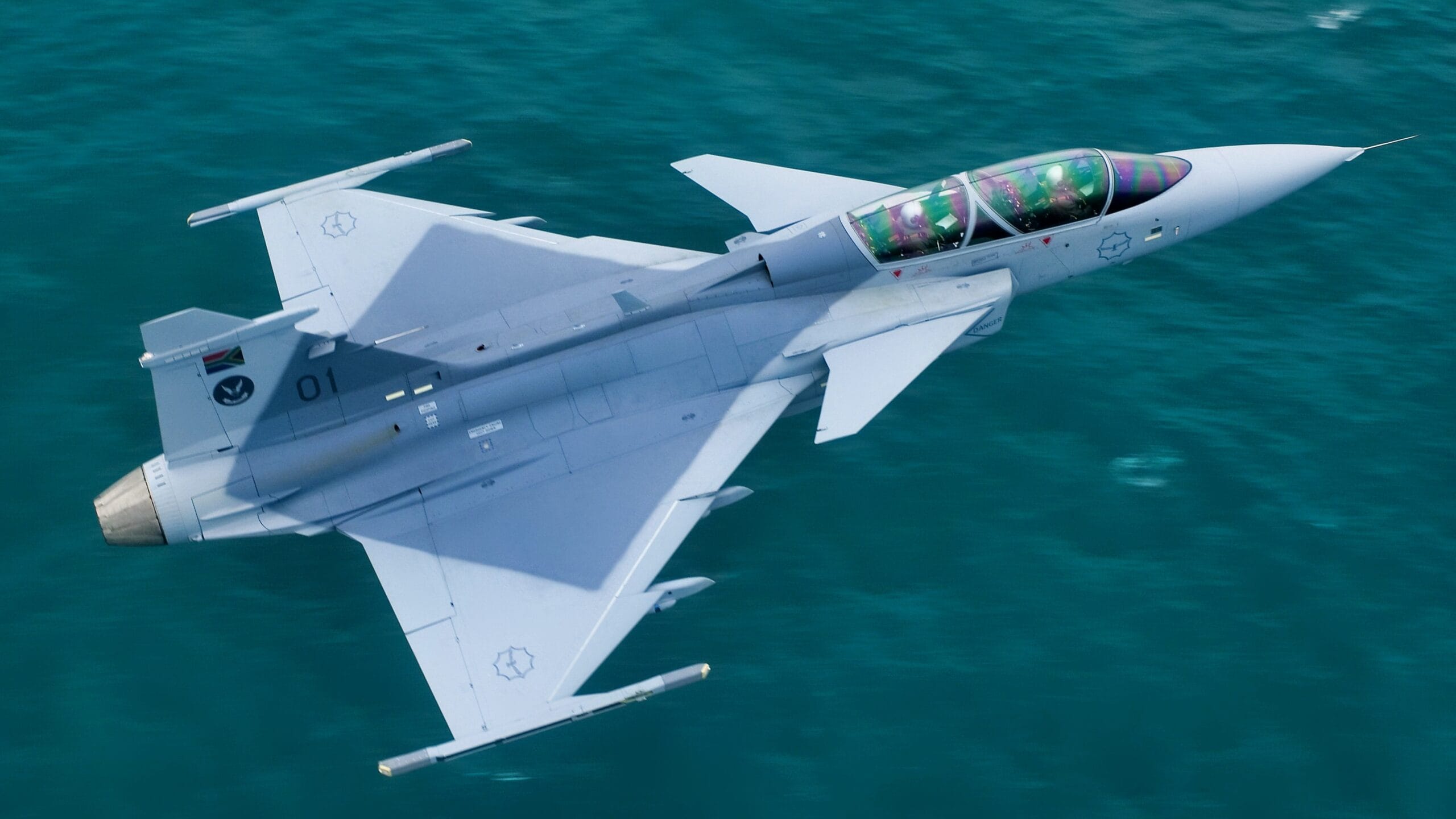
JAS 39 Gripen Fighter. Image Credit: Creative Commons.
“Long characterized by the longest shared border in the world and deep integration through treaties like NORAD, the historic partnership between the United States and Canada is now under unprecedented assault,” Simple Flying reported. “Canada has been forced to reconsider its reliance on US military technology, especially the purchase of F-35 fighter aircraft, as a result of growing trade disputes, rhetoric regarding Canadian sovereignty, and threats to defense cooperation during Donald Trump’s second term.”
To the Middle East
Last November, the U.S. announced that it would sell F-35s to Saudi Arabia, marking the first time that the jet would be made available to a non-democracy or to a Middle Eastern country besides Israel. Qatar and the United Arab Emirates have been offered the jets, but those deals have not been completed.
According to Reuters, the jets going to Saudi Arabia will lack the advanced features of Israeli jets, including “advanced weapons systems and electronic warfare equipment,” under the qualitative military edge (QME) doctrine.
“The F-35 is customized to each country and pilot. The U.S. has the most capable versions, while every other nation receives a less capable fighter. It is possible to keep the Saudi jets, made by Lockheed Martin, technologically inferior to Israeli jets based on the software package permissioned to the jet,” Reuters said.
According to a January Forbes report, the Trump Administration has larger plans for shipping F-35s to the Middle East, including Turkey.
“President Donald Trump again stated that the United States might sell fifth-generation Lockheed Martin F-35 Lightning II stealth strike fighters to Turkey as 2025 came to a close. Trump has repeatedly expressed interest in selling America’s premier stealth fighter to other Middle Eastern states aside from Israel, presently the exclusive operator of that type in the region,” the Forbes report said.
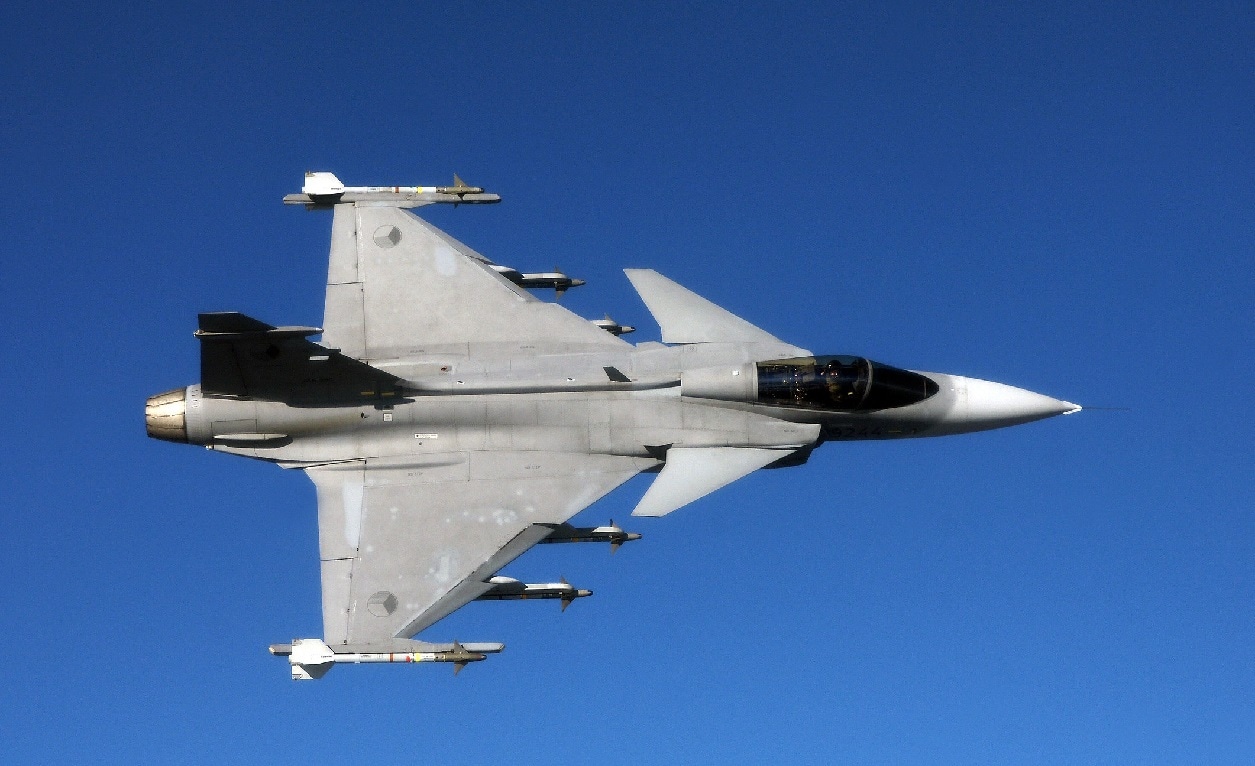
JAS 39 Gripen Fighter Jet. Image Credit: Creative Commons.
Turkey was the only country ever removed from the F-35 program, which occurred in 2019 during Trump’s first term. But Trump describes the Turkish leader, Recep Tayyip Erdogan, as “a very good friend.”
Israel, per Forbes, is opposed to Turkey receiving the jets. It had also been discussed, including during the Biden Administration, that Saudis might receive F-35s as part of a grand normalization deal between Saudi Arabia and Israel, but that has not happened.
“Israel received three new F-35s in early 2025, bringing its fleet size to 42. Once existing orders are completed, Israel will fly 75 F-35s,” Forbes said. “While it flies some F-35As, most of its fleet consists of the F-35I Adir variant, exclusively flown by Israel and featuring Israeli-developed systems and weapons. Israel is the only foreign operator of the F-35 permitted to modify the advanced American aircraft.”
About the Author: Stephen Silver
Stephen Silver is an award-winning journalist, essayist, and film critic, and contributor to the Philadelphia Inquirer, the Jewish Telegraphic Agency, Broad Street Review, and Splice Today. The co-founder of the Philadelphia Film Critics Circle, Stephen lives in suburban Philadelphia with his wife and two sons. For over a decade, Stephen has authored thousands of articles that focus on politics, national security, technology, and the economy. Follow him on X (formerly Twitter) at @StephenSilver, and subscribe to his Substack newsletter.