
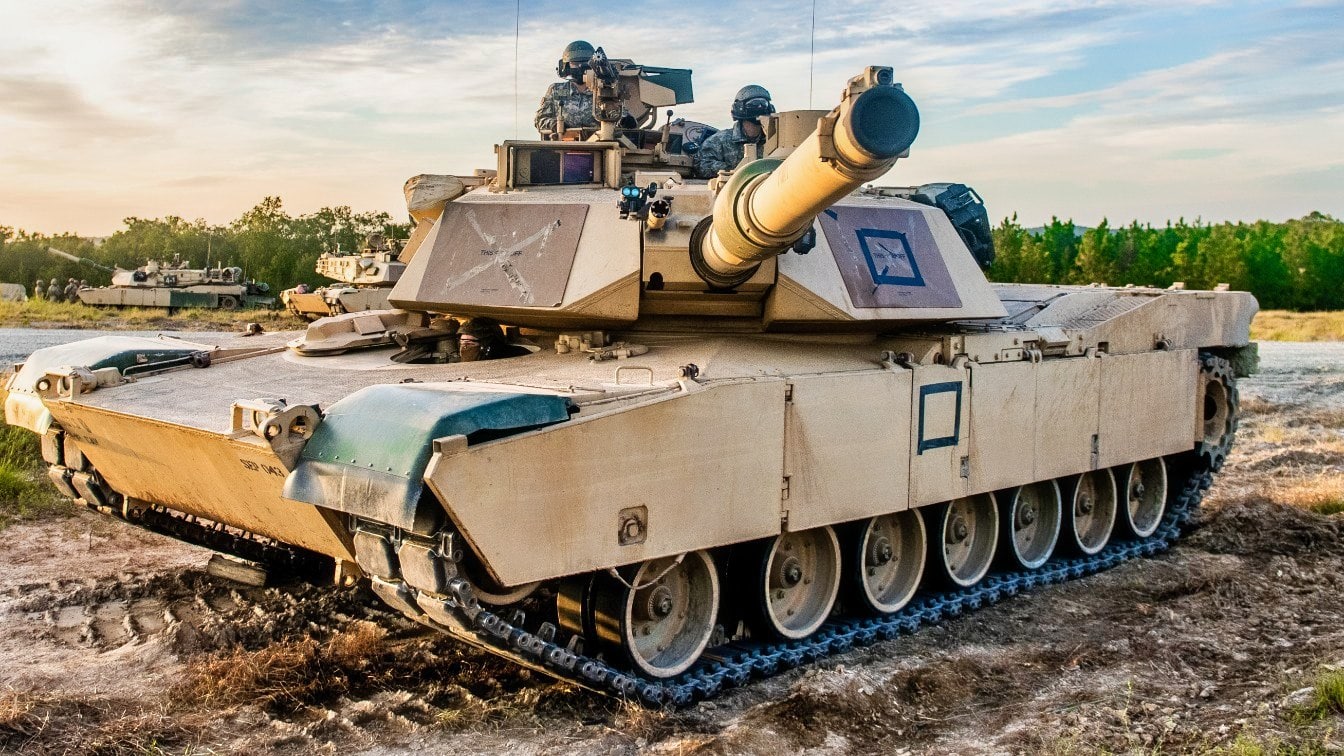
Summary and Key Points: Dr. Robert Kelly, a professor of international relations at Pusan National University, evaluates the strategic and domestic risks of the 2026 Iran War.
-Launched by President Donald Trump with the explicit goal of regime change, the campaign utilizes USAF bombers and Navy Carrier Strike Groups to suppress Iranian Integrated Air Defense Systems (IADS).
-This 19FortyFive report analyzes the potential for a “quagmire” should internal revolts fail, the risk of Iranian proxy retaliation via Hezbollah, and the unprecedented “neoconservative” pivot within the MAGA movement as the U.S. commits to a massive war of choice.
Beyond Airpower: Why the 2026 Iran Campaign May Inevitably Require U.S. Ground Troops
US President Donald Trump ordered a full assault on Iran today.
US airpower, supplemented by Israel, is now pounding sites all over the country.
In Trump’s war statement, he endorsed a maximal outcome – regime change.
This goes beyond reducing Iran’s nuclear program and conventional military capabilities.
It is revolution.
Trump encouraged the country’s people to rise up and, presumably, part of the US air campaign will be assisting that uprising through targeted strikes on Iranian government sites.
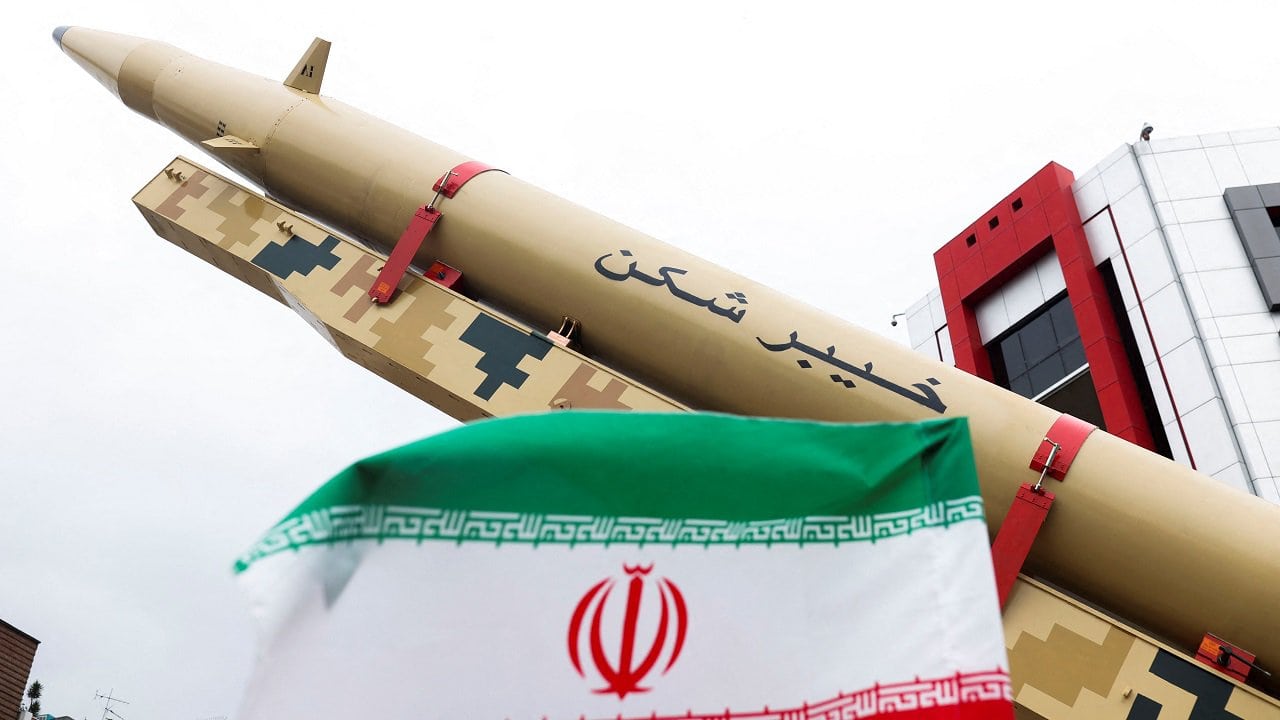
An Iranian missile is displayed during a rally marking the annual Quds Day, or Jerusalem Day, on the last Friday of the holy month of Ramadan in Tehran, Iran April 29, 2022. Majid Asgaripour/WANA (West Asia News Agency) via REUTERS
This is an enormous gamble.
Air power alone does not have a good record of facilitating regime change.
Hence, Trump’s call for Iranians on the ground to take advantage of this window to rise up.
But if they fail – as they did in last month’s revolts there – then Trump will have to send in US ground troops.
If he does not, then the regime will survive, and post-war Iran will stop at nothing to build a nuclear weapon.
By striking this hard, Trump has created a now-or-never problem for himself: he must win definitively, or Iran post-war will be worse than ever, including an unrelenting sprint for nukes.
Trump is making two big gambles – one at home, the other abroad
At Home: MAGA will Accept an Unexplained Swing to Neoconservatism
Trump famously took over the Republican party in 2015-16 by campaigning against ‘forever wars’ and neoconservatism.
He has marketed himself for years as the ‘peace candidate,’ claims he solved eight wars just last year, sought the Nobel Peace Prize, and chairs a global “Board of Peace.”
Trump’s instinct to avoid complex foreign engagements was always one of his most popular policy choices.
Almost all Americans agree that we intervene militarily too often around the world.
Today’s huge war of choice, launched with no explanation to the American public and expansive goals that could easily require US ground forces, dramatically invalidates all that.
Trump is now the ‘neocon’ he has pilloried against for a decade.
This is shocking. It is a huge inversion of a core pillar of Trump’s ‘Make America Great Again’ (MAGA) movement, and Trump has not even bothered to explain this ideological U-turn.
MAGA critics often call it a cult. This is the ultimate test of that critique. If MAGA has any ideological identity distinct from Trump, it will protest this war.
It is a direct contradiction of a decade of MAGA foreign policy thinking.
Trump has gambled his strongest domestic support for a war few want and his own base should oppose.
This is surprisingly reckless for a politician with such uncanny instincts.
Abroad: A Lengthy, Risky Campaign
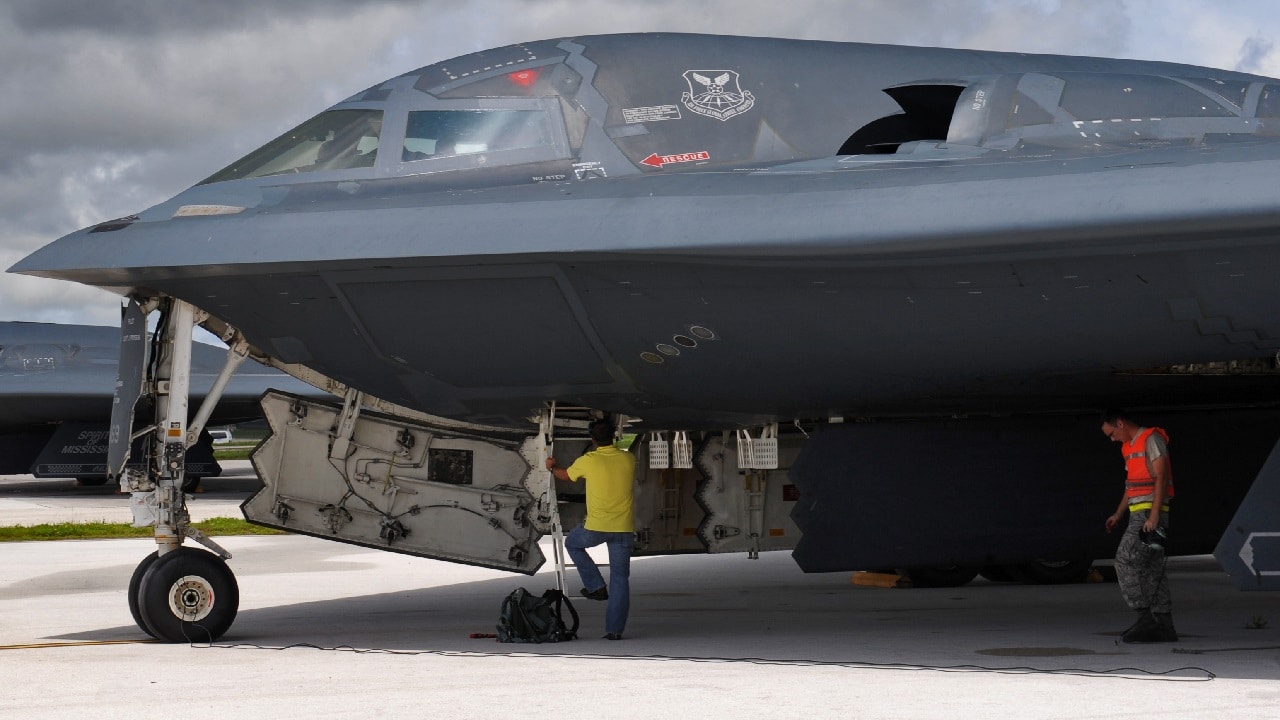
U.S. Air Force B-2 Spirit aircraft undergo pre-flight inspections prior to take off at Andersen Air Force Base, Guam, Aug. 11, 2016. More than 200 Airmen and three B-2s deployed from Whiteman Air Force Base, Mo., to conduct local sorties and regional training and integrate with regional allies in support of Bomber Assurance and Deterrence missions. (U.S. Air Force photo by Tech. Sgt. Miguel Lara III)
The other big risk, of course, is that the war itself goes awry.
War-starting elites always want a blitzkrieg – a quick victory at low cost.
In modern US experience, the 1991 Gulf War is the model for such an easy, decisive victory.
But this is rare, of course.
Wars drag out, escalate, and produce many unexpected effects.
Hopefully, Trump gets the clean victory he seeks. The Iranian Islamic Republic is appallingly repressive and a global troublemaker.
No one will miss it when it eventually falls. But potential trouble is easy to see:
-Most obviously, if Trump does not win decisively, then post-war Iran will absolutely build a nuclear weapon. A definitive victory like that requires a ground force. If dissidents, who just got crushed last month, cannot do it, then Trump must send in the troops. The possibilities of a quagmire resulting from a US land invasion are obvious.
-The war could easily widen. Many actors, both within and outside the region, would like to see Iran survive. Iran also has proxies around the region and, probably, some terrorist cells in the West. All those could be activated.
-US casualties will sharpen and politicize the war. The US is quite casualty-sensitive and has become accustomed to wars with few battle-deaths. But if Iran manages to score substantial hits against the US – pilots shot down, base staff killed in missile strikes, perhaps a ship sunk – the war will likely escalate. And a ground invasion will result in large casualties, of course. All that will polarize the politics of the war, both in the US and among its allies, who are already keeping their distance from this.
In short, the US has commenced what could easily turn into a large war with many escalation and failure points, and the US public, including MAGA, scarcely knows why.
The Iran War of 2026: What Happens Now?
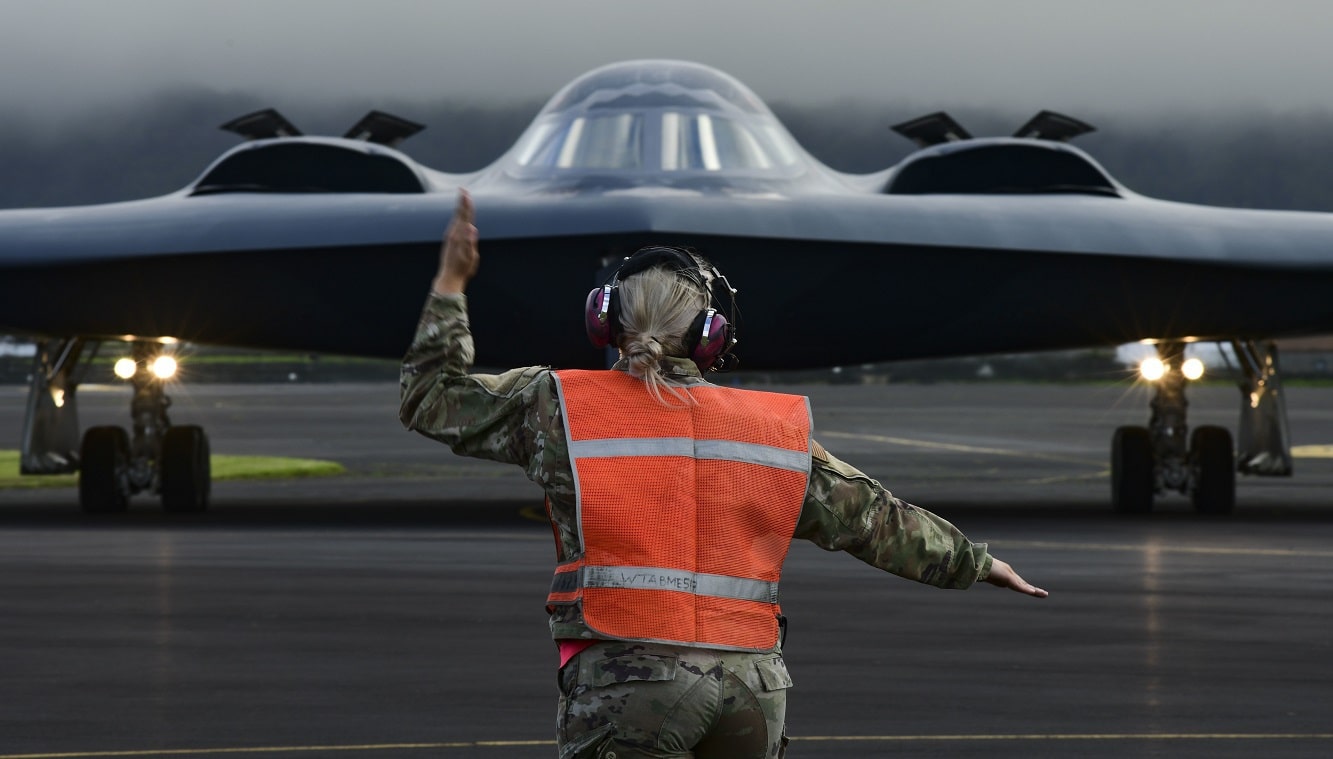
Crew chiefs assigned to the 393rd Expeditionary Bomb Squadron, prep a B-2 Spirit stealth bomber for take off, at Lajes Field, Azores, March 16, 2021. Three B-2s, assigned to Whiteman Air Force Base, Missouri, arrived at Lajes to hot-pit refuel prior to supporting several bomber task force missions in the high north. Strategic bomber missions are conducted periodically to enhance the readiness necessary to respond to challenges, in coordination with partner and allied nations, around the world. Members assigned to U.S. European Command regularly train, fight and live with allies and partners from bases in Europe, to ensure timely and coordinated responses when needed. (U.S. Air Force photo by Tech. Sgt. Heather Salazar)
The US campaign will likely take weeks. First, enemy air defense must be suppressed. That opens air corridors for larger bomber strikes. That will be followed by precision strikes to assist the hoped-for uprising if we are going avoid a US invasion. That could easily grow into a months-long campaign.
We all hope this will work. The Iranian regime is loathsome. But the risks are large; the public is uninformed; our allies are wary; a ground war is likely. This will probably a much bigger war than Trump and most Americans think if Trump seeks the regime change victory he says he wants.
Author: Dr. Robert Kelly, Pusan National University
Dr. Robert E. Kelly is a professor of international relations in the Department of Political Science and Diplomacy at Pusan National University in South Korea. His research interests focus on Security in Northeast Asia, U.S. foreign policy, and international financial institutions. He has written for outlets including Foreign Affairs, the European Journal of International Relations, and the Economist, and he has spoken on television news services such as the BBC and CCTV. His personal website/blog is here; his Twitter page is here.
This piece has been updated since publication.