
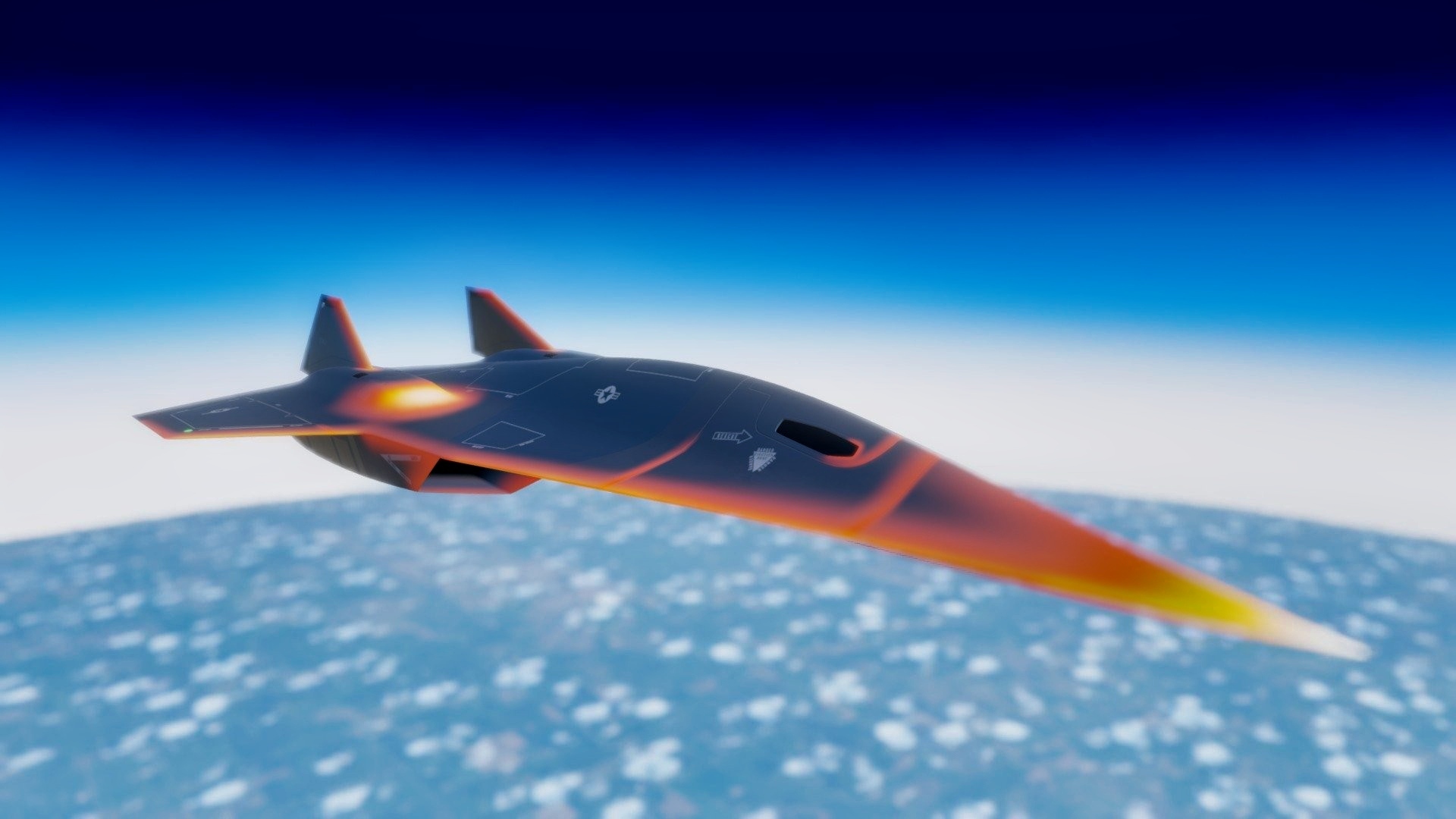
Synopsis: As of February 2026, the Lockheed Martin SR-72 remains a “Mach 6 question mark.”
-Designed to succeed the legendary SR-71, the aircraft utilizes a Turbine-Based Combined Cycle (TBCC) engine, allowing it to take off like a normal jet before transitioning to a scramjet at Mach 3.
-Despite the lack of an official flight announcement, Lockheed’s recent financial filings show nearly $1.7 billion in classified program losses, strongly hinting at high-risk hypersonic testing.
-If operational, the SR-72 could be a “dual-role” asset, capable of both time-critical reconnaissance and launching hypersonic missiles from the edge of space.
New York to London in 30 Minutes: The Insane Physics of the SR-72 Scramjet (If She Flies)
The SR-72 “Son of Blackbird” is one of the most nebulous and mysterious projects currently underway by Lockheed Martin’s Skunk Works division. Speculation about the project began as early as 2007 and was later confirmed in 2013.
The project gained public interest in 2022 when a fictional version of the aircraft, called the SR-72 “Darkstar,” appeared in the blockbuster film Top Gun: Maverick, which sparked further speculation about the actual project. Since Top Gun, however, there has been no news about the project.
Its first flight was scheduled for 2025, but no flights were announced to the public, suggesting the project is either highly classified, delayed, or inactive.
The Blackbird’s Hypersonic Successor
At the heart of the SR-72 concept is its propulsion system: a turbine-based combined-cycle (TBCC) engine that combines a conventional turbine for low-speed operations with a dual-mode ramjet/scramjet for hypersonic cruise.
The idea is to rely on a turbofan or turbojet to handle runway operations and acceleration up to around Mach 3, at which point the airflow regime and pressure allow a transition to a ramjet and then scramjet mode for sustained flight beyond Mach 5.
Lockheed and Aerojet Rocketdyne have been associated with this propulsion architecture since at least 2006, and open-source accounts describe sub-scale TBCC ground tests that integrated a small turbine with a dual-mode ramjet/scramjet through a shared inlet and nozzle, evidence that the concept has moved beyond whiteboard theory.
The goal of the project is to achieve sustained hypersonic flight at around Mach 6 or Mach 7. In 2014, Lockheed conducted tests to develop the SR-72’s propulsion and concluded that TBCC engines could achieve Mach 7 in flight.
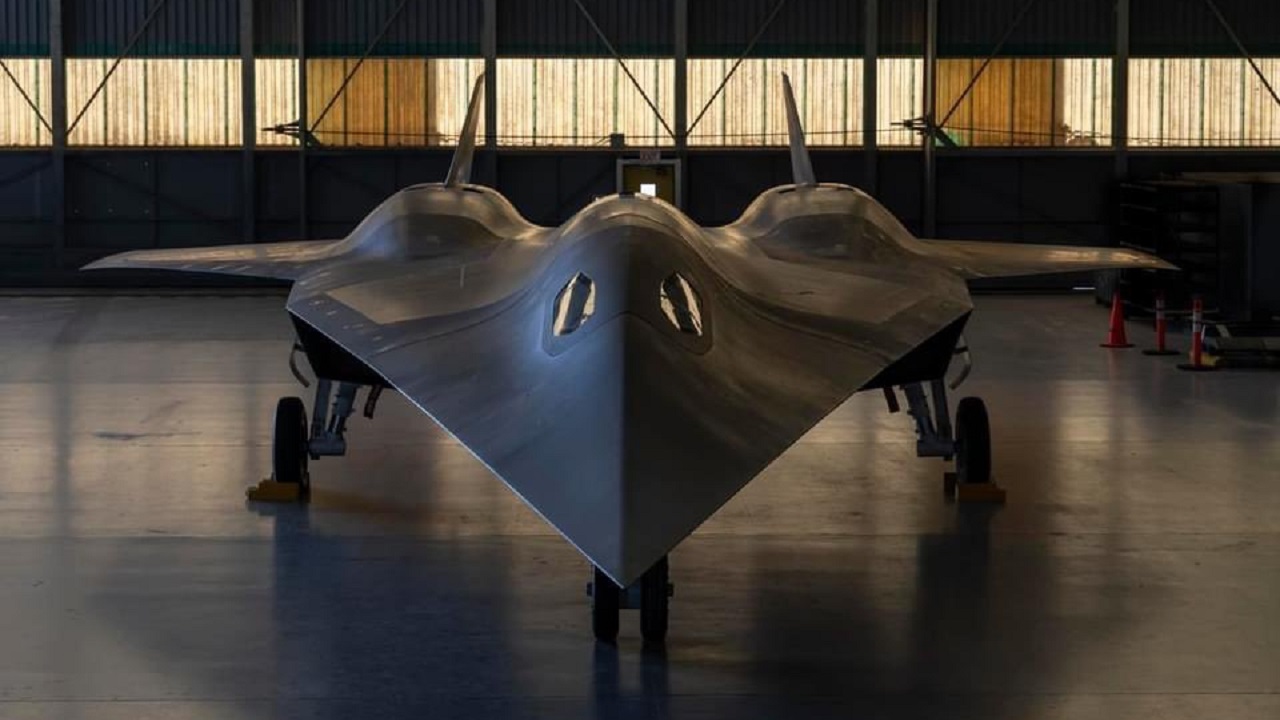
SR-72. Image Credit: Lockheed Martin.
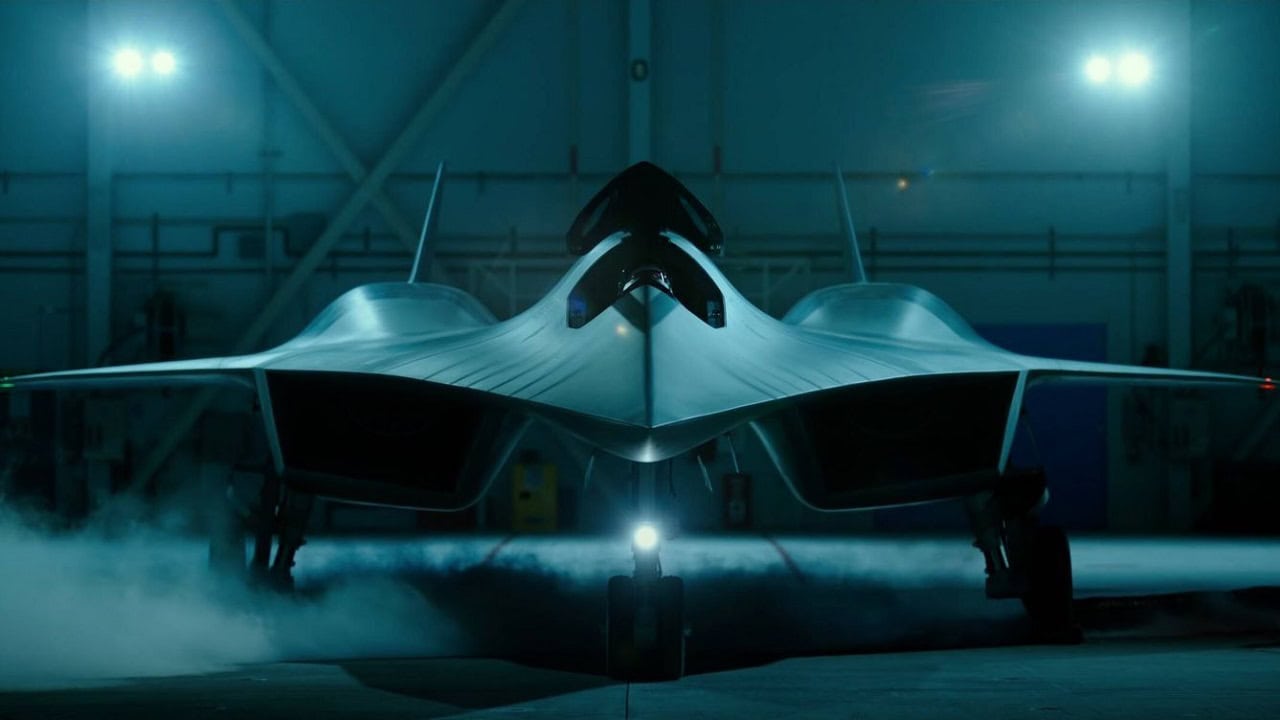
SR-72 Darkstar. Image Credit: Computer Generated Image.
Such raw speeds would allow the SR-72 to outrun most existing air defense systems, enabling it to fly almost anywhere in the world unimpeded. In practical terms, this would allow it to travel from New York to London in about 30 minutes. While satellites are constrained to their orbital paths and predictable patterns, the SR-72 can fly anywhere the Air Force needs it to.
The Insane Engineering Required for the SR-72
The biggest challenge of the entire project is constructing an airframe that can withstand speeds at hypersonic speeds. At Mach 6, external skin temperatures and structural heat fluxes reach levels that exceed those tolerable by conventional aluminum and even many titanium applications.
This forces designers toward advanced carbon composites and integrated cooling pathways that can be additively manufactured into hot-structure components. Some reports have speculated that the SR-72 is likely to incorporate stealth features like stealth shaping or specialized RAM coatings. Like its predecessor, the aircraft is likely to include minimal stealth features. At hypersonic speeds, any RAM coating is likely to be damaged, requiring frequent maintenance and driving up costs.
There have been frequent debates about the SR-72’s intended role. Based on most reports, the aircraft is likely to be used primarily for intelligence and reconnaissance.
In this role, the aircraft would sprint into or around denied airspace, collect time-critical data, and exit before an adversary could do more than detect its presence. However, Lockheed Martin has repeatedly stated that the aircraft would be capable of carrying and launching hypersonic missiles.
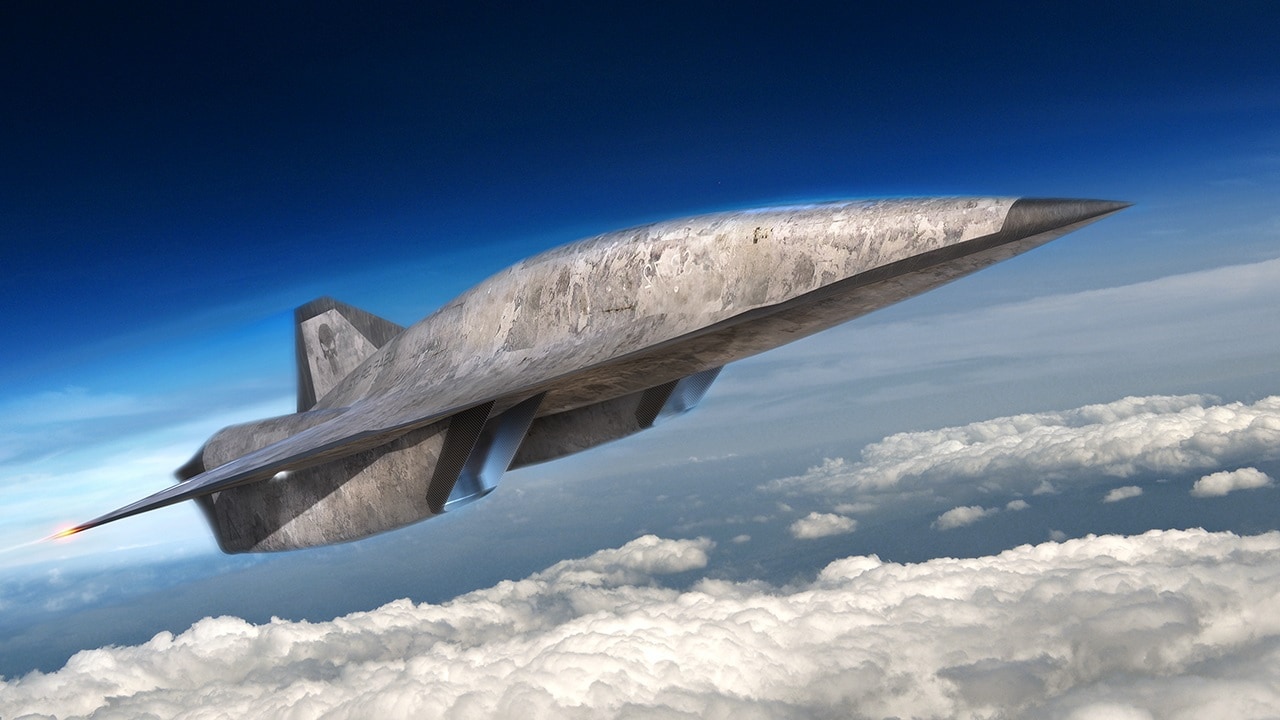
SR-72 artist rendering. Image Credit: Creative Commons.
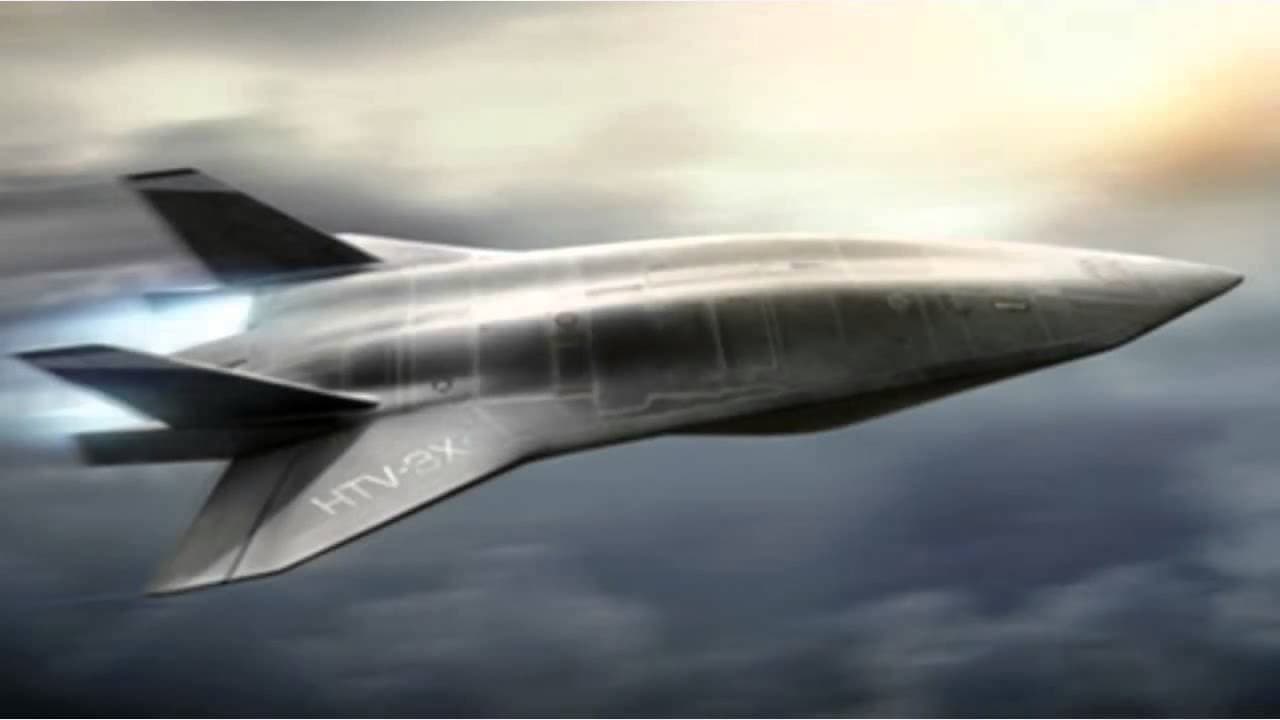
SR-72 artist image: Image Credit: Creative Commons.
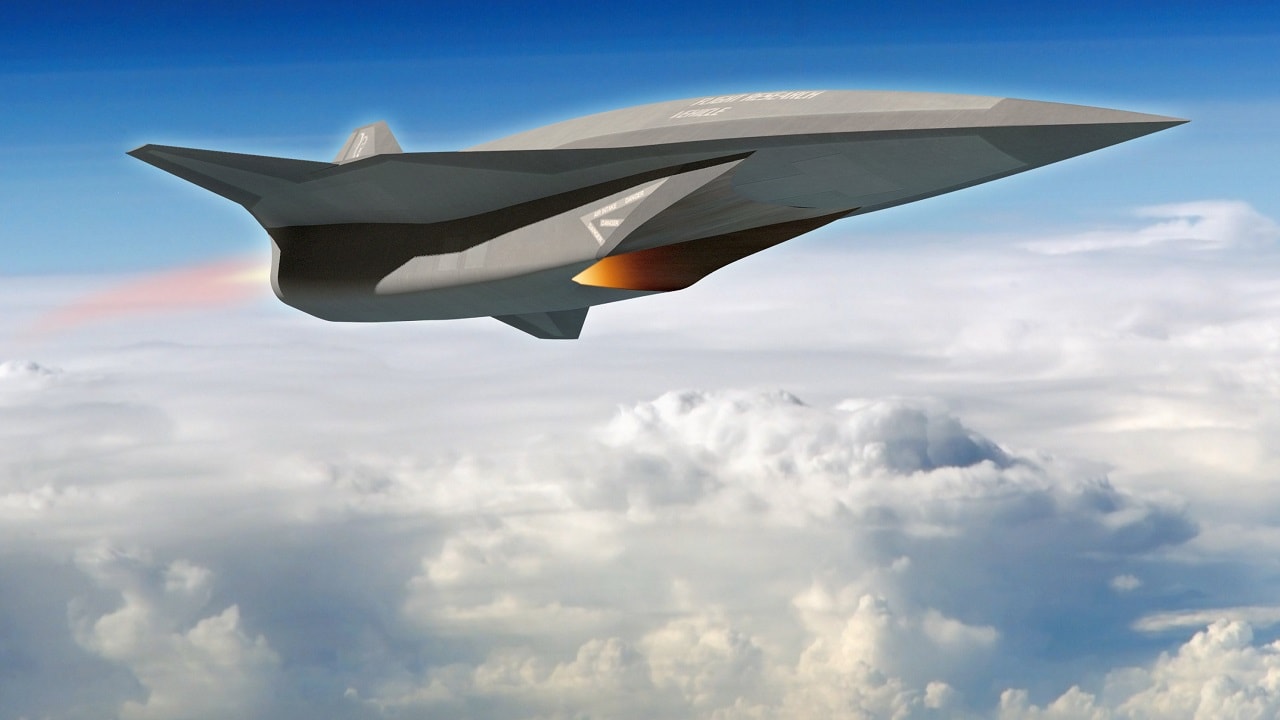
SR-72. Image Credit: Lockheed Martin.
There are, however, reasons to doubt the feasibility of such claims. At Mach 6+, the airframe would experience extreme temperatures, requiring specialized cooling systems to maintain. This means that a significant portion of the aircraft’s interior would need to be dedicated to these cooling systems, leaving little room for internal weapons bays.
Where is America’s Next Spy Plane?
In 2017, Lockheed Martin confirmed that work on the aircraft would officially begin in 2020. One year later, the company stated that SR-72 had not been produced, but it later claimed that a prototype would make its first flight in 2025.
Since it is now 2026, we can conclude that either the aircraft made a private flight without the public’s knowledge or the SR-72 is not yet operational. Lockheed Martin is no stranger to secret flights; the SR-71 was in service for several years before the public was made aware of its existence.
At the same time, given the project’s engineering hurdles, the technology may not yet be ready.
Interestingly, Lockheed’s own quarterly filings revealed hundreds of millions of dollars in cumulative losses on a single classified program described as having “highly complex design and systems integration,” strongly suggesting Skunk Works has been self-funding a hypersonic aircraft on the expectation of future procurement.
There is, however, no public confirmation of a flight test at this time.
Even so, the pattern of facility expansions, subscale engine test reporting, and consistent corporate signaling has led many observers to conclude that a demonstrator either exists or is imminent.
About the Author: Isaac Seitz
Isaac Seitz, a Defense Columnist, graduated from Patrick Henry College’s Strategic Intelligence and National Security program. He has also studied Russian at Middlebury Language Schools and has worked as an intelligence Analyst in the private sector.

