
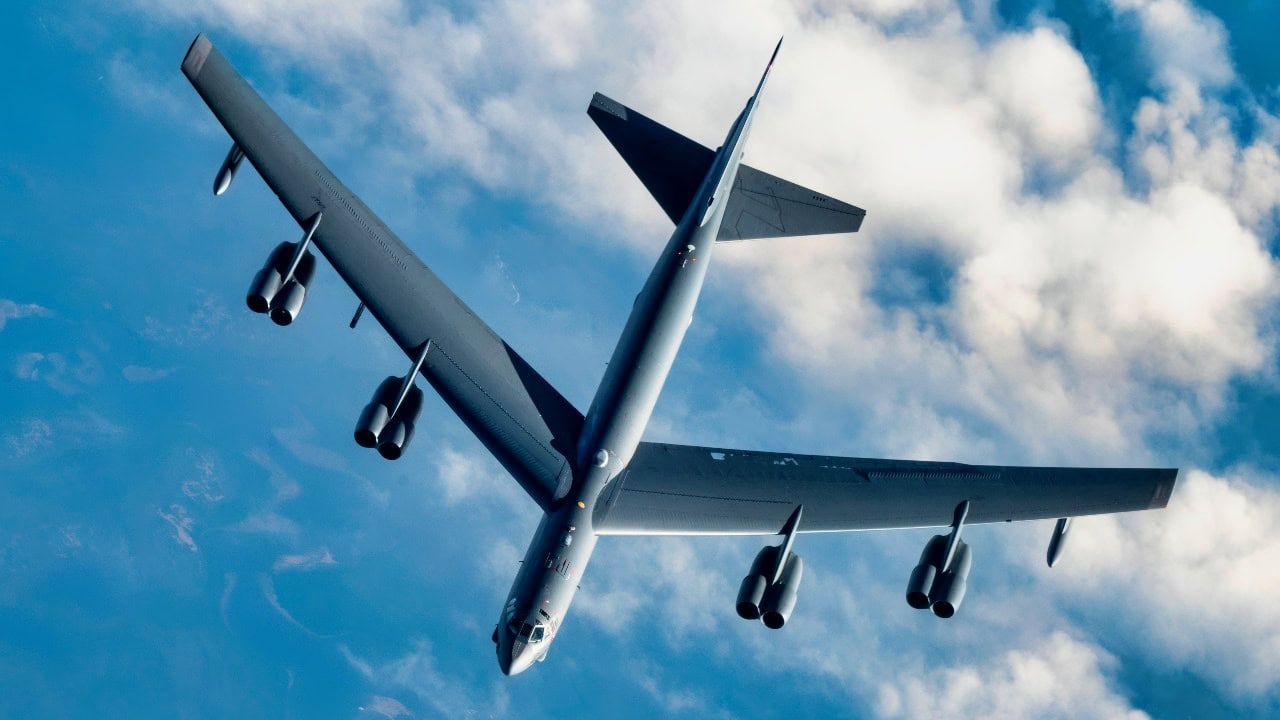
Summary and Key Points: The B-52J isn’t a new bomber so much as a systems reset: new Rolls-Royce engines, modern AESA radar, updated avionics, and a digital backbone meant to keep the Stratofortress relevant into the 2050s and beyond.
-Critics see expensive upgrades poured into a 1950s airframe; supporters argue the comparison isn’t “upgrade vs. nothing,” but “upgrade vs. buying capacity any other way.”
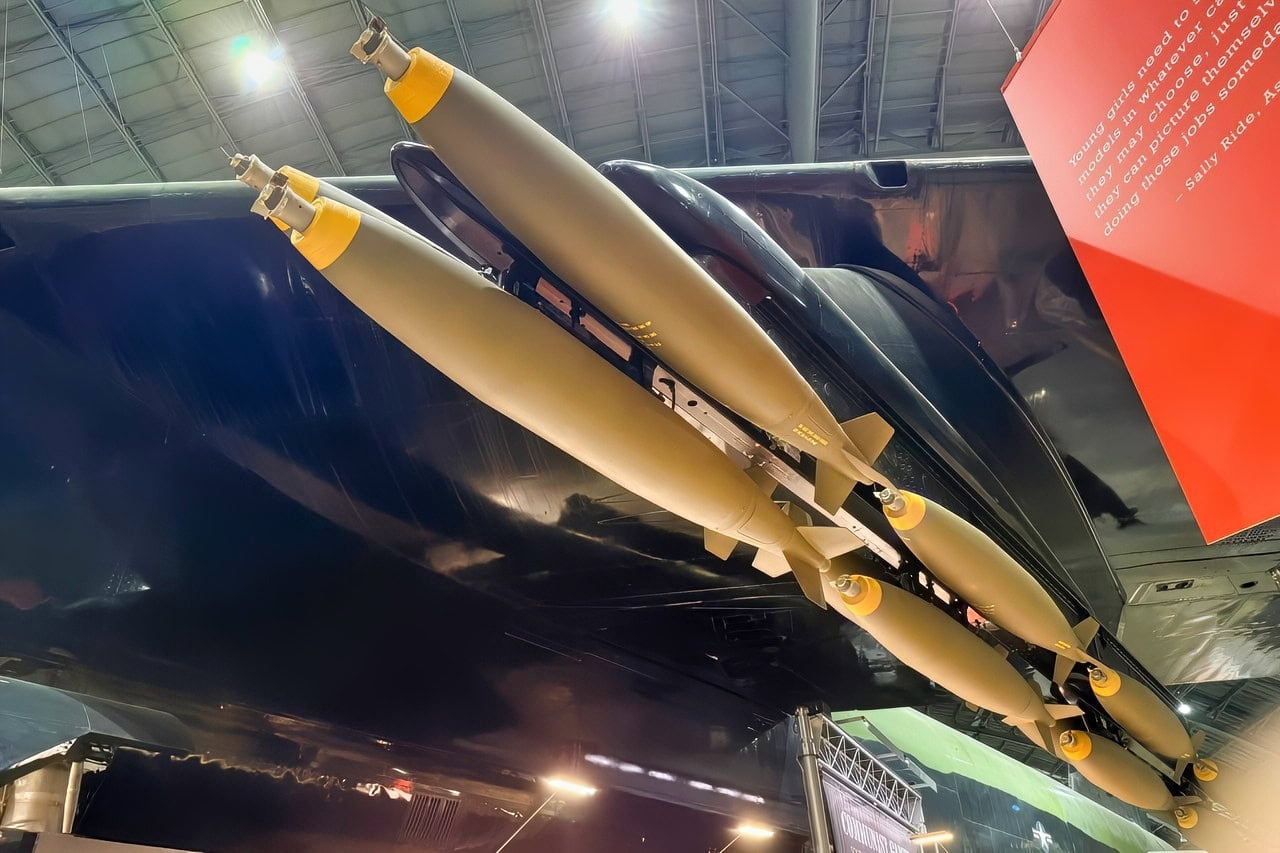
B-52 bombs. Image Credit: 19FortyFive.com Taken at the National Museum of the Air Force.
-The J-model is built for standoff warfare—hauling big loads of cruise missiles and hypersonic weapons from outside dense air defenses—while the B-21 penetrates.
-The bet: affordable bomber mass without clean-sheet risk.
-Bonus: We have included recent photos we took of a B-52D bomber at the National Museum of the Air Force back last July.
B-52J Upgrade: Smart “Bomb Truck” Bridge—or a Gold-Plated Mistake?
The U.S. Air Force is investing heavily in the B-52 Stratofortress J upgrade (B-52J), which includes new engines, radar, and avionics.
Critics see an aging Cold War bomber receiving gold-plated upgrades at high cost and ask whether the investment is worthwhile; supporters argue that the upgrades are the most cost-effective way to preserve bomber capacity. So, are the upgrades a smart bridge? Or just an indulgent way to postpone the inevitable?
Somehow Still Serving
The B-52 entered service in the 1950s and over the decades has repeatedly been expected to retire. Yet the B-52 endures—outliving the B-58, the B-1’s nuclear mission, likely outliving the B-1 and the B-2. The B-52’s unrivaled longevity stems from the platform’s payload, range, reliability, and adaptability.
The airframe is simple and rugged, having survived multiple iterations, with the next iteration planned.
Defining the J Upgrade
The B-52J is not a new bomber exactly, but a systems reset. Key upgrades include new commercial derivative Rolls-Royce engines, modern AESA radar, updated avionics, and a digital backbone. The goal here is to keep the jet relevant into the 2050s-2060s.
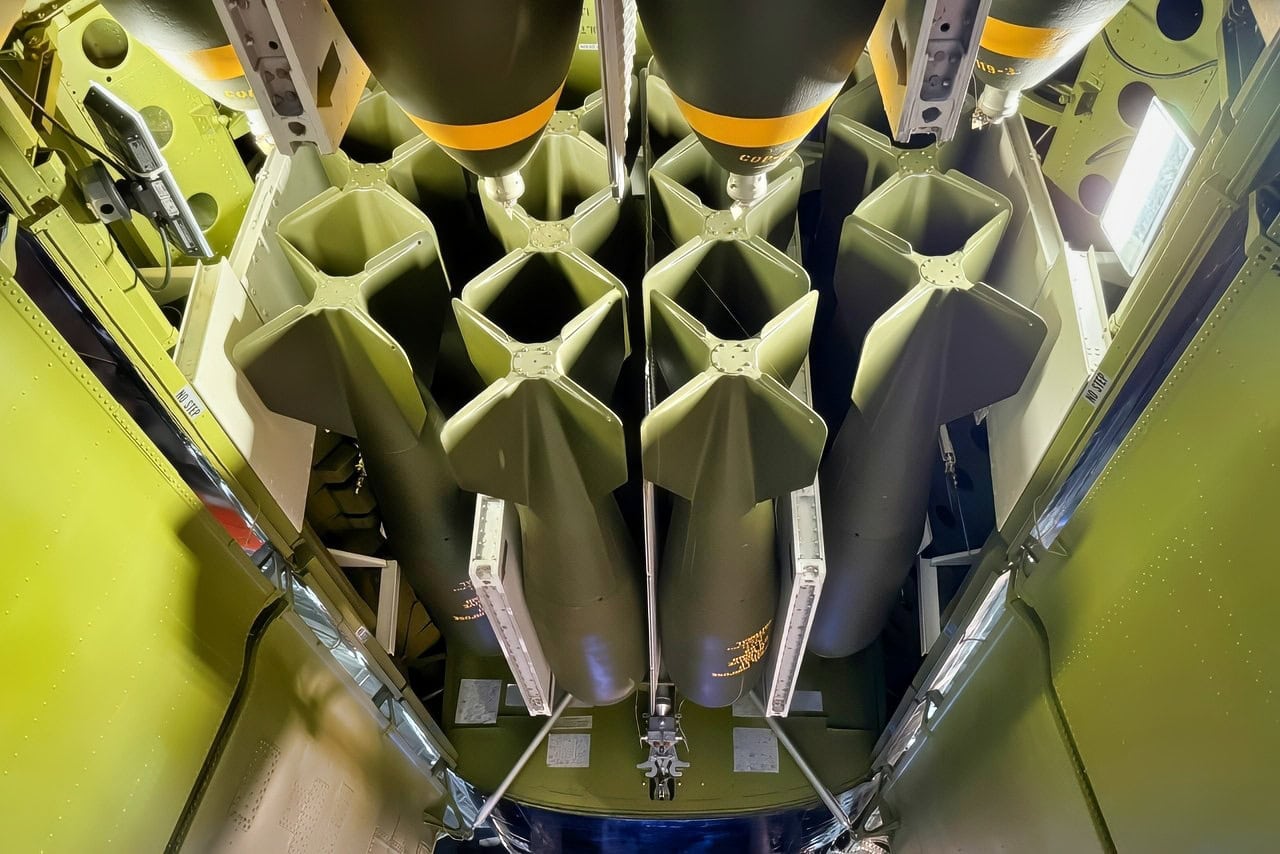
B-52 bombs. Image Credit: 19FortyFive.com Taken at the National Museum of the Air Force.
This would be remarkable; it would mean the B-52 had served for 100 years, which is difficult to comprehend for a strategic bomber—or any military aircraft, really.
Engine Swap, Radar Modernization
The biggest change in the new J variant is the engines. The old TF33 engines were inefficient, maintenance-heavy, and fallen into obsolescence. The new Rolls-Royce engines promise better fuel efficiency, greater range, lower sustainment costs, and improved reliability.
This upgrade alone reshapes mission endurance and operating cost.
The radar is being upgraded, too, with better targeting, improved maritime and ground surveillance, and integration with modern systems.
The new digital cockpit and mission systems will improve crew workload and networked operations. Essentially, the B-52 is being converted into a node in the modern kill chain, rather than a mere Cold War relic.
The Cost Criticism on B-52J
Critics argue, with merit, that billions of dollars spent on a 70-year-old airframe is potentially inefficient.
Funds could be used to accelerate next-generation systems instead. The question is: why modernize Eisenhower’s bomber? But the cost argument is misleading.
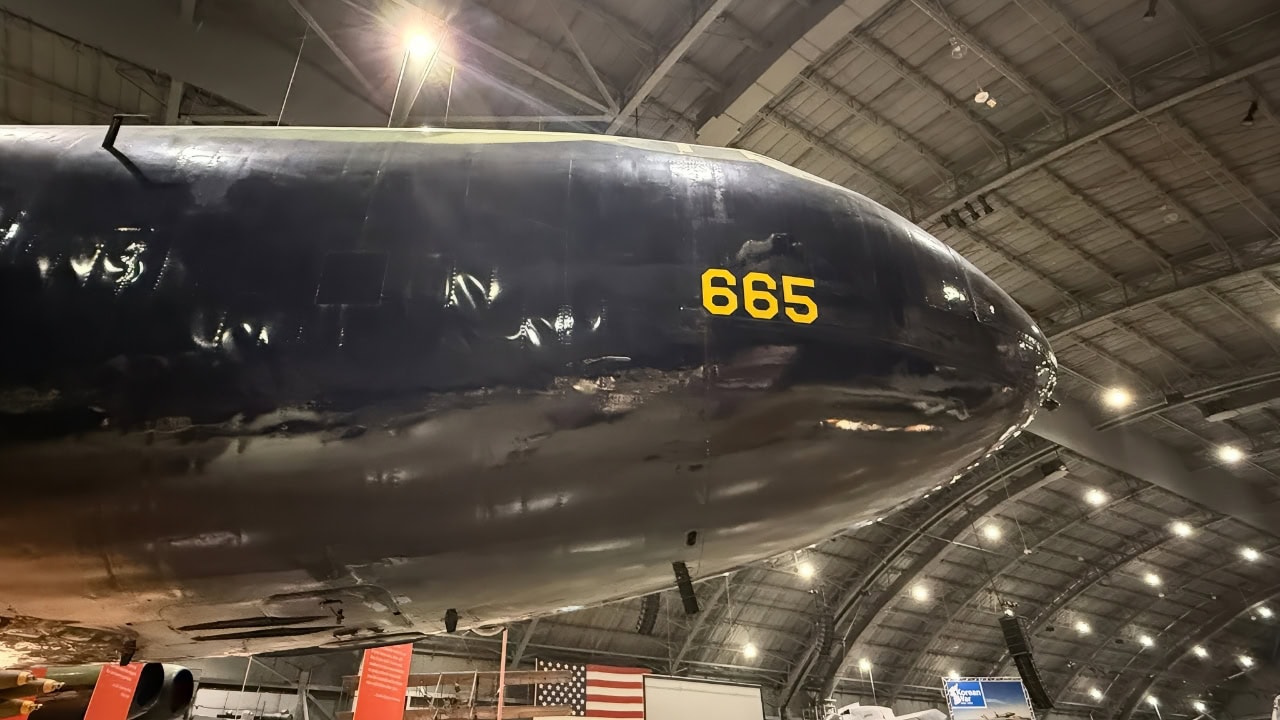
B-52D bomber. Image Credit: 19FortyFive.com Taken at the National Museum of the Air Force.
Developing a brand-new bomber costs vastly more than J upgrades. The B-52J avoids the risk of clean-sheet R&D while leveraging proven commercial technologies. This should help to deliver predictable performance on predictable timelines.
The cost of the upgrades should be compared to alternatives, not to zero.
Upgraded Performance
The B-52J will have a massive payload capacity for cruise missiles, hypersonic weapons, and standoff munitions. With a long endurance and global reach, the non-stealth B-52J will operate outside dense air defenses.
These traits make the aircraft useful in the arsenal capacity of high-end conflicts.
The B-52J is compatible with modern doctrines, which emphasize standoff strikes, distributed fires, and large missile salvos. The B-52J is perfect here; it launches weapons without penetrating A2/AD zones, freeing stealth bombers for higher-risk missions.
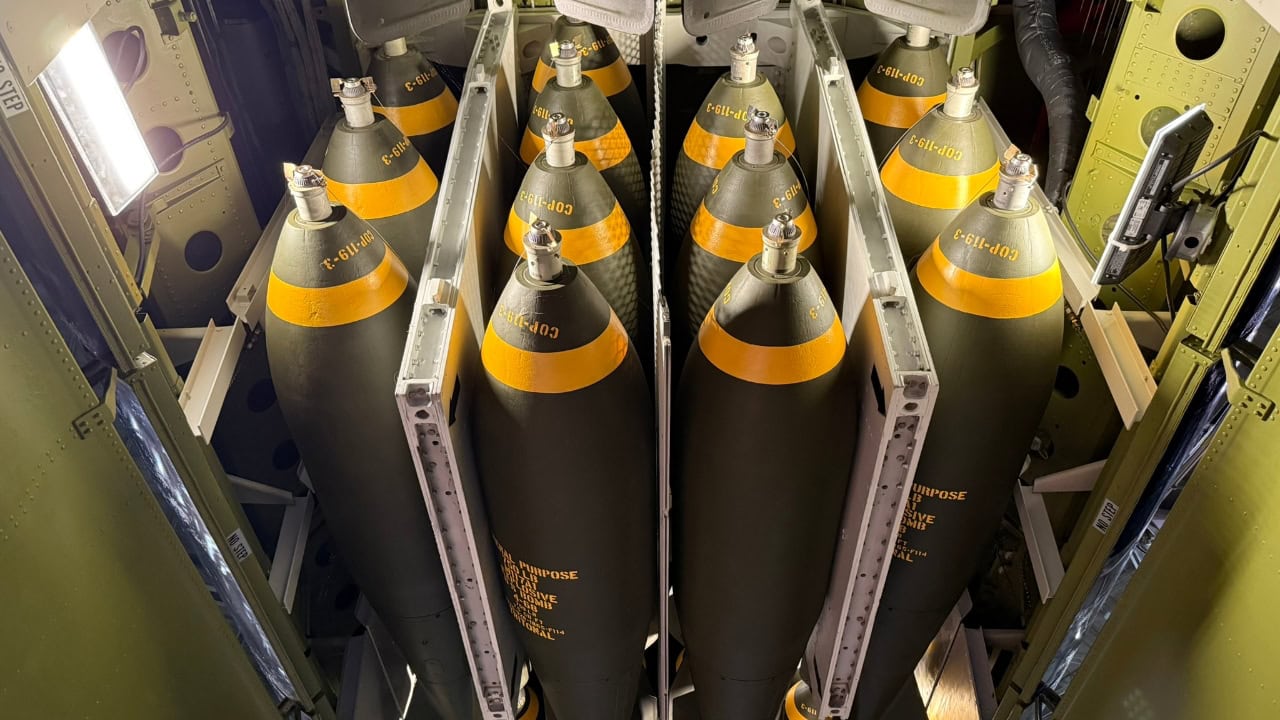
B-52 Bomber. Image Credit: 19FortyFive.com Taken at the National Museum of the Air Force.
What About the B-21?
The B-21 Raider is forthcoming and will prompt the retirements of the B-1 and the B-2. Curiously, the B-52 will not be retired; instead, it will remain online. Why? Because the B-52J will work in concert, not in competition, with the B-21.
While the B-21 is designed to penetrate contested airspace, the B-52J is designed to stay back and carry heavy payloads. Basically, the B-21 will be used to open doors, and the B-52J will be used to flood the battlespace with standoff weapons.
Future of the B-52
How long can J upgrades really extend the life of the B-52 program? The B-52 is structurally robust, making airframe fatigue more manageable. Engines and avionics were the limiting factor before, but the J upgrade addresses those vulnerabilities.
The realistic service life post-upgrade is well into the mid-century, indicating a high return on investment for the upgrades.
Still, the Air Force can’t become too dependent on the B-52.
Proper role discipline will be key to making the upgraded platform worthwhile.
The upgrades should be treated as a boost to Air Force capacity and resilience, a way to maintain strategic bomber volume at an affordable cost, freeing up next-generation stealth platforms for the most important missions.
About the Author: Harrison Kass
Harrison Kass is an attorney and journalist covering national security, technology, and politics. Previously, he was a political staffer and candidate, and a US Air Force pilot selectee. He holds a JD from the University of Oregon and a master’s in global journalism and international relations from NYU.