
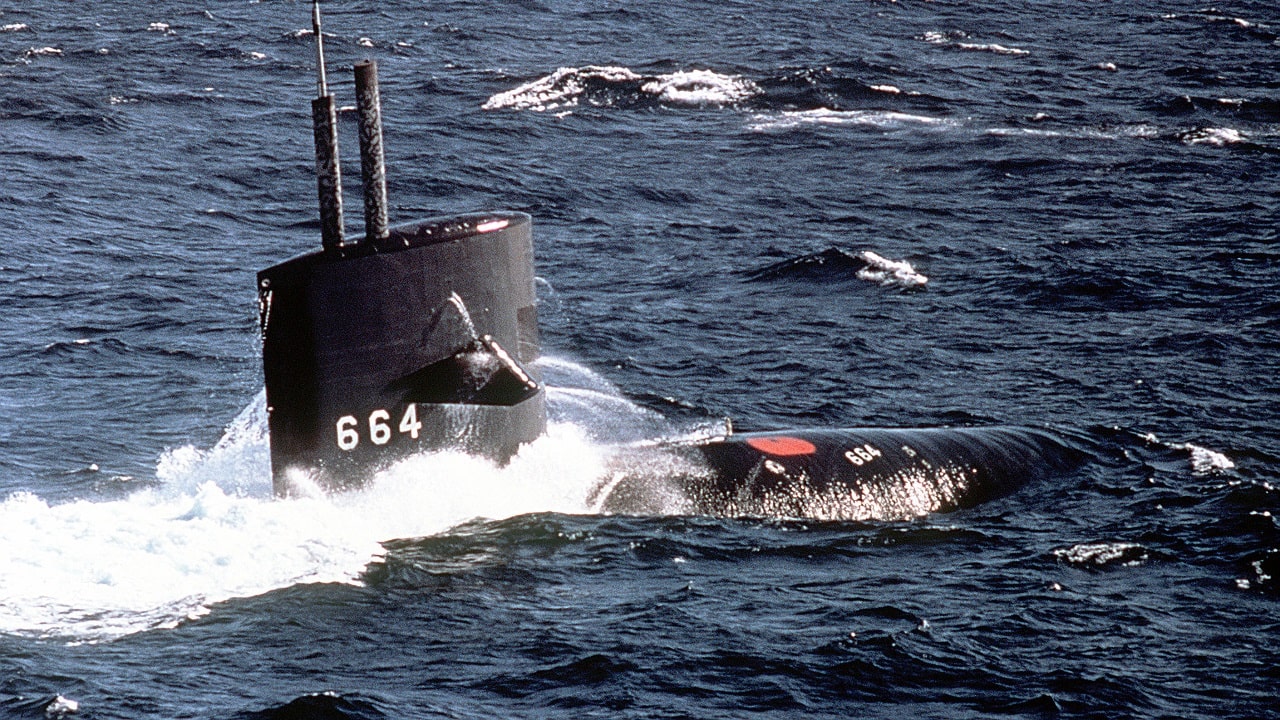
Summary and Key Points: The USS Guitarro (SSN-665), a Sturgeon-class nuclear submarine, famously sank at its dock in May 1969 due to “culpable negligence” during construction at Mare Island.
-The sinking occurred when two separate teams—nuclear and non-nuclear—ballasted the ship simultaneously without coordination, causing the bow to dip until water flooded through open hatches.
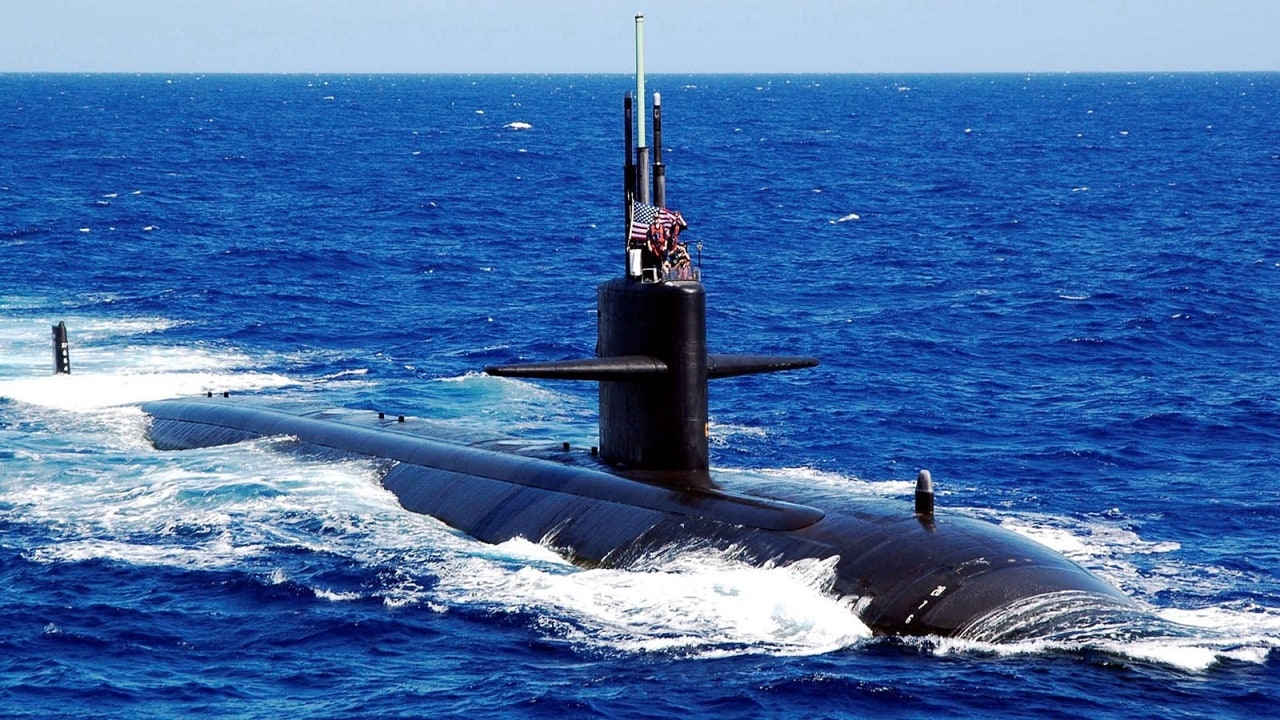
US Navy Los-Angeles Attack Submarine. Image Credit: Creative Commons.
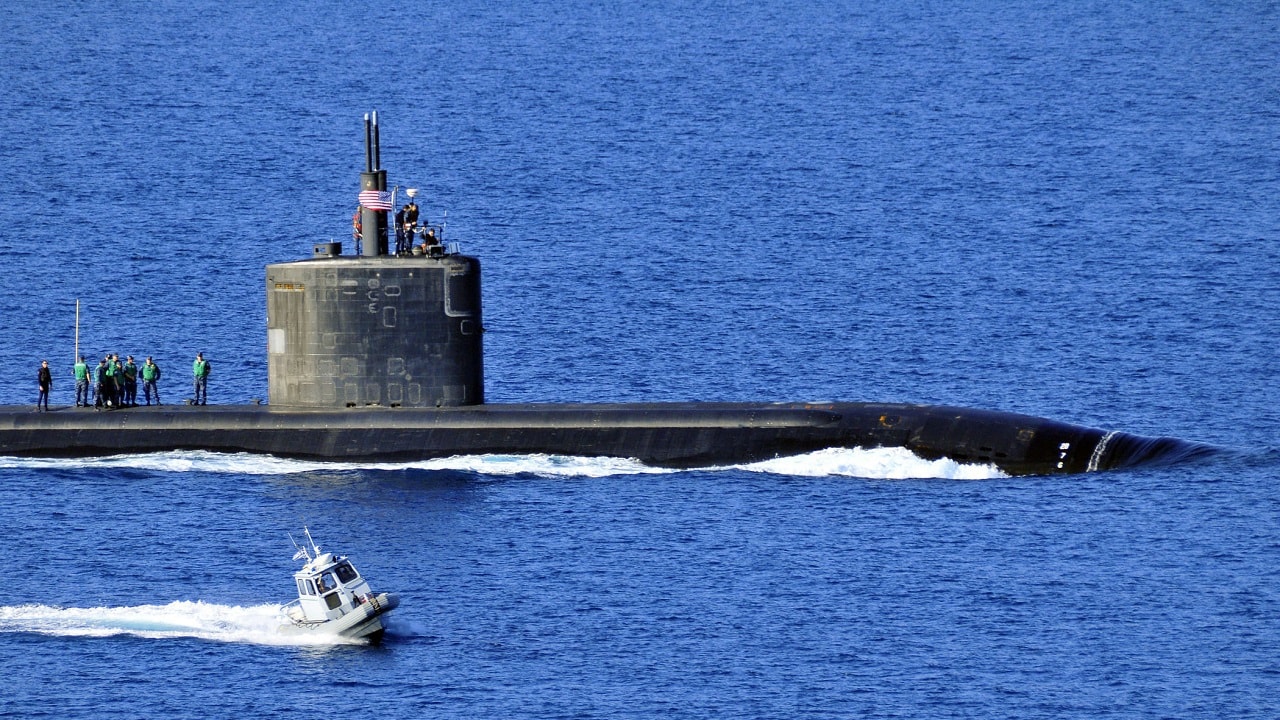
Los-Angeles Class submarine USS Annapolis.
-After a $20 million refit, the “Mare Island Mud Puppy” was finally commissioned in 1972. It served with distinction for 20 years, notably serving as a primary testbed for the Tomahawk missile before its decommissioning in 1992.
Sunk by Its Own U.S. Navy Submarine Crew? The Truth Behind the USS Guitarro’s Infamous “Difficult Birth”
The USS Guitarro was a Sturgeon-class submarine, built in the mid-1960s, with its keel laid down in December of 1965. It launched in July of 1968. The boat was set to be commissioned in 1970.
Then, in May of 1969, the submarine sank while moored off the coast of San Francisco.
What happened? The Naval History and Heritage Command website has the full report.
How It Sank
“At approximately 8:30 pm (Pacific Daylight Time), Thursday, May 15, 1969, the nuclear-powered attack submarine Guitarro (SSN-665) sank while tied up to the dock at the Mare Island site of the San Francisco Bay Naval Shipyard,” the Naval History website says. “The ship had been under construction since August 1965, and was due to be commissioned in January 1970. Sinking was caused by uncontrolled flooding within the forward part of the ship. It was refloated at 11:18 am (PDT), Sunday, May 18, and after inspection, damages were estimated at between $15.2 million and $21.85 million.”
Rep. L. Mendel Rivers, then the chairman of the Armed Services Investigating Subcommittee, ordered the committee’s staff to begin an investigation of the sinking days later. In May, the subcommittee members traveled to Mare Island to examine the submarine and take testimony.
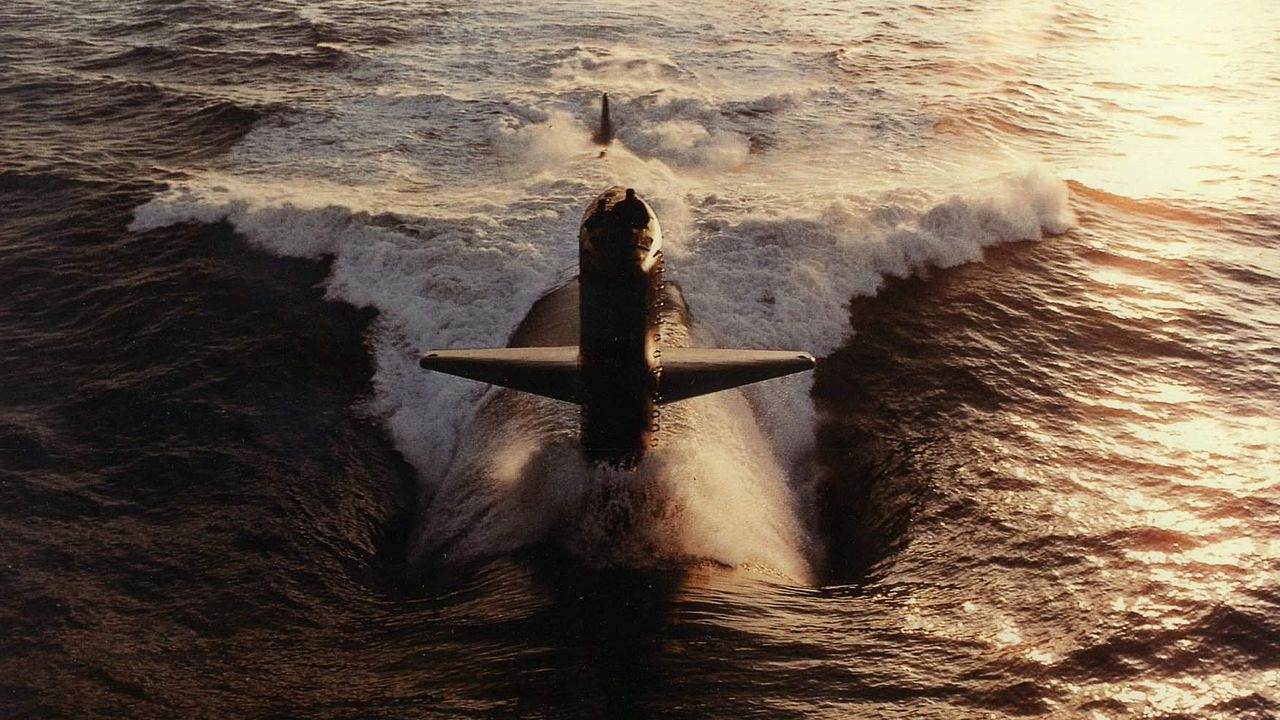
Sturgeon-Class submarine. Image Credit: Creative Commons.
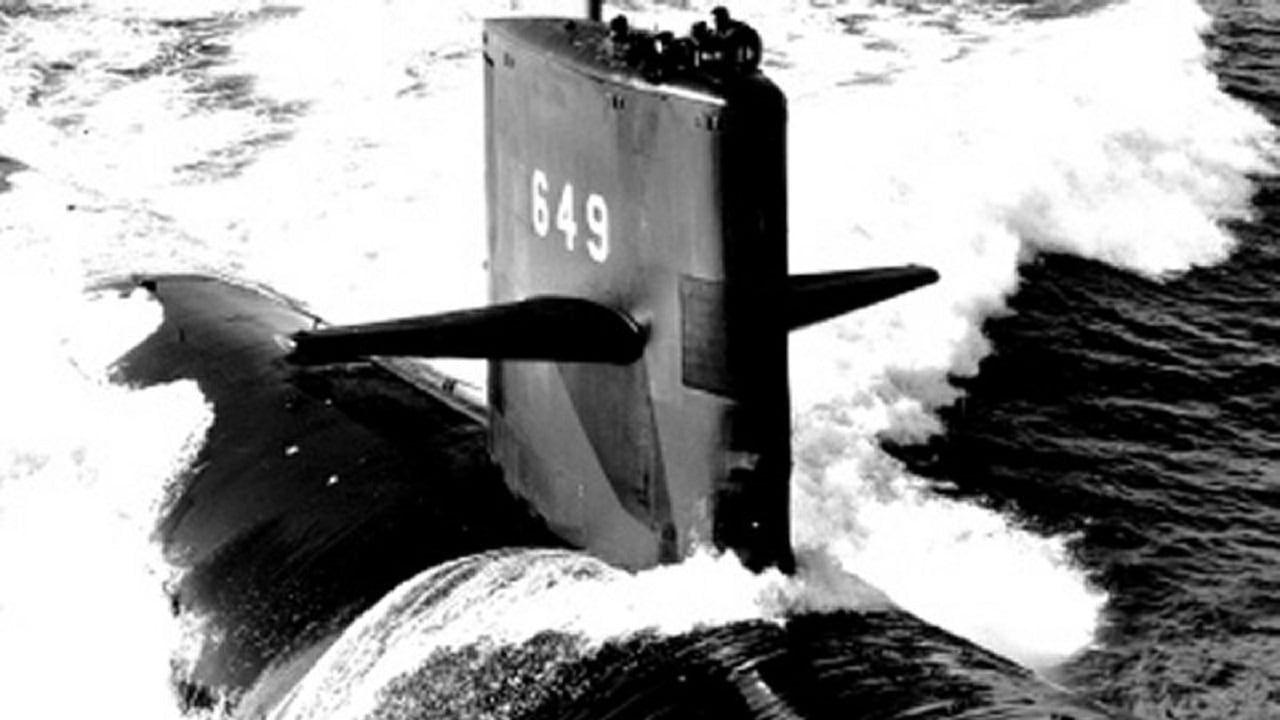
USS Sunfish SSN-649. Sturgeon-Class Submarine.
“As a result of its investigation, the Subcommittee has concluded that, although the sinking of the USS Guitarro was accidental, the immediate cause of the sinking was the culpable negligence of certain shipyard employees,” the Subcommittee concluded. “This, together with the contributing factors of inadequate coordination of both the ship construction activities and the assignment of specific responsibilities, will be discussed more fully in the body of this report.”
The Subcommittee in that report made a series of recommendations to the Secretary of the Navy on how to proceed.
The first was that the Navy “provide that during the construction of any Navy ship, whether nuclear or nonnuclear, there shall be at all times on duty at the site one single individual who shall have full responsibility and authority for its construction and safety.”
Also, the Subcommittee recommended that in Naval construction yards, “there is full and complete interchange of information on a regular duty basis with regard to all construction operations between nuclear and nonnuclear groups. Such interchange and coordination procedures should include the full and regular participation of both the single individual charged with the top authority for ship construction and safety, and the ship’s prospective commanding officer.”
It was also recommended that the Navy “require the establishment and enforcement of clear-cut lines of responsibility, at all construction yards, for ship safety and sound ship construction procedure,” and that the branch “have assigned to ship security billets only personnel fully trained and briefed on the requirements of their positions and with appropriate authority to enforce strict safety procedures.”
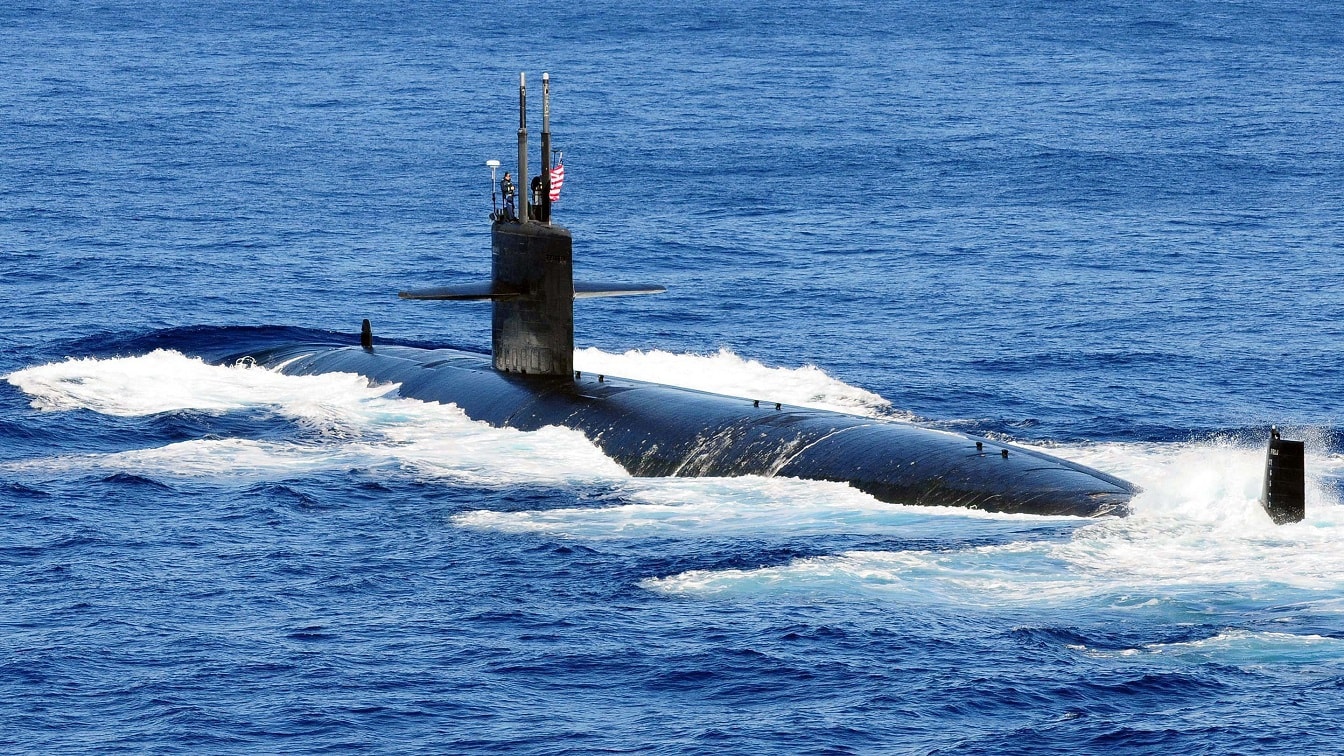
PACIFIC OCEAN (Dec. 10, 2010) The Los Angeles-class attack submarine USS Houston (SSN 713) takes part in a photo exercise at the conclusion of exercise Keen Sword 2011. The exercise enhances the Japan-U.S. alliance which remains a key strategic relationship in the Northeast Asia Pacific region. Keen Sword caps the 50th anniversary of the Japan – U.S. alliance as an “alliance of equals.” (U.S. Navy photo by Mass Communication Specialist 3rd Class Casey H. Kyhl/Released)

PACIFIC OCEAN (July 31, 2018) – Sailors assigned to Los Angeles-class fast-attack submarine USS Olympia (SSN 717) participate in a swim call at sea, July 31 (U.S. Navy photo by Fire Control Technician Senior Chief Vien Nguyen)
The last recommendation involved a wider survey.
The Navy Secretary was asked to “instruct the Naval Ship Systems Command to undertake an immediate and thorough survey of the construction practices and procedures in effect in all Navy shipyards, to ensure the implementation and oversight of directives establishing clear-cut lines of authority and responsibility and providing for adequate exchange of information among all construction groups, in line with the recommendations set forth above.”
The Bottom Line
“The Guitarro should not have sunk. It was not overwhelmed by cataclysmic forces of nature, an imperfection in design, or an inherent weakness in its hull. Rather, it was sent to the bottom by the action, or inaction, of certain construction workers who either failed to recognize an actual or potential threat to the ship’s safety or assumed that it was not their responsibility,” the Subcommittee report said. “Certainly, the tragedy was not caused by any lack of formal directives. Over 300 pages of instructions, guidelines, and organizational charts meticulously detailed and parceled out responsibilities and authorities.”
U.S. Navy Submarine Commissioned at Last
According to a different section of the Naval History and Heritage Command site, the Guitarro was finally commissioned in 1972, two years later than originally planned.
“Guitarro was finally commissioned on September 9, 1972, Cmdr. Lange was in command and was assigned to Submarine Squadron Five and Submarine Division 52. Although she was to be homeported out of San Diego, Calif., her first destination upon leaving the shipyard on September 21 was Bangor, Wash., where she conducted her Weapons System Accuracy Tests (WSAT), as well as Acoustic Trials at the nearby Carr Inlet Acoustic Range (September 21–October 14),” the Naval History website said.
“Reaching San Diego on October 17, she began an aggressive period of training and weekly operations in local waters that would last the remainder of the year. Despite the rather cramped confines of the boat’s interior, she was able to host a Dependents Cruise on December 6, giving the family and guests of her crew a rare glimpse into the inner-workings of one if its active-duty submarines.”
In 1973, the submarine headed to Hawaii for a Chief of Naval Operations (CNO) operation and training sessions at Pearl Harbor. In September of that year, the Guitarro headed to the Western Pacific.
The Guitarro remained in service for the rest of the 1970s and the entirety of the 1980s, during which it participated in testing the Tomahawk missile.
When the Cold War ended, the Guitarro hosted Gen. Mikhail Moiseyev, General of the Soviet Army/Chief of the Soviet General Staff, in a ceremony alongside Gen. Colin L. Powell, USA, Chairman of the Joint Chiefs of Staff, and Adm. Charles R. Larson, Commander-in-Chief, U.S. Pacific Fleet.
“On September 17, 1991, Guitarro departed San Diego for the final time with her crew and their dependents embarked,” the Naval History said. “As is often the case with submarines, the so-called ‘Mare Island Mud Puppy’ was to return to her spawning ground at the Mare Island Naval Shipyard to be decommissioned. Although her difficult birth had earned her the sort of notoriety that most submariners shun, for the most part, her life in the “silent service” was one of quiet distinction, whether contributing to the development of the Tomahawk, providing ASW services, or conducting missions that will forever, by their very nature, remain among the mysteries of the Deep, known to only those who carried them out.”
About the Author: Stephen Silver
Stephen Silver is an award-winning journalist, essayist, and film critic, and contributor to the Philadelphia Inquirer, the Jewish Telegraphic Agency, Broad Street Review, and Splice Today. The co-founder of the Philadelphia Film Critics Circle, Stephen lives in suburban Philadelphia with his wife and two sons. For over a decade, Stephen has authored thousands of articles that focus on politics, national security, technology, and the economy. Follow him on X (formerly Twitter) at @StephenSilver, and subscribe to his Substack newsletter.