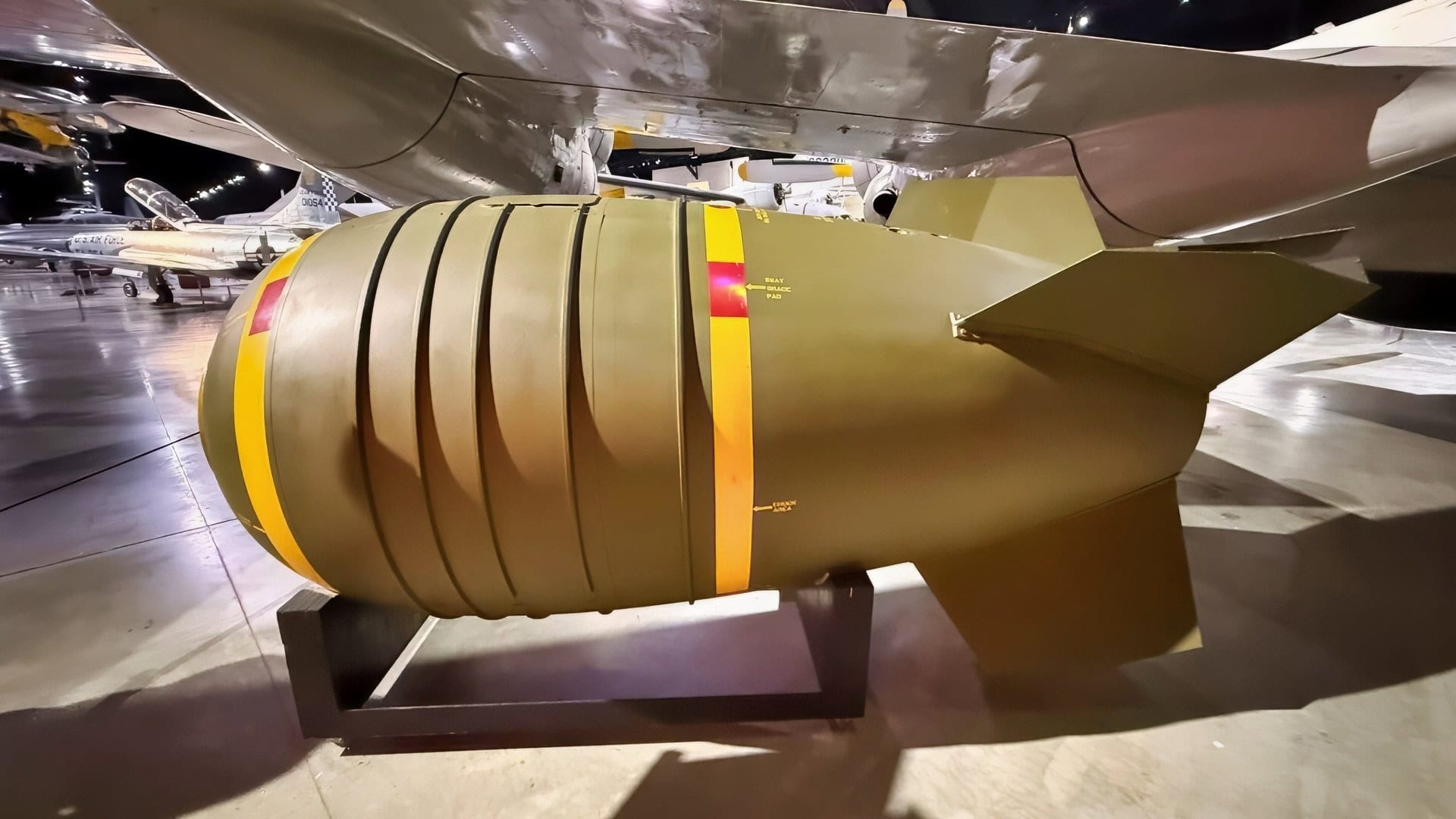
Summary and Key Points: Drawing on his extensive background as a former Pentagon expert, defense analyst Kris Osborn explores one of the most chilling and enduring mysteries of the Cold War: the 1958 Tybee Island “Broken Arrow” incident, or a missing nuclear bomb.
-Following a disastrous mid-air collision between a B-47 Stratojet and an F-86 Sabre, a crippled American bomber was forced to jettison a massive Mark 15 thermonuclear weapon into the Atlantic Ocean to survive.
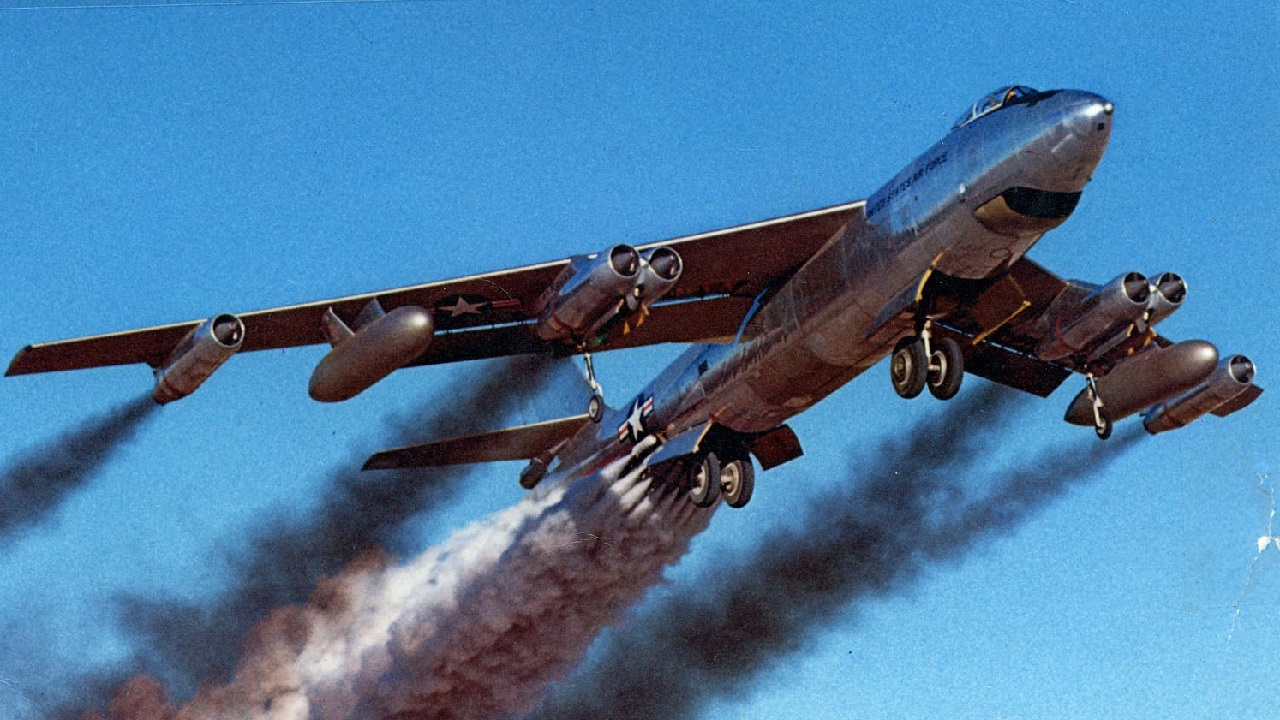
Boeing B-47B rocket-assisted take off on April 15, 1954. (U.S. Air Force photo)
-Decades later, despite exhaustive search efforts, the bomb remains lost beneath the muddy Georgia seabed, serving as a haunting reminder of the catastrophic risks of nuclear readiness.
Why the U.S. Military Dropped a Nuclear Bomb in the Atlantic Ocean During the Cold War
On the night of February 5, 1958, a B-47 Stratojet bomber operated by the U.S. Air Force was on a routine training mission.
The aircraft was carrying a Mark 15 thermonuclear bomb, a powerful weapon designed as part of America’s nuclear deterrent strategy.
These missions were common during the Cold War, as the United States maintained constant readiness in case of conflict with the Soviet Union.
The bomb aboard the B-47 was reportedly unarmed, meaning its nuclear core may not have been installed, but it still contained conventional explosives and radioactive components.
Cold War Training
During the exercise, the B-47 collided mid-air with an F-86 Sabre fighter jet that was participating in the same training operation.
The collision occurred at high altitude, causing significant damage to the bomber. While the fighter pilot managed to eject safely, the B-47 was left struggling to remain airborne.
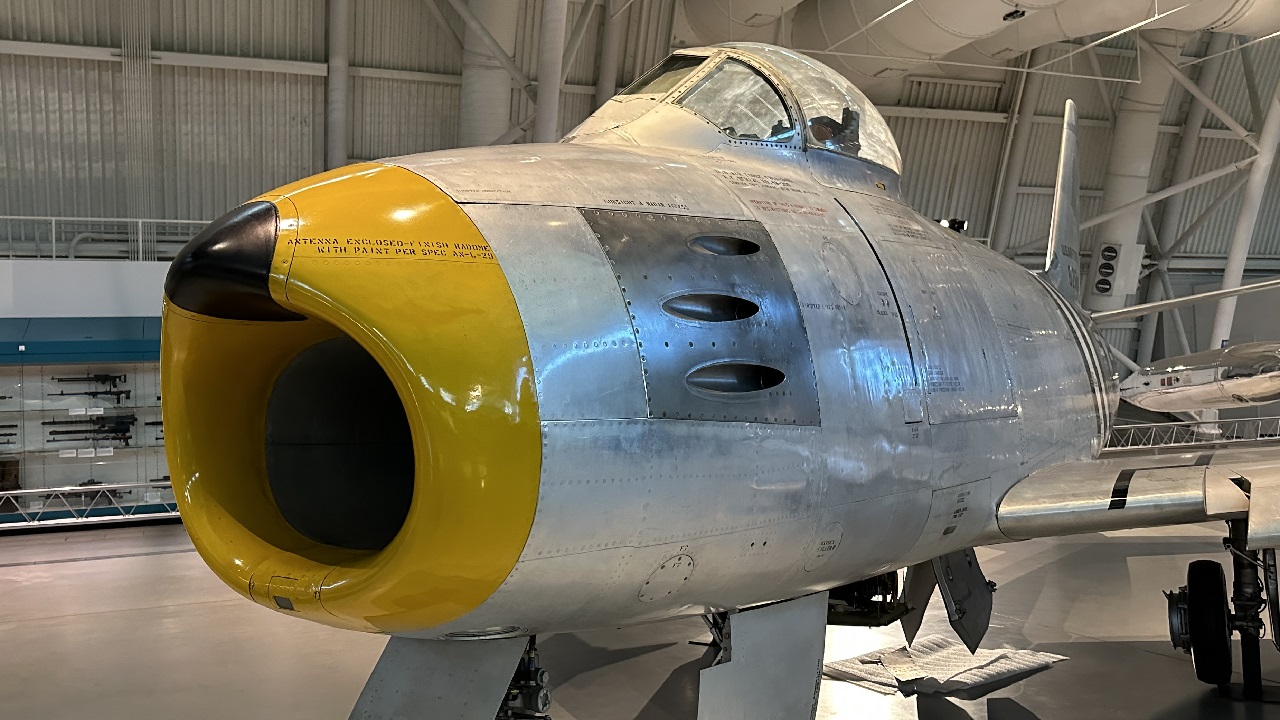
F-86 Sabre. Image Credit: 19FortyFive.com. Image was taken October 1, 2022.
The crew faced a dire situation: they needed to land the damaged aircraft safely, but doing so with a heavy nuclear weapon on board posed extreme risks.
The commanding officer of the B-47, Howard Richardson, made a critical decision. In order to reduce the weight of the aircraft and increase the chances of a safe landing, he requested permission to jettison the bomb. After receiving authorization, the crew released the Mark 15 bomb over the waters near Tybee Island, off the coast of Georgia.
The bomb fell approximately 7,200 feet into the ocean, where it was presumed to have sunk into the muddy seabed.
Missing Nuclear Bomb
Following the incident, the B-47 successfully landed at Hunter Air Force Base, and the crew survived. However, the loss of the nuclear weapon triggered immediate concern and a large-scale search effort.
The U.S. military launched an extensive operation to locate and recover the bomb, fearing both environmental contamination and the potential security risks of a lost nuclear device.
Despite weeks of searching, the bomb was never found.
The search teams used sonar and other detection methods available at the time, but the muddy, shifting seabed in coastal waters made the task extremely difficult. Eventually, the military called off the search and declared the bomb irretrievably lost.
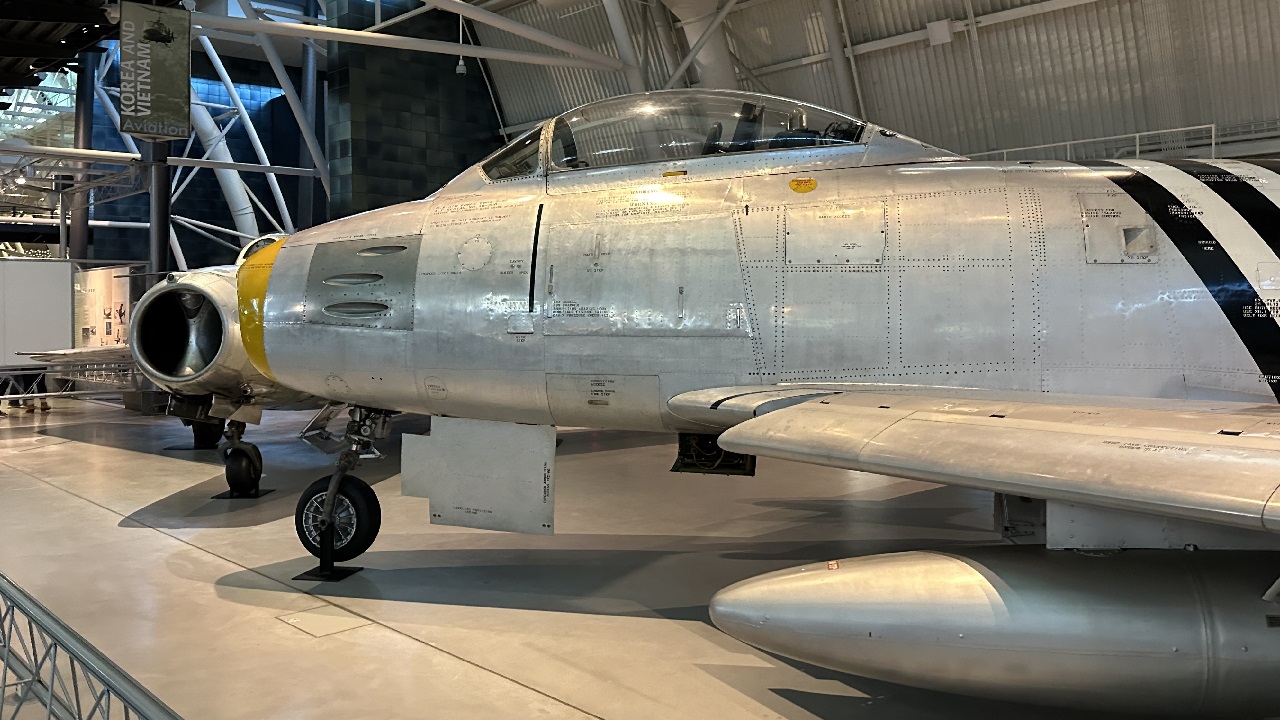
F-86 Sabre. Image Credit: 19FortyFive.com. Image was taken October 1, 2022.
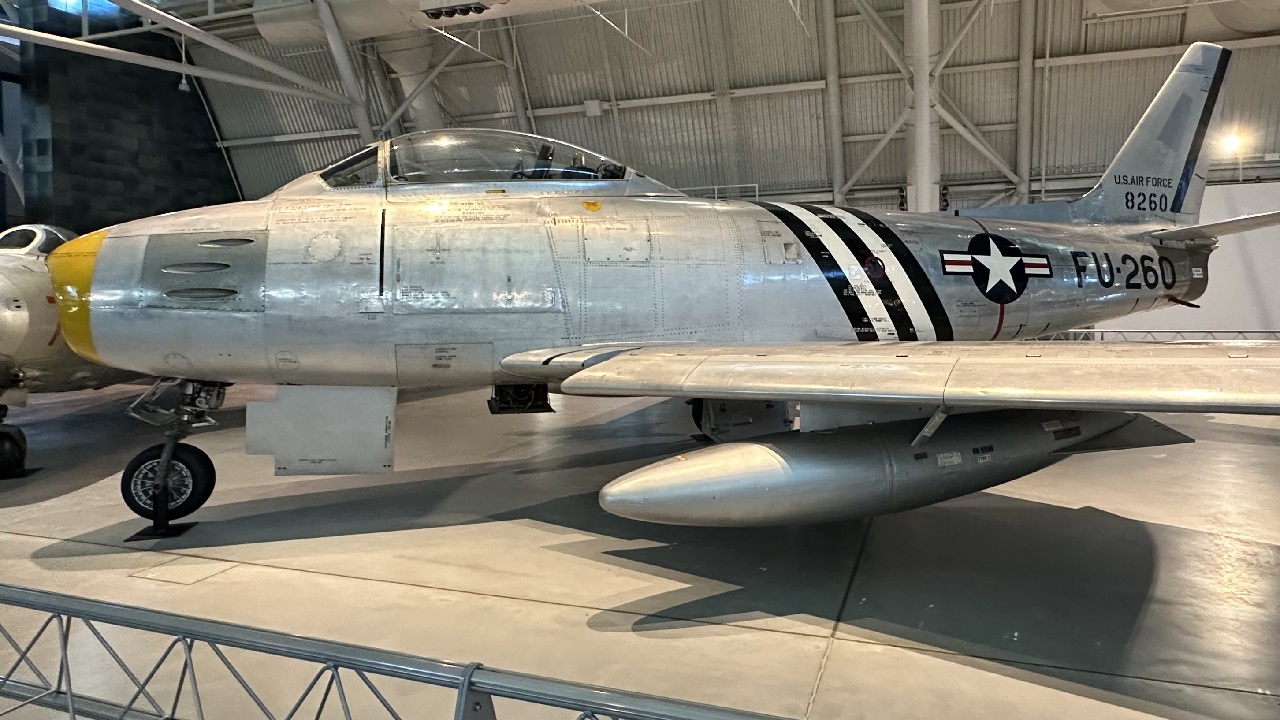
F-86 Sabre. Image Credit: 19FortyFive.com. Image was taken October 1, 2022.
The question of whether the bomb still poses a danger has been the subject of debate ever since. Some officials have maintained that the Mark 15 bomb did not contain a nuclear capsule, meaning it could not produce a nuclear explosion.
However, others argue that even without a nuclear detonation, the weapon’s conventional explosives and radioactive materials could still present environmental hazards.
Over the years, there have been periodic efforts by independent researchers and journalists to locate the missing bomb.
In 2004, a retired Air Force officer conducted a private search using more advanced detection equipment and claimed to have identified a possible radiation signal consistent with the bomb’s location. However, these findings were never officially confirmed by the government.
Broken Arrow Incident
The incident remains one of several so-called “Broken Arrow” events, a term used by the U.S. military to describe accidents involving nuclear weapons that do not pose an immediate risk of nuclear war.
The Tybee Island incident stands out because the weapon was never recovered, making it one of the few lost nuclear bombs that have not been accounted for.
From a broader perspective, the 1958 loss of the Mark 15 bomb illustrates the inherent risks of maintaining nuclear arsenals, especially during periods of heightened military readiness. Training missions, while essential for preparedness, carried significant dangers when nuclear weapons were involved.
The collision between the B-47 and the F-86 underscores how even routine exercises could escalate into potentially catastrophic
While there is no evidence of immediate danger to the public, the idea that a nuclear weapon lies somewhere beneath the seabed continues to capture the public’s imagination.
About the Author: Kris Osborn
Kris Osborn is the President of Warrior Maven – Center for Military Modernization. Osborn previously served at the Pentagon as a highly qualified expert in the Office of the Assistant Secretary of the Army—Acquisition, Logistics & Technology. Osborn has also worked as an anchor and on-air military specialist at national TV networks. He has appeared as a guest military expert on Fox News, MSNBC, The Military Channel, and The History Channel. He also has a Master’s Degree in Comparative Literature from Columbia University.