
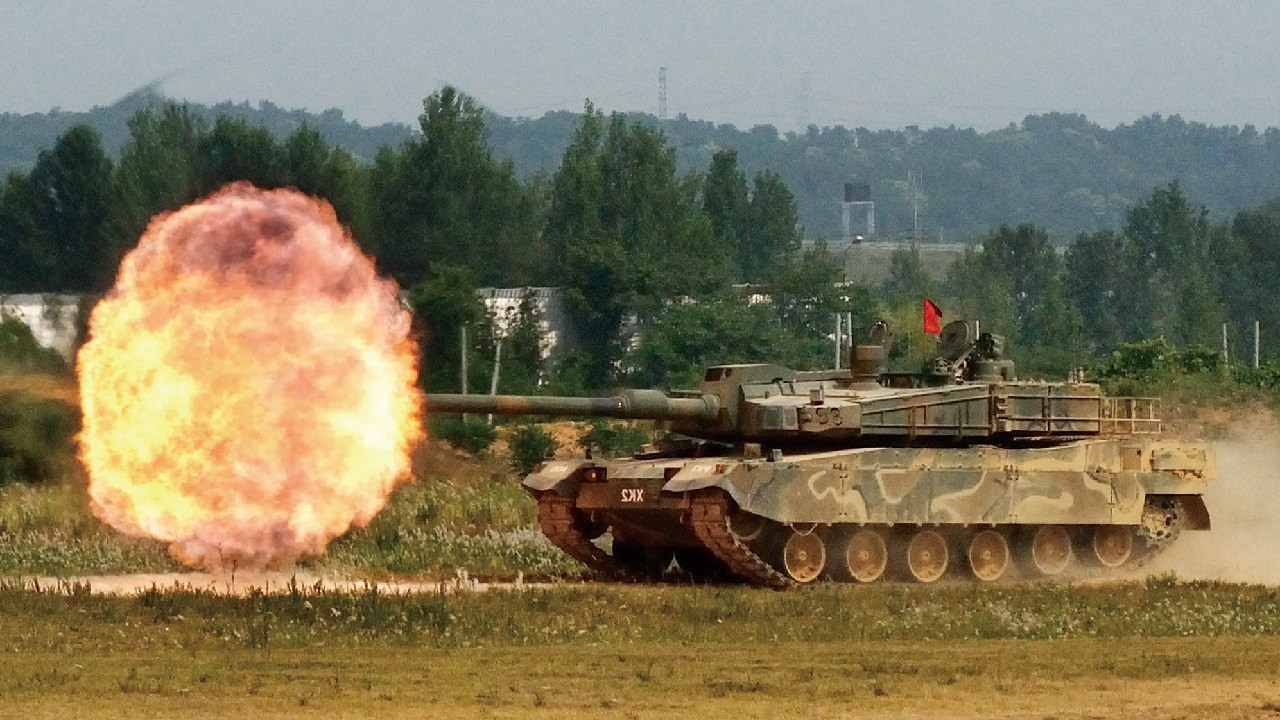
Summary and Key Points: Defense analyst Isaac Seitz compares the U.S. Army’s M1A2 SEPv3 Abrams against South Korea’s K2 Black Panther.
-While the Abrams excels in passive protection and combat-proven survivability—pushing weights toward 80 tons—the K2 offers superior power-to-weight ratios and L/55 firepower at a agile 56 tons.
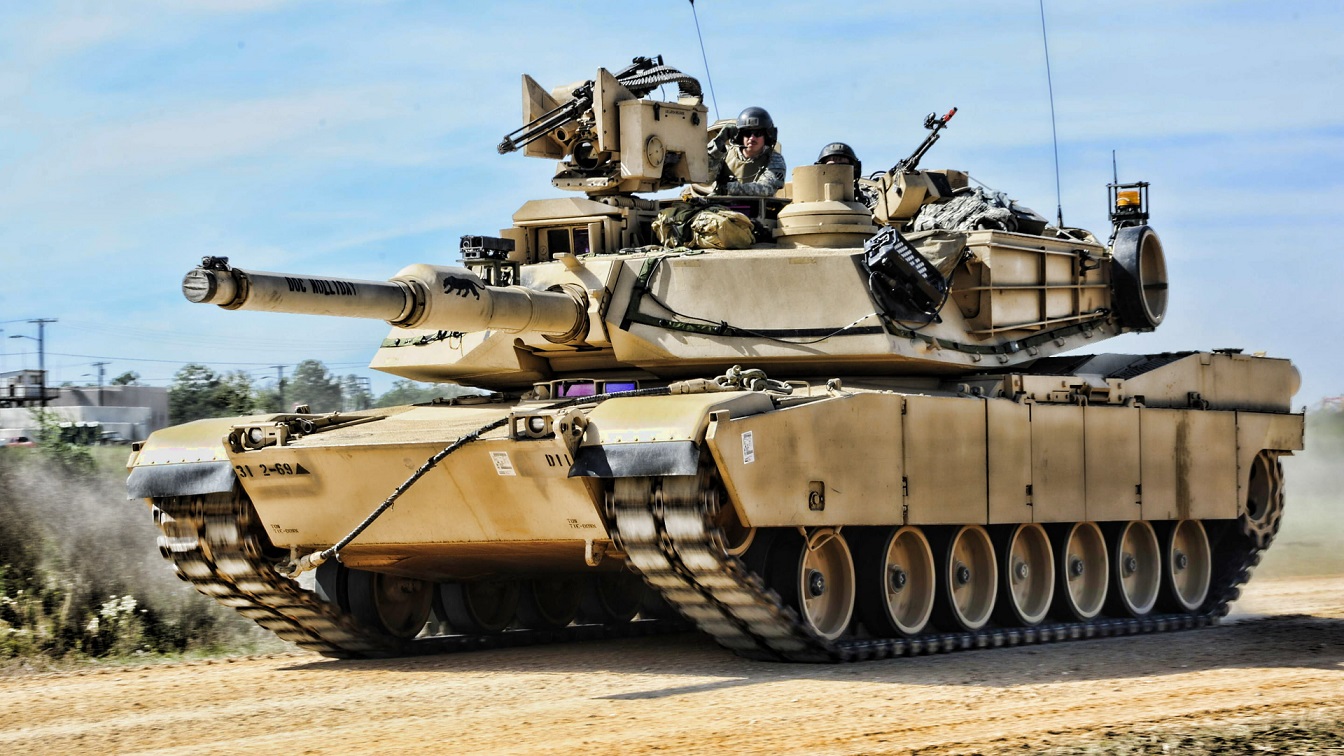
M1 Abrams Tank. Image Credit: U.S. Army.
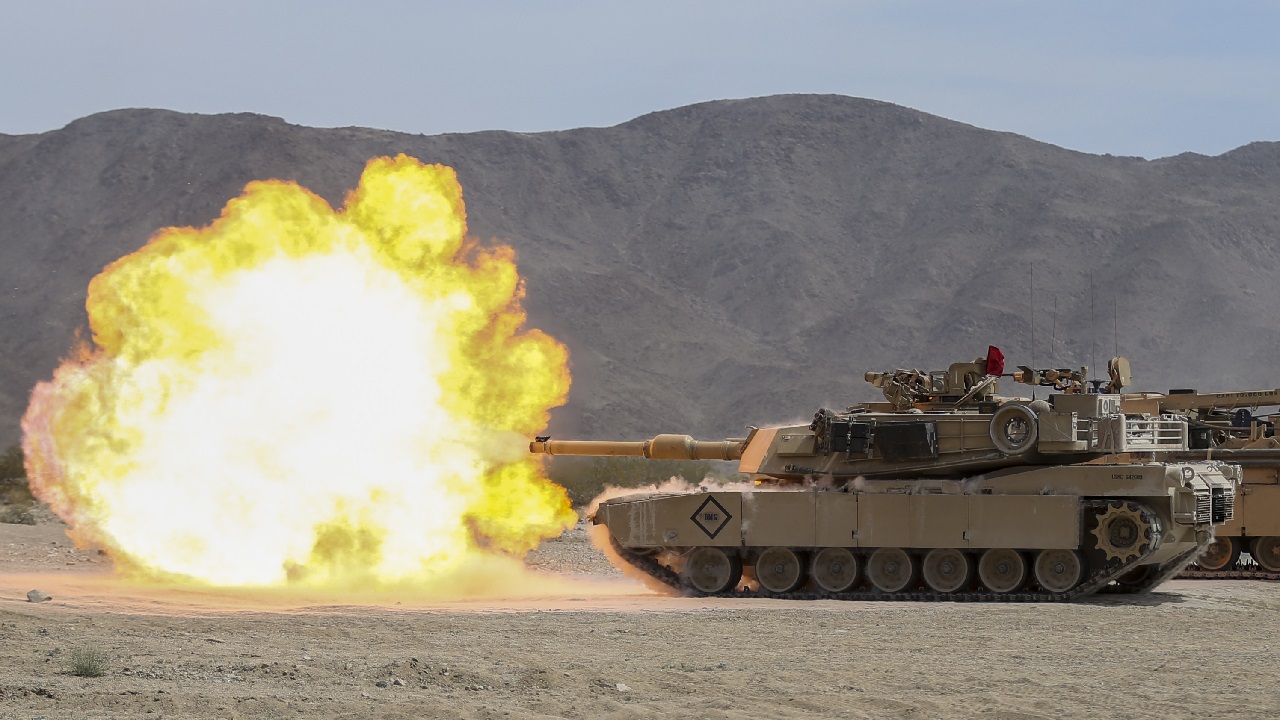
An M1A1 Abrams Tank fires off a round as a demonstration during 1st Tank Battalion’s Jane Wayne Spouse Appreciation Day aboard the Marine Corps Air Ground Combat Center, Twentynine Palms, Calif., April 3, 2018. The purpose of the event is to build resiliency in spiritual well being, the will to fight and a strong home life for the 1st Tanks Marines and their families. (U.S. Marine Corps photo by Lance Cpl. Rachel K. Porter)
-The K2’s unique KSTAM top-attack munitions and hydropneumatic suspension provide a distinct advantage in complex terrain.
-Although the Abrams remains the “gold standard” for the NATO ecosystem, the K2’s modularity and integrated C-UAS suites make it an increasingly formidable rival in the 2026 global arms market.
Abrams vs. Black Panther: Analyzing the Heavyweight Title for the World’s Best Tank
When creating a list of the best Main Battle Tanks (MBTs) in the world, commentators will usually list either the M1 Abrams or the K2 Black Panther among the top three. This ranking inevitably raises the question: which one is better?
The M1 Abrams (in its SEPv3 configuration) is often cited for its combat record, its high survivability, excellent mobility, and other performance benchmarks.
The K2, on the other hand, is considered by many to be one of the most technologically advanced tanks on the planet at the moment.
Its electronics and sensors make it ideal for networked battle spaces, along with the tanks’ cutting-edge armor and lethality. Both of these tanks have a lot to offer, but which one is the superior platform when compared side-by-side?
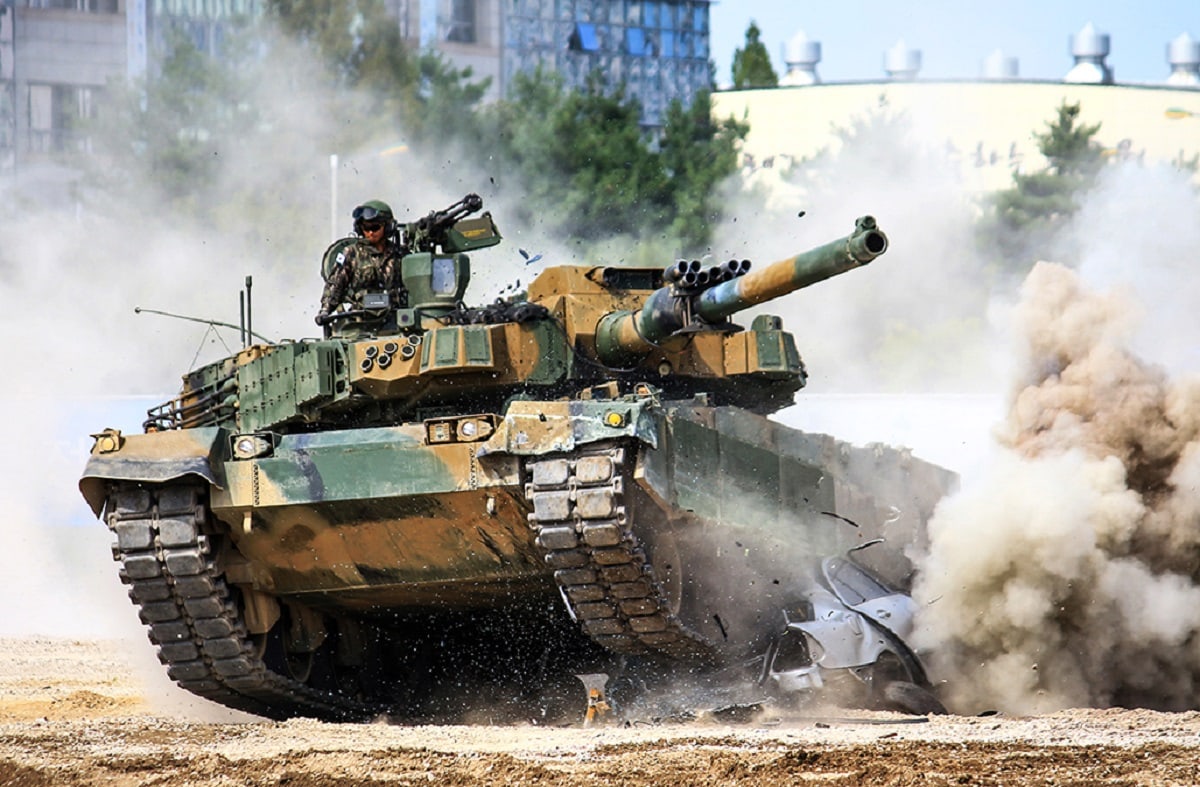
K2 Black Panther. Image: Creative Commons.
Firepower
In terms of firepower, the two tanks are essentially peers, though there are a few differences worth noting.
The M1A2 SEPv3 retains the 120 mm M256 L/44 smoothbore and, crucially, adds the Ammunition Data Link to employ the latest U.S. ammunition family, including the M829A4 depleted-uranium long-rod kinetic penetrator for armored targets and the XM1147 AMP programmable multi-purpose round that consolidates HEAT, obstacle reduction, and airburst effects.
This ammunition suite substantially broadens effects against both armored and non-armored targets while simplifying load plans.
The K2, by contrast, mounts the Hyundai WIA CN08 120 mm L/55 with a bustle autoloader that yields a consistent, high rate of fire from a three-person crew and supports domestic APFSDS and HEAT-MP rounds such as K279/K279 Improved and K280.
On top of conventional ammunition, K2’s gun can fire KSTAM, a smart, top-attack, beyond-line-of-sight munition designed to arc over cover and strike vulnerable roof armor, which is a distinctive capability among contemporary 120 mm NATO-caliber tanks.
These features give the K2 a different kind of reach and a doctrinal option for indirect top-attack engagements that Western tanks typically achieve via air or artillery.
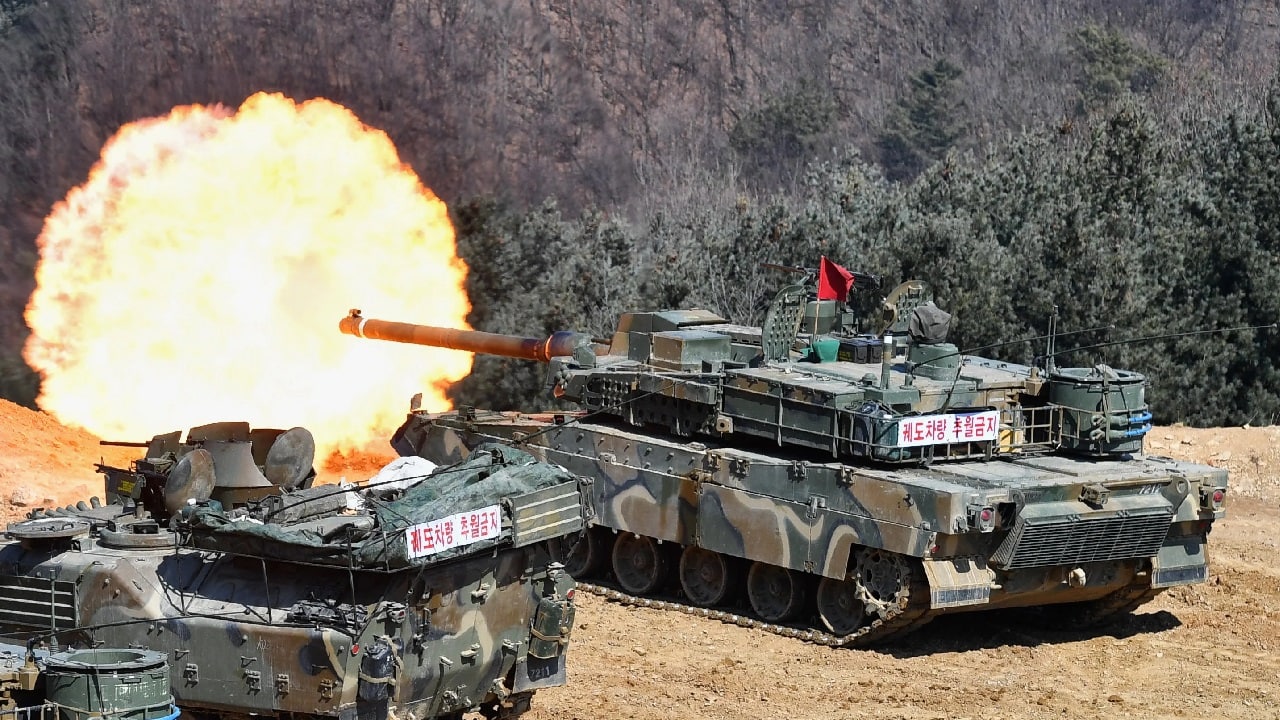
K2 Black Panther. Image Credit: Creative Commons.
Protection
Both tanks offer excellent protection, but it is here that the major differences between the two platforms become apparent. The M1A2C is, at heart, a very heavy tank with correspondingly heavy passive protection, refined stowage, and blow-off panels for ammunition safety.
The SEPv3 was designed with the GWOT in mind, with extra armor add-ons to better protect against mines and IEDs.
The result is that the tank has a combat weight that can exceed 70 tons and, in some configurations, push past 80 tons. While the tank offers top-of-the-line survivability, it comes at the cost of increased weight, making logistics more challenging.
The K2 takes a different approach. The tank maximizes protection within a roughly 56-ton combat weight by using composite armor, modular NERA/ERA, and weight-efficient shaping. The downside is that the K2’s armor is considerably thinner at the sides and roof unless customers request add-on options.
According to some estimates, the K2 has a standard weight of about 56 tons, a 1,500 hp diesel engine, and modular armor that can be enhanced in export variants.
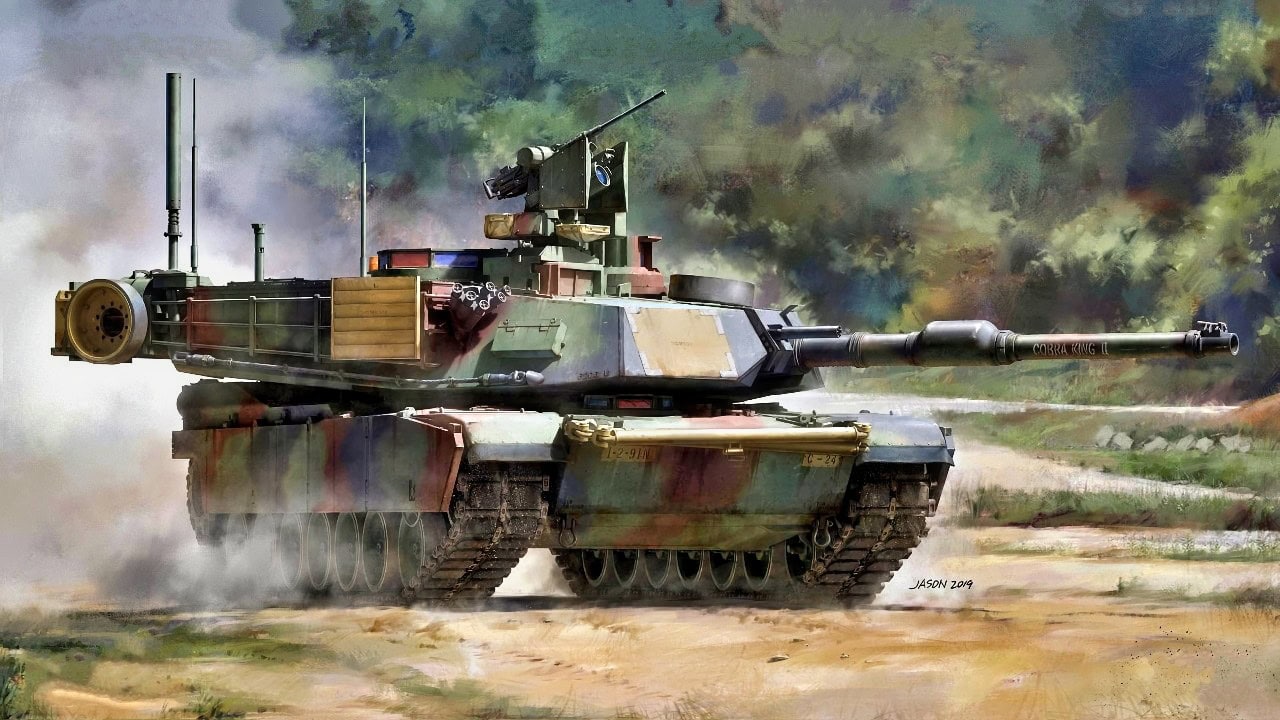
M1 Abrams Tank. Image Credit: Creative Commons.
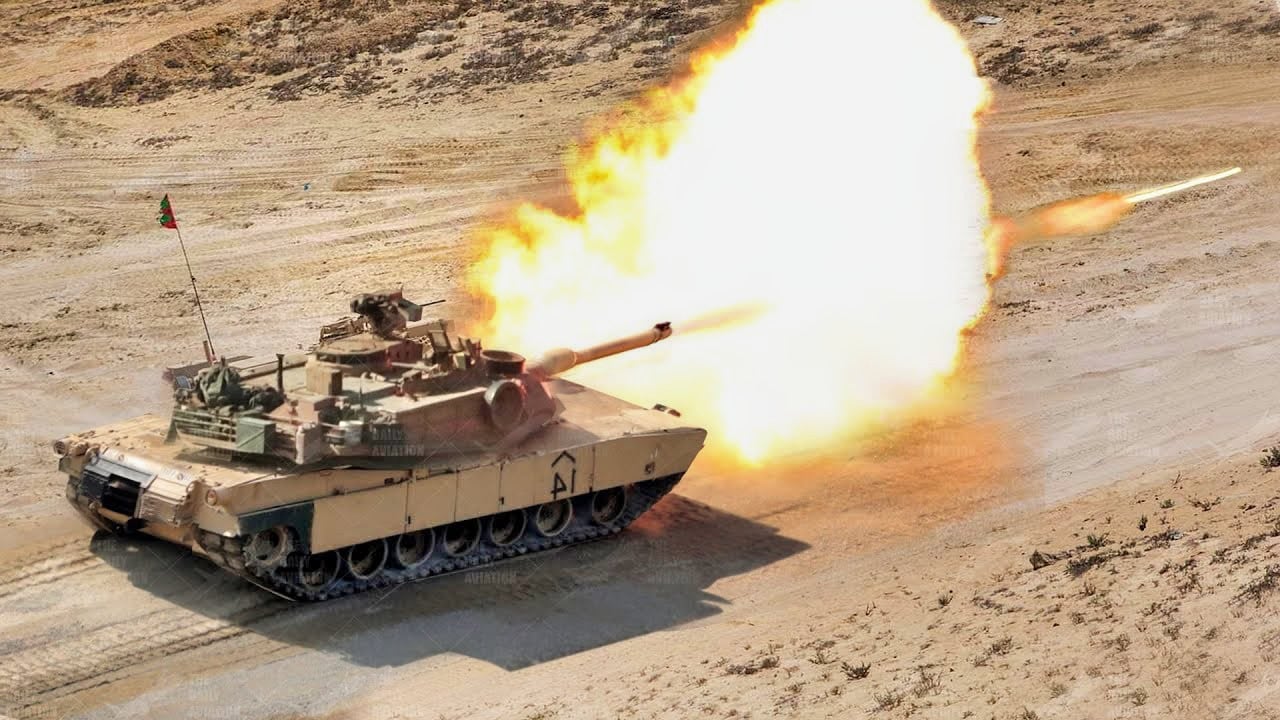
M1 Abrams Firing. Image Credit: Creative Commons.
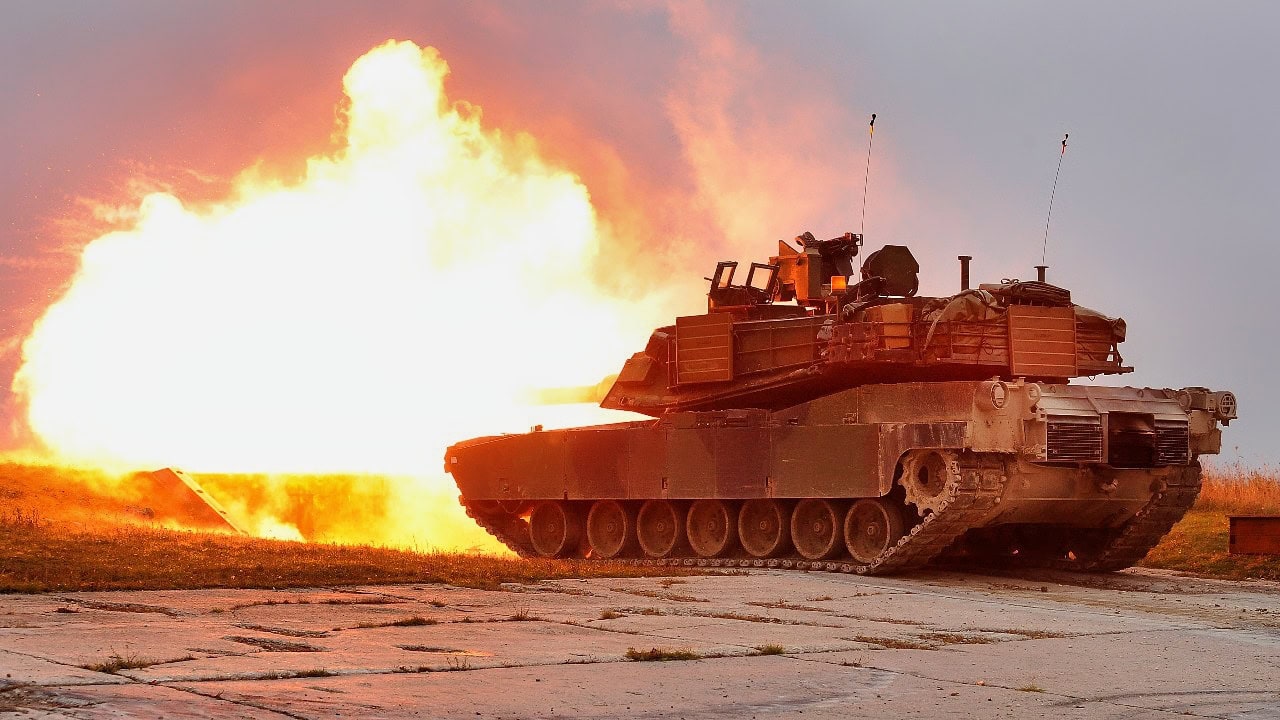
U.S. Soldiers, assigned to the 1st Battalion, 64th Armor Regiment, 1st Armored Brigade Combat Team, 3rd Infantry Division, conduct gunnery with M1A2 Abrams tanks during exercise Combined Resolve V at 7th Army Joint Multinational Training Command in Grafenwoehr, Germany, Oct. 8, 2015. Combined Resolve is designed to exercise the U.S. Army’s regionally aligned force to the U.S. European Command area of responsibility with multinational training at all echelons. Approximately 4,600 participants from 13 NATO and European partner nations will participate. The exercise involves around 2,000 U.S. troops and 2,600 NATO and Partner for Peace nations. Combined Resolve is a preplanned exercise that does not fall under Operation Atlantic Resolve. This exercise will train participants to function together in a joint, multinational and integrated environment and train U.S. rotational forces to be more flexible, agile and to better operate alongside our NATO Allies. (U.S. Army photo by Visual Information Specialist Gertrud Zach/released)
Electronics and Mobility
Both tanks are equipped with the latest and greatest sensors and electronics. SEPv3 was built to deliver power and digital growth for sensors, networking, and lethality improvements, which is why the Army framed SEPv3 as the survivability/digital backbone step and SEPv4 (since superseded by the M1E3) as the sensor/IFLIR leap.
K2 arrives with modern battle management systems (BMS)/C4I, GPS/INS navigation, automatic target search/track, and a sophisticated fire control system.
The K2PL concept, in particular, layers integrated counter-UAS with APS and an RCWS, showing how export variants can blend hard-kill, soft-kill, and electronic warfare against drones, a necessity emerging from recent conflicts. The net result is that both tanks possess sophisticated digital systems.
The Abrams has the largest fielded digital ecosystem in NATO, while K2, especially the K2PL variant, aims to leapfrog into integrated C-UAS + APS solutions tailored to current threats.
Mobility and logistics are where K2 decisively differentiates itself. The K2 was deliberately kept in the mid-50-ton weight class, pairing a 1,500 hp diesel to achieve roughly 27 hp/ton, a 70 km/h road speed, and a 450 km range, and adding the signature in-arm hydropneumatic suspension (ISU) that lets crews kneel or tilt the hull for better defilade positions and improved gun depression in complex terrain.
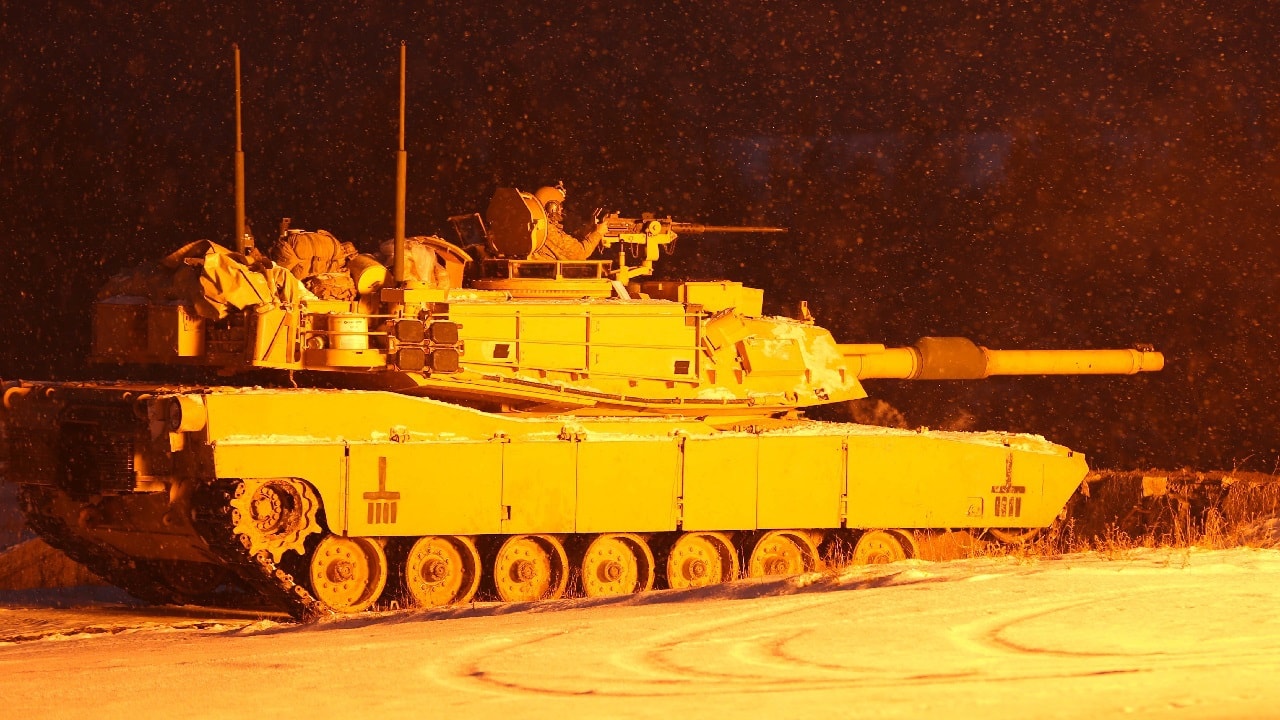
U.S. Soldiers assigned to 1st Squadron, 7th Cavalry Regiment, 1st Armored Brigade Combat Team, sit ready to engage targets in an M1 Abrams Main Battle Tank during Combined Resolve XV live fire exercise at Grafenwoehr Training Area, Germany, Feb. 9, 2021. Combined Resolve XV is a Headquarters Department of the Army directed Multinational exercise designed to build 1st Armored Brigade Combat Team, 1st Cavalry Divisions’s readiness and enhance interoperability with allied forces to fight and win against any adversary. (U.S. Army photo by Sgt. Randis Monroe)
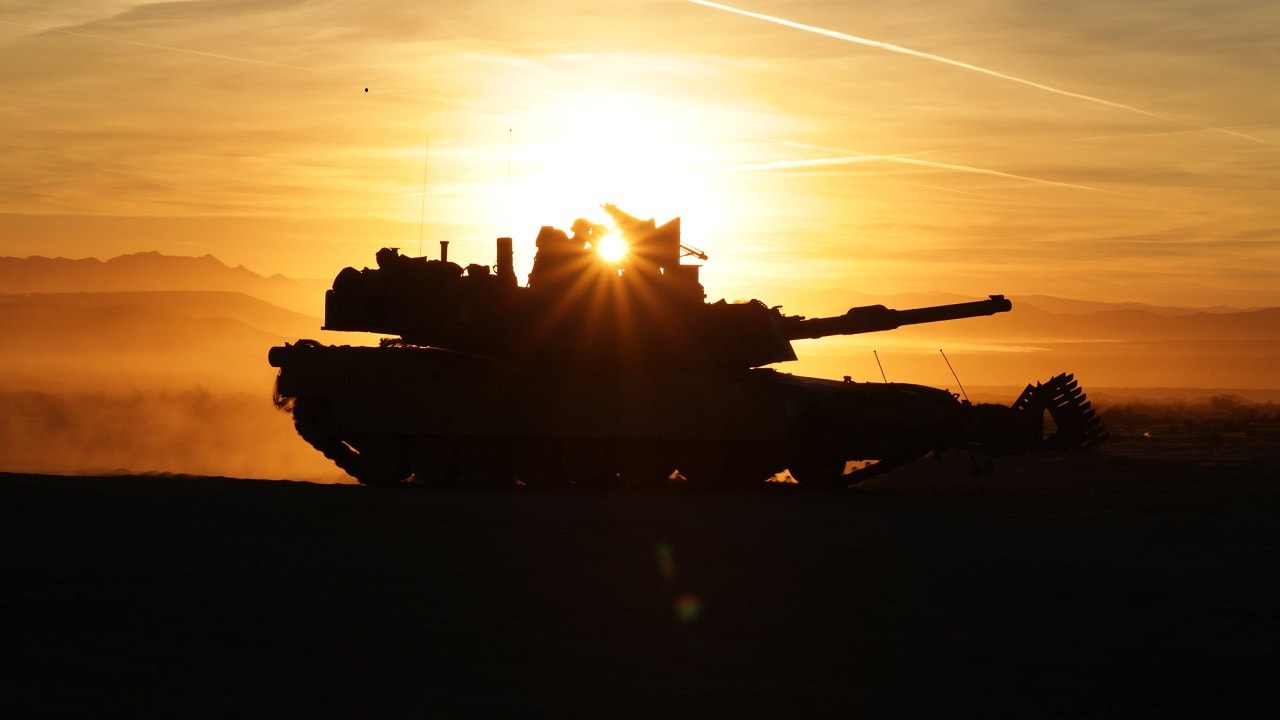
U.S. Army Soldiers, assigned to 3rd Brigade Combat Team, 1st Cavalry Division, maneuver their M1A2 Abrams tank to avoid indirect fire during training at the National Training Center at Fort Irwin, Calif., Oct. 7, 2016.
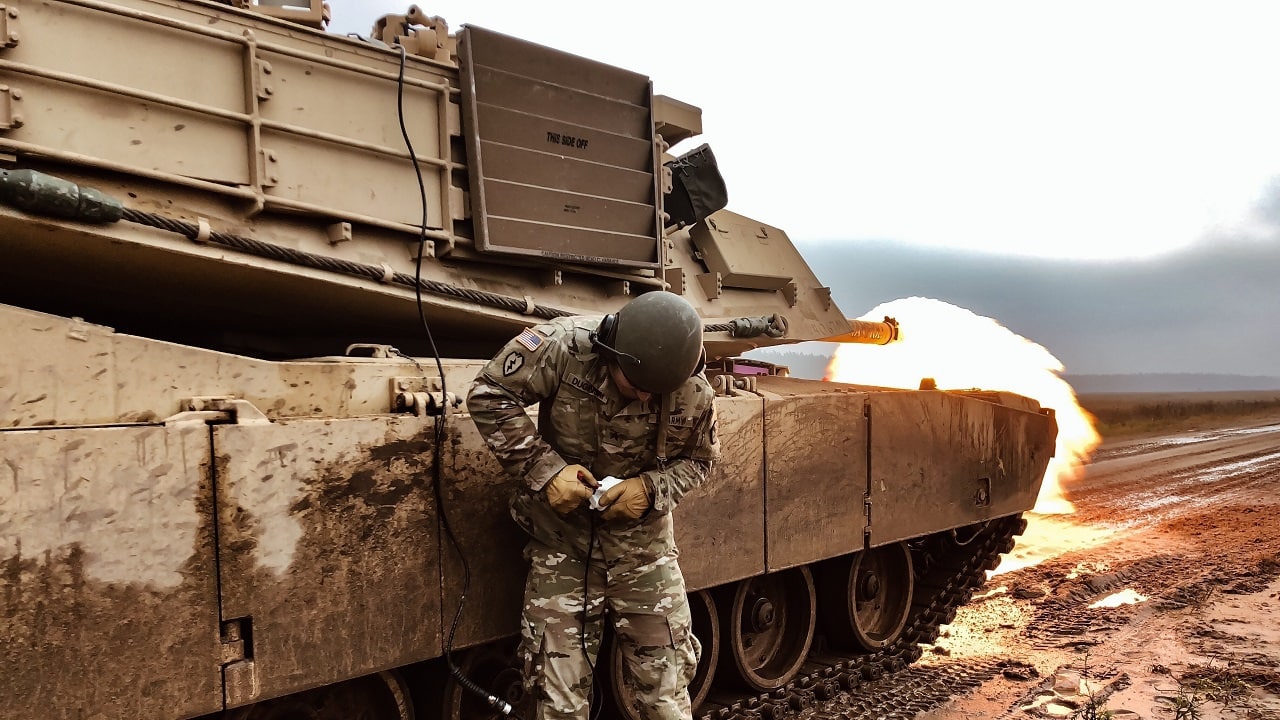
U.S. Army Sgt. Ryan Duginski, M1 Abrams Tank Master Gunner, assigned to Battle Group Poland, performs a tank remote-fire procedure to ensure firing capabilities function properly at Bemowo Piskie Training Area, Poland, Nov. 6. (Photos by U.S. Army 1LT Christina Shoptaw)
It can also use a snorkel kit to ford over four meters of water after preparation, an engineer-friendly detail in riverine geographies. Abrams, by contrast, is remarkably quick for a tank of its size and weight, but its mobility is also a double-edged sword.
The Honeywell gas turbine is notoriously fuel-hungry, which can threaten long-term sustainability. In addition, Abram’s sheer weight makes it difficult to cross bridges and recover, which limits its overall versatility somewhat.
Which Tank is Superior?
So which tank is better overall? If the requirement is immediate, and maximum survivability within a mature NATO ecosystem with a tested and fielded hard-kill APS is the goal, the M1A2 SEPv3 holds a narrow edge.
If, however, the priority shifts towards something lighter, more mobile, and more sustainable, then the K2 is probably the best pick. Its lighter weight, digital backbone, and modularity make it an attractive option in many circumstances.
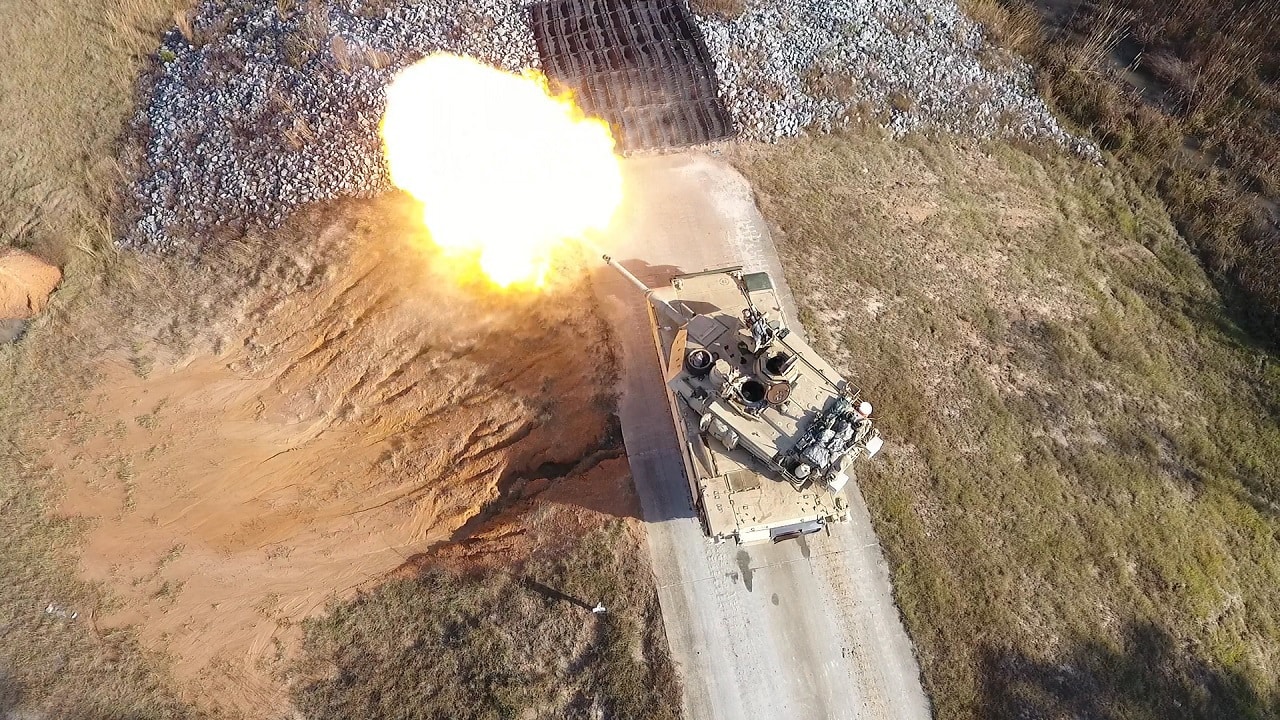
Aerial drone image of an M1A2 Abrams Main Battle Tank crew, from the 1st Armor Brigade Combat Team, 3rd Infantry Division, conducting Table VI Gunnery at Fort Stewart, Ga. December 6, 2016.
If I were forced to choose one over the other, however, I would side with the M1A2 due to its extremely robust passive protection and the sheer weight of its sustainment and training ecosystem. The deeper truth is that both tanks are excellent.
The decisive variable in 2026 is less about the base hull and more about how quickly each user fields a layered survivability suite using hard-kill APS and credible counter-UAS. On that measure, the Abrams SEPv3 starts from a position of proven fielding, while the K2 is rapidly catching up to its American counterpart.
In the future, newer variants of the K2 will likely field defense measures that will make it more survivable than the venerable Abrams. For now, however, the M1A2 remains at the top.
About the Author: Isaac Seitz
Isaac Seitz, a Defense Columnist, graduated from Patrick Henry College’s Strategic Intelligence and National Security program. He has also studied Russian at Middlebury Language Schools and has worked as an intelligence Analyst in the private sector.