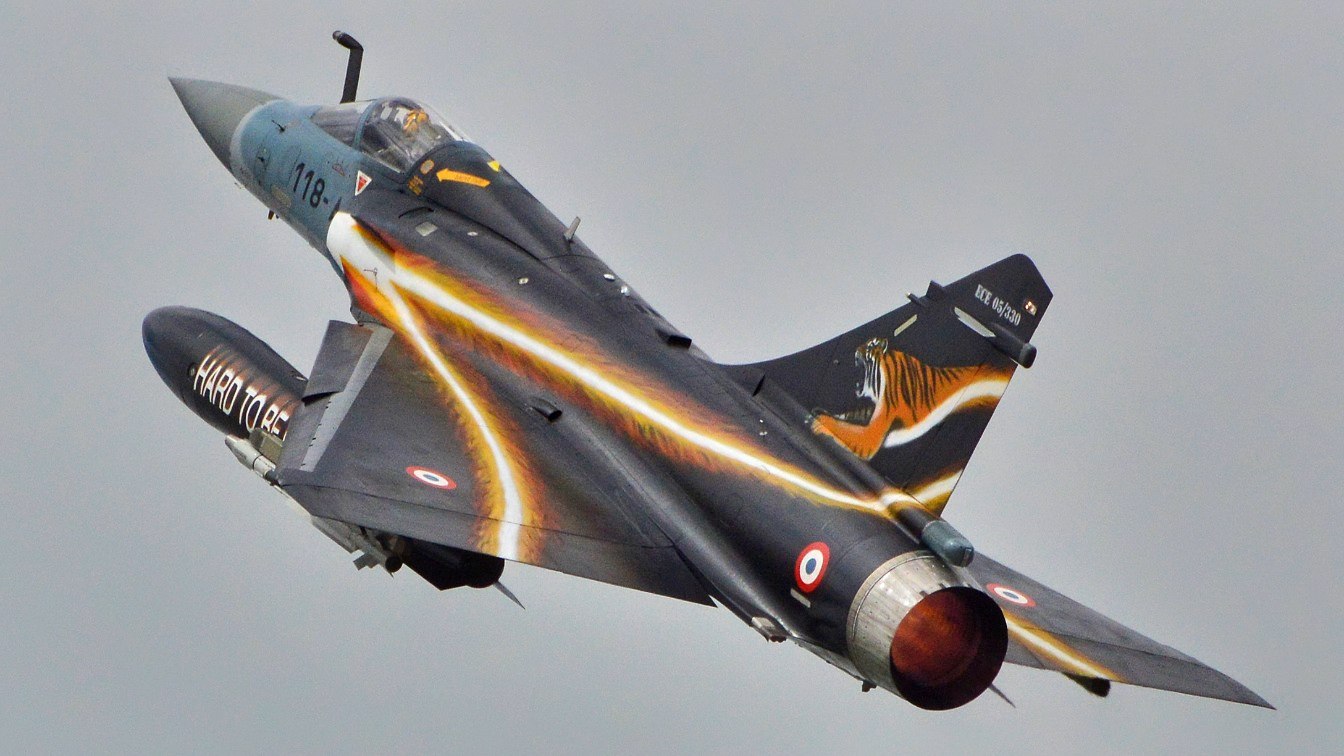
Summary and Key Points: Kris Osborn, President of Warrior Maven, evaluates the Mirage 2000‘s combat performance in Ukraine.
-Leveraging the RDY multi-target radar and AASM Hammer precision bombs, Ukrainian pilots have achieved near-perfect interception rates against drones while expanding into offensive strikes on fuel depots and ammunition dumps.
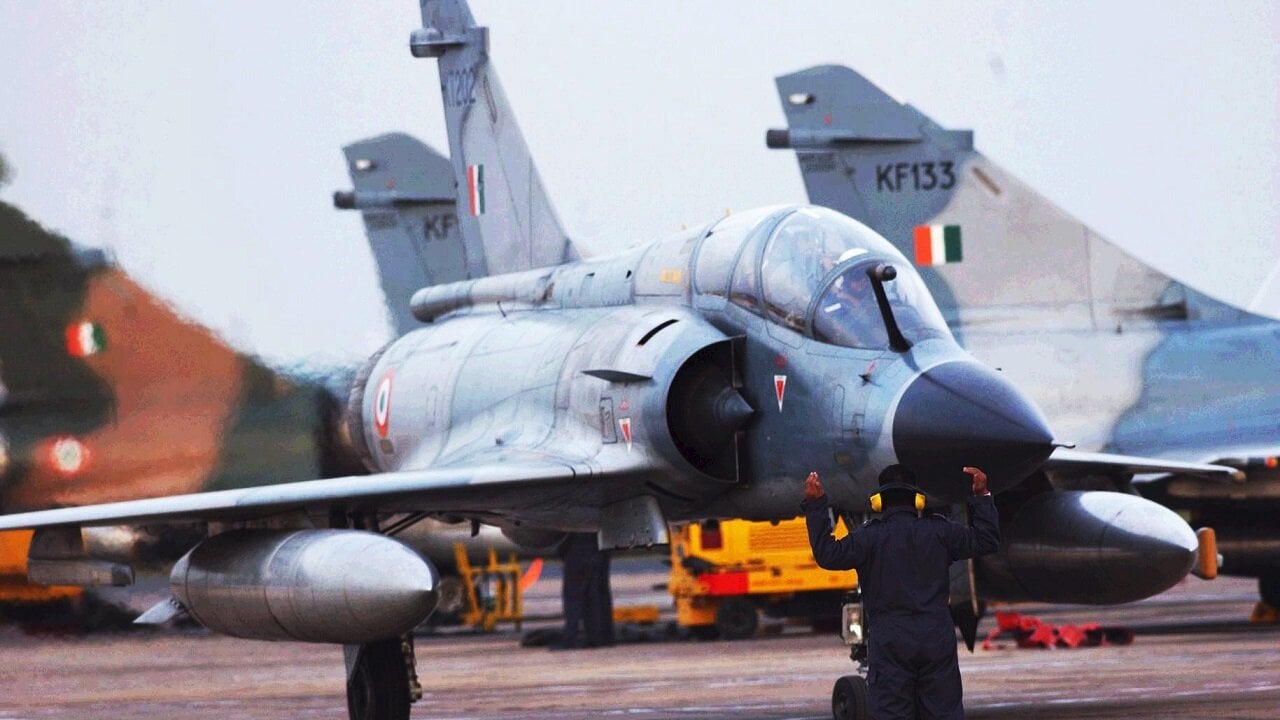
Mirage 2000. Image Credit: Creative Commons.
-This report analyzes the Mirage 2000-D’s automated terrain-following technology and all-weather bombing capabilities, enabling low-altitude penetration of contested airspace.
-Osborn concludes that the Mirage’s “bomb-truck” capacity—carrying up to 37,479 lbs of ordnance—has made it an indispensable component of Ukraine’s 2026 counter-logistics strategy.
From Shield to Sword: Analyzing the Mirage 2000’s Shift to Offensive “Hammer” Strikes
French Mirage 2000 fighter jets are carrying out multiple operations in Ukrainian service.
They are protecting cities, killing drones, intercepting cruise missiles, and conducting offensive attacks.
The French jets, which first arrived in Ukraine in 2025, have been intercepting Russian cruise missiles from the air and dropping Hammer bombs for ground strikes. The performance of the jet in war has inspired additional Ukrainian requests for the fighters.
One Mirage pilot told Business Insider that he has experienced a 98 percent kill rate against Russian drones and missiles, and multiple reports from Ukraine say the Mirage 2000 is now pursuing “offensive” strike operations for the first time.
Trench Art cites a video of a Ukrainian Mirage 2000 dropping Armement Air-Sole Modulaire (AASM) Hammer bombs into Russian ammunition storages, fuel depots, and troop concentrations.
The essay described these attacks as a shift toward striking Russian logistical capabilities from its regular mission to protect cities. As an air “node” above cities, the Mirage 2000 could be in position to see, track, and destroy incoming Russian rockets and missiles.
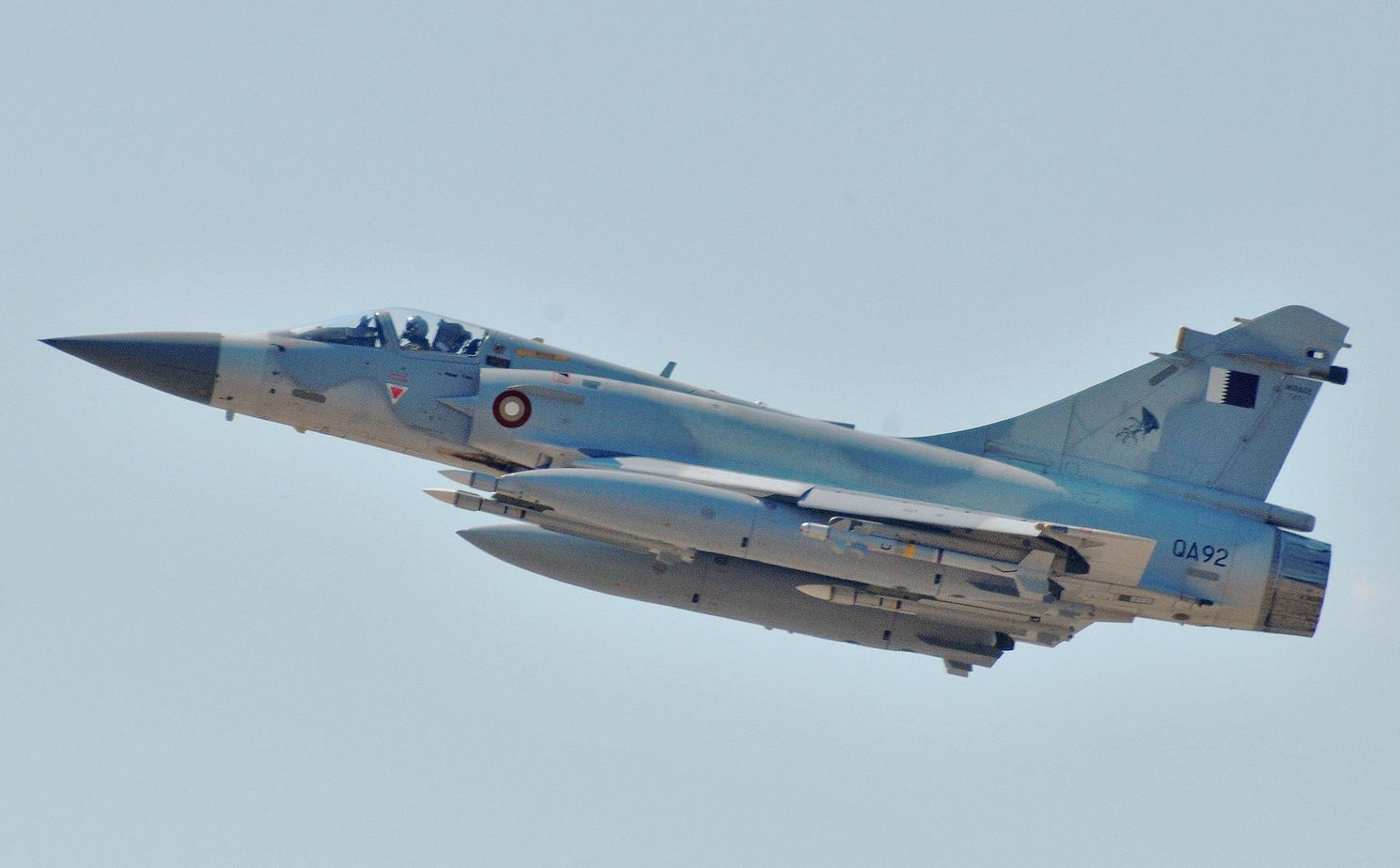
Mirage 2000-5.
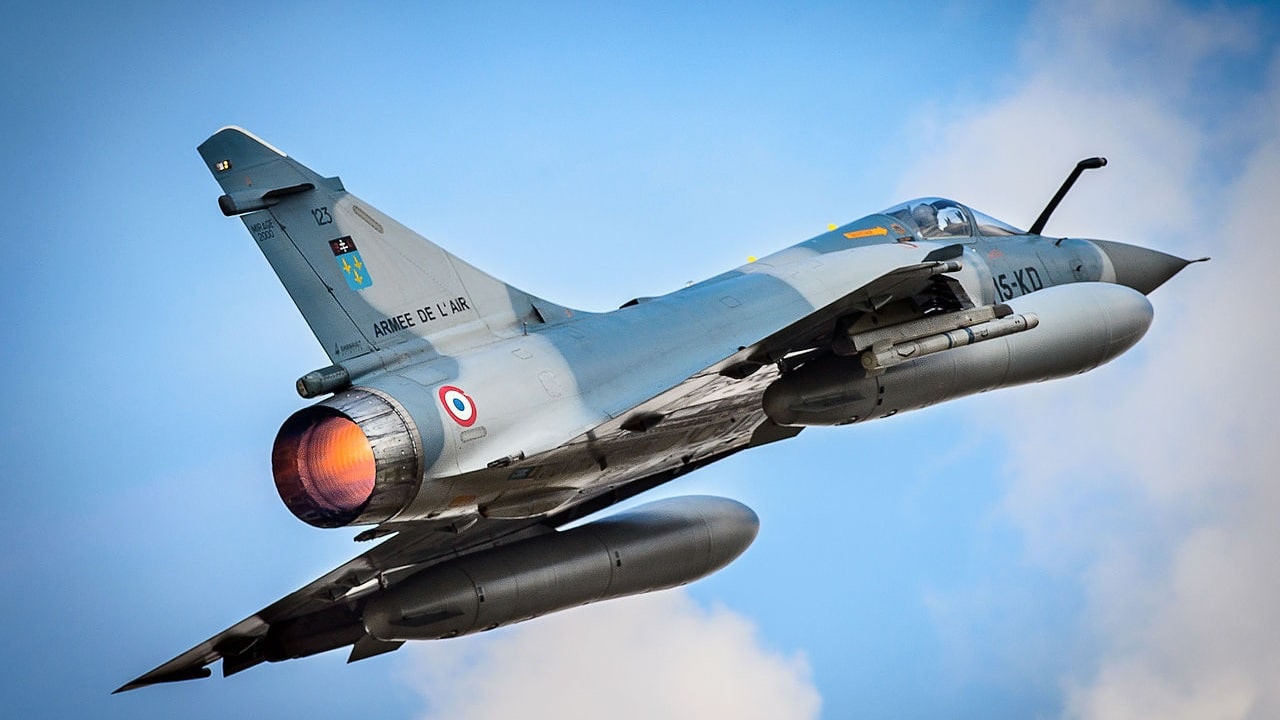
French Air Force Dassault Mirage 2000C take off from RAF Brize Norton.
1980’s Era Mirage 2000
The Mirage 2000 entered operational service in 1984 after several years of development. The single-engine multi-role fighter was eventually flown by Peru, Egypt, Taiwan, India, and other allied countries.
More advanced variants also began to emerge, functioning as both one- and two-seater aircraft. The 2000-N nuclear variant eventually arrived, as did a Mirage 2000-D equipped with laser-guided weapons, low-drag bombs, and APACHE cruise missiles, according to a report from the Federation of American Scientists (FAS).
The Mirage 2000-D also has automated terrain-following technology, something which greatly improves targeting possibilities.
“The Mirage 2000D tactical penetration two-seater fighter carries air-to-ground high precision weapons which can be fired at a safe distance, by day or by night.
Its navigation and attack system enable it to fly in any weather conditions, hugging the terrain at a very low altitude,” the FAS report says.
The 2000-D is also significant because of its all-weather night and day bombing capability and high-precision bombing—technologies considered cutting-edge in the 1980s and 1990s. The aircraft’s fly-by-wire system and inertial navigation technology systems, cited in the FAS description, also were ahead of their time.
Mirage 2000-5 Radar
Upgrades throughout the years arguably put the Mirage ahead of its time as the fighter jet was integrated with digital cockpit displays.
The Mirage 2000-5 RDY radar, for instance, allows a fighter to track multiple air and ground targets.
“The Mirage 2000-5 is similar to a U.S. 1980s aircraft such as the F-15, for example, which has now been upgraded with advanced multi-target-tracking AESA Radar. It would be interesting to see how 1980s and 1990s F-15 targeting and radar technology compared to the Mirage at the time,” the FAS essay explains.
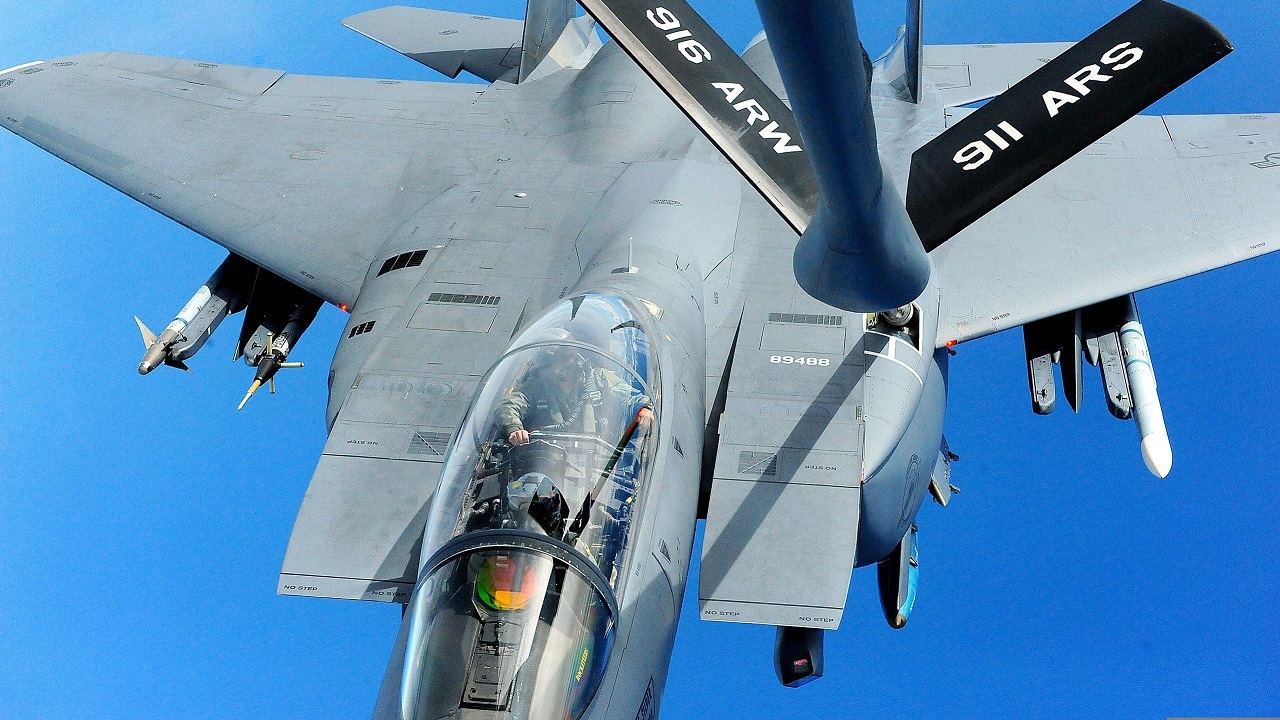
F-15E fighter. Image Credit: Creative Commons.
“It differs from its predecessors mainly in its avionics; its new multiple target air-to-ground and air-to-air firing procedures are linked to the use of RDY radar and its new visualization and control system.”
The Mirage 2000 production line was stopped some years ago. Before that happened, however, some variants of the French Mirage incorporated highly advanced technologies at the time of introduction. The aircraft is listed with a low thrust-to-weight ratio, at .07, which might suggest more limited maneuverability and acceleration.
Yet it can reach Mach 2.2 and operate with a bomb-truck-like ability to take off carrying 37,479 pounds of ordnance.
About the Author: Kris Osborn
Kris Osborn is the President of Warrior Maven – Center for Military Modernization. Osborn previously served at the Pentagon as a highly qualified expert in the Office of the Assistant Secretary of the Army—Acquisition, Logistics & Technology. Osborn has also worked as an anchor and on-air military specialist at national TV networks. He has appeared as a guest military expert on Fox News, MSNBC, The Military Channel, and The History Channel. He also has a Masters Degree in Comparative Literature from Columbia University