
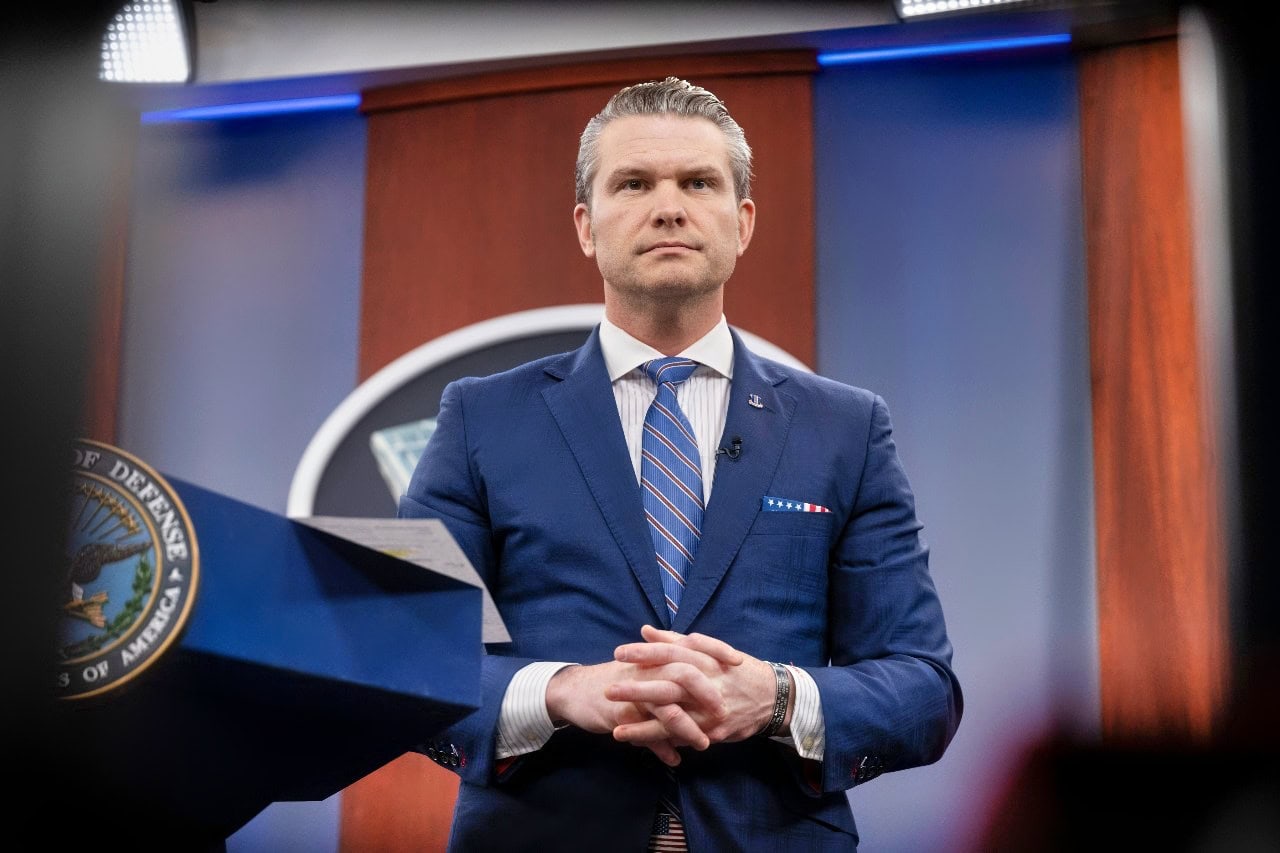
As the use of religious-themed language during the current military conflict in Iran has continued to draw controversy, the Pentagon has announced a surprising change in the dress of military chaplains.
Per The Hill, Secretary of Defense Pete Hegseth said this week that military chaplains “will no longer wear their rank insignia, instead displaying insignia that reflects their religious affiliation.”
Hegseth announced the change in a four-minute video message, posted to social media.
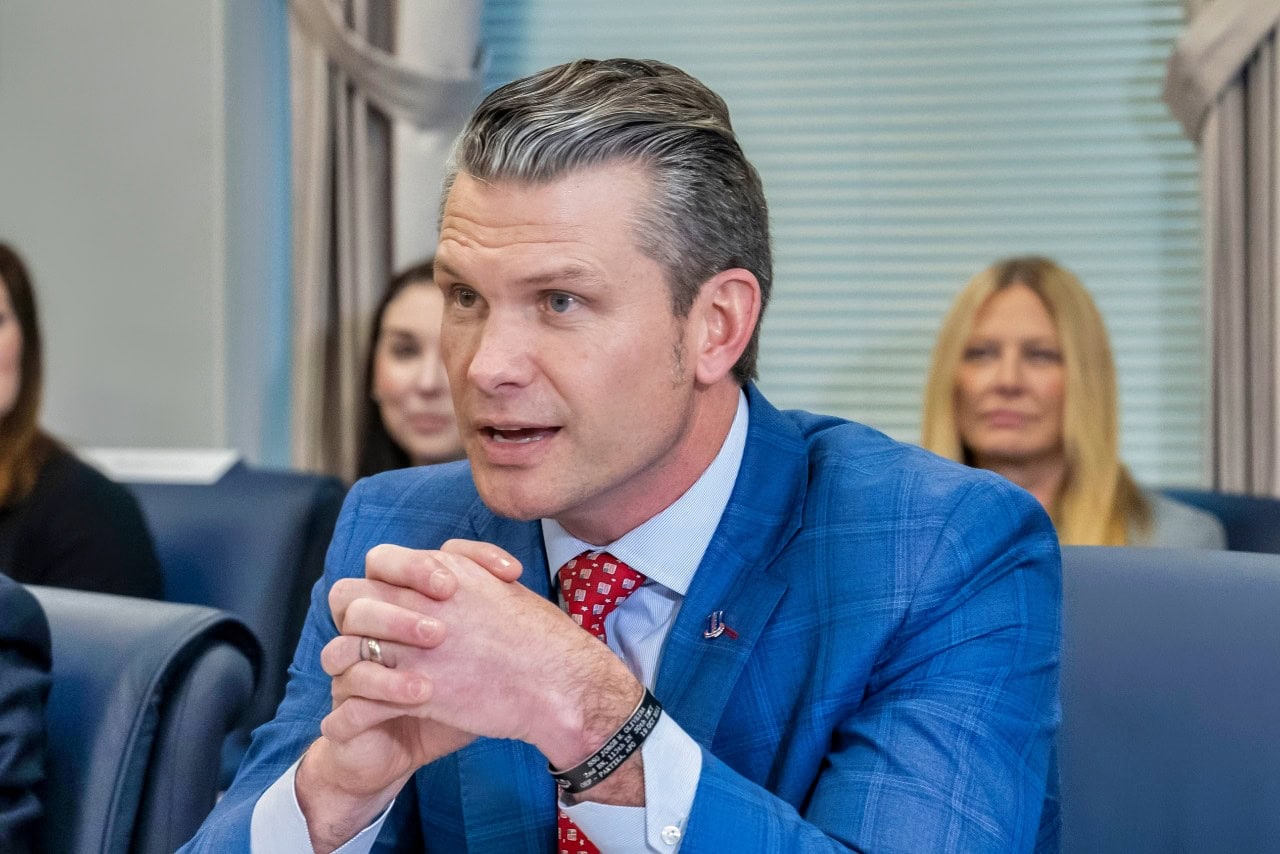
Secretary of Defense Pete Hegseth hosts a bilateral exchange with Australian Deputy Prime Minister Richard Marles at the Pentagon, Washington, D.C., Feb. 7, 2025. (DoD photo by U.S. Air Force Senior Airman Madelyn Keech)
“In previous administrations, our Chaplain Corps was infected by political correctness and secular humanism,” Hegseth said in the statement. “The core functions of the Chaplain Corps were changed, and watered down, until they were viewed by many as nothing more than therapists. Faith and virtue were traded for self-help and self-care. “
“Today, we’re going further,” the “Secretary of War” said in the message.
“The crucible of combat tests more than the body. It tests conviction, character, and spirit … A warfighter needs more than a coping mechanism,” he said. “They need truth, big-T truth, they need conviction, they need a shepherd,” Hegseth added.
Two Reforms
Hegseth expressed a desire to “further make sure we’re making the Chaplain Corps great again.”
He talked about what was previously known as the Faith and Belief Coding Systems, which will now be called the Religious Affiliates Code. After the previous system “ballooned” to “well over 200 faith codes,” he felt the need to streamline the system, bring it down to just 31 codes, to “bring the codes in line with its original purpose — giving chaplains clear, usable information, so they can minister to service members in a way that aligns with that service member’s faith background and religious practice.”
The other change is replacing the rank insignia on uniforms with their religious insignia.
“This speaks to the difficult balance of the duality of a military chaplain,” he said.
“A chaplain is first and foremost a chaplain and an officer second. This change is a visual representation of that fact, specifically unique to the role of a chaplain. They are first and foremost called and ordained by God,” the secretary added.
A History of Chaplains
Per The Hill, chaplains have been part of the United States military since the American Revolution, when George Washington established the Chaplain Corps in 1775. While the group was exclusively Protestant in Washington’s time, that has changed over the centuries.
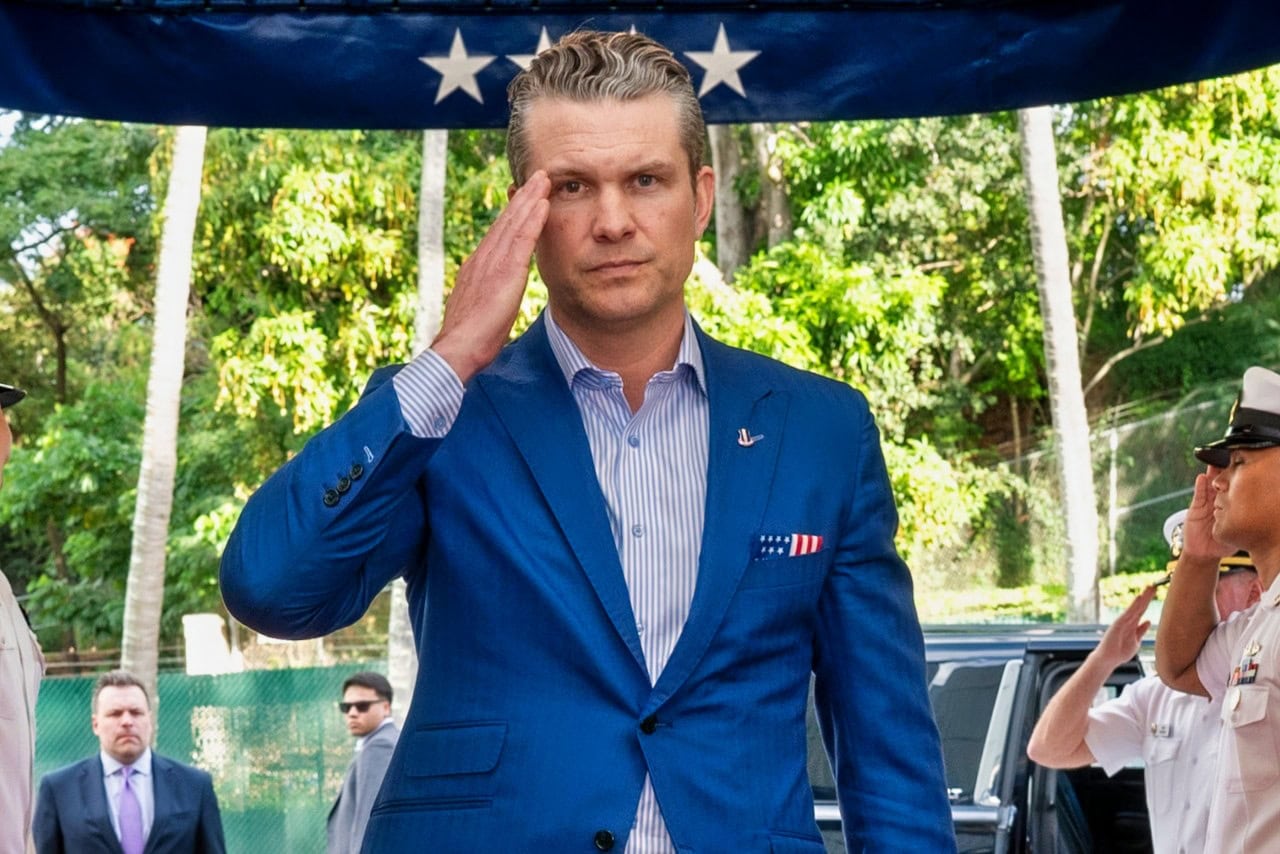
U.S. Secretary of Defense Pete Hegseth is piped aboard at the U.S. Pacific Fleet boathouse in Pearl Harbor, Hawaii, March 24, 2025. USINDOPACOM is committed to enhancing stability in the Indo-Pacific region by promoting security cooperation, encouraging peaceful development, responding to contingencies, deterring aggression and, when necessary, prevailing in conflict. (U.S. Navy photo by Mass Communication Specialist 1st Class John Bellino)
“In the mid-1800s, Catholic and Jewish chaplains were introduced, followed by the first Muslim chaplain in 1994 and a Buddhist in 2008,” the Hill reported.
Another change occurred during Donald Trump’s first year in office.
“In 2017, the Armed Forces Chaplains Board reviewed the Defense Department’s recognized faith groups to provide more accurate demographic data on religious beliefs held by service members across the armed forces,” the Hill reported. “It listed more than 200 different faith codes, many of them specific religious groups under the wider umbrella of Protestant.”
During the Biden era, the Hill said, the Army Chaplain Corps said the group “represented more than 100 religious groups.”
“The change reflects the latest step in Hegseth’s effort to inject the military with more explicitly religious sentiments,” The Hill reported. “He has focused on shaping the military’s culture in more traditional Christian conservative views, enacting policy that bans transgender troops, reviewing whether women should serve in combat roles, and reevaluating the Defense Department’s support for Scouting America unless it institutes ‘core value reforms.'”
Hegseth and Religion
The way the Defense Secretary has invoked religion, especially as the United States has once again gone to war with a Muslim country, has been a subject of some controversy.
The New York Times wrote about this on March 20, after Hegseth “issued a call to the American people for a specific kind of wartime prayer. He asked them to pray for victory in battle and the safety of their troops.”
This fervor has ramped up since the start of the military campaign in Iran.
“More than any top American military leader in recent history, Mr. Hegseth has framed U.S. military operations in the Middle East, Africa, and Latin America as bigger than politics or foreign policy,” the Times said. “Often he has imbued these actions with a Christian moral underpinning that suggests they are divinely sanctioned.”
Holy War
The “Secretary of War” also spoke this way in a recent 60 Minutes interview.
“Our capabilities are better. Our will is better. Our troops are better,” Hegseth told the CBS News program in an interview last month. “The providence of our almighty God is there protecting those troops, and we’re committed to this mission.”
The Times did note, however, that Hegseth has “largely avoided casting Islam as the enemy.”
Some in the religious community have pushed back against Hegseth’s speaking of the war in religious terms.
“In my own view in the teaching of the church, this is not a moral war, it is an immoral war, and thus I am not praying that this immoral war continues,” Cardinal Robert McElroy of Washington told the Times, distinguishing praying for the nation and the troops, and casting the war in specifically religious terms. “I see a moral imperative to end this war, to have a cease-fire.”
Word and Way, a newsletter that covers religion and politics, also addressed recent comments from the secretary.
The account quoted Hegseth’s remarks at a Christian worship service at the Pentagon, the first held since the start of the conflict.
Hegseth “used prayer and several Bible passages to cast the conflict as a holy war against God’s enemies. He prayed that God would pour out righteous wrath by helping ‘break the teeth’ and kill the ‘wicked’ enemies ‘who deserve no mercy’ and should be ‘delivered to the eternal damnation prepared for them.’ And he did so during the service on Wednesday (March 25) while carrying up to the podium what looked like his Bible that’s stamped on the cover with a Jerusalem Cross and the phrase ‘Deus Vult,’ thus matching the controversial Crusader tattoos on his body.”
About the Author: Stephen Silver
Stephen Silver is an award-winning journalist, essayist, and film critic, and contributor to the Philadelphia Inquirer, the Jewish Telegraphic Agency, Broad Street Review, and Splice Today. The co-founder of the Philadelphia Film Critics Circle, Stephen lives in suburban Philadelphia with his wife and two sons. For over a decade, Stephen has authored thousands of articles that focus on politics, national security, technology, and the economy. Follow him on X (formerly Twitter) at @StephenSilver, and subscribe to his Substack newsletter.