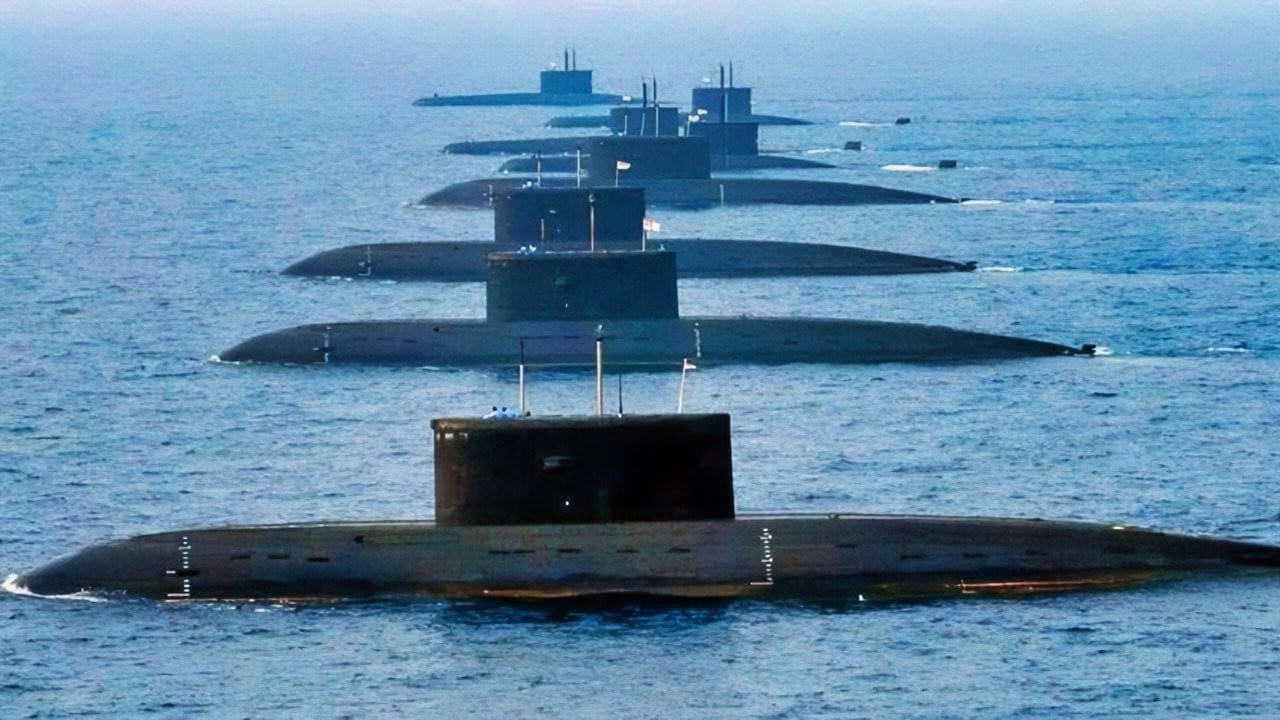
Summary and Key Points: Caleb Larson, a veteran conflict journalist, evaluates the total degradation of the Islamic Republic of Iran Navy during Operation Epic Fury.
-Following the destruction of the Bandar Abbas headquarters and the death of Ali Shamkhani, Larson analyzes the 80% collapse in Strait of Hormuz traffic.
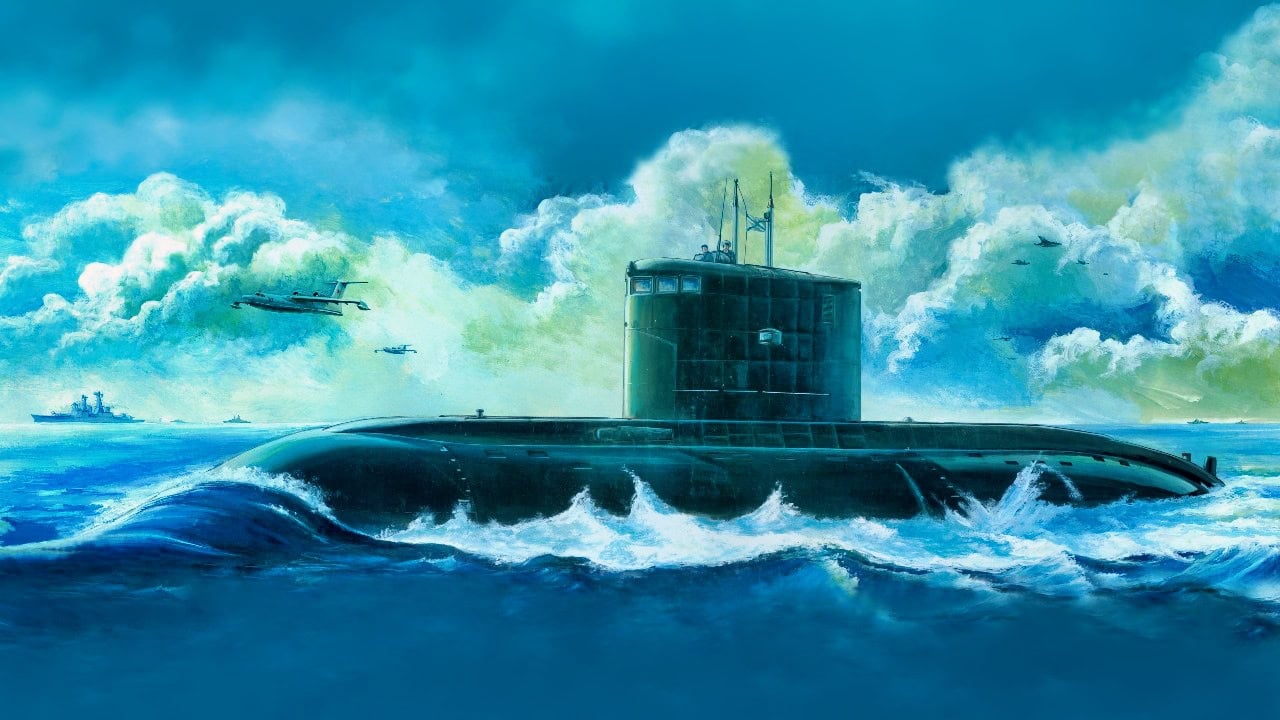
Kilo-Class Submarine
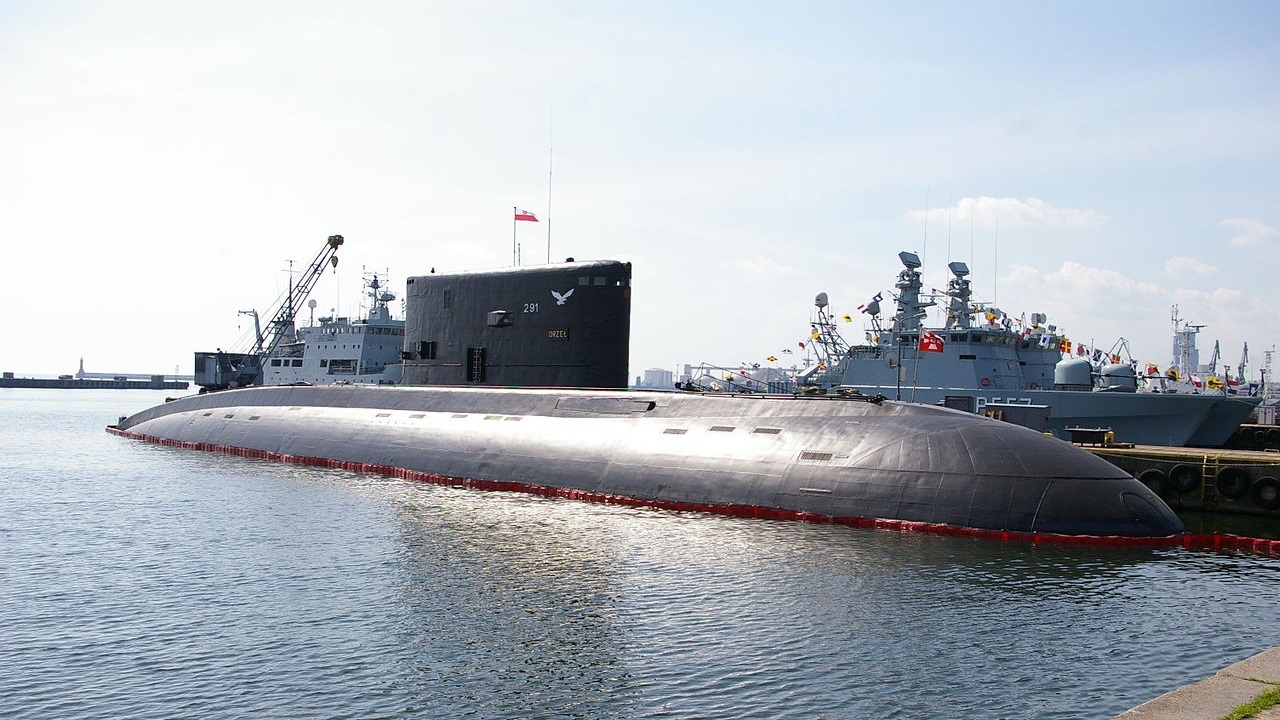
Polish Navy submarine, Kilo-Class.
-This 19FortyFive report explores President Donald Trump’s use of the U.S. Development Finance Corporation (DFC) to provide political risk insurance for energy tankers.
-Larson concludes that while Iran’s 11 surface warships in the Gulf of Oman have been sunk, the “underwater wildcard” of mines and midget submarines remains a peril to global maritime trade.
How Operation Epic Fury Systematically Dismantled the Iranian Navy…but What About the Submarines?
Descriptions of the forerunners of the Iranian navy stretch back more than 2,000 years, to an account by the famed Greek historian Herodotus. Writing about the Greco-Persian Wars, which began in 449 BC, Herodotus provided an account of the naval component of those conflicts under the Achaemenid navy.
Battered by the United States and Israel, today’s Islamic Republic of Iran Navy has quite literally sunk to perhaps its lowest level in the past 2,500 years—right to the bottom of the Gulf of Oman, where many of the Iranian regime’s warships were once based.
Just a few days into the punishing Operation Epic Fury—called Roaring Lion in Israel—much of the Iranian Navy has been destroyed. At least one of the navy’s top admirals, Ali Shamkhani, has been killed, and the Islamic regime’s naval headquarters at Bandar Abbas is a pile of rubble.
Shortly after the air campaign against Iran began, the Islamic Revolutionary Guard Corps declared that the Strait of Hormuz, which abuts Iran’s southern maritime border, would be closed for all shipping. A massive decrease in maritime traffic through the strait followed, and several major international container shipping companies stopped vessels from transiting Hormuz.
One of the immediate effects was a spike in energy prices, as shipping that would normally pass through the Strait of Hormuz was redirected to safer, but considerably longer, maritime routes that avoid the Strait of Hormuz, the Red Sea, and the Suez Canal. Though the Strait is technically still open, it is effectively closed, given the dearth of shipping passing through it.
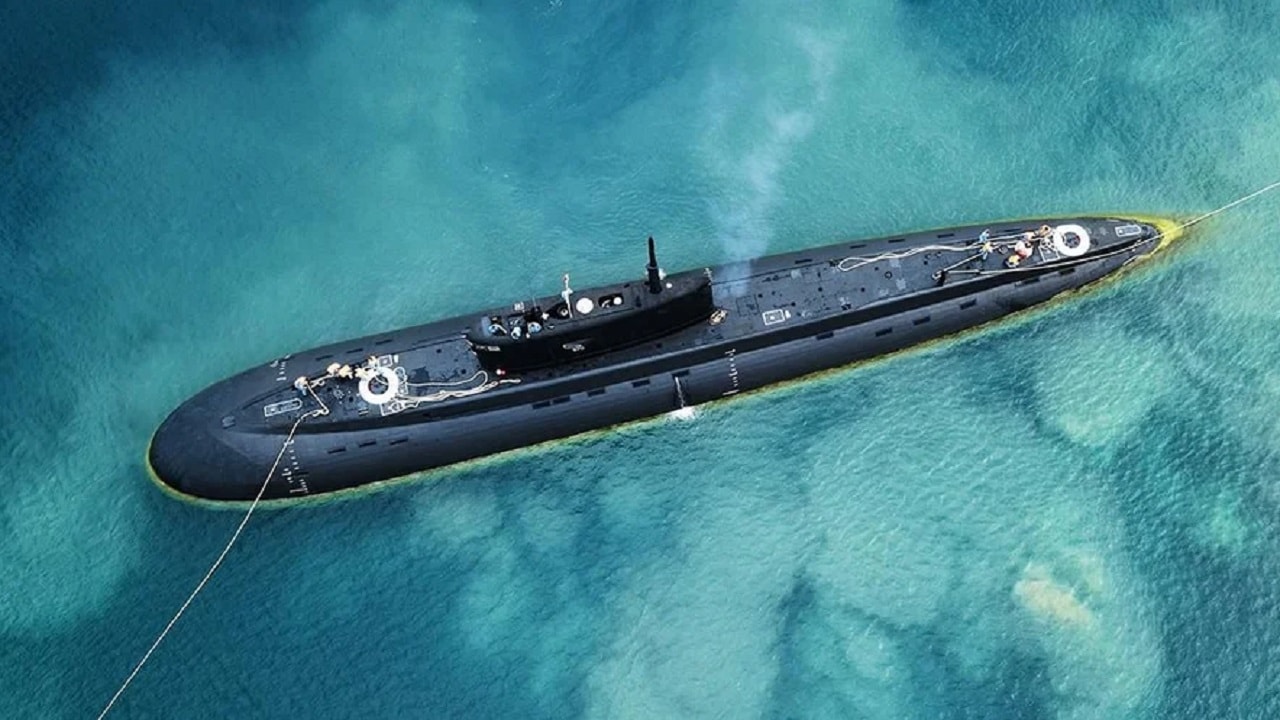
Kilo-Class Submarine. Image Credit: Creative Commons.
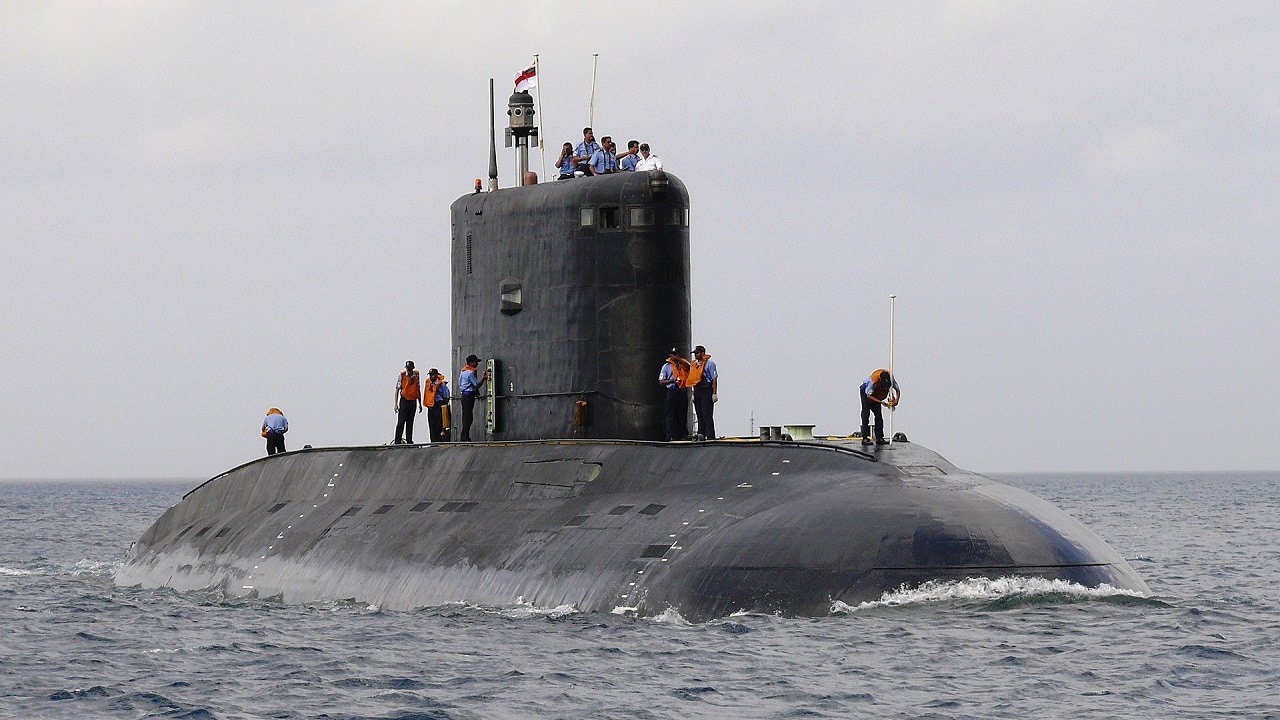
Kilo-Class Submarine.
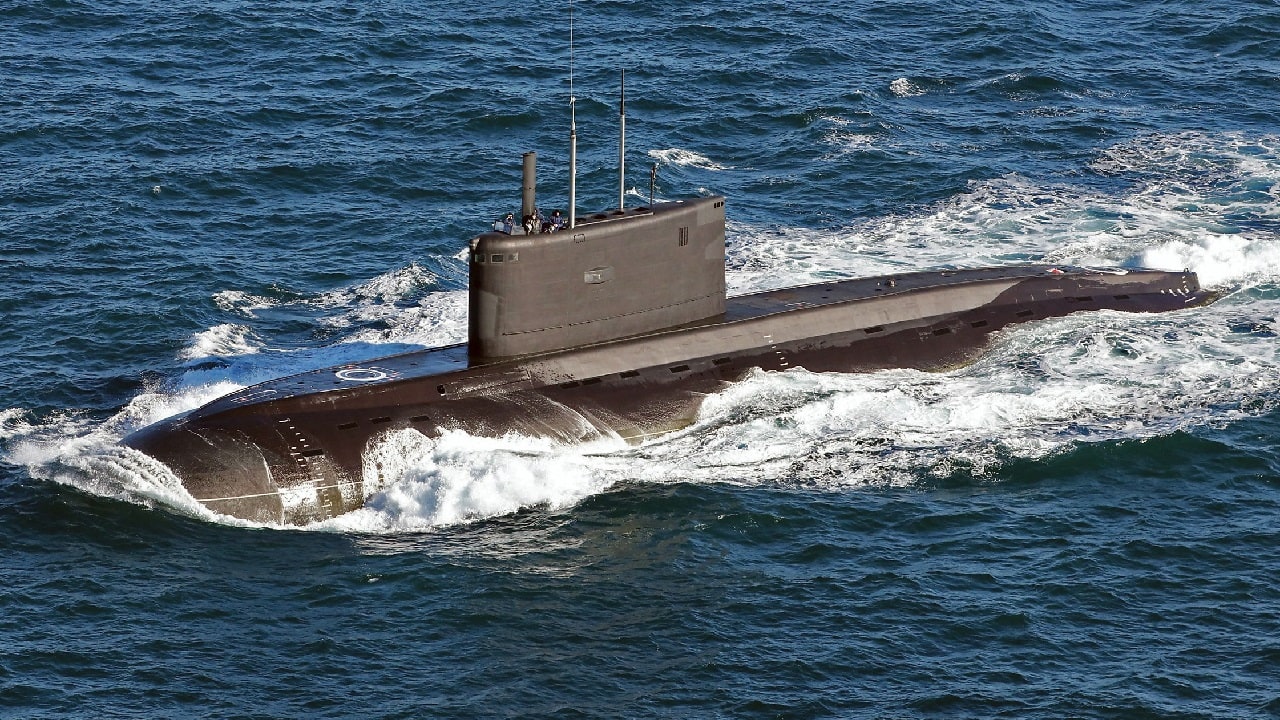
Pictured is a Kilo-Class Russian Submarine in the English Channel. The image was taken from Royal Navy Wildcat HMA2 Helicopter of 815 Naval Air Squadron. Kilo class is the NATO reporting name for the diesel-electric attack submarine.
The Iranian-backed Houthi rebels in Yemen declared they would target commercial shipping, and presumably U.S. warships—although the USS Abraham Lincoln (CVN-72) aircraft carrier, is in the Arabian Sea, roughly equidistant from Oman, Pakistan, and Iran, according to the USNI News Fleet Tracker.
Though few if any ships have attempted to run the strait as of yet, it is not the first time that merchant traffic has faced a concerted effort to close down that important maritime chokepoint.
Operation Prosperity Guardian
In December 2023, the Department of Defense announced Operation Prosperity Guardian, a multinational effort to protect freedom of navigation and ensure safe passage for merchant ships in the face of a concerted effort by the Houthis to sink cargo traffic.
Dozens of countries participated, and countries from Europe and the Indo-Pacific sent warships to aid the effort, though the U.S. Navy did most of the heavy lifting. Navy ships and other vessels intercepted anti-ship ballistic missiles, cruise missiles, and drones while escorting merchant traffic through the Gulf of Aden and the Red Sea.
Ultimately, that effort was successful. Will the IRGC’s pronouncement prove hollow?
Donald Trump’s Insurance Bonanza?
U.S. President Donald Trump took to Truth Social to announce a new maritime shipping insurance scheme that would presumably see the United States provide maritime shipping insurance for all ships transiting international waters near the Gulf.
“Effective IMMEDIATELY, I have ordered the United States Development Finance Corporation (DFC) to provide, at a very reasonable price, political risk insurance and guarantees for the Financial Security of ALL Maritime Trade, especially Energy, traveling through the Gulf,” he wrote. “This will be available to all Shipping Lines. If necessary, the United States Navy will begin escorting tankers through the Strait of Hormuz, as soon as possible. No matter what, the United States will ensure the FREE FLOW of ENERGY to the WORLD.”
The president’s goal is seemingly to provide financial cover for shipping companies willing to attempt a run through the Strait of Hormuz and risk taking shots from the IRGC, or potentially running into a naval mine.
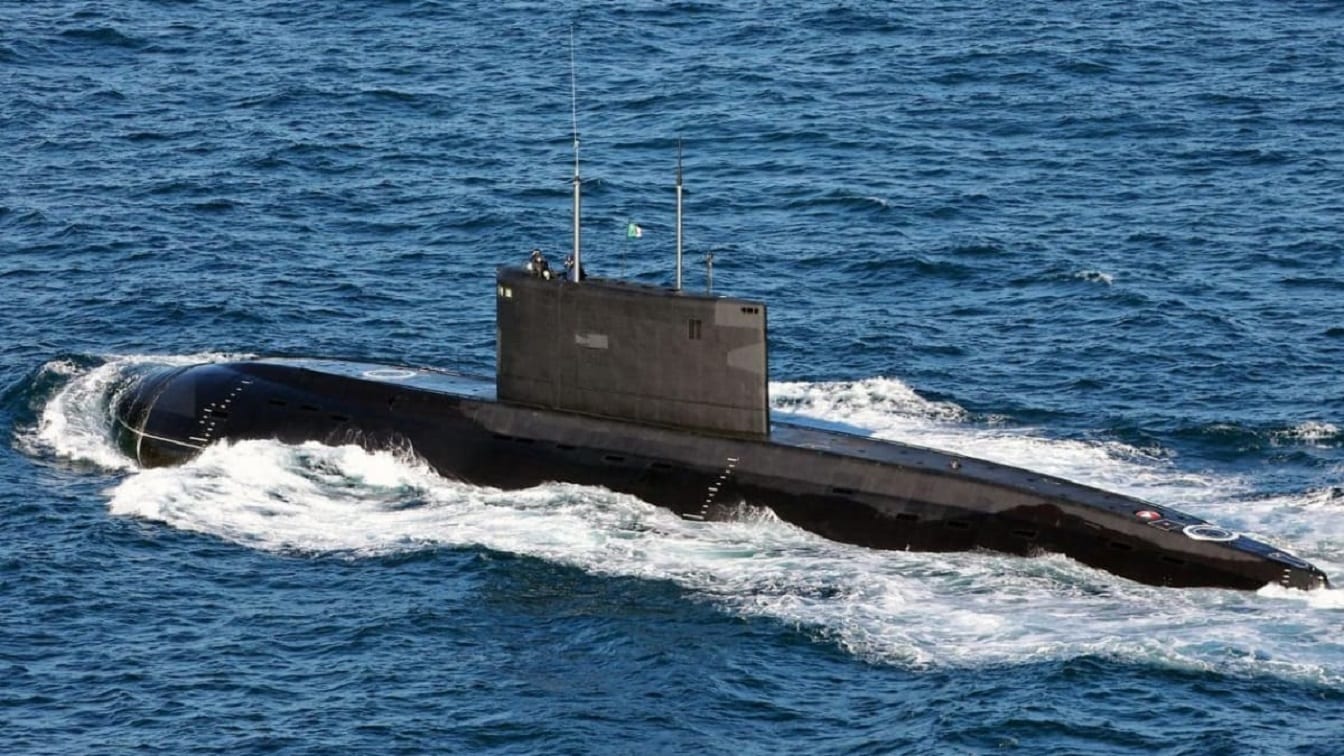
Iran’s Navy Has Kilo-Class Submarines. Image Credit: Creative Commons.
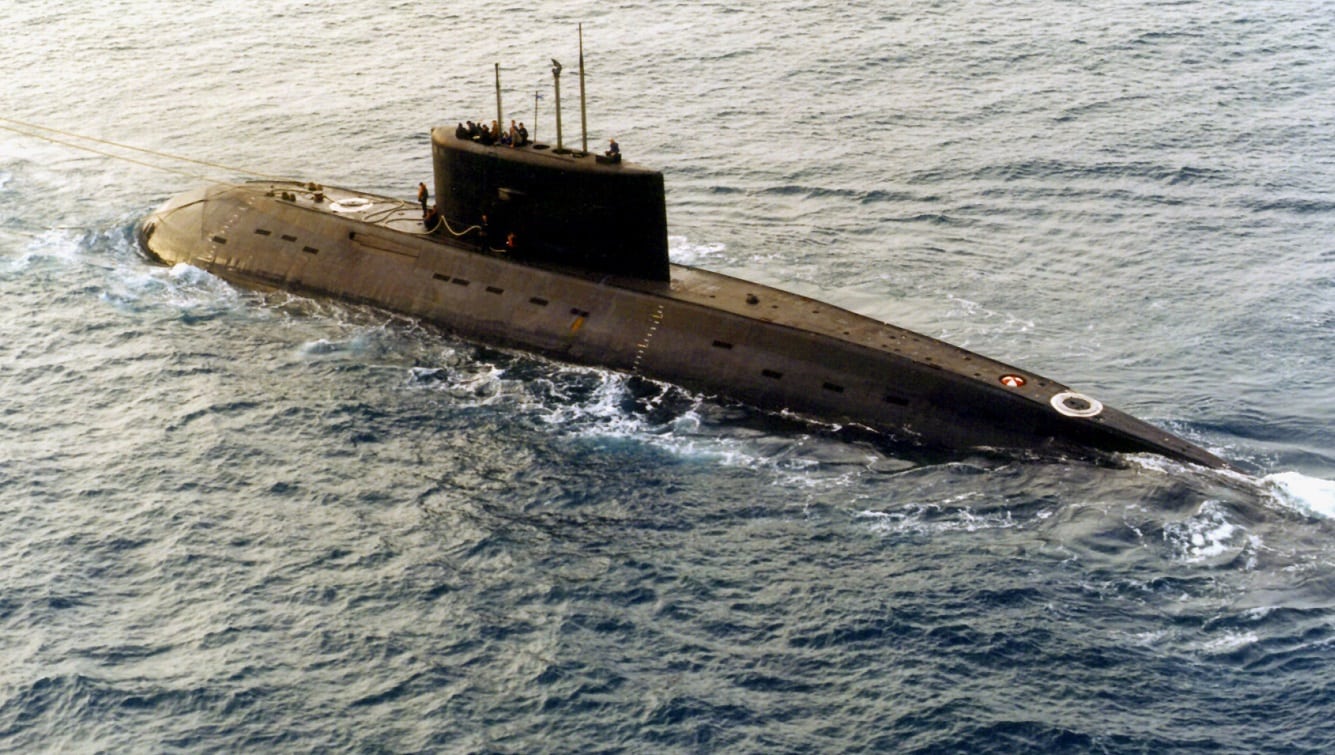
A Russian-built, Kilo-class diesel submarine purchased by Iran, is towed by a support vessel in this photograph taken in the central Mediterranean Sea during the week of December 23. The submarine and the support ship arrived at Port Said, Egypt, on Tuesday and were expected to begin transiting the Suez Canal today, Jan. 2, 1996. Ships and aircraft from the U.S. NavyÕs Sixth Fleet are tracking the submarine, which has been making the transit on the surface. This is the third Kilo-class submarine the Iranians have purchased from Moscow. DoD photo
Though it is unclear whether Trump’s offer will reassure shipping companies, the effort appears aimed at energy shipments in particular, given the recent price spike in energy prices following the joint Israeli-U.S. campaign against Iran.
With the U.S. midterm elections beginning and the president’s popularity at an all-time low, perhaps Trump realizes that hedging against costly, politically damaging energy spikes would be wise.
Sunk: the Iranian Navy (But the Submarines)
Reportedly, all 11 of the Iranian Navy’s warships based in the Gulf of Oman have been sunk by U.S. or Israeli warplanes, including several corvettes, frigates, and drone launch ships.
The whereabouts of Iran’s small fleet of submarines is not publicly available, though it is possible they were sunk along with Iranian surface ships.
Though Iran’s submarines are considered outdated, the subs could pose a danger to shipping, given their ability to lie in wait and target unsuspecting surface ships. Iran has both Kilo-class subs from Russia, commonly known as the ‘black hole’ for their stealth, and midget subs based on North Korean technology.
They are also presumed to be capable of deploying naval mines, which would make transiting the strait perilous.
Another question mark is the IRGC’s fleet of speedboats. Equipped with a wide variety of weapons, including anti-ship missiles, rocket launchers, autocannons, heavy machine-guns, and drones, the ships are fast and heavily armed.
And while IRGC speedboats have harassed U.S. Navy ships in the past, it remains to be seen if this round of conflict will leave the ships emboldened or deterred.
About the Author: Caleb Larson
Caleb Larson is an American multiformat journalist based in Berlin, Germany. His work covers the intersection of conflict and society, focusing on American foreign policy and European security. He has reported from Germany, Russia, and the United States. Most recently, he covered the war in Ukraine, reporting extensively on the war’s shifting battle lines from Donbas and writing on the war’s civilian and humanitarian toll. Previously, he worked as a Defense Reporter for POLITICO Europe. You can follow his latest work on X.