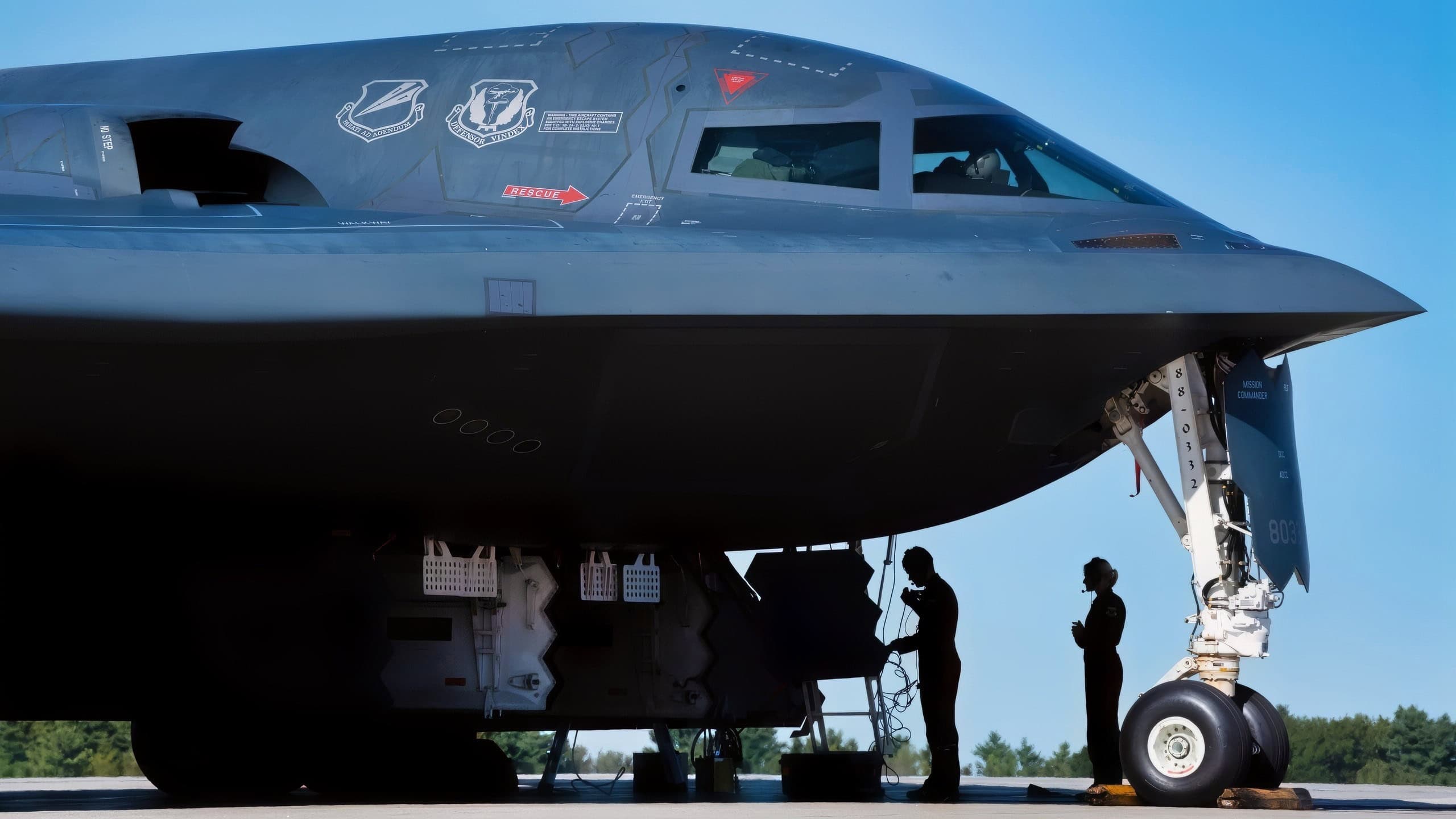
Summary and Key Points: Reuben F. Johnson, Director of Research at the Casimir Pulaski Foundation, evaluates the ideological divide preceding Operation Epic Fury.
-Contrasting John Kerry’s warnings of “catastrophic mistakes” and Iranian pride with Mike Pompeo’s advocacy for decisive military action, Johnson analyzes the successful decapitation strike against Ayatollah Khamenei.
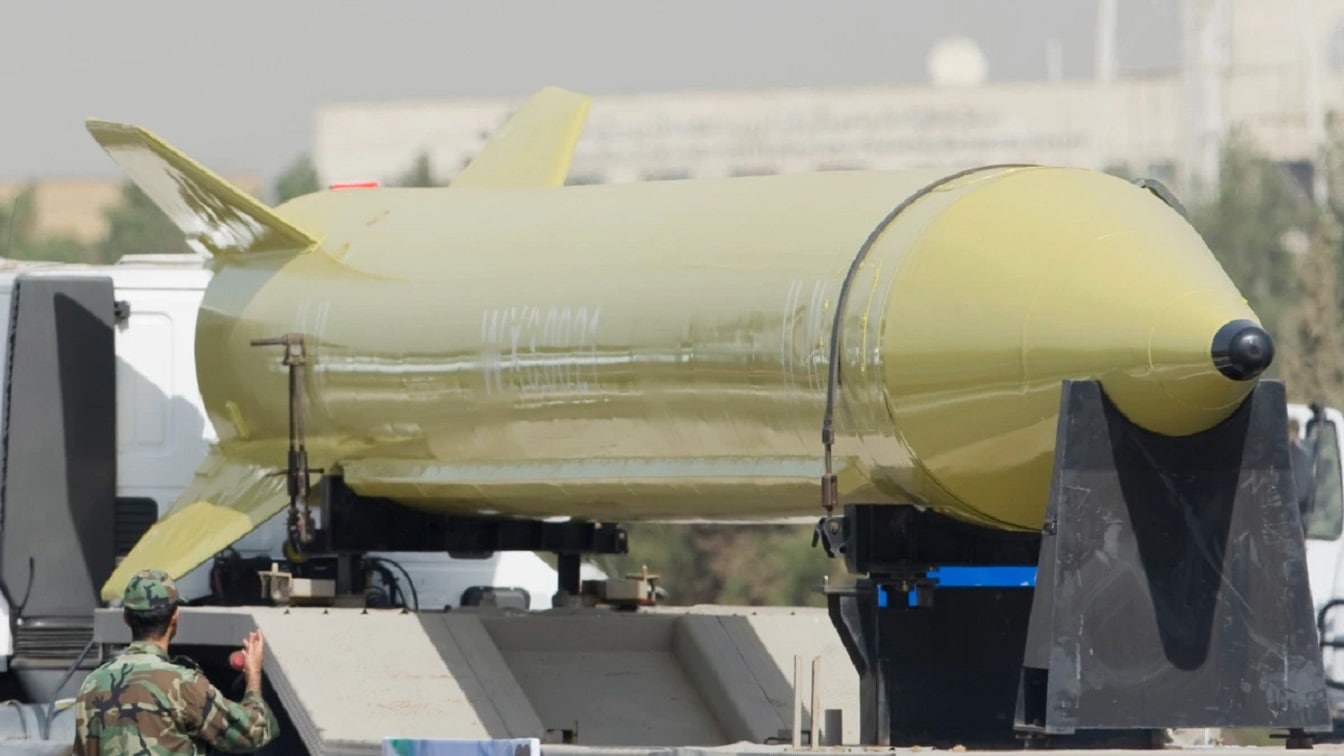
Iranian Ballistic Missile. Image Credit: Creative Commons.
-This 19FortyFive report explores the extinction of the “Scoop Jackson” Democrat—pro-defense liberals who once combined social progressivism with hardline national security—concluding that the current regional missile response against Bahrain, Kuwait, and Qatar validates Pompeo’s assessment of manageable risk over Kerry’s predictions of regional chaos.
The Missing Scoop Jackson Democrats: Why the Modern Left Opted for Diplomacy Over Decisive Force
It seems that every time a Republican president prepares to actually use military power, the United States spends tremendous sums on designing, testing, building, and equipping, there will be a cohort of Democratic politicians who spring into action. They will oppose whatever military options the president is contemplating.
The form their disapproval generally takes is the prediction that the shots we are about to fire in anger will turn the world upside down and light one region or another of the world on fire.
This generally causes those who are still remembering him to lament the fact that the Henry M. “Scoop” Jackson Democrats seem to be a long-extinct species. For anyone who was not around at the time, a Scoop Jackson Democrat is a moniker that was given to a faction of Cold War, pro-defense liberals who in the 1970s-80s. They had found a way to combine their strong anti-communist, pro-Israel, and hardline national defense positions in foreign policy with support for traditional left-of-center social programs: civil rights and cooperation with labor unions.
Nothing possibly illustrates the knee-jerk reaction of “it’s always better to do nothing” seen in today’s Democratic leaders – and the absence of any Jacksonian faction in their party, than the debate that took place just before U.S. President Donald Trump attacked Iran.
Two days before the United States attacked Iran, former Secretary of State John Kerry, from a stage in West Palm Beach, issued exactly the kind of “ sky is falling” warning the current-day national security specialists are known for.
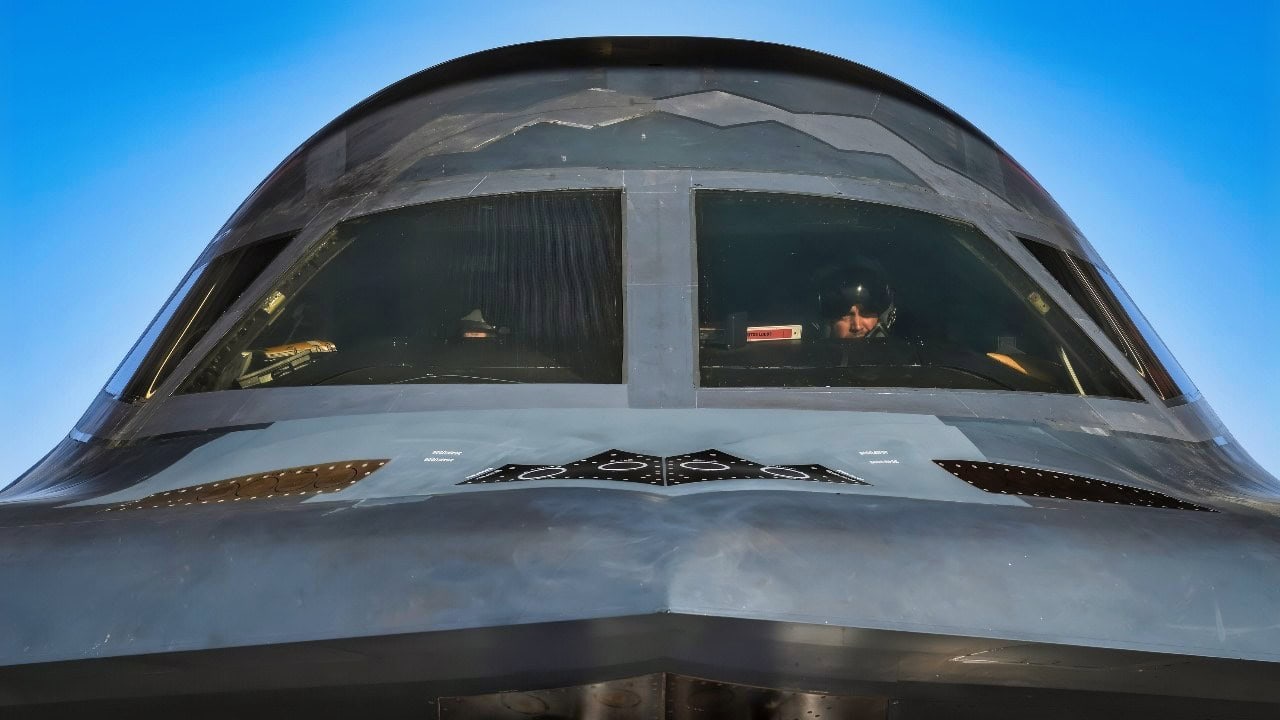
A U.S. Air Force B-2 Spirit aircrew performs pre-flight checks in the cockpit of their aircraft at Whiteman Air Force Base, Missouri, March 8, 2020. The B-2 took off from Whiteman AFB to support U.S. Strategic Command Bomber Task Force operations in Europe. The 131st Bomb Wing is the total-force partner unit to the 509th Bomb Wing. (U.S. Air Force photo by Tech. Sgt. Alexander W. Riedel)
Kerry vs. Pompeo on Iran
“If you push them too hard into a corner — if you drop the bombs before there’s a decision to be made — it is entirely possible these folks, who are masters of asymmetrical warfare, may just say: ‘To hell with them,’ ” said Kerry, speaking to a crowd of 320 people at Palm Beach Atlantic University.
His debating partner, Mike Pompeo, who served as Secretary of State in the first Trump administration, disagreed. Pompeo recalled how he had been in the Situation Room when U.S. intelligence agencies briefed Trump on the strike being prepared to kill Iranian Gen. Qasem Soleimani of the IRGC.
The people in the room were sure that catastrophe would result from such a targeted killing, recalled Pompeo. World War III, thousands of Americans dead, and retaliatory strikes on U.S. bases across the region, were some of the outcomes that were presented as reasons to reconsider.
None of these dire predictions came to pass, Pompeo reminded the audience. He was willing to admit that perhaps the United States had been lucky that there had been no violent backlash against Washington or its allies.
But, lucky or not, Pompeo drove home the point that in any event, it was not just good fortune. It was because the administration, he claimed, had done the work to make the worst outcomes less likely, and “even more work has been done since.”
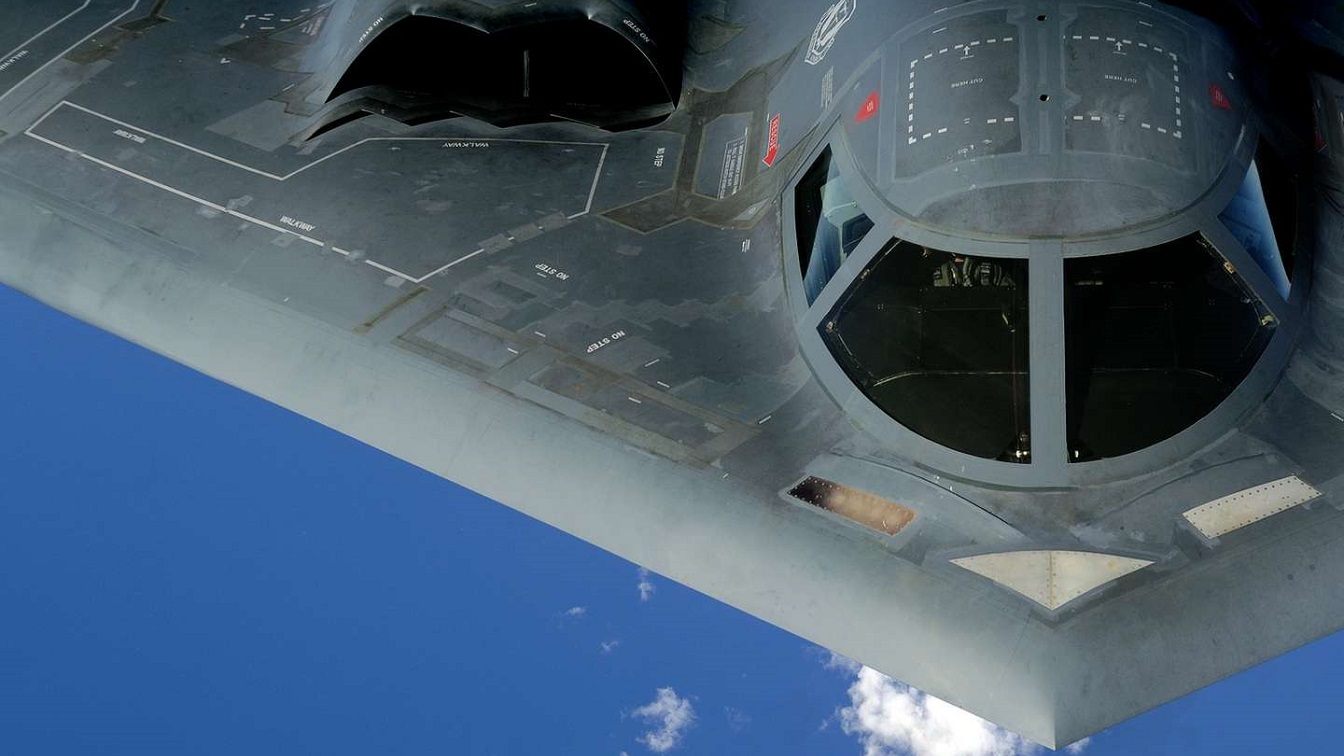
Image of B-2 Spirit stealth bomber. Image Credit: Creative Commons.
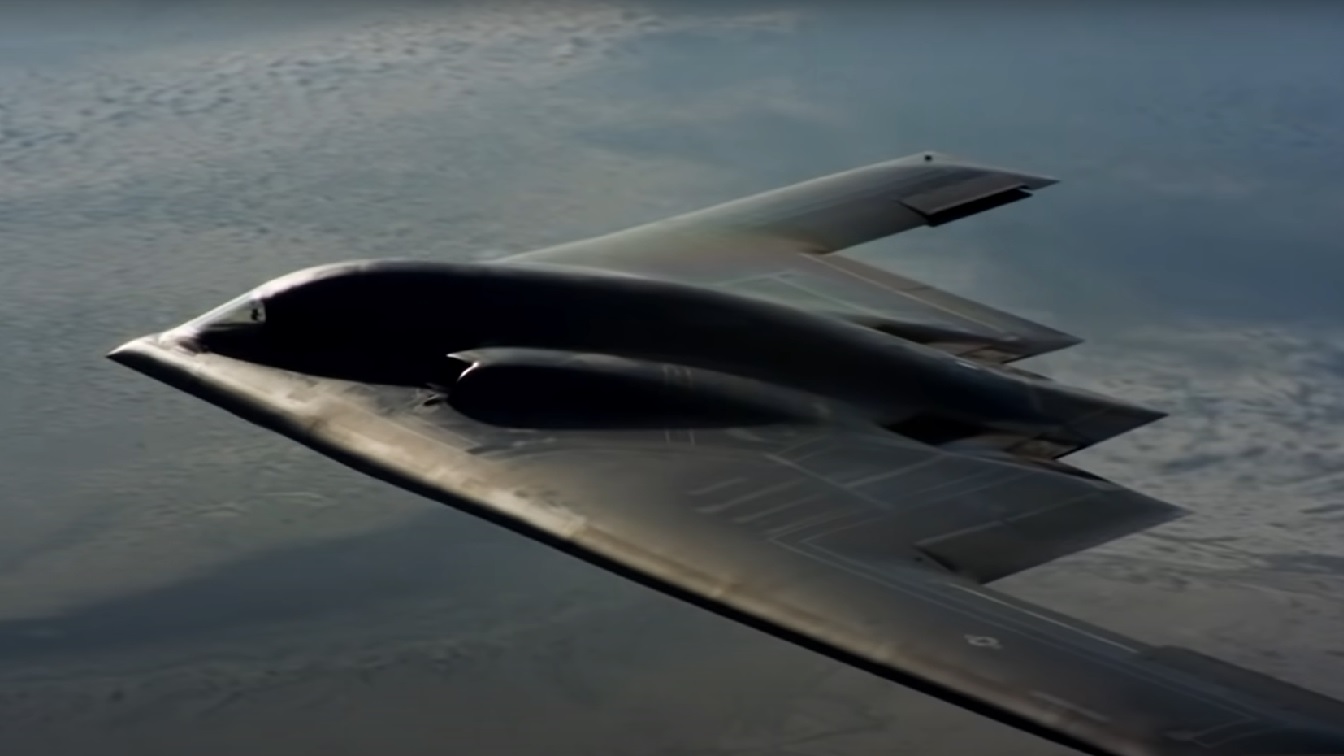
B-2 Spirit. Image Credit: Northrop Grumman.
“I’m confident that with our Israeli partners, we can go a long ways to taking down Iran,” he said. The available evidence so far is that Pompeo’s assessment is probably more correct than not.
As The Campaign Plays Out
Thirty-six hours later, the United States and Israel launched their coordinated program of attacks on Iran. Aside from the capital, Tehran, major facilities in Isfahan, Shiraz and Tabriz were also hit. These included the leadership compound of the Supreme Leader Ayatollah Ali Khamenei, who was later confirmed to have been killed in the strike.
Iran has since retaliated and launched missiles and drones at Israel and has also targeted U.S. military installations in Bahrain, Kuwait and Qatar, as well as the airport and other sites in Dubai.
In their debate Kerry and Pompeo forecast what would likely transpire after the U.S. attack and looked at the likelihood of Iran striking these sites in the Gulf. Characteristically, Kerry predicted there would be chaos across the region.
The former Senator had been active in negotiating the 2015 Joint Comprehensive Plan of Action (JCPOA), otherwise known as the “Iran nuclear deal” under then-President Barack Hussein Obama. He then tried to revive the accord, which Trump decided to end the US commitment to in 2018 during his first term.
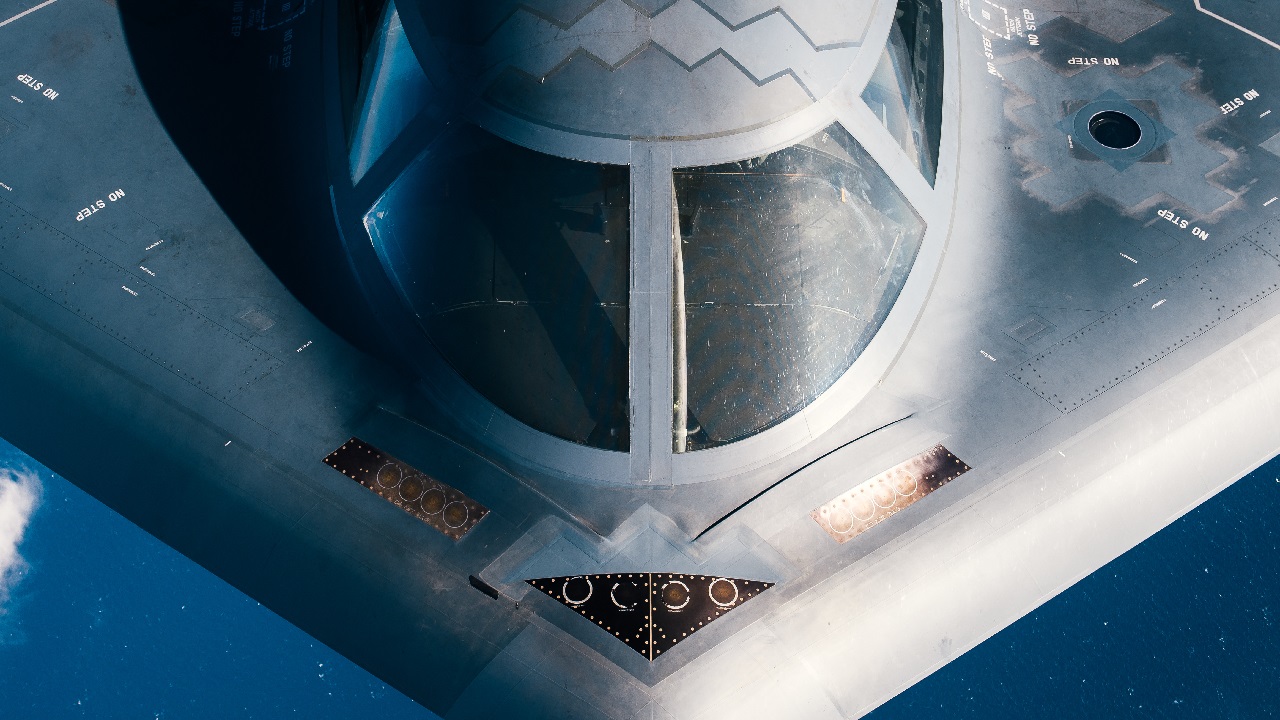
A U.S. Air Force 509th Bomb Wing B-2 Spirit refuels from a 351st Aerial Refueling Squadron KC-135 Stratotanker during the Bomber Task Force training exercise over England, Aug. 29, 2019. The B-2 aircraft will operate out of RAF Fairford, England, and will exercise there at U.S. Air Forces in Europe’s forward operating location for bombers. (U.S. Air Force photo by Staff Sgt. Jordan Castelan)
Kerry called Iran “as ugly a regime as exists” on the planet but then cautioned that bombing the nation and its leadership before diplomacy “had run its course” could be a catastrophic mistake. Kerry said that in the time he had negotiated with Iranian envoys for three years as a private citizen, he had become familiar with a pride among the Iranians that was out of touch with the realities they were facing.
“If that pride is what they make a decision on, it could be a disaster,” he said. In other words, don’t take any action that might upset the Iranians.
That’s probably not the position Scoop Jackson – had he been in the same situation – would have taken.
About the Author: Reuben F. Johnson
Reuben F. Johnson has thirty-six years of experience analyzing and reporting on foreign weapons systems, defense technologies, and international arms export policy. Johnson is the Director of Research at the Casimir Pulaski Foundation. He is also a survivor of the Russian invasion of Ukraine in February 2022. He worked for years in the American defense industry as a foreign technology analyst and later as a consultant for the U.S. Department of Defense, the Departments of the Navy and Air Force, and the governments of the United Kingdom and Australia. In 2022-2023, he won two awards in a row for his defense reporting. He holds a bachelor’s degree from DePauw University and a master’s degree from Miami University in Ohio, specializing in Soviet and Russian studies. He lives in Warsaw.