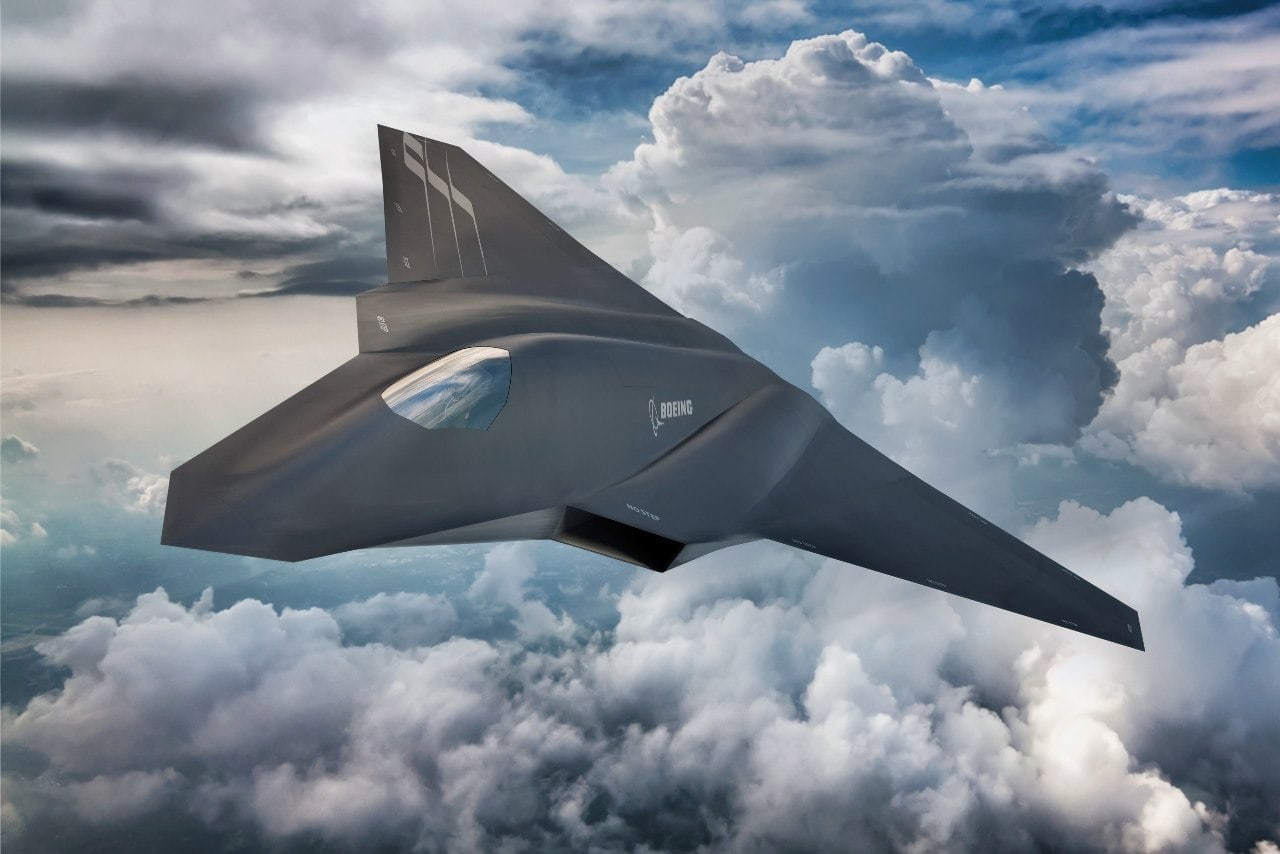
Summary and Key Points: Brandon J. Weichert, Senior National Security Editor and author of Winning Space, evaluates the F-47 Next Generation Air Dominance (NGAD) program’s rapid development under Secretary of Defense Pete Hegseth’s acquisition reforms.
-By replacing Program Executive Officers (PEOs) with Portfolio Acquisition Executives (PAEs), such as General Dale White, the Air Force has streamlined the development of this 6th-generation platform.
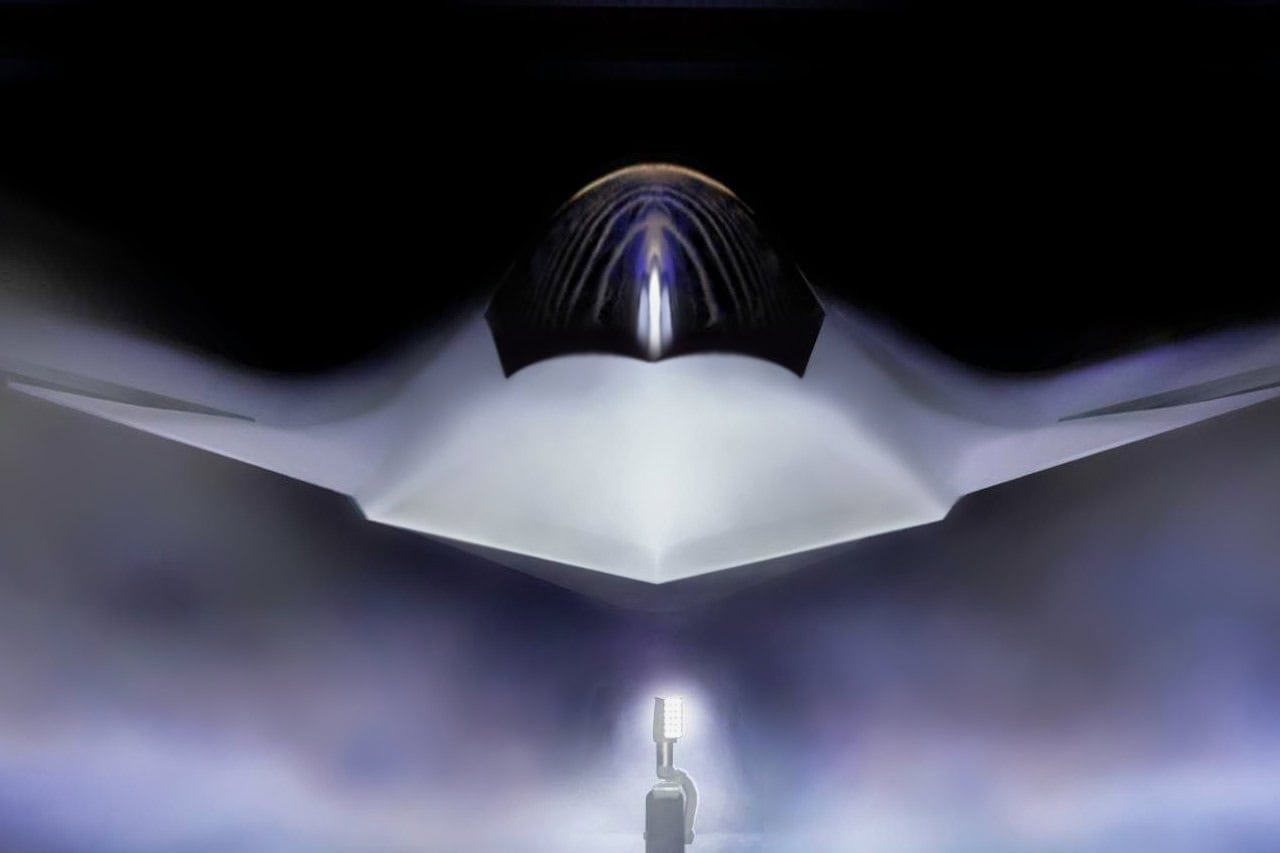
Shown is a graphical artist rendering of the Next Generation Air Dominance (NGAD) Platform. The rendering highlights the Air Force’s sixth generation fighter, the F-47. The NGAD Platform will bring lethal, next-generation technologies to ensure air superiority for the Joint Force in any conflict. (U.S. Air Force graphic)
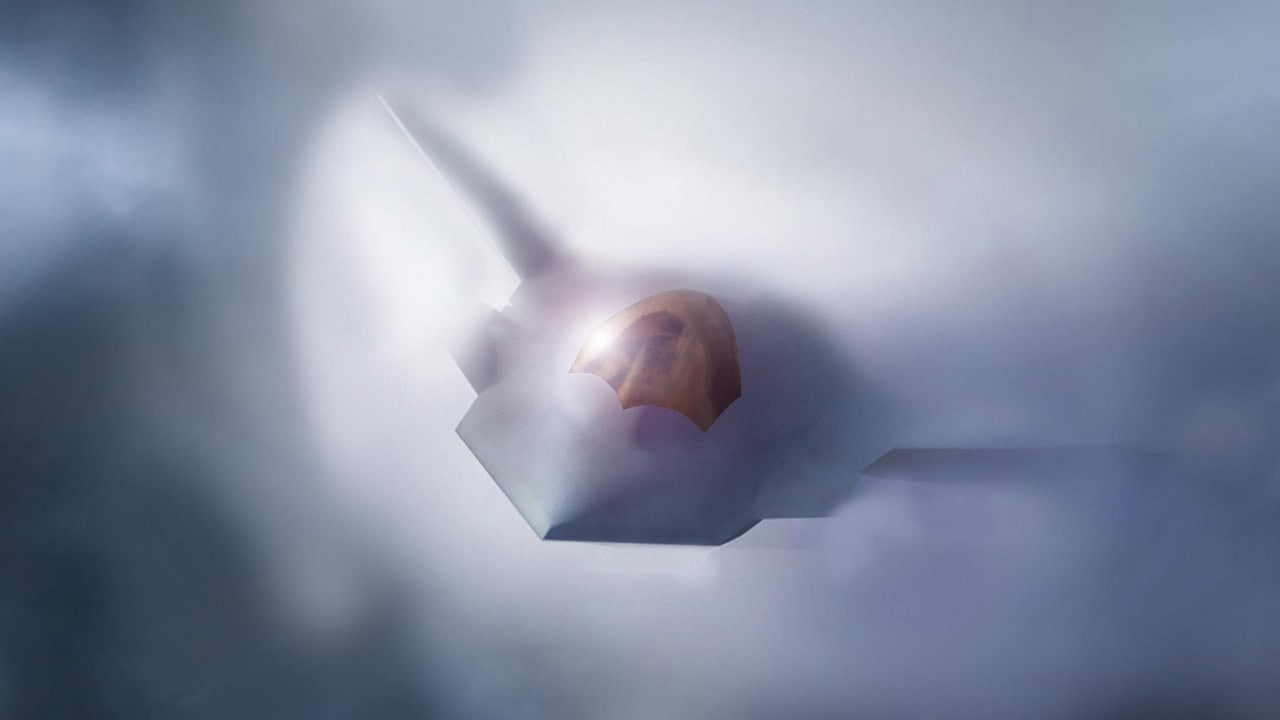
F-47 Fighter. Image Credit: U.S. Air Force.
-This 19FortyFive report analyzes the F-47’s 1,000nm combat radius, its integration with loyal wingman drones, and the industrial push to deliver a flight-capable prototype by 2028, bypassing traditional bureaucratic bottlenecks.
The F-47 Breakthrough: Why the NGAD Program is Defying the Pentagon’s History of Failure
The Trump administration is moving forward with the United States Air Force’s sixth-generation warplane, the “Next Generation Air Dominance” (NGAD) program, which has been dubbed the F-47 by President Trump. It is set to be the most advanced warplane ever developed. The F-47 will also be the first of its kind for the United States Air Force.
The F-47 is Real—and It’s Ahead of Schedule (For Now)
Shockingly, the F-47 is on schedule to make its first flight by 2028, according to USAF Gen. Dale White, the Air Force’s senior acquisition executive overseeing the program.
Per Gen. White, the F-47 program is “doing exceptionally well,” and the Air Force expects the Boeing-made bird to fly within the next two years. That 2028 target comes just a few years after Boeing won the NGAD contract (March 2025). This is not only a remarkable turnaround time for such an advanced plane, but also a testament to the plane’s capabilities. It’s an unbelievable timeline, given the abject failures of the overall Pentagon acquisitions program.
But Boeing has already officially begun production of its first F-47 airframe.
A Sixth-Generation Warplane
The Air Force reports that the F-47 will have a combat radius of over 1,000 nautical miles (double that of the F-22’s range) and will exceed Mach 2. According to Air Force planners, they want to purchase at least 185 of the F-47s, matching the F-22 fleet (with the possibility of a larger buy depending on future decisions).
America’s new F-47 blends stealth, long range, high speed, advanced sensors, and networked operations with other systems—including autonomous “loyal wingman” drones—to form an integrated combat architecture.
Despite the F-47 being one of the most advanced (and costly) planes ever developed by the Air Force, the Pentagon is today optimistic that the F-47s will enter operational service by the 2030s.
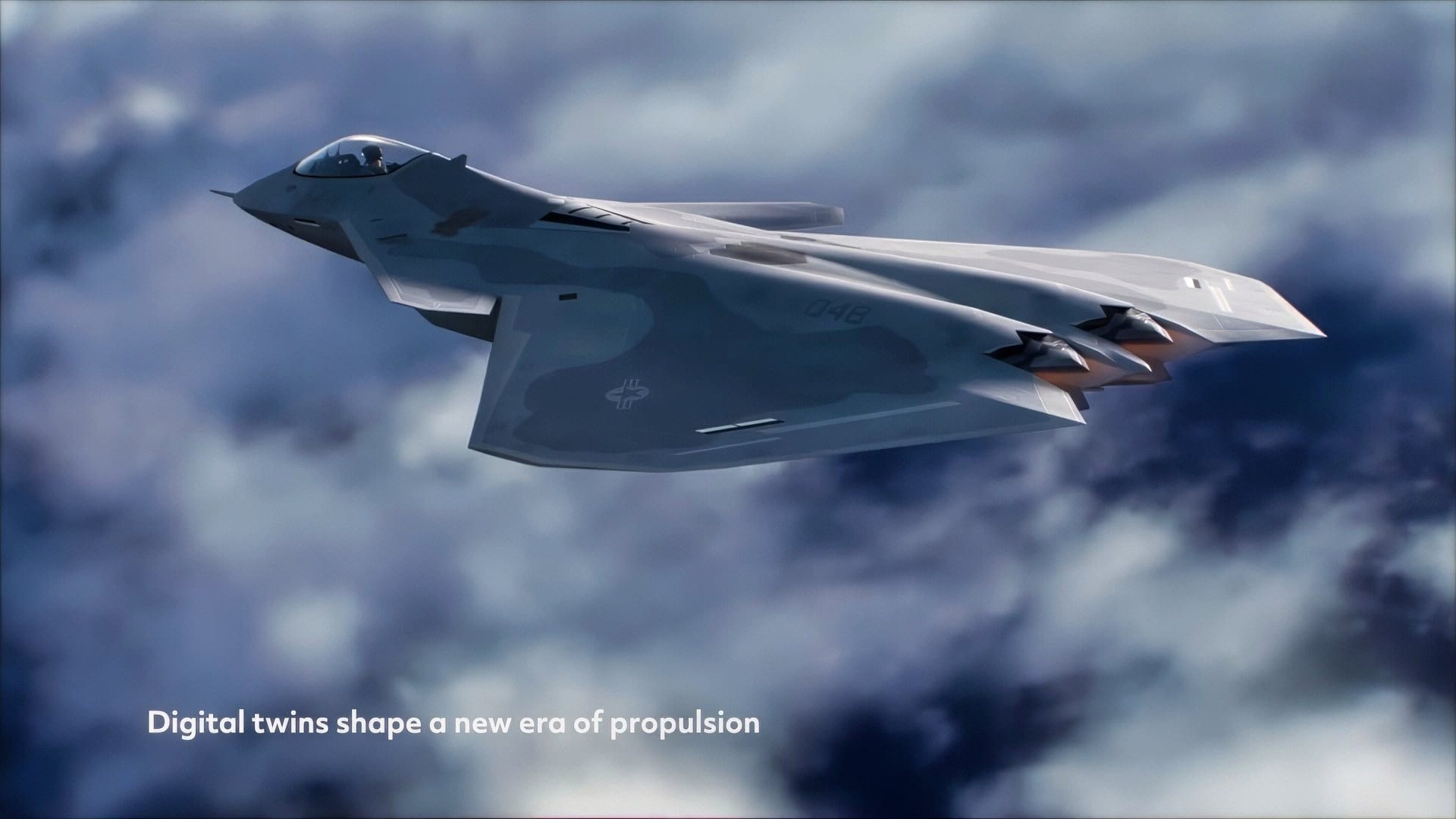
F-47 NGAD Fighter Possible Image. Image Credit: Screenshot.
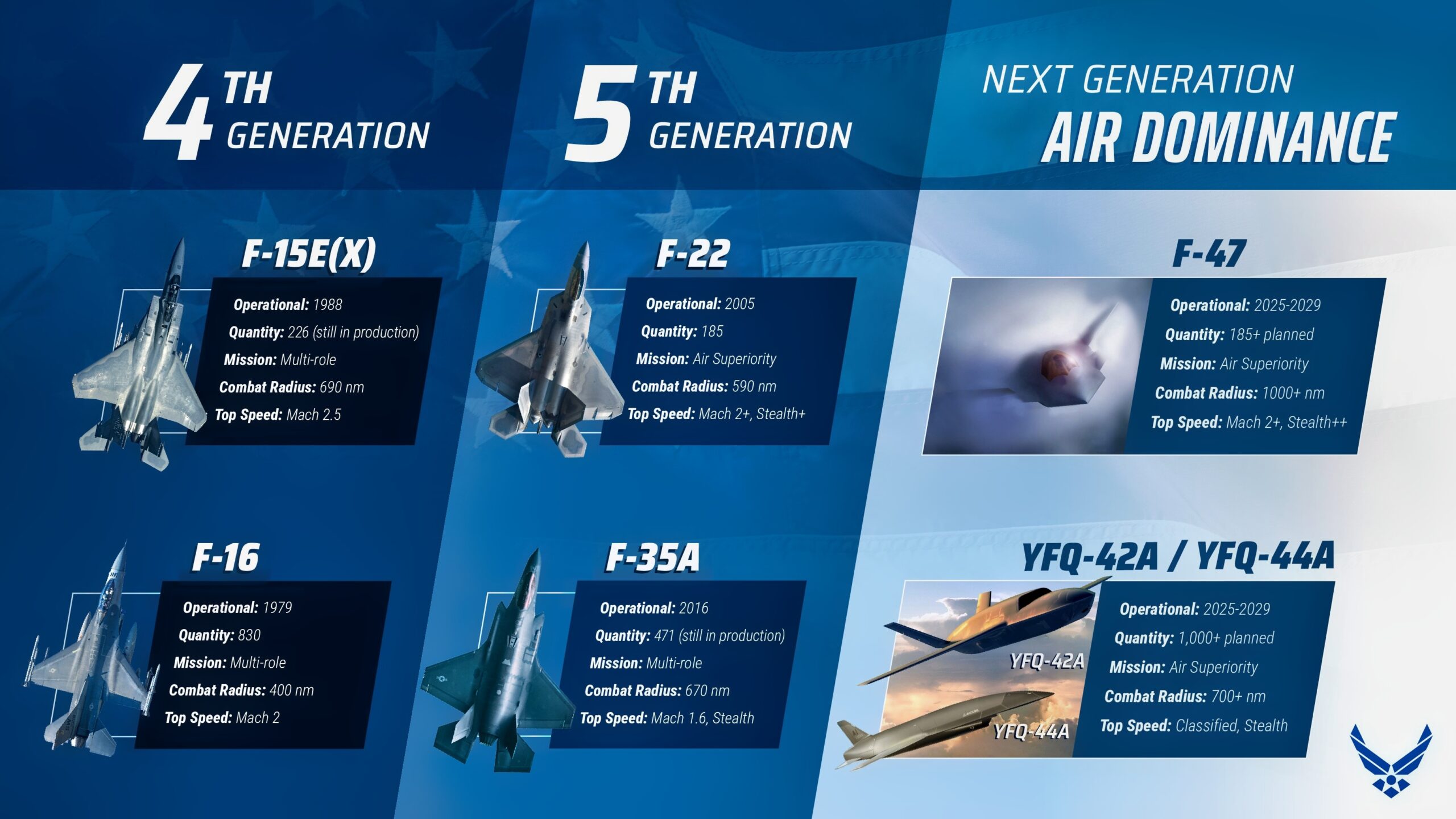
F-47 Infographic. Image Credit: U.S. Air Force
The F-47 Fighter Speedup
One reason for the Pentagon’s rosy projections is the plane’s rapid development phase. And that has to do with the truly innovative reforms the Secretary of Defense/War has initiated since taking over the Pentagon last year.
These acquisition reforms implemented by Hegseth and his team have been a long time coming. They might not be enough to save the sinking ship that is the US military. Hegseth’s modifications, though, give us a fighting chance.
Anyway, Hegseth is doing away with the Program Executive Officers (PEOs) and replacing them with Portfolio Acquisition Executives (PAEs).
While that might seem like more Washington bureaucratese nibbling around the edges, it’s not. The new PAEs will now oversee broad mission portfolios rather than specific programs. This will prevent the PAEs from being siloed off from the larger strategic picture, as the PEOs often were (leading to truly serious missteps in the development of key systems).
Why PAEs Matter
Hegseth’s PAEs will now have broader control over funding, timelines, and tradeoffs between cost, schedule, and performance. The SecDef/War identified five areas that require PAEs before all other areas of the military’s vast development ecosystem. Among those five were fighters and advanced aircraft.
That’s where Gen. White comes in.
Here’s the key reason for the PAEs being better than the PEOs that ran the Pentagon’s acquisition programs before: because the PAEs have more authority over development programs, they can often act faster without those long waiting times for approval (which will inevitably lead to complications, schedule overruns, and increases in costs).
Hegseth’s PAEs, like Gen. White, also have greater interface with actual operators—the personnel who need and will be using these systems in the field. This allows programs, like the F-47, to better align with the warfighter’s needs.
The biggest goal of the PAEs is to get systems, like the F-47, into the hands of warfighters sooner while opening opportunities to smaller and non-traditional industry partners. It’s all part of the dire effort to streamline the elephantine acquisition process.
And I cannot stress to you enough how much credit Hegseth deserves for this move. Now, whether the F-47 is worth the cost and time is another matter entirely. For this essay, though, I think it’s important that we stay focused on the realities of the F-47 development program.
They are on track to deliver a prototype capable of flight by 2028. All reliable sources indicate that the program is proceeding at warp speed.
A Generational Opportunity—or a High-Speed Gamble?
Speaking with Air Force Times, Air Force Secretary Troy Meink called Hegseth’s acquisition restructuring a “generational opportunity.” He’s right. It’s a true bottom-up, all-of-military approach to acquisitions.
The Acting Assistant Secretary for Acquisition, Technology & Logistics, William Bailey, echoed his boss’s sentiments, explaining that he was implementing a cultural overhaul to empower airmen, unleash innovation, and integrate portfolios with operational needs.
The Real Test: Can America Build at Scale?
The reforms will mean much lower barriers for industry participation, but the question remains: what about the bottlenecks?
These are the complicating factors that have been crushing the US defense industrial base and America’s naval shipyards. Right now, Gen. White’s team appears to have the development side down pat. We’ll see if these new PAEs can figure out how to scale the F-47.
That, of course, is the big question. Thus far, no one—not even the PAEs—has a satisfactory answer.
About the Author: Brandon J. Weichert
Brandon J. Weichert is the Senior National Security Editor at 19FortyFive.com. He was previously the senior national security editor at The National Interest. Weichert is the host of The National Security Hour on iHeartRadio, where he discusses national security policy every Wednesday at 8pm Eastern. He hosts a companion show on Rumble entitled “National Security Talk.” Weichert consults regularly with various government institutions and private organizations on geopolitical issues. His writings have appeared in numerous publications, among them Popular Mechanics, National Review, MSN, and The American Spectator. And his books include Winning Space: How America Remains a Superpower, Biohacked: China’s Race to Control Life, and The Shadow War: Iran’s Quest for Supremacy. Weichert’s newest book, A Disaster of Our Own Making: How the West Lost Ukraine, is available for purchase wherever books are sold. He can be followed via Twitter/X @WeTheBrandon.