
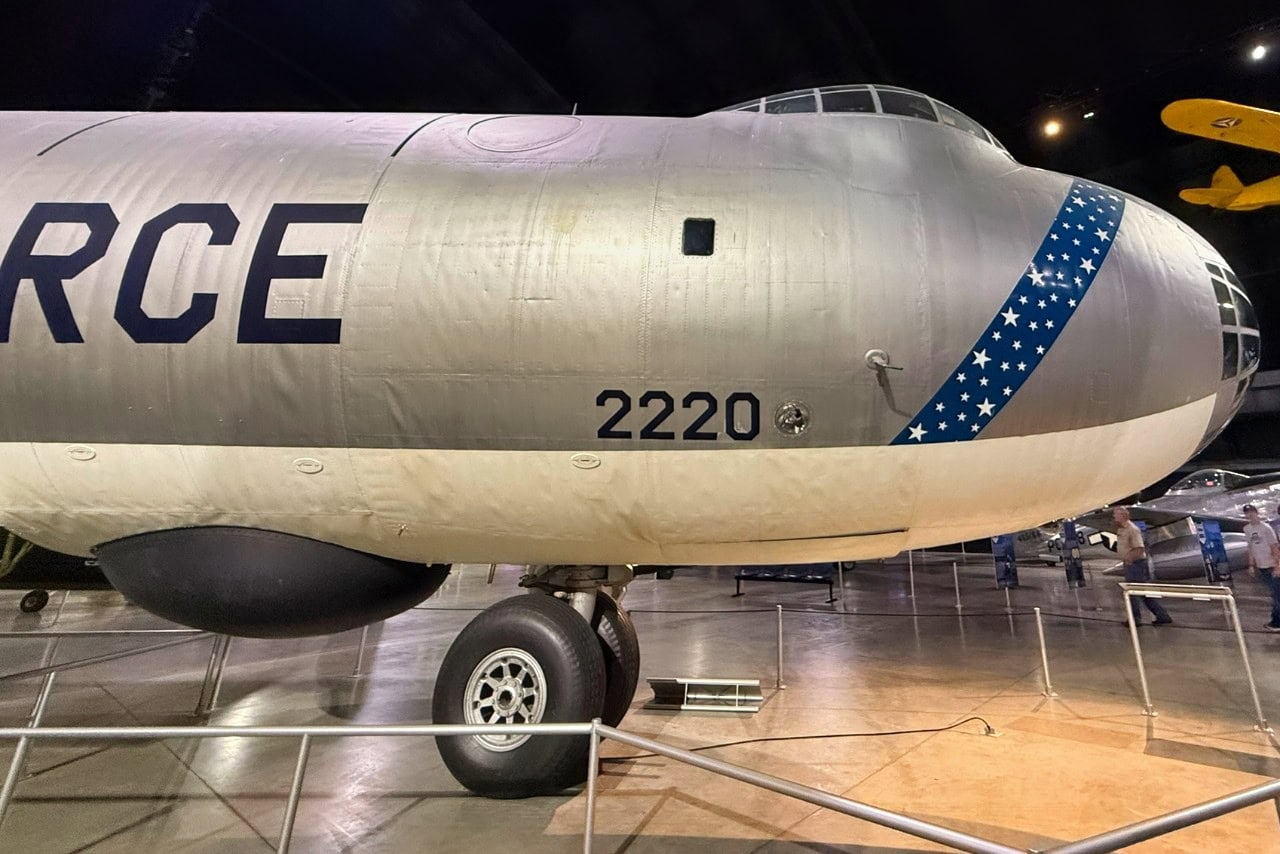
Military Quote of the Day: “The Nation That Controls the Air Will Eventually Control the World” – Brigadier General Billy Mitchell.
Billy Mitchell never stopped advocating for air power between the World Wars. The above quote was uttered to Congress in 1935 during a hearing on the strategic value of Alaska. Mitchell had respect for the combat ability of the U.S. Navy and U.S. Army, but he believed in the clarion call of the warplane.
What Did Mitchell Believe In?
Air power was going to change modern warfare, and Mitchell wanted to be there for the ride. He thought that the U.S. military could achieve global supremacy by focusing on newly designed fighter planes and bombers.
It Was Time for a New Decisive Point
The Americans could then dominate the air and rain down bombs on the enemy’s center of gravity, such as ships, military command centers, manufacturing hubs, ammunition dumps, and ground combatants.
Mitchell was ahead of his time, and he relished the attention. He had a forceful personality and the ability to make difficult concepts easy to understand.
Aircraft Carrier Aviation Would Supplant Battleships
Mitchell knew that over-reliance on the battleship in the next war could be a fatal mistake. He thought the Navy could also use air power to sink enemy ships and to patrol the airspace around aircraft carriers. This was seen as a revolutionary concept, but Mitchell did not give up in his advocacy for air power across the military.
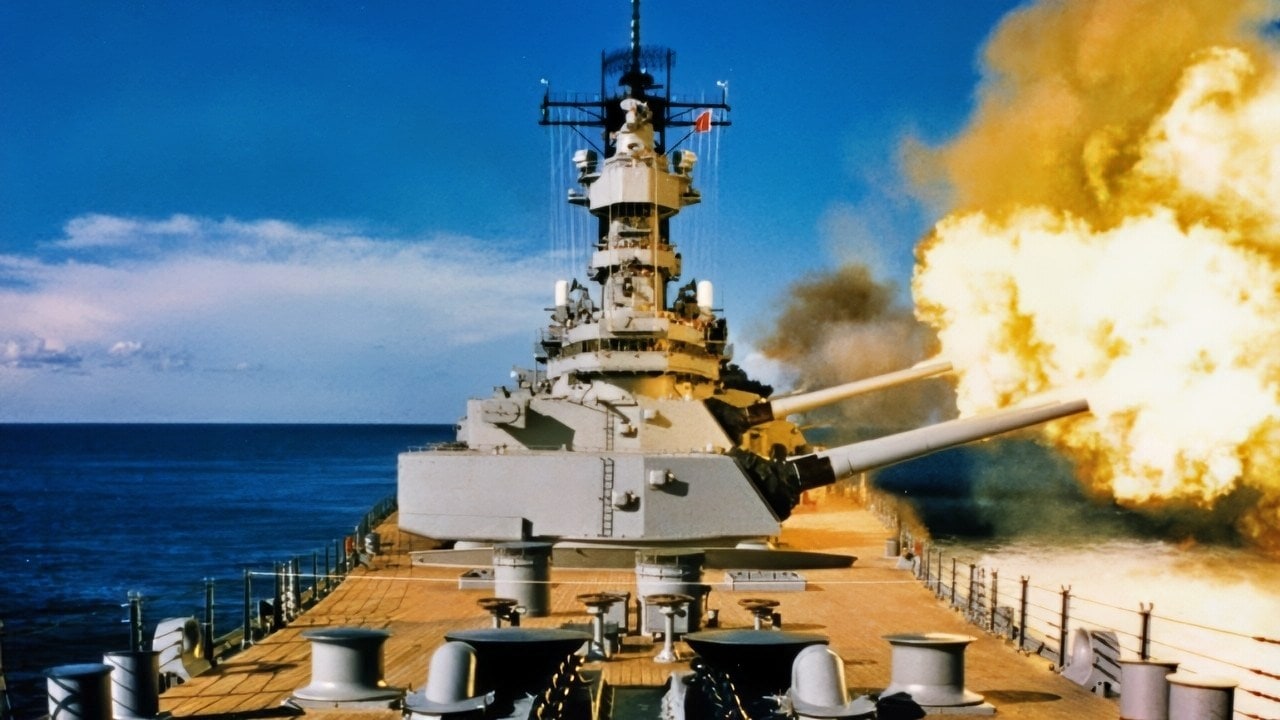
Iowa-Class Battleship Firing 16-inch Guns. Image Credit: Creative Commons.
His Big Mouth Got Him In Trouble
Mitchell was such a proponent of aviation that he was court-martialed for insubordination in 1925. He thought that the Army and Naval brass were incompetent for ignoring his pleas. He wanted an independent air force, and the chain of command became tired of his constant hectoring.
He was sentenced to a five-year suspension without pay. Mitchell resigned instead, but kept up his personal campaign to make the airplane a key part of U.S. military might.
Mitchell Was Proven Correct
He was a visionary from another era. Brash and impatient, he rubbed his superiors the wrong way. But Mitchell was clear in his convictions, and when the surprise attack on Pearl Harbor happened, Mitchell was vindicated.
Could We Have Another Billy Mitchell?
Could another Billy Mitchell serve today? That is highly unlikely. Officers would not risk their careers for an idea or theory. This showed that Mitchell was made of a different cloth. The man was relentless and did not fear that he had gone too far with his advocacy. Mitchell even had the B-25 Mitchell bomber, which was instrumental in the 1942 Doolittle Raid on Tokyo, named after him.
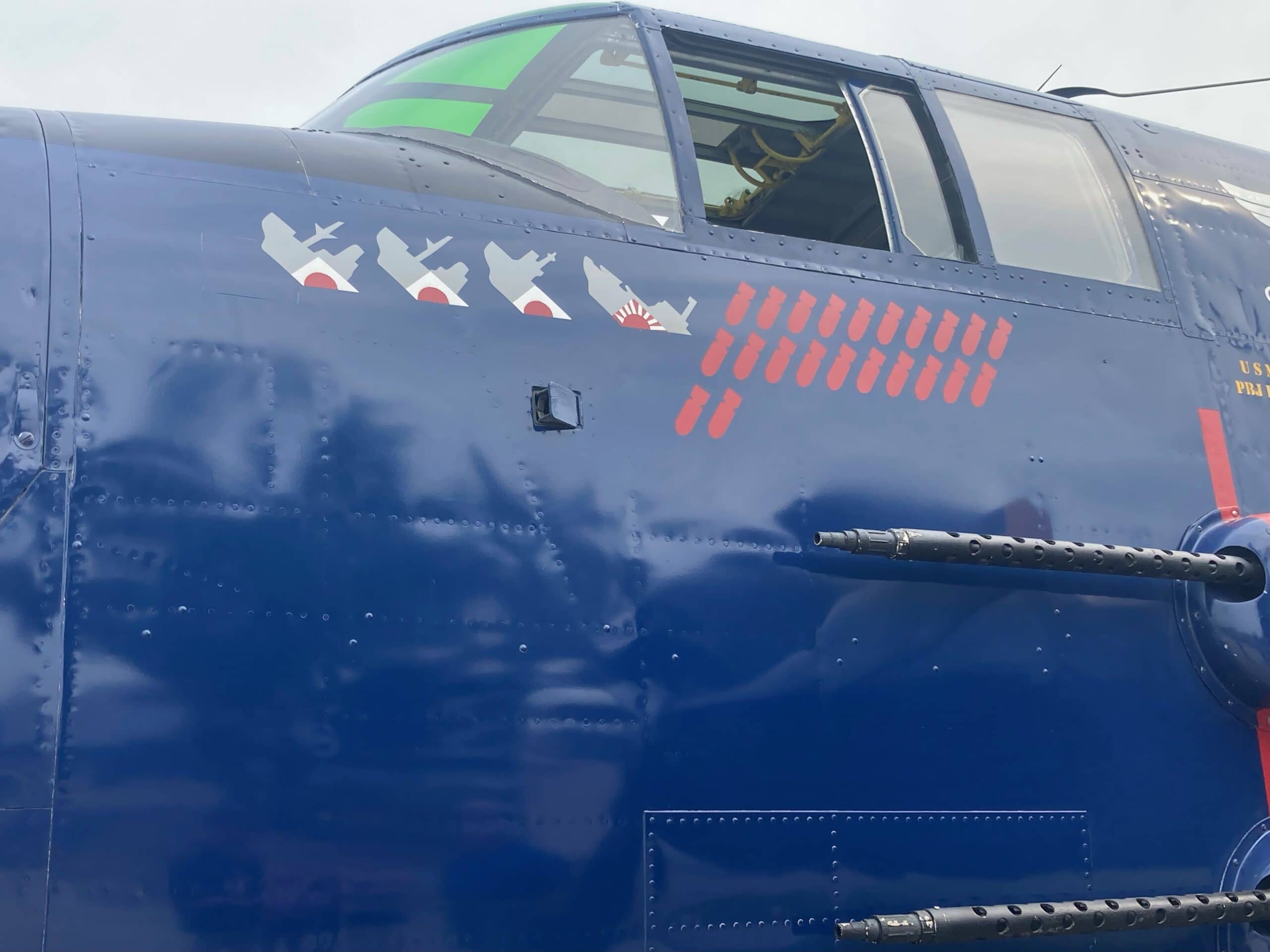
B-25. 19FortyFive.com image.
Biography of a Unique Character in History
Mitchell was born to privilege in 1879. His father was a U.S. senator. He grew up in Milwaukee and attended Racine College and George Washington University. Mitchell got bitten by the Army bug early, before he could graduate. He enlisted in the First Wisconsin Infantry in 1899 to fight in the Spanish-American War. He later became an officer but saw no military action as the fighting ended before Mitchell was fully trained.
Conquering Alaska
Mitchell did not give up on his Army career. He served as a signal corps officer and in the Philippines during the bloody insurrection. After that perilous assignment, Mitchell was sent to Alaska in 1901, where he fashioned a telegraph line through some of the most difficult terrain and bad weather in the country.
A Book on Gliders Sparked His Genius
After that feat, the father of air power had time on his hands. He read a book on gliders and made an important prediction: aircraft would become the most important innovation in the U.S. military. He wrote a well-received article that made his vision of the future clear.
World War One Hero
He continued his Army service as a signal officer and rose to serving on the general staff. At the age of 38, he began flying private airplanes. Mitchell served in World War One in France, studying the airplane and its production techniques.
The Army was impressed, promoted Mitchell to Brigadier General, and gave him command of the air corps. He once led the efforts of more than 1,400 Allied airplanes that fought a decisive battle at St. Mihiel in 1918. He was highly decorated, but some noticed his high-strung, abrasive personality, which came with a large dose of self-righteous indignation. These quirks would later get him in trouble.
Mitchell continued his advocacy for aviation and looked at different ways the airplane could be used in the interwar period. He started criticizing the chain of command, even the White House, for dragging its feet on instigating the airplane as a main combat tool.
The Navy Learned a Valuable Lesson from Mitchell
He was responsible for the famous airplane-versus-battleships test that made people aware that dreadnoughts could be sunk by aerial bombers. He also made a prediction that the Japanese would attack Pearl Harbor, even having the vision to claim it would happen on a Sunday.
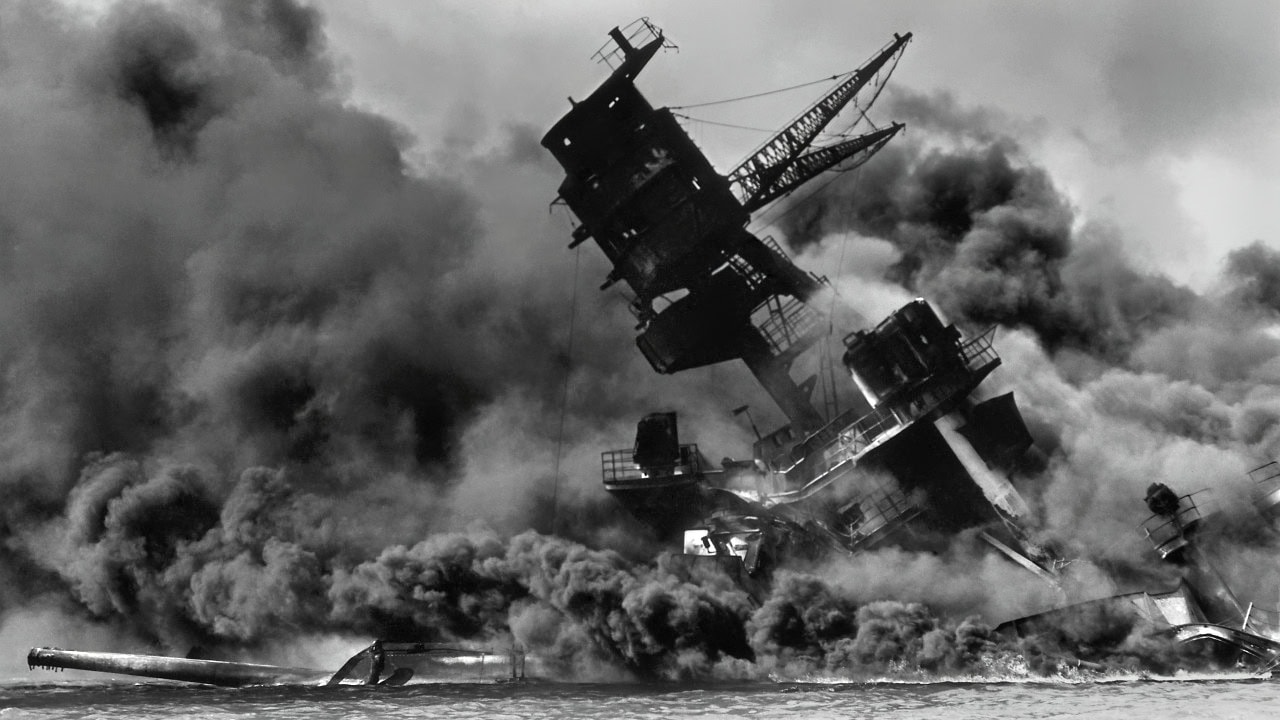
The USS Arizona (BB-39) burning after the Japanese attack on Pearl Harbor, 7 December 1941.
“After the Navy dirigible USS Shenandoah crashed in a violent storm killing 14, Mitchell accused the Army and Navy leadership of incompetence and ‘almost treasonable administration of the national defense,’” according to the National Museum of the U.S. Air Force. He was court-martialed as noted above.
Mitchell continued advocating for air power as a civilian, but he died in 1936 from heart disease and influenza. Mitchell was a genius military thinker, ahead of his time.
A Nostradamus when predicting the future, the gutty and gritty officer lacked charm, but he never stopped persuading and cajoling. It would be difficult for an officer to repeat Billy Mitchell’s career these days. Too many officers are not outspoken and simply follow orders to get along and go along, but Mitchell marched to his own drummer and is one of the most inspiring voices of the 20th century.
About the Author: Brent M. Eastwood
Author of now over 3,000 articles on defense issues, Brent M. Eastwood, PhD, is the author of Don’t Turn Your Back On the World: a Conservative Foreign Policy and Humans, Machines, and Data: Future Trends in Warfare , plus two other books. Brent was the founder and CEO of a tech firm that predicted world events using artificial intelligence. He served as a legislative fellow for US Senator Tim Scott and advised the senator on defense and foreign policy issues. He has taught at American University, George Washington University, and George Mason University. Brent is a former US Army Infantry officer. He can be followed on X @BMEastwood.