
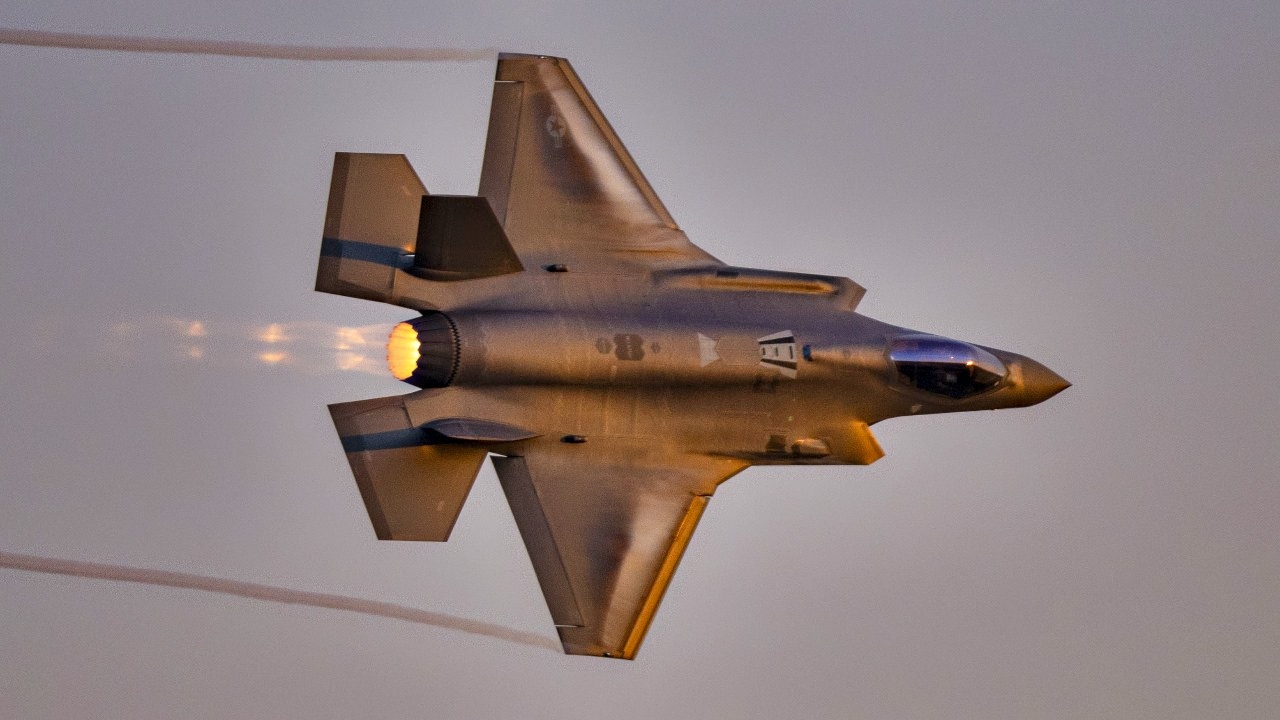
Summary and Key Points: Journalist Stephen Silver evaluates the Pentagon’s upcoming DOT&E report, which finds that the F-35 Lightning II’s TR-3 (Technology Refresh 3) software was “predominantly unusable” throughout 2025.
-Despite the high-stakes Operation Epic Fury in Iran, F-35s from the USS Abraham Lincoln remain reliant on the older TR-2 configuration.
-The report highlights that Lockheed Martin has failed to deliver new combat capabilities, while staff cuts under Defense Secretary Pete Hegseth have reduced cybersecurity testing by 66%.
-Lt. Gen. David A. Deptula argues that the U.S. must accelerate procurement to 72 jets per year to counter China’s scaled-up production.
The F-35 Is Flying Combat Missions Over Iran With Software That Was Already Obsolete
The F-35 fighter jet program, operated by the United States and 19 allied countries, relies heavily on software delivered through regular upgrades.
According to a forthcoming Pentagon report obtained by Bloomberg News, the program’s software upgrades have been delayed, and the jets are currently flying missions in Iran.
But the problems began before the Iran campaign, Bloomberg found. The most recent update, last year’s TR-3 (Technology Refresh 3), was “predominantly unusable” for much of the year due to “stability problems, shortfalls in capability and ongoing discovery of deficiencies.”
Therefore, no new combat capability was delivered to F-35s in 2025.
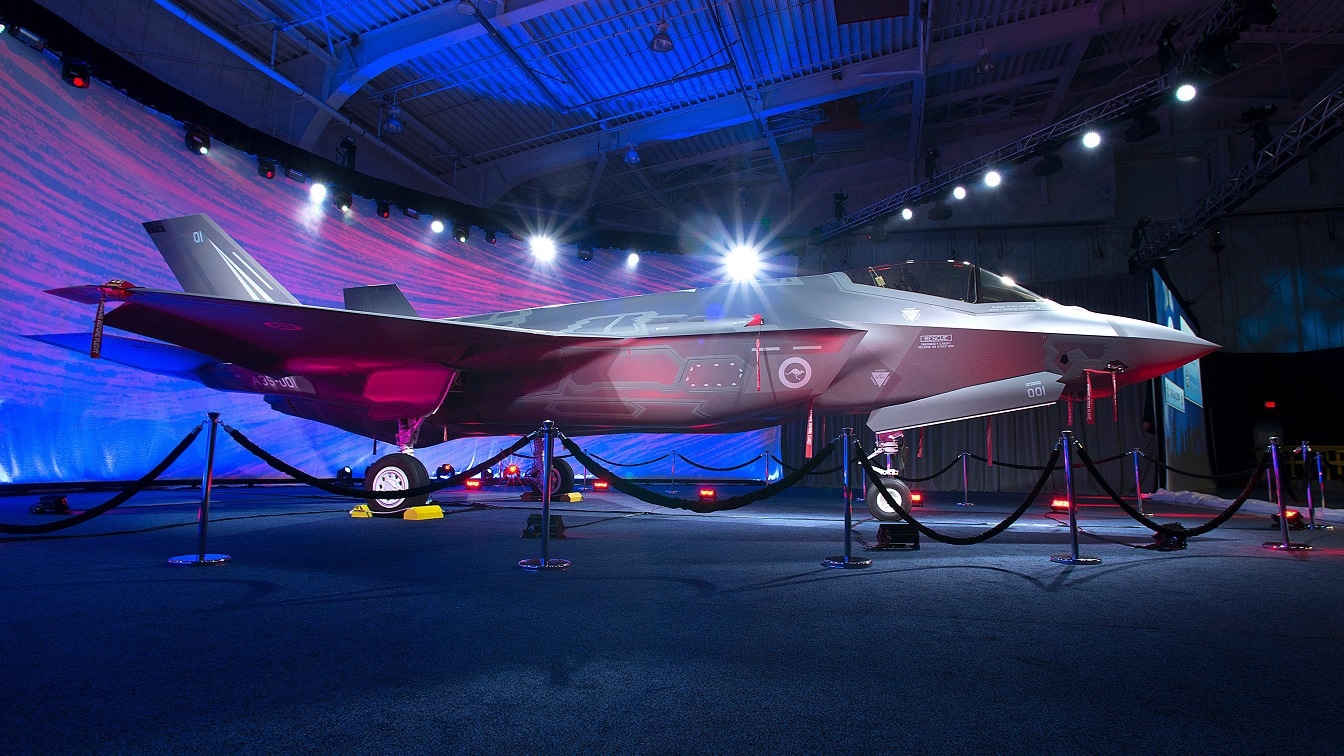
F-35 Joint Strike Fighter. Image Credit: Creative Commons.
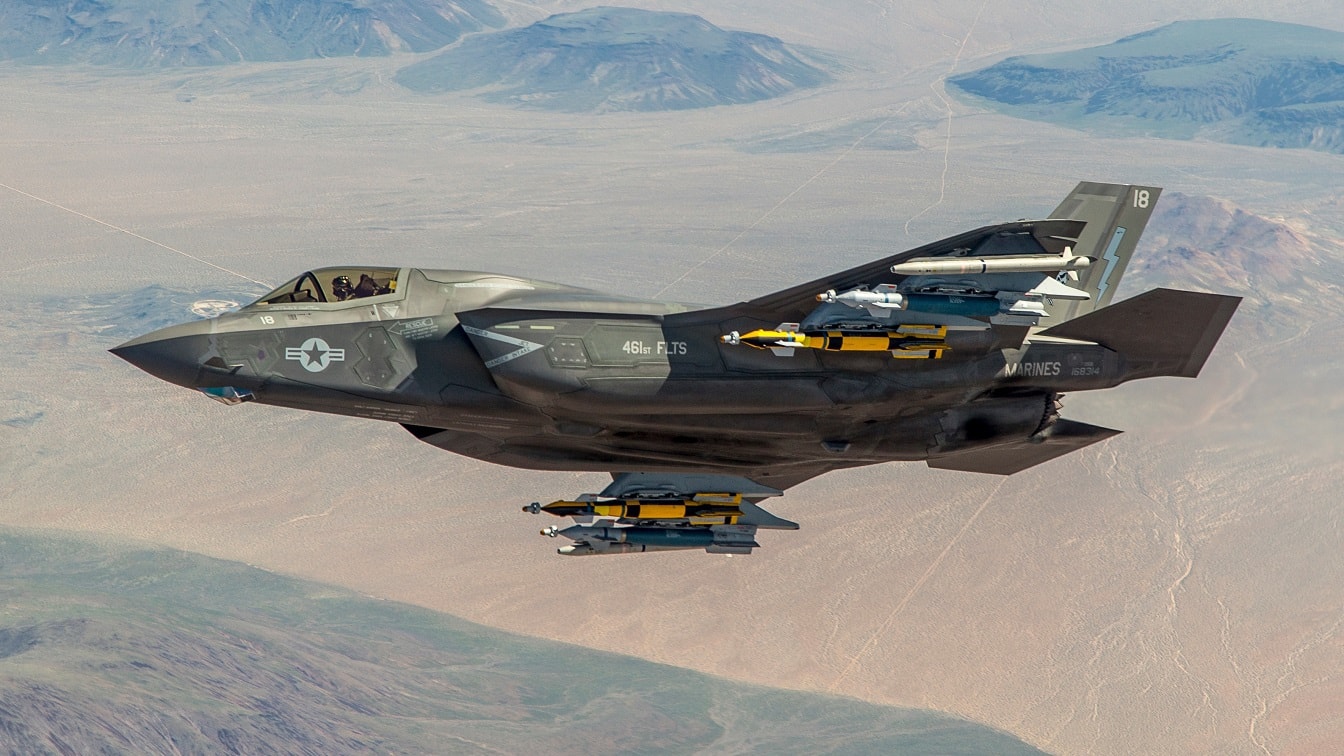
F-35 Joint Strike Fighter. Image Credit: Lockheed Martin.
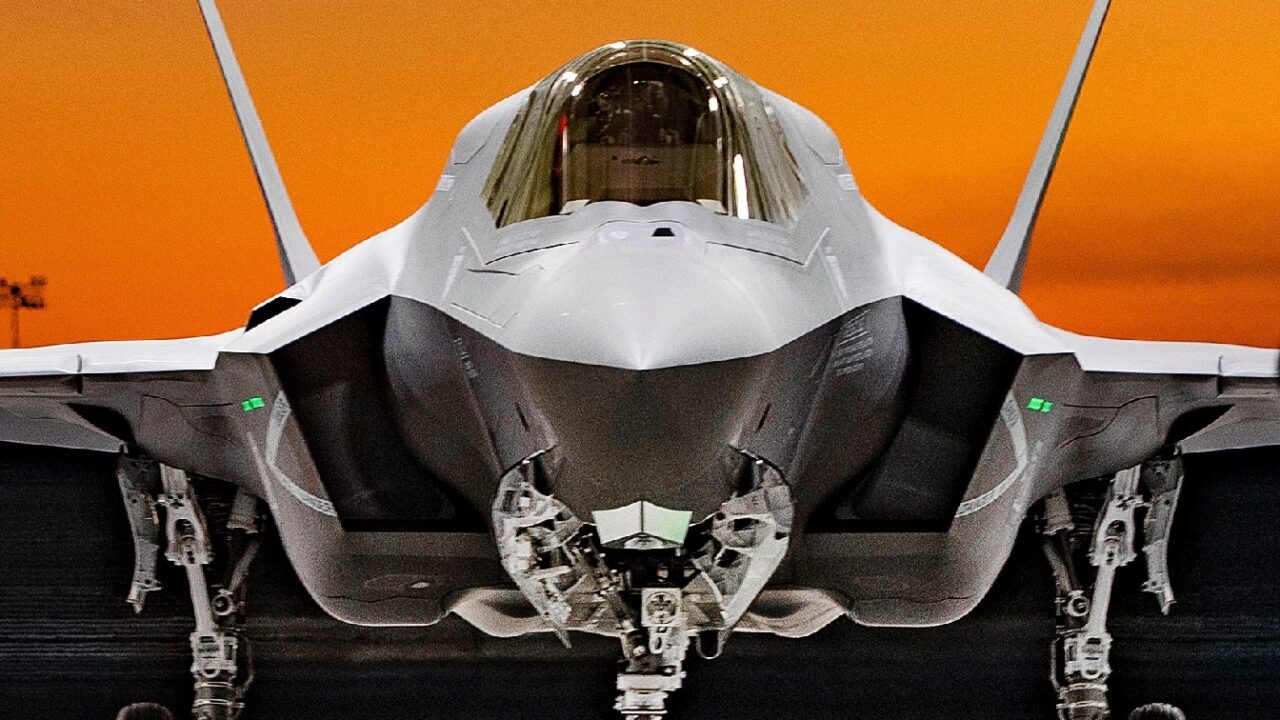
F-35 Stealth Fighter. Image Credit: Creative Commons.
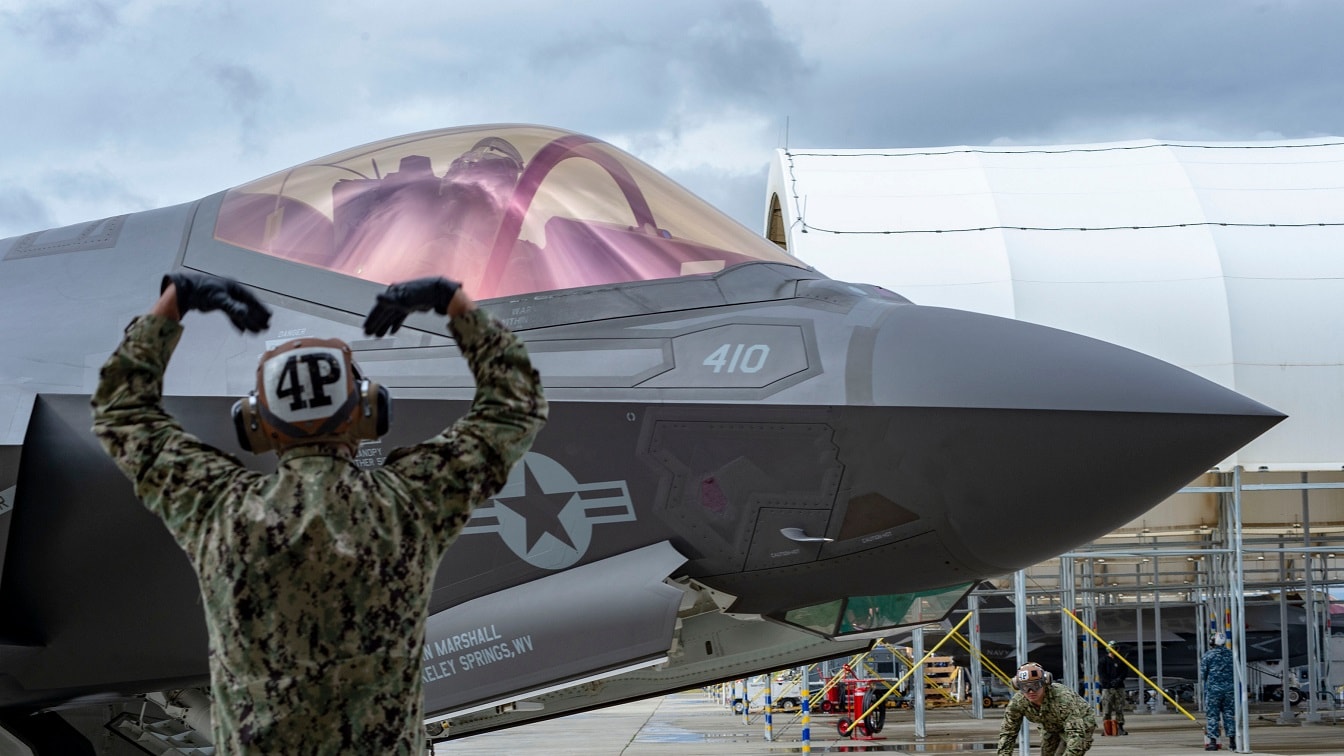
190221-N-WR119-0029 NAVAL AIR STATION LEMOORE, Calif. (Feb. 21, 2019) Airman Loren Price, a plane captain assigned to the “Argonauts” of Strike Fighter Squadron (VFA) 147, warns F-35C Lightning II pilot Cmdr. Patrick Corrgan of surrounding maintenance personnel after the aerial change of command. VFA-147 is the first Navy operational squadron for the F-35C carrier variant that sets new standards in weapon system integration, lethality, maintainability combat radius and payload that bring true multimission power projection capability from the sea. (U.S. Navy photo by Mass Communication 1st Class Gilbert Bolibol/Released)
F-35s flying off the USS Abraham Lincoln have been carrying out missions as part of Operation Epic Fury, equipped with the earlier version of the software, TR-2.
The Pentagon report is set to be released “as soon as this week,” Bloomberg reported.
“Upgrades are key to the F-35 — basically a flying computer, with more than 20 million lines of code,” Bloomberg News reported. “The expected updates would have allowed it to carry more sophisticated weapons, to improve targeting and communication with other aircraft and ground units, and to harden cybersecurity.”
However, per the unreleased Pentagon report, the F-35 program continues” to face challenges in delivering reliable, fully functional software.”
“The F-35 program continues to show no improvement in meeting schedule and performance timelines for developing and testing software, failing to deliver on the expectations of its agile development framework,” the Pentagon report, as quoted by Bloomberg, says. “The process of addressing deficiencies and adding new capabilities has stagnated.”
What TR-3 is Meant to Do
Per the Bloomberg story, the software upgrade “is designed to increase processing power 37 times and memory 20 times over the F-35’s current capabilities. The U.S. plans to buy 2,470 Air Force, Navy, and Marine Corps jets within a program cost estimated at more than $2 trillion.”
Last September, the Government Accountability Office released a report showing that all 110 F-35 aircraft delivered by Lockheed in 2024 were delivered late, by an average of 238 days.
“After years of cost growth and schedule delays in its hardware and software modernization effort for the F-35 aircraft, known as Block 4, the Department of Defense (DOD) is in the process of establishing a new major subprogram to help meet cost, schedule, and performance goals,” the GAO report from September said.
“Currently, Block 4 costs are over $6 billion more, and completion is at least 5 years later than original estimates. The program plans to reduce the scope of Block 4 to deliver capabilities to the warfighter at a more predictable pace than in the past.”
And TR-3, per that report, was the primary driver of the late deliveries.
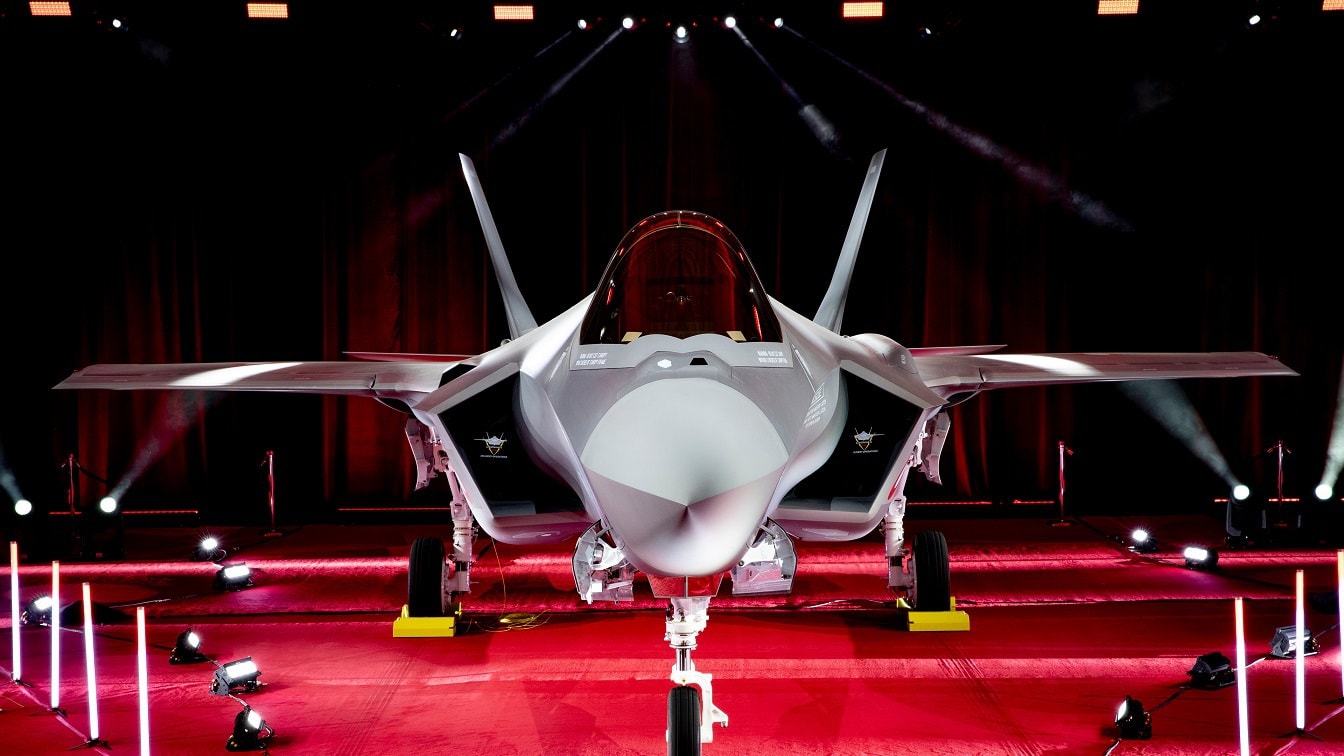
F-35 Denmark Debut. Image Credit: Lockheed Martin.
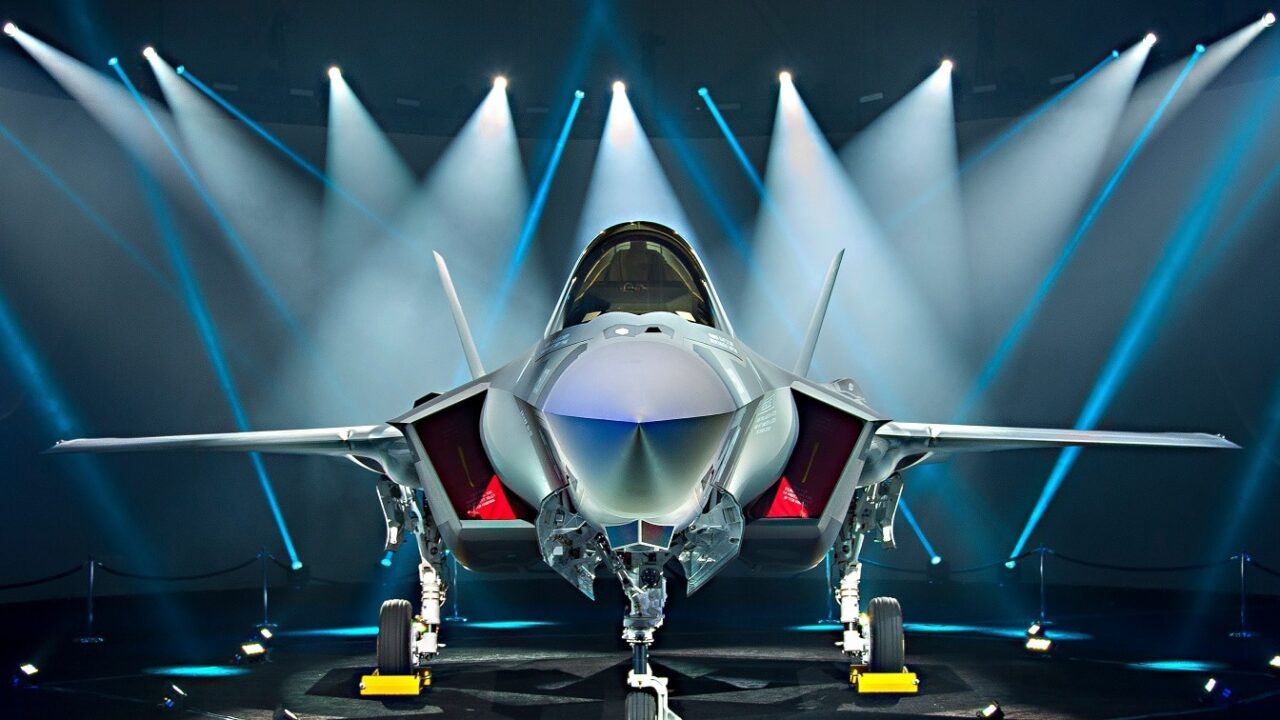
F-35I Adir Variant. Image Credit: Lockheed Martin.
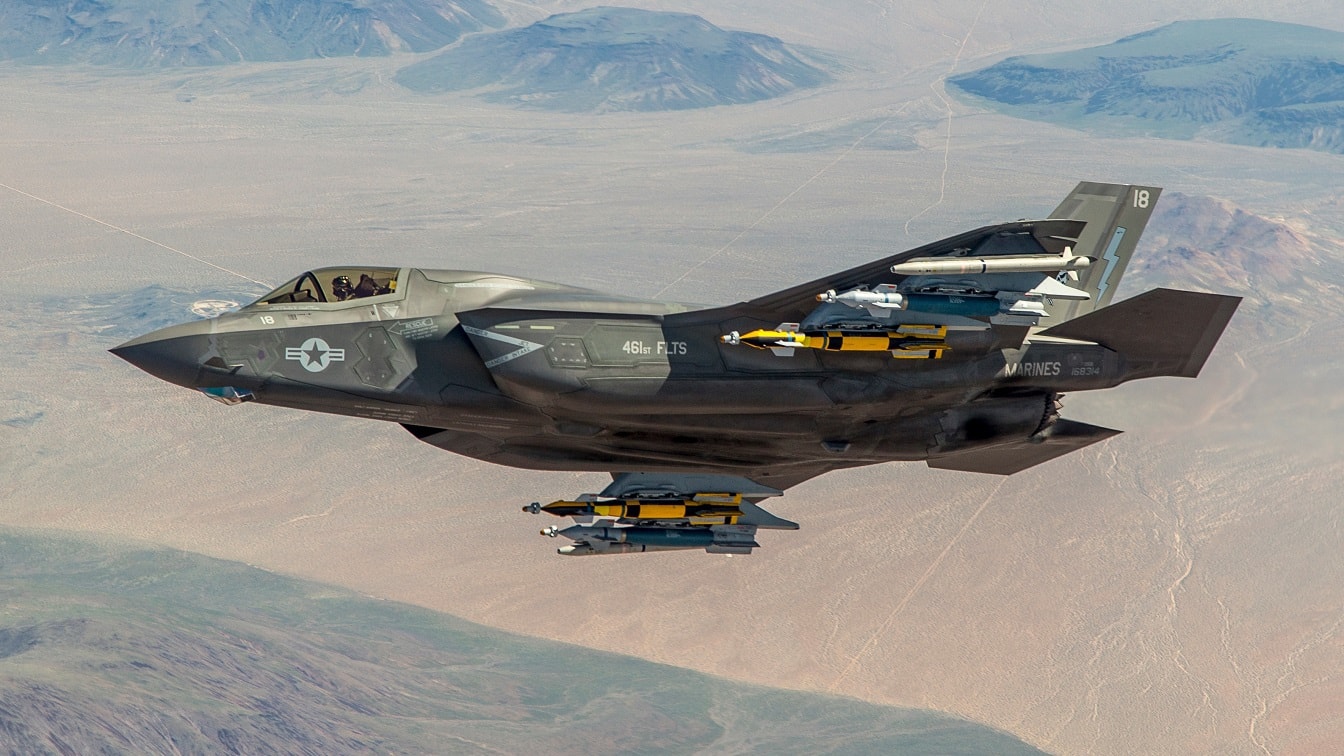
F-35 Stealth Fighter. Image Credit: Lockheed Martin.

F-35 Rollout in Denmark. Image Credit: Creative Commons.
“Evaluating Lockheed Martin’s capacity to deliver aircraft on time would help determine how many aircraft the program should plan to purchase,” the GAO report said.
“In recent years, the program paid contractors, such as Lockheed Martin, hundreds of millions of dollars in incentive fees that were intended to improve on-time delivery. However, the structure of on-time delivery incentives allowed the contractor to deliver aircraft up to 60 days late and still earn some of the fee. To avoid rewarding late deliveries, the program should reevaluate its use of fees in future contracts and better align them to achieve desired production outcomes.”
Cuts at the Test Office
The Bloomberg report also noted that Defense Secretary Pete Hegseth had cut staff at the Pentagon’s Office of the Director of Operational Test and Evaluation last year, in what was described at the time as a cost-cutting move.
That move was denounced at the time by some, including one Democratic senator.
“The Trump administration is threatening the lives of our service members and hurting our national security,” Senator Elizabeth Warren (D-MA), a member of the Senate Armed Services Committee, said in a statement in May of 2025. “How is it ‘efficient’ to gut the office responsible for testing our equipment and making sure it’s safe for service members to use? This dangerous decision should be immediately reversed.”
Winslow Wheeler, a former Government Accountability Office weapons analyst, described the testing office to Bloomberg as “the key link between an idea for a weapon and its being effective on any battlefield.”
“The acquisition bureaucracy in the Pentagon and advocates in industry and Congress have long tried to defang rigorous testing and honest reporting under the false claim that it delays fielding good weapons,” Wheeler told Bloomberg in May 2025.
Per the Bloomberg story this week, the testing office has “raised concerns that the jet has not completed all its needed cybersecurity testing.” Only three of nine tests were conducted in 2025, which the report blamed on a “significant reduction in personnel.”
Is it Time to Up Production?
Despite all the struggles, the case has been made for the U.S. to increase F-35 procurement.
Writing this week for Forbes, David A. Deptula argues that to keep pace with China, the U.S. needs to step up its game with its own jet.
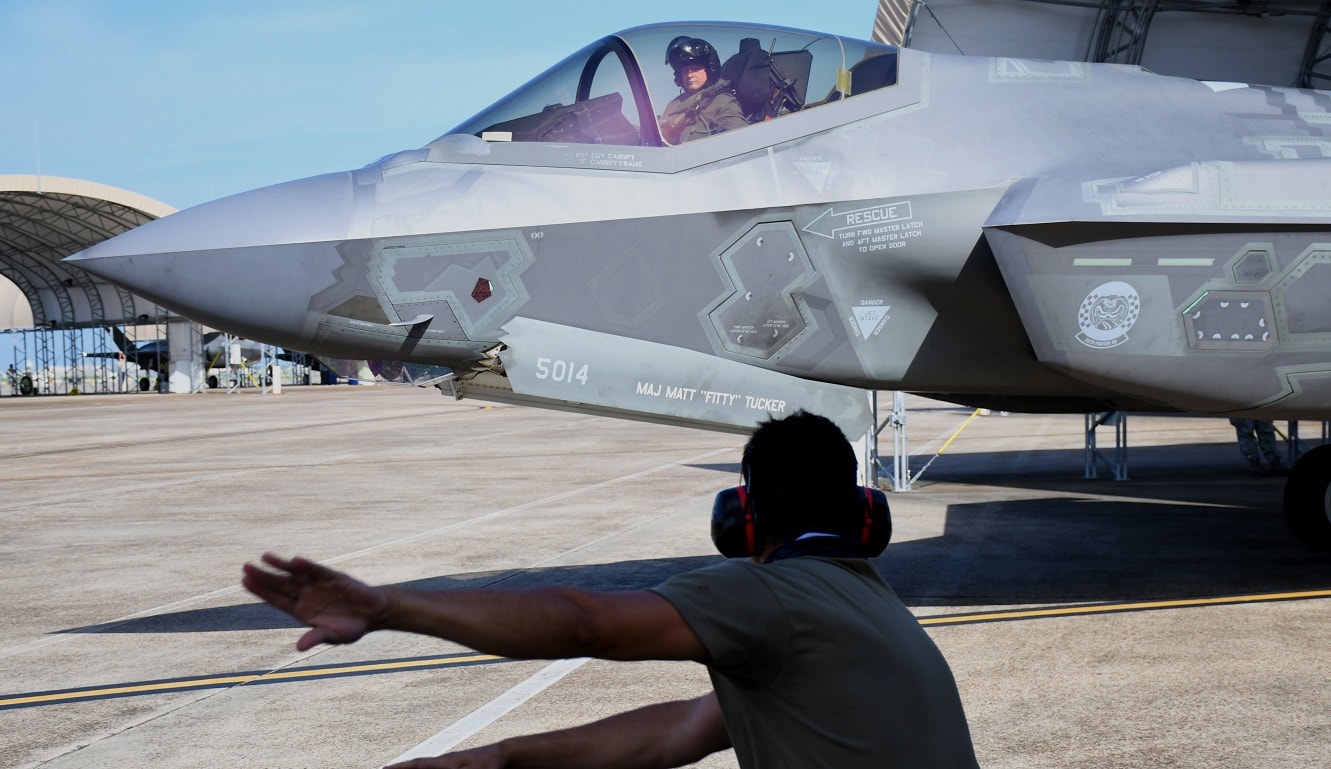
U.S. Air Force Airman 1st Class Zackery Hendrix, 33rd Aircraft Maintenance Squadron crew chief, directs a pilot to the runway at Eglin Air Force Base, Florida, July 30, 2020. Crew chiefs ensure the aircraft is ready to fly at a moment’s notice so pilots can safely and effectively complete their mission. (U.S. Air Force photo by Airman 1st Class Heather Leveille)
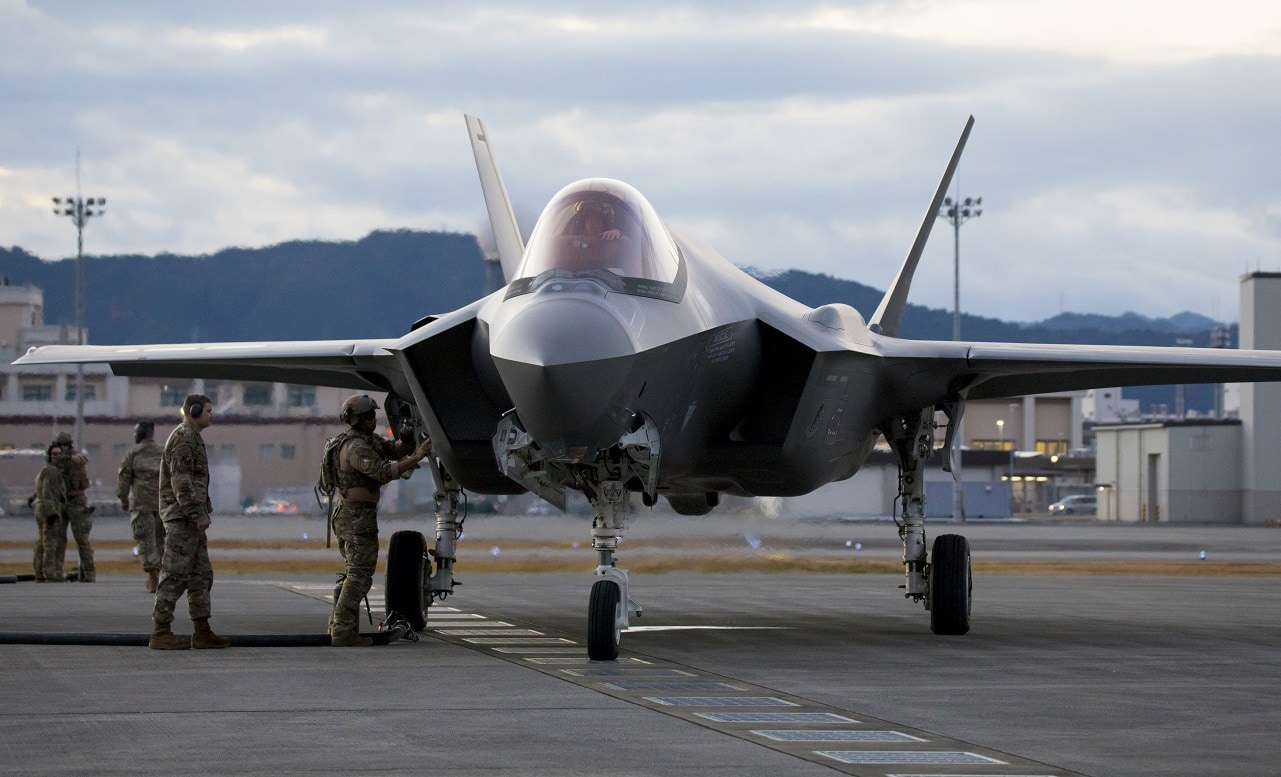
U.S. Airmen with the 356th Aircraft Maintenance Unit and 18th Logistics Readiness Squadron, prepare to refuel an F-35A Lightning II aircraft with the 354th Fighter Wing during a Forward Area and Refueling Point at Marine Corps Air Station (MCAS) Iwakuni, Japan, Dec. 8, 2021. Airmen with the 354th Fighter Wing conducted a Forward Area Refueling Point with 1st Special Operations and 18th Logistics Readiness Squadron while deployed to MCAS Iwakuni, Japan, to simulate expeditionary refueling while operating in Forward deployed environments. (U.S. Marine Corps photo by Lance Cpl. Tyler Harmon)
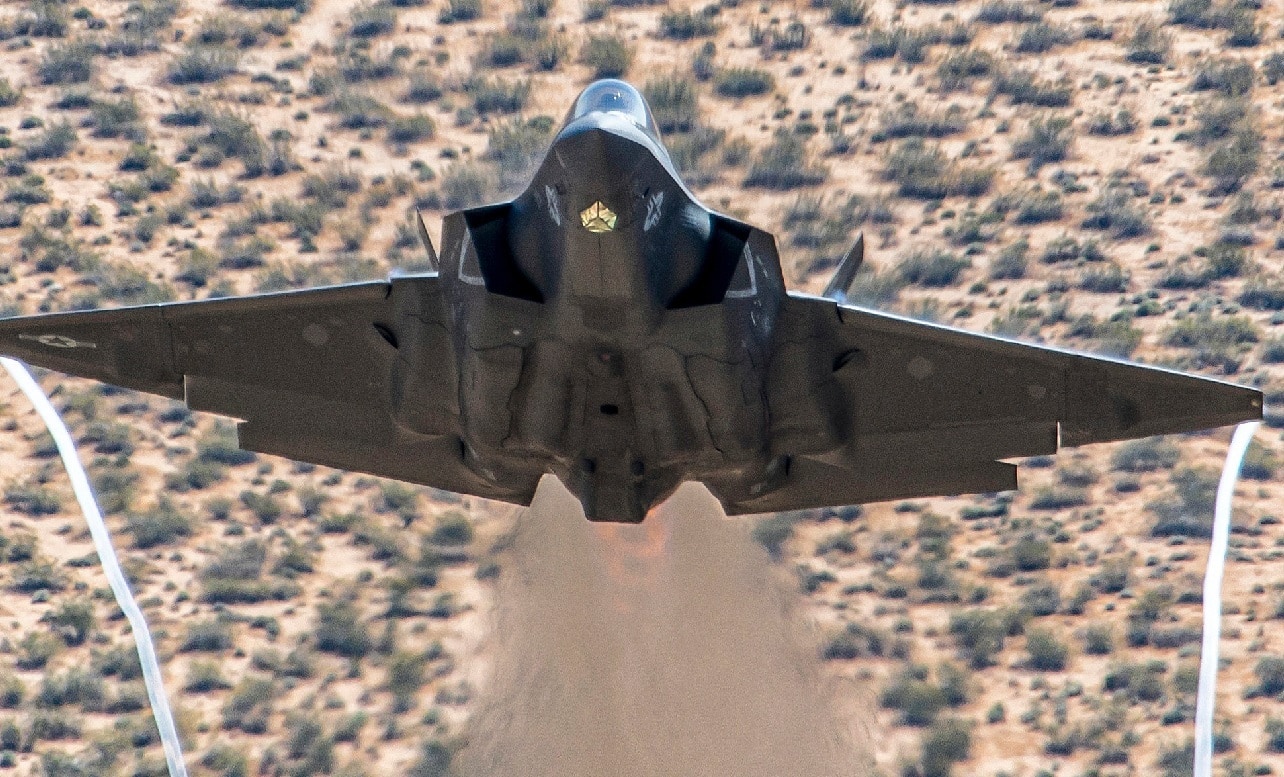
Two F-35C’s from VFA-125 “Rough Raiders”, based at NAS Lemoore, piloted by Major Derek “Shootsbe” Heinz A/C 430 and LT Alex “MoM” Daie A/C 411, Fly Low Level around Freemont Peak near Edwards AFB, Ca., 7 May 2019. The “Rough Raiders” are a Fleet Replacement Squadron flying F-35C Lightning II.
“The Air Force’s fighter inventory has shrunk over 60 percent since the end of the Cold War and has been flown relentlessly in combat ever since. Today those aircraft—and their crews—are worn hard,” Deptula writes. “Yet missions such as air superiority and strike remain central to deterrence and warfighting, as evidenced by recent results over Iran. If the United States intends to maintain military primacy, the Trump administration and Congress must accelerate procurement of modern fighters. The warning lights are already flashing that it is time to accelerate investment in these forces.”
“At the center of that effort,” he writes, is the F-35A.
“F-35As that participated in the removal of Maduro from Venezuela were quickly redeployed to the Middle East during rising tensions with Iran. Some did not even make it back to the U.S. to reset,” Deptula argues. “The reality is that demand is particularly high for stealth fighters that can leverage sensor fusion and networking capabilities—attributes that allow them to support operations far beyond traditional strike missions. If a concurrent fight were to erupt while Operation Epic Fury was underway, demand for U.S. fighters—especially the F-35A—would rapidly exceed supply.”
“China is producing fighters at scale,” he concludes. “To meet that challenge, the United States must double down on the F-35—expand production capacity, continue its modernization, and stabilize procurement at 72 F-35As annually for the U.S. Air Force.”
About the Author: Stephen Silver
Stephen Silver is an award-winning journalist, essayist, and film critic, and contributor to the Philadelphia Inquirer, the Jewish Telegraphic Agency, Broad Street Review, and Splice Today. The co-founder of the Philadelphia Film Critics Circle, Stephen lives in suburban Philadelphia with his wife and two sons. For over a decade, Stephen has authored thousands of articles that focus on politics, national security, technology, and the economy. Follow him on X (formerly Twitter) at @StephenSilver, and subscribe to his Substack newsletter.