
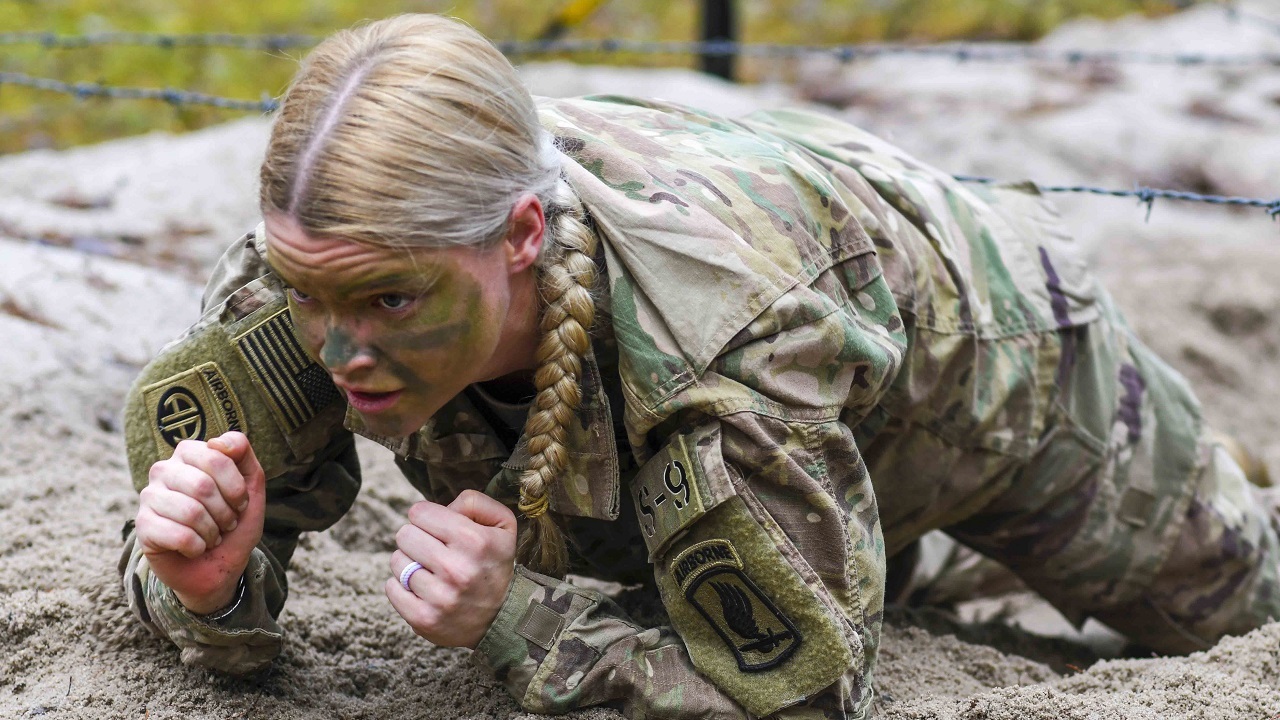
Summary and Key Points: Stephen Silver, a Philadelphia-based journalist and film critic, evaluates the psychological legacy of modern warfare in the context of Operation Epic Fury.
-As President Trump indicates that “boots on the ground” remain an option in Iran, Silver analyzes studies from the New England Journal of Medicine and the Harvard Gazette regarding the prevalence of PTSD and Traumatic Brain Injuries (TBI).
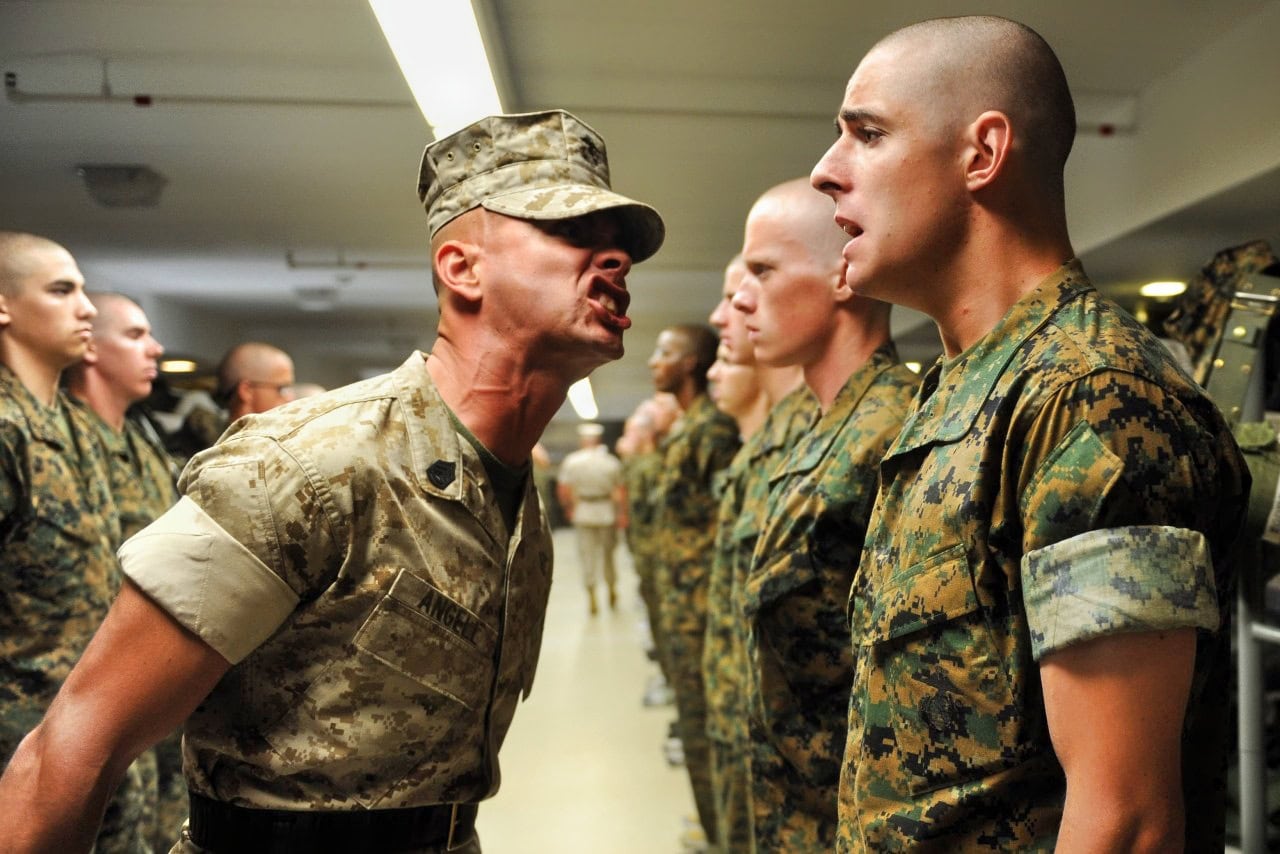
Gunnery Sgt. Shawn D. Angell is a drill instructor at the Officer Candidate School aboard Marine Corps Base Quantico, Va., dedicated to training, educating, evaluating and screening the many candidates who go through the course and turning them into Marine leaders.
-This report highlights the work of specialists like Ron Hirschberg, emphasizing that moral injuries and survivor’s guilt can surface years after deployment.
-Silver concludes that while VA resources like BeThere peer-assistance exist, reducing the perception of stigma remains the primary barrier to effective veteran care.
The Long Tail of War: Why Iraq and Afghanistan Veterans are Still Searching for Peace
The United States has launched a military campaign in Iran. Whether it can be described as a “war” is something of a matter of semantics, although the campaign there threatens to expand both in duration and in the number of countries involved.
There are no “boots on the ground” yet, but U.S. President Donald Trump, in an interview with the New York Post not long after the campaign began, refused to rule out the use of ground troops.
“I don’t have the yips with respect to boots on the ground—like every president says, ‘There will be no boots on the ground.’ I don’t say it,” Trump told the Post in a story published Saturday. “I say ‘probably don’t need them,’ [or] ‘if they were necessary.’”
Even if the Iran engagement doesn’t end up lasting years, as U.S. wars in Iraq and Afghanistan did, servicemembers risk suffering the ravages of war, both physically and mentally. One survey from 2004, just more than a year after the start of the Iraq War, found that combat “degrades some troops’ mental health.”
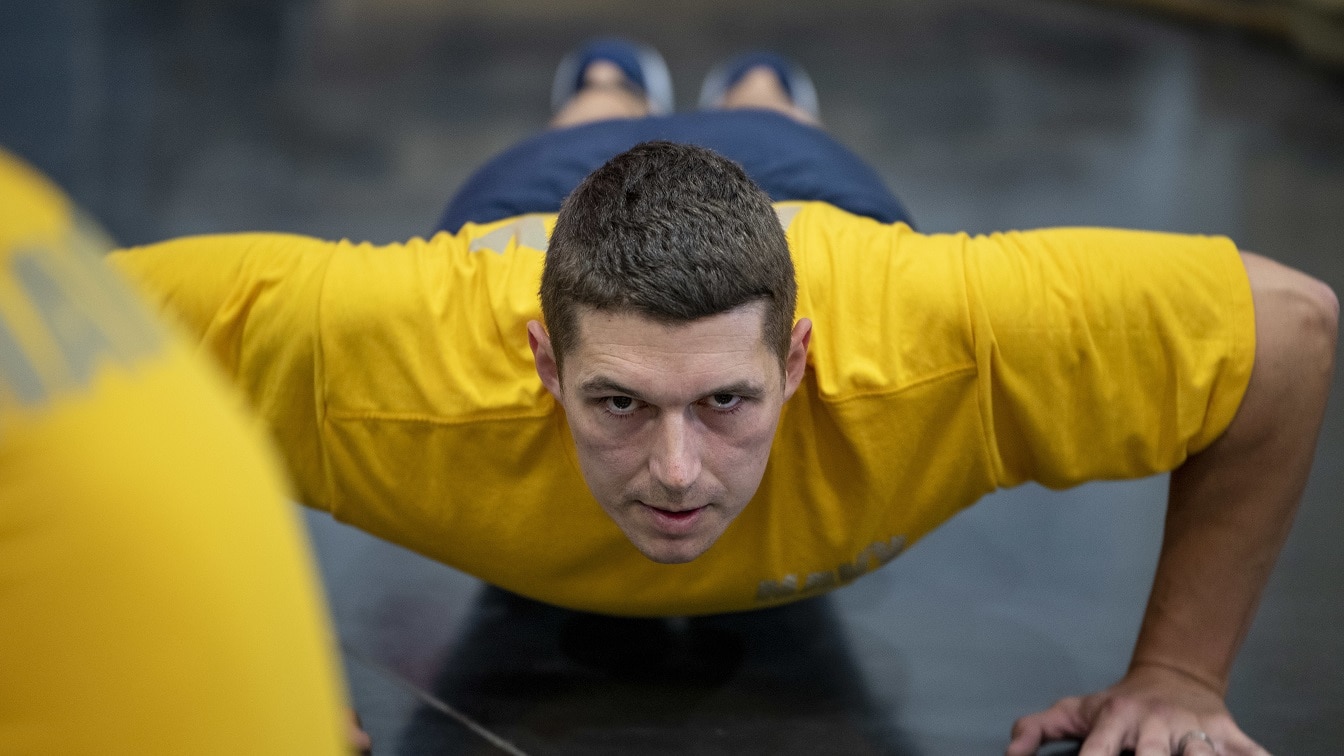
191009-N-WB795-1126 GREAT LAKES, Ill. (Oct. 9, 2019) Electronics Technician 1st Class Troy Kruyer performs the push-ups portion of the physical readiness test inside Pacific Fleet Drill Hall at Recruit Training Command. More than 35,000 recruits train annually at the Navy’s only boot camp. (U.S. Navy photo by Chief Mass Communication Specialist Brandie Nix/Released)
That survey, “Combat Duty in Iraq and Afghanistan, Mental Health Problems and Barriers to Care,” appeared in the New England Journal of Medicine in July 2004:
“This study provides an initial look at the mental health of members of the Army and the Marine Corps who were involved in combat operations in Iraq and Afghanistan. Our findings indicate that among the study groups there was a significant risk of mental health problems and that the subjects reported important barriers to receiving mental health services, particularly the perception of stigma among those most in need of such care.”
The Legacy of Wars
According to a Harvard Gazette report published in 2023, some Iraq War veterans had still not “found peace.”
The Gazette spoke with Ron Hirschberg, an assistant professor of physical medicine and rehabilitation at Harvard Medical School and also a traumatic brain injury specialist at Mass General Hospital. Hirschberg also was the senior director of health and wellness with Home Base, a nonprofit geared towards helping veterans.
“When the war stops and the coverage of Iraq and Afghanistan stops, the people who served there — whether it’s one deployment or 10, whether they were there 20 years ago or two years ago before Kabul fell — those wounds are not like bones that break and heal in 12 weeks. They can resurface months to years later, and then it’s a matter of dampening the symptoms and providing the right care so that they can live their lives,” Hirschberg told the Gazette.
“In fact, we can expect even more need as time passes — as service members try to re-engage with civilian life and those who have difficulty doing it become isolated. Part of what triggers post-traumatic stress and exacerbates these wounds is not feeling connected to a group anymore.”
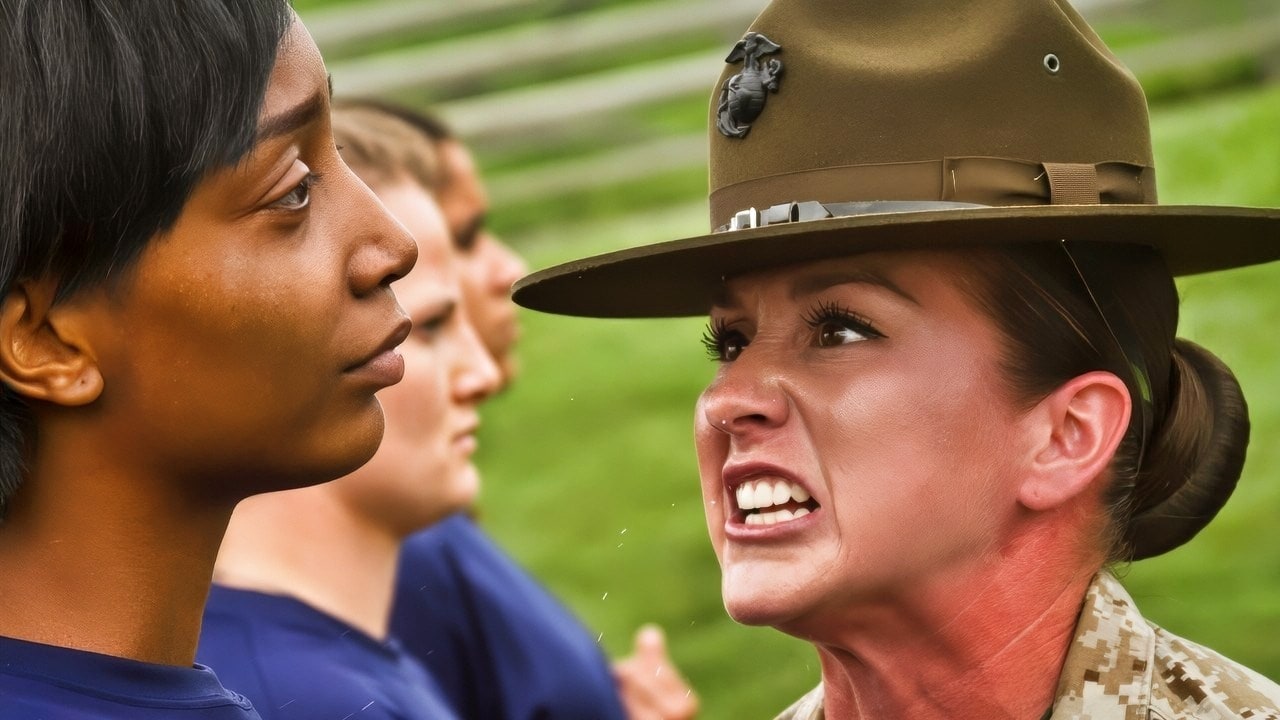
U.S. Marine Corps Sgt. Julie Martinez, a drill instructor with 4th Recruit Training Battalion, Marine Corps Recruit Depot Parris Island, South Carolina and a native of St. George, Utah, encourages a member of the Marine Corps’ Delayed Entry Program to sound off during Recruiting Station Baltimore’s annual Female Pool Function at Fort George G. Meade, Maryland, June 20, 2015. The purpose of the annual Female Pool Function is to build mental and physical toughness among members of the Delayed Entry Program and to maintain their commitment to complete recruit training in order to become United States Marines. (U.S. Marine Corps photo by Sgt. Bryan Nygaard/Released)
There are differences, he said, between the experiences of Iraq and Afghanistan veterans.
“More than 1.8 million Iraq and Afghanistan veterans returned home with a permanent disability, with close to 1 million of these linked to mental health and traumatic brain injuries, not to mention the moral injuries and complicated survivor guilt that present their own unique and complex challenges,” Hirschberg told the Harvard Gazette. “When it comes to Afghanistan, there’s a feeling you left with loose ends, and feelings of guilt with no ability to help. Many of our veterans developed strong bonds with families and translators, and many of these people continued to face grave threats after our withdrawal from Kabul.”
Help is Available
The Veteran’s Affairs website makes veterans aware that help is available for them.
“Find out how to access VA mental health services for posttraumatic stress disorder (PTSD), psychological effects of military sexual trauma (MST), depression, grief, anxiety, and other needs,” the VA website says. “You can use some services even if you’re not enrolled in VA health care.”
Help is available for veterans online as well as in person.
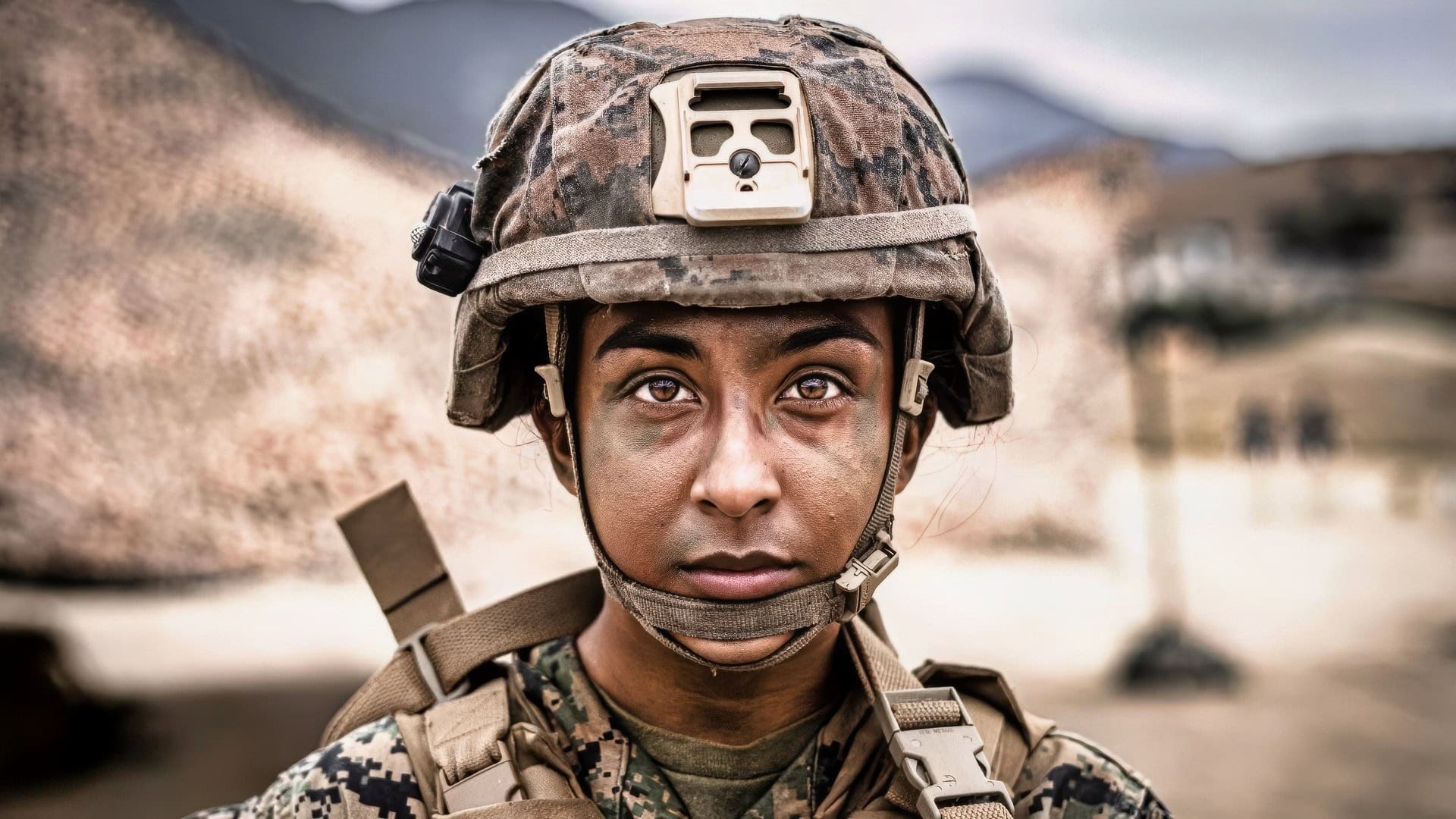
U.S. Marine Pfc. Emily Zamudio with Alpha Company, Infantry Training Battalion, School of Infantry (SOI) West, prepares for a shooting drill at Marine Corps Base Camp Pendleton on Sept. 1, 2021. Zamudio graduated recruit training from the first female platoon to become Marines at Marine Corps Recruit Depot San Diego, May 2021. She then progressed to SOI West where she completed the Infantry Marine Course and earned the military occupational specialty of 0311, infantry Marine. (U.S. Marine Corps photo by Sgt. Tessa D. Watts)
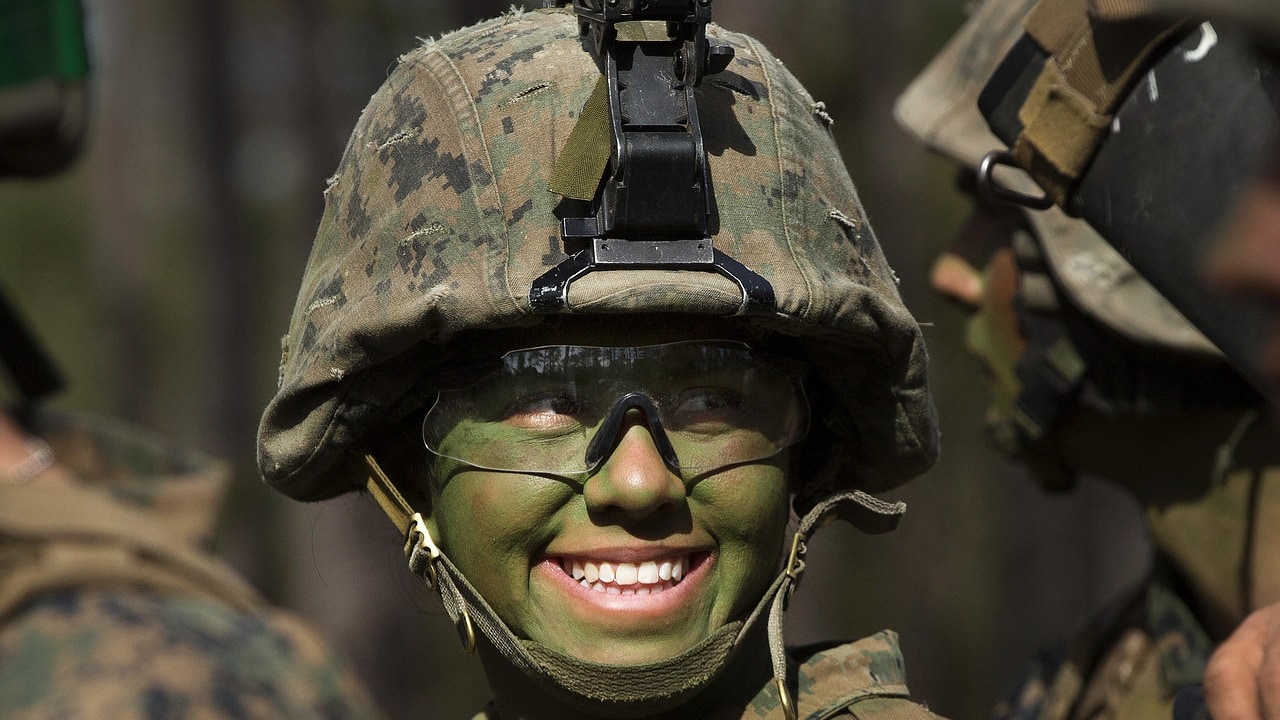
Pfc. Christina Fuentes Montenegro and other Marines from Delta Company, Infantry Training Battalion, School of Infantry-East, receive final instructions prior to assaulting an objective during the Infantry Integrated Field Training Exercise aboard Camp Geiger, N.C., Nov 15, 2013. Montenegro is one of three female Marines to be the first women to graduate infantry training with the battalion. Delta Company is the first company at ITB with female students as part of a measured, deliberate and responsible collection of data on the performance of female Marines when executing existing infantry tasks and training events, the Marine Corps is soliciting entry-level female Marine volunteers to attend the eight week basic infantryman and infantry rifleman training courses at ITB.
“The Veteran Training online self-help portal for overcoming everyday challenges,” the VA website says. “You can use this portal’s tools to help manage your anger, develop parenting and problem-solving skills, and more. The tools are based on proven mental health practices that have successfully helped other Veterans and families. The portal is free, and you don’t have to sign in or provide any personal information to use the tools.”
The VA also offers a BeThere peer-assistance program, through which veterans seeking help can speak to other veterans who have been through similar experiences.
Are Veterans Seeking Help?
A February 2013 titled “Are Iraq and Afghanistan Veterans Using Mental Health Services? New Data From a National Random-Sample Survey,” looked at whether veterans actually use these supportive resources.
“Many studies of Iraq and Afghanistan veterans with mental disorders document low rates of service use. However, most studies look at use in the first year after returning from a deployment. Do rates of use rise as time since deployment increases?,” the study found. “In the National Post-Deployment Adjustment Survey, the median time since deployment was four years, and two-thirds of veterans with probable PTSD or major depression reported past-year use of mental health services. The finding of these notably higher rates is ‘a valuable message to communicate to veterans,’ the authors conclude, and may reduce some veterans’ ambivalence about seeking treatment.”
The conclusion of the survey is somewhat eye-opening:
“Veterans in greatest need were more likely to access services. More than two-thirds with probable PTSD obtained past-year treatment, mostly at VA facilities. Treatment for veterans may be improved by increasing awareness of gender differences, integrating mental health and pastoral services, and recognizing that alcohol misuse may reduce utilization. Veterans who had and had not used services endorsed different perceptions about treatment, indicating that barriers to accessing care may be distinct from barriers to engaging in care.”
About the Author: Stephen Silver
Stephen Silver is an award-winning journalist, essayist, and film critic, and contributor to the Philadelphia Inquirer, the Jewish Telegraphic Agency, Broad Street Review, and Splice Today. The co-founder of the Philadelphia Film Critics Circle, Stephen lives in suburban Philadelphia with his wife and two sons. For over a decade, Stephen has authored thousands of articles that focus on politics, national security, technology, and the economy. Follow him on X (formerly Twitter) at @StephenSilver, and subscribe to his Substack newsletter.