30,000 Sorties and Russia Still Doesn’t Control the Skies Over Ukraine
It’s hard to believe, but after 30,000 sorties over Ukraine, Russia’s air force does not have air superiority.
That is even more inexplicable when one considers all the advantages the Russian Aerospace Forces (VKS) have over their Ukrainian opponents.
Even before Ukraine started using some Western combat aircraft, Ukraine’s Air Force (PSU) was holding back Russian air power—all while flying fighters that were at least one generation older than the Russians’.
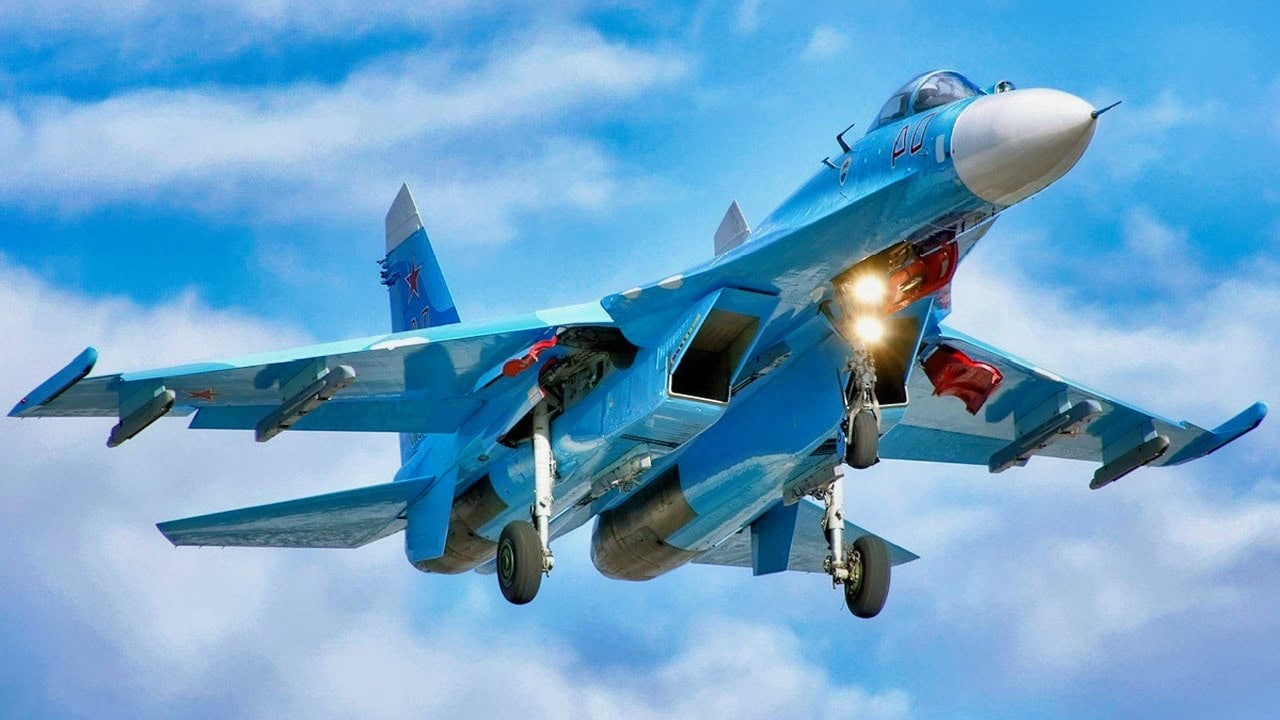
Su-27 Flanker. Image Credit: Creative Commons.
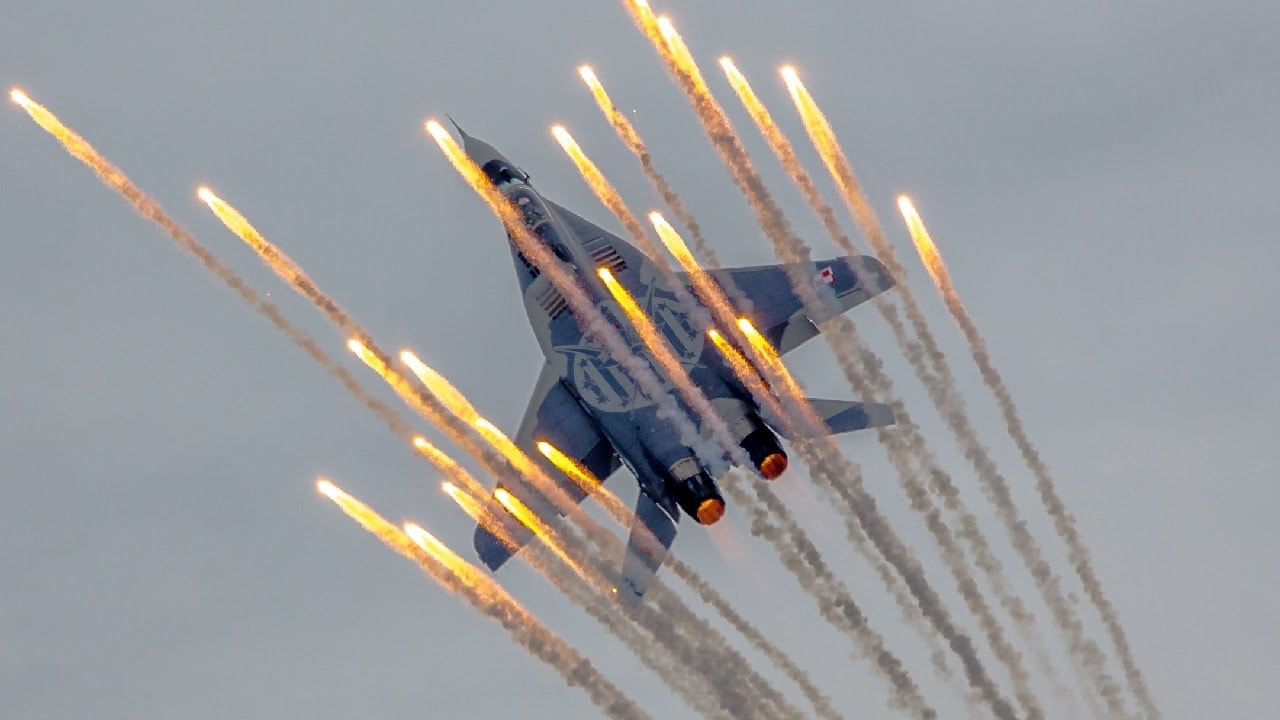
The main tactical aircraft of the PSU was the Mikoyan MiG-29-9.13 Fulcrum-C. It also had some of the older MiG-29.9.12 Fulcrum-A models, supplemented by a significantly smaller number of Sukhoi Su-27s—all of these are early fourth-generation designs. Larger strike missions are covered by a force of a dozen Su-24M/MR fighter-bombers, which is a more than 50-year old design.
Against this force, the VKS operates the 4.5-generation Su-35S and a small complement of fifth-generation Su-57. This latter aircraft exists in such small numbers and has such a low rate of production that Moscow is still afraid to commit this type in combat to any operations over Ukraine’s airspace.
When it comes to the air-to-ground mission, the VKS has a raft of options. Long-range strategic bombers, including the Tupolev Tu-95 turboprop and Tu-160 jet-powered aircraft, launch large numbers of cruise missiles against targets in Ukraine. Moscow also has the Tu-22M3 “Backfire” bomber aircraft, but that fleet is down to about two dozen, after losses sustained in the war thus far.
But the aircraft that most symbolizes Russia’s extensive aerial losses is the Su-34. This aircraft, a two-seat side-by-side cockpit medium-range bomber, was designed to be a bigger, better, longer-range successor to the 1970s-era Su-24.
The Su-34 was also supposed to be protected from air defenses by one of the most advanced Russian self-protection suites ever produced by Moscow’s airborne-electronic-warfare (-EW) industry. All the Su-34s are equipped with the L-175V Khibiny EW system from KNIRTI in Kaluga, but it has had negligible success against Ukraine’s air defenses.
Despite possessing all these more modern and more capable aircraft, Russia has been unable to close the skies over Ukraine and has suffered unexpectedly heavy losses. As many as 41 of the Su-34s have been lost since 2022—this is an aircraft that was supposed to be one of the hardest of all the VKS platforms to target and effectively intercept.
Why Has Russian Air Power Performed So Badly in Ukraine
There is no single explanation for Russian air power’s dismal record in Ukraine. At the beginning of the war, Russia had the largest air force in Europe and a sizable bomber fleet.
Since the February 2022 invasion, the VKS has flown about 30,000 combat sorties. The Russian service is operating the latest and most modern jets that its industry can produce. Its aircraft also carry and fire the longest-range and highest precision munitions that Moscow’s weapons firms have ever developed. Yet the VKS remains unable to establish uncontested control of the Ukrainian airspace.
Much of this is due to the steadily increasing capacity and sophistication of Ukraine’s air defenses.
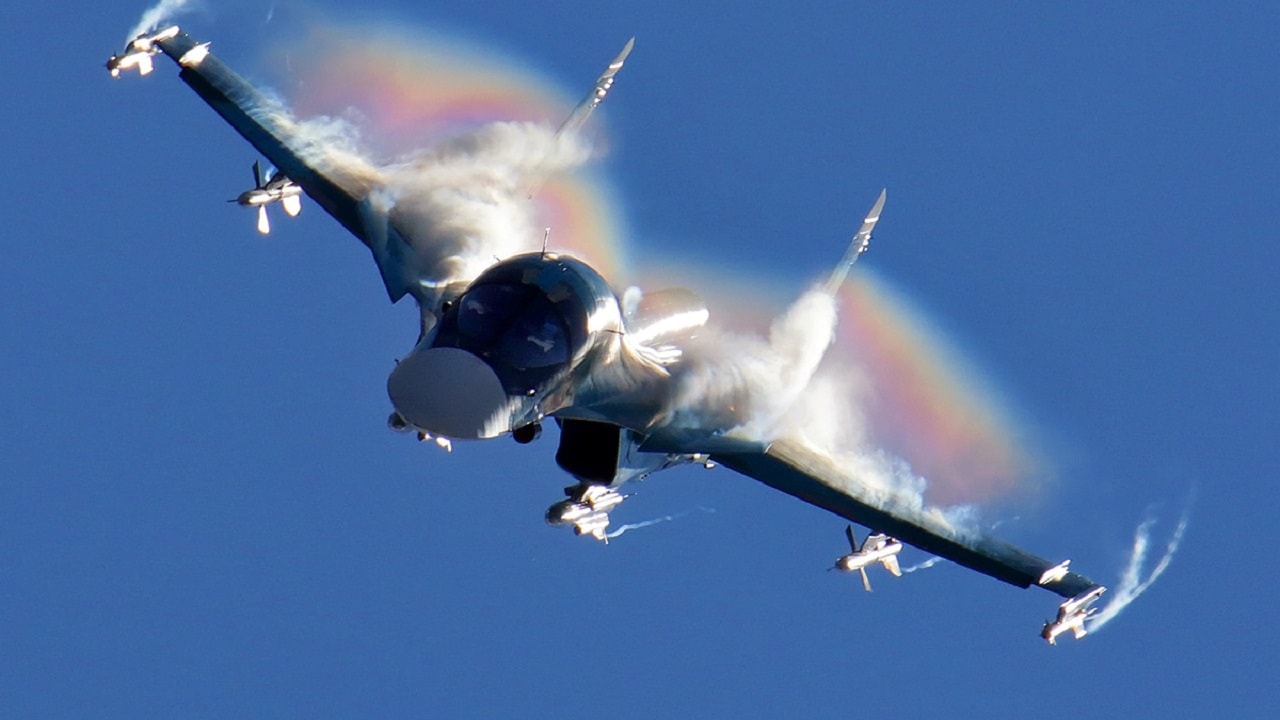
Russia’s Su-34 fighter-bomber. Image Credit: Creative Commons.
The Ukrainian Air Force, which incorporates both air-to-air and surface-to-air units, has proven itself capable of adapting, modernizing and learning at speed in combat over the past four years.
During this time and according to cumulative figures compiled as recently as last week, the surface-to-air units have claimed 140,000 kills of missiles, drones, bombs and enemy aircraft. More than 44,000 of its kills are the Shahed-type drones now striking U.S. bases in the Gulf Arab states.
During this time, Ukraine’s air defenses have grown in number and sophistication—partly thanks to donations of U.S. and European-made systems, but also thanks to the continuing engineering brilliance shown by Ukraine’s defense-industrial companies.
One example of the difference Western-made additions made is the story of Ukrainian Colonel Kyrylo Peretyatko, who commanded an air defense tactical group.
Peretyatko, 33, was awarded the title of Hero of Ukraine, which is the country’s highest military honor, after he commanded a battery of the joint Norwegian-U.S.-designed NASAMS short-range air defense systems. The batteries under his command were able to shoot down 12 Russian cruise missiles in two minutes and protected a high-value site from being destroyed in the process.
VKS aircraft units have been learning how they can exploit “gaps” in Ukraine’s air defense network. These are created either by units being destroyed in battle, or shortcomings created by ammunition shortages. “Not enough missiles” is a phrase commonly used by Ukraine in reference to the NASAMS and its American-made “big brother,” the Patriot Air and Missile Defense system.
But those gaps have not been enough for Russian combat aircraft to dare crossing the line into Ukrainian air space. VKS pilots are still launching cruise missiles and glide bombs at targets in Ukraine, but they are doing so from their own territory.
Slow to Learn
But, as numerous Ukrainian military and political officials have been commenting for some time now, their experience gained in four years of war against the Russians is consistently undervalued.
“‘Don’t know because don’t want to know,’ as the Brits would say, seems to be mentality of Ukraine’s ‘allies’ when it comes to the benefits of learning from their combat experience,” said a non-Ukrainian volunteer from one of the foreign legions fighting on Kyiv’s side.
No better example of this mindset exists than what has transpired since the beginning of hostilities with Iran.
Writing this past week on his own Substack page, retired Australian Army Major General Mick Ryan pointed out that the onset of the Iran conflict “revealed fully just how poor Western and Middle Eastern military institutions have been at learning from the war in Ukraine. I have written several times about how Western military organisations have shown a lack of humility in learning from Ukraine, but the past week has provided the best evidence yet of that phenomenon.”
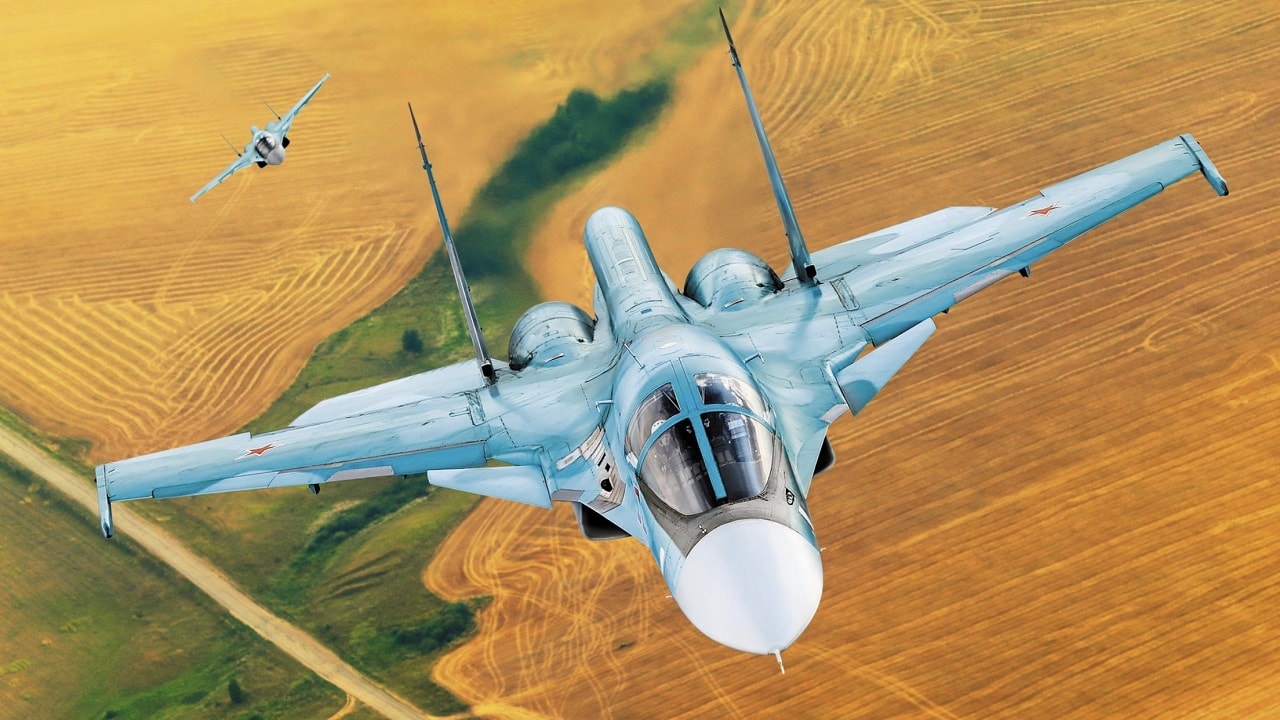
Russian Air Force Su-34 Fighter. Image Credit: Creative Commons.
Therefore, “it was an extraordinary development this week when the United States formally asked Ukraine for help defeating Iranian drones,” he continued. “When the US and Israel launched their attack on Iran on 28 February, Iran responded with a barrage that included over 500 ballistic missiles and approximately 2,000 unmanned aerial systems in the first five days, according to US Central Command.”
But the air defenses used by the U.S. forces in theater “were designed for the threat environments of the late 20th century.” Not surprisingly, the United States and its allies have “struggled with the volume of cheap, slow-moving Shahed-type drones. A strike in Kuwait killed six American servicemembers. Drone strikes damaged the US Fifth Fleet headquarters in Bahrain. The Washington Post reported on 5 March that both the United States and its Middle Eastern allies had approached Ukraine seeking expertise and practical support in countering Iranian drones.”
This lack of preparedness is particularly incomprehensible given the large volume of data that has been gained over the past four years from the operational experience of Ukrainian-manned Patriot batteries alone. That data has been freely shared with allies who also operate the same system.
A retired U.S. Army civilian military historian who spoke to 19FortyFive was even more blunt in his assessment. “This is a lot like what we say about how the British Army ignored the infant U.S. Continental Army’s developments in infantry weapons before the Battle of New Orleans in the War of 1812,” the historian said. “They were brave, but slow to learn, resulting in numerous needless casualties.”
Justin Bronk, the senior research fellow for airpower and technology at the Royal United Services Institute, was quoted in The Times of London about just how undervalued Ukraine’s experience in air defense has been—particularly in the case of how the networks are structured and managed.
“It was short-sighted in terms of dismissing what Ukraine can contribute in terms of specialist advice. Ukraine is unquestionably one of the leaders in the world in the way that it does air defence command and control,” he concluded.
Ukraine’s Air Defenses
As of today, Ukraine has one of the most complex air defense systems in the world. It has integrated Soviet-era and NATO-nation platforms to create a layered approach, “which is the essence of how you organize your air defenses,” said a U.S. industry air defense specialist with experience working in the Middle East.
An effective air defense constellation involves more than stitching together a handful of surface-to-air missile platforms of various ranges. An effective “system of systems” approach layers in advanced EW, fighter aircraft, helicopters, and surface-to-air systems such as the Patriot. These communicate in real time via datalinks. Into this mix, Ukraine has added interceptor drones and ordinary vehicle-mounted machine guns.
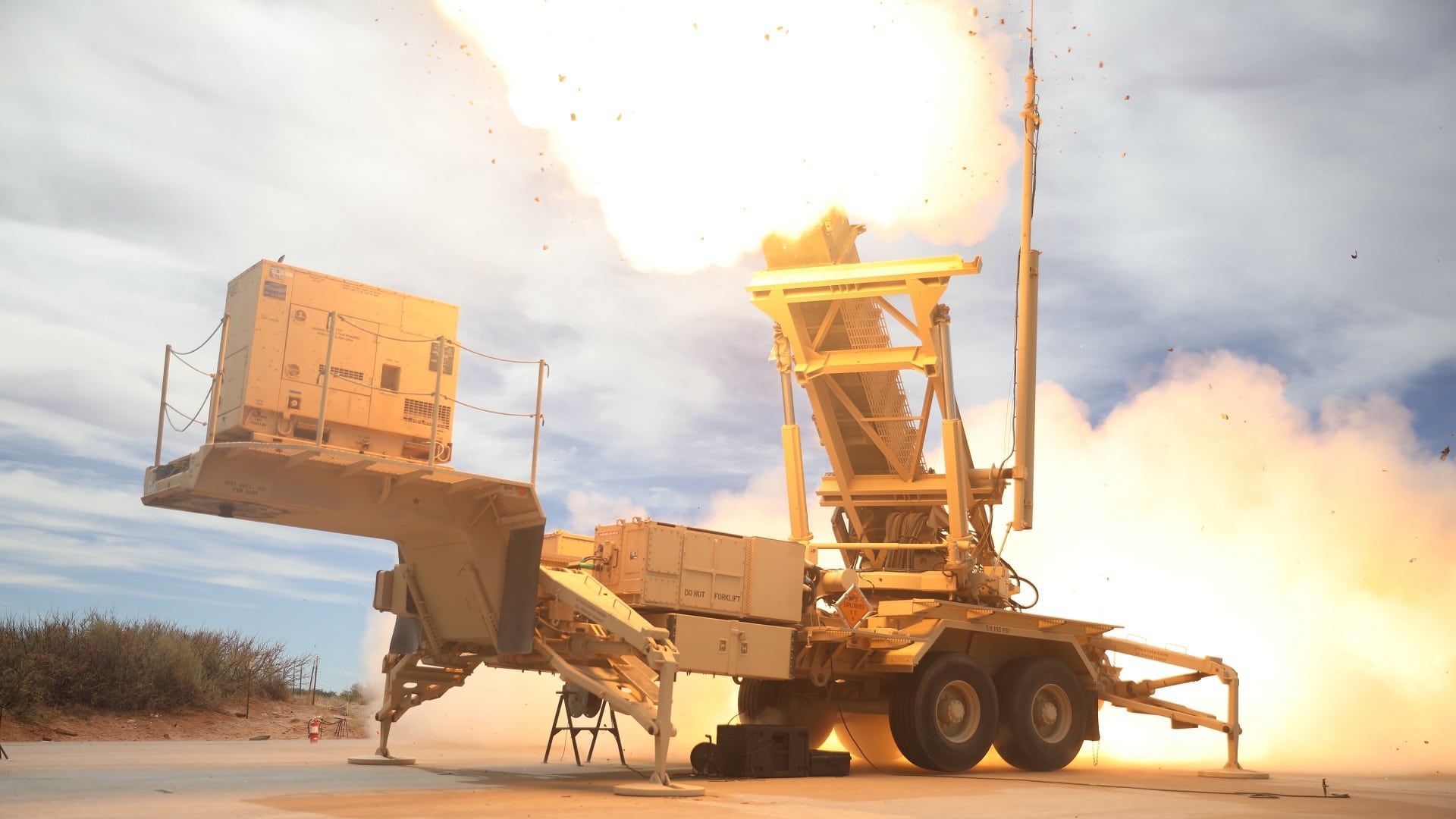
Soldiers from 69th Air Defense Artillery Brigade conducted Patriot Missile live fire training, November 5, at McGregor Range Complex on Fort Bliss. The live fire exercise was conducted jointly with Air Defense counterparts from the Japanese Self-Defense Force. (U.S. Army Photo by Staff Sgt. Ian Vega-Cerezo)
At the end of the day, Ukraine’s air defense capabilities have limited the damage that Russian air strikes can inflict. Credit also goes to Ukraine’s innovative air-defense-radar network techniques and its early warning system. All these measures combined have effectively blunted the Russian numerical advantage in aircraft.
Training Really Matters
In the months prior to the war, Russia had been pre-positioning air power assets at several points on the border with Ukraine: in Belarus, in Southern Russia, in Crimea. All were deployed in preparation for what was anticipated to be the demolition of strategic Ukrainian facilities and destruction of the nation’s ability to fight.
As we all know, it did not quite turn out that way.
“Despite estimates that Russia would establish air superiority within seventy-two hours, Russian forces have failed to control the skies and have suffered huge aircraft losses that have hindered their air support for the ground invasion,” read an August 2022 Atlantic Council assessment of the performance of the VKS in Ukraine.
This was the judgment only six months into the conflict—before all of the air defense assets discussed above were even in Ukraine’s hands. At that point, the country was still getting by with Soviet-era hardware that its own industry had modernized.
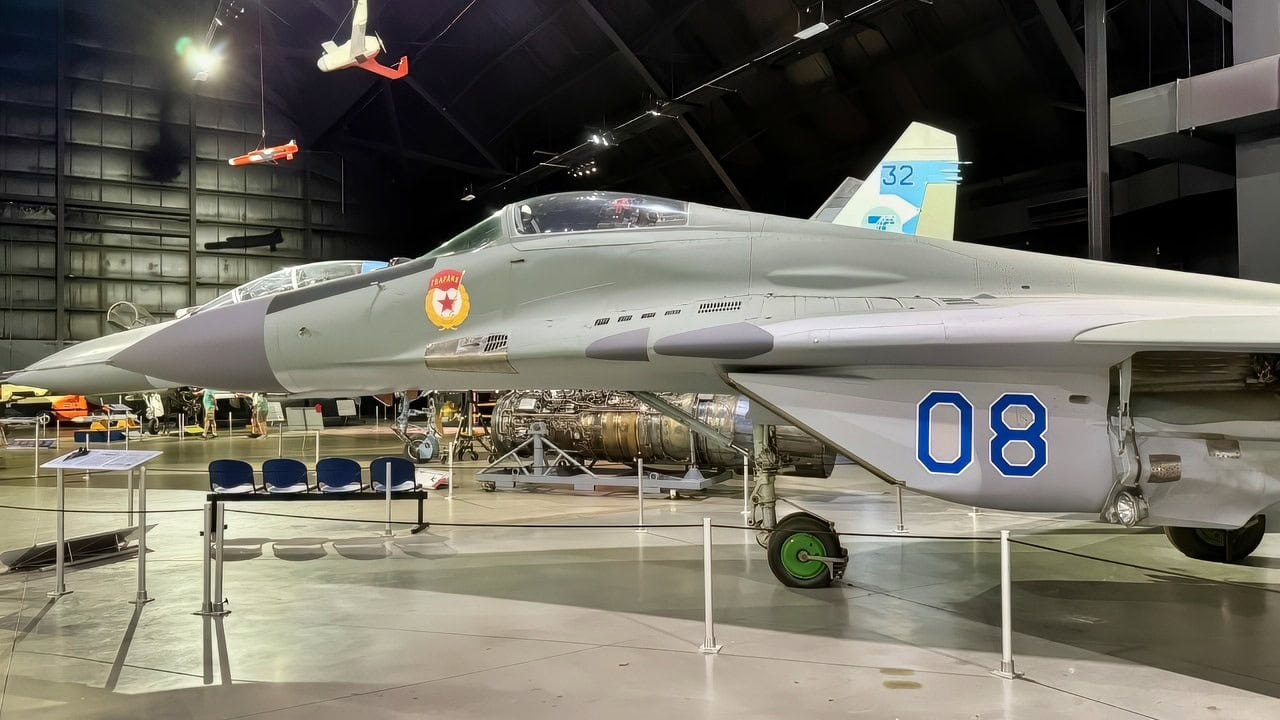
Real MiG-29 at USAF Museum in Dayton. Image Credit: 19FortyFive.com
There is an entire litany of missions that the VKS either bungled, or lacked the training and organization to perform and led to the failure of their Day One mission. Two of those critical shortcomings are laid out in the Atlantic Council’s assessment:
– “The Russian forces failed to integrate tactical or battlefield intelligence; they did not appear to know where high-value targets were, including Ukrainian President Volodymyr Zelenskyy, mobile SAMs, critical IADS nodes, and Ukrainian military command posts.”
– The Russian military “appeared to have no plan for countering Ukrainian uncrewed aerial systems (UASs) and drones, and those systems took a devastating toll on Russian ground forces. The air campaign appeared to have no overarching concept or unifying theme…as such, Ukrainian air defences were operating at or near full capability, and they were able to institute huge aircraft losses from the first day of the conflict.”
The VKS’ inability to deal with Ukraine’s air-defense threat to its own air force is another example of how the immense resources committed to Russia’s vaunted 2011–21 military modernization program were squandered. By all accounts, they accomplished little other than lining the pockets of senior military and civilian officials with tremendous sums stolen from the state budget.
The Bottomline: Russia’s Air Force Is Hollowed Out
Europe’s largest and most expensive air force was hollowed out from the inside by its own leaders, which left it incapable of performing one of its most important missions.
In October 2022, during the Warsaw Security Forum, retired U.S. Air Force General Philip Breedlove outlined just how unexpected it was that the VKS failed to take out Ukraine’s air defenses in the early phases of the war. Russian military doctrine always dictated that neutralizing the enemy’s anti-air assets was a first-day-of-the-war primary goal of any military campaign.
“We assumed Russia still had the skill to perform the SEAD [Supression of Enemy Air Defenses] mission – to locate, track and neutralise these
Since that time, the losses of aircraft to Ukraine’s air defenses have been exacerbated by a slowdown in production of new-build replacements. This is the story across much of Russian industry, due to sanctions imposed by the United States and its allies. Those sanctions barred importation of thousands of electronic components that Moscow had become almost totally reliant on to keep its defense plants operating at full tilt.
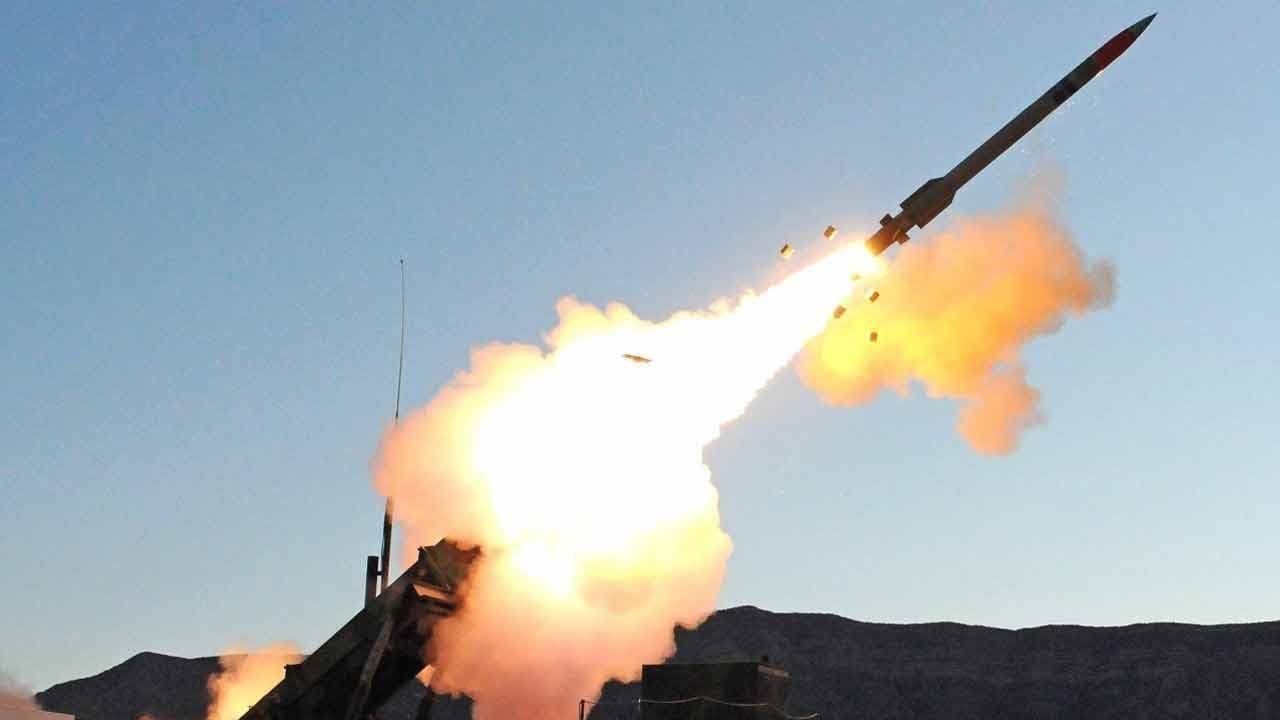
Patriot Missile. Image Credit: Creative Commons.
All evidence to date is that, given Russia has not achieved air superiority over Ukraine, it never will. Russia will instead lose many more aircraft, and its production plants will be unable to turn out enough new aircraft to replace combat losses.
“It’s truly an air force that has no future,” said a former Russian fighter designer who spoke to me more than three years ago on the subject. “And at this point it quite possibly is an air force that has not much of a present left either.”
About the Author: Reuben F. Johnson
Reuben F. Johnson has thirty-six years of experience analyzing and reporting on foreign weapons systems, defense technologies, and international arms export policy. Johnson is the Director of Research at the Casimir Pulaski Foundation. He is also a survivor of the Russian invasion of Ukraine in February 2022. He worked for years in the American defense industry as a foreign technology analyst and later as a consultant for the U.S. Department of Defense, the Departments of the Navy and Air Force, and the governments of the United Kingdom and Australia. In 2022-2023, he won two awards in a row for his defense reporting. He holds a bachelor’s degree from DePauw University and a master’s degree from Miami University in Ohio, specializing in Soviet and Russian studies. He lives in Warsaw.