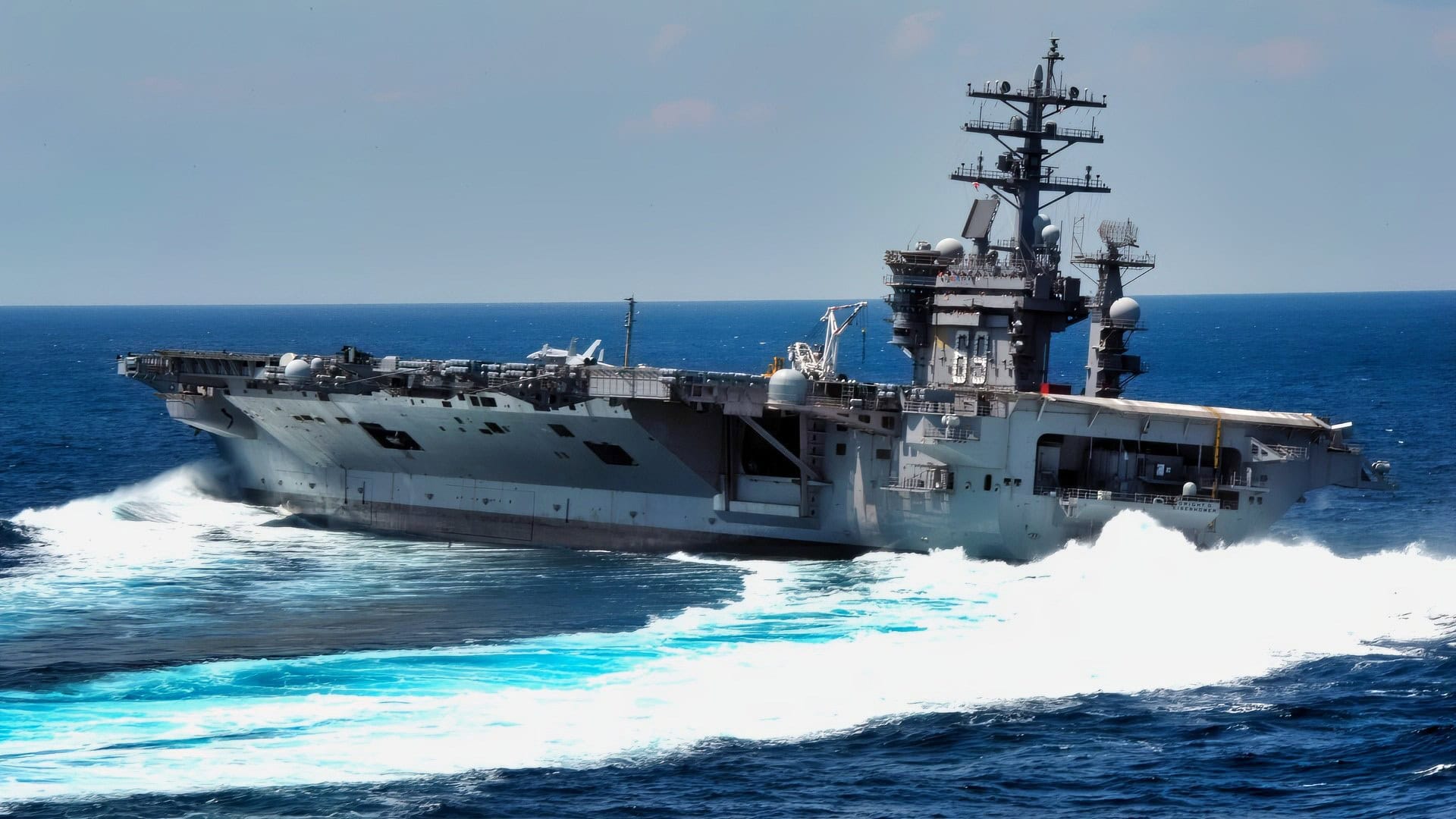
Synopsis: Brandon J. Weichert, Senior National Security Editor and author of Winning Space, evaluates the critical vulnerability of U.S. Aircraft Carrier Strike Groups (CSGs) to submarine attack.
-Highlighting the 2015 exercise where the French Rubis-class submarine Saphir bypassed Nimitz-class defenses, Weichert analyzes a pattern of similar penetrations by the Swedish Gotland-class and Chinese Song-class diesel-electric subs.
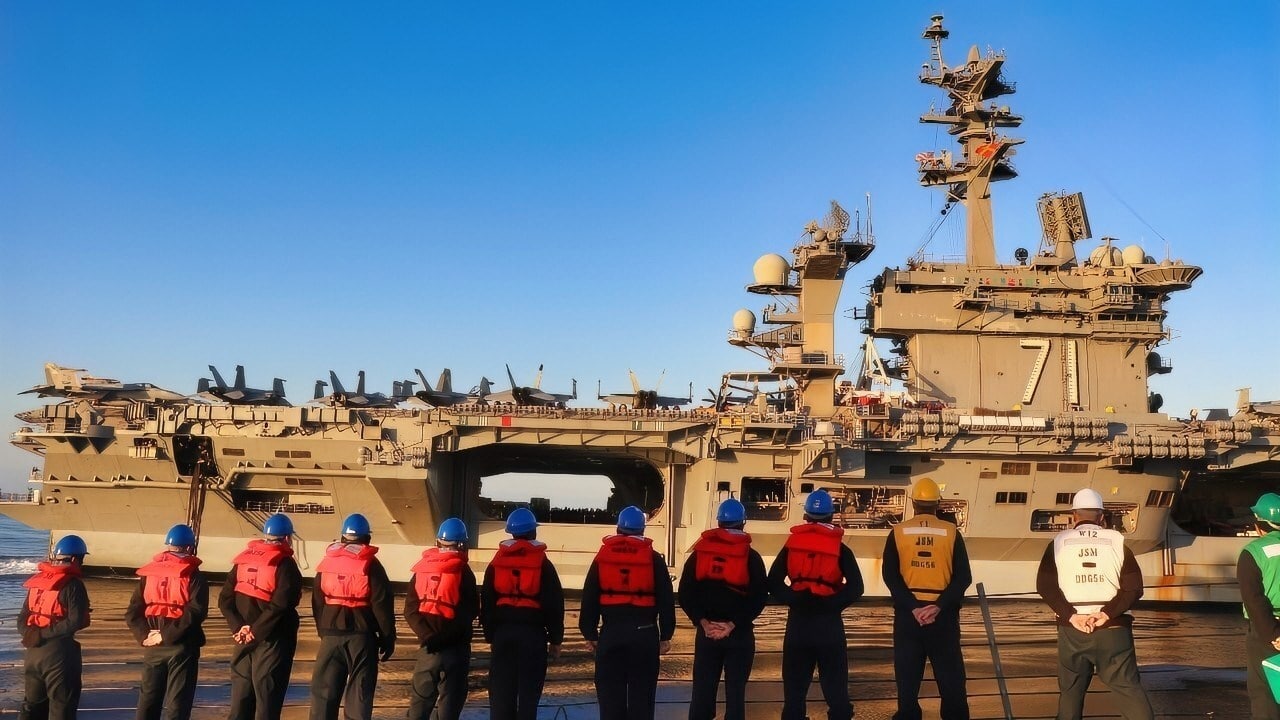
PACIFIC OCEAN (Nov. 28, 2023) Line handling crew assigned to the Arleigh Burke-class guided-missile destroyer USS John S. McCain (DDG 56) prepares to come alongside USS Theodore Roosevelt (CVN 71) for a replenishment at sea. John S. McCain is currently conducting routine training and certifications in the U.S. 3rd Fleet area of operations. (U.S. Navy photo by Ensign Garrett Fox).

Aircraft Carrier USS Gerald R. Ford Diagram. Image Credit: Creative Commons.
-This 19FortyFive report explores the 2026 reality of Russian Yasen-class submarines armed with Zircon hypersonic missiles, arguing that even disabling a carrier’s flight operations is enough to fracture U.S. maritime deterrence and reshape global crises.
The Saphir Incident: How a 1970s French Submarine “Sunk” a U.S. Navy Aircraft Carrier
In 2015, a French Rubis-class nuclear attack submarine called the Saphir took part in a joint exercise with the USS Theodore Roosevelt (CVN-71), a Nimitz-class nuclear-powered aircraft carrier. During the drill, the French submarine acted as an adversary. In the course of that wargame, the Saphir penetrated the carrier strike group’s defenses totally undetected.
The submarine carried out a simulated torpedo firing solution, which exercise rules counted as a “kill.”
The 2015 exercise was essential for understanding what had long been feared: U.S. aircraft carriers could be sunk. The Saphir slipped past escorts and anti-submarine warfare (ASW) aircraft, tracked the carrier silently, and registered simulated torpedo hits on the carrier and some of her escorts.
The outcome was acknowledged by the Navy and never publicly disputed by the Pentagon.
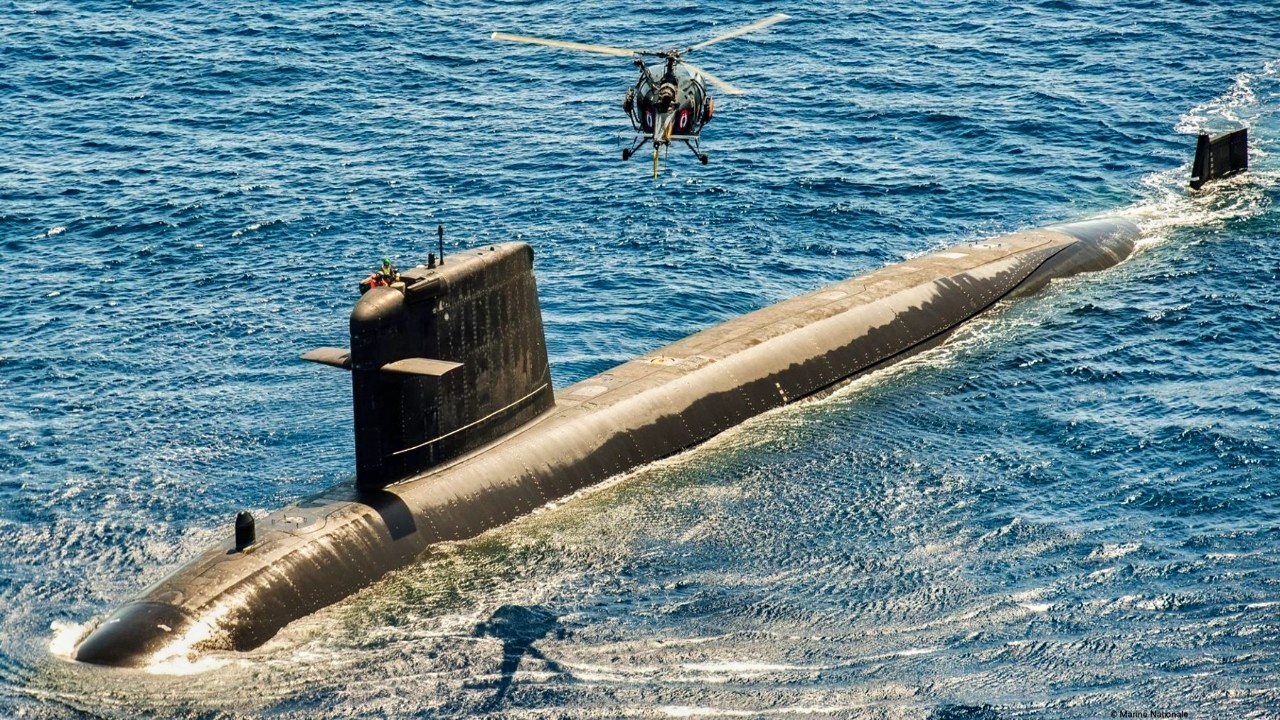
Rubis-Class French Navy Submarine. Image Credit: Creative Commons.
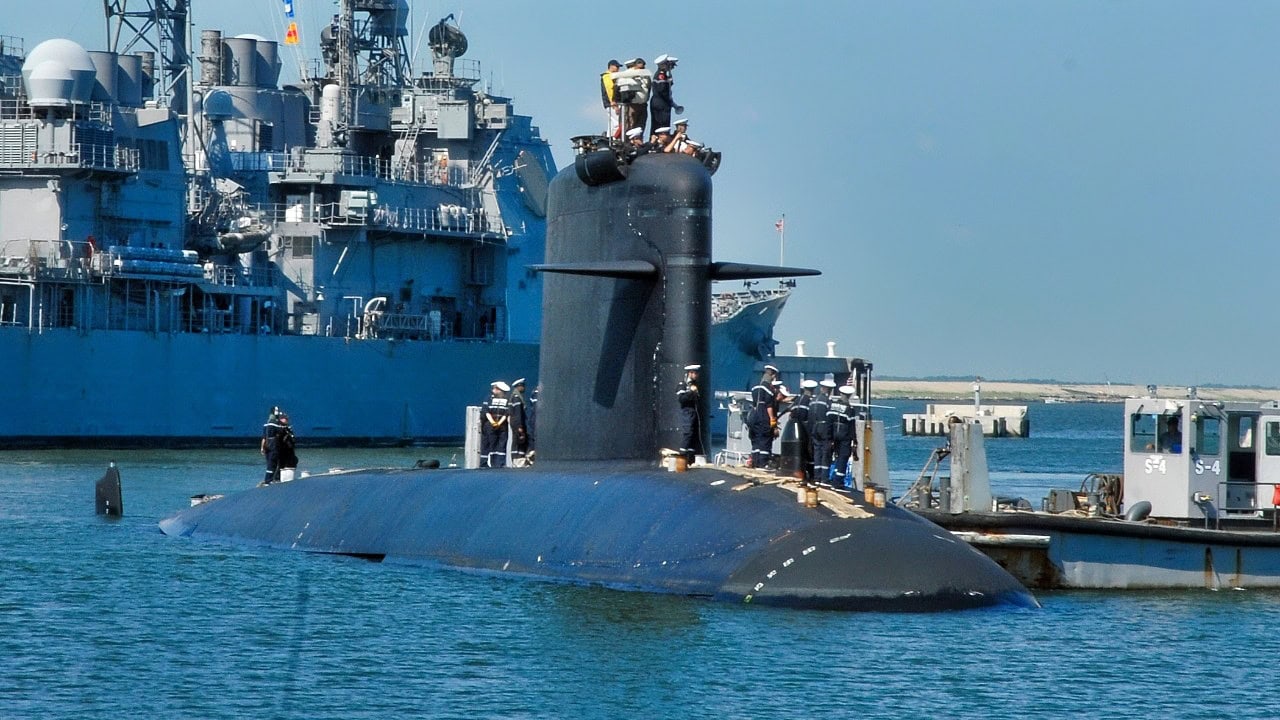
Rubis-Class: The French nuclear attack submarine FS Amethyste arrives at Naval Station Norfolk after completing patrol operations in the West Indies. Amethyste is making a four-day port call before joining the Theodore Roosevelt Task Group for Joint Task Force Exercise starting next week.
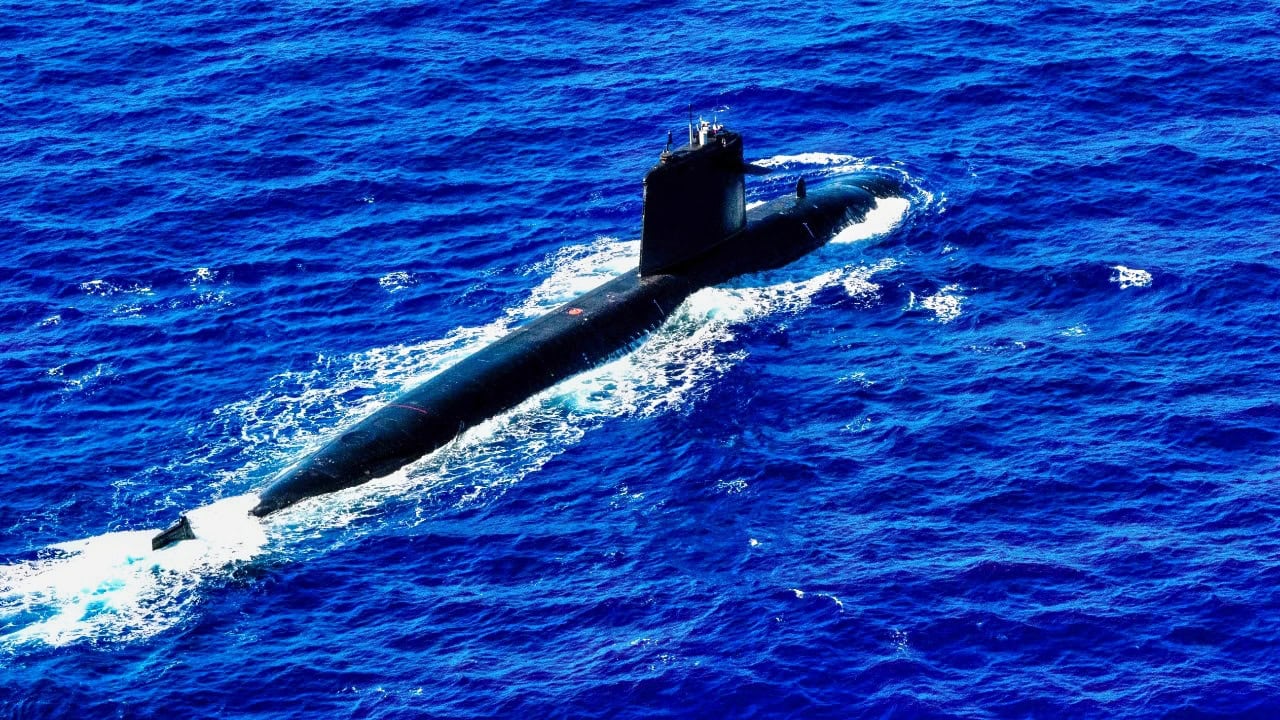
Rubis-Class Submarine from France
France’s Rubis-class is not a new submarine. In fact, at the time of the exercise, 11 years ago, it was quite old. First built in the 1970s, the French continued building these boats until the 1990s. They are smaller than nuclear-powered attack submarine, but these subs are heavily armed, carrying F17 torpedoes and SM39 Exocet anti-ship missiles.
Rubis-class submarines can dive more than 300 meters and achieve speeds of around 25 knots.
A Pattern, Not a Fluke
Let’s roll back the clock and look at a few other instances where even less advanced, non-nuclear submarines simulated a threat to the safe operation of U.S. carriers. In 2004, the Swedish diesel-electric air-independent propulsion (AIP) submarine, the Gotland, performed a similar feat to what Saphir achieved a decade later. In both instances, the carriers successfully “sunk” by submarines were Nimitz-class carriers—at the time, the world’s most advanced carriers.
When China’s Song-class Slipped Inside the Defensive Bubble
Two years later, an incident occurred involving the old USS Kitty Hawk and an even older Chinese People’s Liberation Army Navy (PLAN) Song-class diesel-electric submarine. The submarine managed to silently get within torpedo range of the Kitty Hawk, whose crew remained totally oblivious to the presence of an adversary craft until the Chinese submarine surfaced right off the side of the carrier. It was a clear warning to the carrier’s crew that they could sink the massive vessel.
Russia’s Yasen Shadow and Hypersonic Reality
The USS Gerald R. Ford (CVN-79), America’s newest aircraft carrier, was operating in the North Sea last year during a NATO exercise. During the event, NATO forces determined that a Russian Yasen-class nuclear-powered attack submarine was shadowing the carrier. F-35 Lightning IIs were deployed to scare the Russian submarine off.
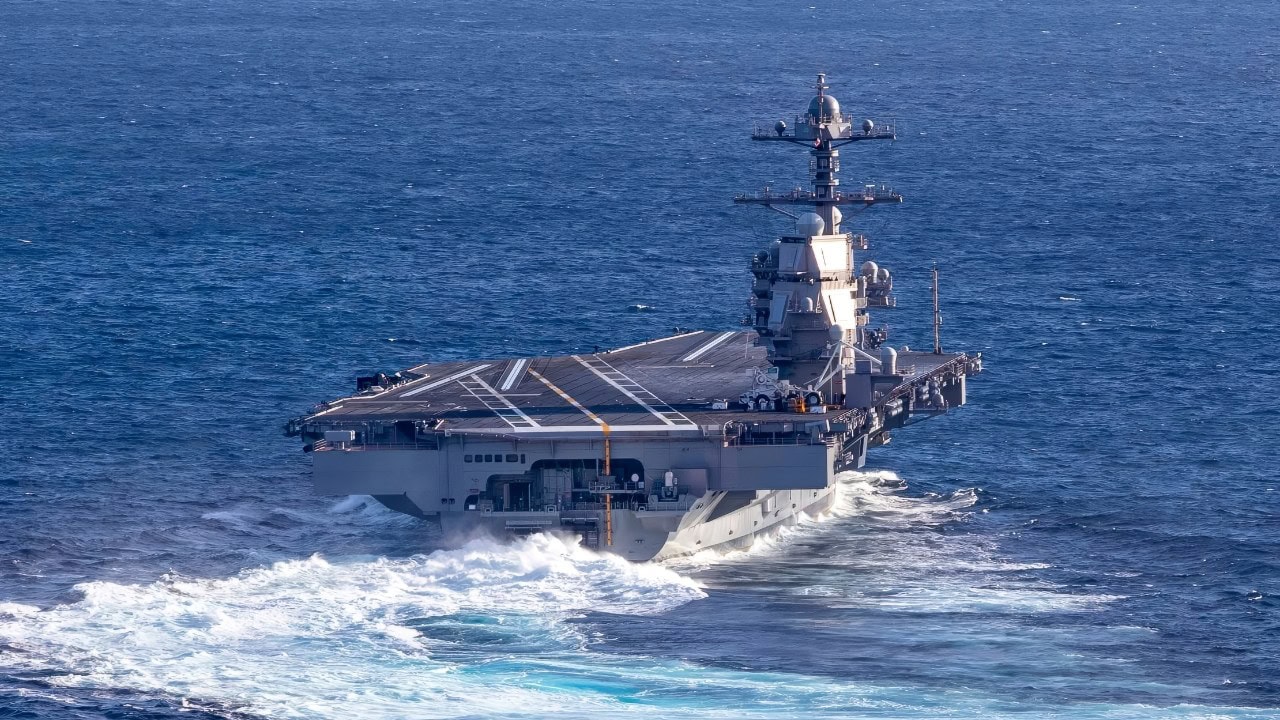
ATLANTIC OCEAN (Oct. 29, 2019) USS Gerald R. Ford (CVN 78) conducts high-speed turns in the Atlantic Ocean. Ford is at sea conducting sea trials following the in port portion of its 15 month post-shakedown availability. (U.S. Navy photo by Mass Communication Specialist 3rd Class Connor Loessin)
The Yasen-class carries Zircon hypersonic cruise missiles onboard. Even just one of those weapons could prove catastrophic to a U.S. carrier. No, it would not likely sink the ship. But it would probably disable its flight operations.
Layered Defenses and Their Limits
There are more than 20 years of data to highlight that all classes of U.S. carriers are highly vulnerable to submarine attack. Sure, the carrier has redundant and layered defenses. Yet those defenses are not foolproof. And all America’s rivals have to do is get it right one time for things to go bad.
The lesson the Navy should have learned by now is not that aircraft carriers are useless. It is that they are no longer invulnerable symbols of U.S. dominance at sea.
For decades, American grand strategy assumed that layered defenses, advanced sensors, and escort ships made the carrier strike group effectively untouchable. But the evidence from repeated exercises and real-world encounters shows a harsher reality: quiet submarines, whether they be old or new, regardless if they run on diesel or nuclear power, can slip through the cracks.
Why Disabling an Aircraft Carrier is Enough to Change a War
In modern warfare, the question is not whether a carrier can be targeted. And they will be targeted, and possibly even hit with torpedoes.
Therefore, the issue becomes whether the Pentagon is prepared for the day when one of these behemoths is successfully disabled (or worse). Just by forcing a carrier to withdraw, or demonstrating the reliable ability to hold a carrier at risk, would be enough for America’s rivals to fracture whatever remains of deterrence at-sea.
This would, in turn, rattle U.S. allies and reshape a crisis in real-time.
The Strategic Question the Navy Can’t Ignore
For a Navy built around the carrier as the centerpiece of global power projection, this should be a sobering warning. Submarine threats are multiplying, stealth technologies are improving, and long-range anti-ship weapons are proliferating.
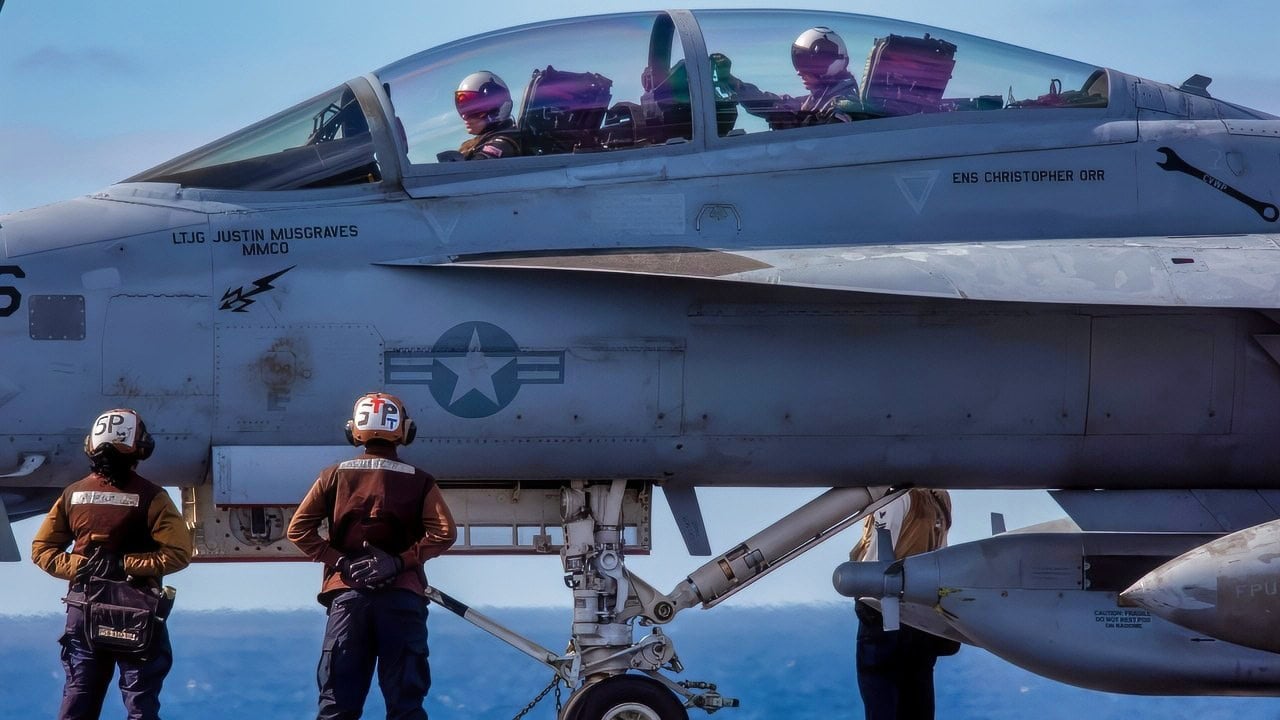
U.S. Navy Sailors prepare to taxi an EA-18G Growler, attached to Electronic Attack Squadron (VAQ) 133, on the flight deck of Nimitz-class aircraft carrier USS Abraham Lincoln (CVN 72) on Nov. 24, 2025. USS Abraham Lincoln (CVN 72), flagship of the Abraham Lincoln Carrier Strike Group, is underway conducting routine operations in the U.S. 3rd Fleet area of operations, demonstrating the U.S. Navy’s long-term commitment to a free and open Indo-Pacific. (U.S. Navy photo by Mass Communication Specialist Seaman Daniel Kimmelman)
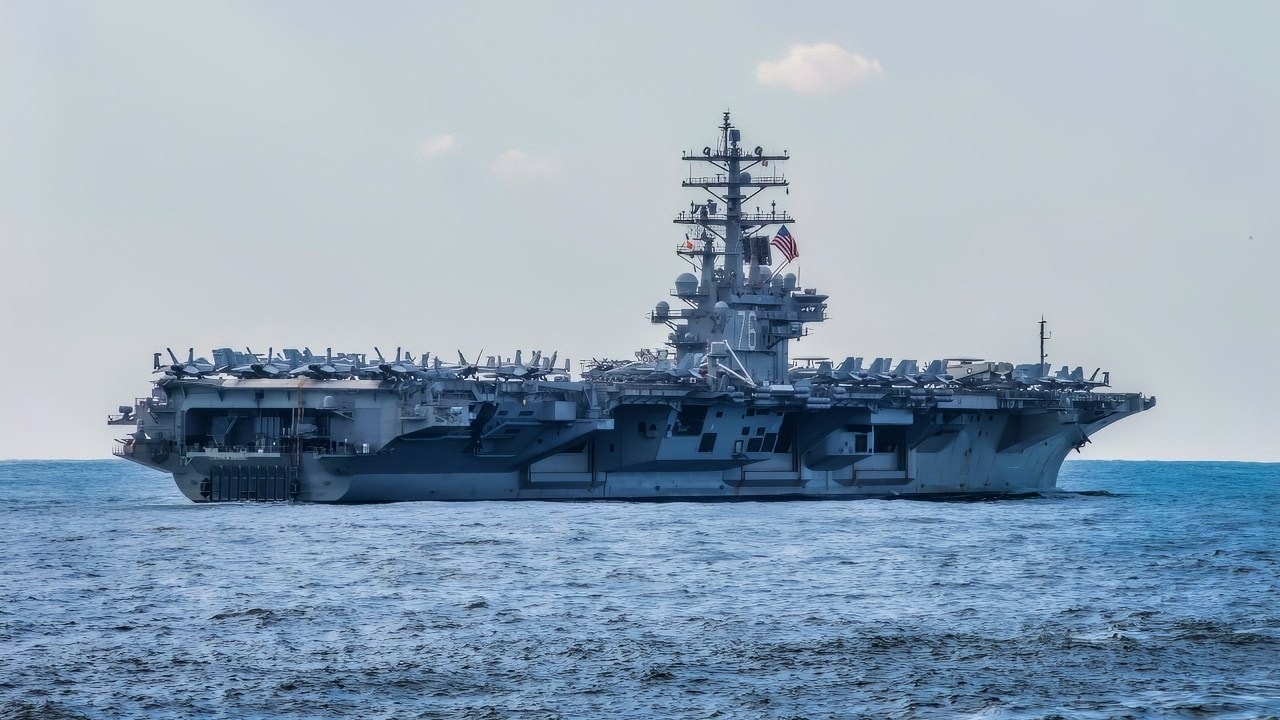
WESTERN PACIFIC (Nov. 12, 2017) The aircraft carrier USS Theodore Roosevelt (CVN 71) transits the Western Pacific during a three-carrier strike force photo exercise. The USS Ronald Reagan (CVN 76), USS Theodore Roosevelt (CVN 71) and USS Nimitz (CVN 68) Strike Groups are underway and conducting operations in international waters as part of a three-carrier strike force exercise. The U.S. Navy has patrolled the Indo-Asia Pacific region routinely for more than 70 years promoting regional security, stability and prosperity. (U.S. Navy photo by Mass Communication Specialist 3rd Class Kelsey J. Hockenberger/Released)
If Washington continues treating carrier vulnerability as an uncomfortable footnote rather than a central planning assumption, the next kill might not be simulated in a wargame among allies. It could unfold live, on the world stage, with consequences far beyond the loss of a single ship.
The time to rethink how carriers are protected, deployed, and integrated into future naval warfare is not after that moment arrives. It is now.
About the Author: Brandon J. Weichert
Brandon J. Weichert is the Senior National Security Editor at 19FortyFive.com. He was previously the senior national security editor at The National Interest. Weichert is the host of The National Security Hour on iHeartRadio, where he discusses national security policy every Wednesday at 8pm Eastern. He hosts a companion show on Rumble entitled “National Security Talk.” Weichert consults regularly with various government institutions and private organizations on geopolitical issues. His writings have appeared in numerous publications, among them Popular Mechanics, National Review, MSN, and The American Spectator. And his books include Winning Space: How America Remains a Superpower, Biohacked: China’s Race to Control Life, and The Shadow War: Iran’s Quest for Supremacy. Weichert’s newest book, A Disaster of Our Own Making: How the West Lost Ukraine, is available for purchase wherever books are sold. He can be followed via Twitter/X @WeTheBrandon.