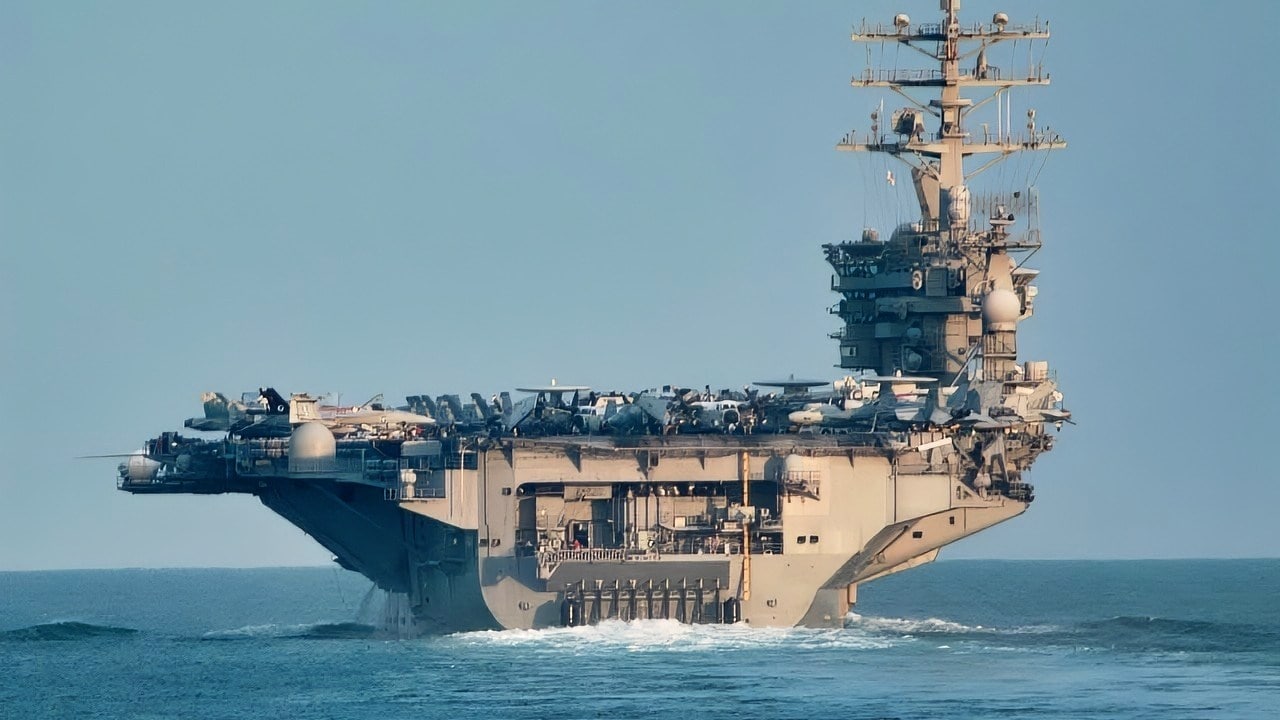
Why the U.S. Navy’s $13 Billion Aircraft Carriers Must Respect New Stealth Submarine Tech
Summary and Key Points: The U.S. Navy’s historical maritime dominance is increasingly viewed as an “illusion of invincibility” in 2026. Despite billion-dollar investments in F-35C stealth fighters and Ford-class aircraft carriers, the fleet remains dangerously vulnerable to asymmetric threats.
Historical wargames and recent encounters with quiet, AIP-powered diesel-electric submarines from China and Sweden have exposed a critical gap in anti-submarine warfare (ASW).
In the modern era of Anti-Access/Area-Denial (A2/AD), the Navy’s reliance on a few high-value targets makes it susceptible to low-cost saturation attacks and ultra-quiet undersea predators that current sensors struggle to detect in littoral waters.
Invincible No More? Why the Navy’s Aircraft Carriers are “Waiting to be Torn Apart” Thanks to AIP Subs
Is the U.S. Navy the greatest maritime fighting force on Earth?
It certainly has a global reach. And it loves operating dazzling and dizzyingly expensive platforms, such as the Ford-class aircraft carrier and the F-35C Lighting II fifth-generation stealth warplane. But these complex and costly systems are vulnerable to simple, cheap attacks.
The Illusion of Maritime Invincibility
This is especially true of the Navy’s primary power projection platform, the aircraft carrier.
One can point to a variety of incidents in the last 20 years that highlighted the growing threat to carriers.
Throughout the 2000s, there were warnings from various U.S. exercises with allied militaries, such as the Swedish Navy and the French Navy (this was a nuclear sub).
Many times, during those exercises, relatively cheap, diesel-electric submarines with air-independent propulsion (AIP) systems successfully “sank” American carriers.
A History of Failure
In a far more ominous instance, an old diesel-electric Chinese Song-class submarine came within torpedo range of the USS Kitty Hawk (CV-63), and no one on the Kitty Hawk was aware until the Chinese submarine voluntarily revealed itself to the carrier’s crew.
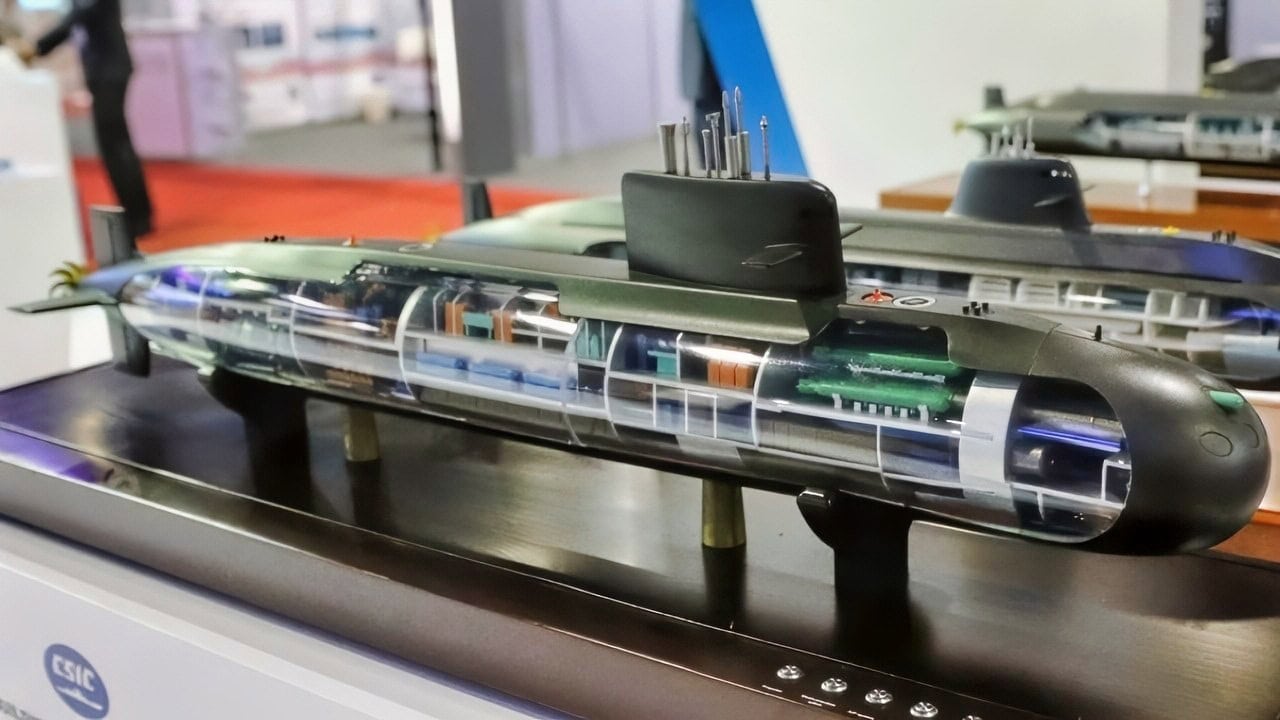
Yuan-Class Submarine Chinese Navy Handout Image.

Image of a Yuan-class Submarine. Image Credit: Creative Commons.
Had it been a combat situation, the Chinese sub would have had ample time to target and launch torpedoes at the carrier.
Even before the 2000s, though, an older Canadian Oberon-class diesel-electric submarine successfully “sank” the USS Dwight D. Eisenhower (CVN-69) and, later, the old USS Forrestal during the NATO Ocean Venture/Magic Sword North exercises. The Canadian submarine maintained its stealth by operating only on battery power. This kept the Canadian submarine ultra-quiet—enough to prevent the carrier’s sophisticated defenses from detecting the Canadian submarine until it was too late.
That was all the way back in 1981, but the U.S. Navy never took the threat seriously enough to fundamentally reform the way it conducted anti-submarine warfare (ASW) to defend its aircraft carriers. Because in the 2000s, there were, as noted above, a plethora of examples wherein diesel-electric submarines got the better of the U.S. carrier force.
Today, we are told that the carrier’s ASW capabilities have improved. Surely, they have since 1981. But they have not improved so much that the rest of the world thinks diesel-electric subs are useless.
Persistent Weaknesses
After all, in the last 20 years alone, more countries around the world have purchased more advanced diesel-electric submarines, such as those employing AIP systems. China, Iran, and a coterie of other navies have embraced these systems—many of these countries are U.S. rivals who undoubtedly expect to exploit the weaknesses of carriers and their defenses.
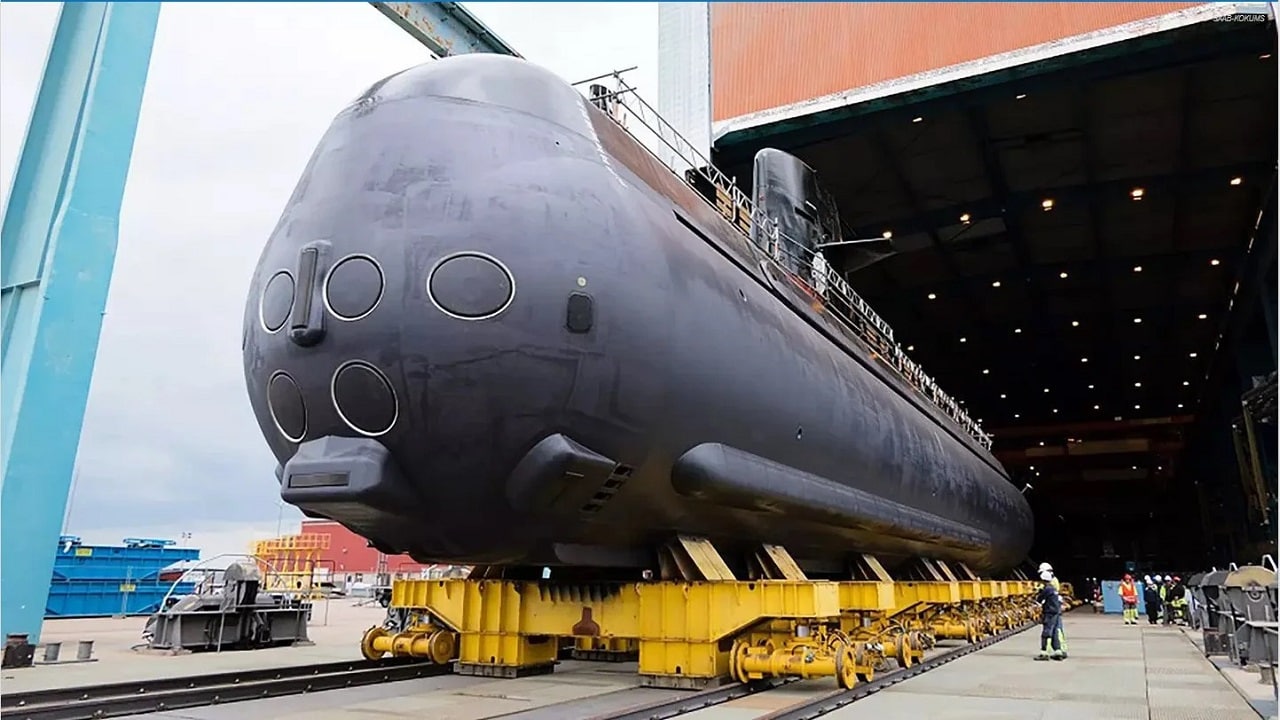
Gotland-Class. Image Credit: Creative Commons.
For all the talk from U.S. military experts about the improvements made to the U.S. carrier force designed to specifically adapt U.S. carriers to the obvious threats posed by diesel-electric, AIP-powered submarines, it seems the Navy has yet to create a truly reliable ASW capability for their carriers.
This might be because carriers are designed primarily for blue-water activities. The moment they move into littoral waters, notably in contested regions, their ASW capabilities diminish.
Add in the way in which modern AIP-powered diesel-electric submarines fundamentally defy even the best carrier ASW sensors, and the Navy’s aircraft carrier fleet is just waiting to be torn apart by an AIP-powered diesel-electric submarine. These weaknesses have been known for decades. In recent years, threats from US near-peer rivals have only intensified.
Littoral Vulnerability
Yet, the Pentagon has done little to fully protect these carriers—or to develop a new platform for power projection that isn’t as vulnerable to these unconventional diesel-electric AIP-powered submarines. The fundamental flaws present in these carriers back in 1981 remain.
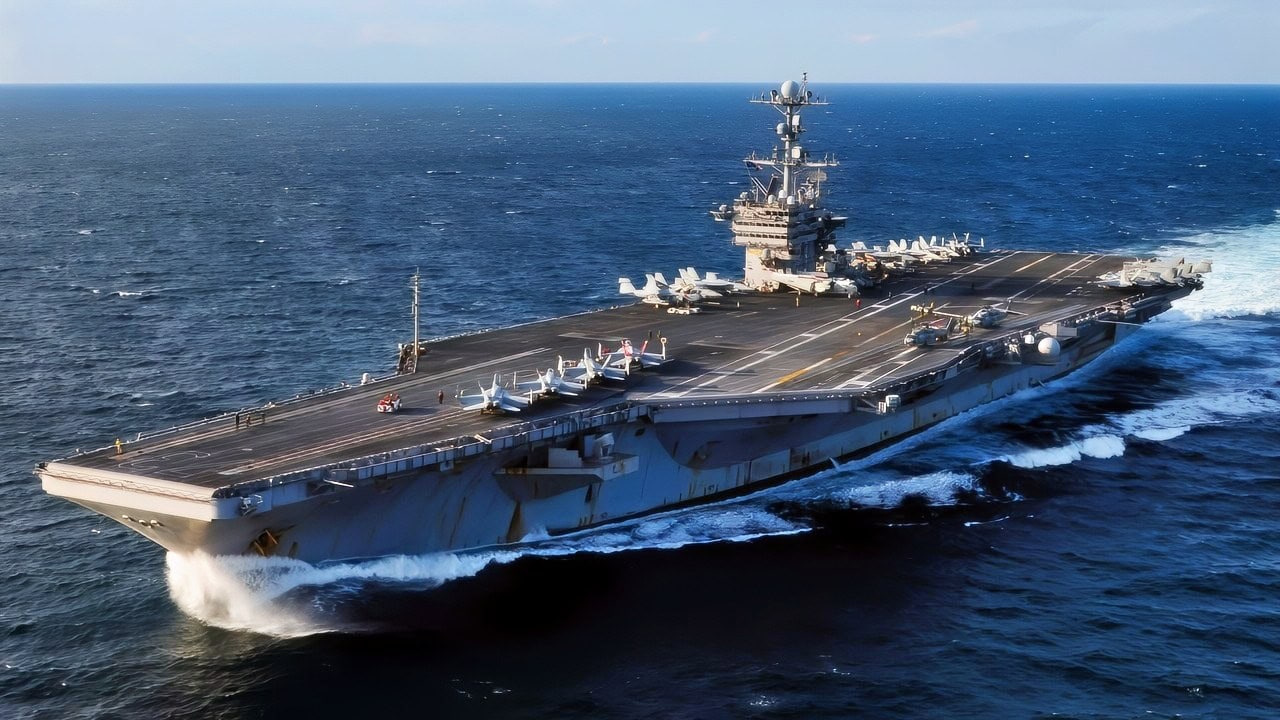
(Dec. 06, 2010) Sailors assigned to the Eagles of Strike Fighter Squadron (VFA) 115 move an F/A-18E Super Hornet on the flight deck aboard the aircraft carrier USS George Washington (CVN 73). George Washington is participating in Keen Sword 2010 with the Japanese Maritime Self-Defense Force through Dec. 10. (U.S. Navy photo by Mass Communication Specialist 3rd Class David A. Cox/Released)
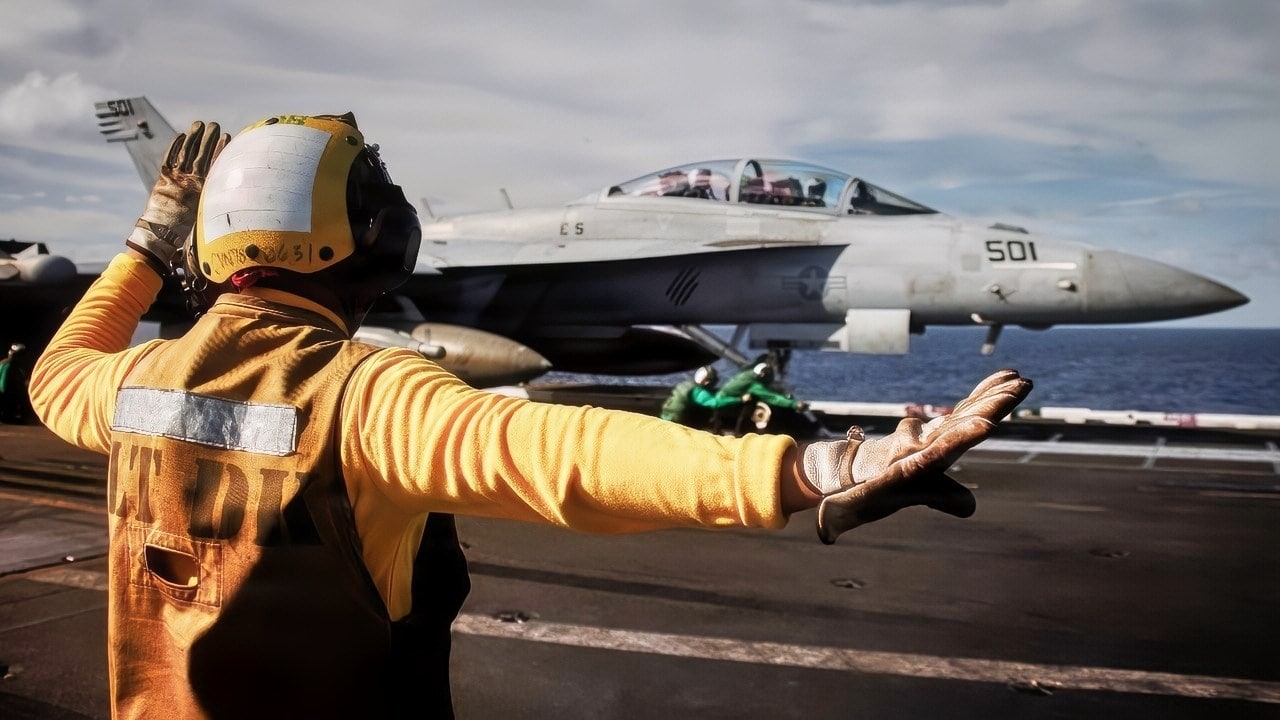
A U.S. Sailor signals to send the aircraft catapult shuttle forward on the flight deck of the world’s largest aircraft carrier, Ford-class aircraft carrier USS Gerald R. Ford (CVN 78), while underway in the Caribbean Sea, Jan. 11, 2026. U.S. military forces are deployed to the Caribbean in support of the U.S. Southern Command mission, Department of War-directed operations, and the president’s priorities to disrupt illicit drug trafficking and protect the homeland. (U.S. Navy photo)
They’re not as effective at defending against diesel-electric submarines in littoral waters, and the U.S. sensors can’t detect the approaches of the subs.
Plus, in the age of anti-access/area-denial (A2/AD), which calls for saturation attacks employing anti-ship ballistic missiles and drone swarms, the ability to degrade and distract a carrier’s defenses long enough to allow for a stealthy diesel-electric sub to get within torpedo range is greater today than at any other time.
About the Author: Brandon J. Weichert
Brandon J. Weichert is the Senior National Security Editor at 19FortyFive.com. He was previously the senior national security editor at The National Interest. Weichert is the host of The National Security Hour on iHeartRadio, where he discusses national security policy every Wednesday at 8pm Eastern. He hosts a companion show on Rumble entitled “National Security Talk.” Weichert consults regularly with various government institutions and private organizations on geopolitical issues. His writings have appeared in numerous publications, among them Popular Mechanics, National Review, MSN, and The American Spectator. And his books include Winning Space: How America Remains a Superpower, Biohacked: China’s Race to Control Life, and The Shadow War: Iran’s Quest for Supremacy. Weichert’s newest book, A Disaster of Our Own Making: How the West Lost Ukraine, is available for purchase wherever books are sold. He can be followed via Twitter/X @WeTheBrandon.