
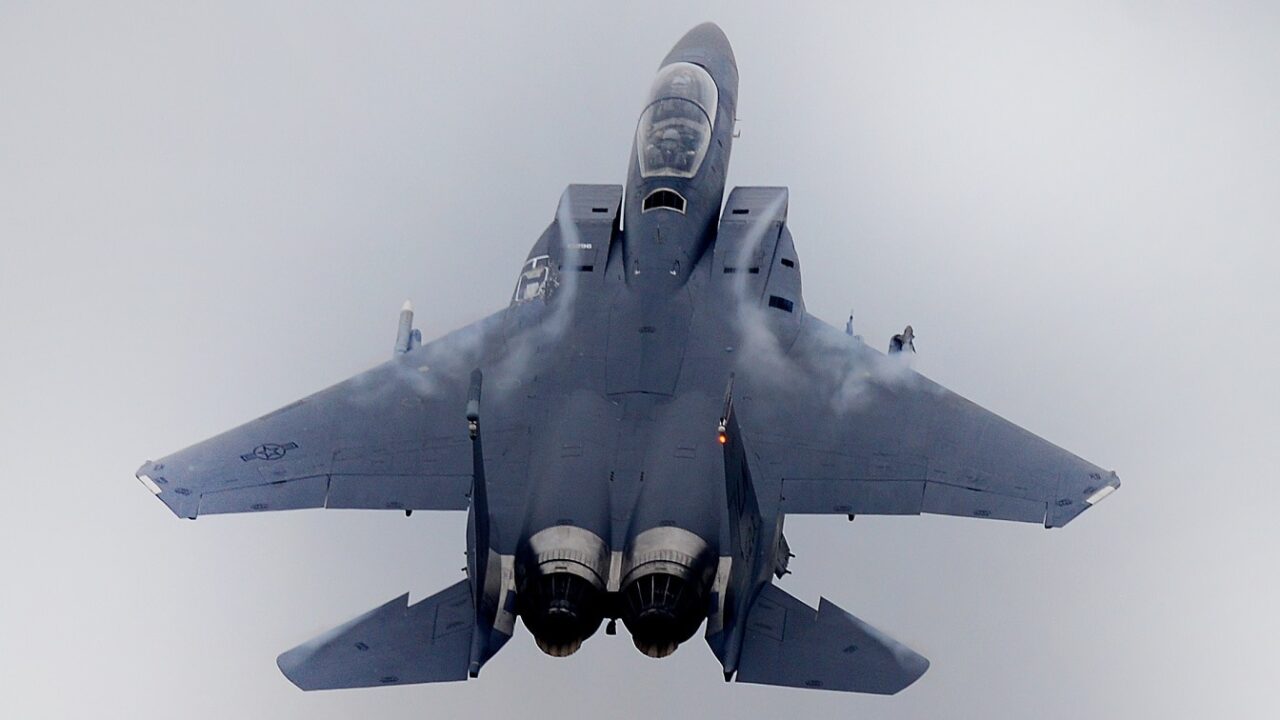
Summary and Key Points: Drawing on his experience as a former U.S. Army Infantry officer and author of over 3,000 articles on defense strategy, Dr. Brent M. Eastwood analyzes the shocking end of the F-15E Strike Eagle’s 40-year perfect combat record.
-On March 2, 2026, three USAF F-15Es from the 494th “Panthers” or 335th “Chiefs” were reportedly downed by a single Kuwaiti F/A-18 Hornet pilot in a catastrophic friendly fire incident.
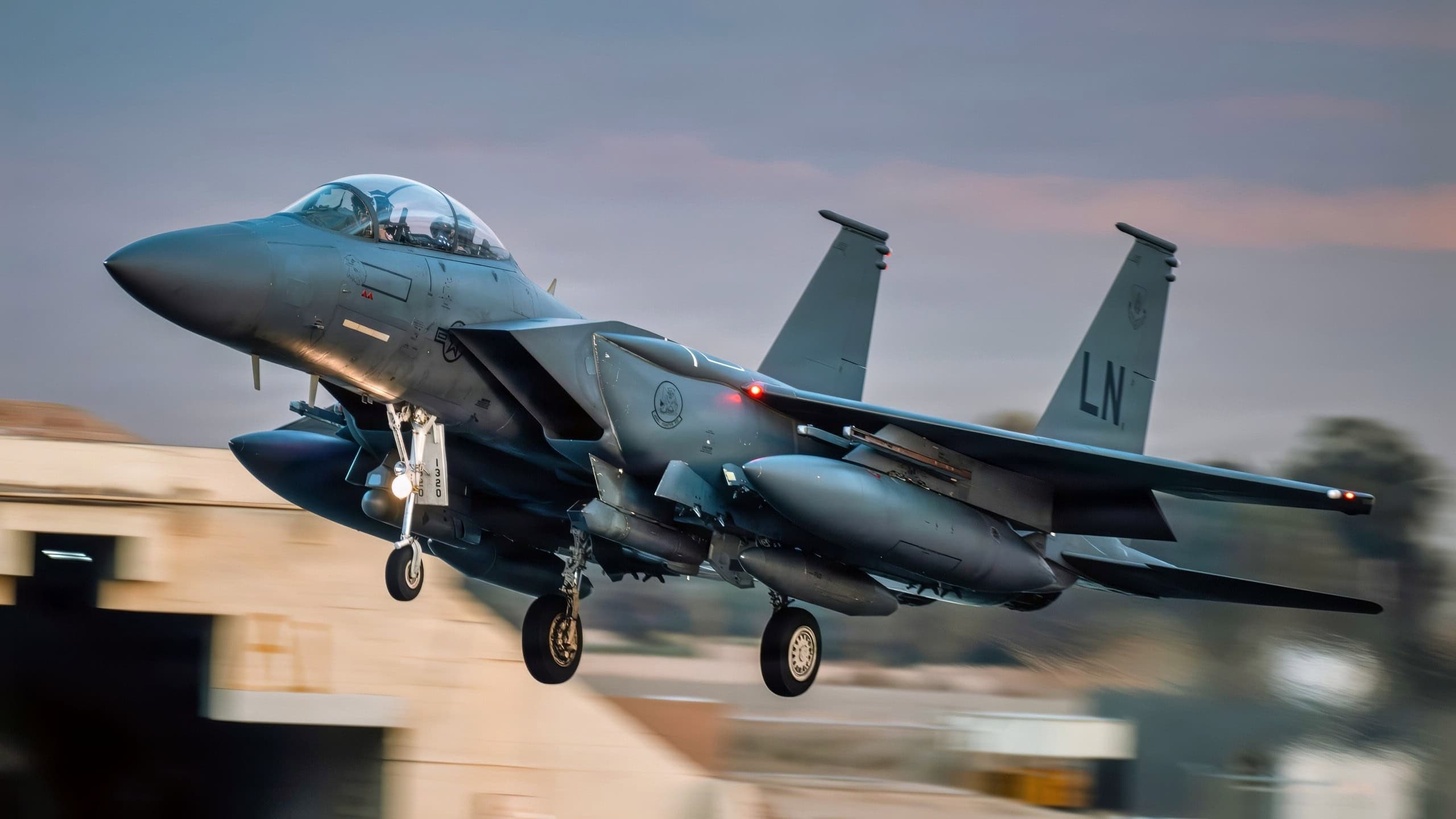
A U.S. Air Force F-15E Strike Eagle aircraft prepares to land at a base in the Middle East, Jan. 18, 2026. The U.S. maintains a highly agile fighting force, leveraging the most advanced capabilities to support the long-term security and stability of the region. (U.S. Air Force photo by Senior Airman Jonah Bliss)

A U.S. Air Force F-15E Strike Eagle performs a flare check over the U.S. Central Command area of responsibility, March 9, 2025. The F-15E is deployed within the CENTCOM AOR to help defend U.S. interests, promote regional security, and deter aggression in the region. (U.S. Air Force photo by Senior Airman Zachary Willis)
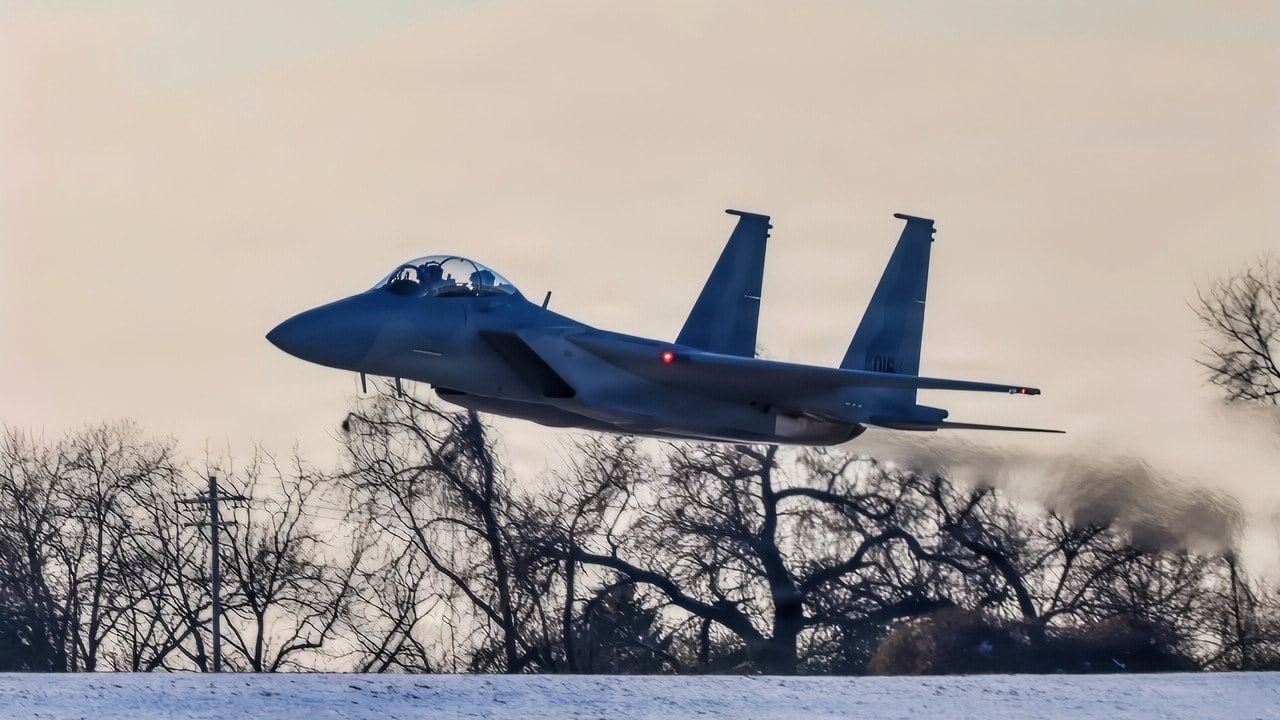
An F-15EX departs for Portland Air National Guard Base. The U.S. Air Force, in partnership with Boeing and the Defense Contract Management Agency, has resumed F-15EX Eagle II deliveries to the Portland Air National Guard Base, overcoming recent production delays. (Courtesy photo)
-Despite the Eagle’s Mach 2.5 capability and LANTIRN night-fighting tech, three missiles shattered the 104-0 streak.
-Dr. Eastwood explores the “fog of war” that led to this $300 million loss while confirming all six crew members successfully ejected.
The End of 104-0: How Operation Epic Fury Shattered the F-15E’s Perfect Record
The U.S. Air Force’s F-15E Strike Eagle enjoyed a perfect combat record before the war in Iran. The jet claims more than 100 aerial victories. But that sterling report card received its first blemishes in the Middle East this year, during Operation Epic Fury. Three F-15Es were shot down by friendly fire early in the conflict.
What Really Happened During the Shootdown?
The F-15E is an excellent multirole aircraft with outstanding dogfighting skills and the ability to conduct ground strikes.
Thankfully, after the Kuwaiti friendly fire incident, all American crew members ejected and were rescued safely. The incident is still under investigation, but early reports suggest that missiles from a Kuwaiti F/A-18 Hornet may have struck the F-15Es. According to other reports, Kuwaiti surface-to-air missiles may have struck the jets.
If a Hornet pilot was responsible, he must be outstanding. He reportedly fired three missiles that knocked out three F-15Es, thus spoiling that aircraft’s awesome combat record.
Did the F-15Es Identify a Friendly Warbird and Get Surprised?
The Hornet may have been using AIM-9 Sidewinder short-range air-to-air missiles. Perhaps the F-15Es flew close to the Hornet, thinking it was a U.S. airplane that would easily recognize them. The missiles would have caught the Strike Eagle pilots by surprise.
Quick History of the F-15 Program
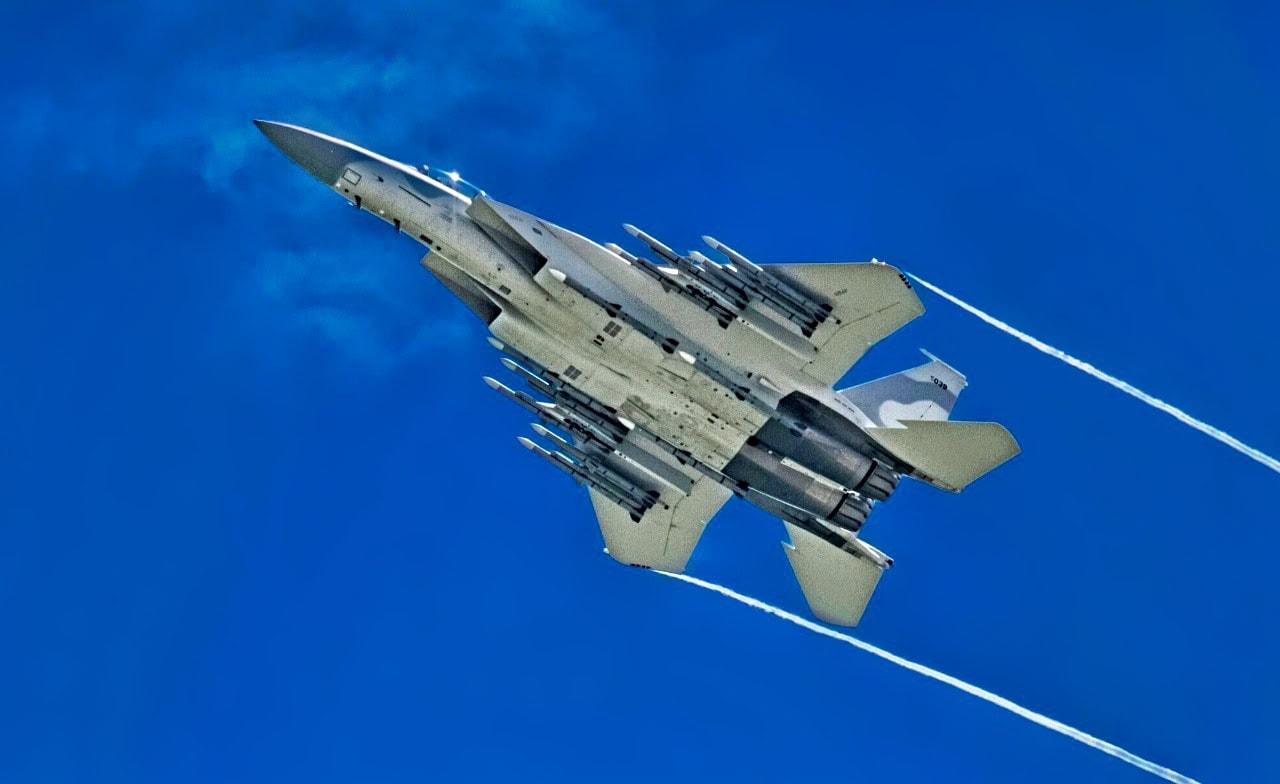
F-15EX Eagle II from U.S. Air Force
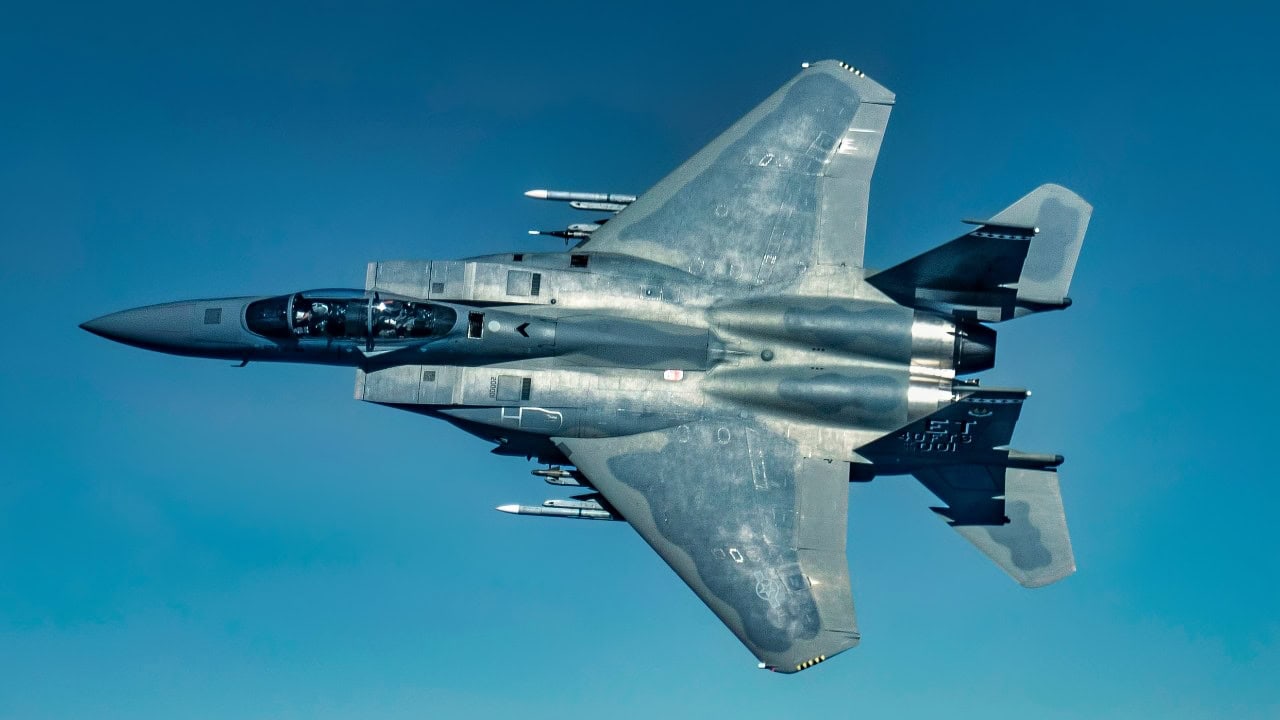
U.S. Air Force Lt. Col. Richard Turner, 40th Flight Test Squadron commander flies 40 FLTS Senior Enlisted Leader, MSgt Tristan McIntire during a test sortie in the F-15EX Eagle II over the Gulf of Mexico on Jun. 14, 2022. Assigned to the 96th Test Wing at Eglin Air Force Base, Fla., the F-15EX Eagle II is the Air Force’s newest 4th generation fighter being tested at the 40 FLTS. (U.S. Air Force photo by Tech. Sgt. John McRell)
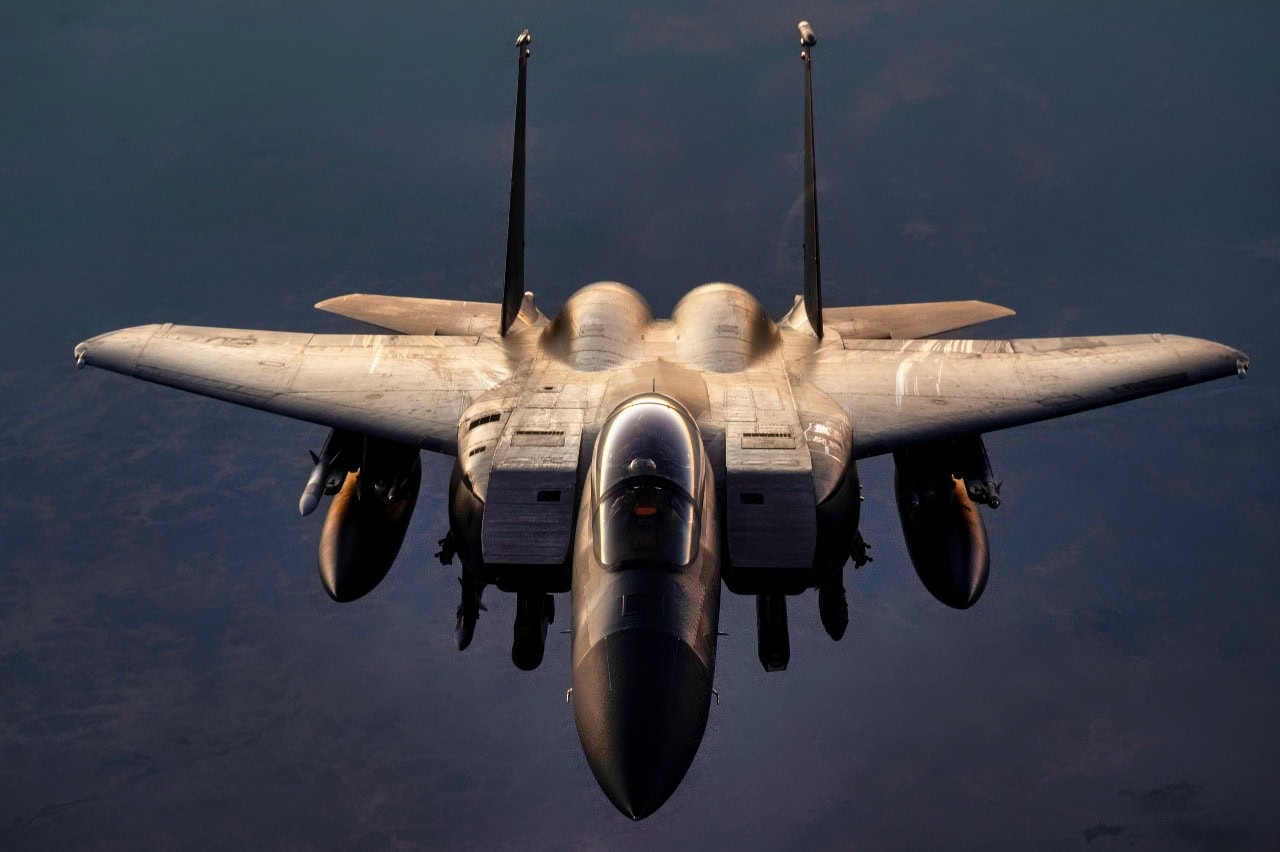
A U.S. Air Force F-15E Strike Eagle flies over the U.S. Central Command area of responsibility, Jan. 7, 2025. The F-15E’s superior maneuverability and acceleration are achieved through its high engine thrust-to-weight ratio and low-wing loading. (U.S. Air Force photo by Staff Sgt. William Rio Rosado)
The F-15 has been on active duty with the Air Force for more than four decades. The F-15A first flew in 1972. At that time, the Air Force was stinging from losses to surface-to-air missiles and enemy fighters in Vietnam, and the service wanted to give its pilots an advantage.
The F-15 family would become one of the best fourth-generation aircraft in the world and rival the best Soviet aircraft as the Cold War heated up in the late 1970s and into the 1980s.
This Is One Fast Eagle
What was exciting about the F-15 was its high speed. The Eagle could knife through the skies at Mach 2.5. Its speed and agility created better dogfighting match-ups. With two Pratt & Whitney F100 engines that pushed out 23,000 pounds of thrust, the Eagle could outmaneuver enemy SAMs while it sent intercepting airplanes to early graves.
Head-Up Display Was Ahead of Its Time
Another feature that makes the F-15 stand out is its modern head-up display, which was a departure from earlier cockpit designs.
The display gives pilots greater situational awareness and survivability.
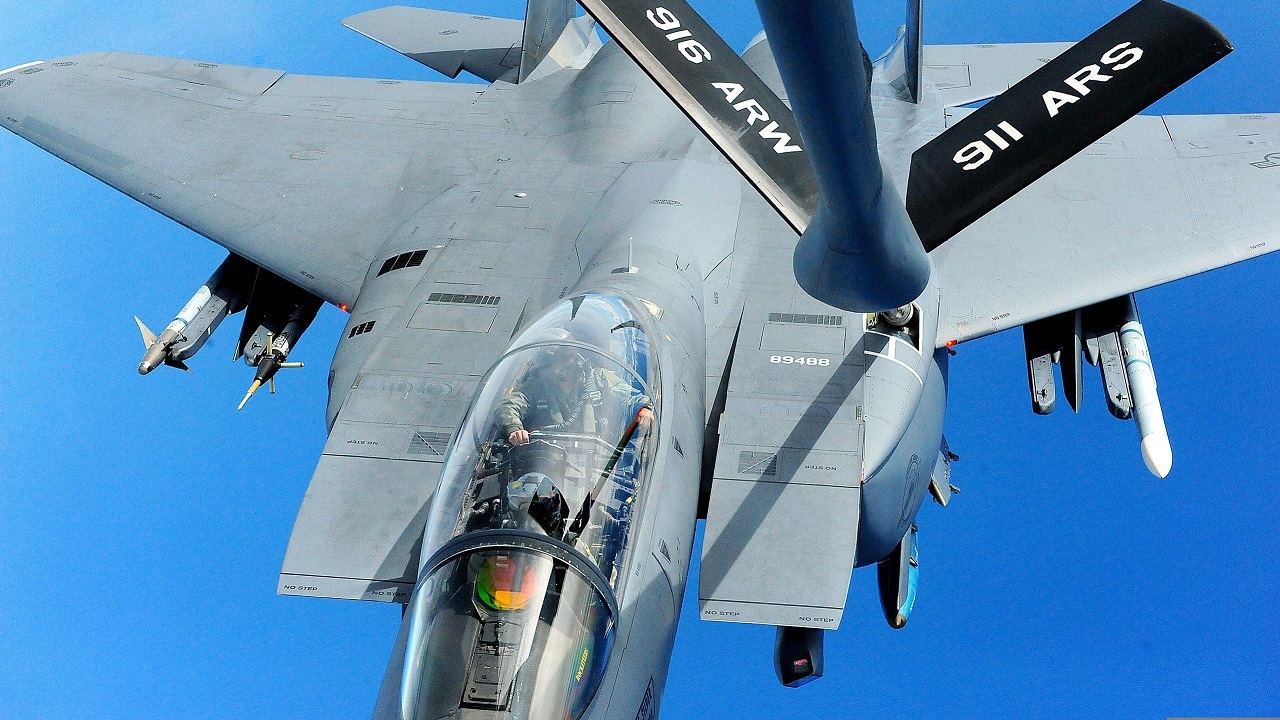
F-15E fighter. Image Credit: Creative Commons.
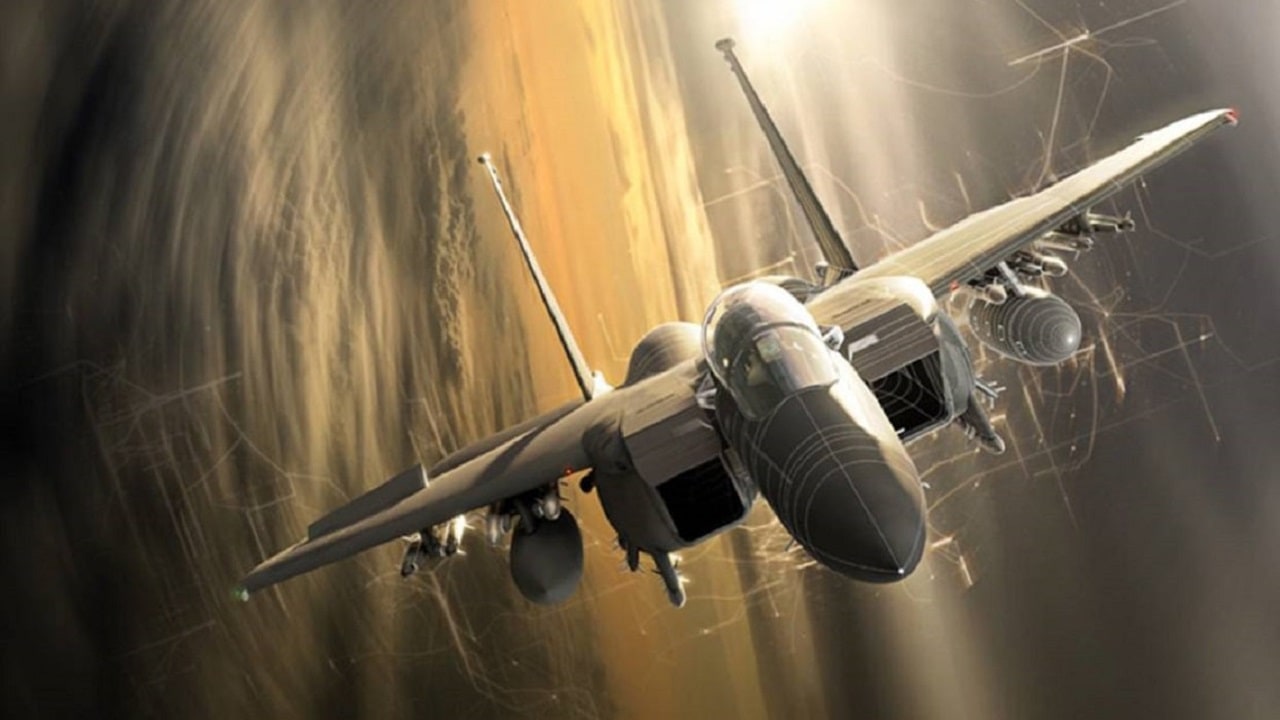
F-15EX Eagle II image provided by Boeing.
Night Fighter Par Excellence
The F-15E is a great night-fighter thanks to the low-altitude navigation and targeting infrared for night (LANTIRN) system. LANTIRN has both a targeting pod and a navigation pod. These give it the ability to sneak into enemy airspace and deliver a bevy of precision-guided bombs and ground-strike missiles.
The F-15E can fly fast and low, with better targeting that enables it to attack enemy radar, air defense systems, and command-and-control nodes. This makes it a Day One fighter able to wage war early in a conflict.
Armed to the Teeth
The F-15E also comes equipped with Sidewinders and Advanced Medium-Range Air-to-Air Missiles (AMRAAMs) for beyond-visual-range dogfighting.
For surface-strike missions, the airplane can drop precision-guided munitions, such as Joint Direct Attack Munition (JDAM) bombs, with GPS guidance.
For better combat performance, the F-15E also employs a weapons systems officer.
Nice Range for Penetrating Missions
The F-15E has a range of 2,400 miles without aerial refueling. Its fuel capacity exceeds 33,000 pounds.
This combat radius and its heavy payload give it the kind of multi-role capabilities that make it dangerous when flying close in for ground-strike missions.
We will keep a close eye on reports regarding the friendly-fire incident involving the Kuwaitis.
It would be surprising to learn that a Kuwaiti Hornet really shot down three F-15Es. Perhaps Kuwaiti SAMs were also involved. At any rate, the F-15E is still one of the most dominant airplanes in the fleet.
About the Author: Brent M. Eastwood
Author of now over 3,000 articles on defense issues, Brent M. Eastwood, PhD, is the author of Don’t Turn Your Back On the World: A Conservative Foreign Policy and Humans, Machines, and Data: Future Trends in Warfare, plus two other books. Brent was the founder and CEO of a tech firm that predicted world events using artificial intelligence. He served as a legislative fellow for US Senator Tim Scott and advised the senator on defense and foreign policy issues. He has taught at American University, George Washington University, and George Mason University. Brent is a former US Army Infantry officer. He can be followed on X @BMEastwood.