
Why Australia May Never Get The AUKUS Nuclear Attack Subs It Wants
AUKUS has not formally fallen apart, but the partnership is under significant strain due to various issues.
The reasons are political, industrial, and technological—and the combination could prove too much to overcome.
The consequences of AUKUS failing would be strategically significant, as the partnership was never just about procurement, but about bolstering Western capabilities in the Indo-Pacific.
What is AUKUS?
AUKUS is a security pact between Australia, the United Kingdom, and the United States.
The pact is built upon two main pillars. One, nuclear-powered submarines for Australia – and likely the most important think Canberra will lose if the deal collapses.
And two, advanced technology cooperation, including AI, hypersonics, and other cutting-edge capabilities.
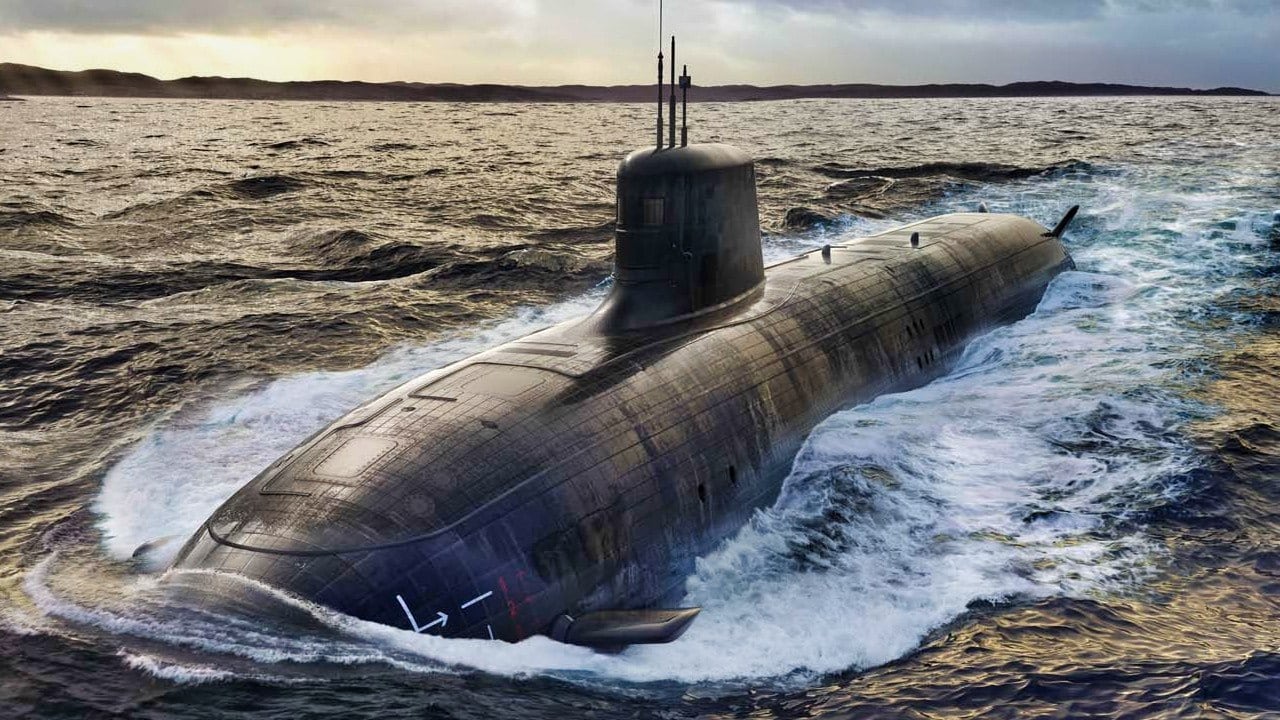
SSN-AUKUS Submarine. Image is Creative Commons Artist Rendering.
The pact was strategically important; it would have given Australia far greater survivable long-range military capability, and strengthened allied integration beneath the surface and across the broader tech stack. And it would have signaled to Beijing that the West was serious about long-term deterrence in the region.
In sum, AUKUS was designed to combine deterrence, industrial coordination, and alliance coordination in one package.
America First Trouble
The first signs of trouble with the pact came in mid-2025, when the Pentagon launched a review to ensure that AUKUS conformed with “America First” standards. The review immediately raised uncertainty in Canberra and London, naturally, because it suggested that the US might revisit the merits of the partnership.
The review appeared to be evaluating whether transferring submarines to Australia would weaken America’s own undersea fleet, whether US allies were carrying enough of the defense burden, or whether the US should be handing out advanced military capabilities so readily.
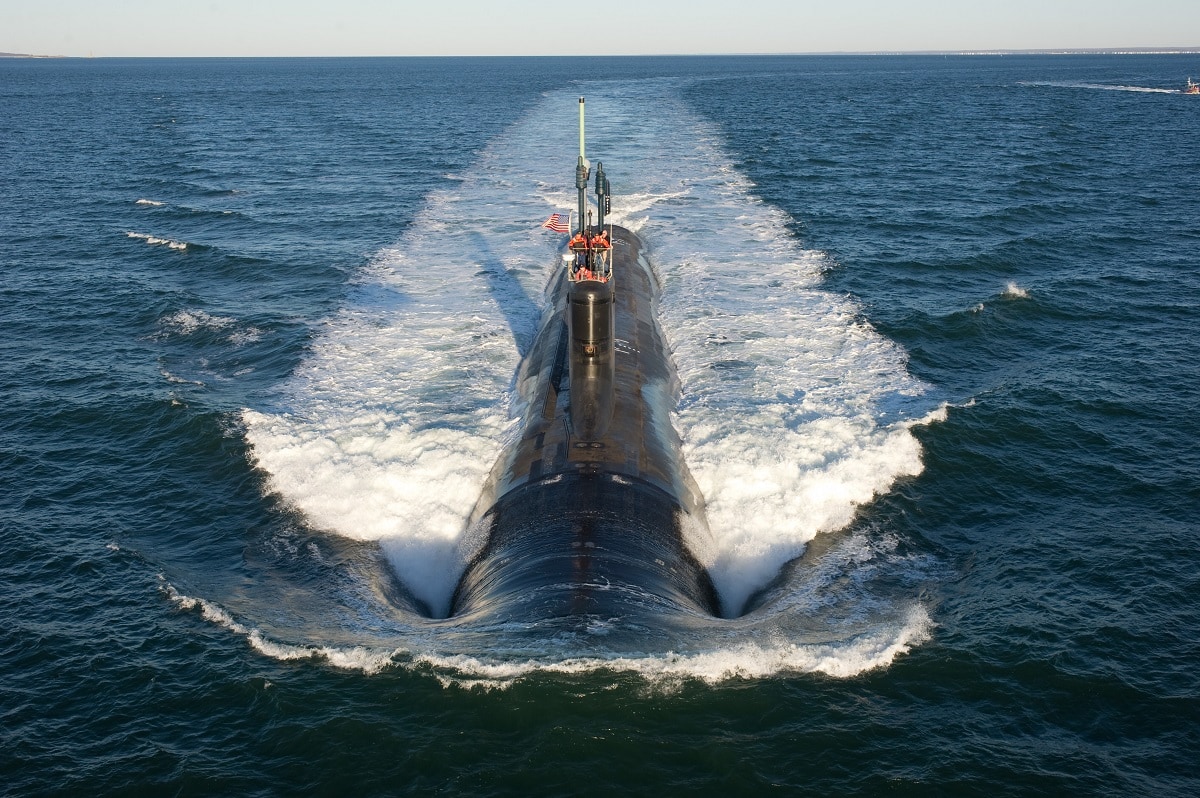
The Virginia-class attack submarine Pre-Commissioning Unit Mississippi (SSN 782) conducts alpha trials in the Atlantic Ocean. (U.S. Navy photo courtesy of General Dynamics Electric Boat)
Importantly, the review changed the tone of the relationship, which was entered into as a collaborative alliance project, but which has now been reframed as a transaction.
Industrial Bottlenecks
The US is facing a shipbuilding crunch; its industrial base is struggling to meet its own needs, and diverting ships to Australia could hamper US readiness.
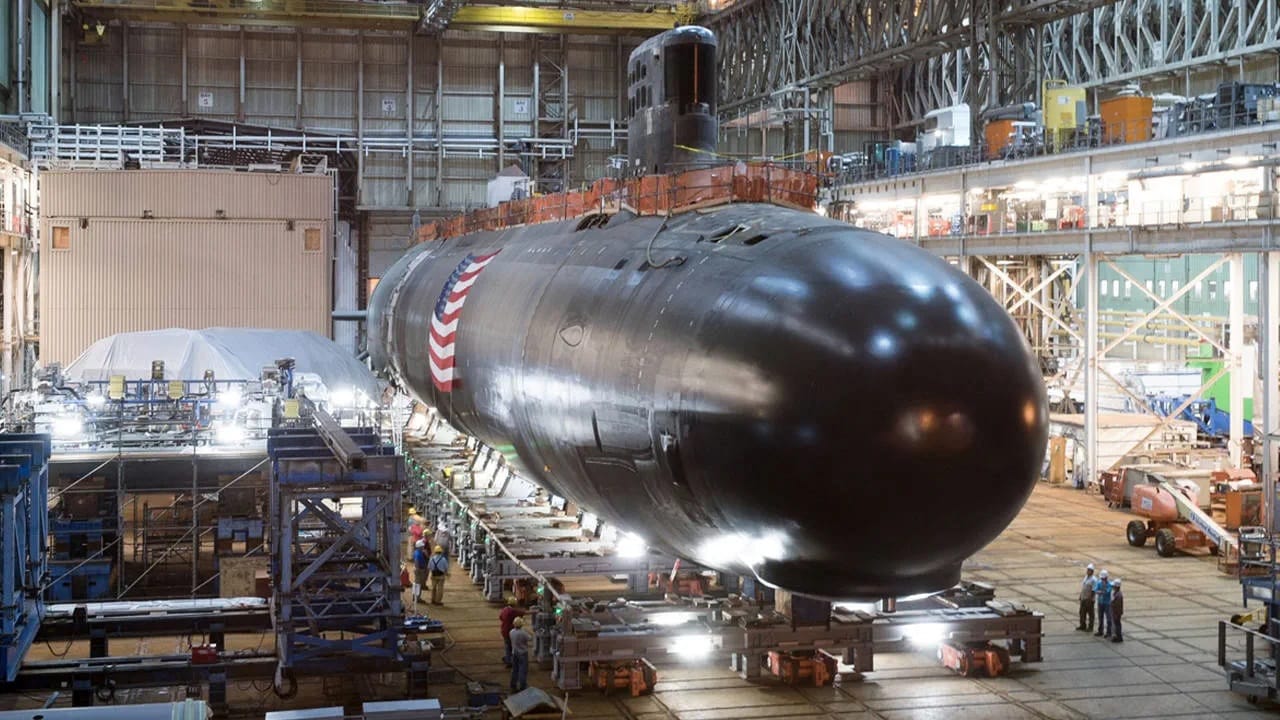
This isn’t an arbitrary or political concern, but a tangible reality. The US aims to produce about 2.33 boats per year, but is currently stuck at about 1.2. Construction of the Columbia-class SSBN has consumed bandwidth, while maintenance delays have cost the fleet years of operational days.
The problem is further exacerbated by the construction of the newer Block V Virginia-class submarines, which are larger and more labor-intensive to build. So, the bottleneck poses a very real threat to AUKUS, which depends not just on political will, but on welders and crane operators and dry docks.
The Quiet Problem
When people think of AUKUS, they think of nuclear-powered submarines. But that’s only one aspect of the partnership. Pillar II of the deal included advanced technology transfer, including AI and hypersonics, and was supposed to be the faster and more flexible side of AUKUS.
However, funding and regulatory hurdles have hampered technology transfer, raising doubts about whether the alliance can move as quickly as originally envisioned. The consequences of delay here, again, are significant in terms of Indo-Pacific strategy.
The technologies involved are expected to help shape the competition with China.
Not Dead Yet
AUKUS is not dead yet; the pact is technically still in place. Australia is still paying heavily into the arrangement, including a recent $798 million transfer to support the US industrial base (and preserve Australia’s spot in the queue).
So while financial and industrial stress has caused strategic drift, it has not killed the deal entirely.
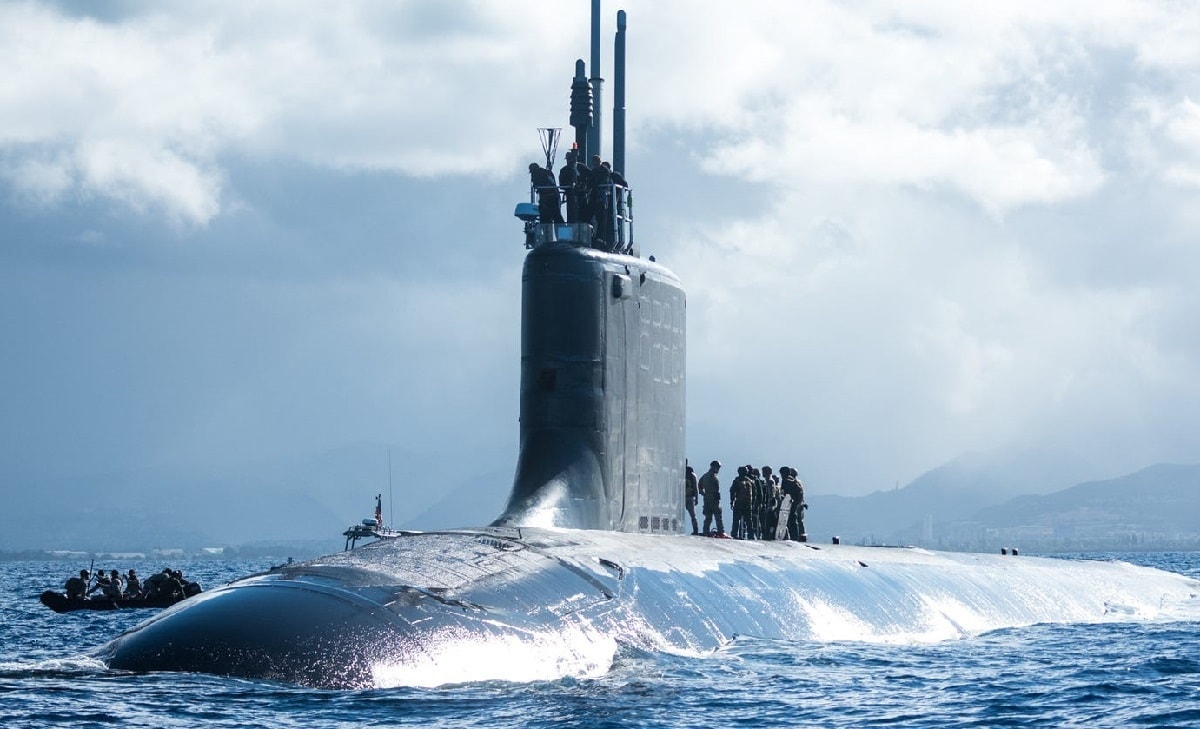
U.S. Navy Submarine. Image: Creative Commons.
But if AUKUS did unravel, it would represent a major allied credibility failure.
Australia would lose or delay its path to nuclear-powered submarines, forcing increased reliance on its indigenous and conventional submarines.
US alliance management would suffer from a reputation hit, raising credibility issues moving forward. And China would likely celebrate the pact’s collapse.
Moving Forward
AUKUS hasn’t collapsed yet, but the strain is real.
And the longer the uncertainty persists, the more likely the pact is damaged in some form. Because the pact was designed to be a flagship of allied deterrence in the Indo-Pacific, the pact’s failure would represent a political win for Beijing.
The irony here is that AUKUS was designed to project allied resolve, but if the pact fails, it will project allied doubts.
About the Author: Harrison Kass
Harrison Kass is an attorney and journalist covering national security, technology, and politics. Previously, he was a political staffer and candidate, and a US Air Force pilot selectee. He holds a JD from the University of Oregon and a master’s in global journalism and international relations from NYU.