
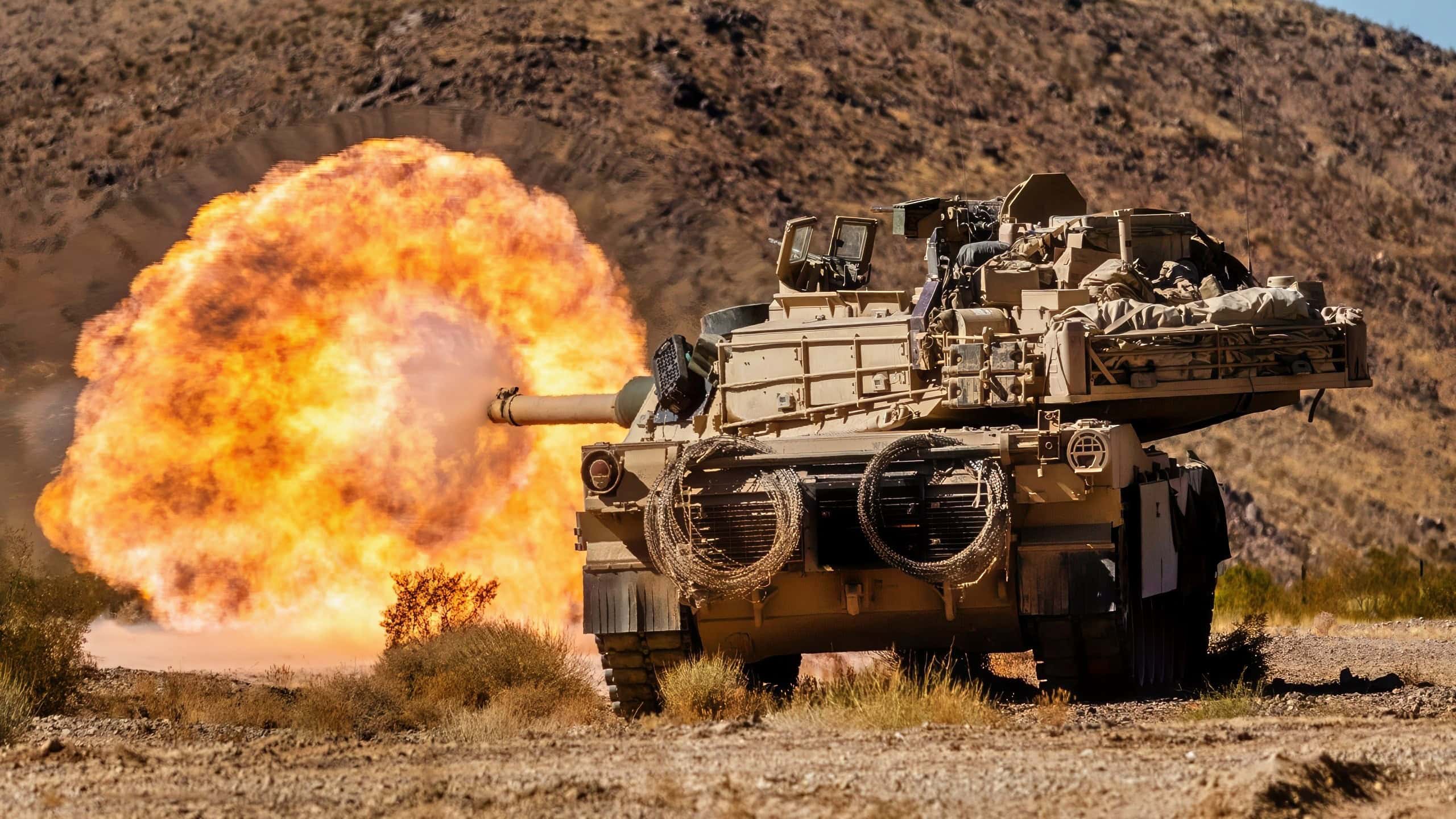
Summary and Key Points: Defense columnist Isaac Seitz explores the enduring legacy of the M1 Abrams. For over four decades, this main battle tank has carried a reputation that borders on the mythical.
-From the sweeping deserts of the Middle East during Operation Desert Storm to the grueling urban combat of Iraq, the Abrams has consistently proven its resilience.
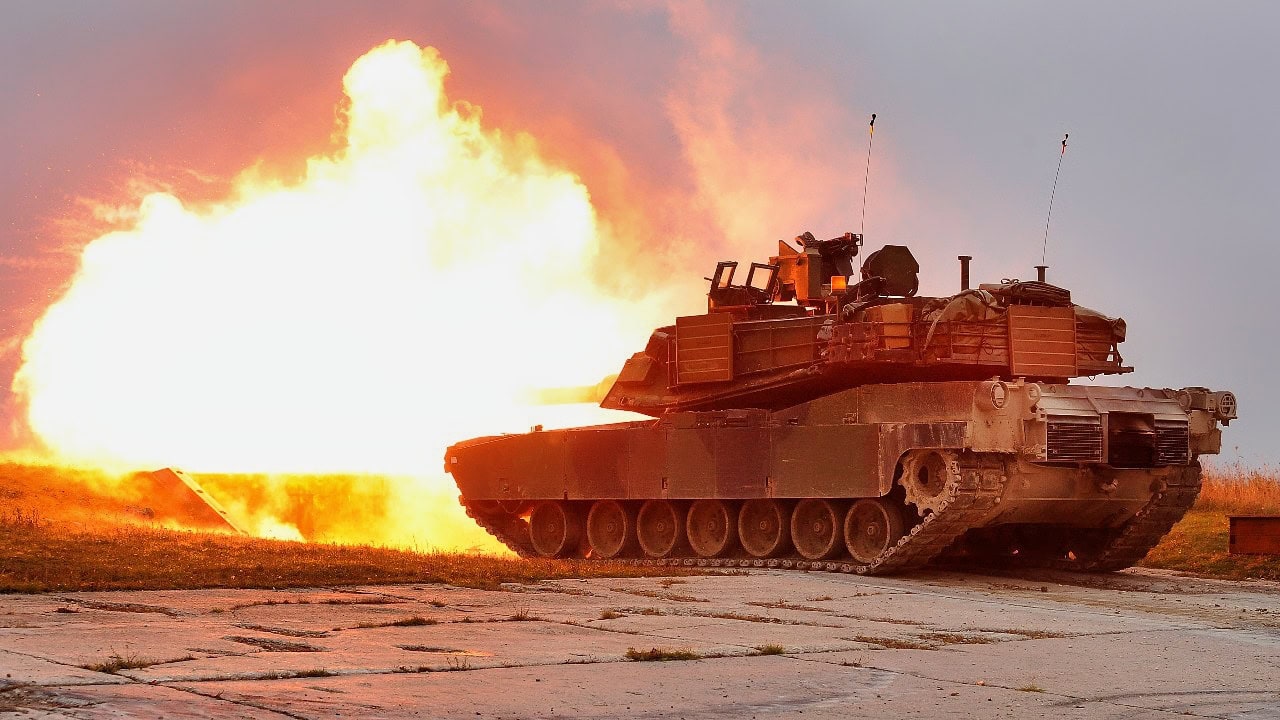
U.S. Soldiers, assigned to the 1st Battalion, 64th Armor Regiment, 1st Armored Brigade Combat Team, 3rd Infantry Division, conduct gunnery with M1A2 Abrams tanks during exercise Combined Resolve V at 7th Army Joint Multinational Training Command in Grafenwoehr, Germany, Oct. 8, 2015. Combined Resolve is designed to exercise the U.S. Army’s regionally aligned force to the U.S. European Command area of responsibility with multinational training at all echelons. Approximately 4,600 participants from 13 NATO and European partner nations will participate. The exercise involves around 2,000 U.S. troops and 2,600 NATO and Partner for Peace nations. Combined Resolve is a preplanned exercise that does not fall under Operation Atlantic Resolve. This exercise will train participants to function together in a joint, multinational and integrated environment and train U.S. rotational forces to be more flexible, agile and to better operate alongside our NATO Allies. (U.S. Army photo by Visual Information Specialist Gertrud Zach/released)
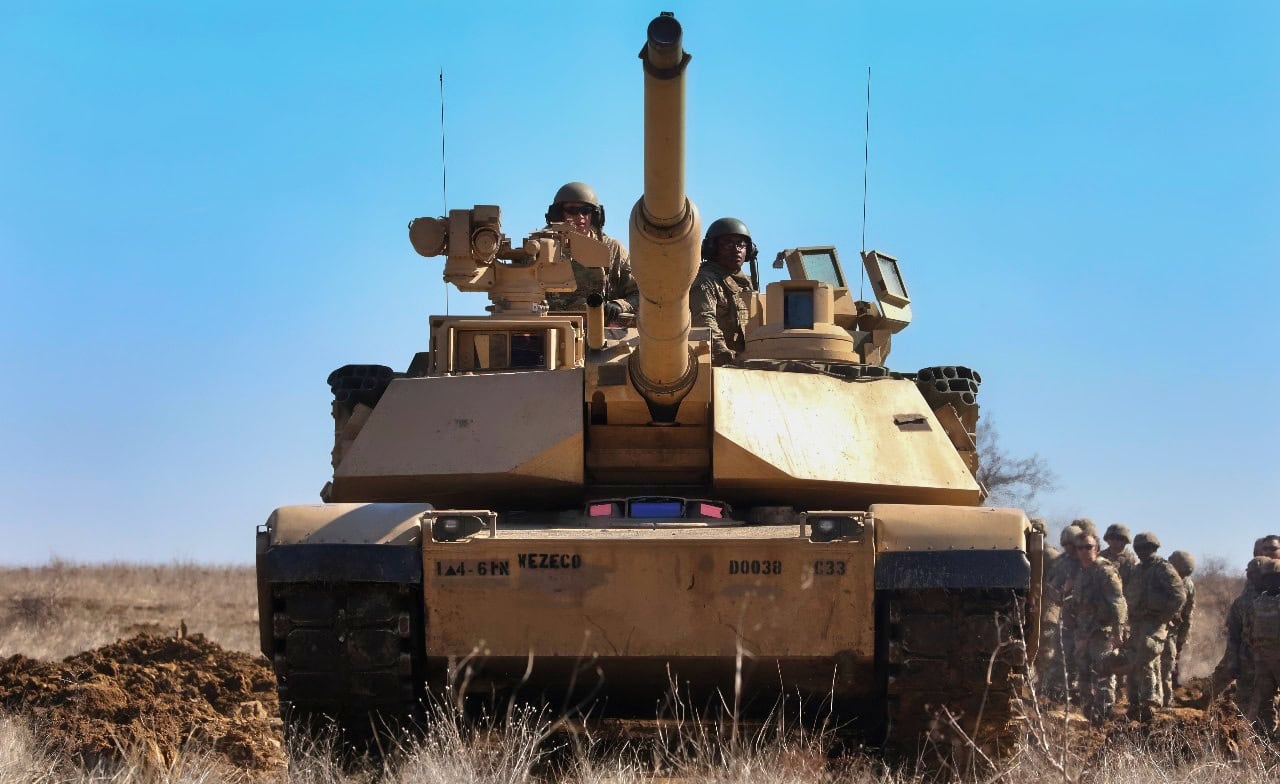
A U.S. Army M1 Abrams, assigned to 4th Battalion, 6th Infantry Regiment, 3rd Armored Brigade Combat Team, 1st Armored Division, fully emerges from the tank firing point to engage the simulated enemy at Novo Selo Training Area, Bulgaria, March 5, 2025. 1st Armored Division, a rotational force supporting V Corps, conducts training with engineers and tank operators in the European Theatre to maintain readiness and instill fundamental Soldier skills that are vital in maintaining lethality. (U.S. Army photo by Spc. Kyle Kimble)
-While the evolving battlefields of Ukraine have introduced unprecedented threats like drone swarms and advanced anti-tank missiles, the Abrams’ defining legacy remains intact: its robust armor and ingenious crew-centric design ensure that even when the tank takes a hit, the soldiers inside live to fight another day.
The Physics of Survival: Inside the Armor of the M1 Abrams
The M1 Abrams is arguably one of the most combat-proven tanks in NATO service right now. The tank has served from the 1980s up to the present day and has demonstrated its qualities in combat time and time again.
Despite fighting in multiple wars, the M1 Abrams has yet to be taken out by an enemy tank.
Although multiple tanks have been lost throughout its lifetime, the M1’s robust armor and crew-centric design help to ensure that the crew remains alive to fight another day.
Dessert Storm: The Abrams’ First Outing
The Gulf War was the M1’s first combat debut and the first opportunity for the tank to prove itself.
When the United States and coalition forces launched Operation Desert Storm in early 1991, the Abrams spearheaded deep armored thrusts into Iraqi-occupied Kuwait and southern Iraq.
The M1A1 and particularly the upgraded M1A1HA variants, which incorporated depleted uranium armor, demonstrated overwhelming superiority against Iraqi armored forces equipped primarily with older Soviet-designed T-55 and T-62 tanks, as well as export versions of the T-72.
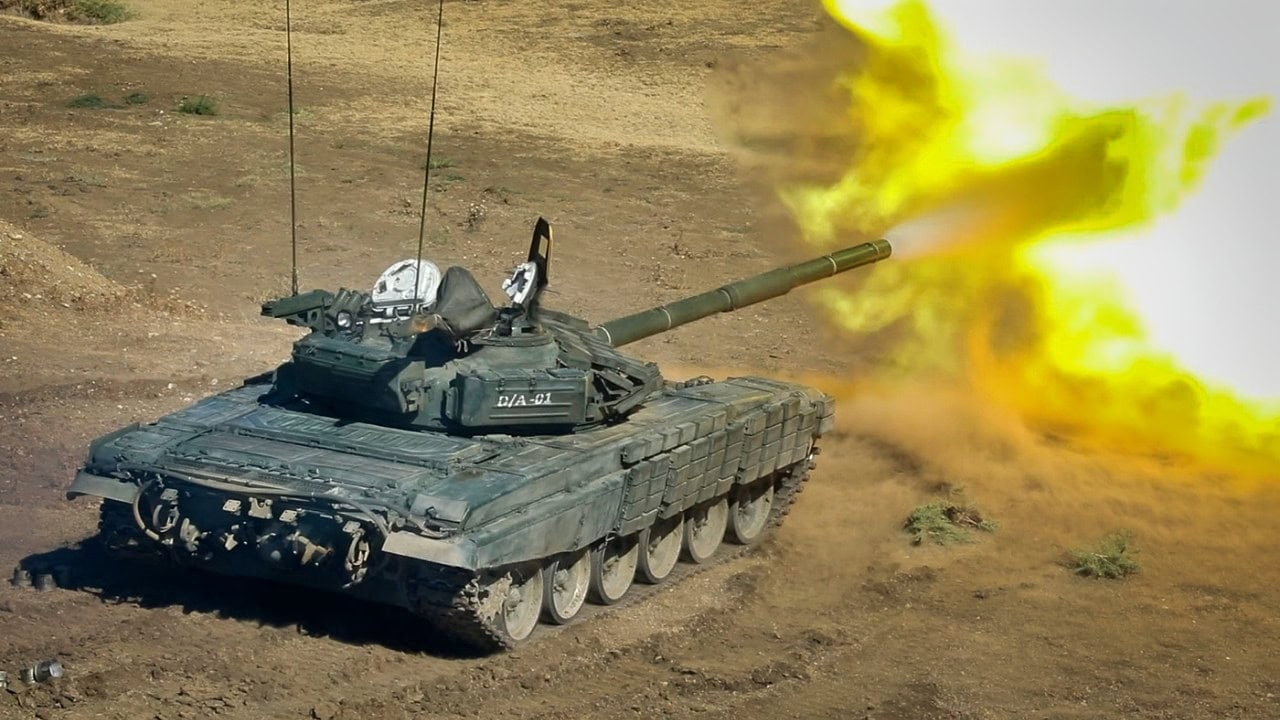
T-72 Tank. Image Credit: Creative Commons.
Throughout the ground campaign, roughly six hundred Abrams saw action, and not a single one was penetrated by enemy tank fire, a testament to both the vehicle’s survivability and the training of its crews.
One of the most remarkable engagements of the war occurred during the Battle of 73 Easting. In this clash, a small contingent of just nine M1A1 Abrams tanks and accompanying Bradley Fighting Vehicles under then-Captain H. R. McMaster encountered a far larger Iraqi Republican Guard force entrenched in defensive positions amid a sandstorm.
Relying on advanced thermal sights, effective use of GPS navigation, and coordinated maneuvers, McMaster’s troop destroyed dozens of enemy tanks and armored vehicles in roughly twenty-three minutes without suffering any losses.
This engagement became emblematic of the Abrams’ technological advantages and the effectiveness of U.S. armored doctrine during the conflict.
Combat in Iraq
The tank’s next major test came during the 2003 U.S. invasion of Iraq, where Abrams units once again led armored thrusts into enemy territory.
During the early stages of the campaign, M1A1 Abrams tanks supported rapid advances toward Baghdad, often engaging Iraqi armor at considerable distances before opponents could return fire effectively.
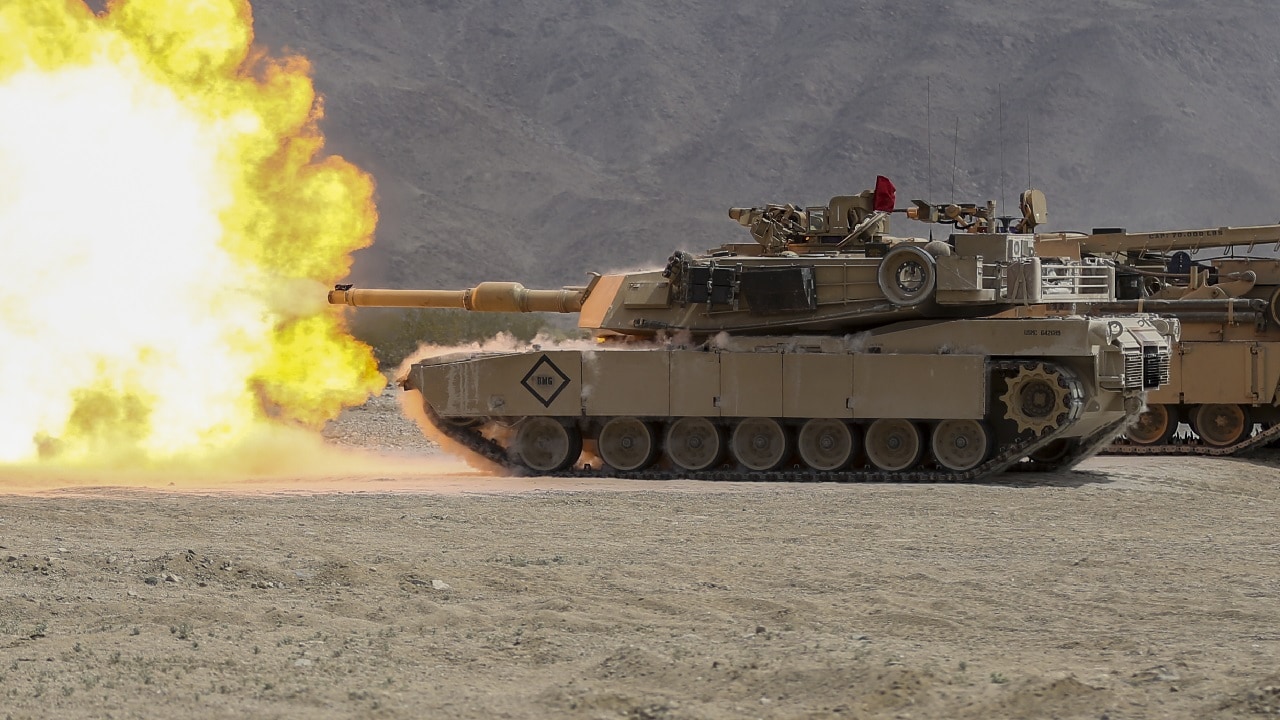
An M1 Abrams Tank fires off a round as a demonstration during 1st Tank Battalion’s Jane Wayne Spouse Appreciation Day aboard the Marine Corps Air Ground Combat Center, Twentynine Palms, Calif., April 3, 2018. The purpose of the event is to build resiliency in spiritual well being, the will to fight and a strong home life for the 1st Tanks Marines and their families. (U.S. Marine Corps photo by Lance Cpl. Rachel K. Porter)
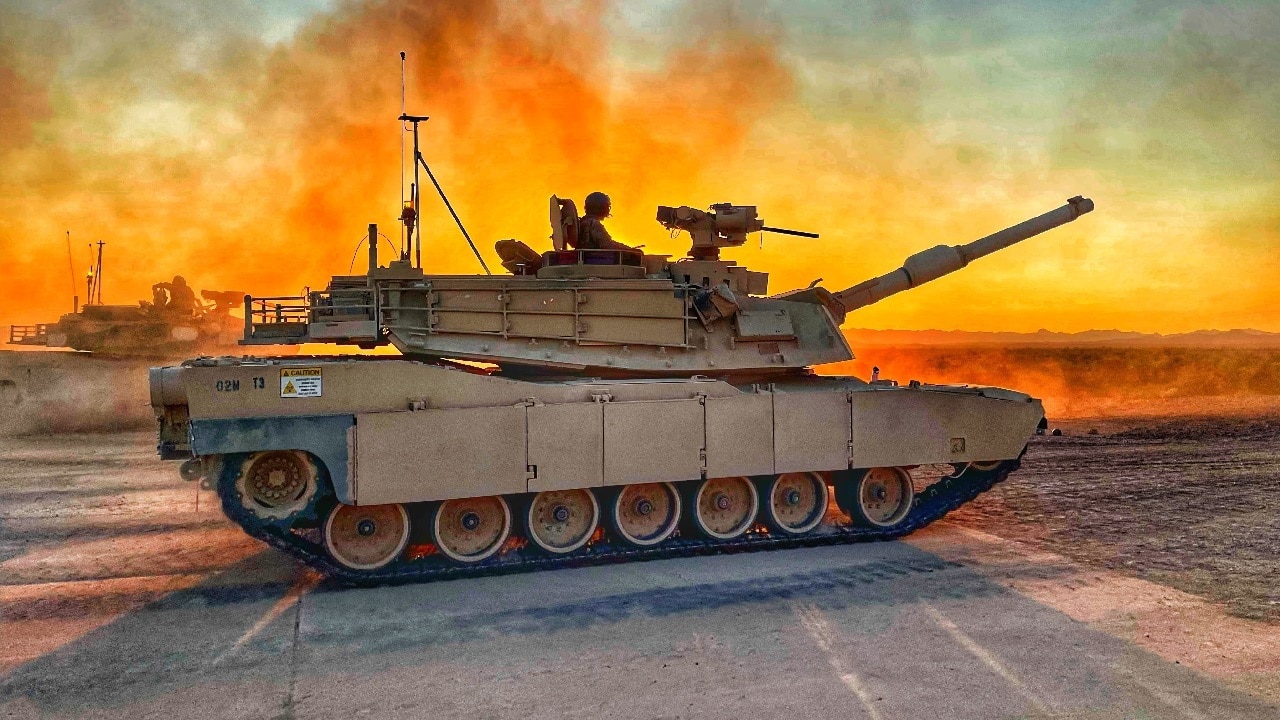
US Army M1 Abrams Tank. Image Credit: Creative Commons.
Once U.S. forces entered Baghdad and other urban areas, the Abrams was thrust into environments that differed greatly from the open desert terrain it had operated in.
Urban warfare presented new threats, most notably improvised explosive devices (IEDs), explosively formed penetrators (EFPs), and ambushes staged from rooftops and alleyways. Although the Abrams’ thick armor remained highly effective against traditional anti-tank weapons, insurgent tactics and roadside bombs proved capable of damaging or disabling even the heaviest armored vehicles.
In response to these evolving dangers, the U.S. Army introduced a series of upgrades collectively known as Tank Urban Survivability Kits (TUSK), which added reactive armor, slat armor to defeat RPGs, improved thermal and camera systems for 360-degree visibility, and remote weapon stations that enabled crews to engage threats without exposing themselves. These enhancements increased crew survivability and adapted the Abrams to the unique challenges of stabilization and counterinsurgency operations.
Other Outings in the Middle East
Although the Abrams was not widely deployed in Afghanistan due to the country’s mountainous terrain and limited road network, the U.S. did eventually send a small number of tanks to support operations in the region.
Their presence provided limited deterrence, long-range fire support, and fortified positions during counterinsurgency campaigns. The Abrams continued to demonstrate its adaptability even when used outside traditional armored warfare environments.
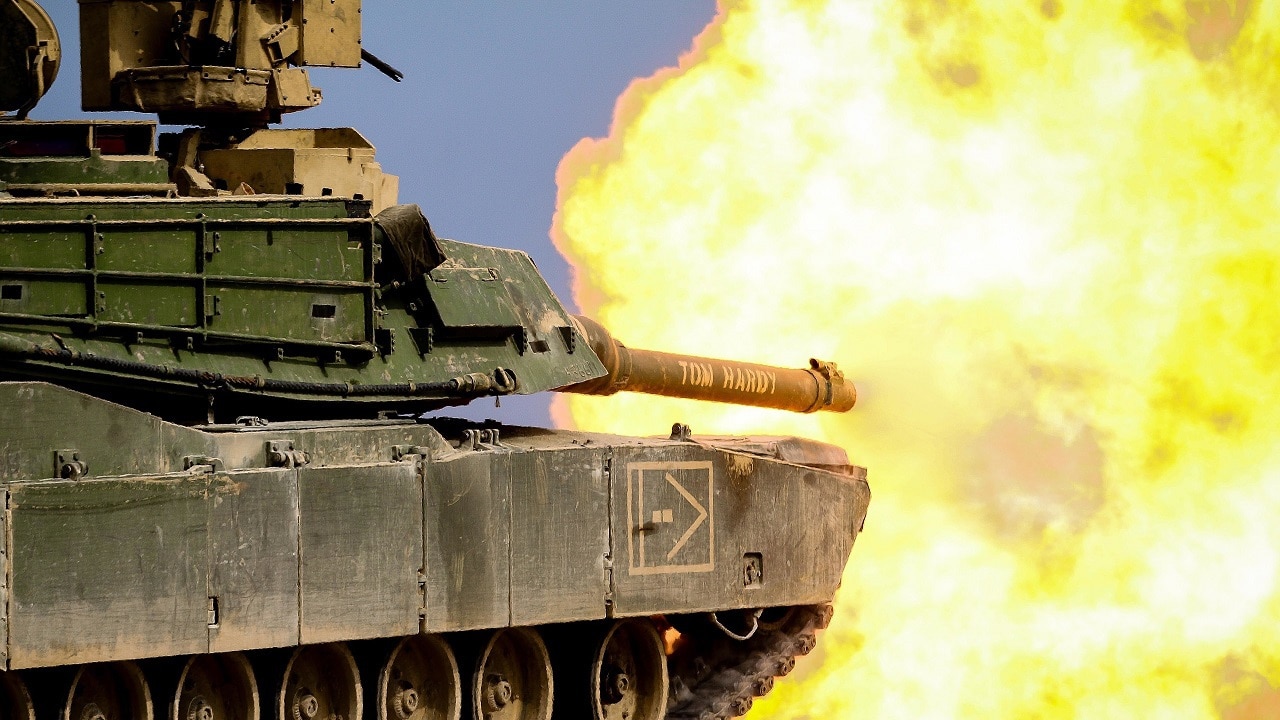
A M1 Abrams from 5th Squadron, 4th Cavalry Regiment, 2nd Armored Brigade Combat Team, 1st Infantry Division, fires a round during a Combined Arms Live Fire Exercise (CALFEX) at Grafenwoehr Training Area, Germany, Mar 26, 2018. (U.S. Army photo by Spc. Hubert D. Delany III / 22nd Mobile Public Affairs Detachment)
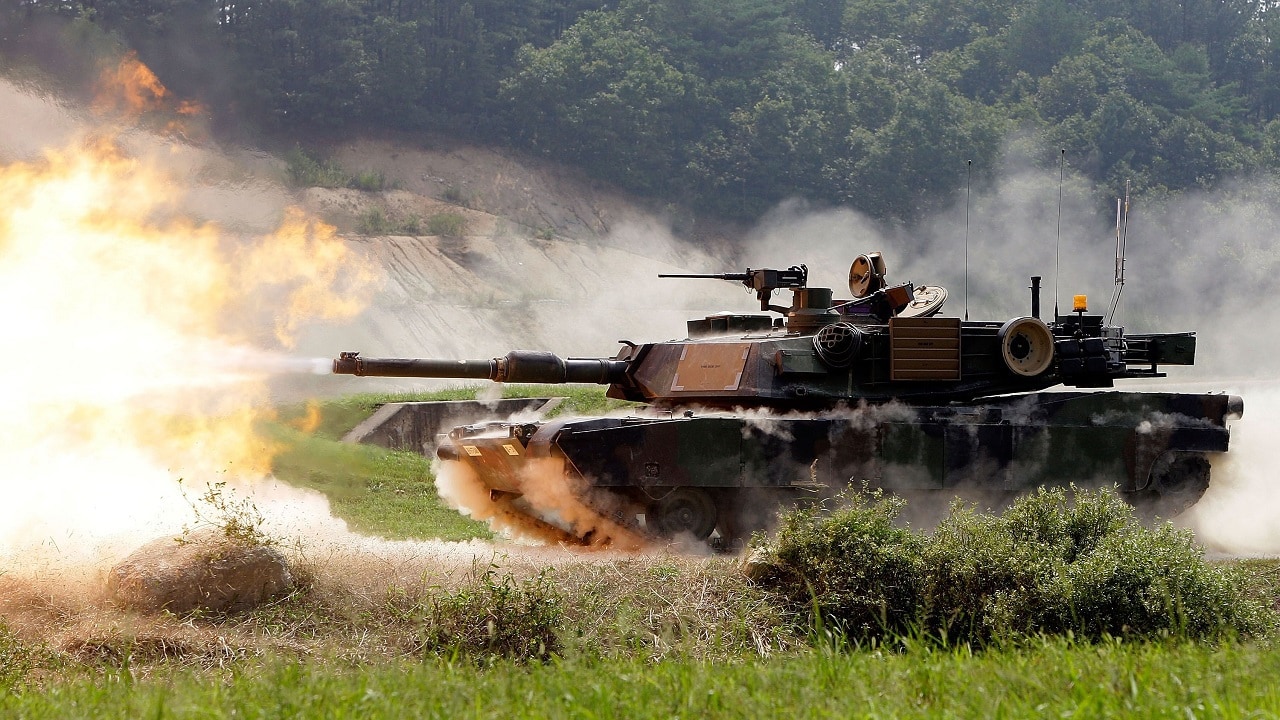
M1 Abrams Main Battle Tank. Image Credit: Creative Commons.
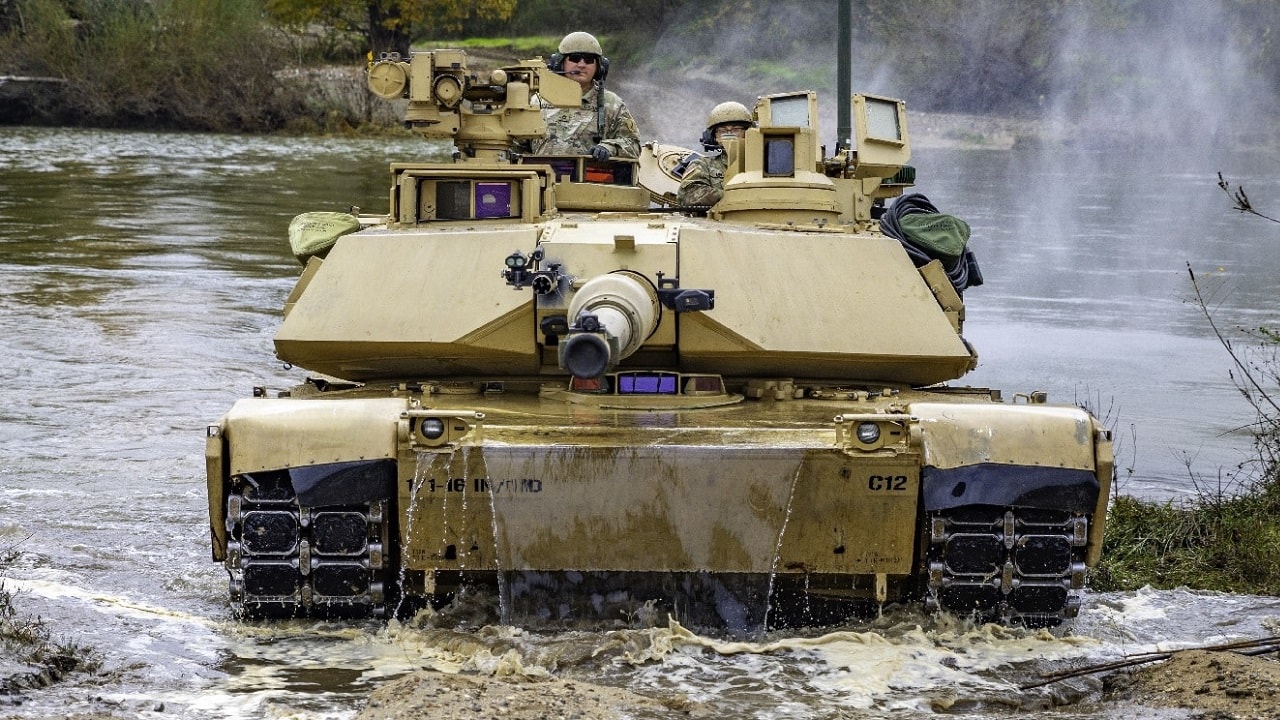
M1 Abrams Tank. Image Credit: Creative Commons.
Other U.S. allies have relied on the Abrams in their own combat operations. Saudi Arabia, for example, deployed Abrams tanks during its involvement in the Yemeni Civil War beginning in 2015, combining the platform’s heavy armor and firepower with Saudi mechanized tactics.
Kuwait and Egypt have also fielded Abrams tanks, though details of their combat usage remain comparatively limited in publicly available records. Nevertheless, the widespread adoption of the Abrams by U.S. partners underscores the platform’s global reputation for battlefield effectiveness.
Combat in Ukraine: the Exception to the Rule?
The Abrams faced a new and unprecedented test beginning in 2023, when the U.S. and Australia sent Abrams tanks to Ukraine as part of an effort to bolster the country’s defenses against Russia’s invasion.
Unlike earlier conflicts where the Abrams operated with extensive U.S. airpower and command-and-control networks, Ukrainian crews encountered dense Russian drone surveillance, sophisticated anti-tank systems, and artillery saturation. In these conditions, the Abrams found itself outside of its operational comfort zone and became a high-priority target for eager Russian anti-tank crews. Despite its high attrition rates, Ukrainian tank crews still praised the tank for its high level of survivability compared to older Soviet-era models.
What Makes the Abrams A Great Tank?
Through all these conflicts, several factors help explain why the Abrams has endured as the United States’ premier main battle tank for more than forty years.
Its armor protection, beginning with Chobham and later enhanced by depleted uranium layers, has regularly proven capable of defeating contemporary anti-armor threats. Its firepower, delivered through the 120 mm M256 smoothbore gun and advanced fire-control systems, has consistently outmatched opposing armored vehicles.
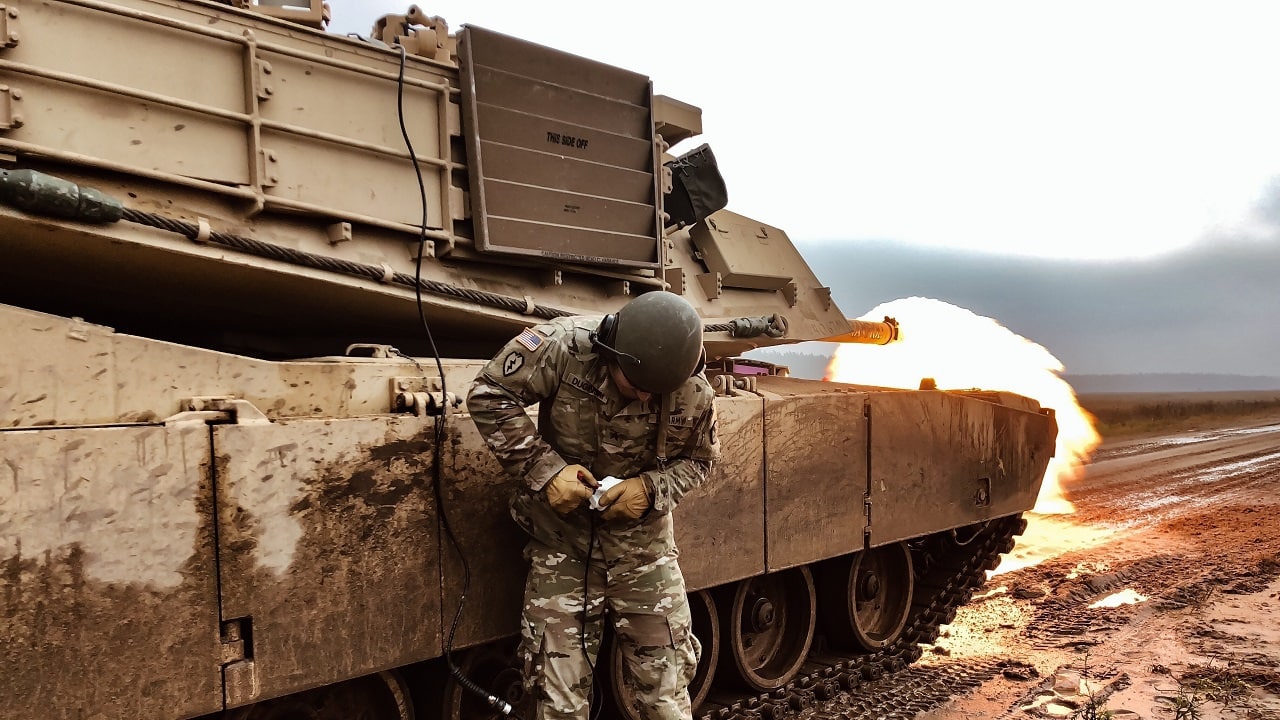
U.S. Army Sgt. Ryan Duginski, M1 Abrams Tank Master Gunner, assigned to Battle Group Poland, performs a tank remote-fire procedure to ensure firing capabilities function properly at Bemowo Piskie Training Area, Poland, Nov. 6. (Photos by U.S. Army 1LT Christina Shoptaw)
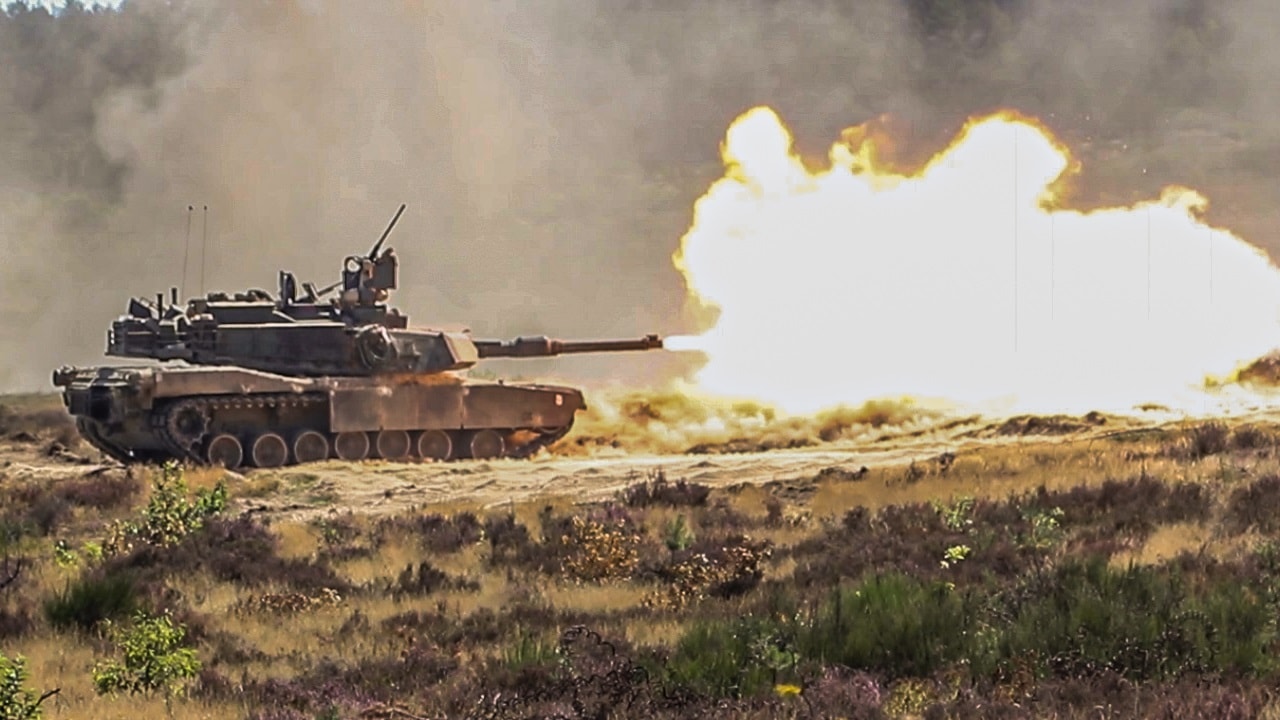
U.S. Army M1 Abrams Main Battle Tank variation fires at a target at Bucierz Range at Drawsko Pomorskie Training Area, Poland, August 11, 2020. DEFENDER-Europe 20 was designed as a deployment exercise to build strategic readiness in support of the U.S. National Defense Strategy and NATO deterrence objectives. In response to COVID-19, DEFENDER-Europe 20 was modified in size and scope. Phase I of the modified DEFENDER-Europe 20 was linked to exercise Allied Spirit, which took place at Drawsko Pomorskie Training Area, Poland, June 5-19 with approximately 6,000 U.S. and Polish Soldiers. In phase II of the modified DEFENDER-Europe 20, a U.S.-based combined arms battalion will conduct an emergency Deployment Readiness Exercise to Europe July 14-Aug. 22.
The 1,500-horsepower gas turbine engine provides the Abrams with exceptional mobility for a tank of its weight class, enabling rapid maneuver and the ability to engage on its own terms.
Crew survivability has always been a priority in its design, with blowout panels and protected ammunition storage contributing to remarkably high crew survival rates even when the tank is disabled.
Continuous modernization, as seen in upgrades such as the M1A2 SEP series, networking enhancements, new armor packages, and active protection systems, has allowed the Abrams to keep pace with evolving battlefield threats, ensuring that it is always ahead of the enemy.
About the Author: Isaac Seitz
Isaac Seitz, a Defense Columnist, graduated from Patrick Henry College’s Strategic Intelligence and National Security program. He has also studied Russian at Middlebury Language Schools and has worked as an intelligence Analyst in the private sector.