
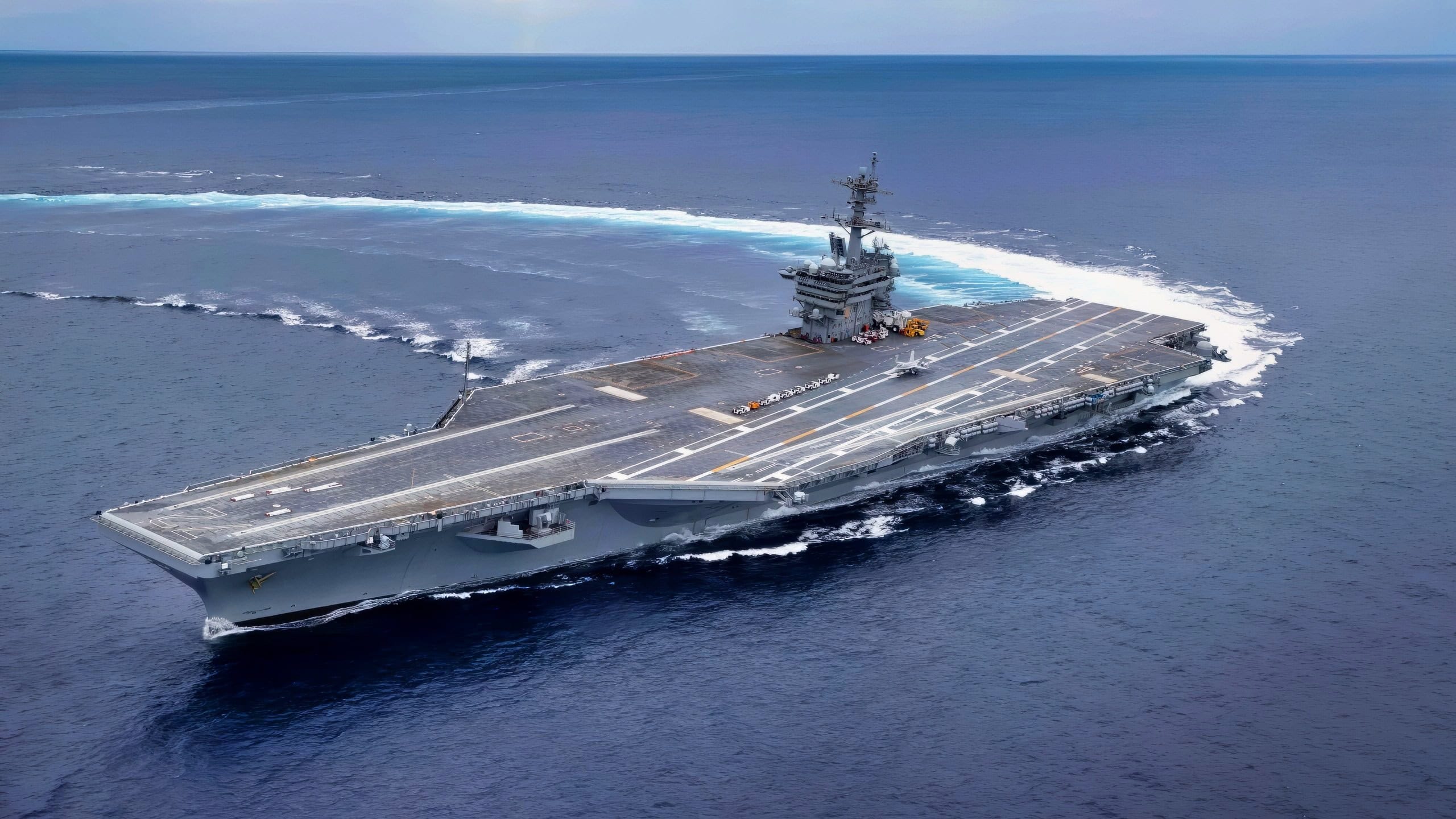
Summary and Key Points: Defense expert Harrison Kass reveals how Australia’s heavily criticized Collins-class submarine pulled off an impossible feat: sinking a U.S. Navy aircraft carrier in a drill.
-Despite a reputation for being over-budget and plagued by mechanical flaws, the diesel-electric HMAS Waller managed to slip past a $20 billion U.S. Carrier Strike Group during the RIMPAC 2000 naval war games, successfully “sinking” the USS Abraham Lincoln supercarrier.
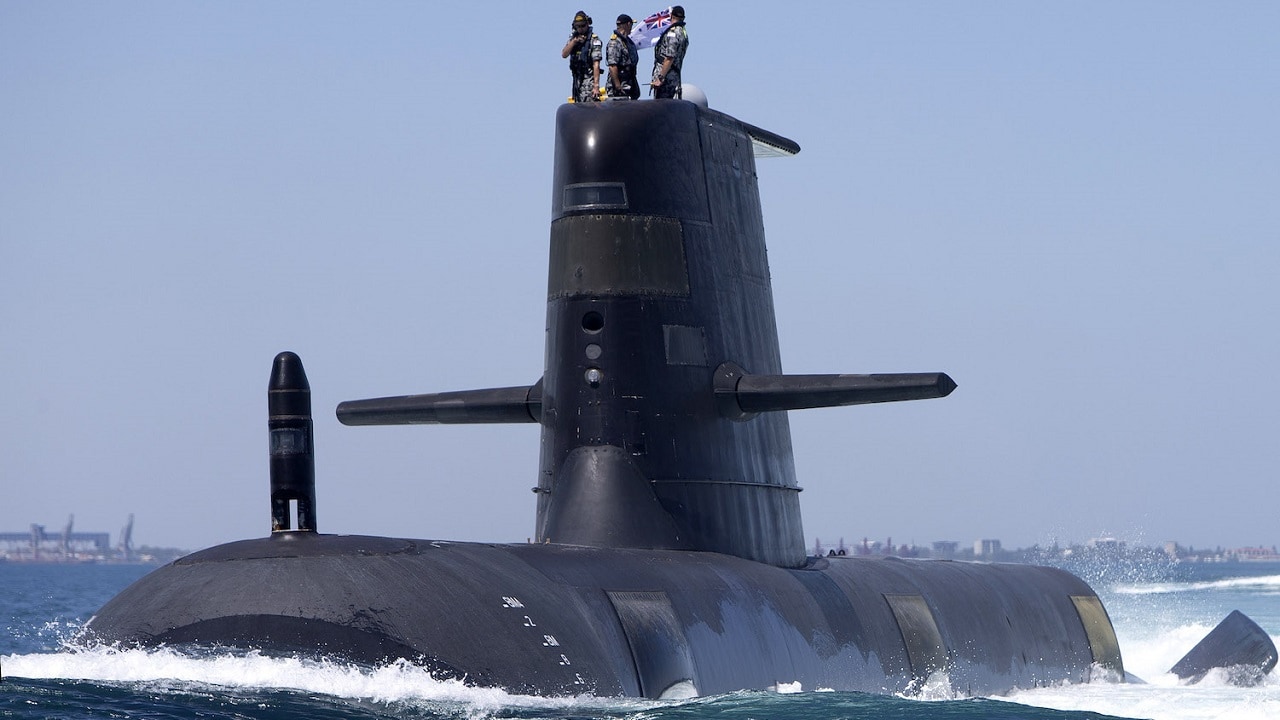
Collins-Class Submarine from Australia’s Navy.
-This stunning asymmetric victory silenced critics and permanently altered global anti-submarine warfare strategies in the Indo-Pacific.
Beyond the Glitches: The Lethal Stealth of Australia’s Collins-Class Submarines
Australia’s Collins-class submarine program was heavily criticized. It was known for being over-budget and politically toxic.
The underperforming vessel was dubbed a failure and an embarrassment in Australian media, leading to a widespread perception that the expensive submarine simply couldn’t fight.
But then a simulated “kill” during a joint exercise silenced the critics, suggesting that the beleaguered Collins could fell even the most impressive warships that ever sailed.
Early Troubles
The Collins was a mess.
Its diesel engines were unreliable. Fuel contamination was a recurrent issue. Maintenance requirements were constant. The hull suffered from corrosion. And then there were performance issues. The sub was noisy at higher speeds.
It experienced propeller cavitation, prompting some critics to argue that a submarine that isn’t quiet is functionally worthless.
The submarine also suffered from software integration issues and unreliable targeting systems, resulting in delays in achieving operational readiness.
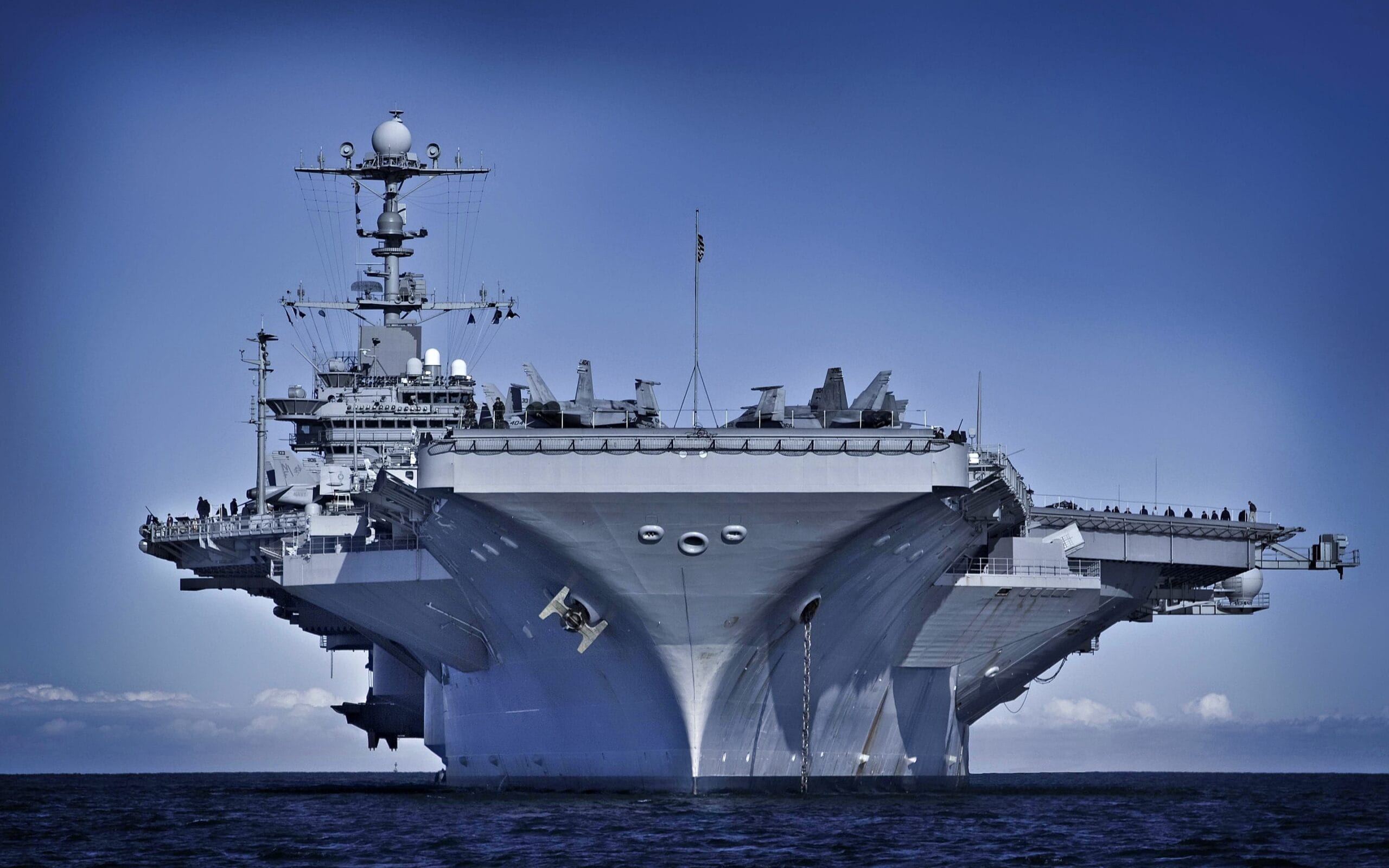
NRL is currently working with Naval Sea Systems Command, Naval Systems Engineering Directorate, Ship Integrity & Performance Engineering (SEA 05P) to transition the new pigment combination into a military specification. The most recent vessel to receive it was USS George Washington (CVN 73).
Yet, despite the troubles, Australia still needed the Collins. Specifically, Australia needed long-range patrol subs to cover the Indo-Pacific region. The Collins was a large diesel-electric submarine that offered long endurance for a conventional platform. This supported the Australian strategy of regional denial, rather than global power projection.
The Turning Point
In 2000, the United States led a multinational naval war game called Rim of the Pacific (RIMPAC). The HMAS Waller, a Collins-class submarine, participated—and showed off. Shockingly, the Waller penetrated a full U.S. carrier strike group (CSG), got within periscope range, and took photographs of the USS Abraham Lincoln (CVN-72) supercarrier, confirming that the submarine had achieved a firing solution. In naval terms, this meant that the carrier had been “killed.”
For the troubled Collins-class, to fell a U.S. supercarrier was a major coup. The U.S. Navy had the world’s best anti-submarine warfare (ASW) capabilities; CSG defenses include destroyers, cruisers, helicopters, P-3 and P-8 patrol aircraft, and nuclear attack subs. Yet, a small, maligned diesel submarine slipped through the entire system.
The Key Advantage
In battery mode, the Collins-class runs on an electric motor that offers near-silent operation and a minimal acoustic signature.
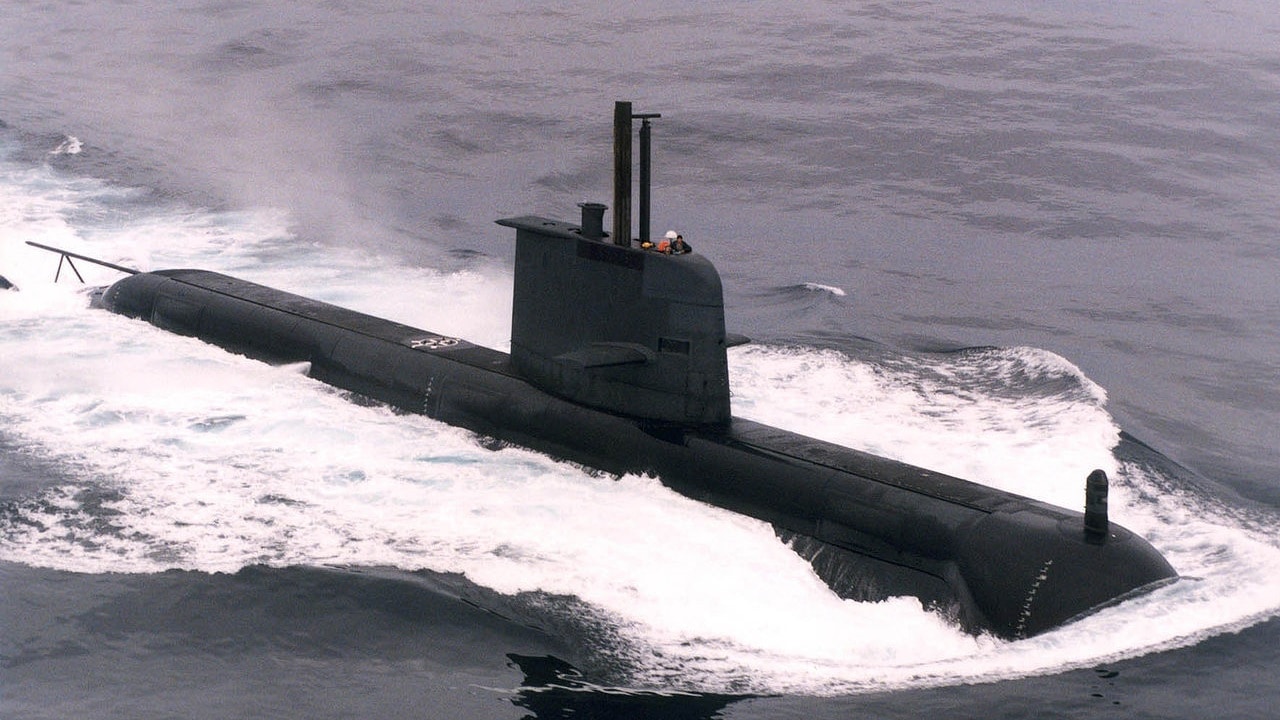
Collins-Class Submarine from Australia.
This makes the sub extremely hard to detect. Contrasted with nuclear subs, which are always running cooling systems and thereby always making some low-level noise, the Collins’ diesel propulsion system can functionally go “silent.” The result is a vessel that is far harder to detect in passive sonar.
The Tactics at Play
What the Waller likely did was move slowly and deliberately, exploiting gaps in the CSG’s ASW screen. To avoid active sonar detection, the Waller likely used ocean conditions—thermal layers and noise clutter—to mask its presence, slowly closing the distance to the carrier.
Creeping closer and closer, the Waller demonstrated that if you can’t detect something, you can’t engage it. Even for advanced U.S. CSGs, coverage gaps always exist—and the diesel-electric submarine is uniquely positioned to exploit those gaps.
String of Incidents
The Waller wasn’t the first diesel-electric submarine to exploit gaps in U.S. ASW coverage. In 1999, the Dutch Walrus submarine achieved a similar victory, and in 2003, the HMAS Rankin would do the same. A Swedish submarine repeated the feat again in 2005. In all, the string of “kills” forced the U.S. Navy to reevaluate its ASW capabilities, prompting a recommitment to P-8 Poseidon patrol aircraft and increased sonar capabilities.
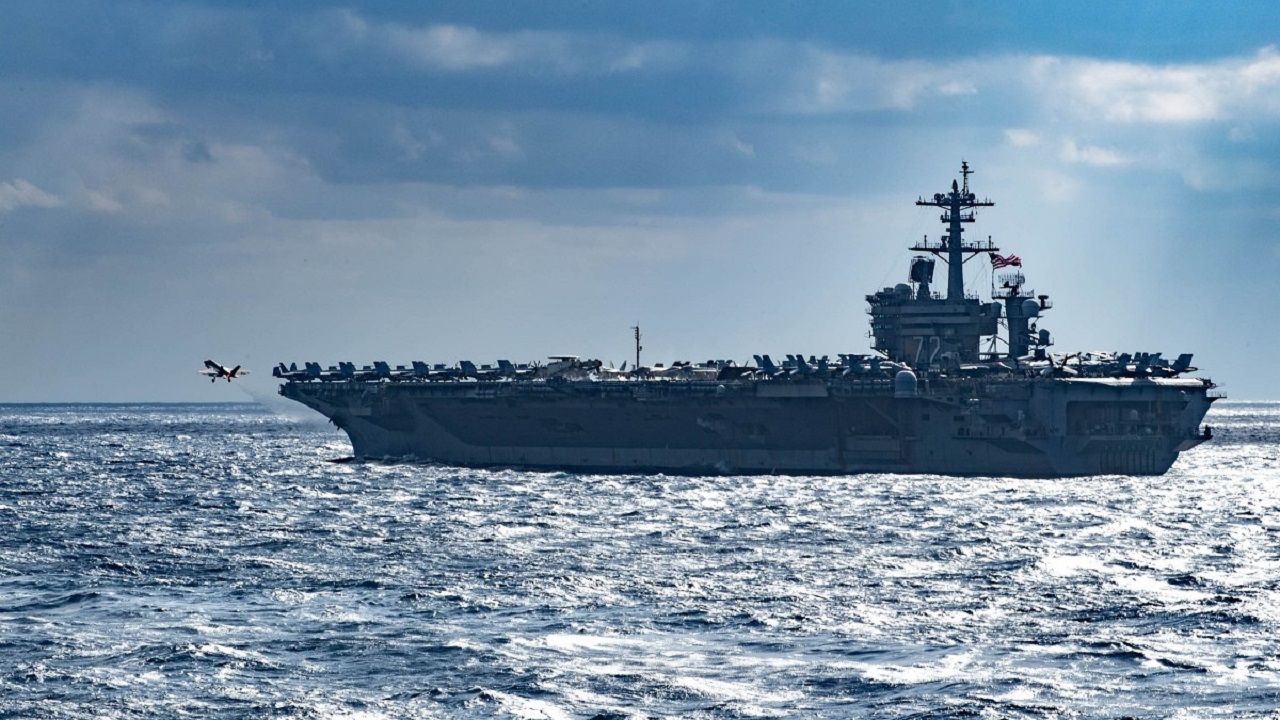
USS Abraham Lincoln. Image Credit: Creative Commons.
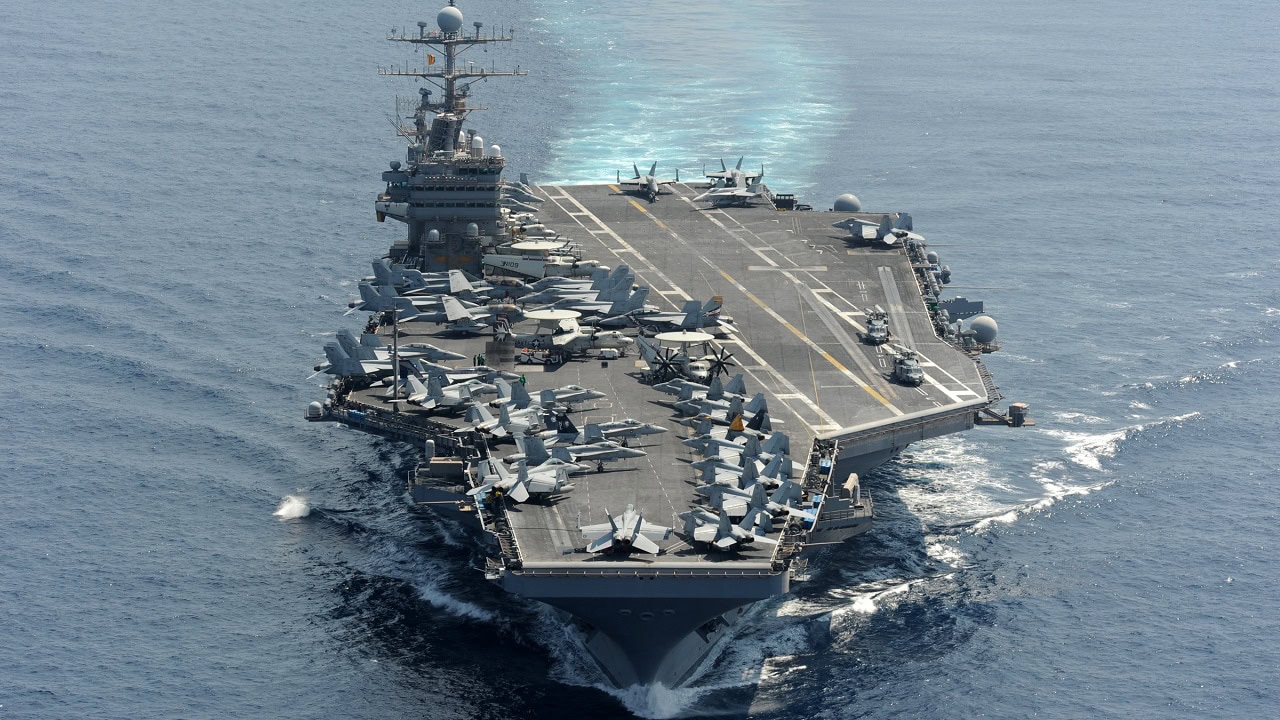
120118-N-QH883-003
INDIAN OCEAN, (Jan 18, 2012) The Nimitz-class aircraft carrier USS Abraham Lincoln (CVN 72) transits the Indian Ocean. Abraham Lincoln is in the U.S. 7th Fleet area of responsibility as part of a deployment to the western Pacific and Indian Oceans to support coalition efforts. (U.S. Navy photo by Chief Mass Communication Specialist Eric S. Powell/ Released)
Reputation Flip
After RIMPAC, the narrative surrounding the Collins shifted. The once-troubled submarine was still acknowledged as flawed, but was now recognized as dangerous.
A machine with imperfect engineering could still be very effective in combat.
And the Collins, along with the other winning diesel-electric submarines, proved that conventional submarines consistently penetrated carrier defenses, threatening the world’s greatest capital ships.
Asymmetrical Risk
One of the great takeaways from the encounter was that asymmetry often wins.
The Collins cost less than $1 billion. But the CSG that the Collins defeated cost more than $20 billion in the aggregate.
This imbalance is especially concerning—that such a relatively cheap platform can pose a threat to premium assets.
China, while building up its area denial capabilities in the Indo-Pacific, most certainly took note. Beijing has invested heavily in its submarine forces as it seeks ways to push U.S. CSGs farther from the mainland.
About the Author: Harrison Kass
Harrison Kass is an attorney and journalist covering national security, technology, and politics. Previously, he was a political staffer and candidate, and a US Air Force pilot selectee. He holds a JD from the University of Oregon and a master’s in global journalism and international relations from NYU.