
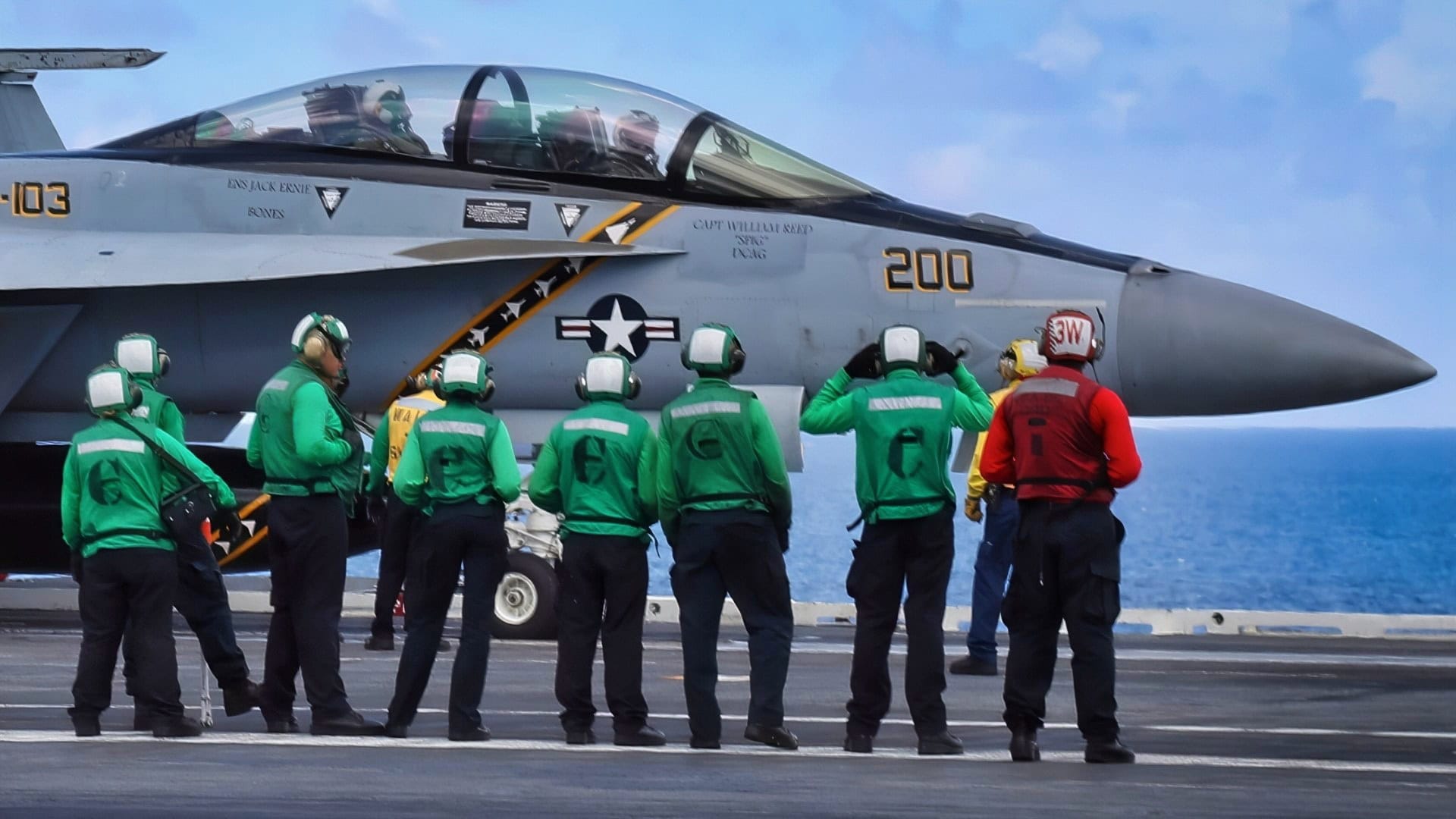
Summary and Key Points: Dr. Brent M. Eastwood breaks down the startling aviation statistics from the ongoing Iran war and Operation Epic Fury.
-While the U.S. has lost or sustained damage to 20 aircraft—including three F-15E Strike Eagles and over a dozen drones—only a single F-35A was actually struck by enemy fire.
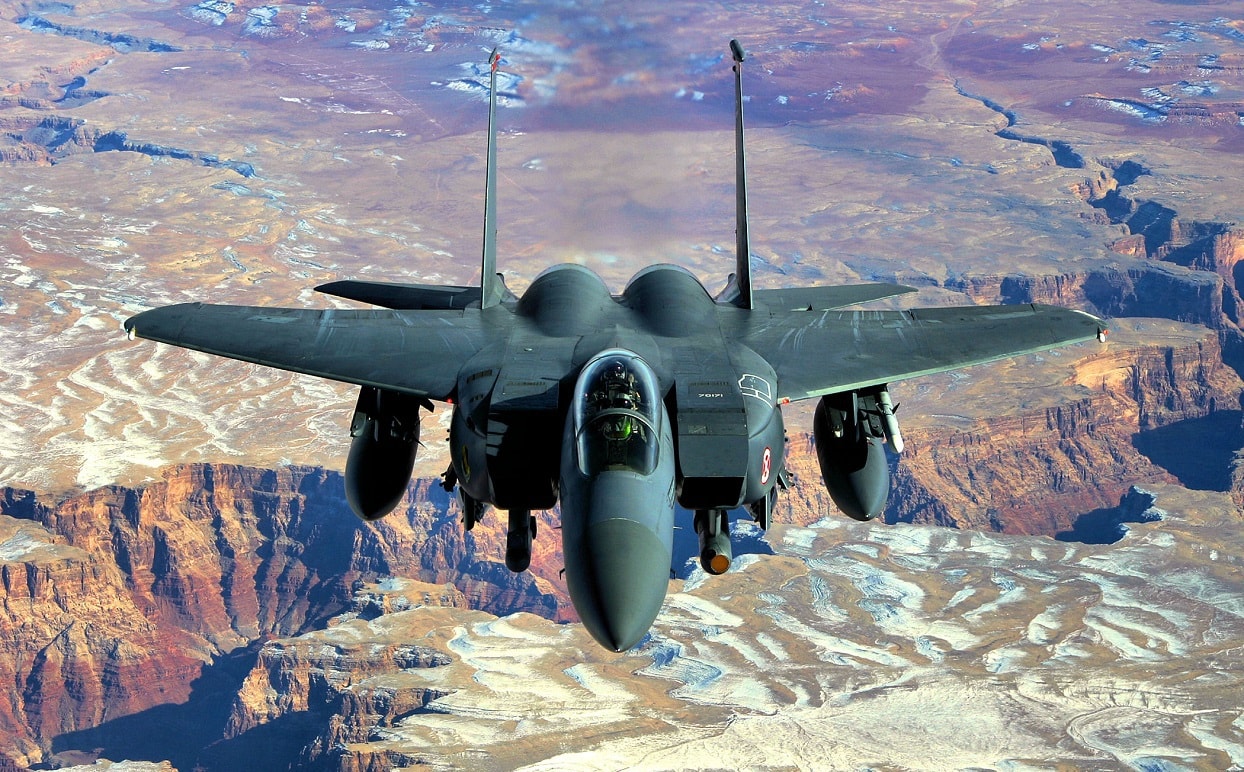
EN ROUTE TO NELLIS AIR FORCE BASE, NEV. – Lieutenant Colonel Jeannie Leavitt, 333rd Fighter Squadron commander, soars over the Grand Canyon, February 7, 2008. (U.S. Air Force photo by Staff Sgt. Darin Moulton)
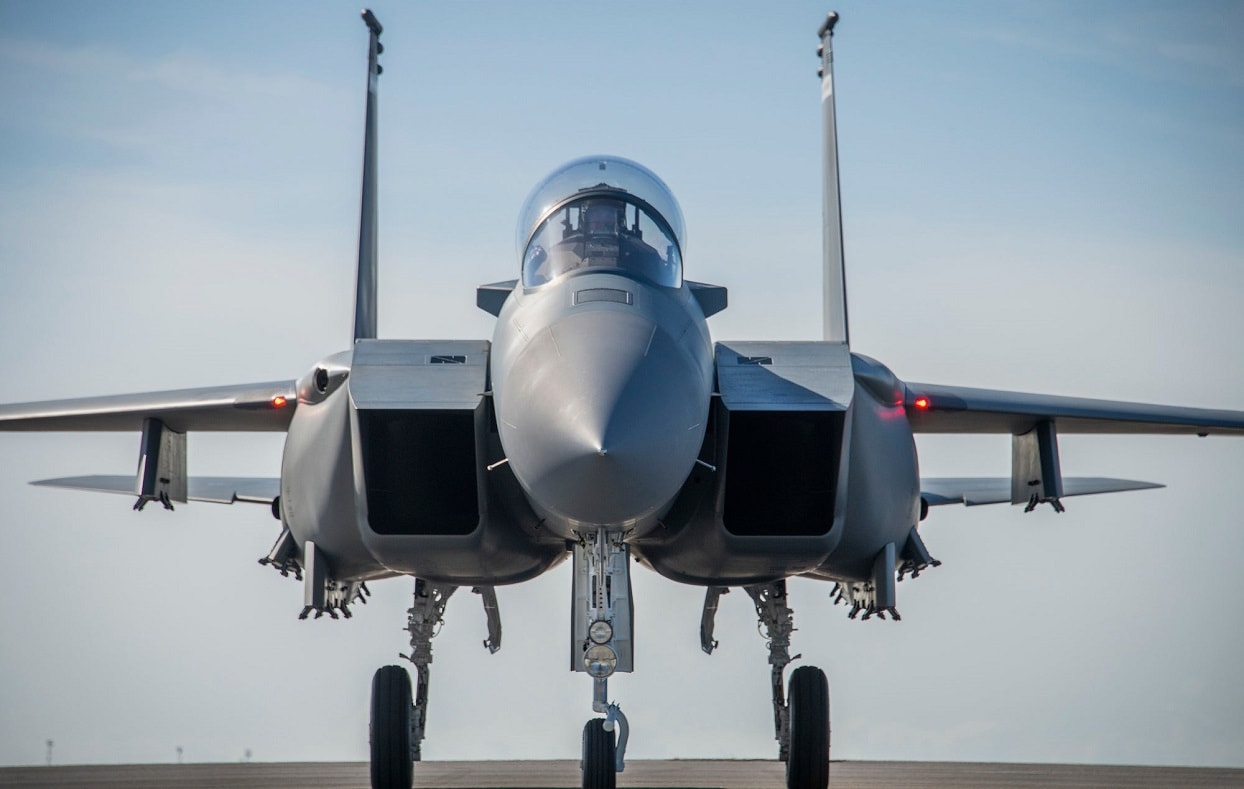
Image: Boeing.
-The rest fell victim to tragic friendly fire incidents and mid-air collisions.
-Despite these heartbreaking setbacks, the complete collapse of Iran’s decentralized air defense network proves the American air campaign is achieving overwhelming strategic success.
20 U.S. Aircraft Damaged or Destroyed in 3 Weeks — and Only 1 Was Hit by Iran
The U.S. Air Force and Navy have been stunningly successful during Operation Epic Fury. The operational tempo has been high, with fighter jets and bombers flying around the clock.
This is a feather in the cap for the U.S. military that has executed what I call the “Kinetic Missile Fight” from weapons like Tomahawk cruise missiles that have rained down from American submarines and ships.
F-15E Strike Eagles Endure Bad Luck
The American losses have not been so bad at this time, although some have been tragic. One incident was a friendly fire accident on March 2. Three U.S. Air Force F-15E Strike Eagles were shot down when flying over Kuwait early in the war.
This might have been at the hands of a Kuwaiti air force F/A-18 that launched close-range missiles to take out the F-15Es. All American crew members ejected safely and were rescued.
Two Aerial Tankers Collide, Killing Six
The real tragedy happened with a refueling aircraft. An American KC-135 crashed in western Iraq on March 12. The downed tanker killed six crew members. This was not due to enemy or friendly fire, the Department of Defense said. A mid-air collision with another KC-135 may have caused the accident.
The second airplane landed safely in Israel but had extensive tail damage. Another KC-135 was damaged on the ground after an Iranian strike on Saudi Arabia.
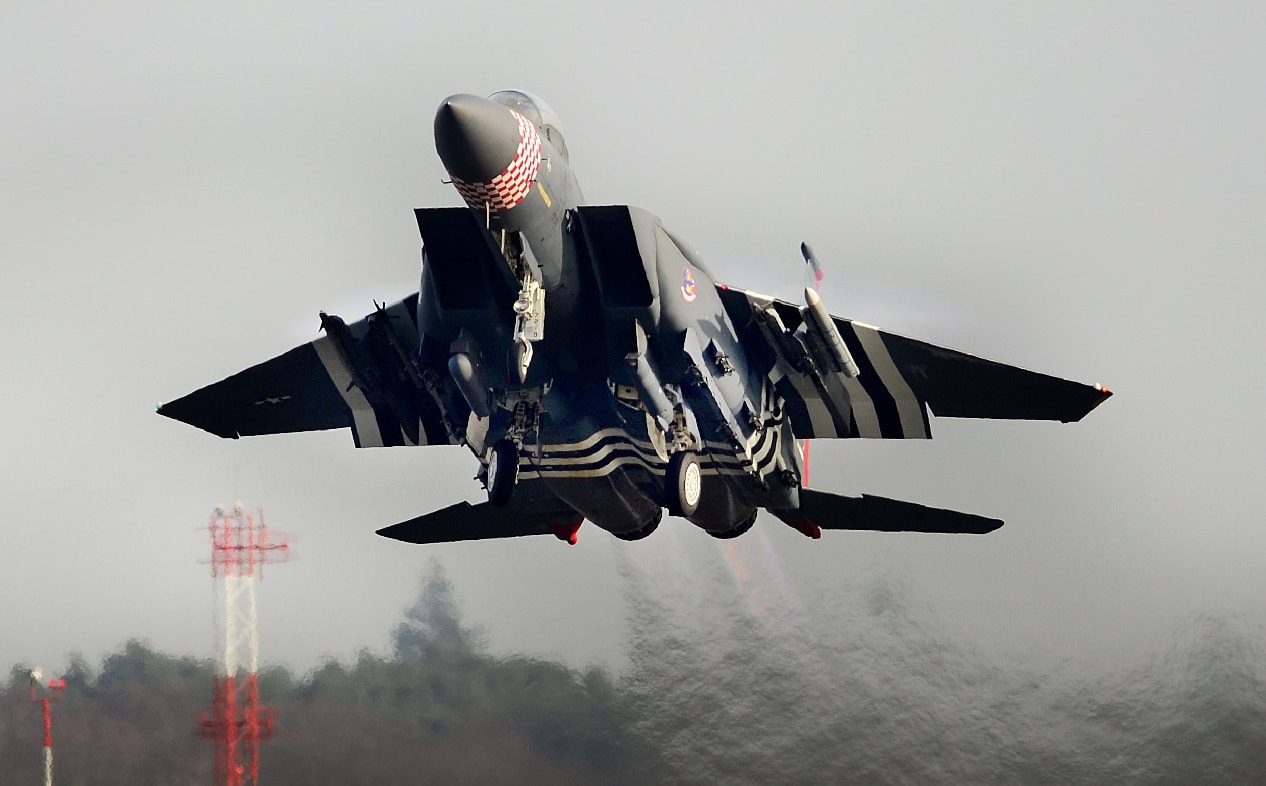
An F-15E Strike Eagle painted in the heritage colors of it’s P-47 Thunderbolt predecessor takes off from Royal Air Force Lakenheath, England Feb 6. The 48th Fighter Wing officially unveiled the aircraft publicly during a ceremony on Jan 31. (U.S. Air Force photo/Tech. Sgt. Matthew Plew)
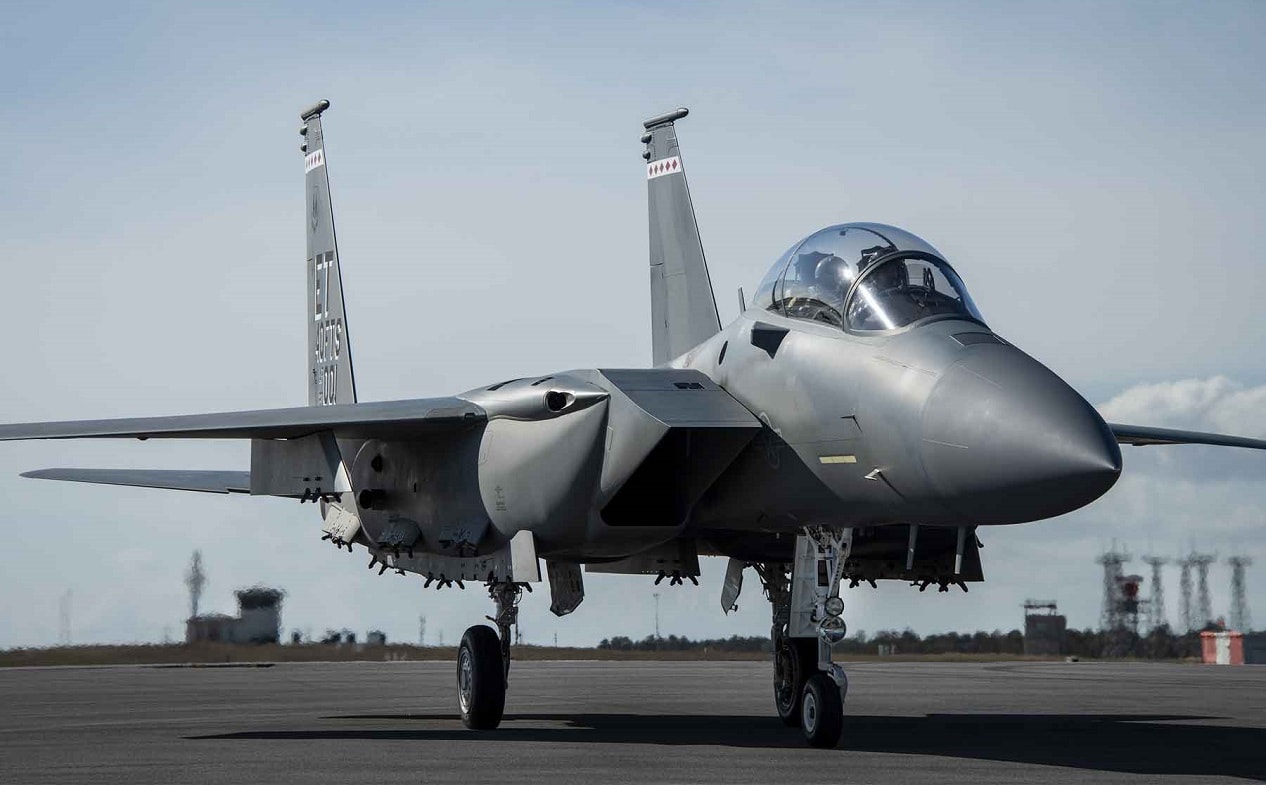
F-15EX. Image Credit: Boeing.
F-35A Damaged By Iranian Fire
On March 19, a U.S. Air Force F-35A took ground fire from Iran. The enemy action caused enough damage that the fighter jet had to make an emergency landing at a U.S. air base. The pilot was in stable condition. This might have been the result of an Iranian air defense system that relied on passive infrared sensors rather than radar. These sensors focus on detecting heat from aircraft engines. The F-35 is normally a radar-evasive airplane.
A Dozen Drones Have Been Destroyed
Meanwhile, the Americans have also lost about 12 drones. The MQ-9 Reaper unmanned aerial systems were destroyed in the air and on the ground during the war.
The Department of Defense Has Something to Brag About
On March 20, the Department of Defense made optimistic assessments of the performance of Air Force and Navy aviation. “We will continue to deliver devastating combat power,” said Pentagon Press Secretary Kingsley Wilson in a briefing to the media.
Secretary of Defense Pete Hegseth said, “Iranian ballistic missile and one-way drone attacks are down 90 percent since combat operations began February 28.”
He also revealed the U.S. military had destroyed or damaged at least 120 Iranian naval ships and smaller vessels. Targeting has been diverse and widespread.
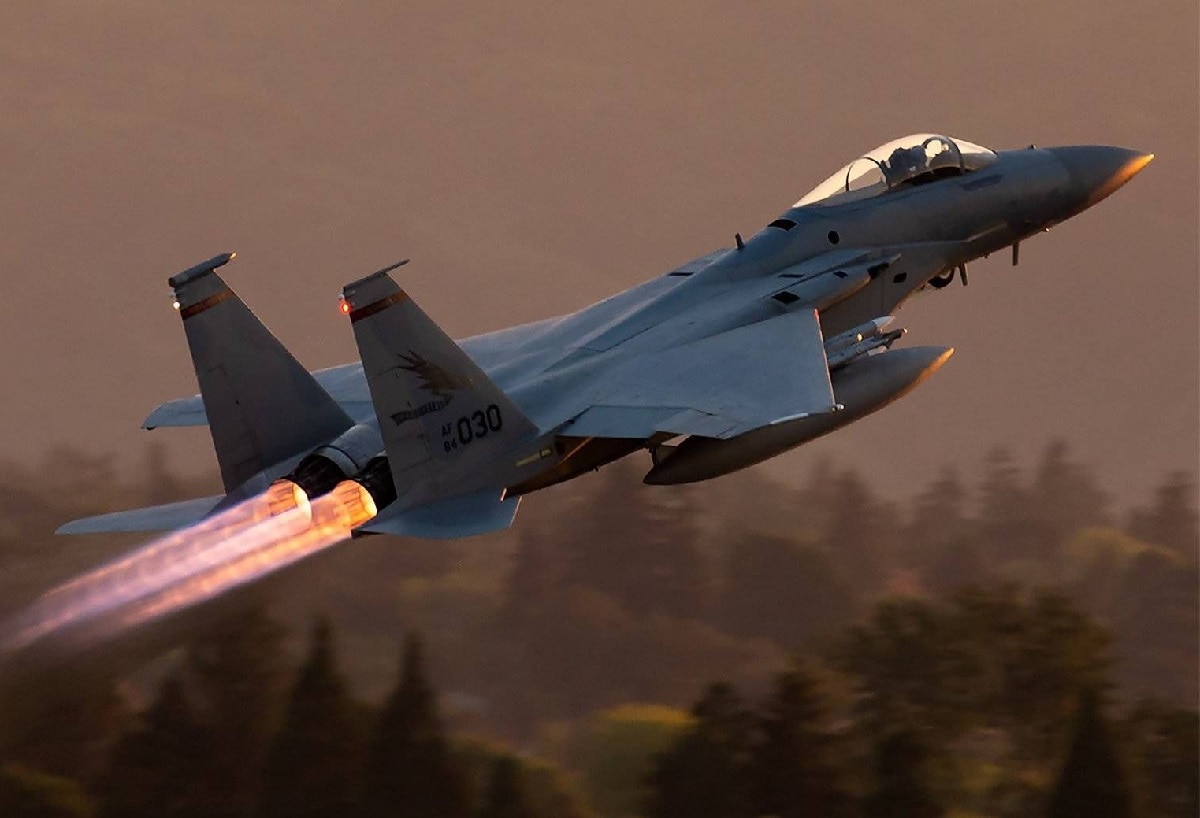
F-15 fighter. Image: Creative Commons.
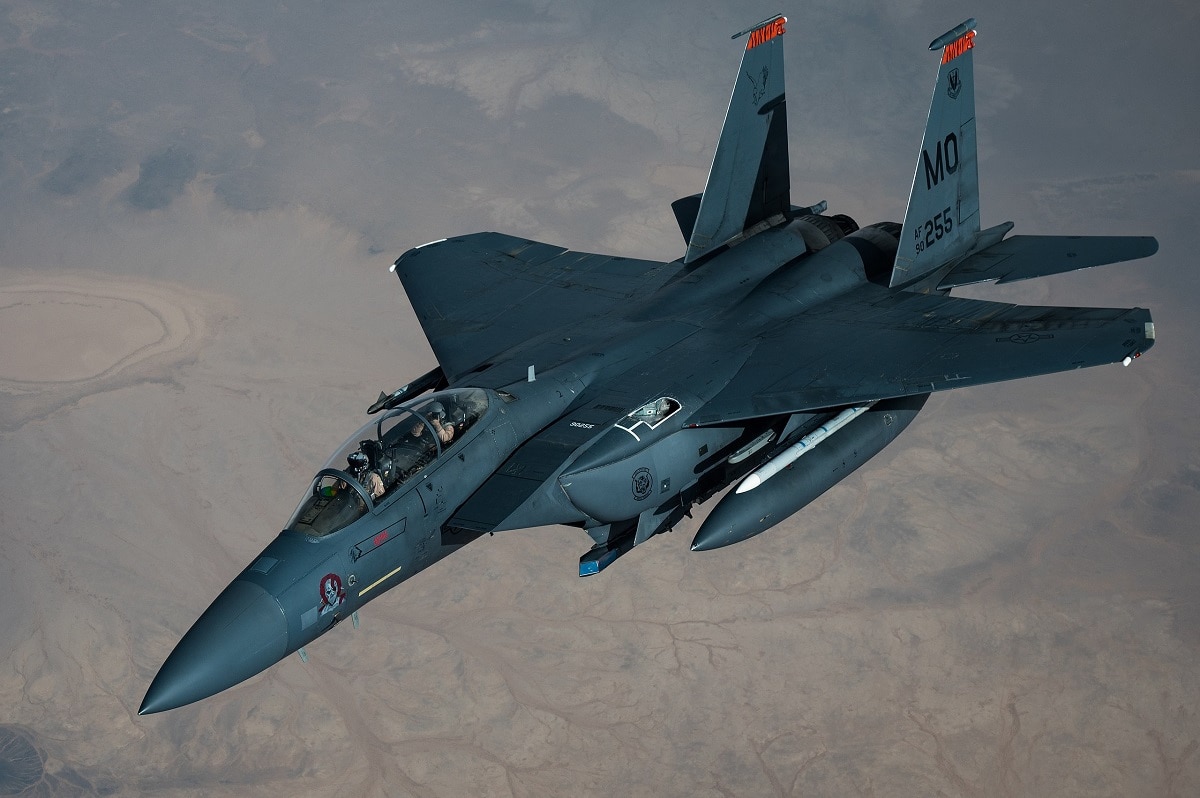
An F-15E Strike Eagle flies in the U.S. Central Command area of responsibility Jan. 27, 2021. The F-15E is a dual-role fighter designed to perform air-to-air and air-to-ground missions, demonstrating U.S. Air Force Central Command’s posture to defend and deter against potential aggression. (U.S. Air Force photo by Staff Sgt. Sean Carnes)
The List of Targets has Been Comprehensive
“Central Command published an Epic Fury fact sheet this week, which lists the types of targets being pursued. They include command and control centers; Islamic Revolutionary Guard Corps headquarters and intelligence sites; air defense systems; ballistic missile, anti-ship missile, and surface-to-air missile sites; weapon production and storage bunkers; military infrastructure and communications capabilities; and naval ships and submarines,” according to the Department of Defense.
How Long Will the War Last?
This aerial bombardment effort has devastated the entire Iranian defense force structure. However, the U.S. effort has been expensive, and the DOD is requesting $200 billion to continue the war. The president has said that negotiations with unnamed Iranian government representatives have been ongoing as of March 22 and that a diplomatic breakthrough could come soon. Trump stated that he will not bomb Iranian energy infrastructure before giving Iran a chance to agree to a diplomatic deal that would eliminate its nuclear program and curtail its ballistic missile force. Tehran has denied that the talks have taken place.
Was Iran a Paper Tiger?
Much credit should go to the American military. Iran was supposed to have a high-performing air defense system based on a decentralized “Mosaic Strategy.” This would entail each surface-to-air missile battery distributed around the country to operate autonomously without orders from above.
This way, losing command and control centers would not be as damaging. But the Americans and Israelis have destroyed many of these systems without significant losses from Iranian fire. The F-35 damage is one example in which an Iranian missile struck paydirt, but it was not enough to destroy the airplane.
The Toughest Part Is the Underground Missile Facilities and Launchers
The devastation on the Iranian side has been so complete that the Americans and Israelis are running out of military targets to hit and are now focusing on taking out high-value government leadership. The difficulty has been removing all ballistic missile production and launch sites, as well as drone production and launch sites.
These have been buried deep underground, and the United States has used Massive Ordnance Penetrator bunker-busting bombs. But the Iranian missile sites may be too fortified for complete elimination.
The initial battle plan, which used stealth bombers and fighters, plus naval-launched Tomahawk cruise missiles, turned out to be a winning formula. Day One through Day Five of the warfare were devoted to suppressing enemy air defenses to establish air supremacy. Then, more attacks on other military targets commenced.
Iran Is Looking Like an Overrated and Bloated Force
The Mosaic defense strategy was overrated. To be sure, the air war is not over yet. The Iranians could still score some hits on U.S. aircraft and drones. The KC-135 incident was troubling, and some drones and at least one tanker have been damaged on the ground, showing that the air war has not been perfect. I’m concerned about the friendly-fire incident involving the three F-15Es. The Strike Eagles had an amazing combat record and should not have been shot down so easily.
But taken in totality, the air war has been a triumph so far, and American battle planners in the Air Force and Navy should be given credit for an operation that could have seen more U.S. aircraft shot down. We will see if this overwhelming display of air power can still decimate Iranian military targets before Trump creates a diplomatic opening that results in a ceasefire. Until then, the Americans can mostly declare victory in the air, which shows adversaries like Russia and China that the United States is up to the challenge and can overcome enemy air defenses at will.
About the Author: Brent M. Eastwood
Author of now over 3,000 articles on defense issues, Brent M. Eastwood, PhD is the author of Don’t Turn Your Back On the World: a Conservative Foreign Policy and Humans, Machines, and Data: Future Trends in Warfare plus two other books. Brent was the founder and CEO of a tech firm that predicted world events using artificial intelligence. He served as a legislative fellow for U.S. Senator Tim Scott and advised the senator on defense and foreign policy issues. He has taught at American University, George Washington University, and George Mason University. Brent is a former U.S. Army Infantry officer. He can be followed on X @BMEastwood.