
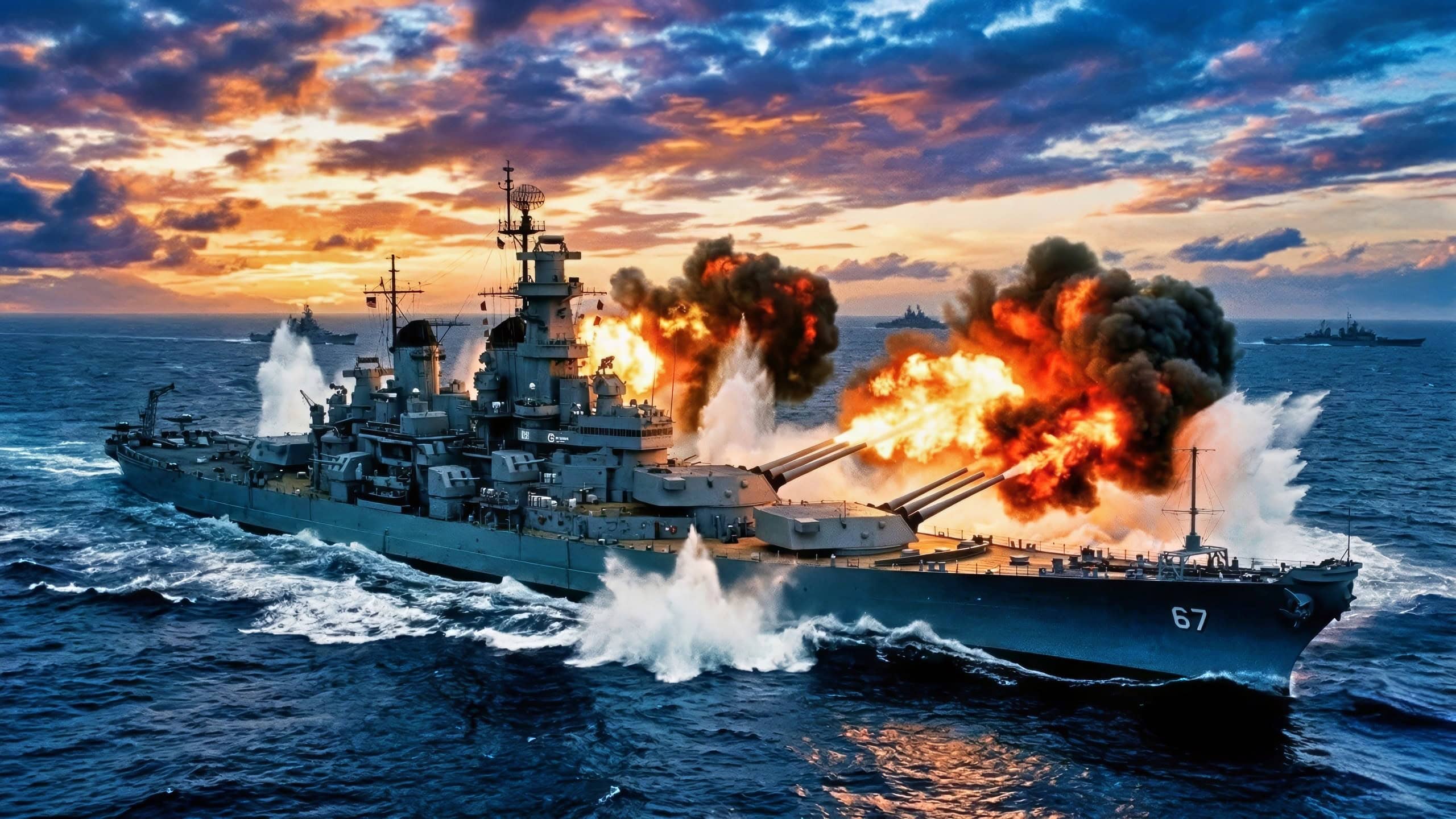
Summary and Key Points: Drawing on his deep expertise as a professor of international relations, Dr. Andrew Latham reexamines the canceled Montana-class battleship not as a lost marvel, but as a profound lesson for today’s U.S. Navy.
-The Montana was scrapped in 1943 because its massive, heavily armored design no longer fit the realities of carrier-led naval warfare.
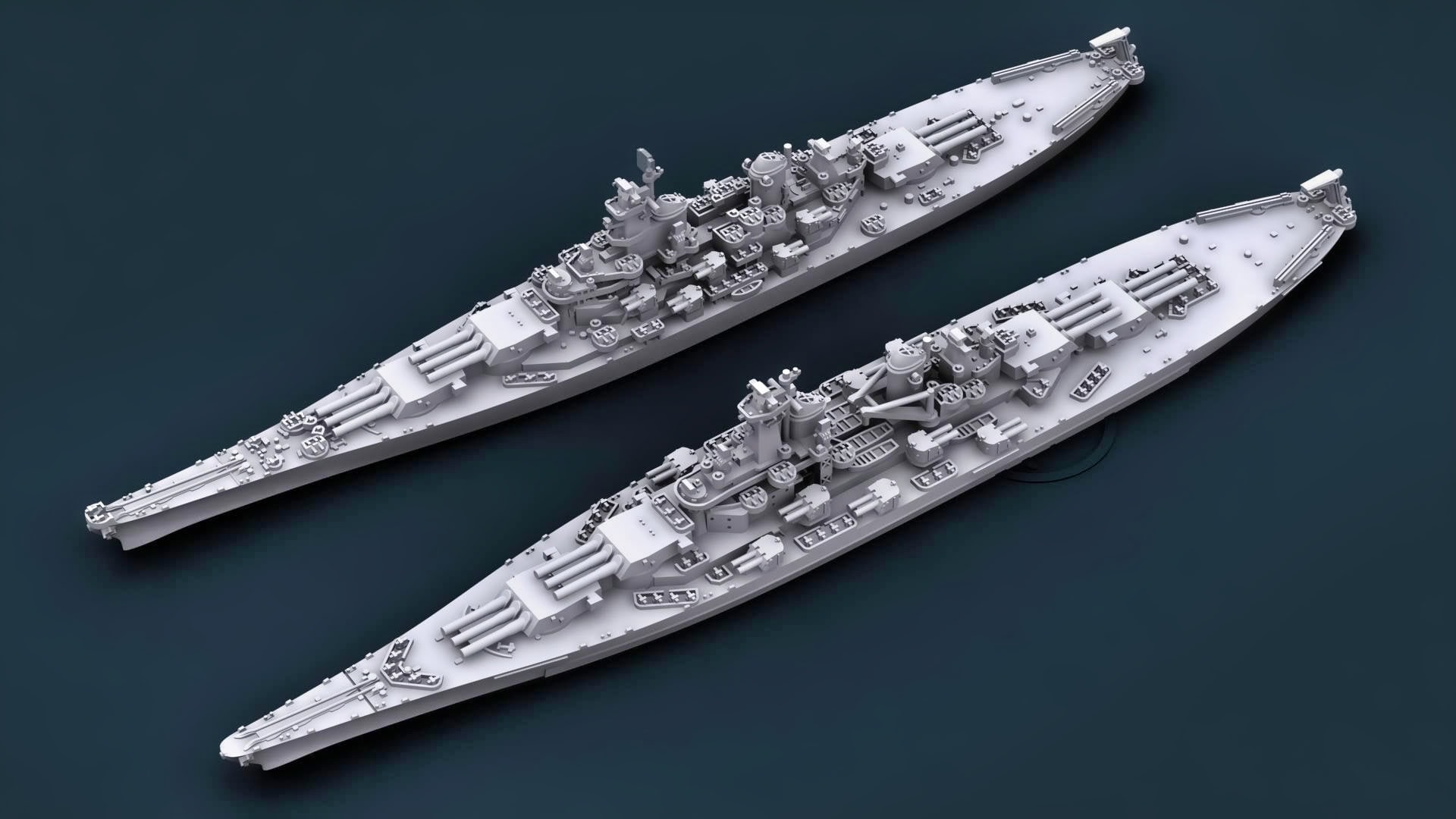
Montana-Class Battleship vs. Iowa-Class. Image Credit: Creative Commons.
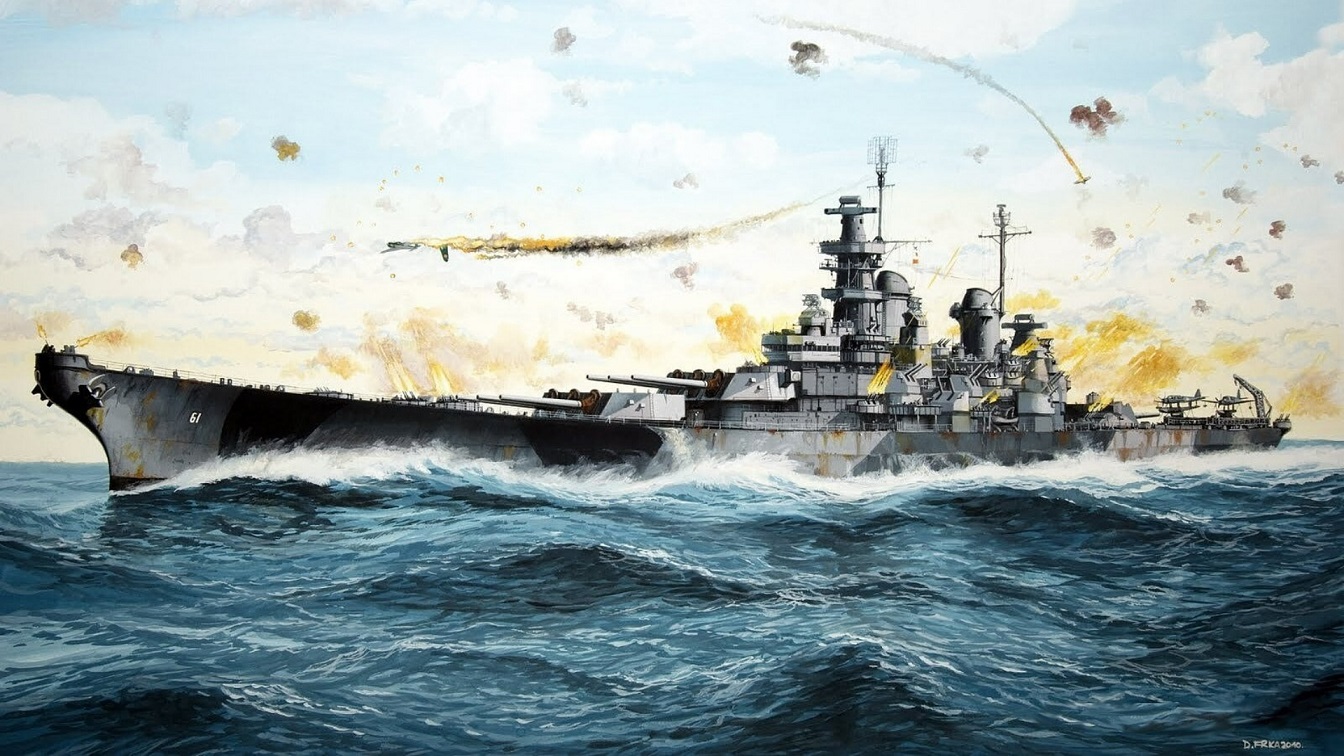
Iowa-class battleship artist painting. Image Credit: Creative Commons.
-Today, as long-range missiles and transparent battlespaces threaten the survival of massive surface ships and supercarriers, the Navy faces another “Montana moment.”
-The question isn’t whether to build bigger ships, but whether America is still investing in naval power that the modern battlefield can actually sustain.
The Montana-Class Moment: What a Canceled WWII Battleship Teaches the Modern Navy
The Montana-class battleship is usually framed as the ship the U.S. Navy should have built. The ultimate expression of American industrial power, at least on paper. In some tellings, it becomes the warship that might still be sailing today.
That is the easy version of the story. It is also the least interesting.
The harder question is not whether Montana would have been impressive. It is whether the problem the ship was meant to address ever really went away. The Navy answered that question one way in 1943. It is less clear that the answer we are living with today is as well aligned with the way naval war is evolving.
The Montana-class took took shape at the end of one era and was cancelled just as another was coming into view. That is what makes it worth revisiting now. Not because it was a lost marvel, but because it represented a serious answer to a real problem that arrived at the wrong time.
Not Just a Ship—A Way of Thinking About Naval Power
There was nothing subtle about Montana. It was larger than the Iowa-class, more heavily protected, and built around greater firepower. The design assumed that survivability came from size and armor, and that combat power had to remain in place once committed.
That reflected a particular understanding of naval warfare. If control of the sea depended on enduring under fire and imposing force in surface combat, then Montana made a great deal of sense. It was built for a fight in which ships would take punishment and continue fighting.
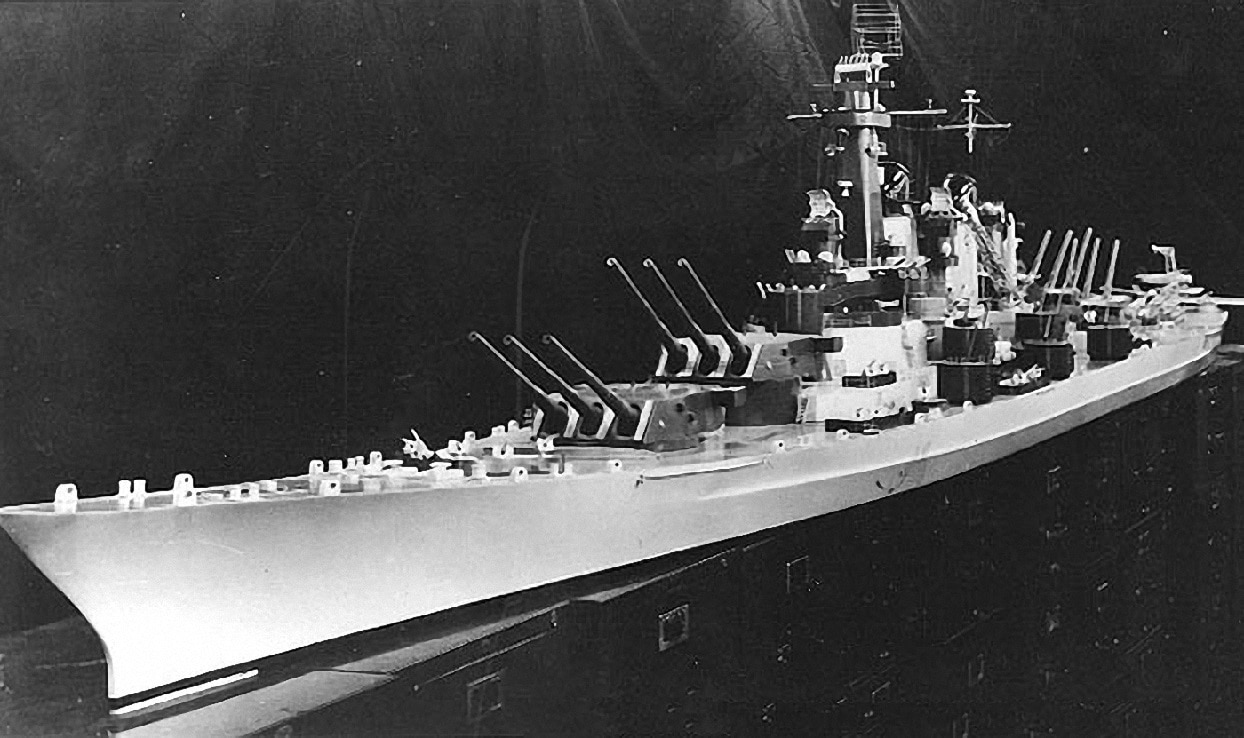
Montana-class Battleships. Image: Creative Commons.
So this was never just another hull. It embodied an answer to a specific operational problem: how to keep substantial combat power at sea, under attack, long enough for it to matter.
Why the Navy Walked Away—and Why It Was Right
By the time Montana might have entered service, the terms of that problem had already begun to shift.
Carrier aviation was changing naval warfare at its core. Submarines were reshaping sea control. Speed and reach mattered in ways they had not before. Fleets were no longer organized around individual ships but around larger systems that could project force over long distances.
The Iowa-class could operate in that world. It could escort carriers, keep pace with them, and contribute across a wider range of missions without constraining the fleet.
Montana was built for something else.
The Navy did not cancel it because it failed to understand what was coming. It cancelled it because it recognized, under wartime pressure, that the emerging form of naval war made that kind of ship a poor fit. That was not inevitable. Institutions often lag behind change. In this case, the Navy adjusted in time and got the decision right.
The Problem That Didn’t Go Away
Set the ship itself aside, and the underlying issue comes into focus.
The question Montana was meant to address was not complicated. How do you keep meaningful combat power at sea, under fire, long enough for it to matter? How do you ensure that once a force is committed, it can remain in the fight rather than being driven off or destroyed?
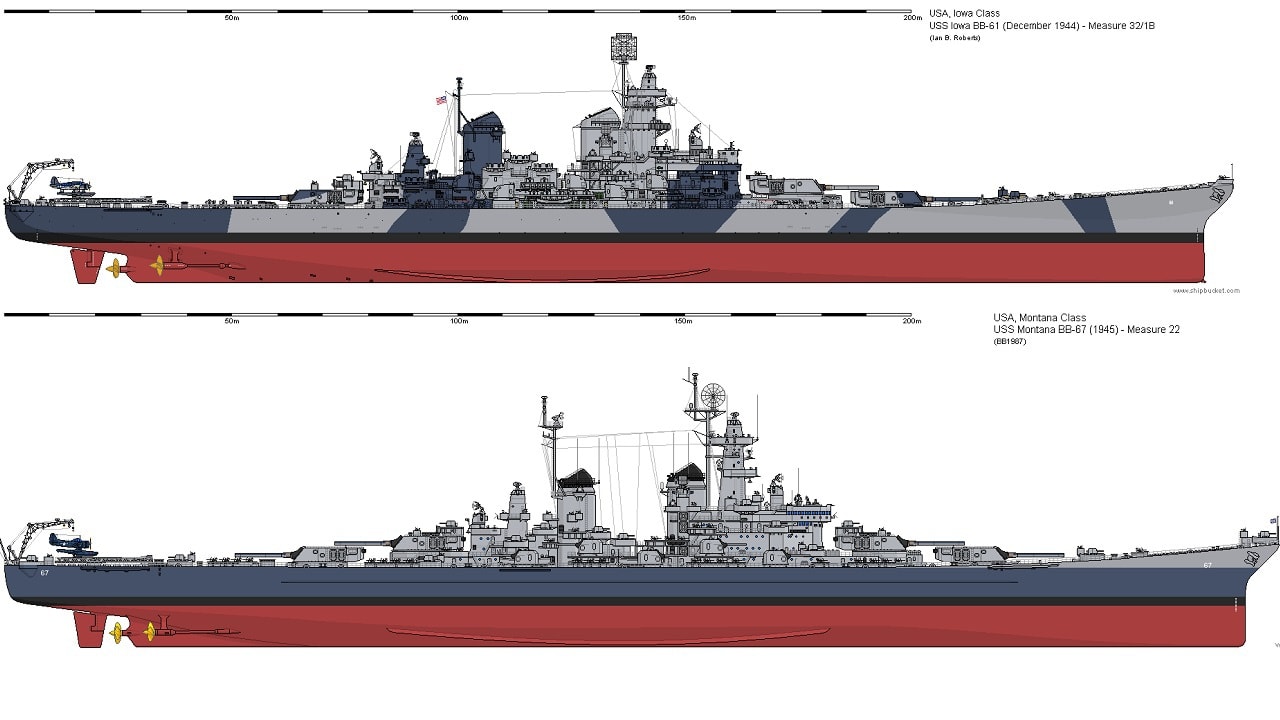
Image of Iowa-class battleship compared to Montana-class battleship that was never built. Image Credit: Creative Commons.
Montana’s answer was one way of thinking about that problem. Concentrate protection and firepower in a platform designed to absorb punishment and continue operating.
That specific answer no longer fits the technologies that define naval warfare today. The problem behind it, however, did not disappear. It was reworked by the next generation of systems, not eliminated.
The Return of the Problem
The contemporary version of that problem looks different and, in some ways, more severe.
Surface ships now operate in a transparent battlespace. Sensors are more capable. Data moves faster. Targeting cycles have tightened. Long-range anti-ship missiles have complicated almost every assumption about survivability.
None of this makes surface forces irrelevant. It does make them more exposed.
Carriers remain central to American naval power, but they are finite and extremely high-value assets. Smaller surface combatants offer flexibility, but they have less margin in both firepower and endurance. Submarines remain the most survivable platforms in the fleet, but they cannot perform every function that visible presence at sea still requires.
The Navy adapted once, moving away from battleships toward carriers and distributed forces because the operational environment demanded it. The question now is whether that solution is still as well aligned with the emerging battlespace as it once was.
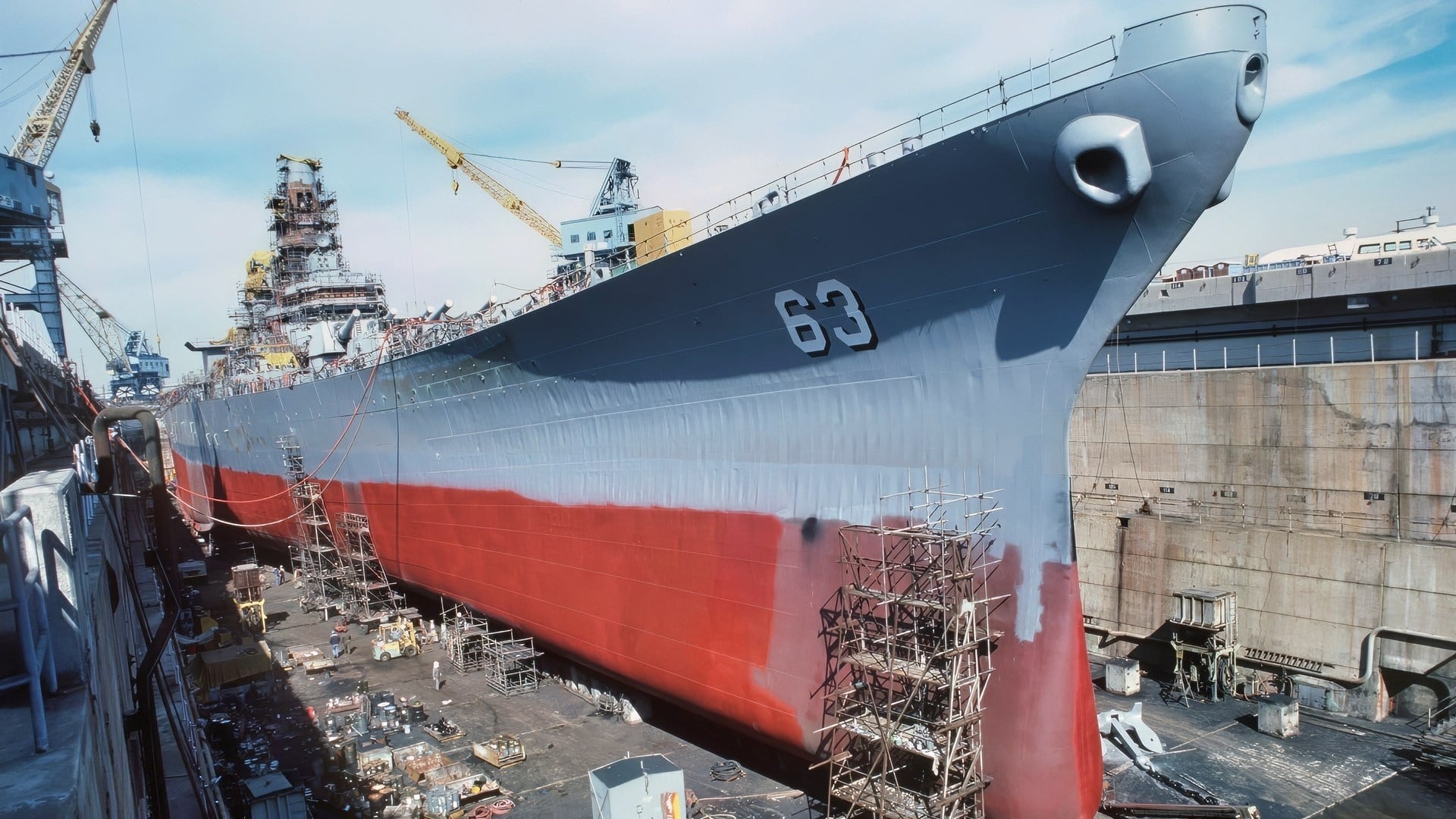
A starboard bow view of the battleship USS MISSOURI (BB 63) in dry dock for reactivation/modernization work prior to recommissioning. Image Credit: Creative Commons.
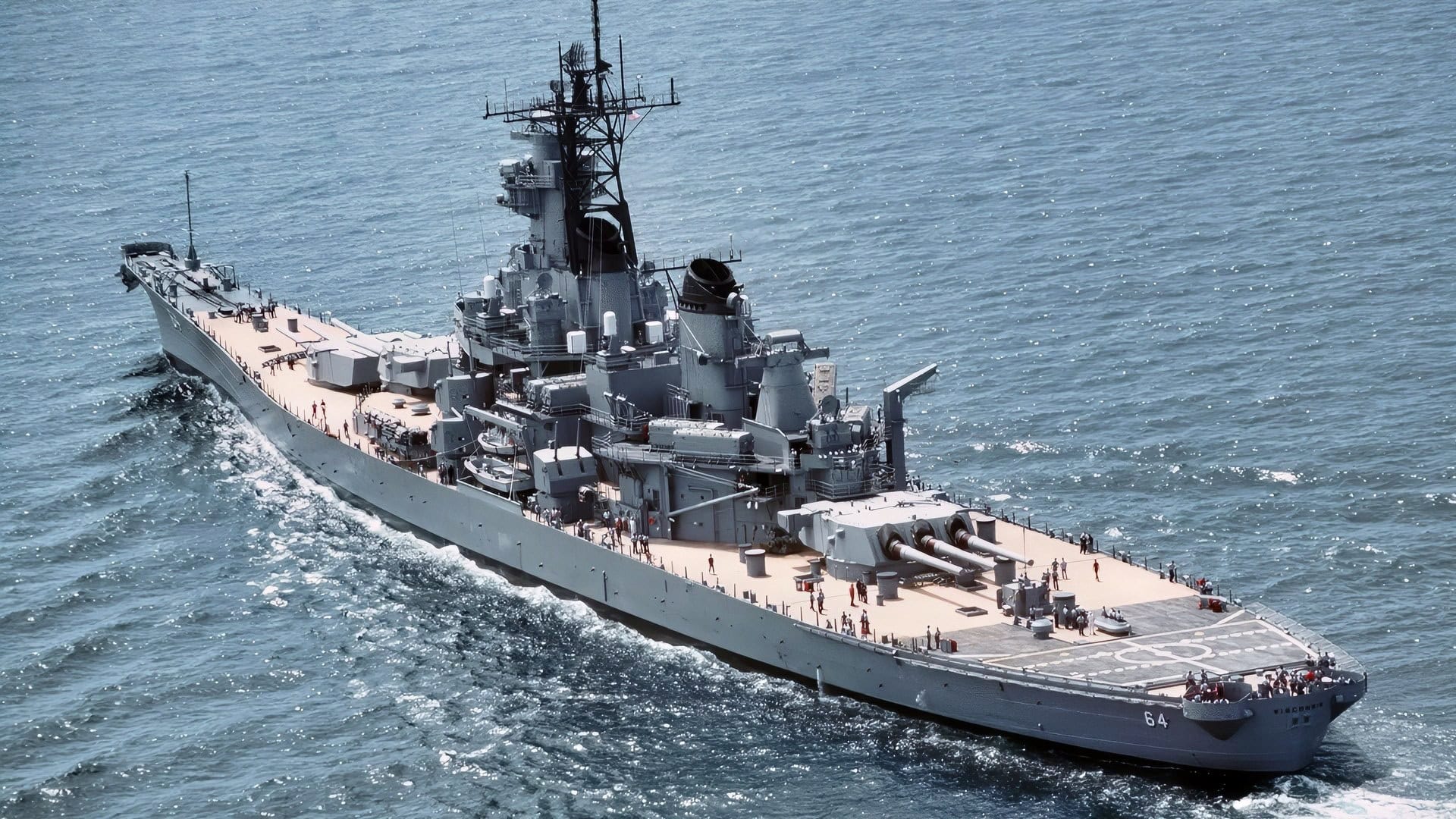
U.S. Navy Iowa-Class Battleship. Image Credit: Creative Commons.
Projecting power is one thing. Holding it in place once the shooting starts is another.
In a battlespace defined by persistent surveillance and long-range strike, remaining unseen, surviving, and continuing to deliver force are becoming harder, not easier. That raises a problem that looks uncomfortably familiar, even if the technologies are different.
A Different Kind of Montana-Class Moment
This is where the comparison to Montana matters.
The lesson of 1943 is not that the Navy should have built bigger ships. It was willing to abandon a major program when it no longer fit the way war at sea was being fought.
If this is another Montana moment, the issue is not whether to revive old designs. The question is whether the Navy is still investing in forms of naval power that the emerging battlespace cannot sustain.
That does not point to a single platform that must be cancelled. It points to something more difficult. It raises the possibility that some of the fleet’s most important capabilities are built around assumptions about survivability and persistence that are becoming less reliable.
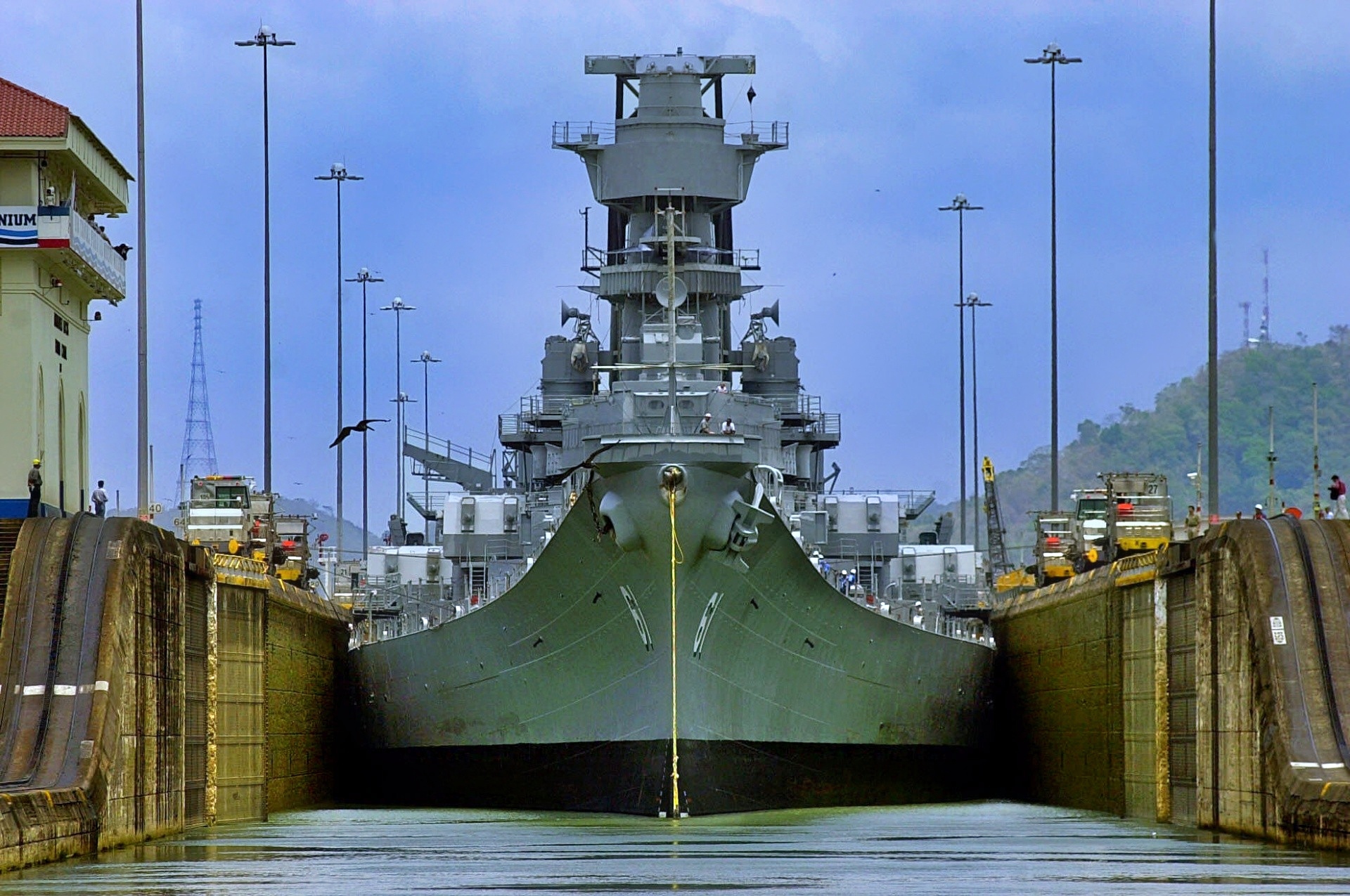
USS Iowa Battleship. Image Credit: Creative Commons.
This is where the comparison to Montana becomes useful. The lesson of 1943 is not about battleships. It is about recognizing when a major investment no longer aligns with how war at sea is actually fought. The Navy made that call once, under pressure, and shifted toward a different model of naval power built around carriers and distributed operations.
The uncomfortable question is whether a similar misalignment is emerging again. Today’s fleet still depends on concentrating significant combat power in platforms that are increasingly visible and targetable in a transparent battlespace.
Carriers remain indispensable, but they are finite and difficult to replace. Large surface combatants bring capability, but also present valuable targets. Smaller ships and submarines help distribute risk, but they do not fully solve the problem of maintaining sustained, visible combat power once a high-end fight begins.
That is what makes this feel like a Montana moment. Not because a single platform should be cancelled, but because the underlying assumptions about survivability and persistence may no longer hold as firmly as they once did.
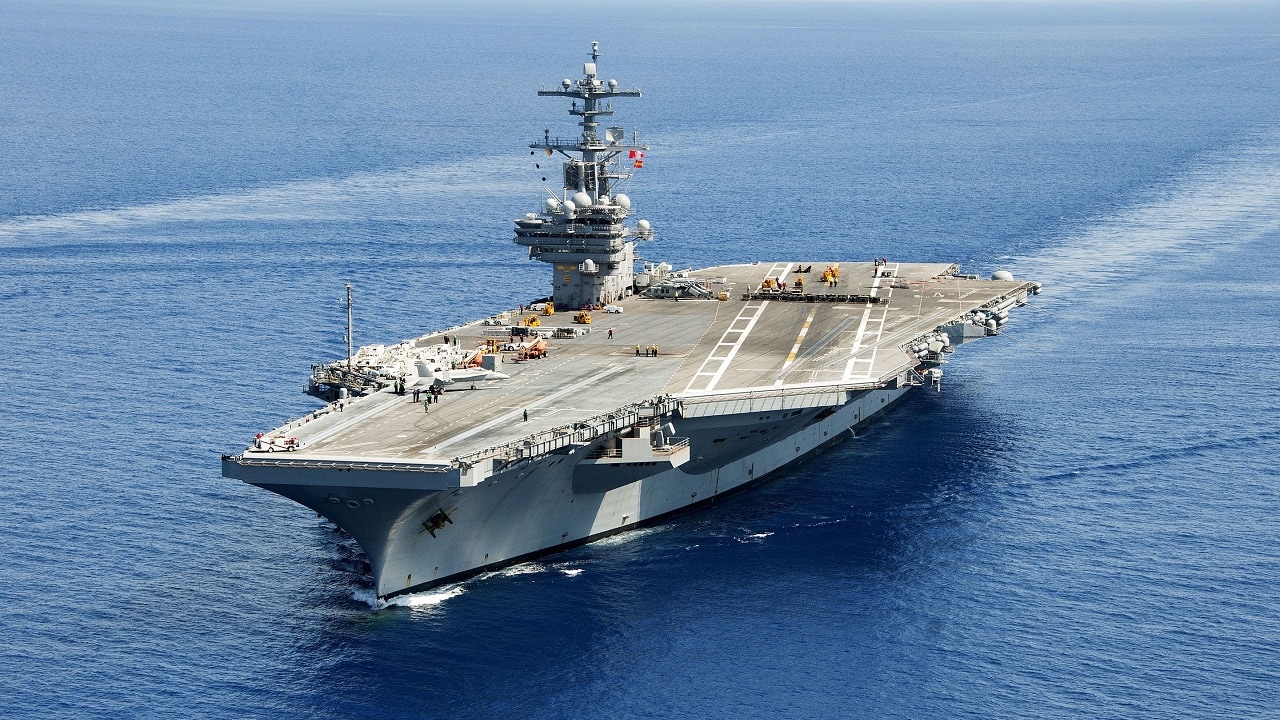
USS George H.W. Bush Aircraft Carrier. Image Credit: Creative Commons.
The Navy adapted once when the character of naval warfare shifted. The question now is whether its current force structure reflects the next shift as clearly as it did the last.
About the Author: Dr. Andrew Latham
Andrew Latham is a professor of international relations and political theory at Macalester College in Saint Paul, MN. You can follow him on X: @aakatham. He writes a daily column for 19FortyFive.com.