
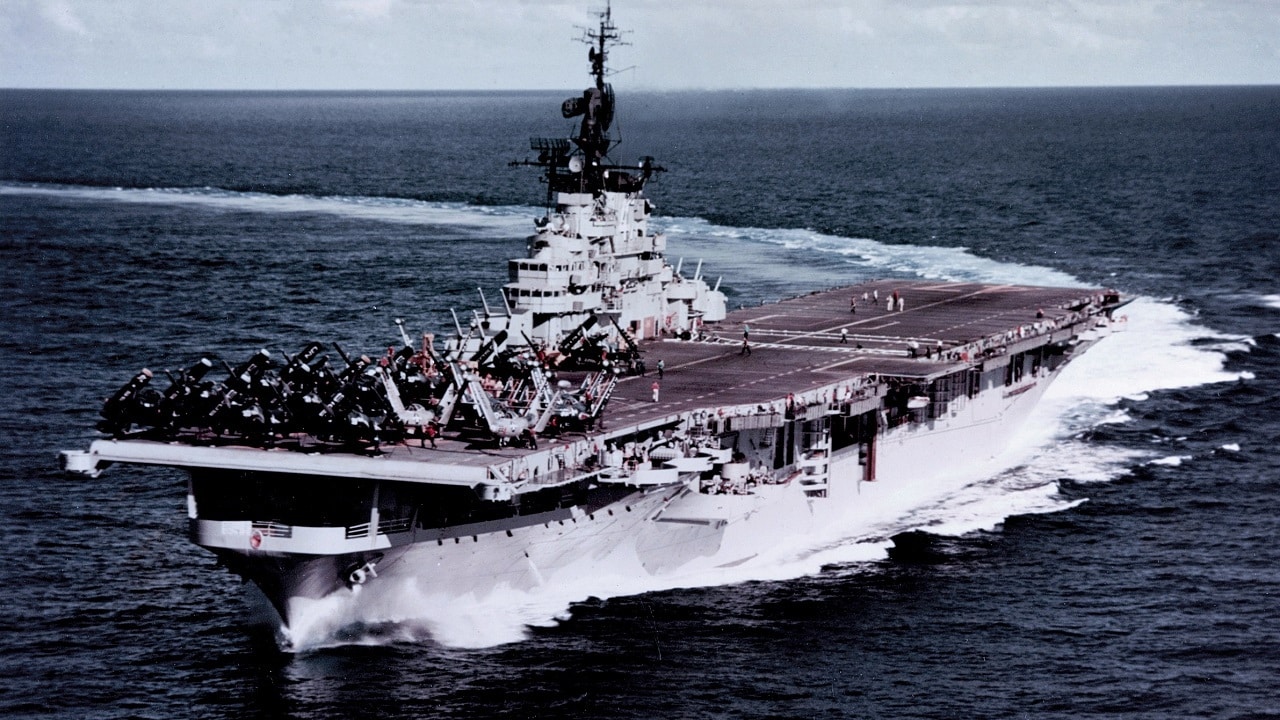
The U.S. Navy Built 24 Essex-Class Aircraft Carriers. It Can’t Pull That Off Again
The U.S. was able to build twenty-four Essex-class aircraft carriers in the span of a few years.
Today, modern shipbuilding cannot even finish a standard refueling and complex overhaul (RCOH) on a single carrier without massive delays.
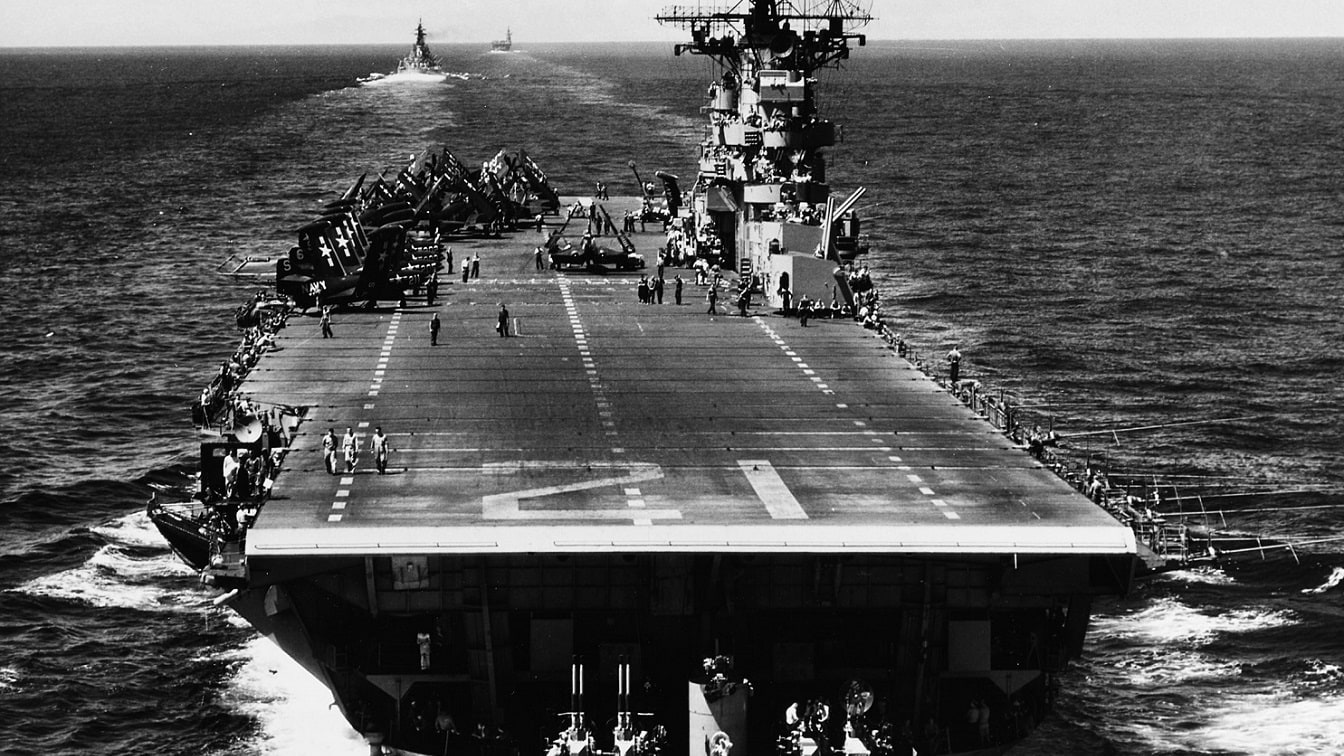
Essex-class. Image Credit: US Navy Archives.
Currently, modern American manufacturing is in a sorry state: the USS John C. Stennis (CVN-74) is currently delayed, Harry S. Truman’s (CVN-75) RCOH is expected to be delayed, and Gerald R. Ford (CVN-78) is expected to undergo a twelve-to-fourteen-month maintenance period as soon as she returns home.
What on earth happened to the U.S. industry? The answer is that a lot has changed since WWII, and the world of the 1940s is no more.
The Industrial Base of the 1940s
With the collapse of interwar naval treaties and the shock of global war, the United States committed itself to total industrial mobilization. Carrier construction was viewed as imperative and synonymous with national survival.
Congress provided vast, stable funding through measures such as the Two-Ocean Navy Act, and the Navy placed long-run orders that gave shipyards confidence to expand facilities and reorganize production around speed rather than cost minimization. This, combined with a united home front, meant that shipbuilders had almost unlimited funds and a vast array of patriotic workers eager to do their part.
Thirty-two Essex-class carriers were authorized, twenty-four were completed, and seventeen were commissioned before the war ended. They were built simultaneously across multiple public and private shipyards, creating redundancy within the industrial base.
If one yard fell behind schedule or suffered disruptions, others could absorb the load. This was no mere happy accident; it was a deliberate feature implemented by intelligent individuals and enabled by a thriving industrial base.
Why the Essex-class was so Easy to Produce
What’s important to understand is that the Essex-class was designed specifically to be produced as simply and as quickly as possible. The designers chose standardized hull forms and conservative approaches to propulsion, power generation, and aircraft handling.
The Navy avoided packing too many revolutionary systems into the initial design, opting for incremental improvements over risky changes. That restraint paid enormous dividends. Workers moved quickly down the learning curve, construction times fell with each successive hull, and ships reached the fleet in predictable intervals rather than lurching through constant redesign.
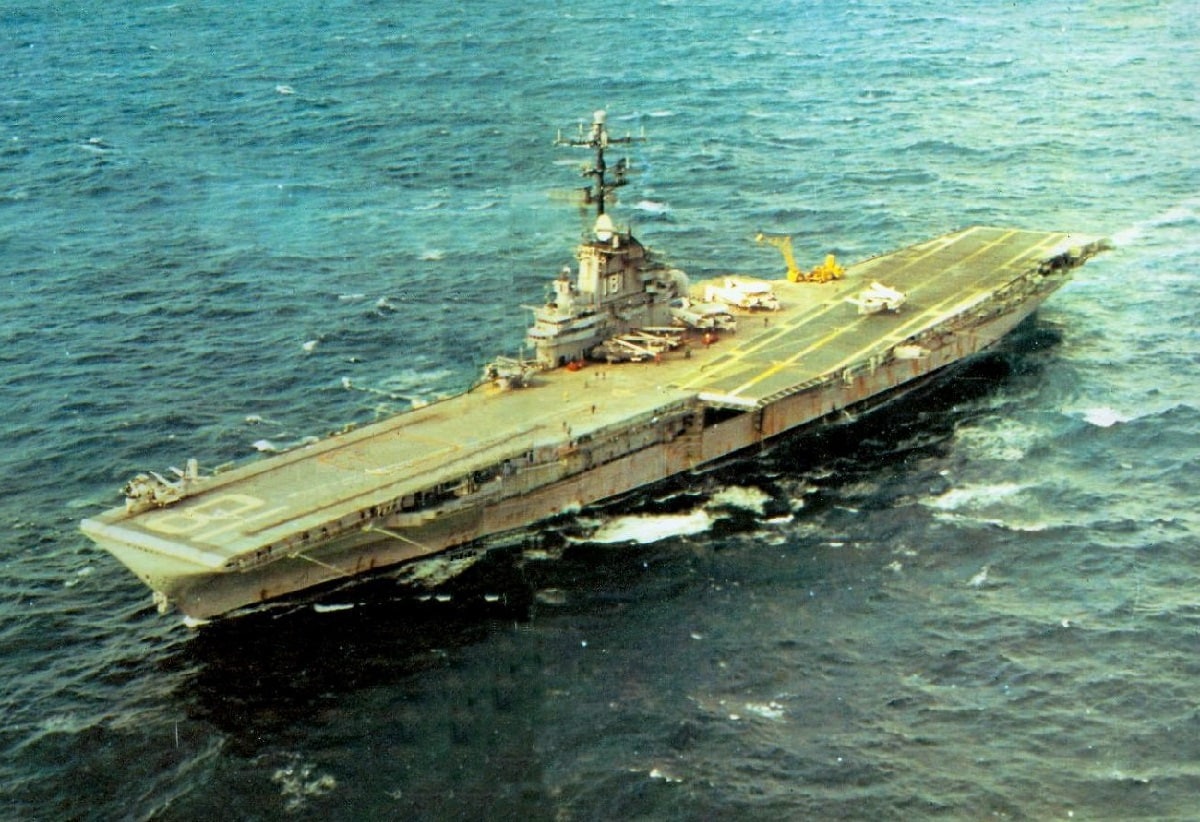
USS Wasp Essex-Class Aircraft Carrier. Image: Creative Commons.
These carriers were expected to be damaged, and they were designed accordingly. Layered damage-control systems, accessible machinery spaces, and structural redundancy allowed ships to survive horrific punishment.
Even after catastrophic kamikaze strikes, carriers like USS Franklin and USS Bunker Hill returned to service with astonishing speed. Wartime repair infrastructure, from forward facilities in the Pacific to heavily staffed West Coast yards, ensured that maintenance was integrated into the operational system rather than treated as a bottleneck.
The Industrial Problems of Today
Meanwhile, the modern carrier force operates in an entirely different context. The United States today maintains, by statute, eleven large nuclear-powered aircraft carriers, but their effective availability is far lower.
At any given time, several are deployed, several are training or preparing to deploy, and others are immobilized by long-term maintenance or refueling overhauls. The result is that global demand increasingly outstrips supply, forcing extended deployments that push ships and crews well beyond intended operational cycles.
The Navy’s maintenance system is structurally brittle. Unlike the World War II era, today’s nuclear carrier sustainment depends on just four public shipyards. All four struggle with aging infrastructure, overcrowded dry docks, outdated layouts, and equipment never designed for ships of this size and complexity.
Government assessments have repeatedly shown that maintenance periods are completed late far more often than on time, frequently by many months. Even when funding increases, physical capacity does not expand quickly because dry docks, cranes, and skilled trades cannot be conjured on demand.
A Work Base Stretched Too Thin
These problems are further compounded by crippling labor shortages throughout American industry. Wartime shipbuilding benefited from an enormous labor pool mobilized under extraordinary social and economic conditions.
Modern shipyards, by contrast, must compete in a tight labor market for workers willing to endure physically demanding, highly regulated environments for pay that often lags behind more comfortable jobs. Attrition among skilled trades is high, training pipelines are long, and experience is fragile. Every departure represents not just a vacancy, but a loss of hard-won tacit knowledge that directly affects schedule performance.
There is also something to be said about the technological complexity of modern aircraft carriers. The Ford-class carriers, for instance, are the most advanced carriers on the planet and are equipped with all the latest and greatest advancements in the field.
All these bells and whistles have their place and are good in fact, but they do, unfortunately, contribute to their complexity and their costs. When these systems malfunction, fixes often require specialized expertise, custom parts, and extensive testing, all of which lengthen their time in the yard.
The U.S. Cannot Go Back
The history behind how the U.S. transformed from a shipbuilding titan to what it is today is long and complicated. Throughout the later years of the Cold War and into the 21st century, the U.S. offshored much of its industrial capacity to nations with lower labor costs.
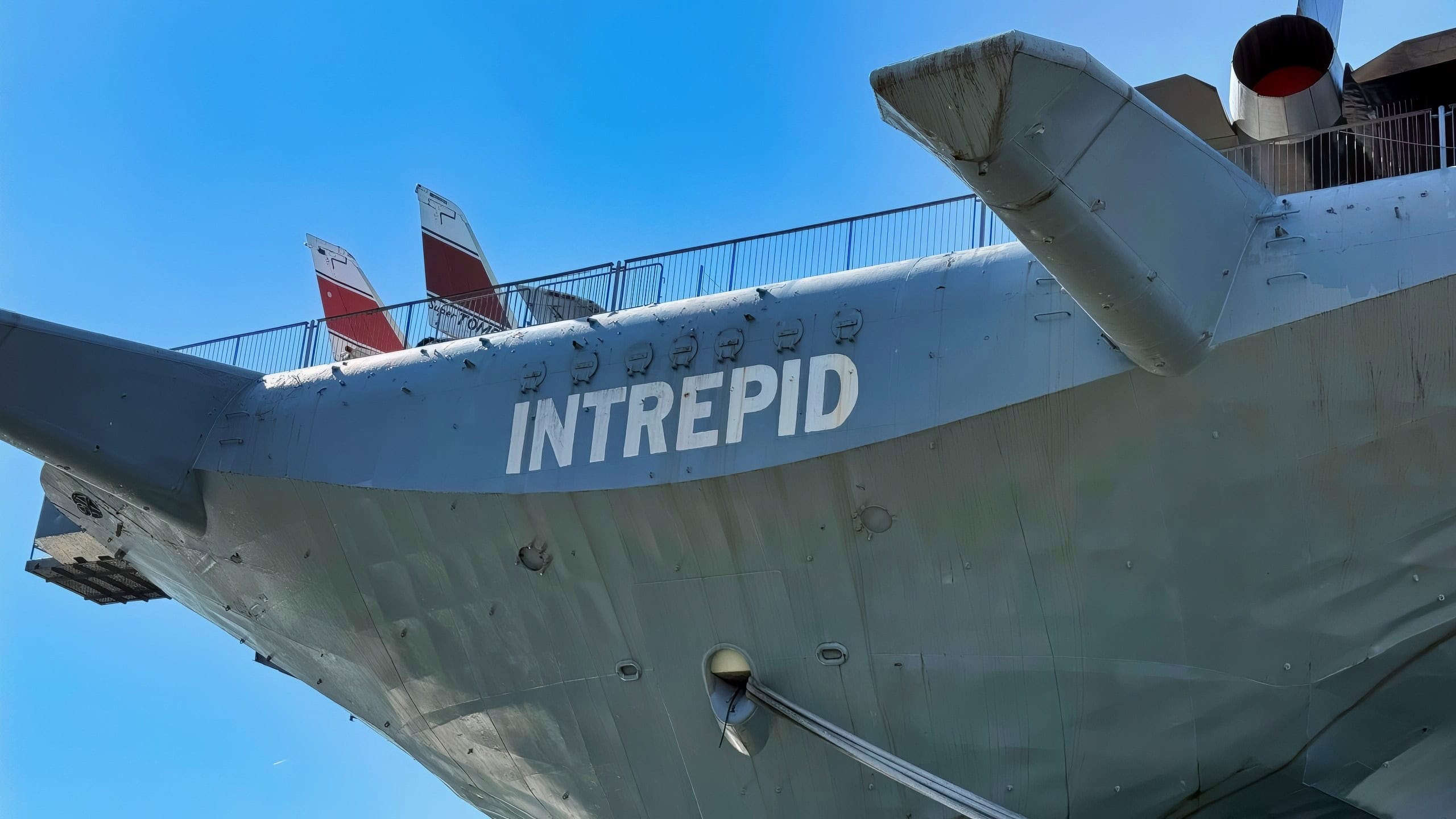
USS Intrepid of the Essex-Class Aircraft Carriers. Image Credit: 19FortyFive.com Original Photo.
This was an economically good choice in some ways, but strategically, it crippled America’s industrial base. There are many nitty-gritty economic policies that explain why this happened, but that goes well beyond the purpose of this article. The main point is that, unlike many European nations whose industries were destroyed during the war, the U.S. sold its industry to boost its GDP.
So how can the U.S. recreate the Essex-class production miracle? In my opinion, it cannot.
The economic, political, and social conditions that enabled it no longer exist. The United States recognized that naval power was inseparable from industrial power and organized its institutions accordingly.
Today, the Navy operates extraordinarily capable ships in an industrial ecosystem that is too narrow, too fragile, and too optimized for peacetime efficiency to sustain them reliably under pressure.
READ MORE – Iran Claims to Have Hit a Navy Aircraft Carrier With a Missile
READ MORE – Iran Came Close to Hitting a Navy Super Hornet
About the Author: Isaac Seitz
Isaac Seitz, a Defense Columnist, graduated from Patrick Henry College’s Strategic Intelligence and National Security program. He has also studied Russian at Middlebury Language Schools and has worked as an intelligence Analyst in the private sector.