
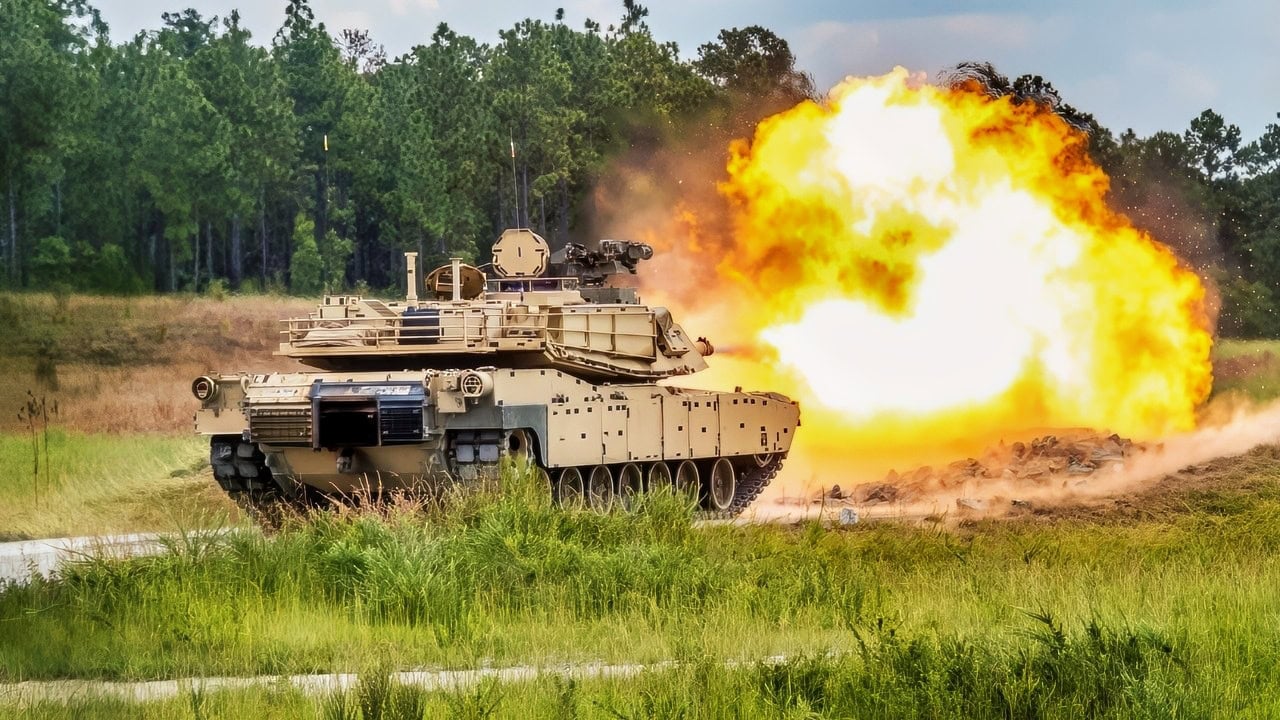
The U.S. Spends More on Defense Than the Next 10 Countries Combined — 37% of All Global Military Expenditure
According to recent news reports, the Trump administration is seeking to increase the U.S. defense budget to $1.5 trillion.
This announcement came during the ongoing Operation Epic Fury, which has exhausted a large number of high-cost standoff munitions and resulted in the loss of multiple high-value assets in the region.
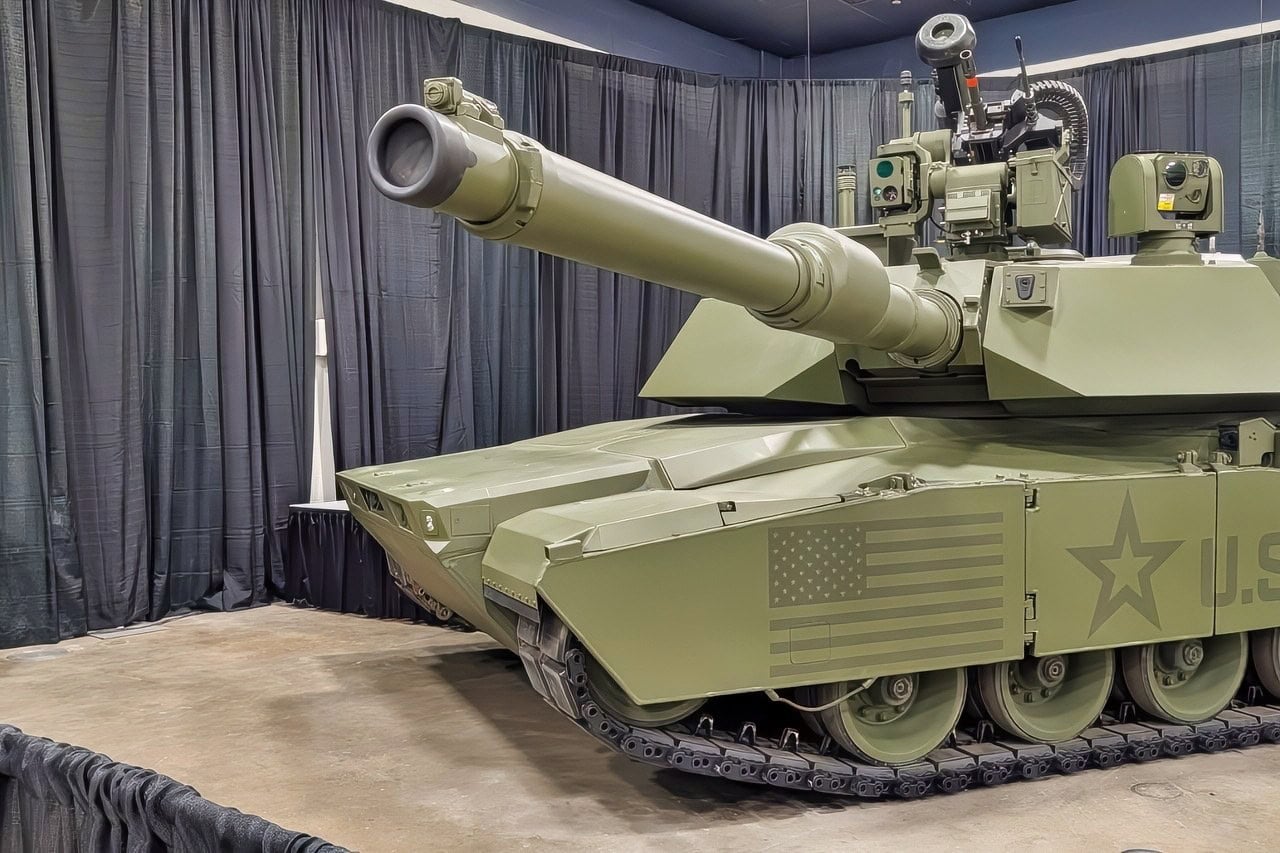
M1E3 Tank at the Detroit Auto Show. Image Credit: 19FortyFive.com
Despite having the world’s highest defense budget by orders of magnitude, the U.S. is requesting additional funds for modernization.
Let us set aside political considerations for a moment and ask whether the U.S. Department of War needs these funds, especially as adversaries like Russia and China spend significantly less on defense.
The U.S. Military Already Spends More Than Anyone Else
At present, U.S. defense spending already dwarfs that of any other country. In fiscal years 2024 and 2025, total national defense spending ranged from roughly $820 billion to $920 billion, depending on accounting definitions, including whether nuclear weapons programs and intelligence activities are counted alongside the Department of Defense proper.
Even at those levels, the United States accounts for about 37 percent of global military expenditure, spending more on defense than the next 9 or 10 countries combined. In absolute terms, no other military comes close to the scale of U.S. forces, global basing, nuclear deterrent, or advanced air and naval power.

Tu-160 Bomber from Russia. Image Credit: Creative Commons.
Measured as a share of the economy, however, defense spending has declined substantially since the Cold War.
U.S. military outlays amount today to roughly 3 to 3.5 percent of GDP, compared with Cold War averages exceeding 6 percent during peak periods.
There are several issues associated with measuring defense spending as part of GDP.
For example, the U.S. economy is far larger now than it was during the Cold War; even with a smaller GDP share, that produces much higher absolute spending.
Does the U.S. Need More Defense Spending?
Officials in the White House and the Pentagon have argued that the U.S.’ current geopolitical position justifies the proposed increase.
The United States maintains extensive global commitments that few other countries attempt to shoulder simultaneously.
These include treaty obligations to NATO allies in Europe, security guarantees to Japan and South Korea, a substantial forward military presence across the Indo-Pacific, and ongoing operations in the Middle East.
According to congressional research, the United States maintains roughly 375,000 military personnel and more than 60 major bases or installations across the Indo-Pacific alone, a force posture designed to deter China and reassure allies.
Advocates argue that simultaneous challenges from China, Russia, Iran, and North Korea require a military that can deter or fight more than one major conflict at a time.
China’s military buildup has long been a justification for increased military spending among war hawks in Washington.
Beijing has invested heavily in advanced missile forces, naval expansion, space and counter-space capabilities, cyber operations, and nuclear weapons, all of which aim to challenge U.S. freedom of action in East Asia.
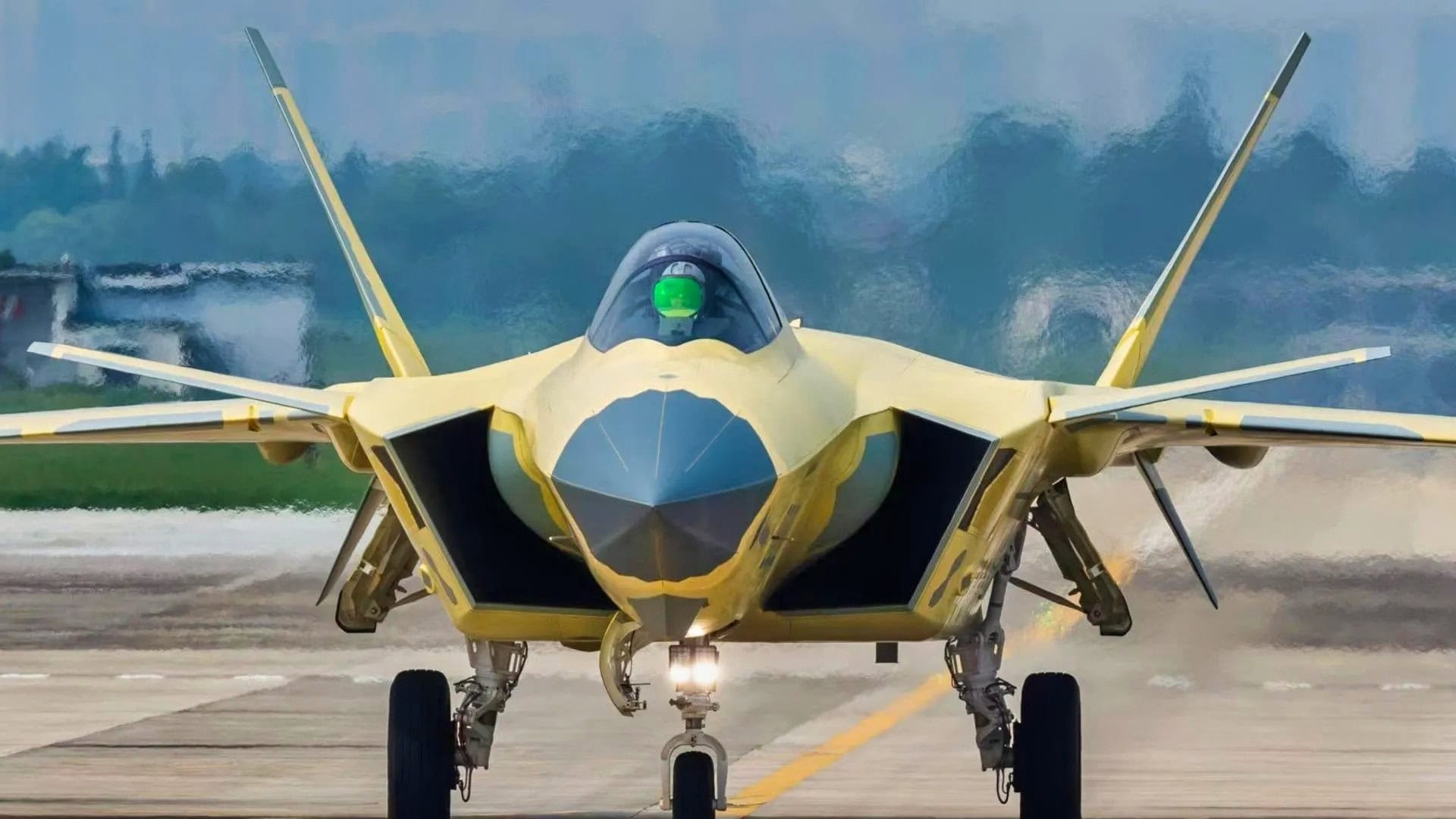
China J-20 Fighter. Image Credit: Creative Commons.
Reports across the military have repeatedly warned that maintaining credible deterrence in the Indo-Pacific will require significant investment in survivable forces, long-range strike, missile defense, and logistics. Russia’s war-driven rearmament and its continuing role as a nuclear peer further reinforce the argument that the United States faces a uniquely demanding threat environment.
Another major argument for higher spending is for the reinvigoration of the U.S. defense industrial sector. Recent conflicts have revealed that U.S. production rates for missiles, artillery shells, and air defense interceptors are insufficient for prolonged high-intensity warfare.
Reports tied to the proposed budget state that replenishing depleted stockpiles and expanding domestic manufacturing capacity could require hundreds of billions of dollars over several years.
The $1.5 trillion proposal includes exceptionally large increases for procurement and research and development, with roughly $260 billion proposed for procurement and more than $220 billion for research, development, testing, and evaluation in the base budget alone. Supporters argue that without such investments, U.S. forces could face dangerous shortfalls in any sustained conflict.

B-1B Lancer Getting Closer. Image Credit: Creative Commons.
More Money Won’t Fix the U.S. Military
Critics of a $1.5 trillion defense budget do not deny the existence of real threats, but question whether such an extreme budget increase is justified or even effective.
Let us circle back to the China-Russia argument from before.
Even accounting for China’s purchasing power and Russia’s wartime mobilization, U.S. defense spending would still exceed that of its principal competitors by an enormous margin.
China’s defense budget is estimated at roughly $300–330 billion annually, while Russia’s is closer to $150–170 billion, albeit at a far higher share of GDP. One has to wonder how China, despite spending significantly less, is able to outproduce the U.S. across the board.
Critics of higher defense spending have therefore frequently argued that the issue lies with how defense funds are spent, not so much with how much money is allocated to the Pentagon.
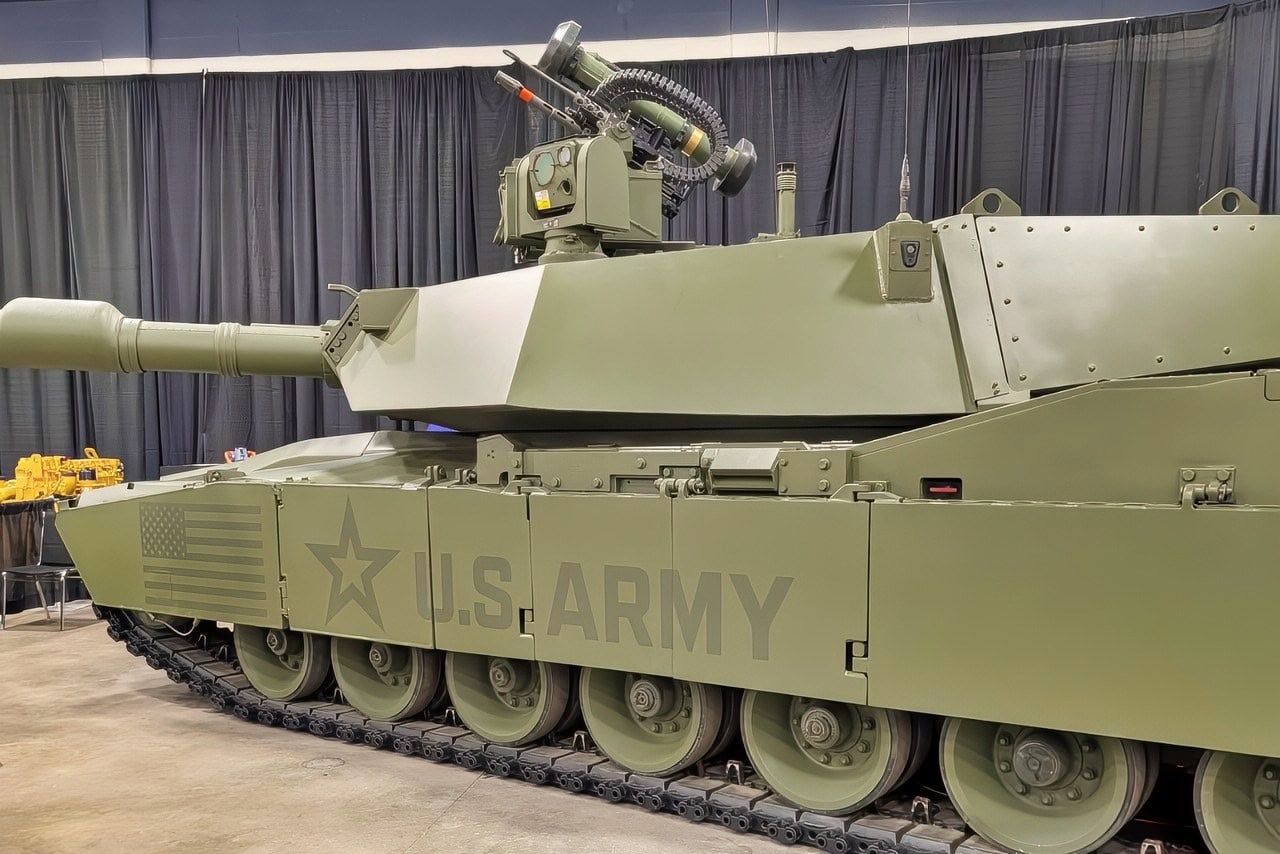
M1E3 Tank at the Detroit Auto Show. Image Credit: 19FortyFive.
The DoW has repeatedly failed its comprehensive financial audits, and major acquisition programs are known for chronic cost overruns and schedule delays.
Economists and other reform-minded individuals have warned that injecting vast sums of money into a system with weak cost controls risks magnifying waste rather than improving combat effectiveness.
From this perspective, a smaller but more disciplined increase targeted at specific vulnerabilities could achieve similar security benefits at much lower cost.
About the Author: Isaac Seitz
Isaac Seitz, a Defense Columnist, graduated from Patrick Henry College’s Strategic Intelligence and National Security program. He has also studied Russian at Middlebury Language Schools and has worked as an intelligence Analyst in the private sector.