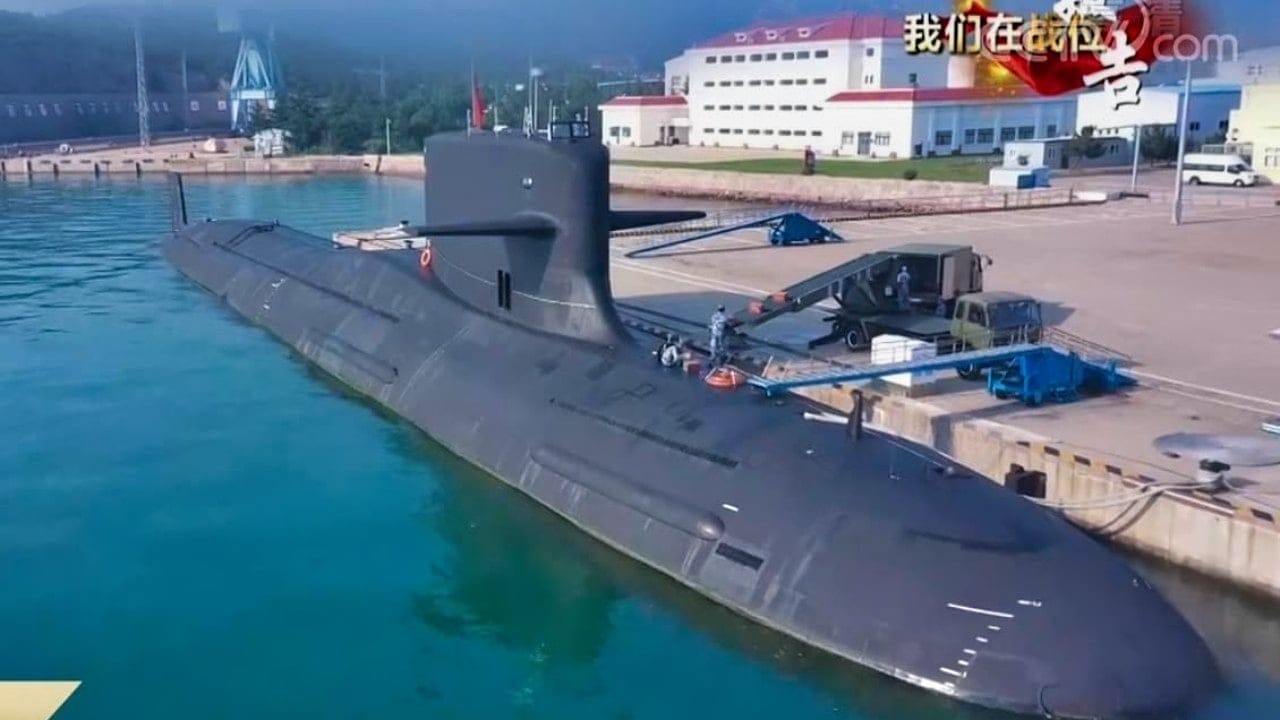
A Failed AIP Test May Have Killed Every Sailor Aboard China’s Submarine 361 — And Beijing Will Never Admit It
It was one of the more mysterious naval accidents of the early 2000s: a Chinese submarine, found seemingly adrift with all hands dead.
Discovered by a Chinese fisherman, the submarine, a Type 035 submarine, hull number 361, had its periscope extended, but was without power and adrift.
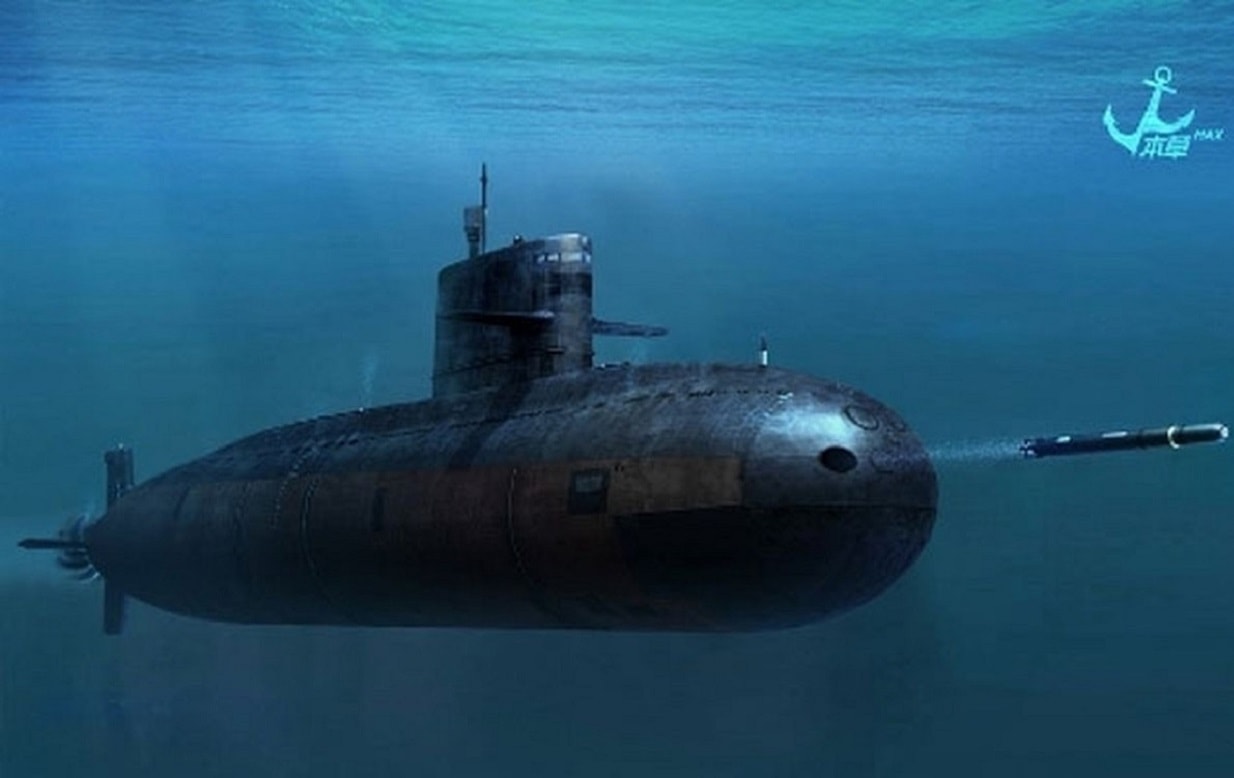
China Submarines. Image: Creative Commons.
Curiously, the submariners inside were found at their stations as if they had all, simultaneously, died.
It was one of China’s worst naval disasters, and heads rolled.
The People’s Liberation Army Navy Commander and a Political Commissar were both sacked following the submarine’s discovery.
Anonymous Accounts and Murky Depths
One anonymous Chinese naval official, quoted by several Western naval analysts, said that the submarine was not found for ten days after the incident, and that the sailors and cadets were found at their stations, slumped over the submarine’s controls.
Furthermore, there did not appear to be any signs that the crew was aware of what had happened, nor was there evidence that the crew had attempted to surface or open the submarine’s hatches, or signs of repair to the submarine’s snorkel.
The dramatic incident begs the question of what exactly happened to the submariners?
How is it possible that of the approximately 70 crew members, seemingly none of them recognized what had occurred or attempted to fix the situation or save themselves?
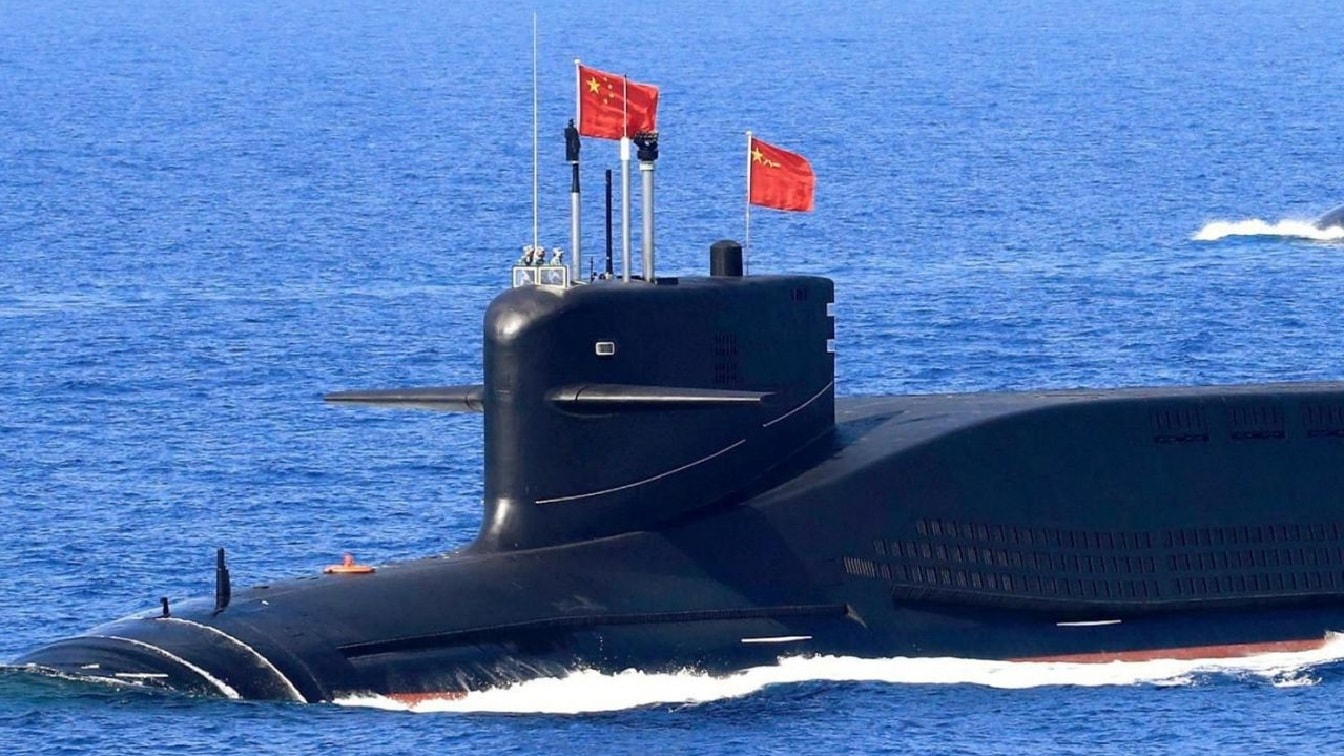
Chinese nuclear missile submarines. Image Credit: Creative Commons.
One group, the Jamestown Foundation, attempted to answer this question in 2003, following the disaster.
One Theory
“Two seemingly plausible explanations have been advanced,” Jamestown explained.
“One is that the batteries which operate the submarines when they are submerged leaked acid, which, in turn, mixed with sea water to produce lethal chlorine gas. The trouble with this theory is that chlorine has a distinctive smell. There would have been time to utilize the EBA, and the submarine still could have made an emergency surface, where the hatches could have been opened.”
But, the Jamestown report’s author added, chlorine gas causes intense pain when it comes in contact with sensitive lung tissue — but the evidence seemingly does not support that theory.
If the theory that the submarine’s diesel generators are true, then the submarine rapidly used all the boat’s oxygen, so why did the crew not attempt to save themselves?
Since the crew seemingly made no attempt to save themselves, there must have been something else at play, some other factor not mentioned in China’s curt acknowledgment of the disaster.
One theory is that the submarine may have been testing then-fledgling Air Independent Propulsion, or AIP technology.
“There is a related possibility. The extra thirteen members of the crew could have been on board to test new equipment, such as the Air-independent Propulsion (AIP) system the Chinese are believed to be developing,” Jamestown opined. “Essentially, AIP would extend the range of the MINGs by enabling the submarines to use their diesel engines while still submerged. The premature test of AIP could have been one “operational error” for which heads are now rolling in the Chinese Navy.”
Air-independent Propulsion for China
Broadly speaking, AIP technology enables a non-nuclear submarine to operate its engines without atmospheric oxygen, typically while submerged.
Though AIP systems typically produce significantly less power than a diesel engine and are thus considered an auxiliary power source, they allow an AIP-equipped submarine to spend significantly more time underwater rather than exposed on the surface or while operating louder diesel generators for propulsion.
When engaged, AIP propulsion enables nearly silent sailing.
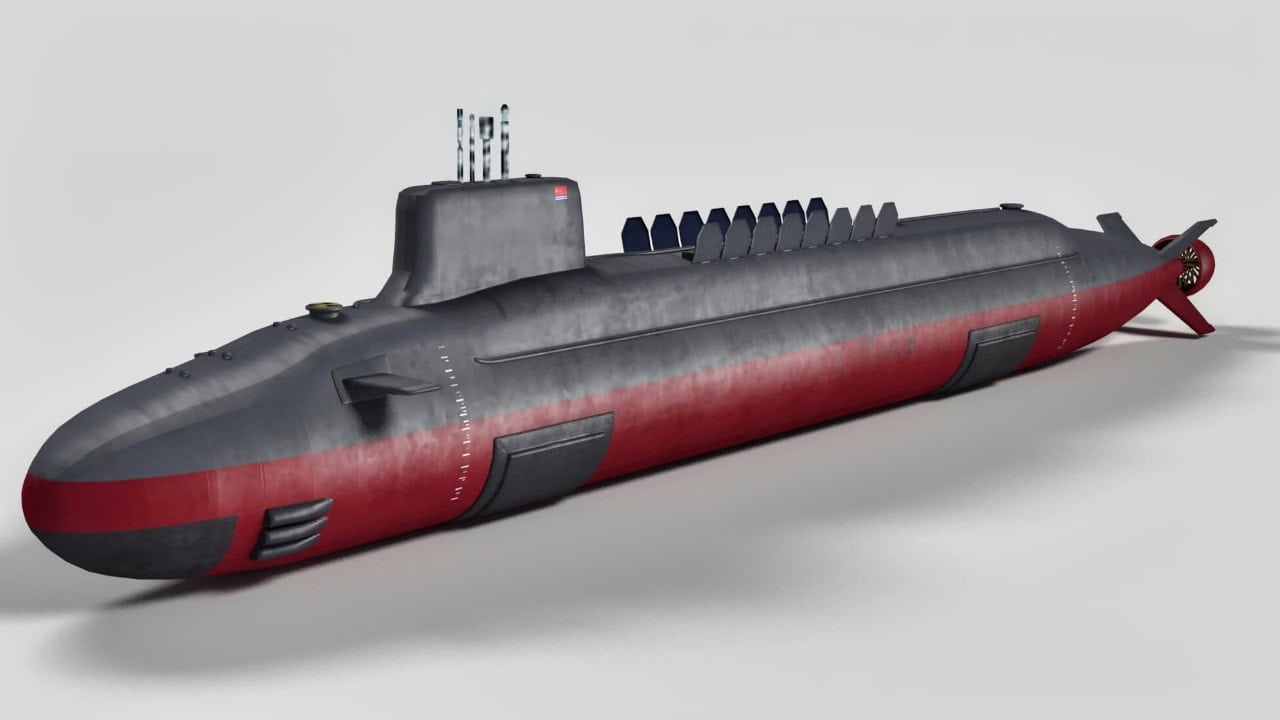
Type 096 Submarine from China. Image Credit: Creative Commons.
Though AIP-equipped sub lack the blue-water endurance of their nuclear-powered counterparts, they excel in littoral environments closer to coastlines.
In some circumstances, they are also thought to be even quieter than nuclear-powered submarines, thanks to their all-electric operation when in AIP.
The boat involved in the disaster, submarine number 361, is domestically known as a Ming-class submarine.
Compared to modern submarines, the class is wholly obsolete, and essentially a derivative of old Soviet Romeo-class submarines — themselves based on the Type XXI submarines of Germany’s Kriegsmarine from the Second World War.
Smoother Sailing Ahead
In the end, what actually happened aboard Submarine 361 is unlikely to ever come to light and will probably remain a secret of the Chinese Communist Party for years to come.
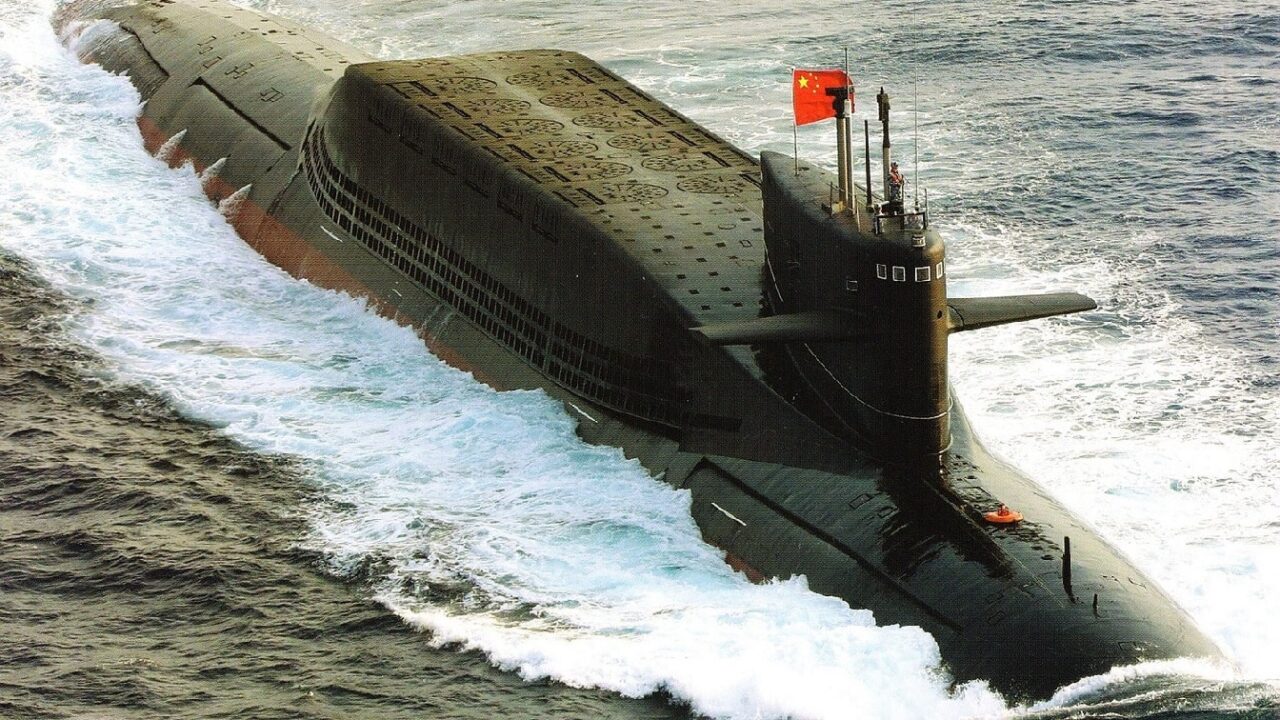
SSBN China Submarine. Image Credit: Creative Commons.
Some kind of mechanical snafu, perhaps caused by testing new sub propulsion technology, is one likely candidate for what exactly went wrong.
Today, China operates a not insubstantial fleet of AIP-equipped submarines. Perhaps they benefited from the Submarine 361 disaster.
In any event, we’ll never know what exactly went wrong.
MORE – Donald Trump Could Break NATO and Never Leave the Alliance
MORE – The F-35 Stealth Fighter Is No Joke
About the Author: Caleb Larson
Caleb Larson is an American multiformat journalist based in Berlin, Germany. His work covers the intersection of conflict and society, focusing on American foreign policy and European security. He has reported from Germany, Russia, and the United States. Most recently, he covered the war in Ukraine, reporting extensively on the shifting battle lines in Donbas and writing about the war’s civilian and humanitarian toll. Previously, he worked as a Defense Reporter for POLITICO Europe. You can follow his latest work on X.