
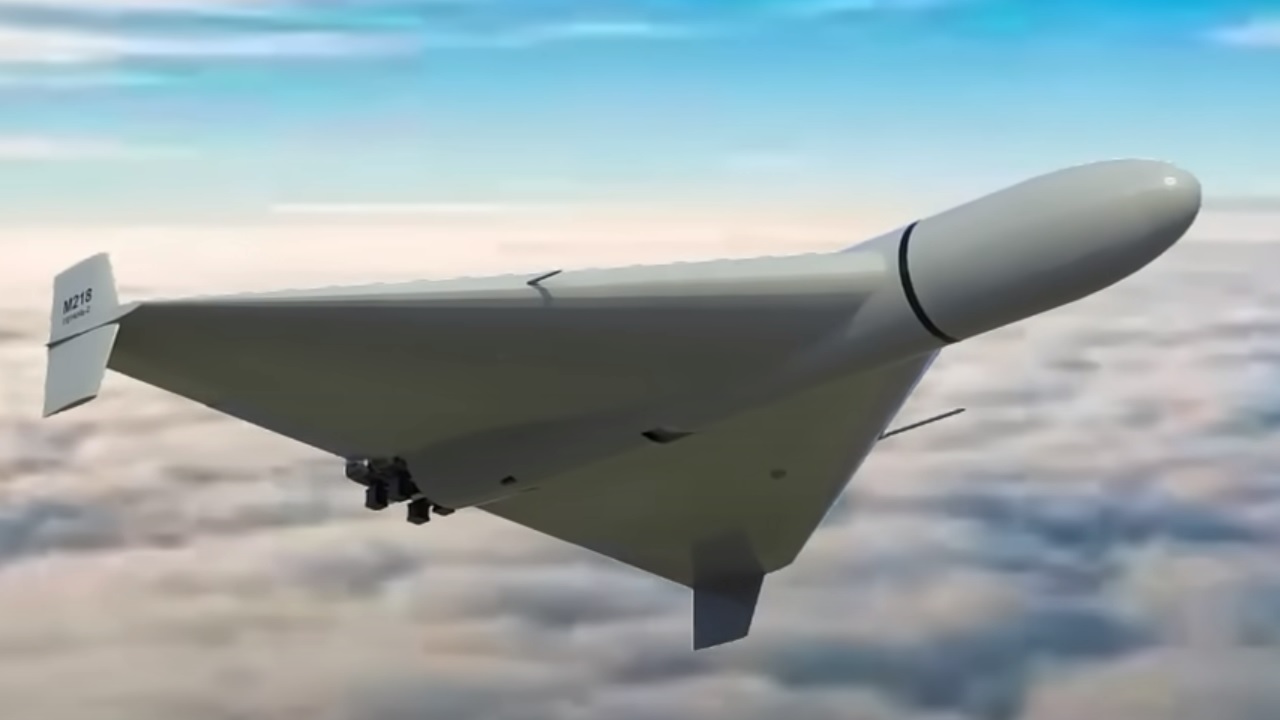
Since the 1979 Islamic Revolution, Iran has faced arms embargoes that prevented modernization of its manned air force, leaving it dependent on aging U.S.- and Soviet-era aircraft. Rather than attempting to close this gap, Iran invested heavily in missiles and unmanned systems as substitutes for traditional airpower. Over time, drones became a central pillar of Iran’s deterrence and warfighting concepts, enabling long-range strikes and intelligence collection at a fraction of the cost of manned aviation.
Today, drones are an indispensable pillar of the Islamic Revolutionary Guard Corps’ defense plan. Already, Iranian drones have demonstrated their ability to strike U.S. military sites, overwhelm allied air defenses, and hit areas once thought to be unreachable.
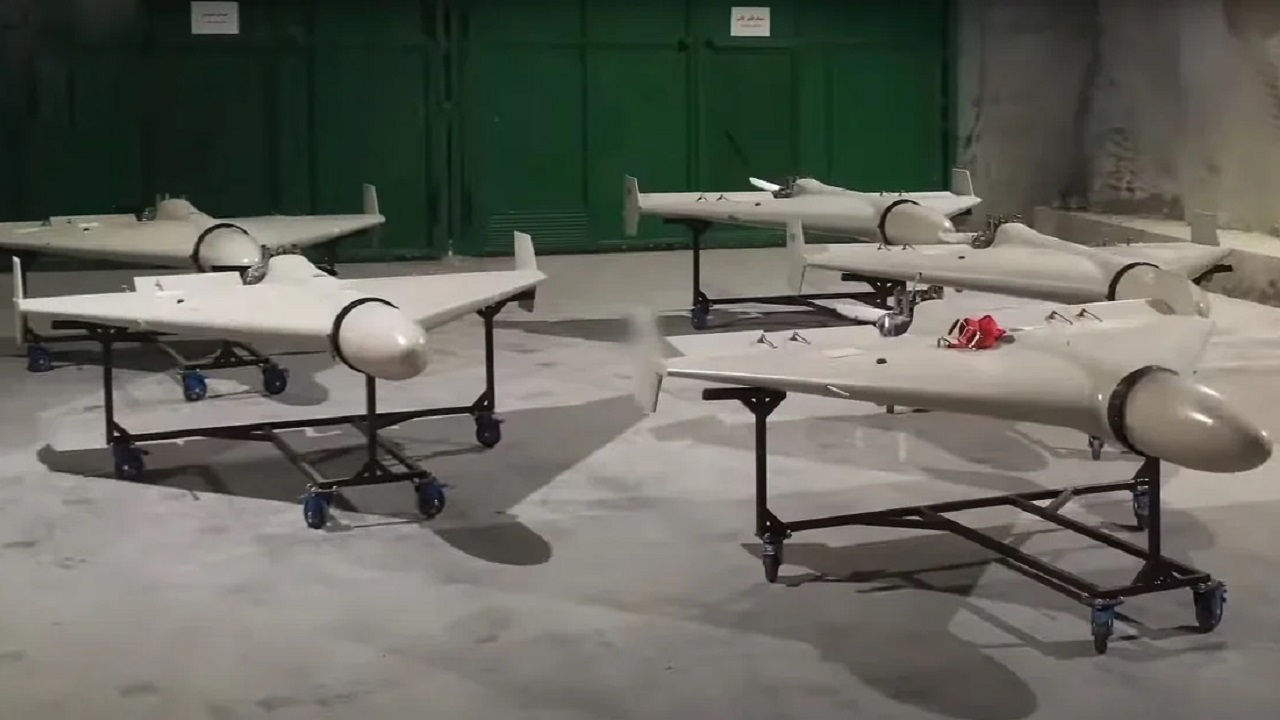
Shahed-136. Image Credit: Screenshot.
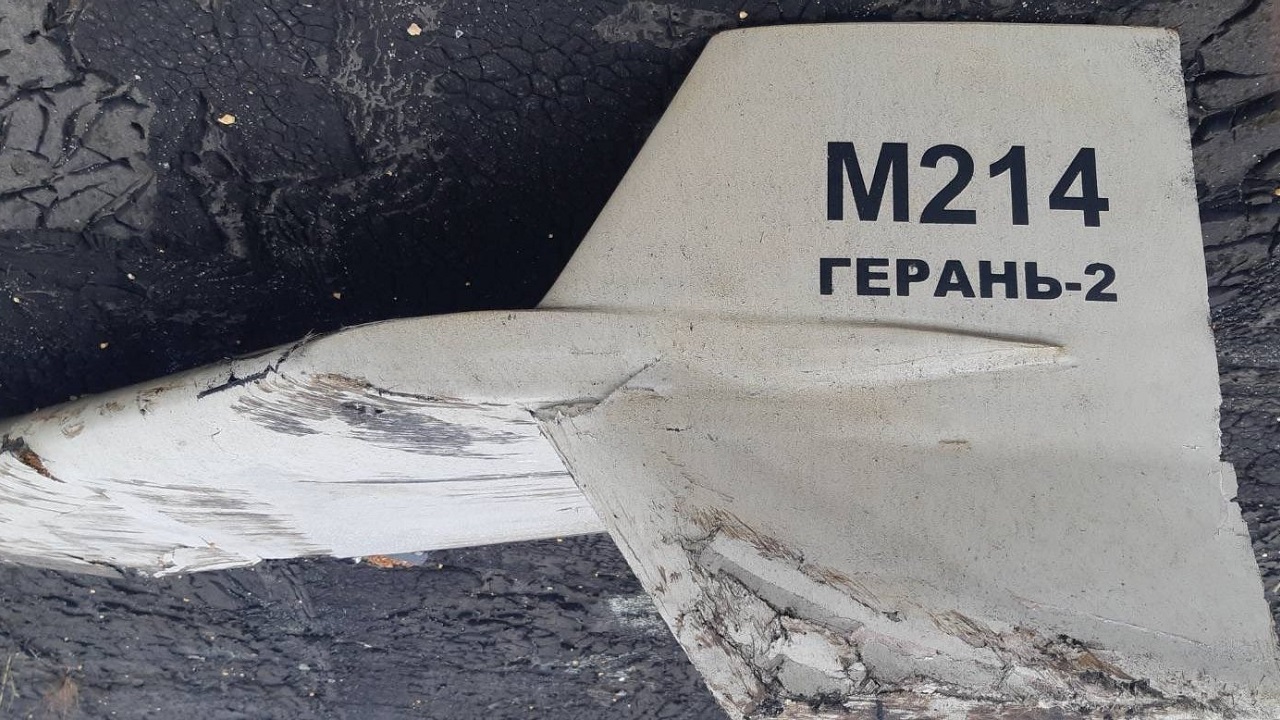
Shahed-136. Image Credit: Social Media.
The Development of Iran’s Drone Program
The IRGC first started working with unmanned systems in the latter years of the Iran–Iraq War, when the Islamic Republic experimented with simple, remotely piloted aircraft for battlefield reconnaissance.
Early systems, such as the first Ababil variants, were rudimentary and relied heavily on commercial components and improvised designs.
However, these experiments established a domestic knowledge base and an institutional commitment to unmanned aviation that persisted through the 1990s.
During that period, Iranian platforms steadily improved in endurance, range, and reliability, culminating in the development of the Mohajer family of drones.
Originally conceived as short-range reconnaissance platforms, Mohajer variants gradually evolved into armed systems capable of carrying precision-guided munitions.
That evolution reflected Iran’s growing ambition to integrate drones into strike roles rather than limit them to surveillance.
By the 2010s, Iran had demonstrated an ability to field medium-altitude, long-endurance platforms such as the Shahed-129, which Iranian media and defense officials compared to the U.S. MQ-1 Predator.
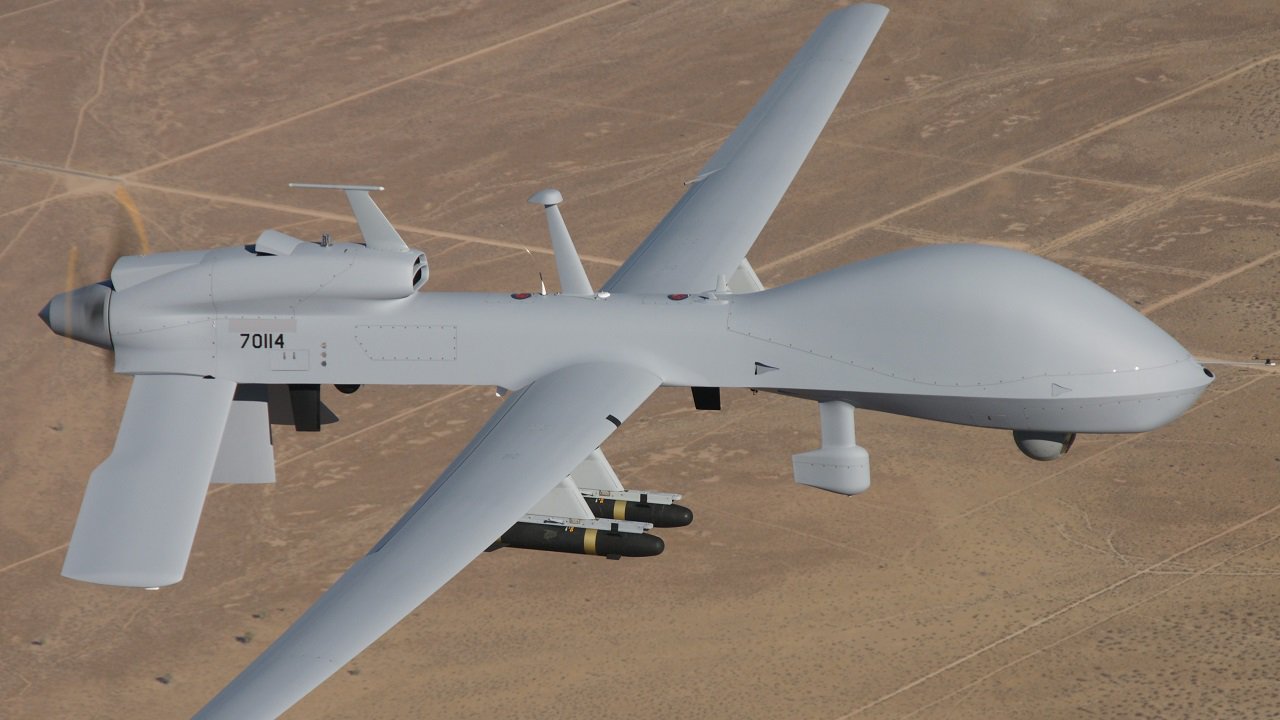
MQ-1C Gray Eagle. Image Credit: Creative Commons.
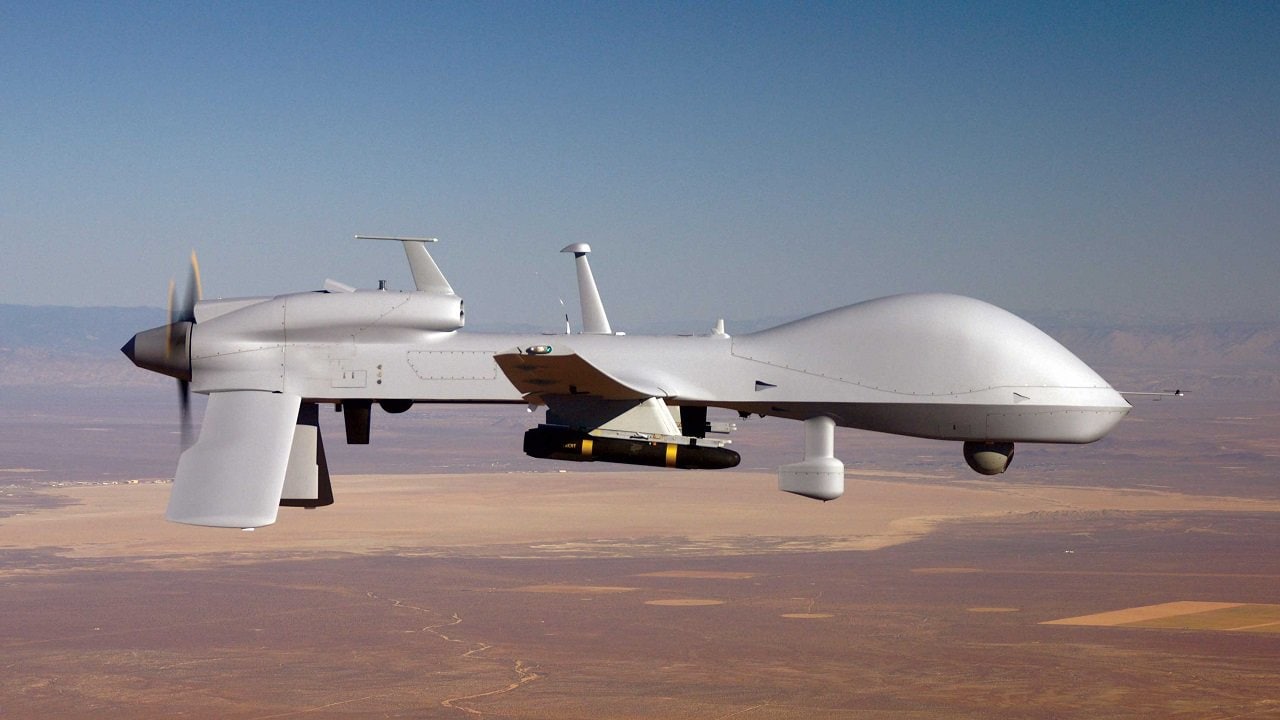
MQ-1C. Image Credit: Creative Commons.
Although the Shahed-129 lacked the quality of its Western equivalents, it was an important milestone for Iran and marked the beginning of the country’s drone industry.
These systems were deployed in Syria and Iraq, providing reconnaissance and limited strike capability to support Iranian and allied ground forces. This period marked Iran’s transition from experimental use of unmanned aerial vehicles (UAVs) to routine operational integration in expeditionary warfare.
One-way Kamikaze Drones
Iran’s drone industry would not really take off until the 2010s and early 2020s, with the introduction of one-way attack drones—most notably the Shahed-136. Seemingly derived from the West German Dornier DAR, this system is easy to produce in large numbers, cheap to procure, and has a long attack range. The Shahed-136 is essentially an expendable guided munition with wings.
It is powered by a small piston engine and guided primarily by satellite navigation and inertial systems. With a reported range of roughly 2,500 kilometers and a warhead typically estimated at 40 to 50 kilograms, the drone can strike fixed targets far beyond Iran’s borders. Estimates put the cost of one Shahed-136 at between $20,000–50,000, making it significantly cheaper than cruise or ballistic missiles.
Much like in Ukraine, Iran and its proxies have been investing in cheap first-person-view kamikaze drones, which can easily be produced in large numbers.
Although their range is much more limited than that of the Shahed-136, these small unmanned systems can be easily transported and concealed by irregular groups.
Their small size and relatively slow movement make them hard for radars to identify before it is too late, allowing them to infiltrate important bases and strike with relative ease.
In a few instances during Operation Epic Fury, FPVs piloted by Iranian proxies managed to strike several targets on U.S. bases in Iraq. Their asymmetrical nature makes them an increasingly dangerous threat.
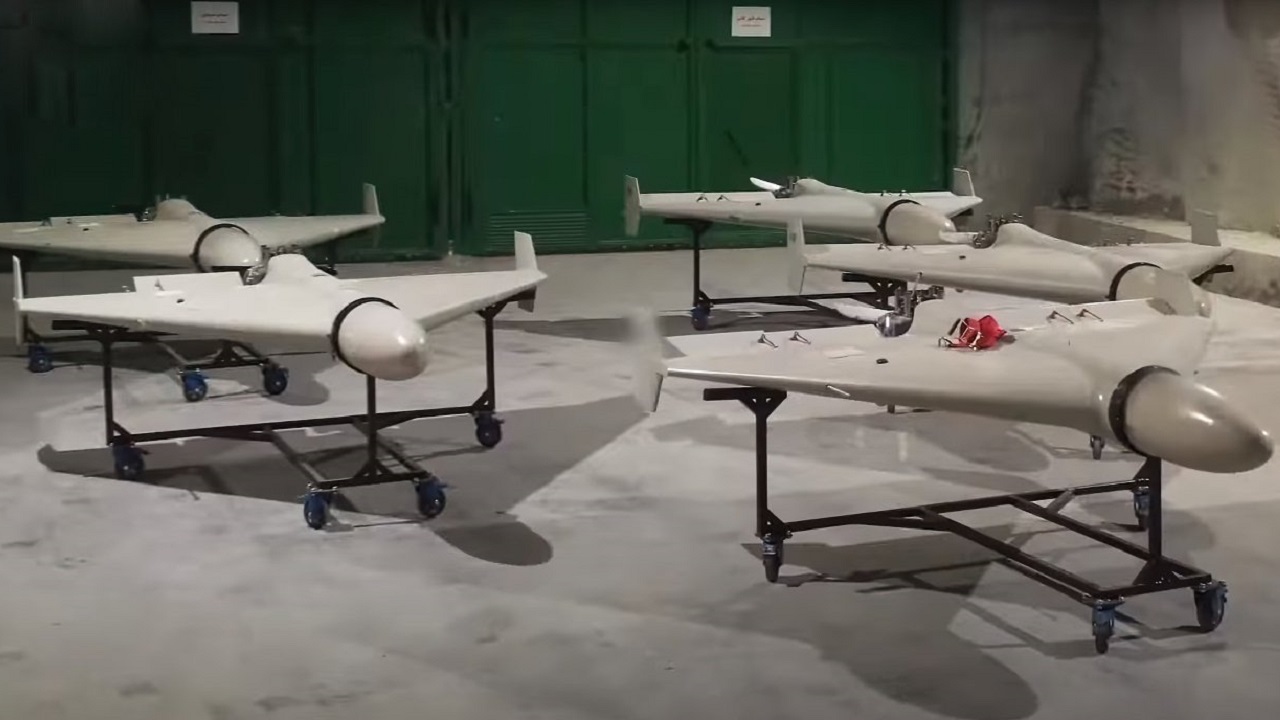
Shahed-136 Drones.
Recon and Intelligence Drones
In tandem with one-way attack drones, Iran maintains a broad catalog of UAVs covering reconnaissance, strike, and experimental roles. The Mohajer-6, for example, has become one of Iran’s most widely exported platforms.
It combines modest endurance with the ability to carry domestically produced precision munitions. These capabilities make it suitable for counterinsurgency, border surveillance, and limited strike missions.
While its performance remains inferior to that of high-end Western systems, its availability and cost have ensured demand among certain governments and non-state actors aligned with Tehran. Iran has also unveiled larger and more ambitious designs, such as the Shahed-149 “Gaza” and the Kaman-22, both of which are heavily inspired by the MQ-9’s design
What Makes Iran’s Drone Industry So Successful?
One of the more underappreciated aspects of Iran’s drones is their range. The Shahed-136 has a stated range of more than 2,000 kilometers, which gives Iran the ability to strike almost anywhere in the Middle East.
Its surveillance drones have ranges of 1,500 to 3,000 kilometers, allowing surveillance far beyond Iran’s borders. As said earlier, Iran’s drones can be easily shipped to its proxies across Iraq, Lebanon, and Yemen, thereby expanding Tehran’s reach even further. As the U.S. military has been learning during Operation Epic Fury, no base in the Middle East is safe from Iranian drones.
Underpinning the success of Iran’s drone industry is a healthy, prolific industrial base capable of designing and rapidly manufacturing these drones. Unlike traditional aerospace programs that rely on centralized, high-precision manufacturing, Iranian drone production is dispersed across multiple facilities and extensively uses dual-use civilian components.
Engines derived from commercial designs, fiberglass airframes, and widely available electronics allow Iran to scale production while mitigating the impact of sanctions.
This approach complicates efforts to disrupt manufacturing, as many inputs are not uniquely military in nature. Estimates vary, but analysts broadly agree that Iran can produce several hundred Shahed-type drones per month. This production has almost certainly been expanded during the current conflict.
About the Author: Isaac Seitz
Isaac Seitz, a Defense Columnist, graduated from Patrick Henry College’s Strategic Intelligence and National Security program. He has also studied Russian at Middlebury Language Schools and has worked as an intelligence Analyst in the private sector.