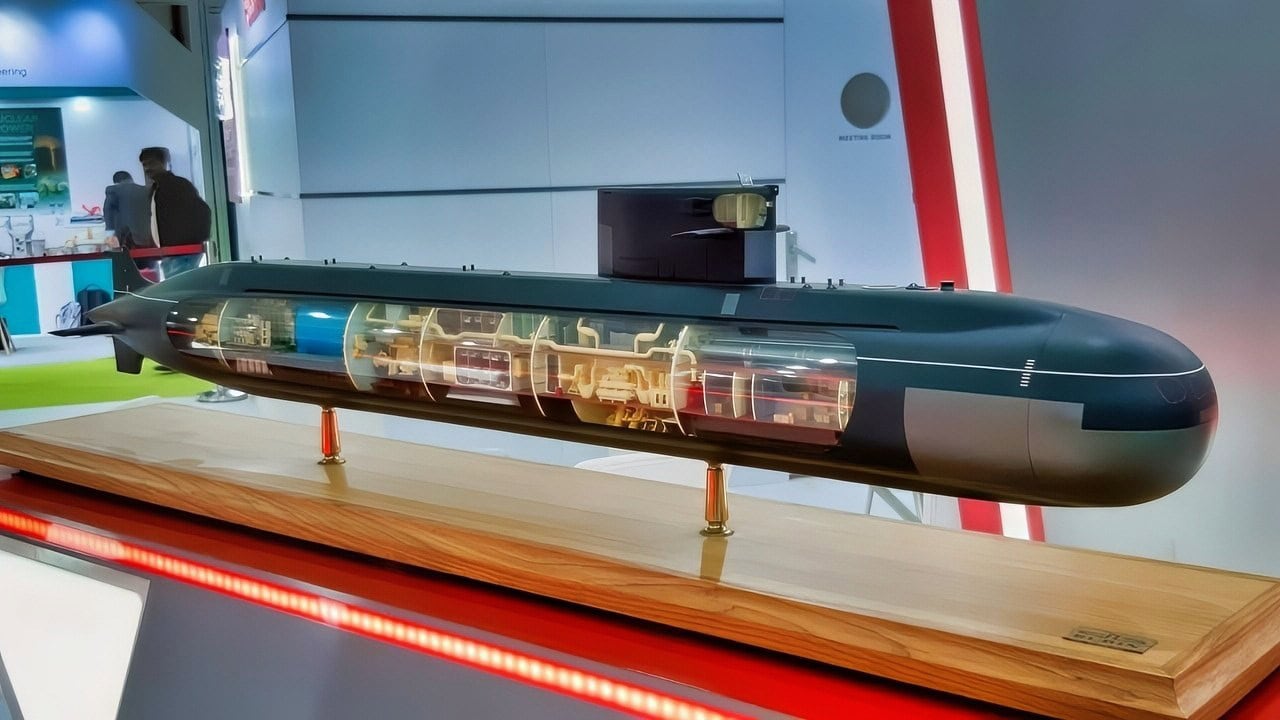
Russia’s Amur-Class Submarine: A “Stealth Revolution” That Still Doesn’t Exist – Russia has one of the most advanced submarine forces in the world. Even during the nadir of Russian power, in the 1990s, following the collapse of the Cold War, Moscow did whatever it could to maintain–and expand–its submarine fleet. A leader in the submarine export business, Russia is renowned for its submarines, which are affordable, easy to use, easy to maintain, and lethal. Even submarine classes developed decades ago remain in use by many of the world’s navies today, such as the Kilo-class. But the new Amur-class could offer something much better, if it ever gets built, that is.
Enter the Amur-class: Russia’s Export Gambit
One system that the Russian Navy has been developing exclusively for export is the diesel-electric Amur-class attack submarine. Russia’s iconic submarine maker, Rubin Design Bureau, created the plans for the Amur-class.
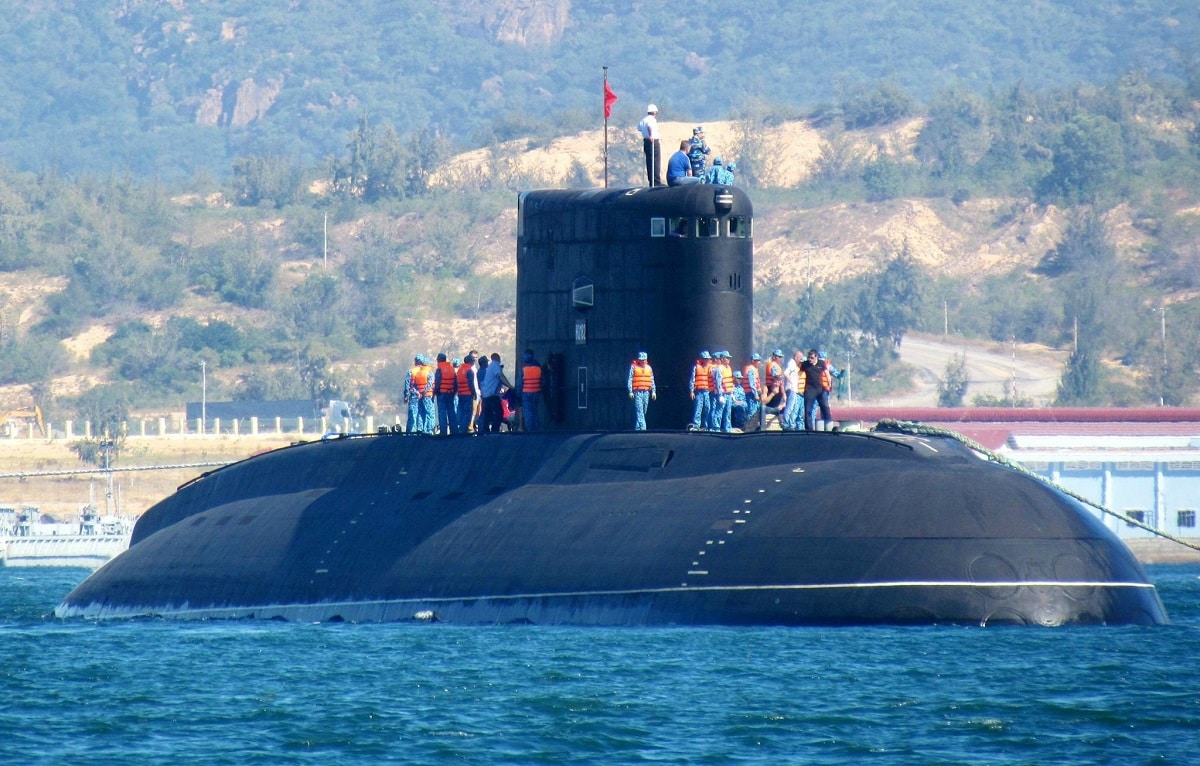
Russia-built Kilo-class Submarine. Image Credit: Creative Commons.
Russia wants to sell the subs to India, China, and Argentina. Moscow is marketing the Amur-class as a fourth-generation conventional submarine. In other words, the Amur-class is the modern replacement for the aforementioned Kilo-class submarine.
Breaking Down the Variants: Mini Arsenal vs. Blue-Water Hunter
The Amur-class is itself a derivation of the Russian Project 677 Lada-class. Within the Amur-class family, there are multiple submarine variants, including the Amur-950, described as a Compact Strike Boat.
It is, as its designation suggests, a smaller, short-range version of the Amur-class with a displacement of around 950 tons. The submarine possesses 10 vertical launch system (VLS) cells for cruise missiles and will conduct coastal warfare and missile ambushes.
The Amur-950 is akin to a mini-arsenal submarine optimized for surprise attacks.
Then there’s the Amur-1650, which is a larger patrol submarine.
This system displaces between 1,650 and 1,765 tons.
It is more of a traditional attack submarine designed for longer patrols than the Amur-950.
She carries six 533mm torpedo tubes. On top of torpedoes, the Amur-1650 can launch mines and cruise missiles. These submarines are designed to be blue-water capable (meaning they can operate in the deep ocean, far from landmasses). As a result of this blue-water capability, the Amur-1650 has greater endurance.
The Stealth Pitch: “A Hole in the Water”
The folks at Rubin Design Bureau claim that the Amur-class features serious stealth capabilities. According to the proponents of this new submarine class, the Amurs are significantly quieter than the older Kilo-class submarines.
These boats have a single-hull design that also reduces their acoustic signature. What’s more, the Russians added anechoic coatings and enhanced, low-noise propulsion. These subs will be true holes in the water, harder to detect than anything Russia has sent before.
AIP: The Endurance Fix That Changes the Game
One of the key drawbacks of diesel-electric boats has always been their limited endurance compared to more complex (and expensive) nuclear-powered submarines. The Russians are offering air-independent propulsion (AIP) on their new Amur-class attack submarines to address this well-known shortcoming in the overall design of diesel-electric submarines.
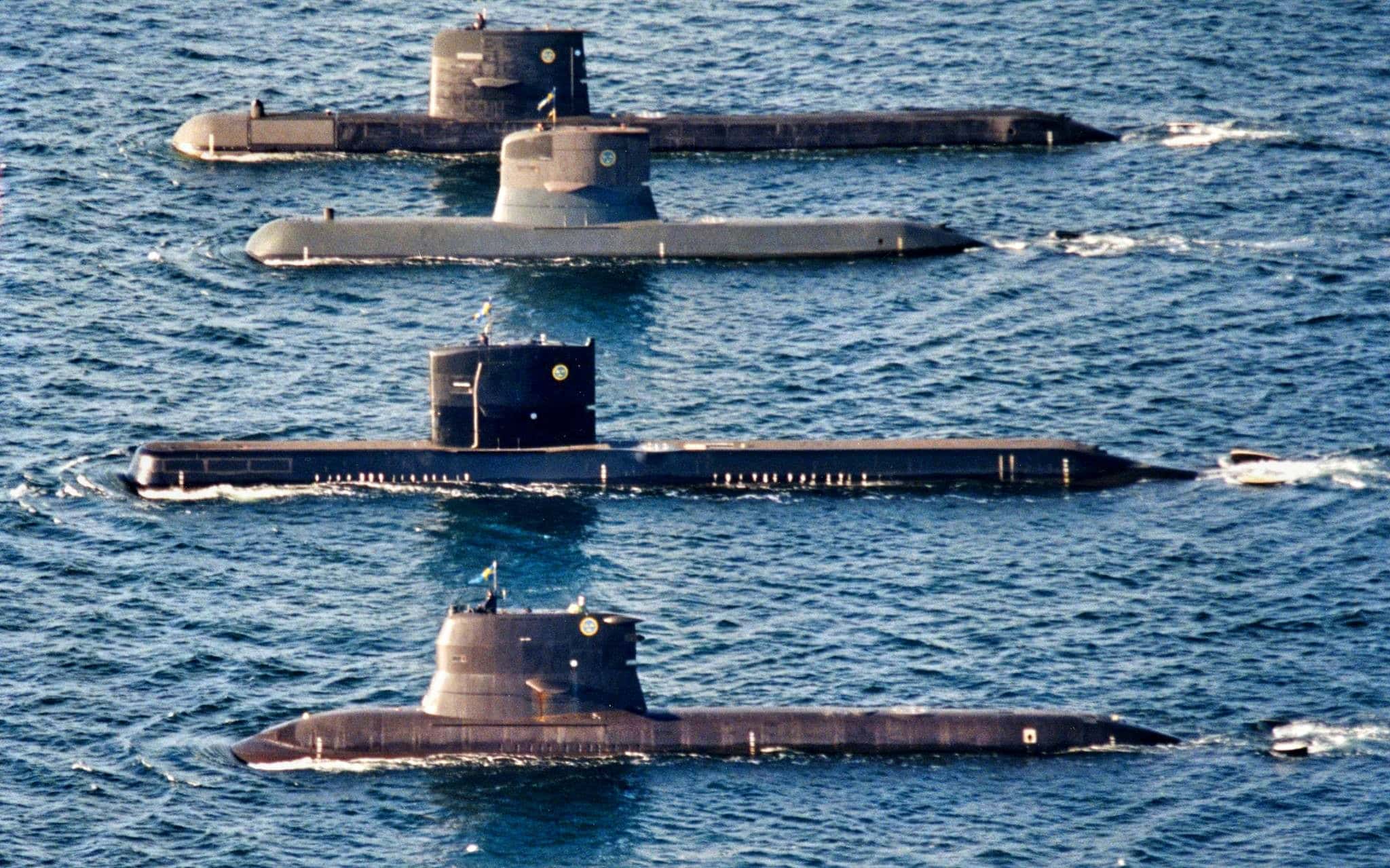
Gotland-Class Submarines and more from Sweden. Image Credit: Swedish Navy.
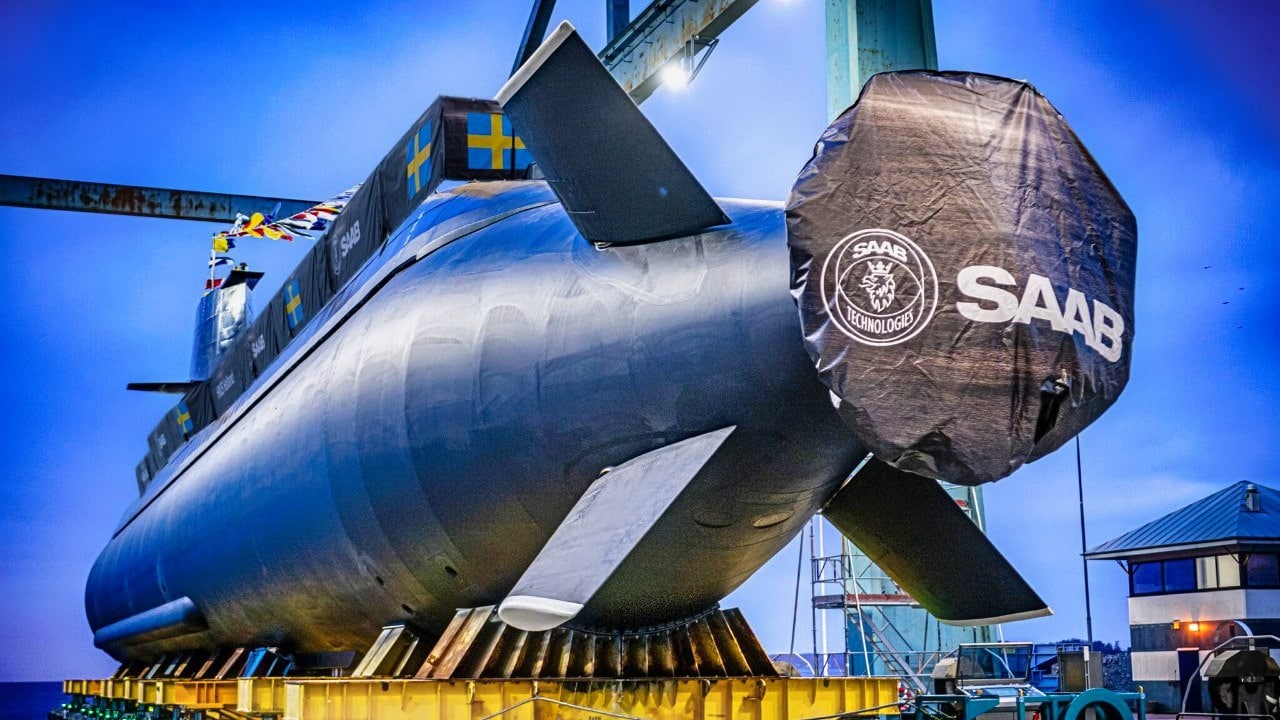
Gotland-Class. Image Credit: Saab.
What makes AIP so appealing for export on diesel-electric subs is that AIP fuel cells extend underwater endurance by enabling longer submerged operations without snorkeling.
You see, diesel-electric submarines must recharge their batteries by snorkeling. When a diesel-electric submarine snorkels, it not only reduces its combat effectiveness but also increases its risk of being attacked. AIP mitigates those dangers by extending the submarine’s endurance.
Automation: Smaller Crews, Bigger Export Appeal
Another key feature of the Amur-class is increased automation. Automation allows for smaller crews (as few as 18-35 people are needed to run these subs). More importantly, the Russians have included advanced combat control systems in the new Amur-class.
By having fewer personnel, Russia is ensuring these subs are cheaper to operate, thereby making them even more export-friendly. Considering how important the global arms export industry is to Russia’s overall economy, creating the Amur-class is a necessity to sustain its export industry–and ensuring that system is as cheap as possible for potential purchasers is a major selling point that will boost Russian exports.
The Brutal Reality: A Submarine Stuck on Paper
Here’s the kicker, though. Russia has not built any operational units. Multiple sources online deride this project as existing only on paper. There have been chronic delays (related to the delays in the larger Lada-class program), important export deals, such as those with India, have stalled, and Moscow has pushed deployment and sale timelines into the 2030s, if not later.
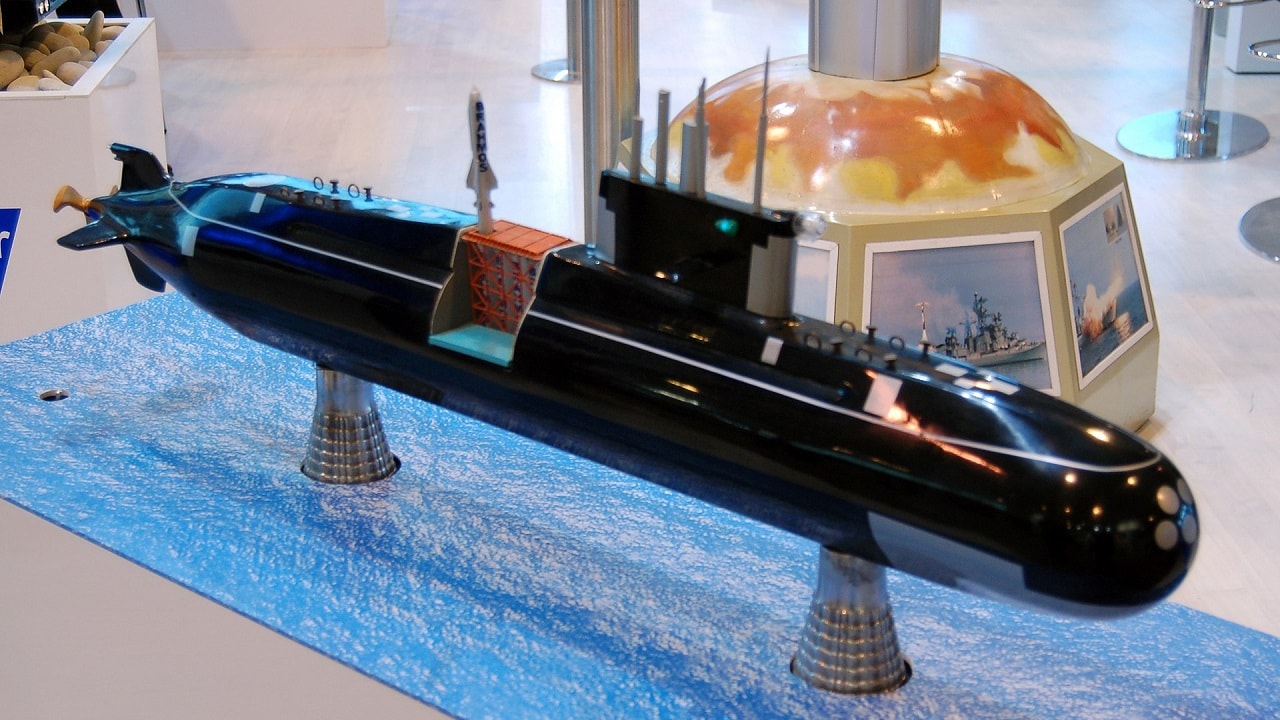
BrahMos missiles on Lada class non-nuclear submarine maquette. MAKS-2009.
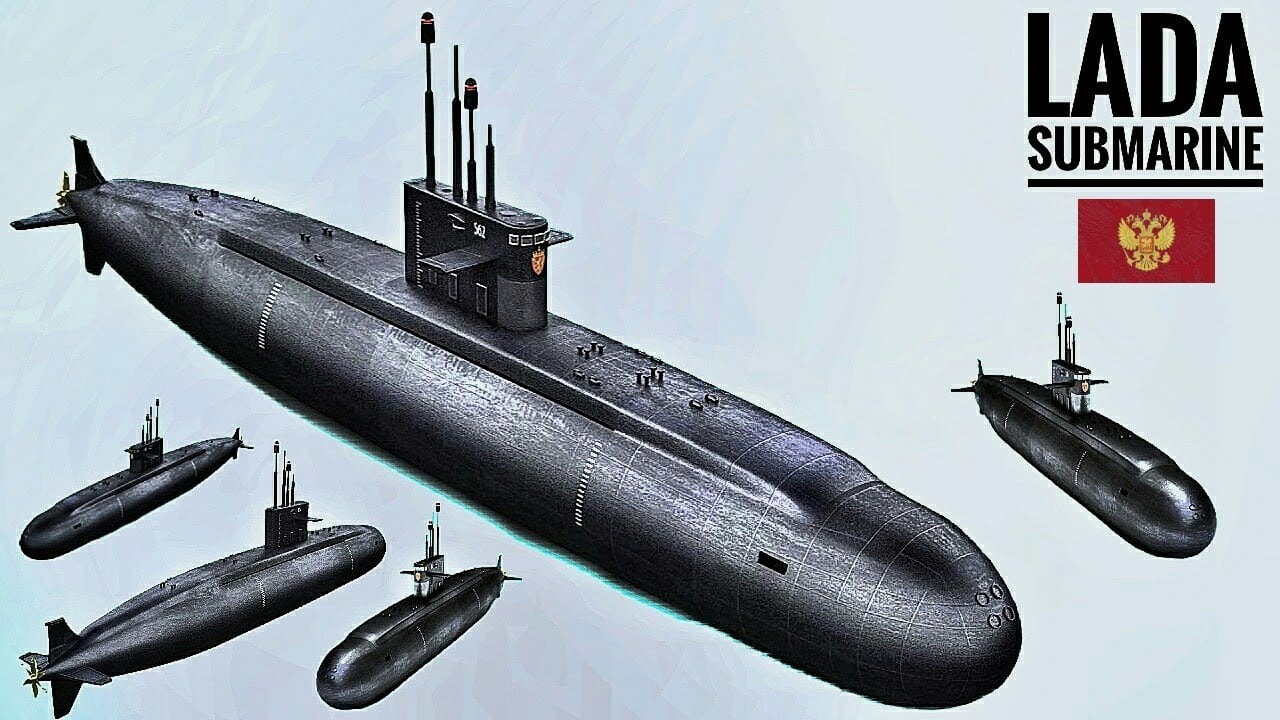
Lada-class Submarine. Image Credit: Creative Commons.
Plus, the Russians have been mired in the full-blown Ukraine War, meaning all their defense industrial output currently focuses on providing systems needed for the war. Ukraine is an air-and-ground war.
Russia Knows the Future of Undersea Warfare–But It Can’t Build It
Those systems, therefore, are the priorities of the Russian defense industrial base. Developing and fielding the Amur-class is not a priority for now.
That’s why, until the war winds down, it is likely that the Amur-class will remain in what the Hollywood-types refer to as “Development Hell.”
Despite the setbacks, though, the Russian Navy’s plans for the Amur-class indicate an innate understanding of the future fight.
Moscow gets that it will need to sell missile-heavy strike platforms that can operate stealthily yet remain affordable. It’s just too bad for the Russians, who need the money and contracts with places like India, that the Amur-class is little more than a PowerPoint presentation at this point.
About the Author: Brandon J. Weichert
Brandon J. Weichert is the Senior National Security Editor at 19FortyFive.com. Recently, Weichert became the editor of the “NatSec Guy” section at Emerald.TV. He was previously the senior national security editor at The National Interest. Weichert is the host of The National Security Hour on iHeartRadio, where he discusses national security policy every Wednesday at 8 pm Eastern. He hosts a companion show on Rumble entitled “National Security Talk.” Weichert consults regularly with various government institutions and private organizations on geopolitical issues. His writings have appeared in numerous publications, among them Popular Mechanics, National Review, MSN, and The American Spectator. And his books include Winning Space: How America Remains a Superpower, Biohacked: China’s Race to Control Life, and The Shadow War: Iran’s Quest for Supremacy. Weichert’s newest book, A Disaster of Our Own Making: How the West Lost Ukraine, is available for purchase wherever books are sold. He can be followed via Twitter/X @WeTheBrandon.