
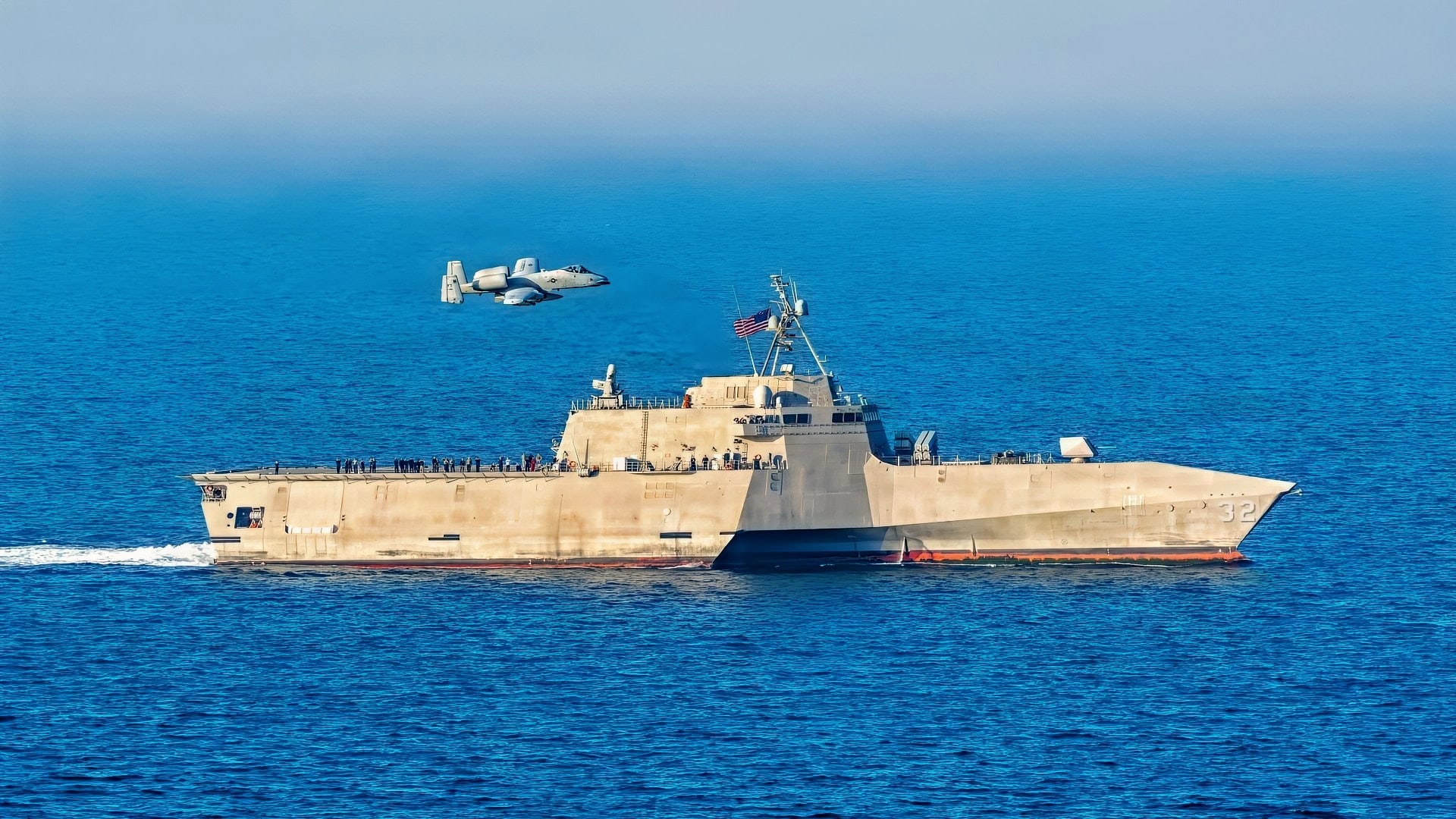
On April 13, the United States imposed a naval blockade targeting shipping to and from Iranian ports. Despite the outrage and claims from detractors of the war and the Trump administration, the blockade is not a full closure of the Strait of Hormuz, which carries roughly 20% of global oil trade. Instead, it is a targeted effort to choke off Iran’s oil exports while allowing commercial traffic to continue.
President Trump’s latest maneuver against the Iranian regime is aimed at denying Iran the ability to fund its regional activities while maintaining global energy stability – at least, to an extent. The policy followed failed in-person negotiations, during which the Iranian delegation insisted on its right to enrich uranium, and appears designed to force Tehran back to the table under more constrained conditions.
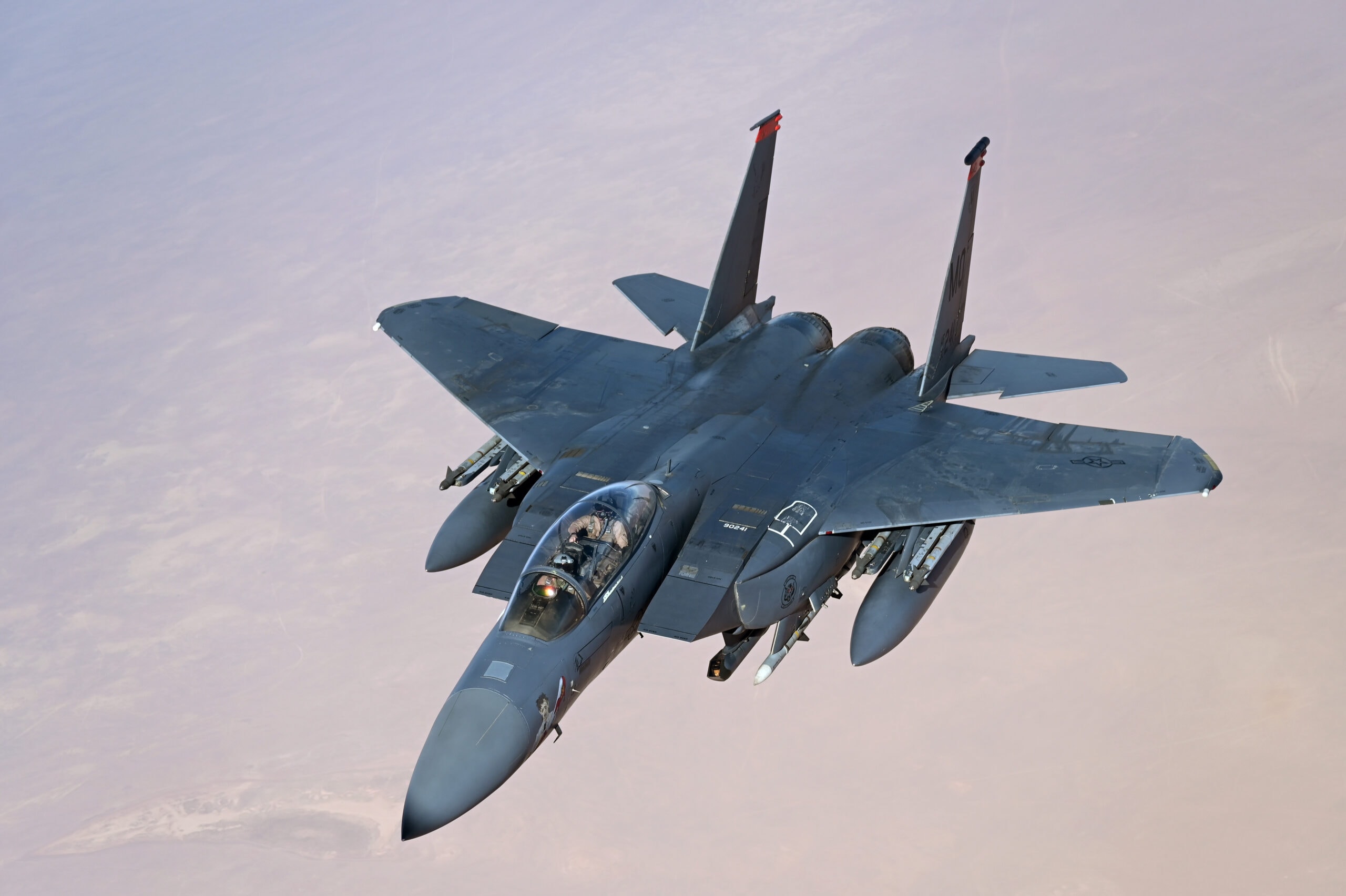
A U.S. Air Force F-15E Strike Eagle conducts a combat air patrol in support of Operation Inherent Resolve over the U.S. Central Command area of responsibility Nov. 23, 2024. F-15Es conduct missions within the AOR to compete strategically and deter Iran and its proxies. (U.S. Air Force photo)
Early indicators suggest that the strategy is already having an effect. Iranian exports of oil – estimated at around 2 million barrels per day – are now directly at risk, and tanker traffic through the Gulf has dropped by as much as 95% since the outbreak of the war. It means oil prices are rising, markets are reacting with volatility, Gulf-dependent nations are restructuring their supplies, and Iran’s economy is looking down the barrel of a gun.
The blockade does much more than just force Iran to the table, though – it puts pressure on China, Iran’s largest oil consumer. The question now is not just whether Iran can withstand the pressure, but also how Beijing will respond to disruptions to a key energy supply line.
What the Blockade Is, and Why It Was Announced
The U.S. blockade is not a blanket closure of regional shipping lanes, but a targeted maritime interdiction campaign intended to hurt Iran. U.S. naval forces are focusing specifically on vessels entering or departing Iranian ports, intercepting or denying passage to tankers suspected of carrying Iranian oil.
This is an important distinction. The U.S. is not enforcing a full shutdown of Hormuz, which would cause global problems. Washington is attempting to isolate Iran economically without triggering global effects.
Oil flows from other Gulf producers – Saudi Arabia, Iraq, and the UAE, for example – are still permitted, even as Iranian exports are being constrained.
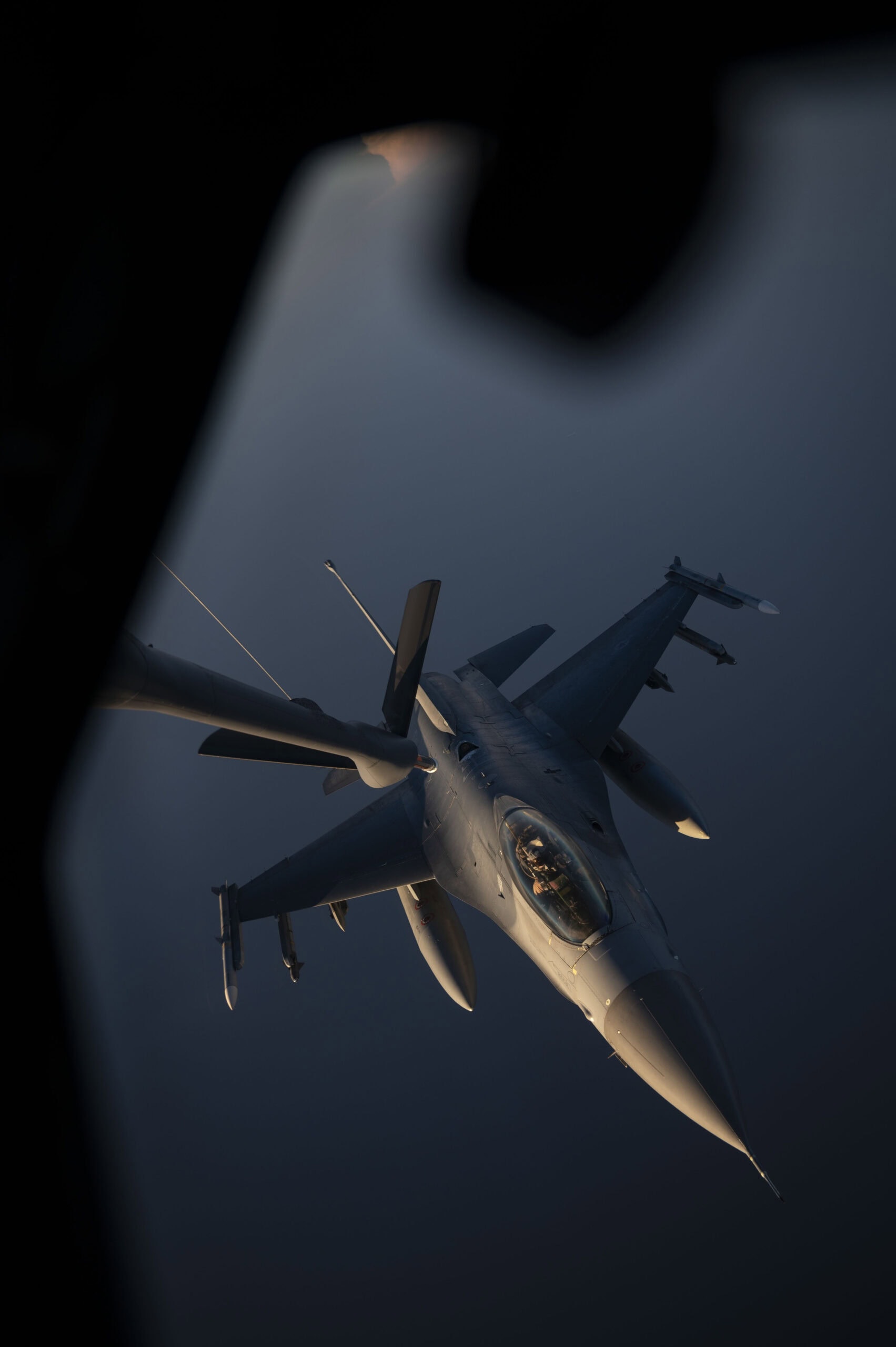
A U.S. Air Force F-16 Fighting Falcon prepares to receive fuel over the U.S. Central Command area of responsibility November 13, 2024. F-16s conduct missions within the AOR to compete strategically and deter Iran and its proxies. (U.S. Air Force photo)
The blockade was announced immediately after the failure of high-level talks, and appears to be a coercive measure intended to bring Iran back to the negotiating table. Strategically, it makes sense: Iran’s economy is heavily dependent on oil revenue, and the blockade could be costing Tehran hundreds of millions of dollars per day in lost exports.
But at the same time, Washington has signaled that the blockade is entirely conditional. The message from the White House is that economic pressure will continue until Iran makes concessions, with the possibility of escalation – the potential targeting of its infrastructure – if negotiations fail to progress.
How the Blockade Shifts Leverage Back to Washington
Prior to April 13, Iran held some strategic leverage through its ability to disrupt shipping through the Hormuz Strait. In the early phases of the conflict, Tehran restricted access and imposed fees on vessels seeking passage, creating uncertainty across global energy markets.
The U.S. blockade effectively reverses that dynamic. Instead of threatening global supply, Iran now faces the loss of its own export capacity. The regime’s primary revenue stream is now under attack – and there are already indications that the pressure is having an effect. Within hours of the announcements, oil markets reacted, but President Trump also claimed that Iran had signaled interest in returning to negotiations.
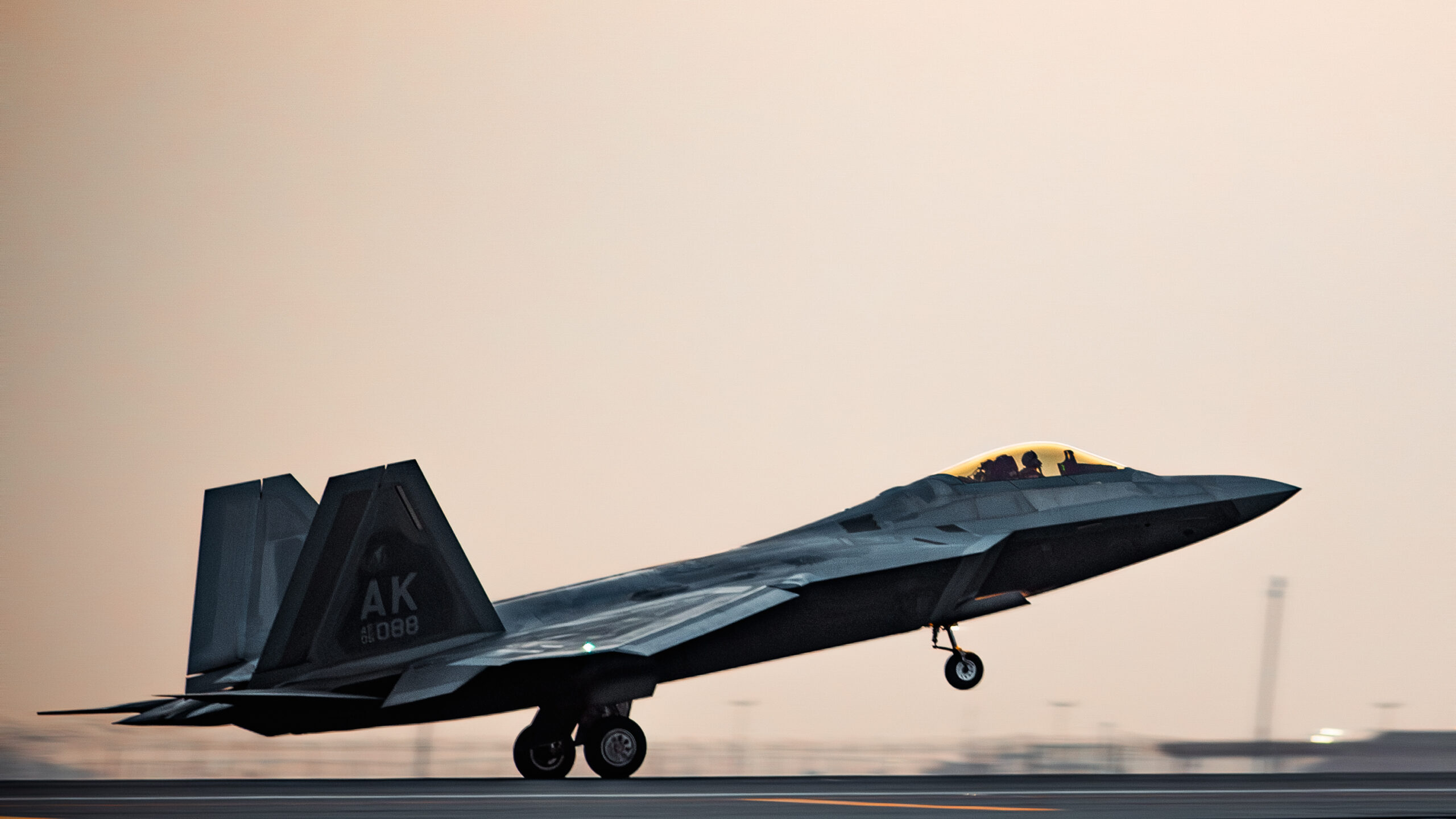
A U.S. Air Force F-22 Raptor lands within the U.S. Central Command area of responsibility (AOR), Oct. 22, 2024. The rapid deployment of the fifth-generation aircraft into the AOR in August demonstrates the United States’ dedication to addressing threats posed by Iran and Iranian-backed groups in order to maintain stability in the region. (U.S. Air Force photo)
Trump has repeatedly said that Iran “doesn’t have the cards” – a phrase he has frequently used about Ukraine in the ongoing conflict with Russia – and that assessment holds true. The blockade had an immediate economic impact, and Tehran can no longer hold the Strait hostage in quite the same way.
By keeping the market open and isolating Iran, Washington has removed Tehran’s most effective bargaining tool. But the process is still unfolding.
How Iran Has Responded
Iran has responded by condemning the blockade as illegal and warning that it will ultimately backfire, both economically and strategically. Iranian officials have threatened retaliation and regional escalation, arguing that the move risks destabilizing global energy markets.
In fact, Iranian officials went as far as condemning the blockade as “piracy,” warning that it could trigger wider escalation across the Gulf. An Iranian military spokesman said that any attempt to restrict access to its ports would not remain contained, and said that no port in the Gulf or Gulf of Oman would be secure if Iranian shipping were targeted.
Trump, however, responded to Iranian pushback with his own threat, stating on Truth Social:
“Warning: If any of these ships come anywhere close to our BLOCKADE, they will be immediately ELIMINATED, using the same system of kill that we use against the drug dealers on boats at Sea. It is quick and brutal.”
Reports on April 14 also indicated that Tehran was looking for alternative trade routes and partnerships to mitigate the impact. In theory, these could include overland corridors through Central Asia, Caspian Sea routes linking to Russia, or indirect connections to China.
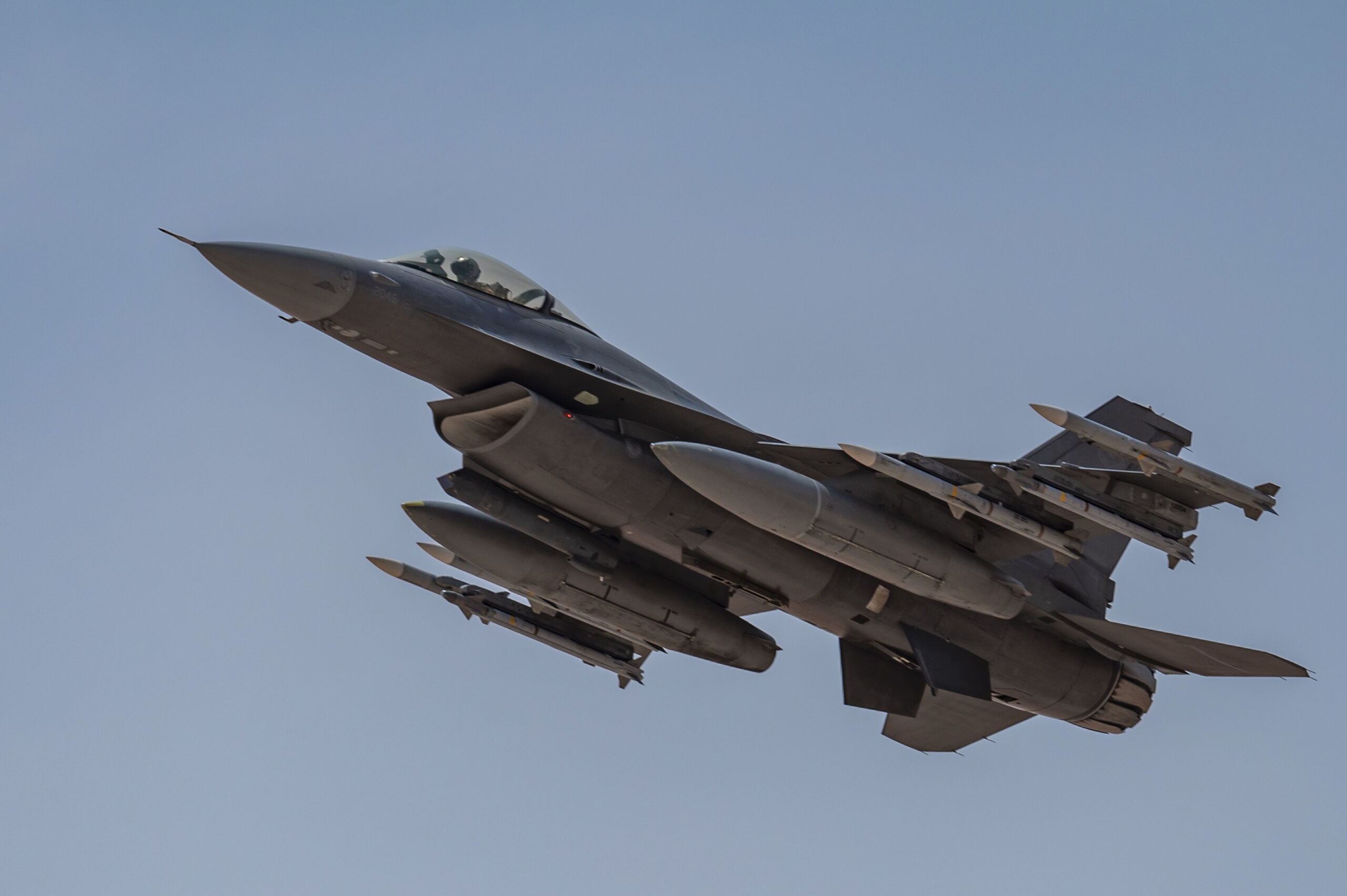
A U.S. Air Force F-16 Fighting Falcon takes off from an undisclosed location within the U.S. Central Command area of responsibility, Aug. 10, 2024. The Department of Defense continues to take steps to mitigate the possibility of regional escalation by Iran or Iran’s partners and proxies. (U.S. Air Force photo)
But in practice, alternatives remain limited and hard to implement. In the long term, they could work, but establishing them quickly will be difficult and require extensive coordination with partner states. Maritime exports through the Gulf account for the overwhelming majority of Iran’s oil trade, and the infrastructure required to replace that capacity – spanning pipelines and rail networks – does not currently exist.
It’s also worth noting that Iran has a long history of projecting confidence and resilience in the face of sweeping sanctions and pressure, often overstating its ability to bypass constraints. While a longer-term adaptation to current measures could well be on the cards (with the support of Russia or China), the immediate effect of the blockade is exactly what Trump wants: pressure.
China’s Dilemma
Prior to the conflict, China was the largest buyer of Iranian crude, importing significant volumes – often at discounted prices – through a network of sanctioned or “shadow fleet” tankers.
That supply is now being directly threatened. Estimates suggest Iran accounts for roughly 1-1.5 million barrels per day of Chinese imports, representing a meaningful (though not dominant) share of Beijing’s overall consumption.
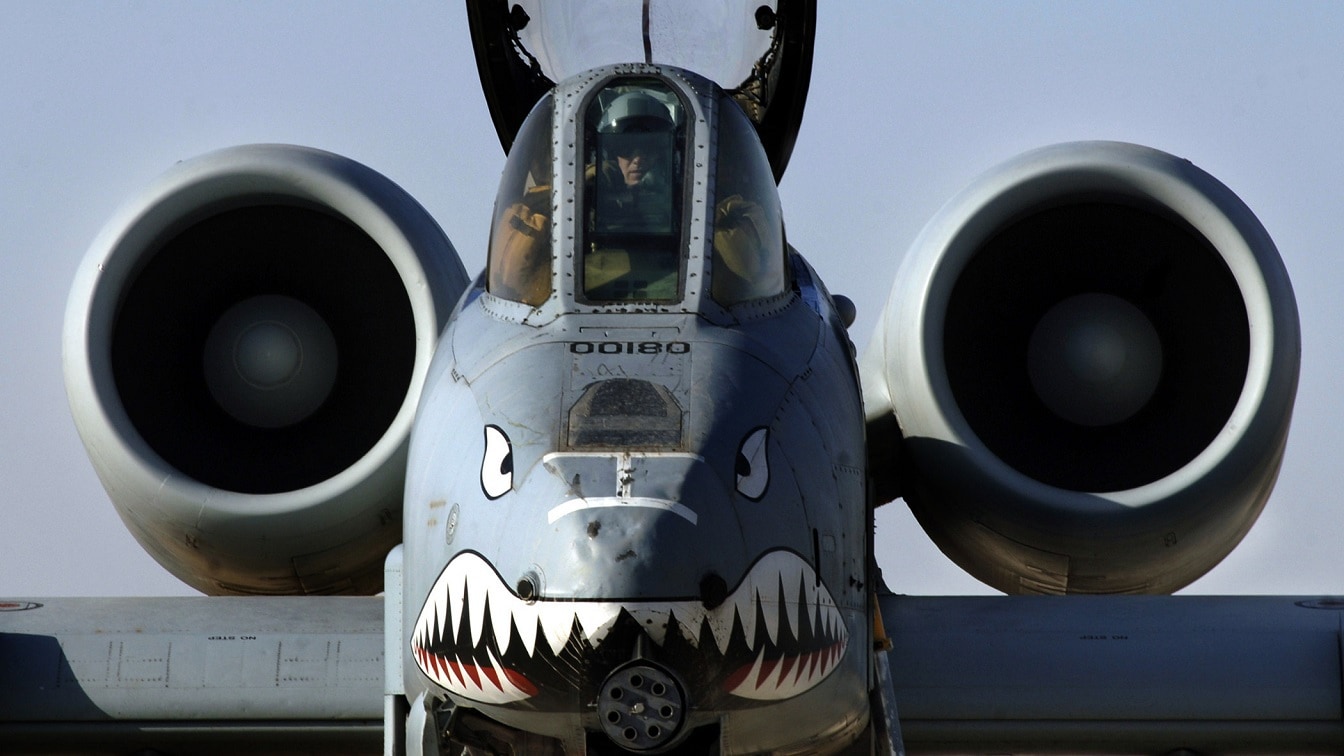
An A-10 Warthog prepares to take off from Al Asad Air Base to provide close air support to ground troops in Iraq. The 438th Air Expeditionary Group A-10 jets perform 10 sorties daily.
Within the first 24 hours of the blockade, multiple Iran-linked vessels – including at least one Chinese tanker – attempted to transit the region. Some succeeded, while others reversed course under pressure. China’s official response has, so far, been critical – but cautious. The foreign ministry described the blockade as “dangerous” and urged restraint, and warned that it could escalate tensions and disrupt global energy markets.
“We urge relevant parties to honor the ceasefire agreement, stick to the direction of peace talks, and take concrete actions to de-escalate the situation so that normal traffic via the Strait will be able to resume as soon as possible,” an official statement from Foreign Ministry spokesperson Lin Jian reads.
At the same time, Beijing is already adapting. Chinese imports remained relatively stable through March due to pre-loaded cargos, but declines in April are expected, potentially forcing the use of strategic reserves or increased purchases from alternative suppliers such as Russia and Gulf producers. China has options.
The question, though, is just how much shock China can absorb. It has many structural advantages, including overland pipelines and diversified supplies, but the loss of discounted Iranian crude increases costs and exposes vulnerabilities in sectors such as refining and petrochemicals. In the short term, China can replace Iranian volumes – but over time, sustained disruption would carry economic consequences. For that reason, it’s in China’s interest to develop alternate routes with Iran – but in the short term, it might make better sense for Beijing to take a step back and let the Americans secure a favorable deal with Iran.
About the Author: Jack Buckby
Jack Buckby is a British researcher and analyst specializing in defense and national security, based in New York. His work focuses on military capability, procurement, and strategic competition, producing and editing analysis for policy and defense audiences. He brings extensive editorial experience, with a career output spanning over 1,000 articles at 19FortyFive and National Security Journal, and has previously authored books and papers on extremism and deradicalization.