
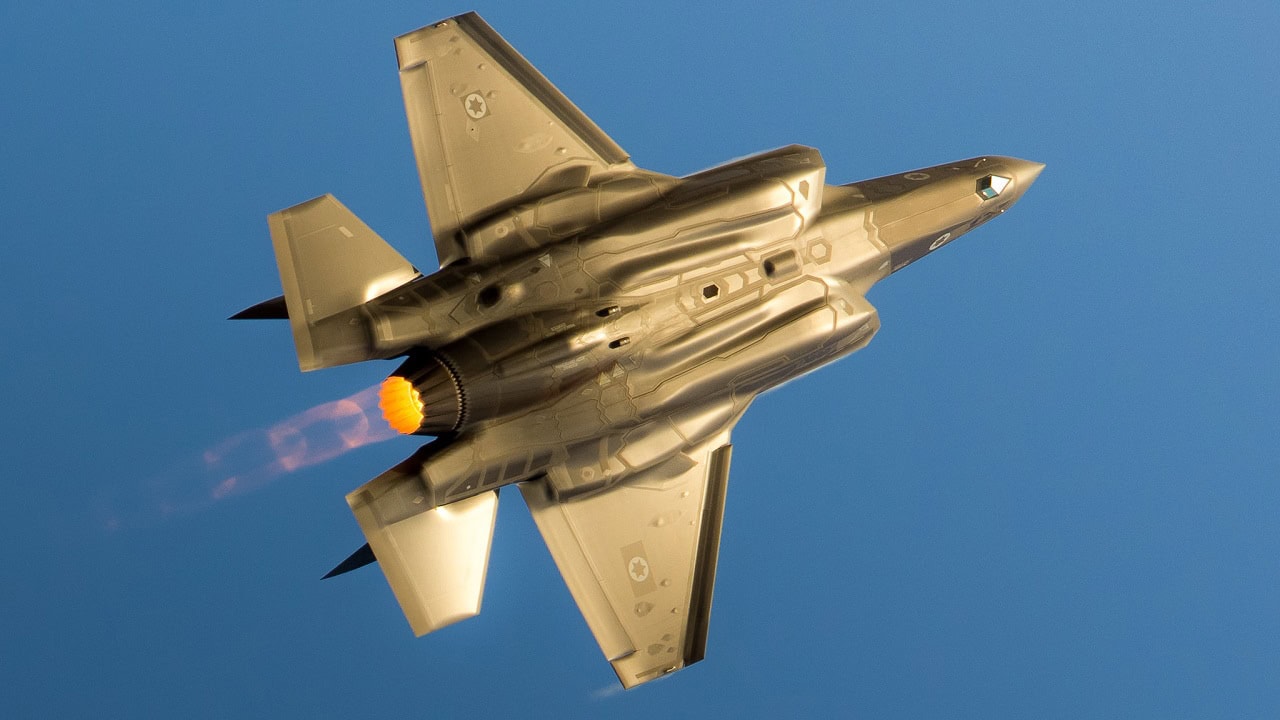
Israel Is the Wild Card in U.S.-Iran Ceasefire – We assume Israel will coordinate closely with the United States during the upcoming two-week ceasefire. Prime Minister Benjamin Netanyahu should refrain from any attacks while the Americans and Iranians work toward a lasting peace. This process could take longer than two weeks, and even after the ceasefire was announced, Iran launched more missiles. The halt in hostilities should be maintained, and we expect Israel to avoid any attacks.
But that is only in the short term.
Israel has different long-term national interests in the Middle East.
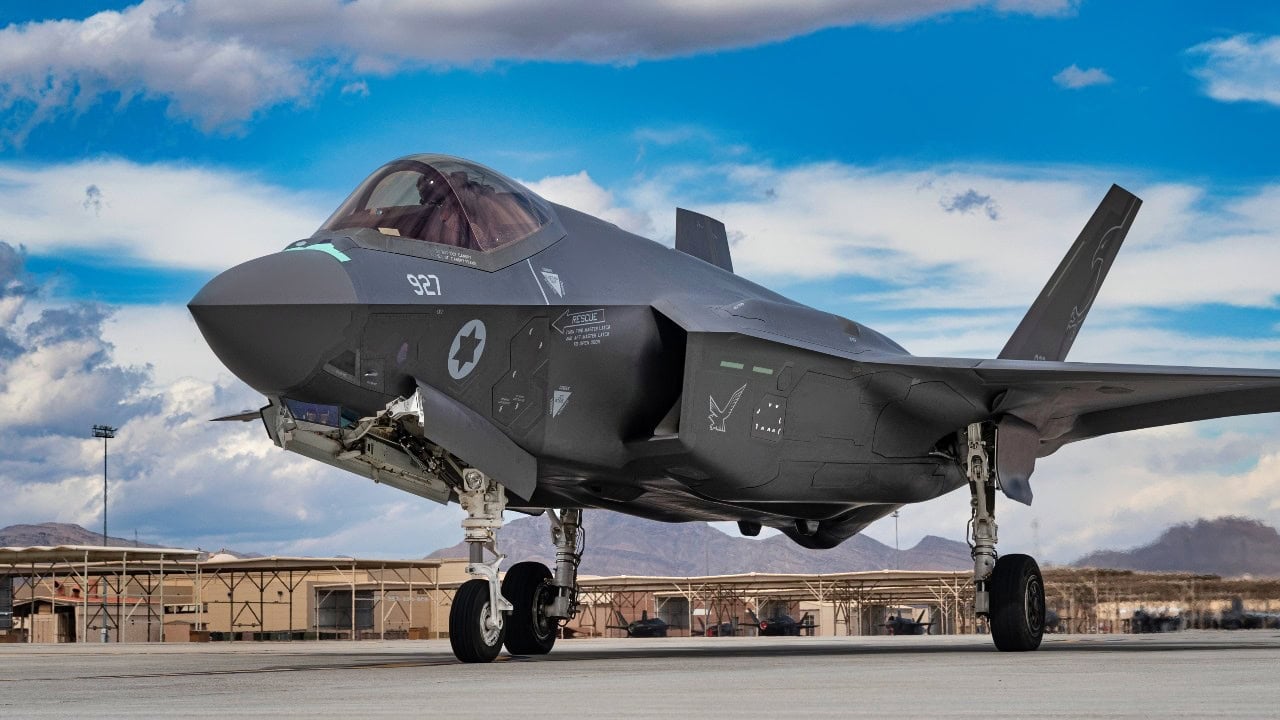
F-35I Adir Fighter from Israel
This is about survival from existential threats, and peace between Washington and Tehran does not necessarily mean the Israelis will hold back from punishing Iran for breaking the ceasefire.
Israel Needs Assurance that Iran Will Never Develop a Nuclear Device.
One aspect of a peace deal is that Iran must stop its nuclear program and refrain from enriching uranium. But how will Israel know this will actually happen? And how will efforts to monitor nuclear weapons be verified?
Iran Could Strike Iran Again
These are questions President Donald Trump needs to consider. If Israel chooses to “mow the grass” with more “bloody nose” strikes against Iran in the upcoming months, any peace agreement with the Americans could be at risk.
Would Iran Let Israeli Monitor Nuclear Sites?
To monitor Iranian nuclear infrastructure, the regime must consider allowing American or international inspectors into the country. This may be deeply opposed by Tehran. The inspection component could be one of the biggest sticking points in the ongoing negotiations.
Netanyahu may demand that Israeli nuclear inspectors be included in the group to ensure the Iranians are not engaging in nuclear misconduct.
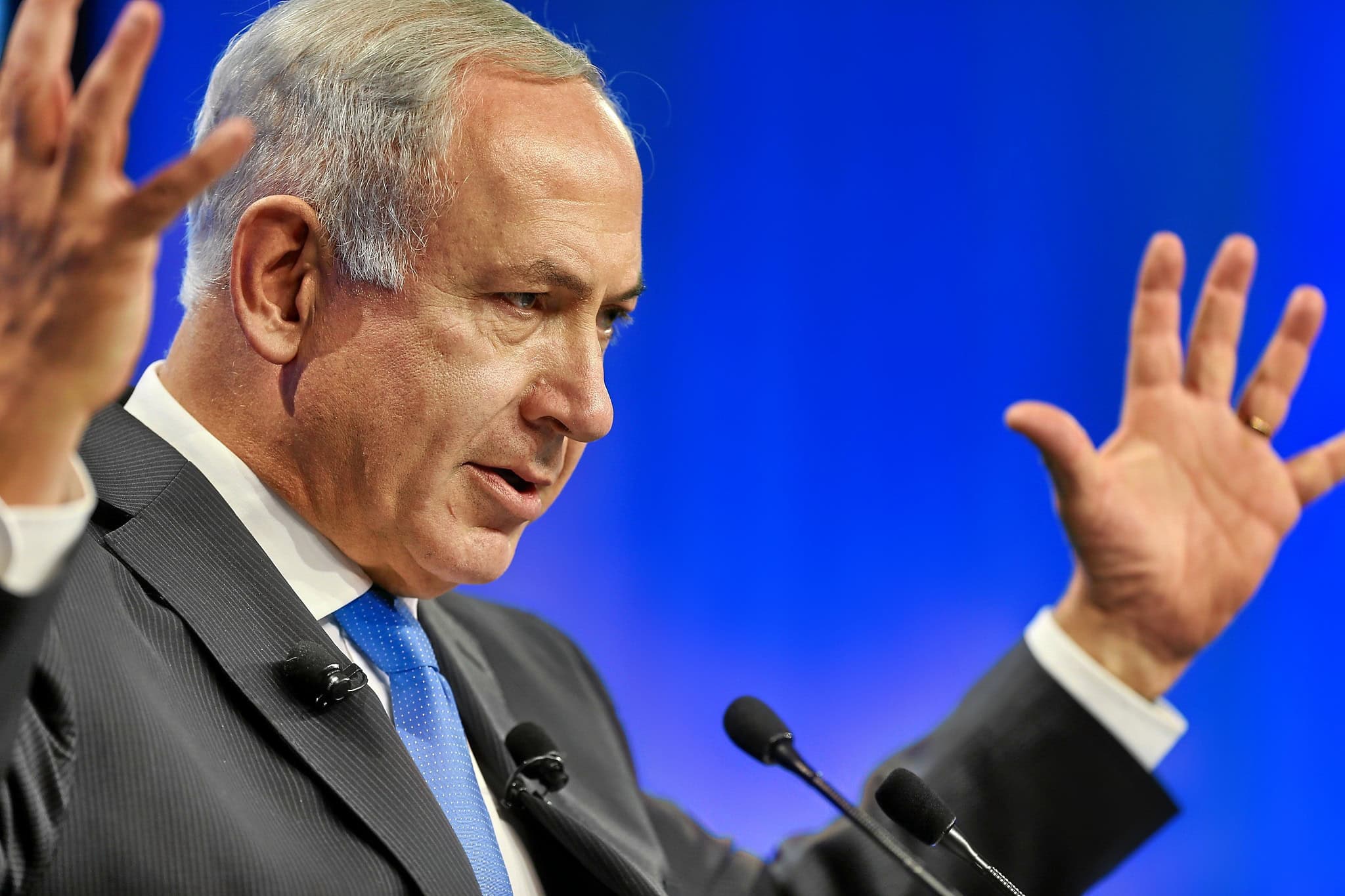
Benjamin Netanyahu, Prime Minister of Israel: Image Credit, Creative Commons.
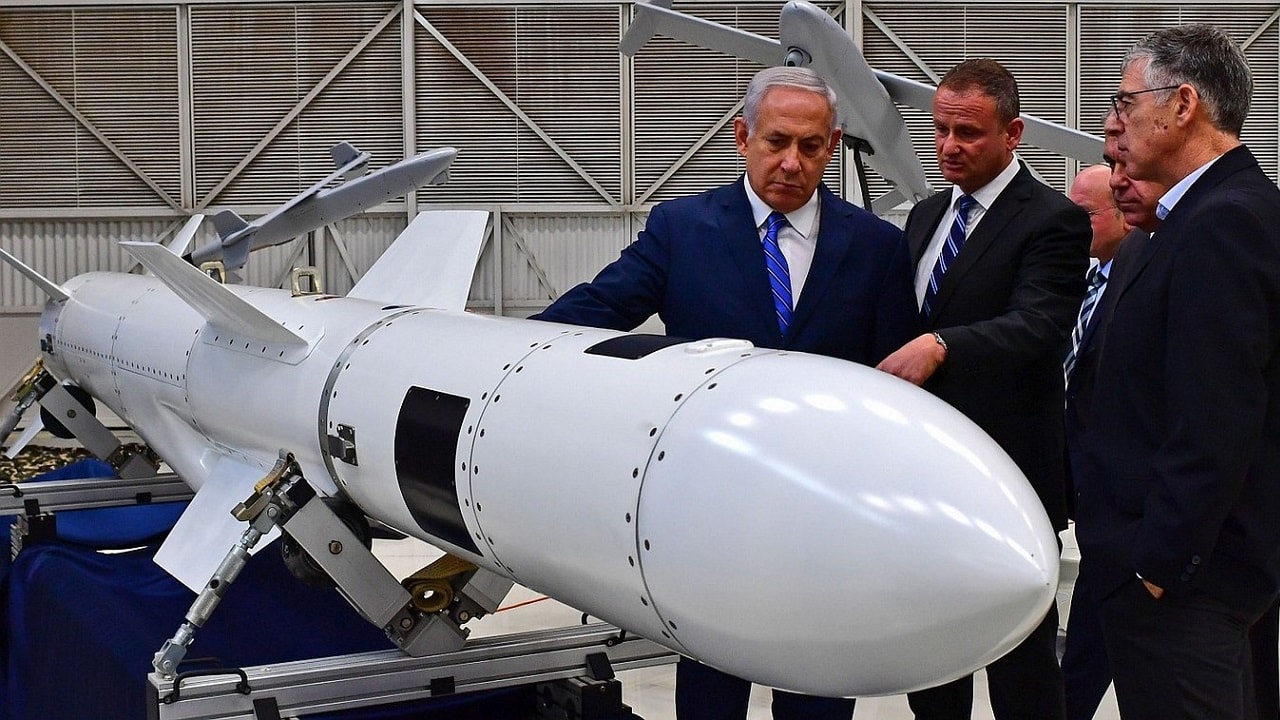
New Anti Ship Missile Gabriel V, spotted during Israeli Prime Minister and Minister of Defense Netanyahu visit at Israel Aviation Industry.
U.S. Negotiators Must Still Listen to Israel
Thus, Israel still has a voice in any peace deal, and negotiations like those involving Vice President JD Vance, Jared Kushner, and Steve Witkoff must consider Israeli wants and needs as they work with Pakistan as a mediator.
Israel Must Wait and See
These discussions will likely last more than two weeks, and Israel needs to be patient. The main goal is to stop fighting and get the Iranians to cease launching missiles and drones. They are likely to halt this completely within the next 24 hours.
Guarantee of No Iranian Nuclear Efforts
Israel needs reassurance that the Iranian nuclear program is dead. Confirmation of this will be crucial before the Israelis support any peace plan. Vance and his team understand this, but first, the peace plan must have real teeth to ensure Iran will stop enriching uranium.
Trump Could Be Serious About Attacking Civilian Targets If Peace Talks Fail
The United States could announce that attacks might begin if peace talks fail. U.S. military forces are expected to stay in the area, and the ceasefire could break down at any moment – that’s how fragile things are. The Iranians will remember Trump’s words that threatened to end their “civilization.”
These threats might have pressured Iran to negotiate, or they could indicate that Trump is still capable of targeting civilian infrastructure such as power plants and bridges. These types of strikes could have resulted in Iranian casualties and might be viewed as a war crime by some international law experts.
Israel Must Wait and See
Israel is waiting anxiously. They are pleased that attacks from Iranian missiles and drones might cease, but are likely to remain skeptical that Iran will truly end its nuclear program. Inspections will be essential in any future peace plan.
Trump is likely on the phone with Netanyahu frequently to discuss Israel’s national interests. Iran probably warns that any attack by Israel would reignite the war with strikes against U.S. military bases and Arab allies.
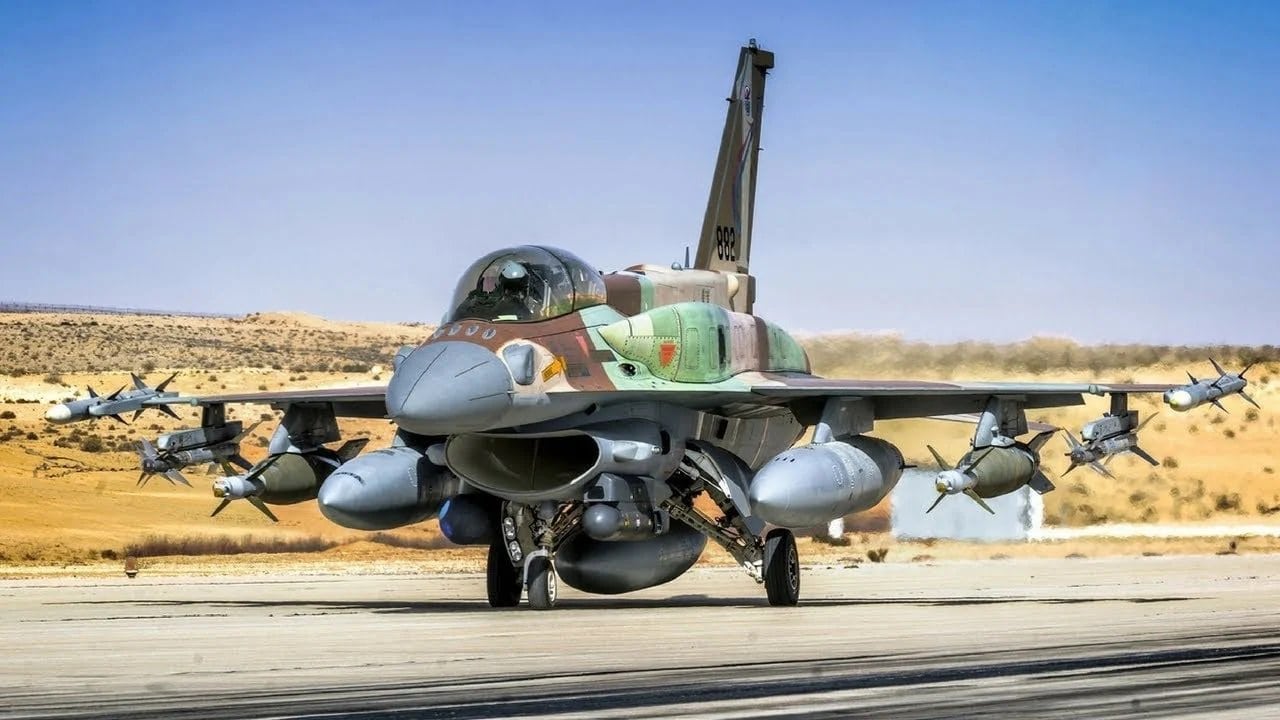
F-16I from Israel. Image Credit: Creative Commons.
My Recommendations in Three Points
If I were advising Trump and his negotiation team, I would recommend forging an agreement that prioritizes American stipulations first and then incorporates what the Israelis want.
Both Washington and Jerusalem must be aligned. Second, I would consider sending Israeli inspectors to examine Iranian nuclear infrastructure to ensure the enrichment program is definitively stopped. Finally, in exchange for that stipulation, I would suggest that Israel be prohibited from carrying out retaliatory strikes without first consulting the Americans.
Israel May Balk
The problem with my plan is that Israel always has a fragile kind of sovereignty. They face more threats from Iran that could harm and injure their citizens. The missiles and drones remain a challenge for Israel despite the effectiveness of a layered air defense system that has been very successful during Operation Epic Fury.
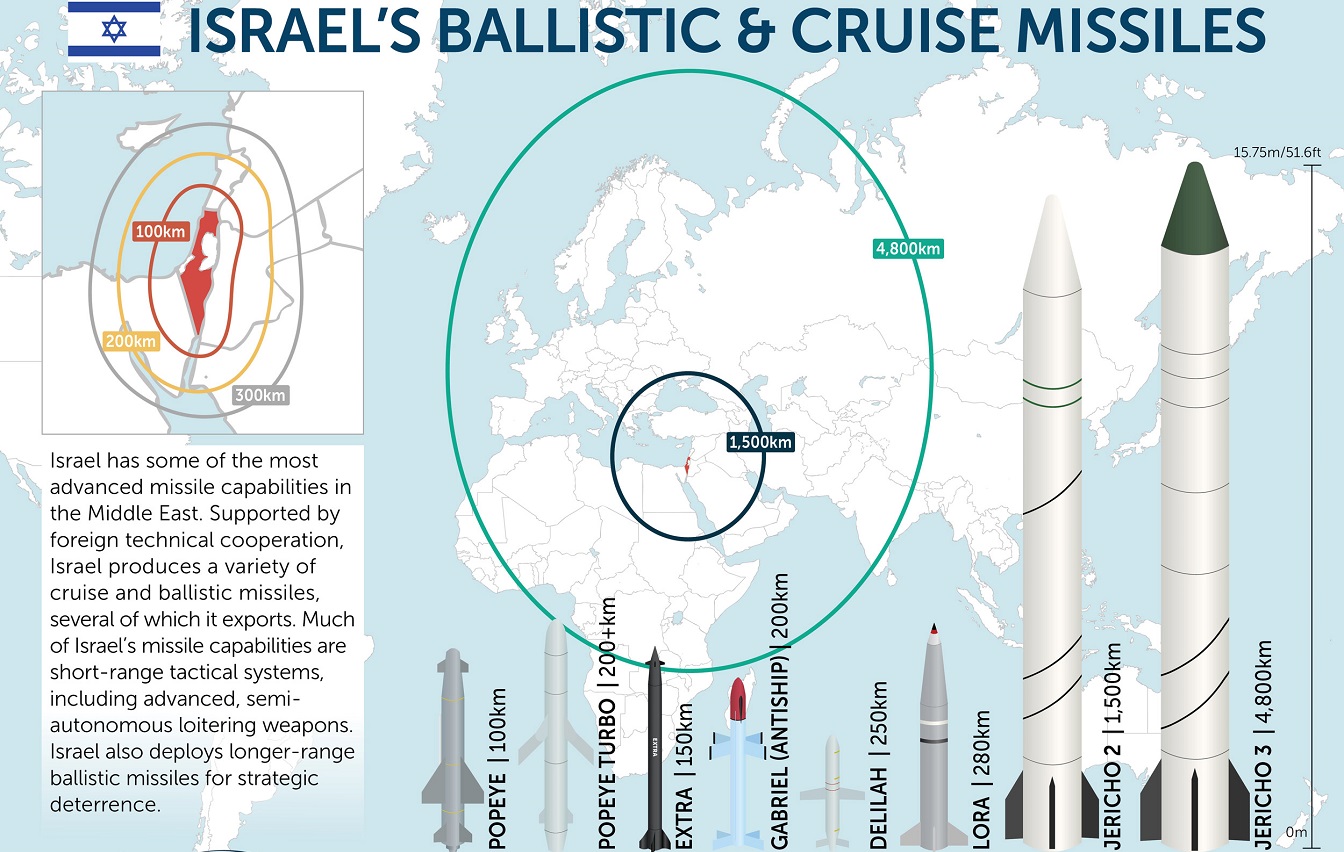
Image of Israel’s various missile classes. Image Credit: CSIS.
What About Using Mike Huckabee?
Israel will need some diplomatic guidance, and this is where U.S. Ambassador Mike Huckabee could take a more active role. Huckabee is often overlooked in the media, but it’s time for him to step up and be the guiding voice that prevents the Israelis from attacking Iran in six months if they don’t see a peace plan working.
Diplomatic High Wire Act
This will be a challenging exercise in personal diplomacy for Huckabee and the Vance team. Ignoring the Israeli perspective won’t lead to lasting peace but giving them too much influence in negotiations might scare off the Iranians. A balance can still be achieved, but it will require some diplomatic finesse on the Americans’ part.

Merkava tank. Image credit: Creative Commons.
Trump and his diplomatic team need to consider Israel’s point of view. A long-term peace plan depends on Netanyahu’s cooperation. No one wants to see Israel have to confront Iran in six months. However, the Americans must understand that Israel will always act in its self-interest and defend its sovereignty.
The United States can still manage this situation and find a balance by keeping the Israelis informed and using all diplomatic channels to persuade them that a ceasefire and a lasting peace agreement are possible.
About the Author: Dr. Brent M. Eastwood
Author of now over 3,500 articles on defense issues, Brent M. Eastwood, PhD, is the author of Don’t Turn Your Back On the World: A Conservative Foreign Policy and Humans, Machines, and Data: Future Trends in Warfare, plus two other books. Brent was the founder and CEO of a tech firm that predicted world events using artificial intelligence. He served as a legislative fellow for US Senator Tim Scott and advised the senator on defense and foreign policy issues. He has taught at American University, George Washington University, and George Mason University. Brent is a former US Army Infantry officer. He can be followed on X @BMEastwood.