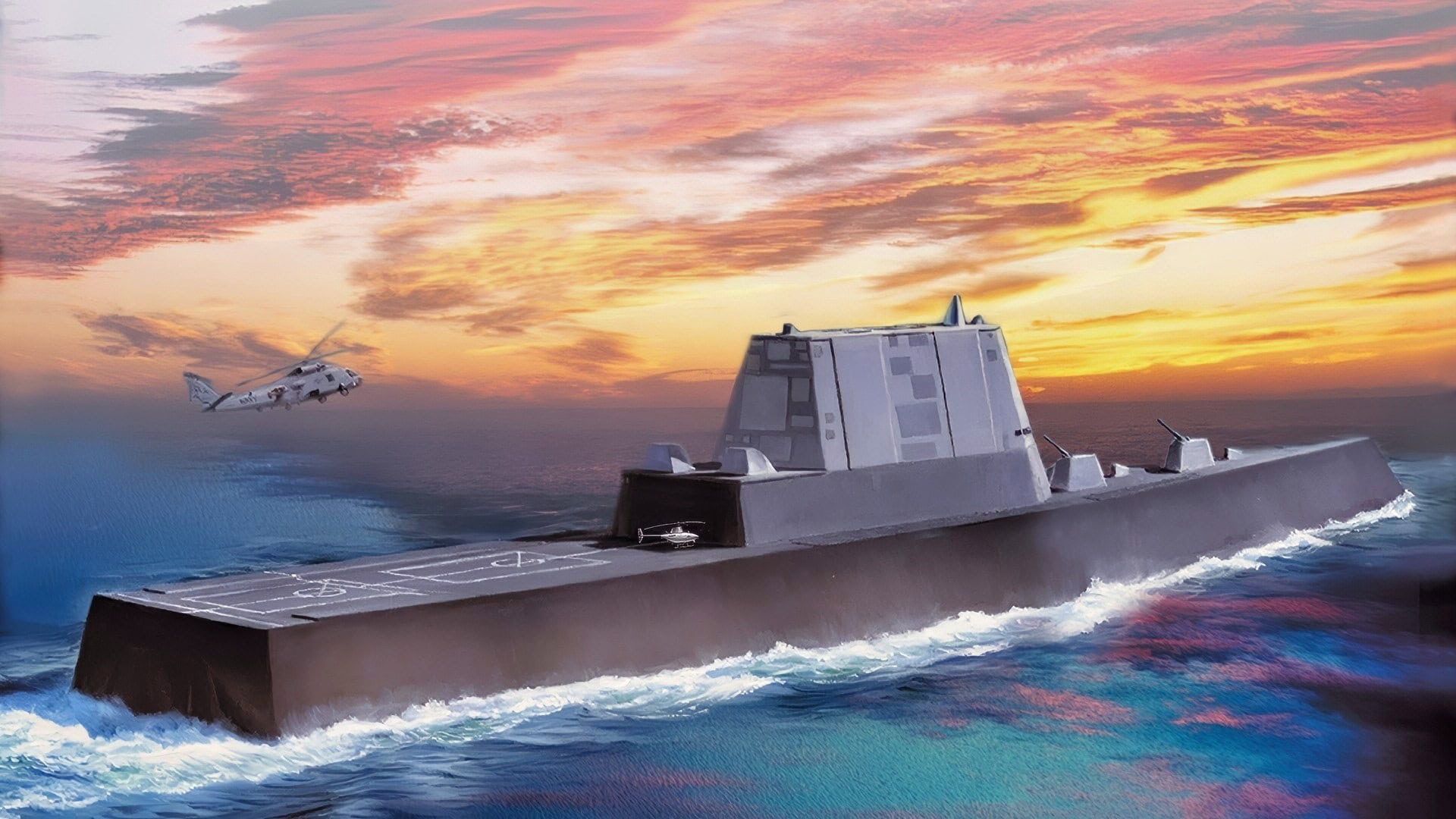
Key Points and Summary: The U.S. Navy’s most technologically advanced surface warships — including the Ford-class aircraft carrier USS Gerald R. Ford and the Zumwalt-class guided-missile destroyer USS Zumwalt — operate with structurally elevated fire risk levels due to their advanced integrated electrical propulsion systems, extensive computer automation requiring over six million lines of code in the Zumwalt’s Total Ship Computing Environment alone, and high-voltage Electromagnetic Aircraft Launch Systems that operate at extreme voltages and currents capable of generating significant heat.
The Bottomline: Modern warships paradoxically face higher non-combat fire hazards than their less-sophisticated predecessors, specifically because their advanced capabilities depend on electrical complexity, high-voltage systems, and automated management that introduce failure points unavailable on older vessels.
The U.S. Navy and Fire: A Problem That Isn’t Easy to Solve
Massive amounts of electrical power, heat generation, and controlled “mini-explosions” of fighter-jet take off are just a few of the reasons why aircraft carriers and advanced warships operate with an extremely serious risk of fire. Fires aboard U.S. Navy warships are among the most dangerous non-combat threats sailors face at sea.
Even on cutting-edge vessels like the USS Gerald R. Ford and the USS Zumwalt, the risk of fire remains ever-present.
These ships feature new generations of warship technologies, including advanced propulsion systems, powerful electrical networks, and extensive computer automation.
Yet, in a somewhat paradoxical fashion, their sophistication does not eliminate risk but rather increases their vulnerability. Fires aboard such warships typically result from a complex mix of factors, including mechanical failures, electrical hazards, environmental conditions, human factors, and the ongoing risk of explosions.
The highest risks on ships such as the USS Zumwalt or USS Ford likely relate to their advanced technologies.
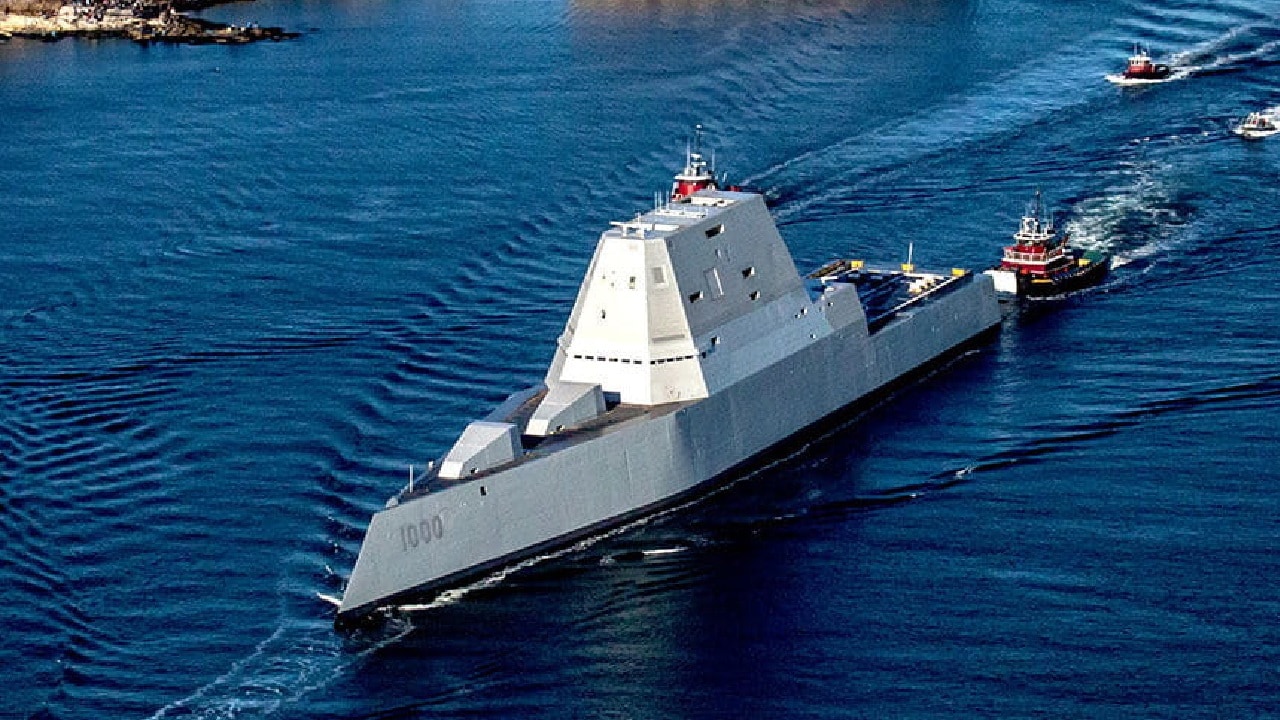
Zumwalt-class destroyer. Image Credit: Raytheon.
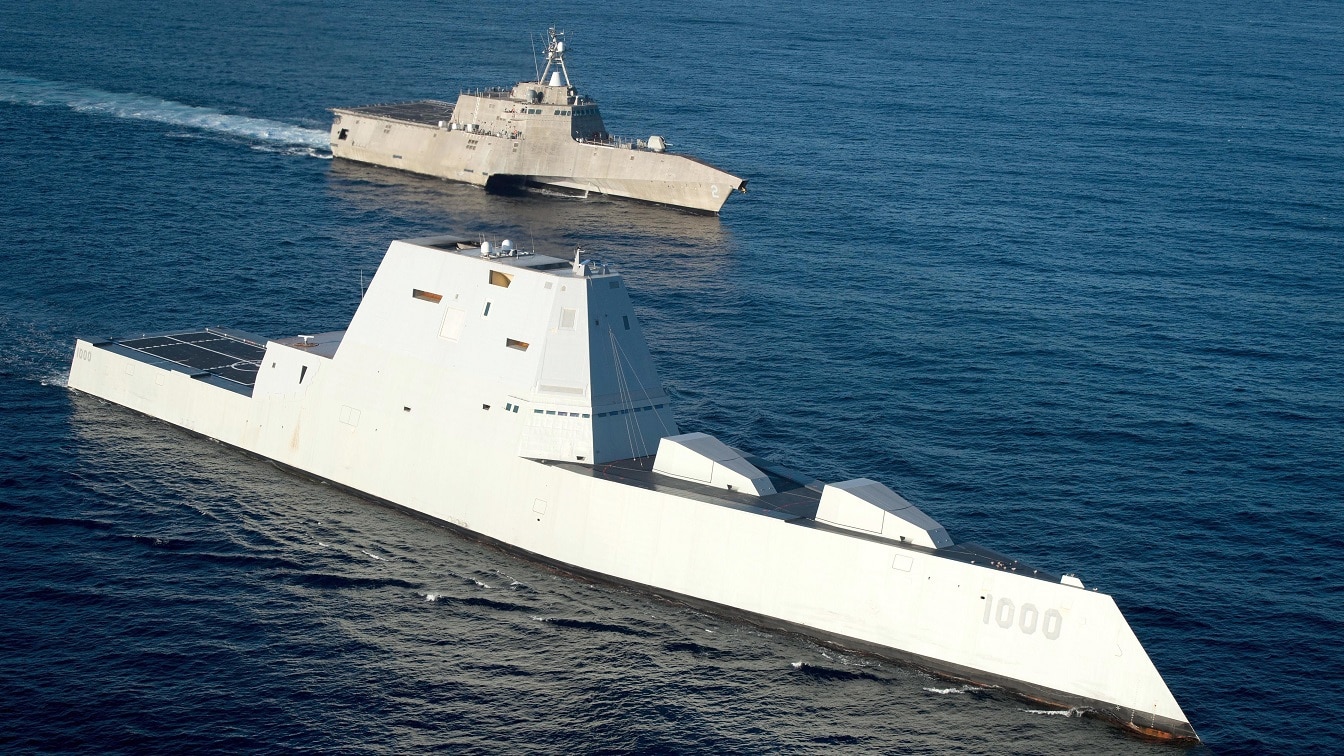
PACIFIC OCEAN (Dec. 8, 2016) The guided-missile destroyer USS Zumwalt (DDG 1000), left, the Navy’s most technologically advanced surface ship, is underway in formation with the littoral combat ship USS Independence (LCS 2) on the final leg of its three-month journey to its new homeport in San Diego. Upon arrival, Zumwalt will begin installation of its combat systems, testing and evaluation, and operation integration with the fleet. (U.S. Navy photo by Petty Officer 1st Class Ace Rheaume/Released)161208-N-SI773-0401
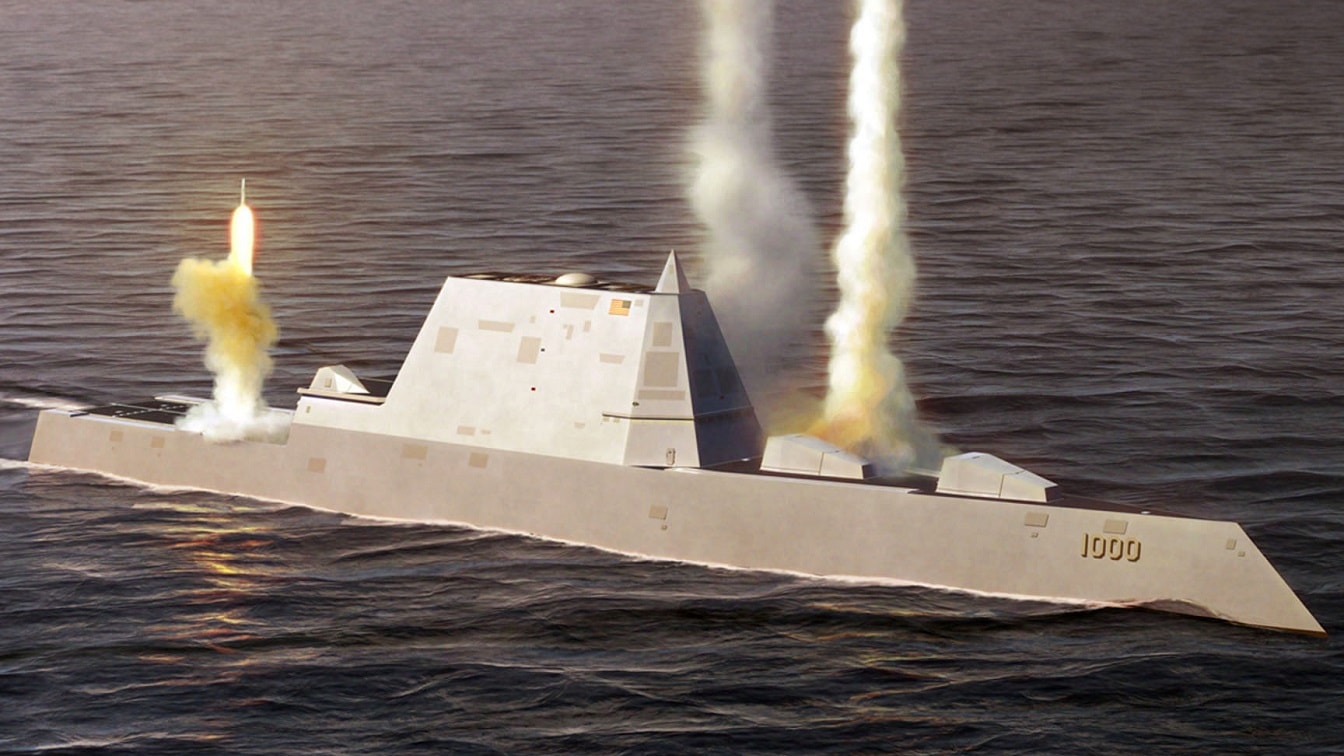
An artist rendering of the Zumwalt class destroyer DDG 1000, a new class of multi-mission U.S. Navy surface combatant ship designed to operate as part of a joint maritime fleet, assisting Marine strike forces ashore as well as performing littoral, air and sub-surface warfare.
For instance, the USS Zumwalt uses an integrated power system that generates and distributes electricity for nearly all onboard functions, from propulsion to weapons.
Most of the technologies on board the USS Zumwalt rely on computing and electrical wiring; the ship operates the Total Ship Computing Environment, an advanced, high-speed, expansive computer system engineered with more than six million lines of code.
The more wiring there is, naturally, the higher the risk of fires on board, and consistent exposure to harsh ocean conditions and salt water can also lead to the erosion of wiring on the ship.
Electrical Technologies
The Ford relies on advanced technologies such as electromagnetic aircraft launch systems and high-capacity electrical grids. These systems operate at extremely high voltages and currents, which can generate significant heat.
If components such as cables, transformers, or circuit breakers fail or degrade, they can overheat or spark, potentially igniting nearby materials.
Another major contributor to fire risk is the presence of flammable materials throughout a warship.
Fuel for aircraft and helicopters, lubricants for machinery, hydraulic fluids, and various cleaning chemicals are all necessary for operations, but can ignite under the right conditions.
Ammunition and explosives also present hazards if exposed to heat or flame. In confined shipboard spaces, a small fire can quickly spread if it reaches these materials.
The Human Factor
Human factors also play a significant role. Despite the advanced automation found on ships like the Ford and Zumwalt, sailors remain responsible for operating, monitoring, and maintaining equipment.
While the USS Ford relies upon new levels of computer automation, much of the ship still relies entirely upon human skill and judgment. Human variables are, of course, influenced by stress, fatigue, or emotional fluctuation.
Errors in judgment, lapses in attention, or deviations from established procedures can all contribute to fire incidents. Fatigue and sleep deprivation are also major concerns; sailors often work long hours in demanding conditions and stand watch for hours at a time, both of which can impair decision-making and increase the likelihood of mistakes.
Design trade-offs in modern warships can also influence fire risk. Advanced ships prioritize stealth, efficiency, and automation, which can sometimes result in reduced crew sizes.
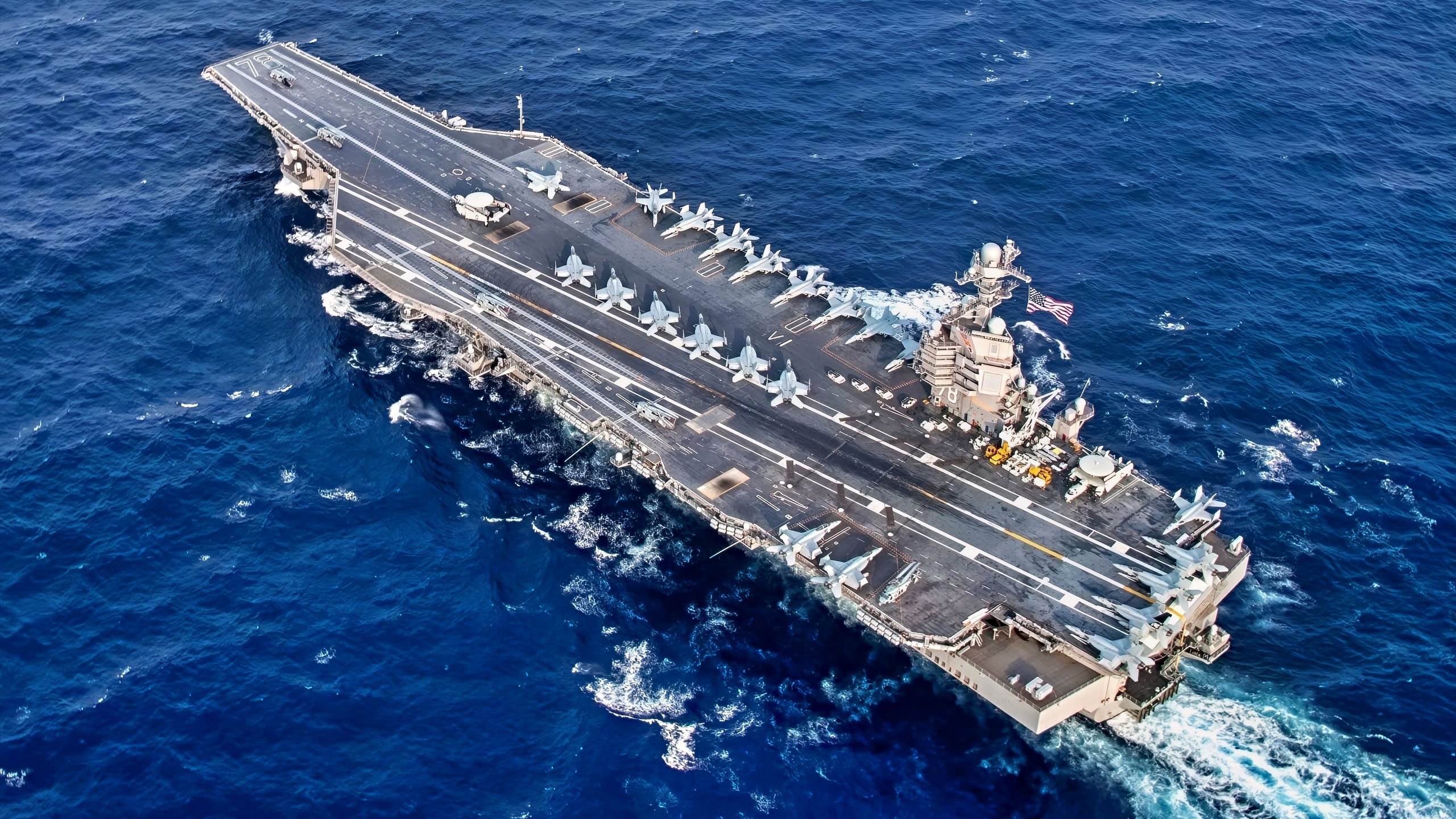
The Ford-class aircraft carrier USS Gerald R. Ford (CVN 78) and the Nimitz-class aircraft carrier USS Harry S. Truman (CVN 75) transit the Atlantic Ocean June 4, 2020, marking the first time a Ford-class and a Nimitz-class aircraft carrier operated together underway. Ford is underway conducting integrated air wing operations, and the Harry S. Truman Carrier Strike Group remains at sea in the Atlantic as a certified carrier strike group force ready for tasking in order to protect the crew from the risks posed by COVID-19, following their successful deployment to the U.S. 5th and 6th Fleet areas of operation. (U.S. Navy photo by Mass Communication Specialist Seaman Riley McDowell)
While automation can enhance performance and reduce human workload, fewer personnel may mean fewer hands available to respond to emergencies immediately. Additionally, innovative layouts and materials, while beneficial for operational effectiveness, may behave differently under fire conditions compared to traditional designs. Engineers must carefully balance these factors to ensure that safety is not compromised.
Despite these risks, the U.S. Navy places enormous emphasis on fire prevention and response. Ships are equipped with sophisticated detection systems, including heat sensors, smoke detectors, and automated alarms. Fire suppression systems—ranging from sprinklers to specialized foam and gas-based extinguishing agents—are designed to quickly contain outbreaks.
The fire on board the USS Ford, for example, was eventually contained, yet its existence points to the human and mechanical stresses that can be placed on a ship during extended wartime deployment.
About the Author: Kris Osborn
Kris Osborn is the Military Technology Editor of 19FortyFive. Osborn is also President of Warrior Maven – Center for Military Modernization. Osborn previously served at the Pentagon as a highly qualified expert in the Office of the Assistant Secretary of the Army—Acquisition, Logistics & Technology. Osborn has also worked as an anchor and on-air military specialist at national TV networks. He has appeared as a guest military expert on Fox News, MSNBC, The Military Channel, and The History Channel. He also has a Master’s Degree in Comparative Literature from Columbia University