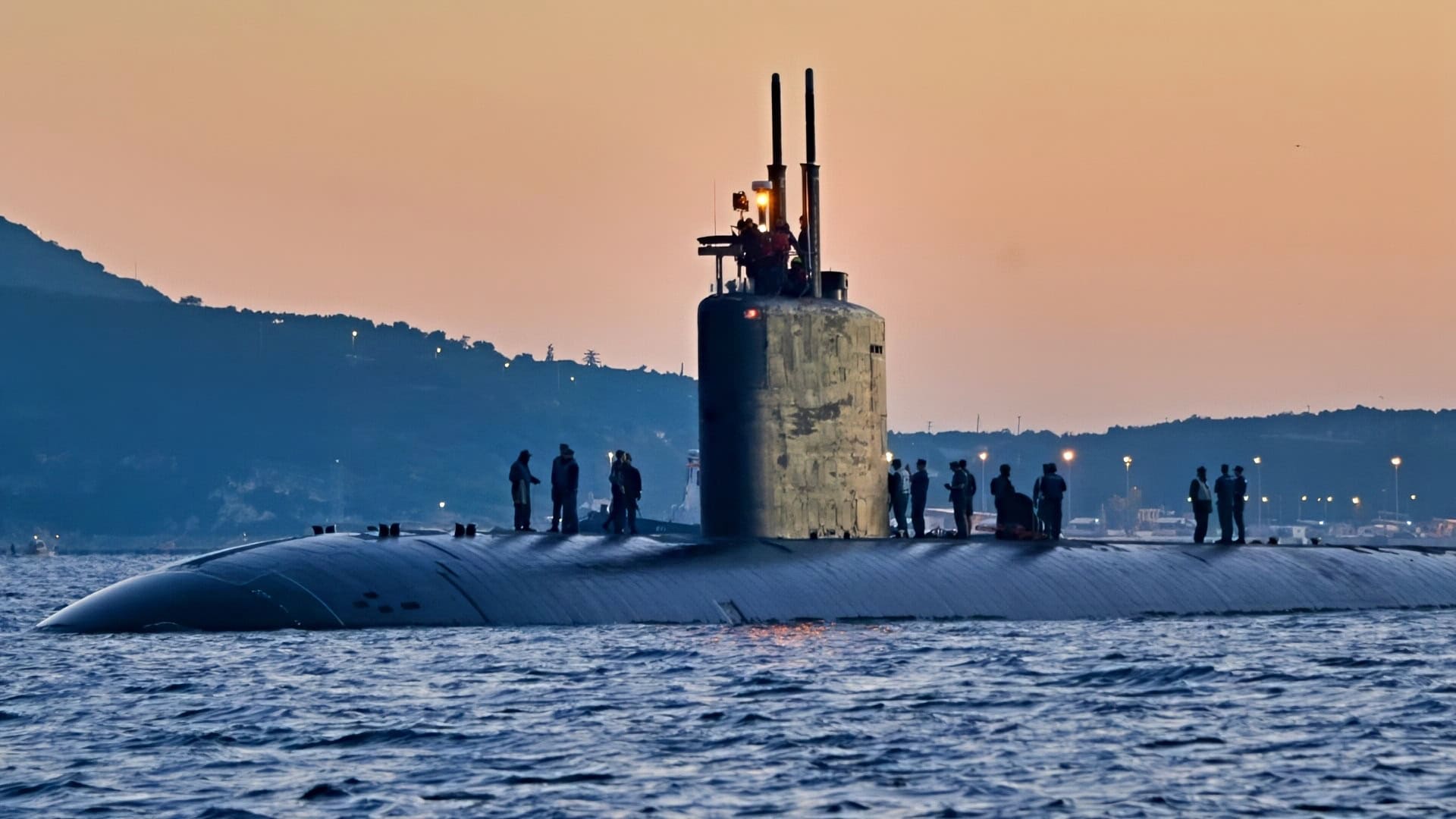
One of the United States Navy’s youngest nuclear-powered (for its class, at least) attack submarines will be inactivated, despite millions of dollars dedicated to its overhaul. The submarine USS Boise is a Los Angeles-class attack submarine that has been in a dry dock at HII Newport News Shipbuilding in Virginia for a decade.
USNI News reports that the boat criss-crossed the Eastern Seaboard several times in pursuit of seemingly elusive repairs.
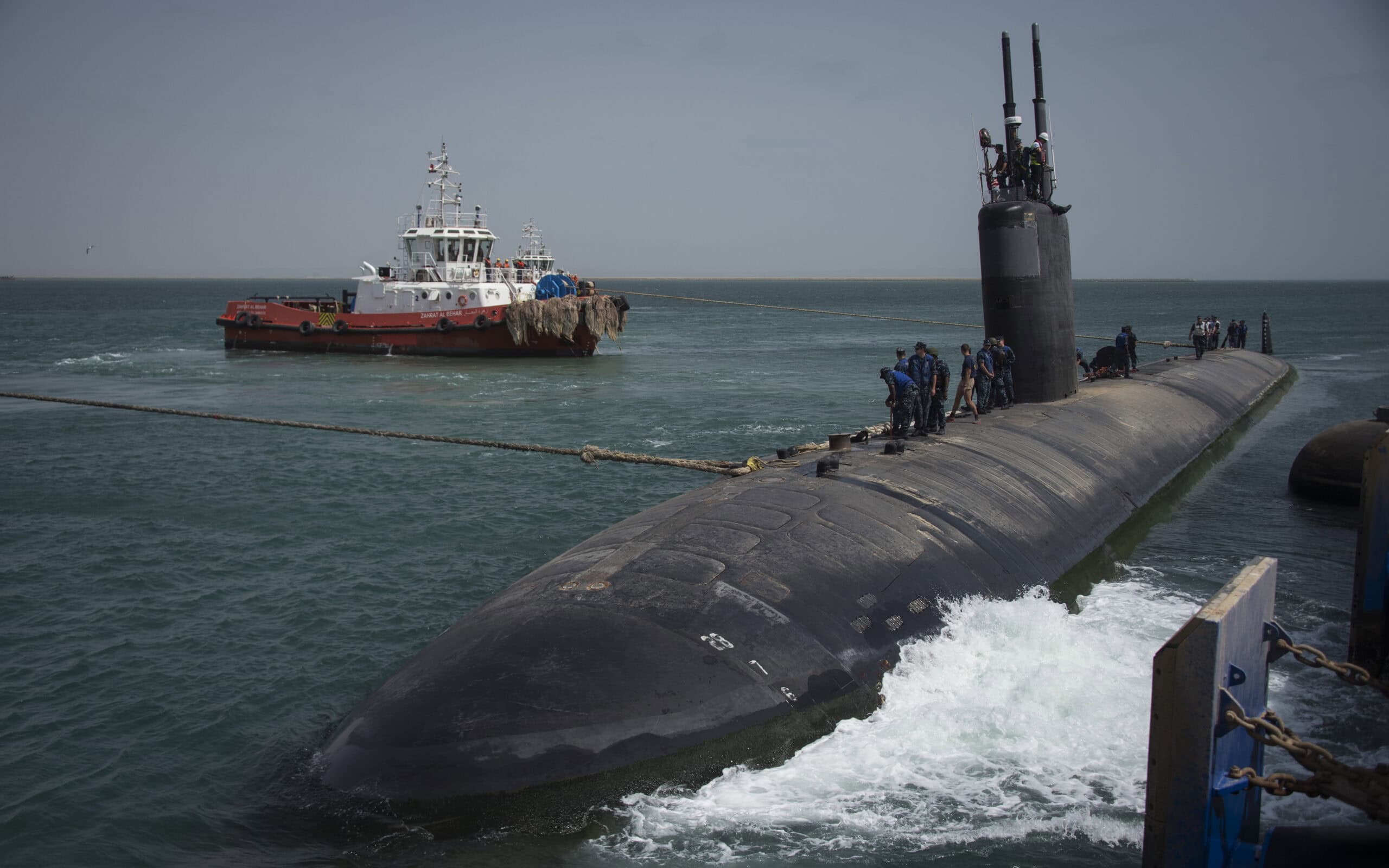
The attack submarine USS Boise (SSN 764) departs after a scheduled port visit in Duqm, Oman, Aug. 18, 2014. The Boise was the first nuclear vessel to conduct a port visit in Oman since 1996 and was the precursor to future nuclear-powered vessels conducting port calls in Oman. (U.S. Navy photo by Mass Communication Specialist 2nd Class Daniel M. Young/Not Released)
The U.S. Navy is believed to have sunk around $800 million into the USS Boise to keep it fighting-fit.
Still, additional repairs are estimated to have cost $1.6 billion, bringing the total to $3 billion.
Given the USS Boise’s mounting repair costs, the Navy opted to deactivate the submarine.
Sunk Cost Fallacy
Speaking to Fox News, Secretary of the Navy John Phelan explained that he decided not to pump more money into the USS Boise.
“At some point, you just cut your losses and move on,” the Secretary of the Navy said.
“The Boise has been pier-side since 2015, cost nearly $800 million already, and it’s only 22% complete — the math really does not work,” Secretary Phelan added.
The option to retire the USS Boise comes as the United States Navy faces pressure to pivot to the Indo-Pacific and confront the mounting challenge posed by a peer rival — the People’s Liberation Army Navy (PLAN).
Although the United States Navy has two carrier strike groups and the USS Tripoli stationed in the Middle East as part of Operation Epic Fury, the joint Israeli-American operation against Iran, the service must also prepare for various contingencies in the Indo-Pacific: namely, a Chinese invasion or blockade of Taiwan.
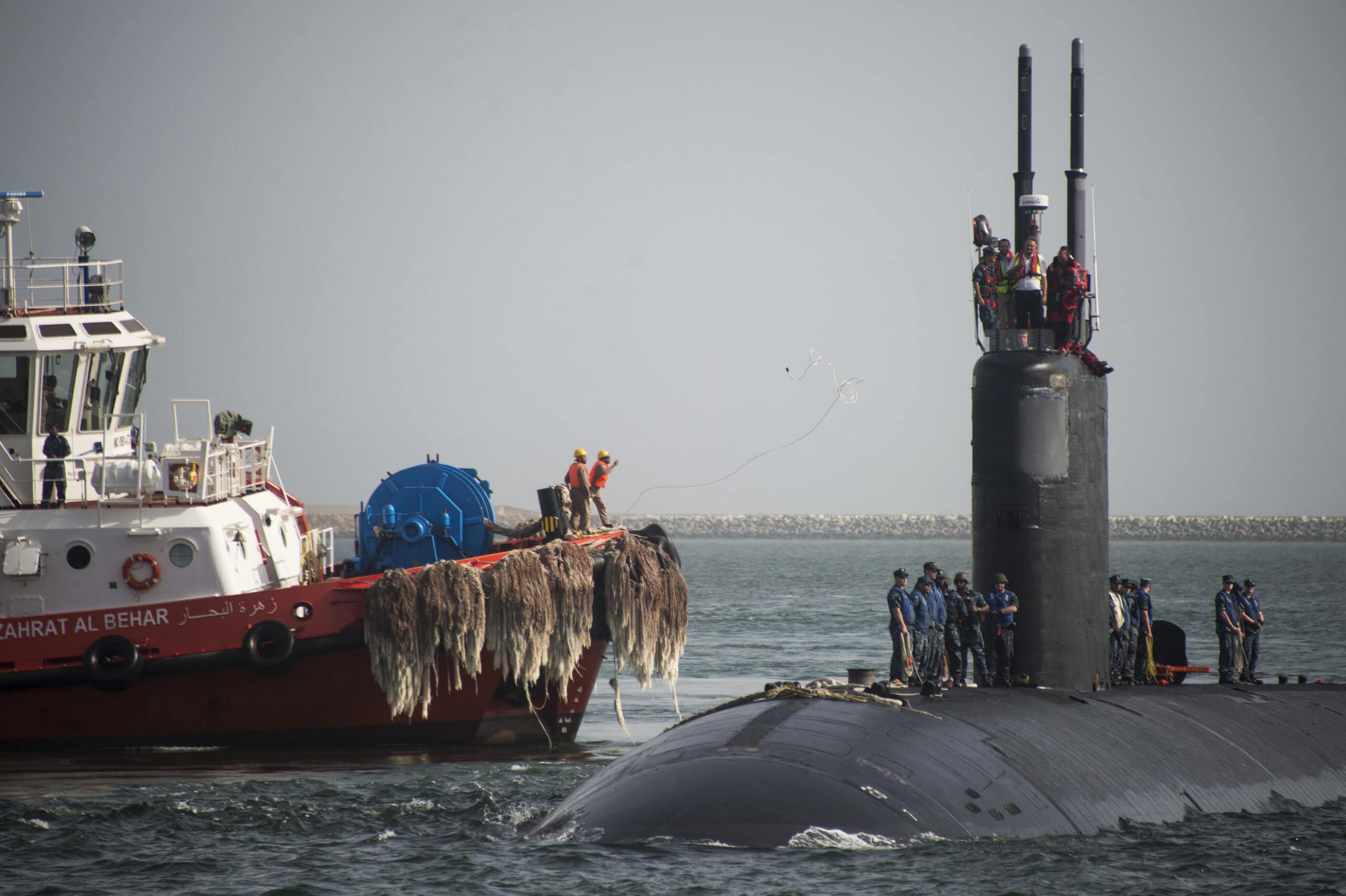
The Los Angeles-class attack submarine USS Boise (SSN 764) pulls into port in Duqm, Oman. Boise is the first nuclear vessel to conduct a port visit in Oman since 1996 and it will be the precursor to future nuclear powered vessels conducting port calls in Oman. (U.S. Navy photo by Mass Communication Specialist 2nd Class Daniel M. Young/Not Reviewed)
A Numbers Game
China’s commercial shipbuilding industry is the largest in the world, both in terms of the number of ships built and overall tonnage.
The PLAN, though thought to be qualitatively inferior to the United States Navy, outnumbers its American counterpart in hull numbers.
America’s shipbuilding industry would like to close that gap — but doing so forces difficult cost-benefit analyses.Set featured image
“One of our big constraints in our shipyards, particularly in submarine building, is labor and engineering talent,” Secretary Phelan explained to Fox. “We have a lot of that dedicated to this, which we could free up and put onto the Virginia-class submarine or Columbia and try to shift the schedule left on those.”
The Virginia-class submarines are to replace the older Los Angeles-class submarines, and the upcoming Columbia-class will replace the U.S. Navy’s older Ohio-class ballistic missile submarines.
Both submarine classes are newer than the Cold War-era Los Angeles-class and will bring a host of capabilities to the U.S. Navy submarine force.
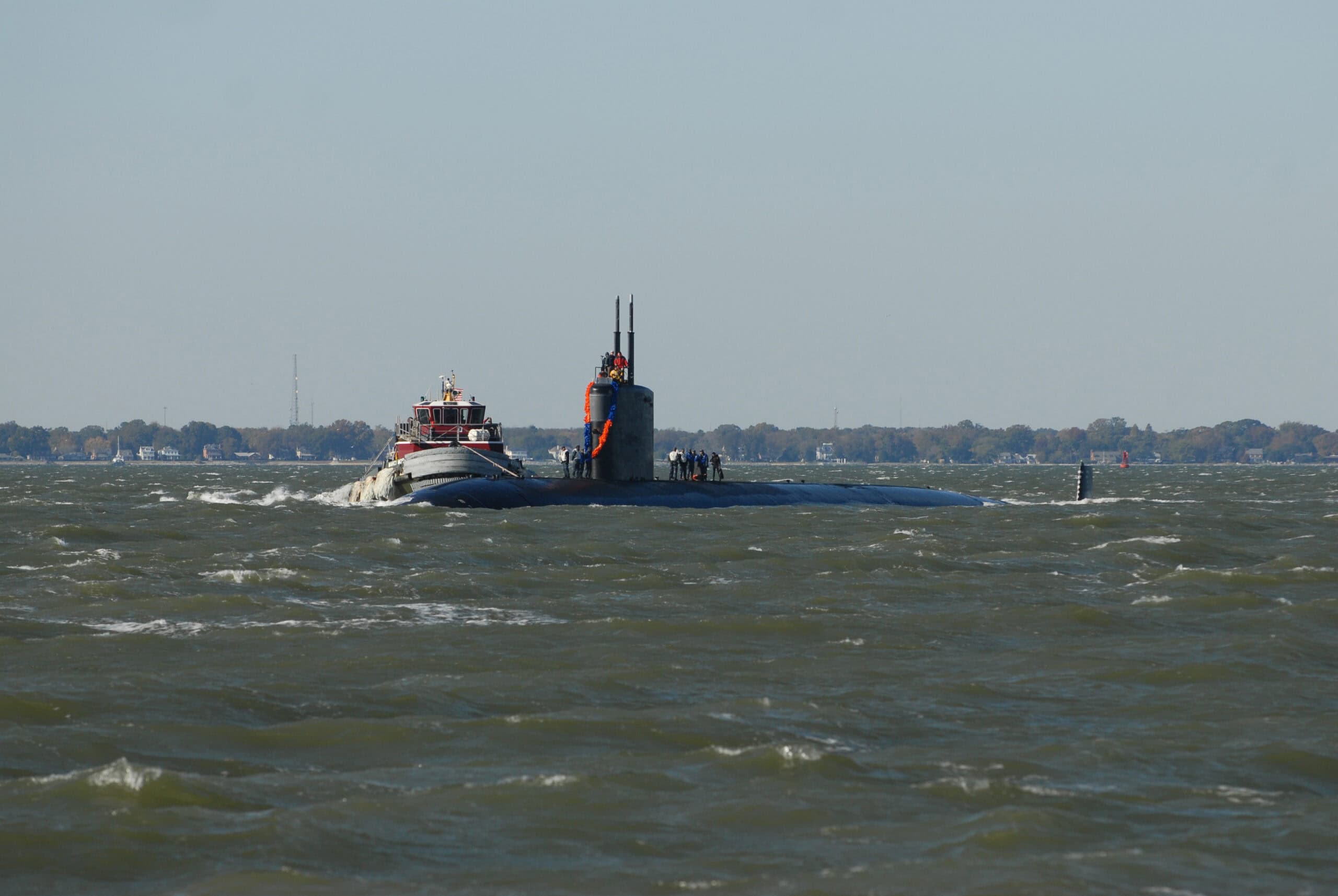
The Los Angeles-class attack submarine USS Boise (SSN 764) returns to homeport at Naval Station Norfolk after a six-month deployment. During the deployment the ship traveled more than 37,000 nautical miles while executing the chief of naval operation’s maritime strategy in supporting national security interests and maritime security operations. (U.S. Navy photo by Mass Communication Specialist 1st Class Todd A. Schaffer)
The decision to put the kibosh on the USS Boise would, in theory, free up dock space and dock workers for work on other crucial U.S. Navy projects. “The Boise represents 65% of the cost of a new Virginia-class submarine, yet it only delivers 20% of the remaining service life,” Secretary Phelan added, or around three deployments. The USS Boise’s return on investment could not be justified.
Reasons Galore
The reasons for the USS Boise’s slipped schedule can be chalked up to a combination of factors rather than a single cause, Secretary Phelan explained. “I can’t point to one thing that killed it,” the Secretary said. “I think it was a combination … the complexity of the engineering, COVID impacts, and pressure on the industrial base.”
Part of the delay can be attributed to the submarine’s lower maintenance priority.
The four shipyards that repair the Navy’s nuclear-powered vessels — ballistic-missile submarines, aircraft carriers, and attack submarines — give priority to carriers and boomers first. A lack of space and qualified personnel directly contributed to the USS Boise’s incredibly delayed, now-ended, repair timeline, according to a 2021 Congressional Budget Office report.
“After overhauls, Virginia class submarines have returned to operations almost nine months later than expected, on average; Los Angeles class submarines have taken four and a half months longer than scheduled, on average, to return to the fleet, the CBO report found. “As a result, some submarines have missed deployments or had their deployments at sea shortened. The delays have reduced the number of submarines that the Navy can put to sea, idling expensive ships and their skilled crews.”
In any event, the early retirement of the USS Boise frees up both dock space and manpower, which are acutely needed for other U.S. Navy programs — especially the upcoming Virginia and Columbia classes.
But the submarine’s forced removal from service won’t radically help America’s shipbuilders meet production and maintenance schedules.
That would require a concerted reassessment of how warships and submarines are built.
The USS Boise is a necessary first step — but only one of many moves to reinvigorate America’s shipbuilding capabilities.
MORE – The Iran War Is a Mental Health Nightmare
About the Author: Caleb Larson
Caleb Larson is an American multiformat journalist based in Berlin, Germany. His work covers the intersection of conflict and society, focusing on American foreign policy and European security. He has reported from Germany, Russia, and the United States. Most recently, he covered the war in Ukraine, reporting extensively on the war’s shifting battle lines from Donbas and writing on the war’s civilian and humanitarian toll. Previously, he worked as a Defense Reporter for POLITICO Europe. You can follow his latest work on X.