

Mental Health and Psychological Stress In The On-Again, Off-Again Campaign Against Iran: US military warfighters facing the threats associated with combat operations over Iran are experiencing significant mental strain, characterized by high-stakes operational pressure, increased combat fatigue, and questions as to whether they will complete the mission.
While resilient, many are grappling with the psychological impact of repeated, high-tempo, and long-duration operations. Like their grandfathers who fought in the skies over Europe in World War II, the aircrews handled the extreme mental stress of the air war over Germany through a combination of close-knit squadron camaraderie, dark humor, strict adherence to duty, escapism during time off, and fatalism.
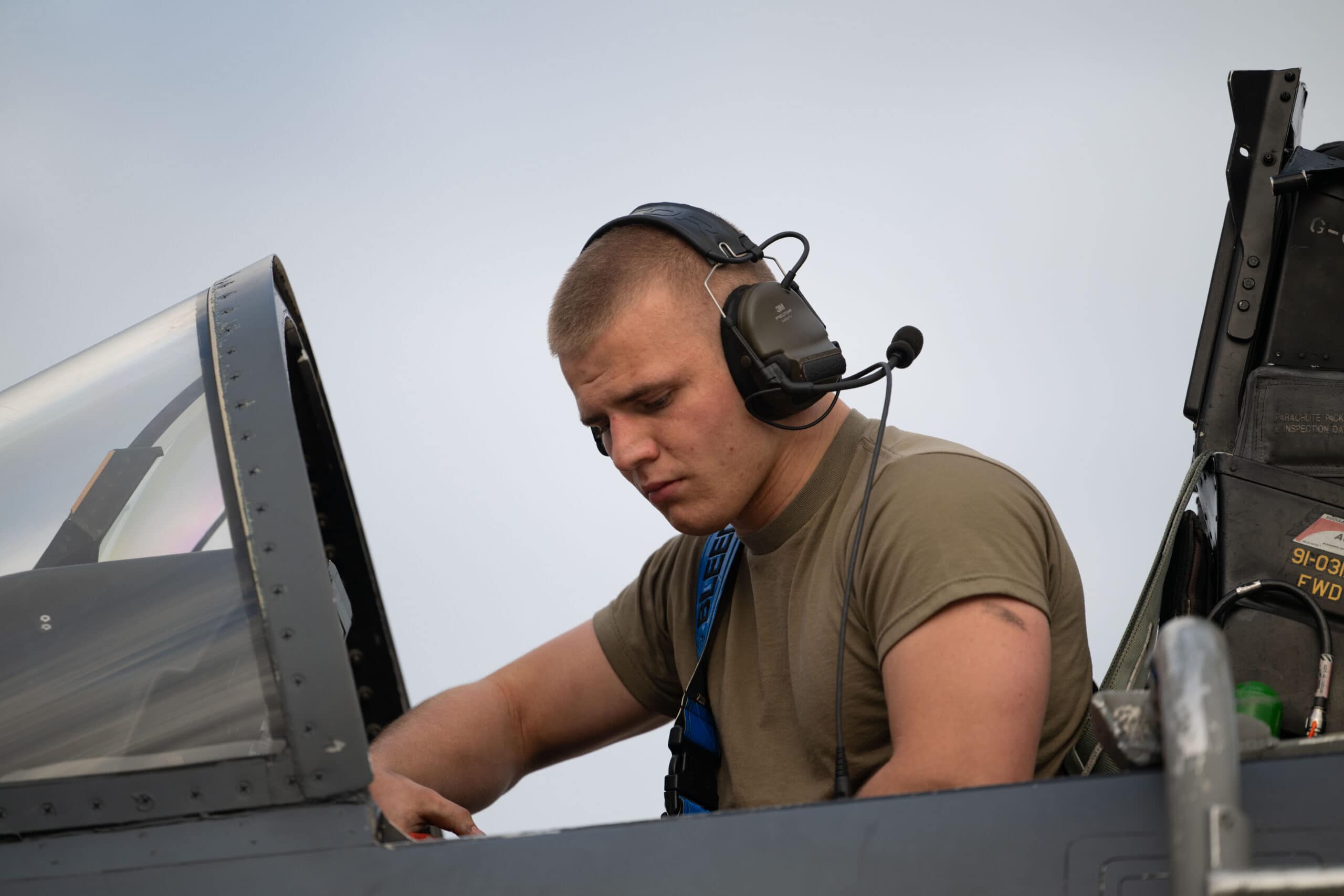
U.S. Air Force Airman 1st Class Colin Stocks, 492nd Fighter Generation Squadron electrical and environmental systems apprentice, performs post-flight inspections on a U.S. Air Force F-15E Strike Eagle for takeoff during Exercise Ocean Sky 25 at Gando Air Base, Spain, Oct. 23, 2025. Aircraft maintainers and crew chiefs supported this annual exercise, ensuring mission-ready aircraft and enabling seamless operations among Allied and partner nations. (U.S. Air Force photo by Staff Sgt. Elizabeth Davis)
Heightened Operational Stress and the Iran War
Navy personnel on aircraft carriers and destroyers in the region operate under a “heightened threat environment,” with constant demands for air and missile defense readiness.
“It’s a curse and a blessing at the same time, being on an aircraft carrier,” said retired Vice Admiral Andrew “Woody” Lewis, who did 11 aircraft carrier deployments of six months or more.
The blessing is that aircraft carriers are used for a lot of “very strategically important missions,” Lewis said. “And it’s a curse at the same time because you got to go, you get extended, you get these long periods of you don’t know what the hell is going on,” which impacts morale, Lewis added.
The USS Gerald R. Ford (CVN-78) has been extended on its deployment until May.
And Navy leaders know that long deployments can cause burnout and harm morale.
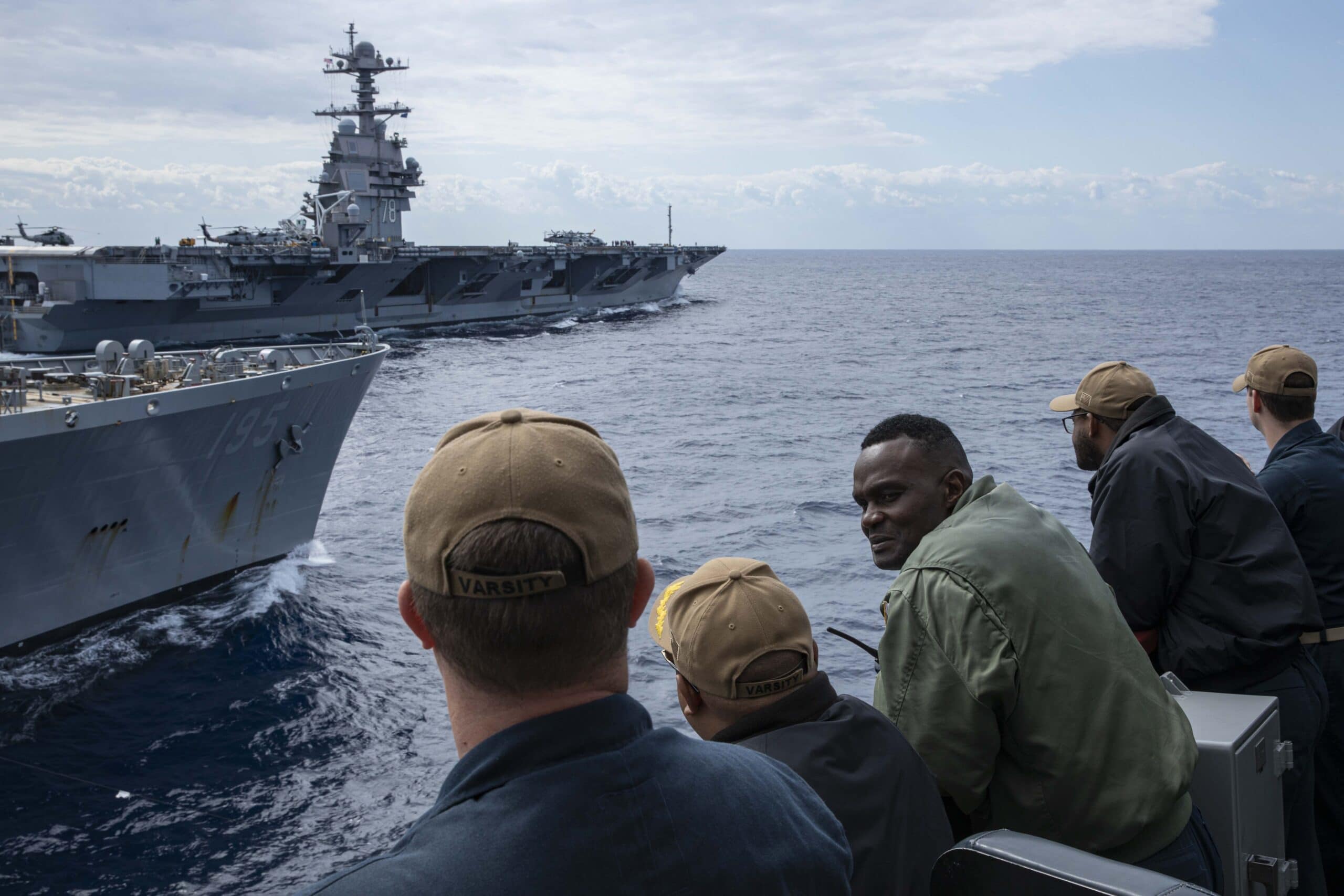
230503-N-LK647-1143 ATLANTIC OCEAN (May 3, 2023) Capt. Errol Robinson, commanding officer, USS Normandy, third from left, and crew members assigned to the Ticonderoga-class guided missile cruiser USS Normandy (CG 60) watch from the bridge wing as the first-in-class aircraft carrier USS Gerald R. Ford (CVN 78) conducts a training emergency breakaway from the Henry J. Kaiser-class replenishment oiler USNS Leroy Grumman (T-AO 195) following a replenishment-at-sea, May 3, 2023. The Gerald R. Ford Carrier Strike Group (GRFCSG) is conducting a scheduled deployment in the Atlantic Ocean. The GRFCSG provides an inherently flexible naval force capable of deploying across combatant commands to meet emerging missions, deter potential adversaries, reassure allies and partners, enhance security and guarantee the free flow of global commerce. (U.S. Navy photo by Mass Communication Specialist 2nd Class Malachi Lakey)
Mental Health and Trauma: The Psychology Factor
The ongoing conflict has caused significant mental health challenges, including traumatic brain injuries (TBIs) among service members, with over 350 injuries reported early in the conflict, among Air Force and Army personnel on airbases in the Middle East that have been targeted by Iranian ballistic missiles.
There are reports of increased stress and vicarious trauma among those supporting the conflict.
The Strain On Families Back Home
The uncertainty surrounding the conflict has caused high anxiety and stress among military families, with many feeling as though they are on “pins and needles,” according to the Military Family Advisory Network.
While military members focus on the tasks at hand, with very little time actually in danger, families at home are in the dark about what happens from one moment to the next and are constantly flooded with media reports that accentuate the possible negative outcomes of the fighting.
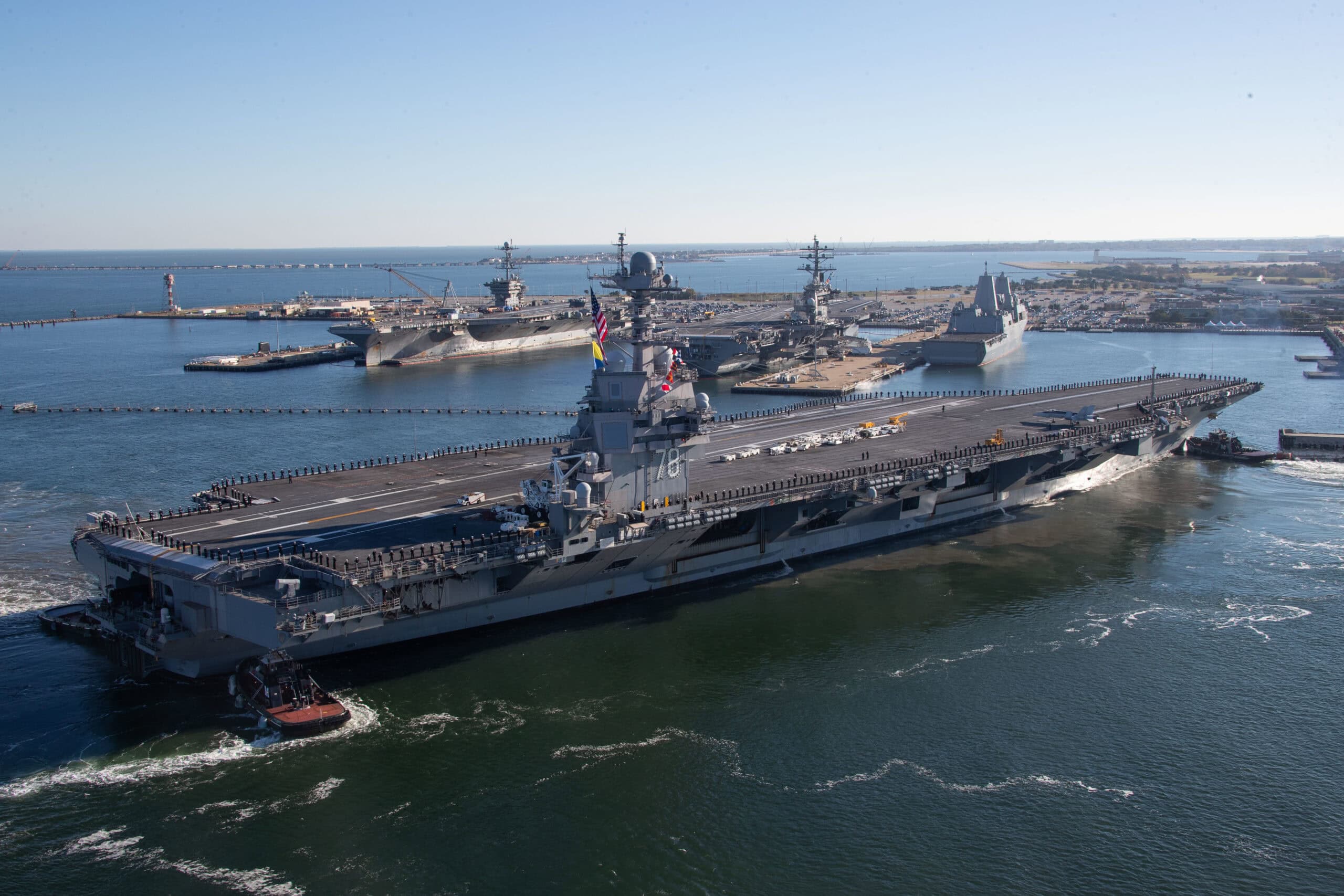
The crew of the first-in-class aircraft carrier USS Gerald R. Ford (CVN 78) man the rails as the ship returns to Naval Station Norfolk, Nov. 26, following the inaugural deployment with the Gerald R. Ford Carrier Strike Group (GRFCSG). More than 4,600 Sailors assigned to Ford operated in U.S. 2nd Fleet and 6th Fleet, increasing interoperability and interchangeability with NATO Allies and partners. Throughout the deployment, the GRFCSG sailed more than 9,200 miles, completed more than 1,250 sorties, expended 78.3 tons of ordnance, completed 13 underway replenishments and hosted more than 400 distinguished visitors. (U.S. Navy photo by Mass Communication Specialist 2nd Class Jackson Adkins)
Sense Of Purpose, And Finishing The Mission
One of the most significant factors in military members’ morale is a sense of purpose, and the uncertainty they feel about senior military and political leadership’s willingness to allow the services to finish the mission.
The military services are trained to fight and win wars. That is their raison d’être. The absolute worst thing for morale is for warfighters to feel that their service and sacrifices were in vain because the leadership lacked the vision or will to see the mission through to victory.
Rep. Sheri Biggs (R-SC) wrote an article for War on the Rocks where she said, “As someone who has served overseas, I have witnessed strategic failures that stem from half-measures and ‘mowing the lawn’ in the Middle East.
“Strategic indecision does not just embolden our adversaries, it actively degrades the morale and mental health of our fighting force. When our men and women are deployed into harm’s way for objectives that are later abandoned or left unfinished, the psychological toll is compounded.
“A servicemember’s mental health is tied to a sense of purpose. If the mission is not finished, the trauma of combat is amplified by a sense of betrayal by the leadership that sent them there.”
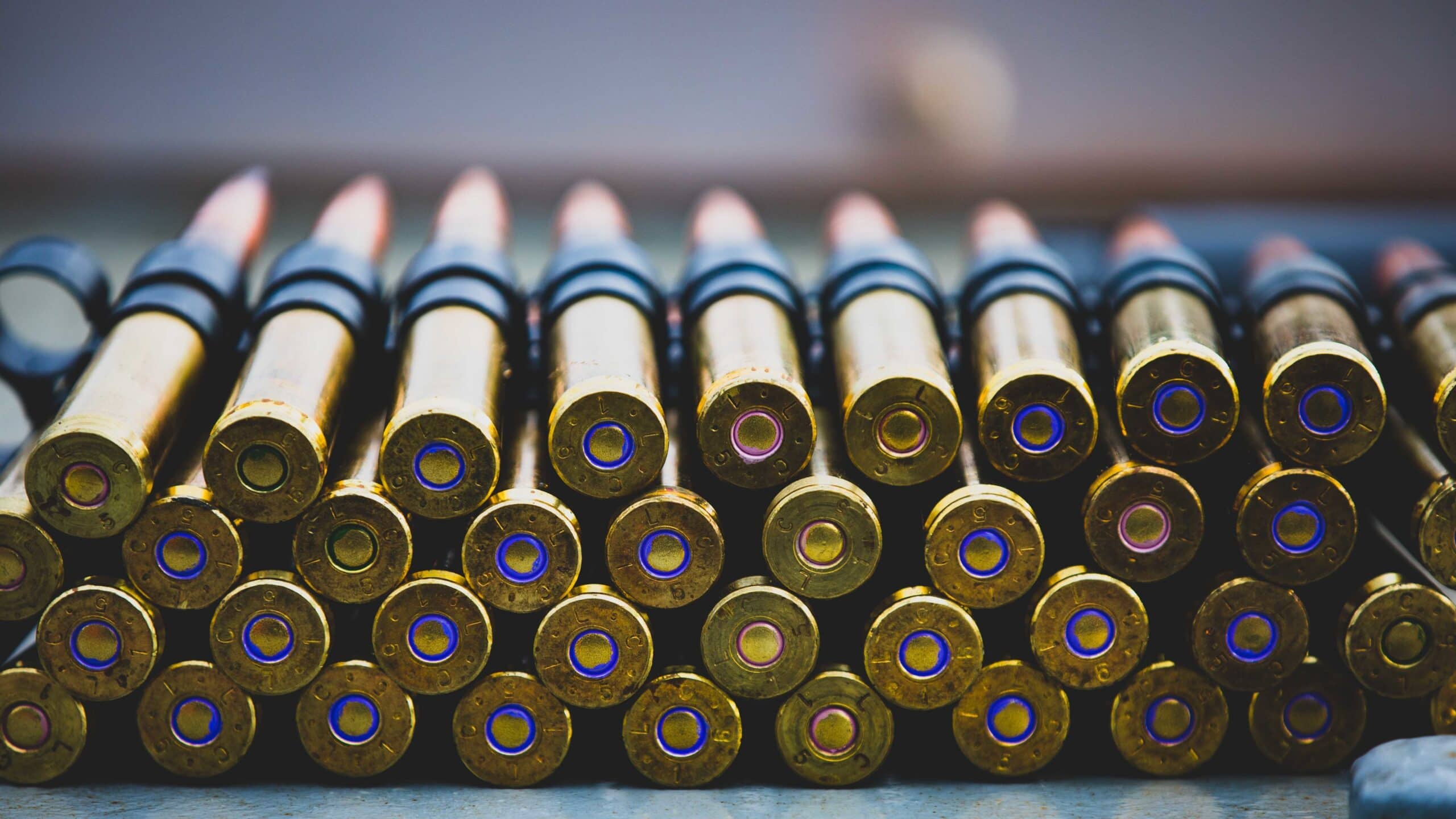
Ammunition is prepared for a .50 caliber machine gun during a live-fire crew certification exercise aboard the Arleigh Burke-class guided-missile destroyer USS Ramage (DDG 61) as part of the Gerald R. Ford Carrier Strike Group, Oct. 26, 2022. The first-in-class aircraft carrier USS Gerald R. Ford (CVN 78) is on its inaugural deployment conducting training and operations alongside NATO Allies and partners to enhance integration for future operations and demonstrate the U.S. Navy’s commitment to a peaceful, stable and conflict free Atlantic region. (U.S. Navy photo by Mass Communication Specialist 2nd Class Sawyer Connally)
Biggs finished her speech with a message for fellow servicemembers:
“To the servicemembers currently on the decks of ships in the Persian Gulf or preparing for the next mission on an aircraft: Your mission has a purpose. We will not leave you in a cycle of strategic failure.
“We will finish the mission, we will restore deterrence, and we will ensure that the sacrifices made today lead to a nation that is strong, a homeland that is secure, and a world that respects our resolve. Peace through strength is more than a slogan — it is the only way we ensure the safety of our children and grandchildren.”
Retention Rates Vary According To The Source:
Recent articles by CNN and NPR claim that the military’s retention rates are cratering. NPR wrote, “the people NPR spoke to for this story say they have seen undeniable cracks in the military’s ability to retain troops, largely due to low morale or ethical concerns.”
It added, “‘Retention is the only thing holding the Army up, from a metrics standpoint. And it is crumbling fast,’ one career counselor with the Army, the largest branch of the military, said.
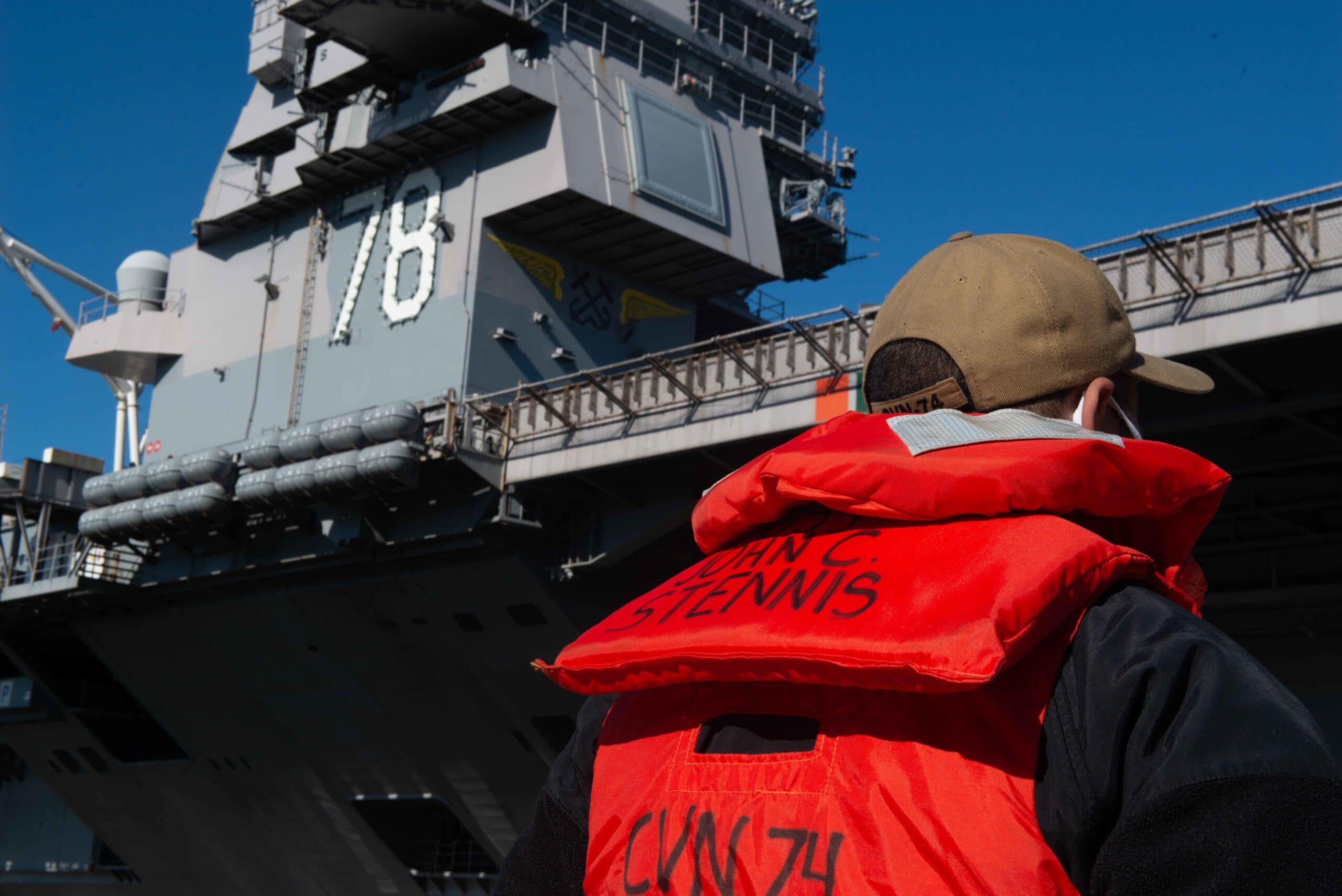
A U.S. Navy Sailor assigned to the aircraft carrier USS John C. Stennis (CVN 74), stands at parade rest as the aircraft carrier USS Gerald R. Ford (CVN 78) pulls into port in Norfolk, Va., Nov. 20, 2020. The John C. Stennis is partnering with Newport News Shipbuilding to complete Refueling Complex Overhaul on schedule with a trained, resilient and cohesive crew. (U.S. Navy photo by Mass Communication Specialist Seaman Apprentice Curtis Burdick)
However, the military’s retention across the board for 2025 has been extremely high. In a report to Congress, the services reported retention rates mostly above 100% across most categories.
The warfighters in the Middle East have thus far weathered the first six weeks of conflict well, and seeing how far our military will go to rescue one of its own, such as the rescue of the F-15E weapons officer, boosts morale by showing they will leave no one behind.
About the Author: Steve Balestrieri
Steve Balestrieri is a National Security Columnist. He served as a US Army Special Forces NCO and Warrant Officer. In addition to writing on defense, he covers the NFL for PatsFans.com and is a member of the Pro Football Writers of America (PFWA). His work was regularly featured in many military publications.