
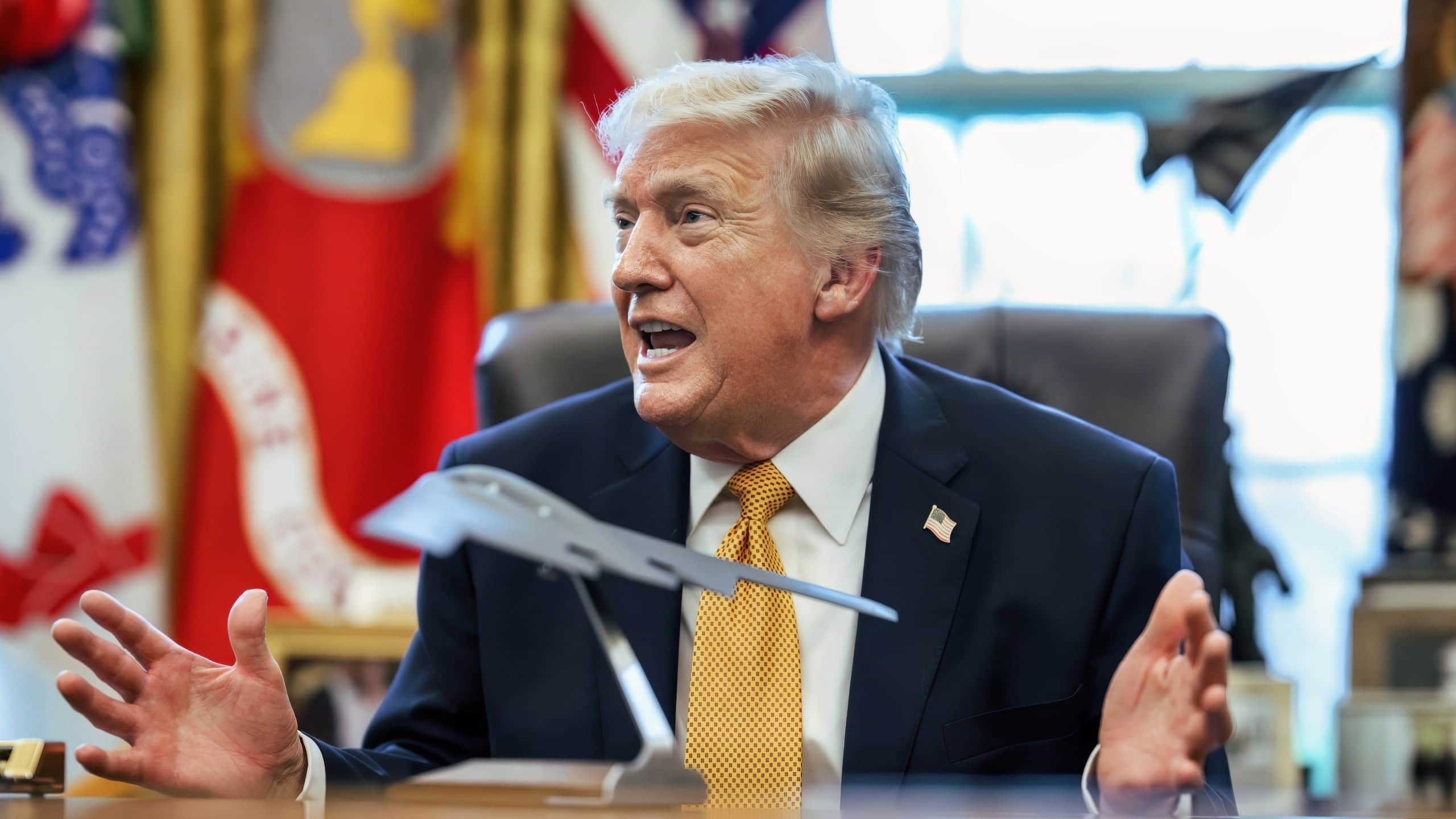
Trump’s Neville Chamberlain Moment on Iran? President Donald Trump has agreed to a two-week ceasefire with Iran. Declaring the United States had already achieved its military objectives, Trump announced, “subject to the Islamic Republic of Iran agreeing to the COMPLETE, IMMEDIATE, and SAFE OPENING of the Strait of Hormuz, I agree to suspend the bombing and attack of Iran for a period of two weeks.”
He announced that Islamic Republic representatives had presented a 10-point plan that provided a “workable basis on which to negotiate.”
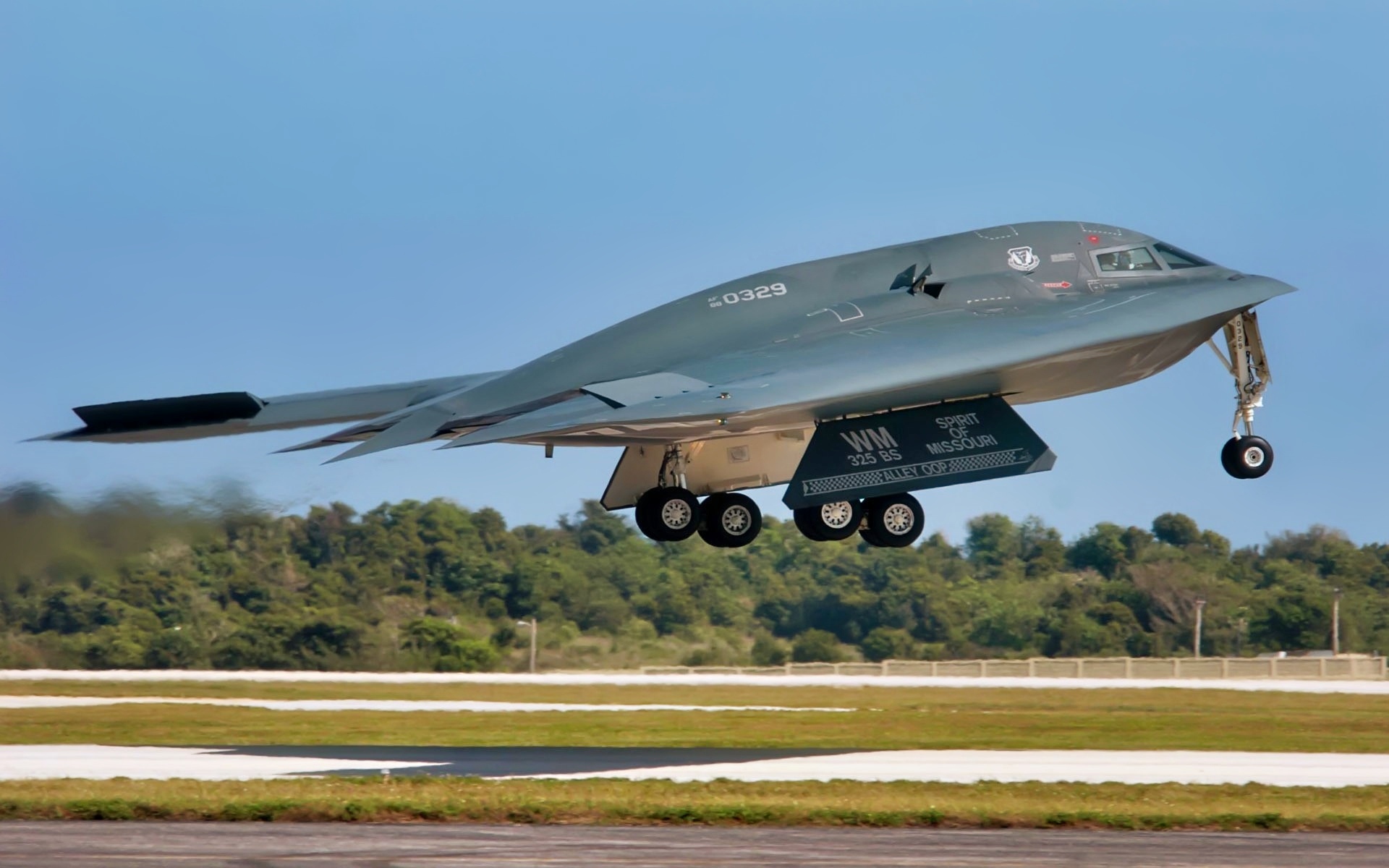
B-2 Bomber. Image Credit: Creative Commons.
Iran Might Have Tricked Team Trump
Trump’s Envoy Steve Witkoff apparently fell for one of the Islamic Republic’s oldest tricks: the bait and switch.
Just as with the so-called fatwa that forbade nuclear weapons but whose text shifted constantly, pinning the Iranians down in writing about the parameters for negotiation has been difficult.
The plan from which Trump operates and the 10 points Tehran released publicly differ.
For example, Iran’s PressTV claims the points Trump accepts as the basis for negotiations include affirming both Iran’s right to enrich and the Islamic Republic’s control over the Strait of Hormuz.
White House officials may brush off differences ahead of negotiations, but agendas matter.
Freedom of Navigation is absolute.
In 1986, President Ronald Reagan ordered military strikes on Libya after Libyan leader Muammar Qadhafi sought to deny freedom of navigation in the Gulf of Sidra. The U.S. Navy regularly stages “Freedom of Navigation Operations” through the Taiwan Strait. By even acquiescing to negotiate over access and payment to traverse international waters, Trump is reversing centuries of precedent.
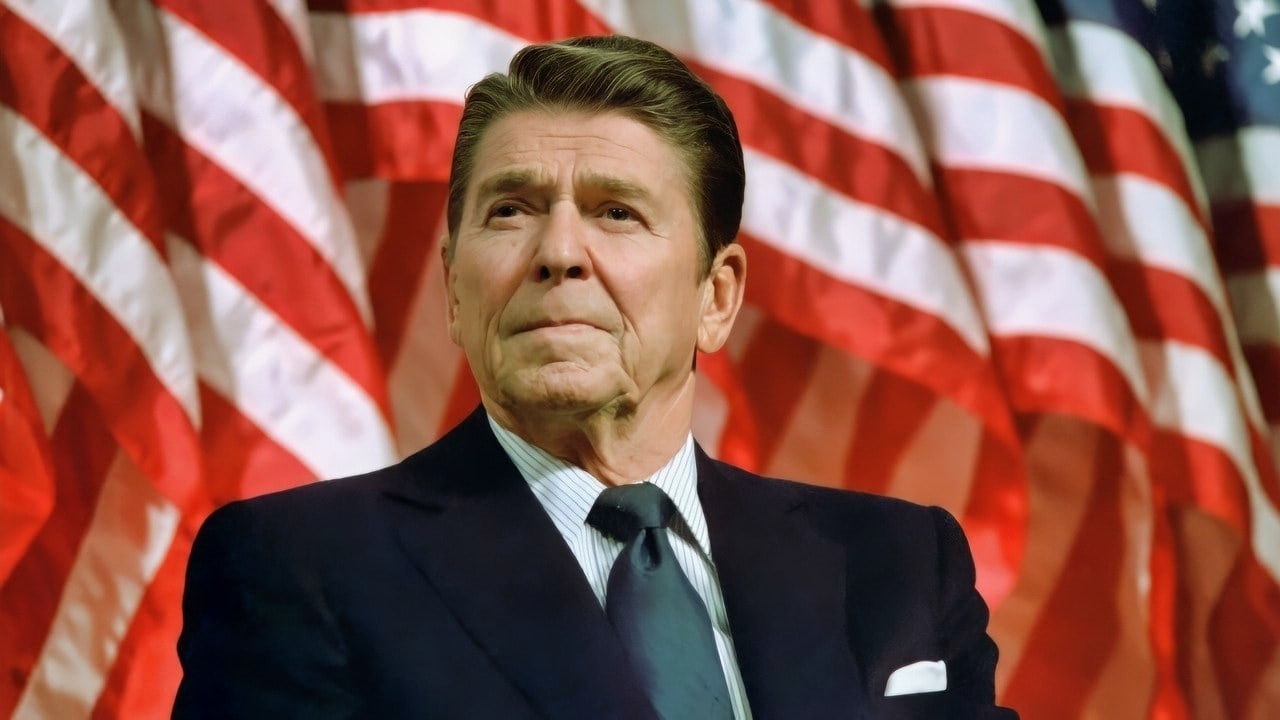
2/8/1982 President Reagan at a rally for Senator David Durenberger in Minneapolis Minnesota. Image Credit: Creative Commons.
Allies Might Not Like This Deal
Trump’s ceasefire also implicitly throws allies under the bus. Trump both began “Operation Rough Rider” with a social media post, and he ended it by declaring a deal by which the United States would cease bombing the Houthis in exchange for an end to the Houthis’ targeting of U.S. ships.
The 10-point plan that Trump says is a basis for negotiation ends Iranian and U.S. attacks on each other, but does not forbid Iranian attacks on regional countries; quite the contrary, it seeks to protect Hezbollah against Israeli attacks after Hezbollah began the conflict by launching missiles and drones into Israel just after Hamas’s October 7, 2023, slaughter of Jewish civilians.
Once again, Trump appears to be creating a separate peace and calling it statecraft. Rather than leadership, it suggests the cynical double-dealing he calls out in European allies.
The Ceasefire Challenge
The simple matter is that there is no war aim Trump can say the United States has achieved to justify the ceasefire. Iran retains its nuclear material and demands the right to continue its program.
Once again, Tehran seeks to sidestep its commitments under the Nuclear Non-Proliferation Treaty that not even the 2015 Joint Comprehensive Plan of Action supplanted.
Not only does Iran retain its missiles and drones, but it also retains the ability to manufacture them. That the U.S. intelligence community underestimated both the quantity and the quality of its missiles does not imbue any deal with confidence.
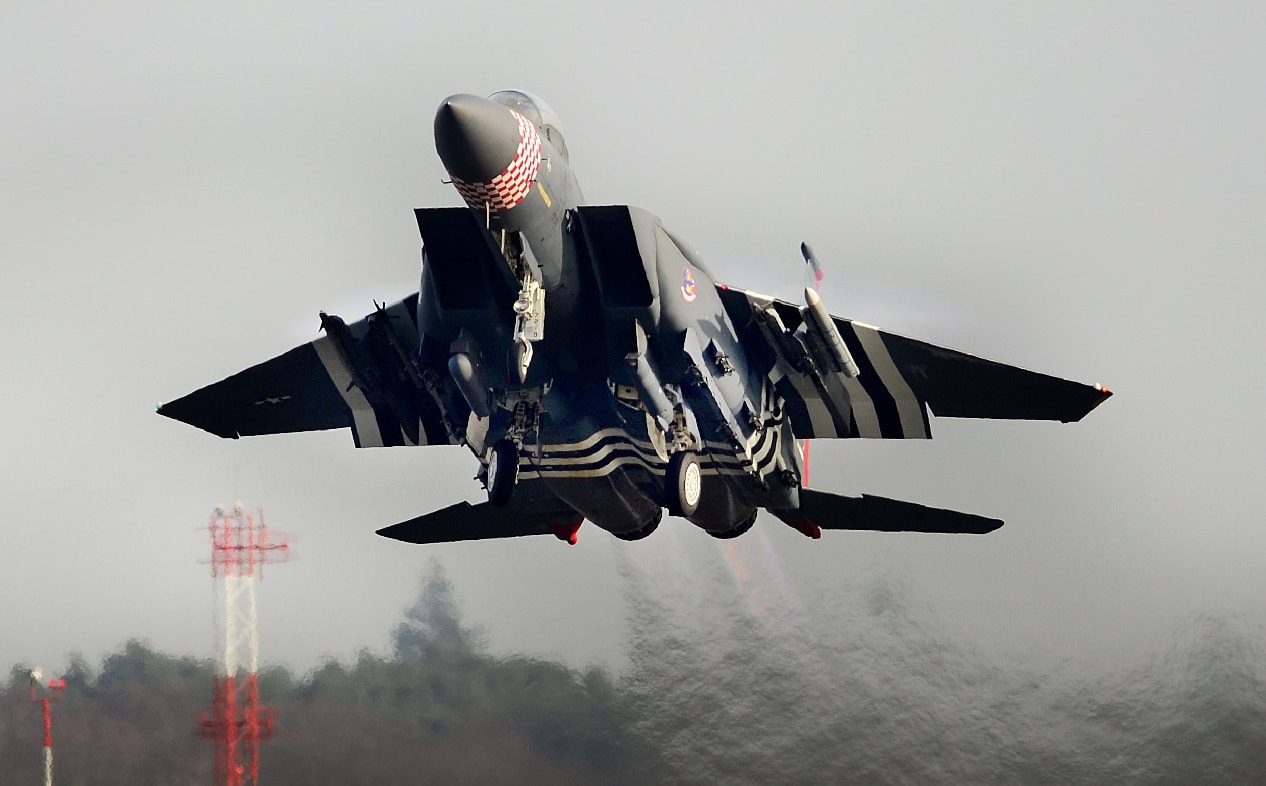
An F-15E Strike Eagle painted in the heritage colors of it’s P-47 Thunderbolt predecessor takes off from Royal Air Force Lakenheath, England Feb 6. The 48th Fighter Wing officially unveiled the aircraft publicly during a ceremony on Jan 31. (U.S. Air Force photo/Tech. Sgt. Matthew Plew)
Nowhere in the forthcoming talks is the protection of the Iranian people, 40,000 of whom the regime slaughtered just three months ago. Indeed, if the regime wants to humiliate Trump, it can do so by resuming the slaughter of Iranian dissidents, showing both their impunity and signaling the inability of outsiders to protect Iranians.
What History Says
While bombing alone has never changed a regime, there are parallels between Trump’s actions in Iran and President Bill Clinton’s 1999 campaign against Serbia.
Clinton accepted a ceasefire short of regime change in Serbia when the Yugoslav government agreed to withdraw its forces from Kosovo; President Slobodan Milošević fell the following year. Clinton could rightly then call his intervention a success.
Trump, however, can make no such claims. Iranian-backed proxies wield power from Lebanon to Iraq to Yemen. By ending the fight short of regime change, Trump empowers the Revolutionary Guards to hunker down and establish themselves rather than the Iranian people as the gatekeepers for a new order.
Sometimes diplomats and statesmen must dismiss the preposterous out of hand; otherwise, it encourages adversaries to make extreme demands, knowing they can win by then meeting their opponents halfway.
Trump believes he is the master of the art of the deal, but he has never haggled with an Iranian. To make a poker analogy, Trump walked into negotiations with a royal flush and allowed the Iranians to outbluff him with a pair of twos.
Trump has succeeded, not in bringing peace to the Middle East, but in rescuing Neville Chamberlain from his position as the most naïve leader the free world has known.
About the Author: Dr. Michael Rubin
Michael Rubin is a senior fellow at the American Enterprise Institute and director of policy analysis at the Middle East Forum. The opinions and views expressed are his own. A former Pentagon official, Dr. Rubin has lived in post-revolution Iran, Yemen, and both pre- and postwar Iraq. He also spent time with the Taliban before 9/11. For more than a decade, he taught classes at sea on the Horn of Africa and the Middle East, covering conflicts, culture, and terrorism to deployed U.S. Navy and Marine units. The views expressed are the author’s own.