The Iran Strait of Hormuz Crisis – From Bad to Worse? As of Monday morning, April 13, a U.S. military blockade of maritime traffic entering and leaving Iranian ports has been declared. Washington says ships originating from or sailing to other ports would now be allowed to pass through the Strait of Hormuz.
The waterway is a critical but narrow passage, the only option for the transit of ships loaded not only with oil but also with a range of other critical commodities. Any one of which can cause destructive aftereffects on the world economy equal to those of disruptions in the oil supply, putting much more at risk than just the shocks to the economy caused by rising petrol prices.
Iran had effectively closed the Strait in response to U.S. and Israeli missile and air strikes that began on February 28. At the same time, an uncertain two-week ceasefire is in effect. Still, there are growing doubts about whether it can survive the showdown likely to follow the U.S. announcement of a blockade aimed at reopening the waterway to commercial shipping.
But those who are part of the Iranian’s list of friendly partners and are cahoots with them will find it tough going from here on in.
“I have also instructed our Navy to seek and interdict every vessel in International Waters that has paid a toll to Iran. No one who pays an illegal toll will have safe passage on the high seas,” U.S. President Donald Trump said.
His comment refers to Iran previously blocking any ships attempting to transit the Strait. They were being required to pay what amounted to “protection money” to the Iranian military. This extortion on the sea is in return for an agreement that their ships not be attacked if they attempt to steam through the strategic waterway.
As of April 2026, reports indicate that Iran has begun demanding payments of up to $2 million per vessel for safe passage through the Strait of Hormuz, a practice labeled a “Tehran toll booth.”
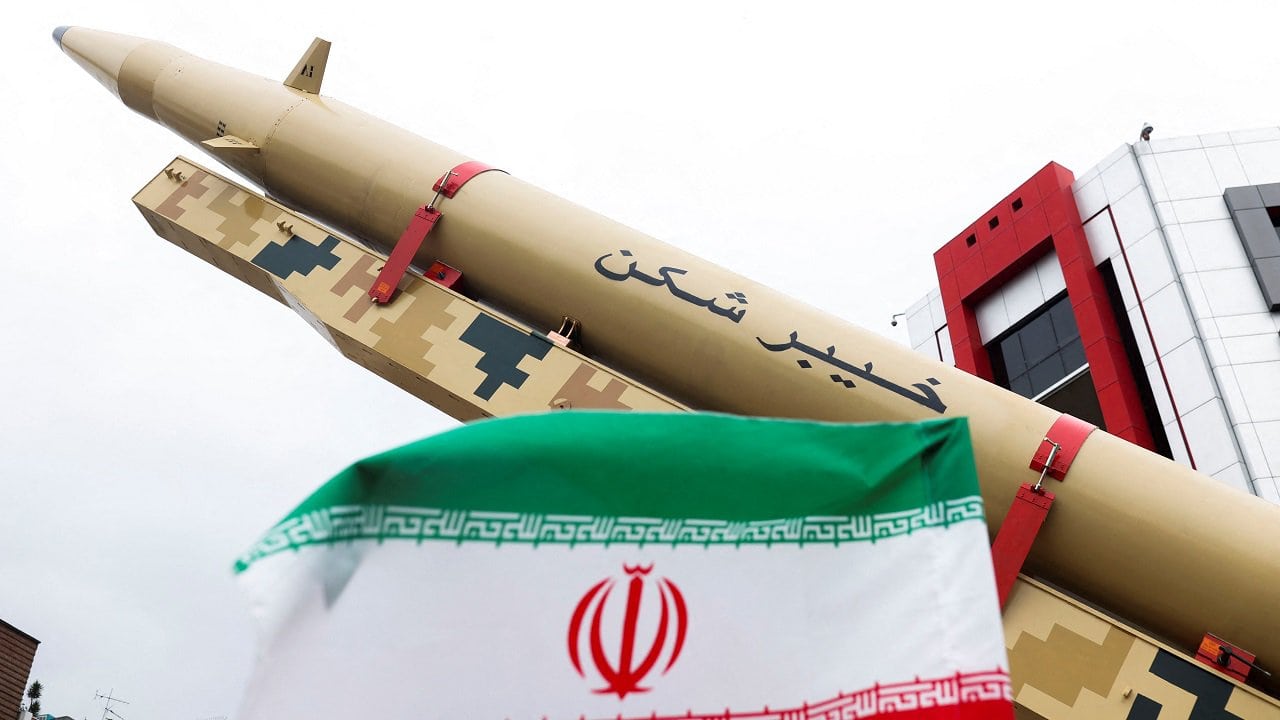
An Iranian missile is displayed during a rally marking the annual Quds Day, or Jerusalem Day, on the last Friday of the holy month of Ramadan in Tehran, Iran April 29, 2022. Majid Asgaripour/WANA (West Asia News Agency) via REUTERS
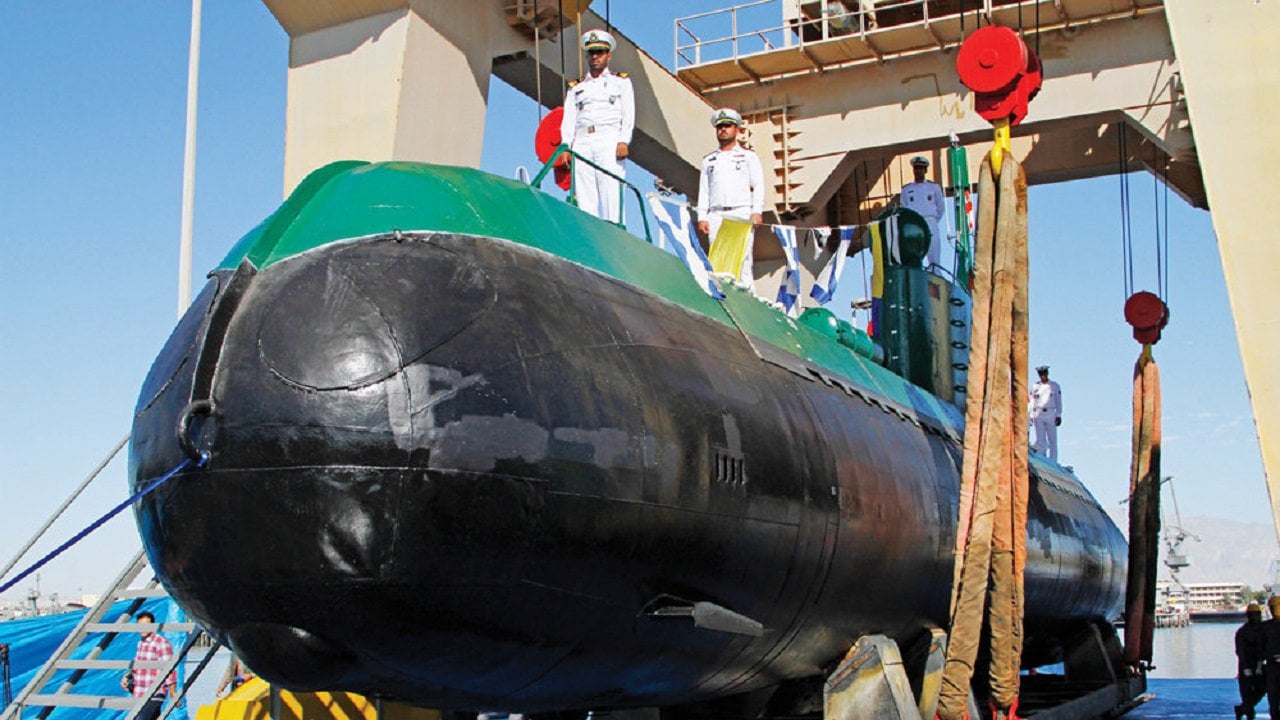
Ghadir Submarine. Image Credit: Iran State Media.
Social Media Tirade
Among other actions by the Iranians that have the American President firing one salvo of threats after another is the fact that this “toll” has not been applied systematically to all ships. Iran is reported to have given free-of-charge “safe passage” to any vessels from friendly nations such as the People’s Republic of China (PRC), Russia, India, Pakistan, and Iraq.
At the same time, the Iranians have been maintaining a blockade of much stricter controls on ships flagged to adversaries like the U.S. and Israel. In addition to not demanding massive transit fees from these ships from allies or partner nations, the Islamic Revolutionary Guard Corps (IRGC) reportedly reroutes these “approved” ships.
They are sent through a designated channel that lies between the islands near the Iranian coast, such as Bandar Abbas. This then ensures that these vessels are under Iranian protection while in transit.
Trump also stated the U.S. will begin destroying the sea mines Iran has laid in the Strait. The U.S. will also attack any Iranian ship that commits a hostile act in an attempt to intimidate those U.S. military ships and their personnel, he says. “Any Iranian who fires at us, or at peaceful vessels, will be BLOWN TO HELL!” he continued in his social media post.
The Pentagon posted on an official X account that the U.S. Central Command (CENTCOM) forces “began setting conditions for clearing mines” in the Strait on Saturday. Adm. Brad Cooper, commander of CENTCOM, said in a post on X that two warships, the USS Frank E. Petersen Jr. and USS Michael Murphy, transited the Strait of Hormuz as part of an operation to establish “a new passage” and encourage “the free flow of commerce.”
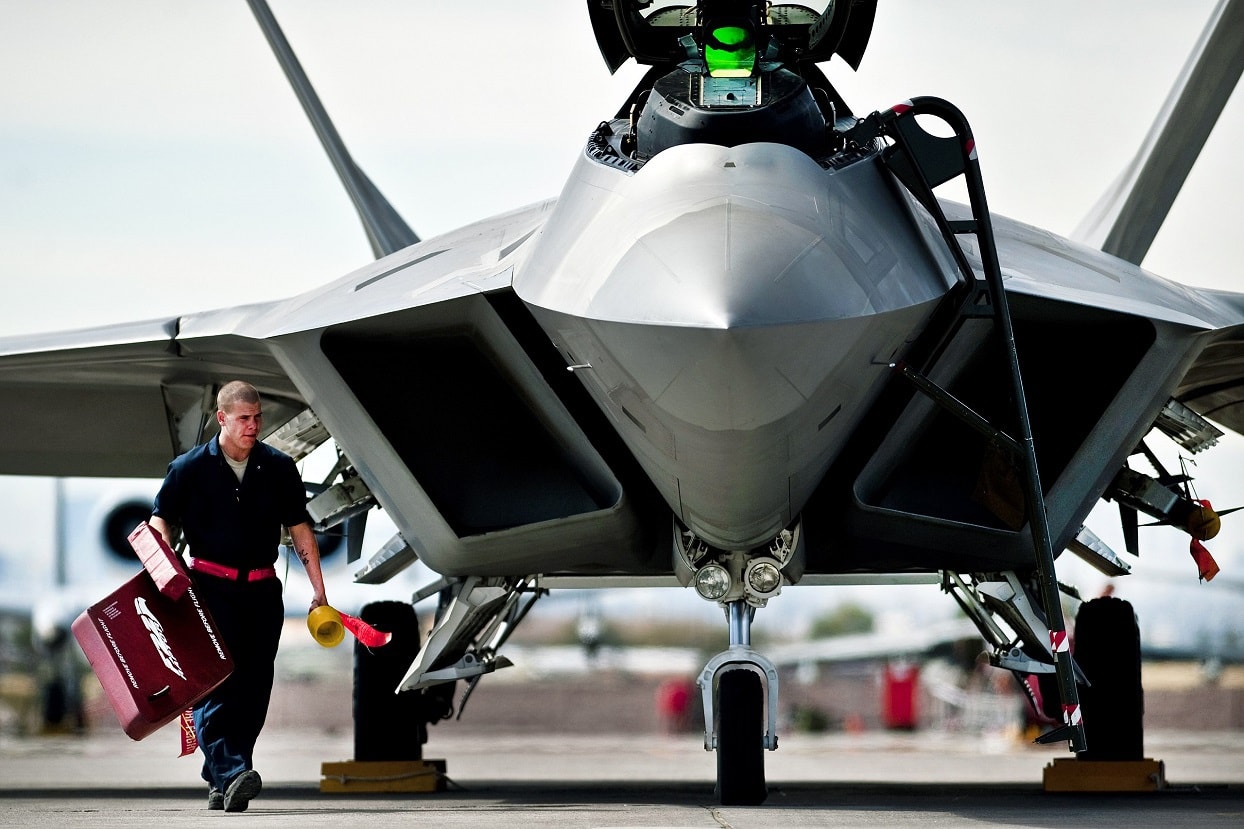
U.S. Air Force Airman 1st Class Jonathan Foster, 49th Aircraft Maintenance Squadron, crew chief, from Holloman Air Force Base, N.M. removes the intake covers of an F-22 Raptor before a training mission during Red Flag 11-3 at Nellis Air Force Base, Nev., March 2, 2011. Red Flag is a realistic combat training exercise involving the air forces of the United States and its allies. The exercise takes place north of Las Vegas on the Nevada Test and Training Range–the U.S. Air Force’s premier military training area with more than 12,000 square miles of airspace and 2.9 million acres of land. (U.S. Air Force photo by Tech Sgt. Michael R. Holzworth/Released).
A senior Iranian military official later claimed that one of his country’s vessels had turned back in the face of the U.S. Navy operation after receiving warnings it would be attacked if it were to continue on course through the Strait. This report was made over Iranian state-controlled television but could not be verified.
The American president continued his postings by saying that “at some point” an agreement on ships having free passage will be reached, but that “Iran has not allowed that to happen by merely saying, ‘There may be a mine out there somewhere,’ that nobody knows about but them”.
In another post, he also called out the forces controlling the government in Tehran, stating, “Iran promised to open the Strait of Hormuz, and they knowingly failed to do so. As they promised, they better begin the process of getting this INTERNATIONAL WATERWAY OPEN AND FAST!” his statement concluded.
What Next After Failed Negotiations
The declaration of the blockade comes after a marathon negotiating session this past weekend that included representatives from both sides in the war. These were the negotiators on the U.S. side, which included U.S. Vice President J.D. Vance, and the Iranian delegation. The two sides and a group of Pakistani mediators all failed to reach a deal to end the war.
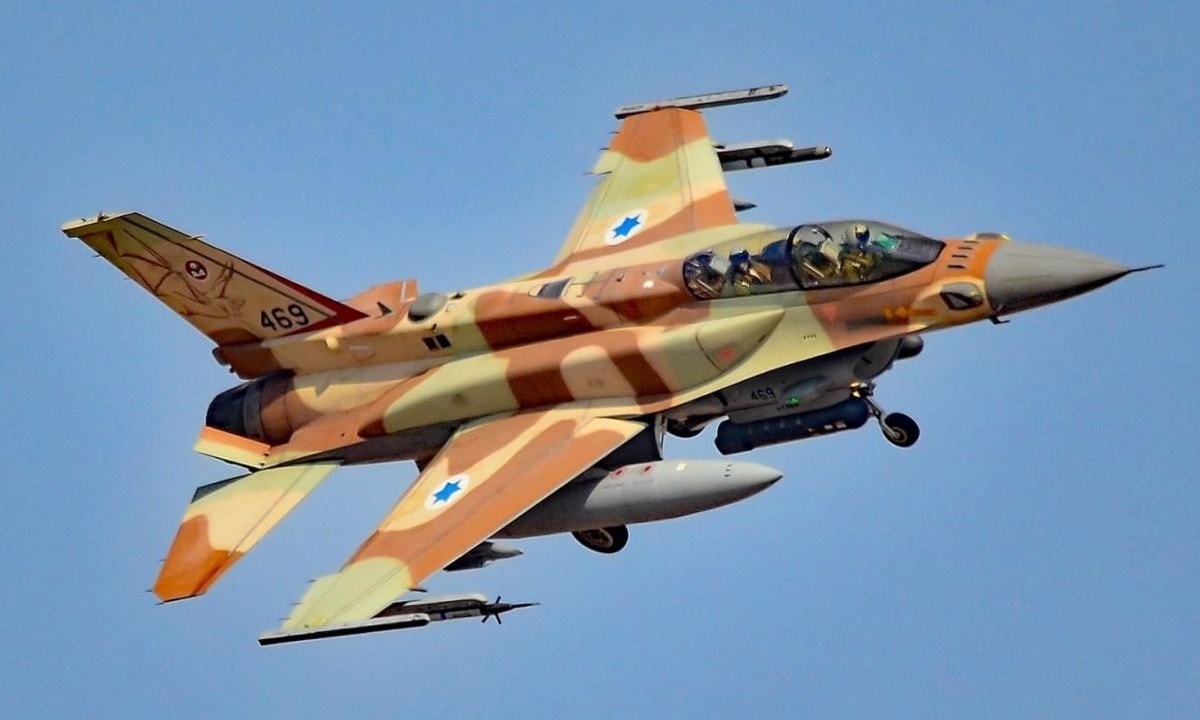
Israel F-16. Image: Creative Commons.
Trump has placed the blame for a failed session of more than 21 hours of direct talks on Iran, saying Tehran was “unwilling to give up its nuclear ambitions.” However, a U.S. official who spoke to the BBC said there had been a much longer list of disagreements, including the many questions regarding Iran’s control of the Strait.
Vice President Vance, who had flown out specially to head up the U.S. delegation, said Iran had “chosen not to accept our terms” in comments he made to reporters around 0700 local time before departing Islamabad, Pakistan, for a return to Washington, D.C.
“I think that’s bad news for Iran much more than it’s bad news for the United States of America,” Vance told reporters after the talks ended. “So, we go back to the United States having not come to an agreement.”
“We need to see an affirmative commitment that they will not seek a nuclear weapon, and they will not seek the tools that would enable them to quickly achieve a nuclear weapon,” Vance continued. “That is the core goal of the president of the United States. And that’s what we’ve tried to achieve through these negotiations.”
Several reports based on interactions with unnamed U.S. officials state that talks collapsed after Iran refused to commit to abiding by several “red lines” laid out by the Trump Administration. These included an end to the Iranian uranium enrichment efforts, the dismantling of all major enrichment facilities, and giving the U.S. access to those nuclear sites to retrieve the highly-enriched uranium already processed.
The same U.S. official said Iranian negotiators additionally refused to agree to end funding for any allied Iranian proxies throughout the region, such as Hezbollah. Lastly, the Iranians would not commit to fully opening the Strait of Hormuz or to ceasing all tolling practices for safe passage.
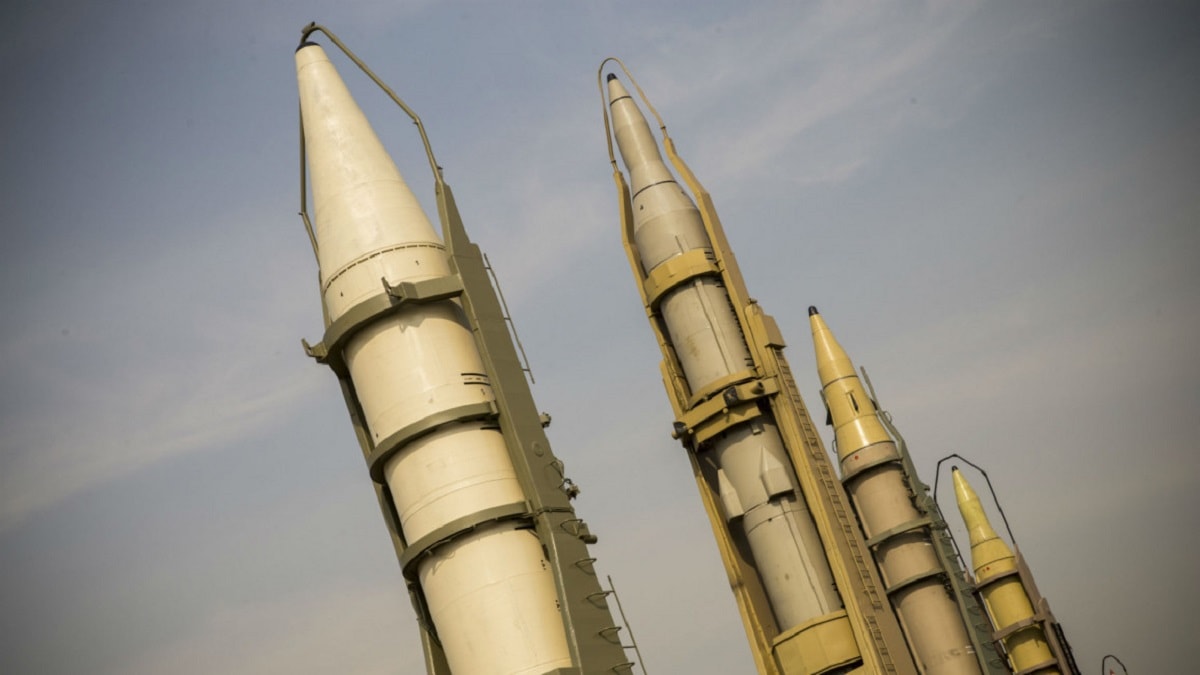
Iran’s missiles. Image Credit: Creative Commons.
Hormuz: What is Making the World Markets Nervous
It goes without saying that a prolonged closure of the Strait of Hormuz would progressively cause mounting disruptions to the global energy markets. The predictions are for U.S. petrol prices to rise above $5 per gallon, which will only fuel a mounting inflationary spiral.
It has been widely reported that the Strait is a maritime route through which 20 percent of global oil consumption transits. Unsurprisingly, many estimates suggest that its closure could raise oil prices to above $100 per barrel, and potentially even higher.
This would only serve to slow U.S. economic growth and job creation, and to increase shipping costs for consumer and manufactured goods. Global real GDP growth could shrink by 2.9 percentage points annually beginning in the second quarter of 2026.
As mentioned above, other commodities besides oil are adversely affected by the ripple effects of the Strait closure. Many of these are items such as fertilizer, which is essential for agricultural production in more than one region of the world.
Then there is aluminum, which is expensive to produce due to its energy-intensive production methods. Estimates for aluminum indicate that as much as 90 percent of the overall cost of forging this light metal alloy is due to electricity. Then there are materials for electronic components like microchips, which are an essential ingredient in most of the items we all use in our daily lives.
All of these, and many other items and manufacturing inputs, could be reduced in delivery quantities, or production rates could be slowed down. What is worse is that they could be halted altogether, with the aftereffects of seeing supplies of many major products negatively affected.
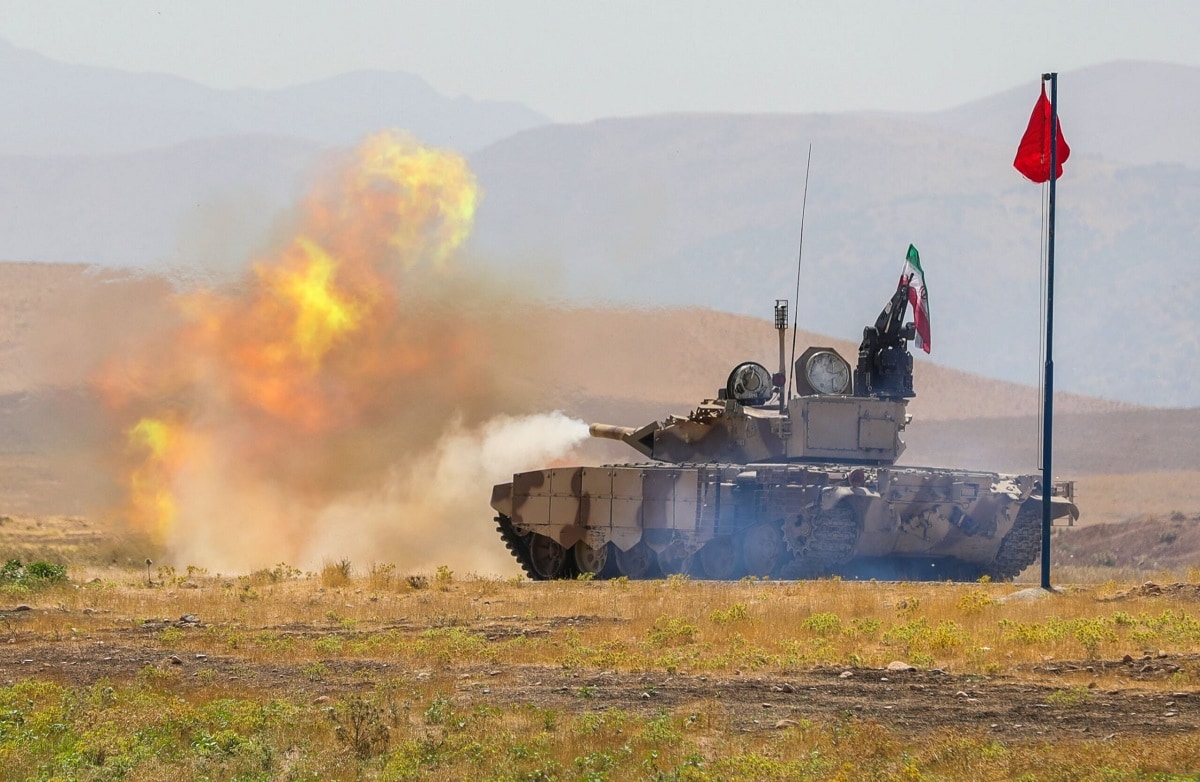
Iran Army tank. Image Credit. Creative Commons
Outside of the economic and supply chain spheres, world markets do not react well to major, sustained military conflicts. Therefore, the U.S. becoming embroiled in a high-risk maritime interdiction mission by trying to manage and maintain the blockade is not an optimal scenario. There is also every chance that the conflict could spread within the region, the most likely flashpoint being one that involves Israel and Lebanon.
The naval blockade has played no small role in raising the expectation that the ceasefire is not likely to last and that a renewal of the hostilities between the U.S. and Iran is not long off. Moreover, Iran’s Islamic Revolutionary Guard Corps (IRGC) has already stated it would consider the encroachment of any U.S. military vessels into the Strait of Hormuz to be a ceasefire violation and would retaliate.
Trump reacted to these Iranian statements on Monday, April 13, in a post on his Truth Social platform. The U.S. President warned that if any Iranian ships “come anywhere close to our BLOCKADE, they will be immediately ELIMINATED, using the same system of kill that we use against the drug dealers on boats at Sea.”
The latter comment is interpreted as a reference to U.S. military and Law Enforcement strikes on drug boats in the eastern Pacific Ocean as part of the campaign earlier this year against Venezuela.
Higher oil prices will result not only from domestic consumer demand in the U.S., but also from increased demand for American oil from foreign buyers. Allies and partner nations in Asia and Europe will begin seeking alternative suppliers to replace goods no longer shipped through the Strait.
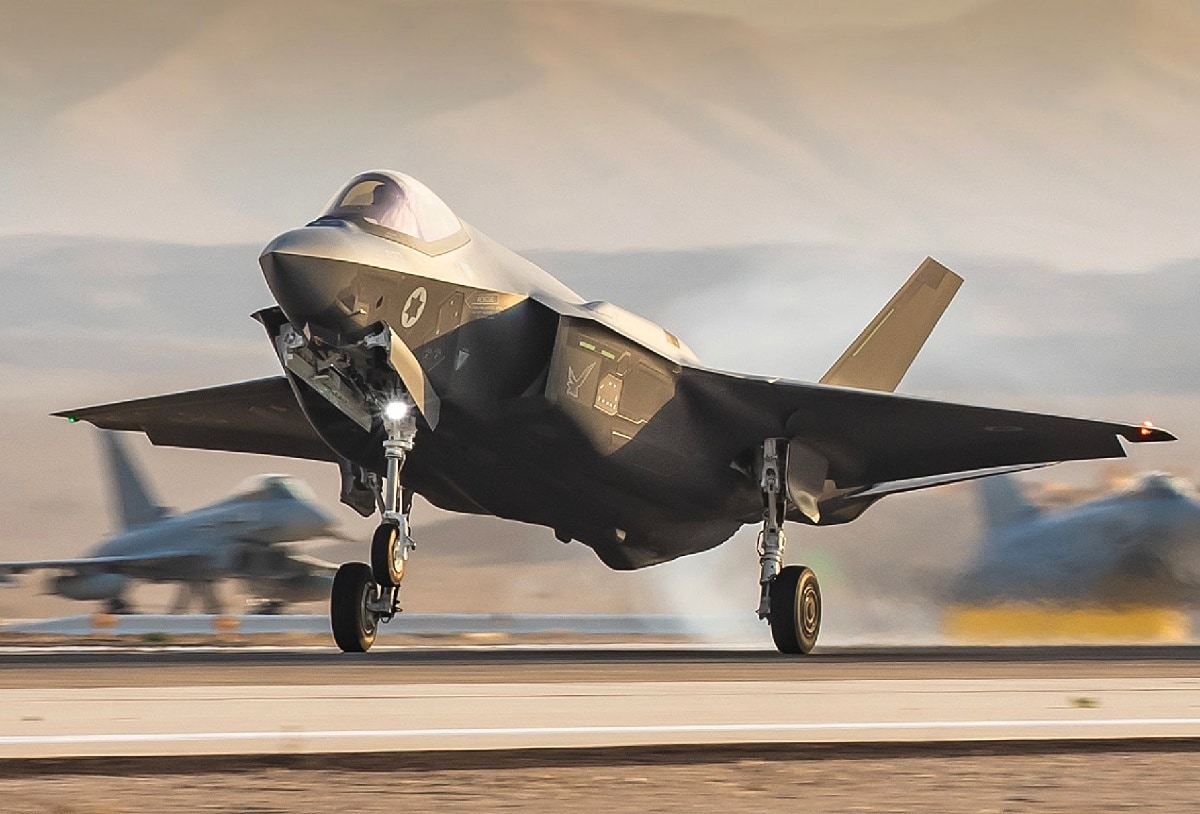
F-35I Adir. Image Credit: Creative Commons.
Another Round of Negotiations
Trump and his Administration are said to be open to resuming the thus-far unsuccessful in-person talks. But only as soon as he is convinced that Iran is prepared to meet the U.S. demands. According to the White House, some indication that the Iranians are becoming more flexible in their positions would be a precondition for another attempt at negotiations.
This could mean a second meeting between U.S. nd Iranian officials before the two-week ceasefire expires on April 21. Suggestions have also been made that if negotiations show any potential movement in a positive direction, it could mean an extension of the ceasefire, although more than one source speaking to 19FortyFive considers this an outside possibility at best.
“Future talks are under discussion, but nothing has been scheduled at this time,” a White House official has told TIME magazine in the past 12 hours.
Pakistan has proposed hosting the second session of negotiations in the capital, Islamabad, according to Pakistani officials who reportedly spoke to the Associated Press. Turkey is once again offering to serve as a potential intermediary to organize these talks. Ankara’s renewed interest is in assuming a role in resolving the apparently deadlocked positions of the U.S. and Iran.
The Trump Administration has since increased pressure on Tehran to accept its demands, with the naval blockade also mentioned earlier. With the U.S. permitting only a small number of vessels to transit through the Strait, pressure has increased on Iran, which Trump believes is now more amenable to a settlement.
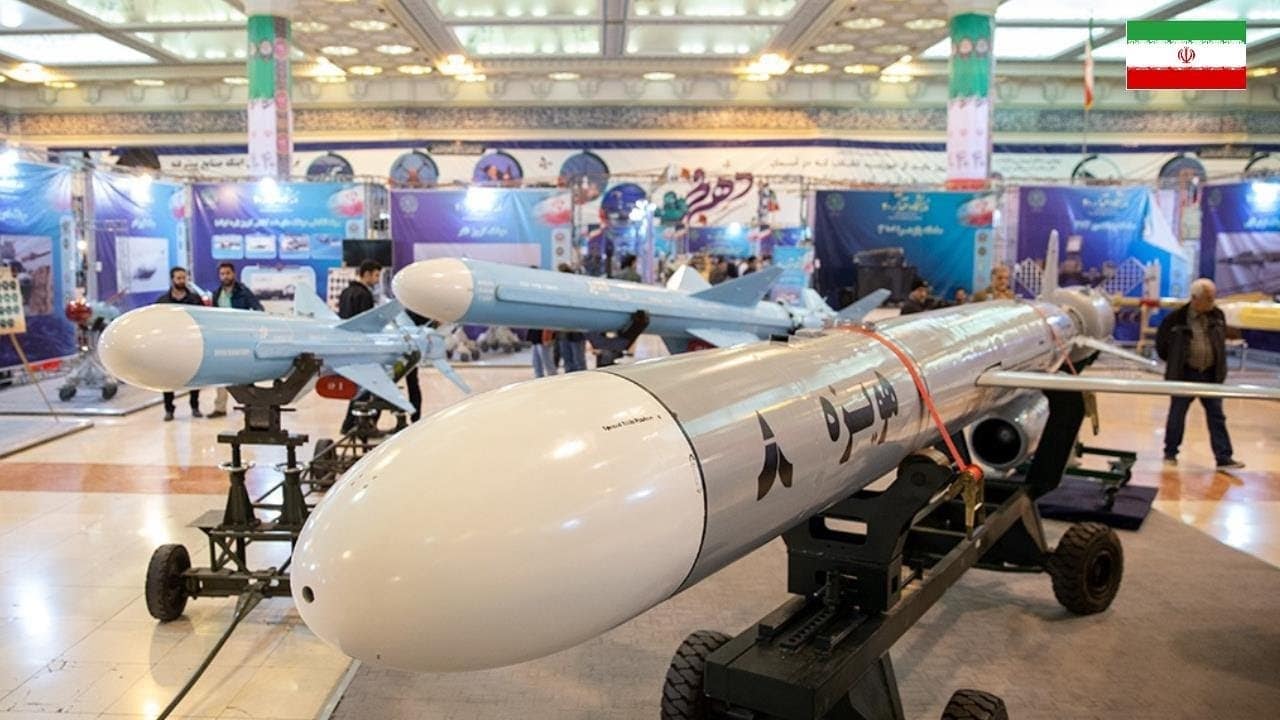
Image: Creative Commons.
“They’d like to make a deal very badly,” Trump told reporters at the White House on Monday afternoon, and the U.S. President said Iran had called him that very morning.
“After 21 hours of negotiations, the Iranians chose the pursuit of a nuclear weapon over peace. The President has already ordered a naval blockade on the Strait of Hormuz, ending the Iranian extortion, and wisely keeps all additional options on the table,” White House spokesperson Olivia Wales told TIME magazine on Monday. Her statement was partially in response to reports that Trump was also considering limited military strikes on Iran in addition to the blockade, despite the ceasefire.
But she also added that “anyone who thinks that they know what President Trump will do next is purely speculating,” Wales added. Much now depends on how the American chief executive perceives the Iranians’ true intentions.
“Trump is already facing criticism from numerous quarters over what has been charged as an overly lenient approach towards Russian President Vladimir Putin and Moscow continuing a war that includes a rampant number of war crimes,” said a retired U.S. Army civilian analyst of Russia and its ties with Iran.
“People are beginning to draw embarrassing parallels between Putin’s continuing to play for time and never coming to the point where he will sign up for any real peace agreement. The Iranians appear to be playing the same game – as if Putin is coaching them from behind the scenes on how to keep the White House engaged in negotiating but without any tangible results.”
“Trump would not want the world to think that the Iranians are working from the Russian playbook. Tehran will have to show something more than just another round of stonewalling if any progress is to be made,” he concluded.
About the Author: Reuben F. Johnson
Reuben F. Johnson has thirty-six years of experience analyzing and reporting on foreign weapons systems, defense technologies, and international arms export policy. Johnson is the Director of Research at the Casimir Pulaski Foundation. He is also a survivor of the Russian invasion of Ukraine in February 2022. He worked for years in the American defense industry as a foreign technology analyst and later as a consultant for the U.S. Department of Defense, the Departments of the Navy and Air Force, and the governments of the United Kingdom and Australia. In 2022-2023, he won two consecutive awards for his defense reporting. He holds a bachelor’s degree from DePauw University and a master’s degree from Miami University in Ohio, specializing in Soviet and Russian studies. He lives in Warsaw.