
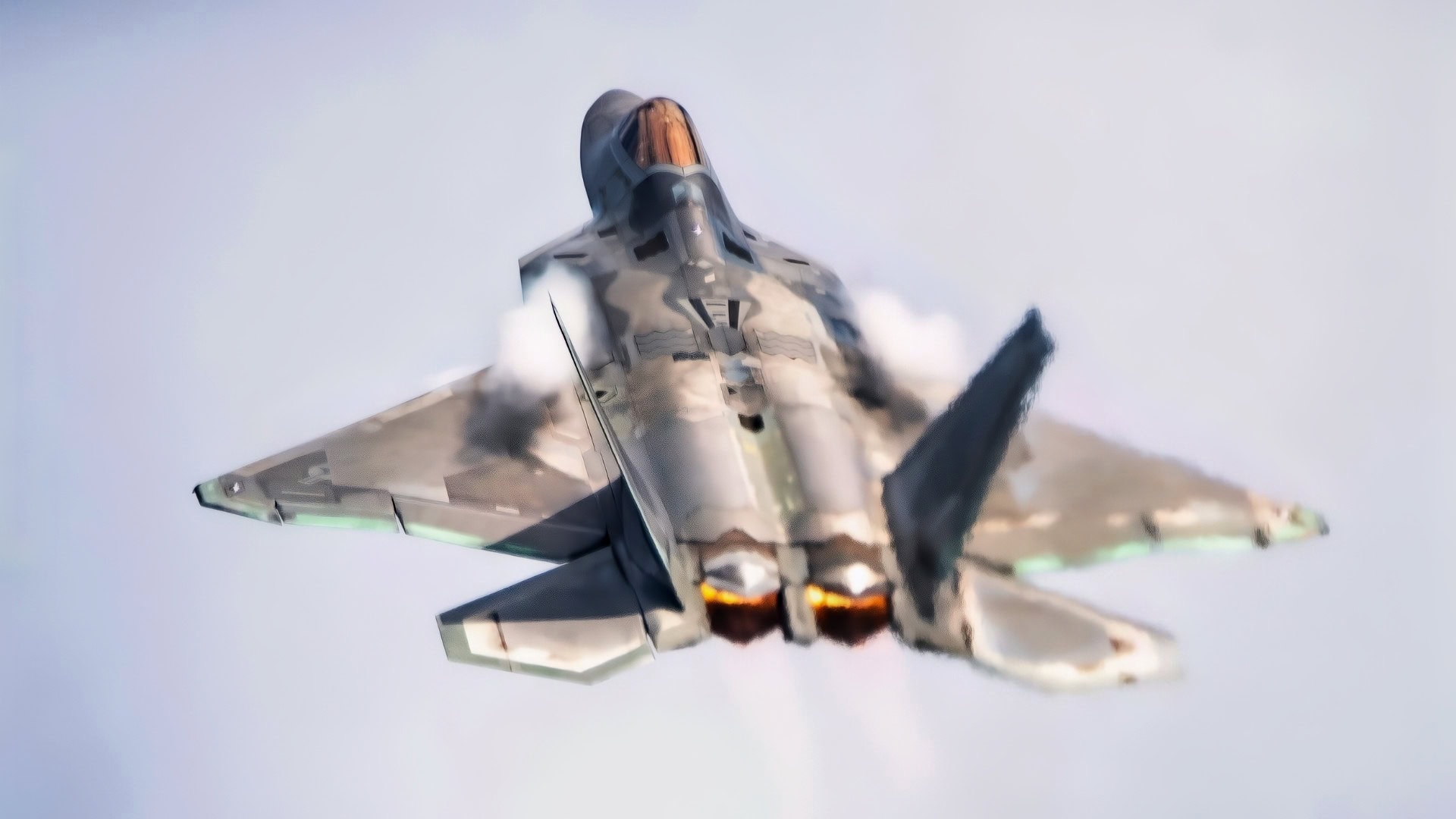
Trump and Iran Have 60 Days to Decide If They Are Tired of War: The United States and Iran can probably keep the shooting stopped for 60 days. The bar is not high. In the Gulf, that still counts for something. The harder question is whether either side can live with the bargain now available: partial, irritating, easy to attack, and still preferable to another round of war.
The reported memo gives both governments something they can use. Iran reopens its oil for sale again, secures some sanctions relief, and can claim it stood up to American bluster without folding. Trump has the Strait of Hormuz open, nuclear concessions he can claim as a victory, IAEA oversight of enriched uranium stockpiles, and his favorite line: it worked.
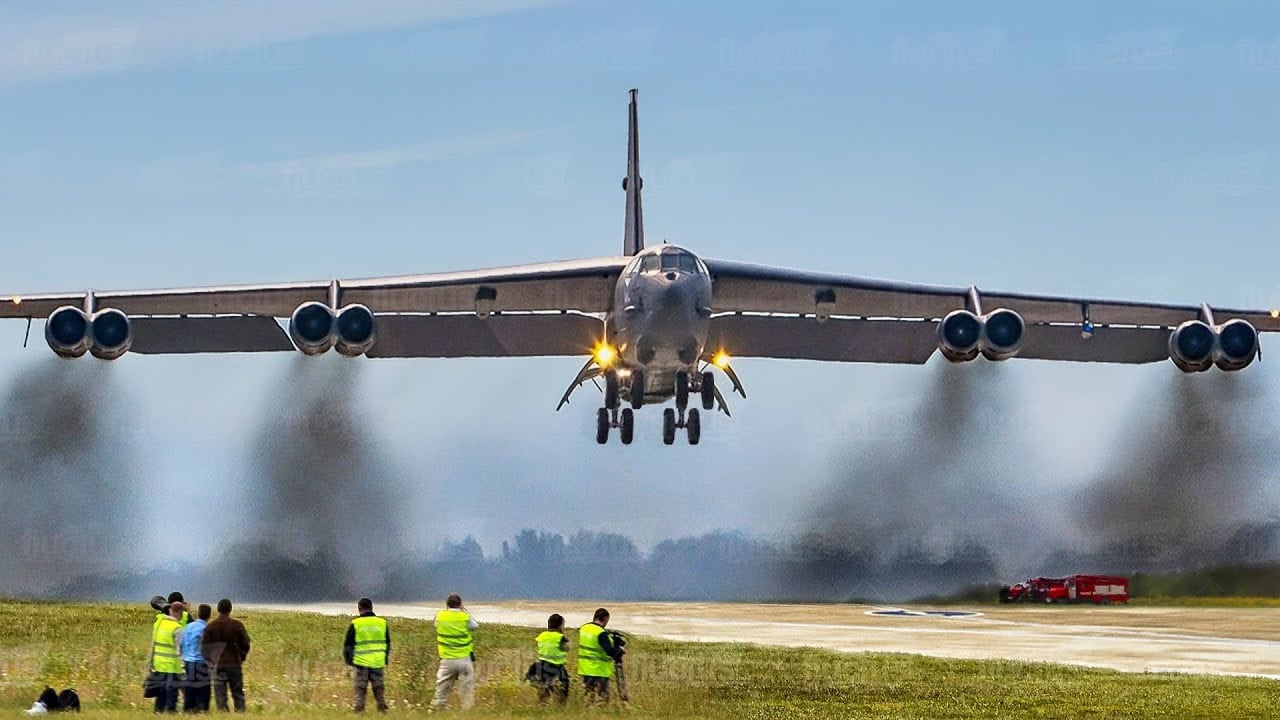
B-52 Bomber. Image Credit: Creative Commons.
That can keep the talks alive for a while, unless Washington or Tehran starts mistaking the pause for victory.
The Iran Deal Is Running on Pain
No one in Washington should talk themselves into a new era with Tehran. Iran still has a nuclear program, missiles, drones, and armed partners across the region. Israel has its own red lines. Gulf states want Iran contained, though they also want tankers moving and insurance rates down. Everyone wants something from this pause. Almost no one wants the same thing.
Iran took damage. The regime can say it endured, which matters in Tehran. A government built around resistance cannot tell its own public that American bombing brought it to heel. Even so, endurance does not refill the treasury, restart trade, or quiet every nervous man inside the system. Iran needs money and time. It also needs limits written in a way that can be defended as reciprocity rather than defeat.
Trump has a different calculation. He can say the war forced Iran back to the table. That story works for him. It works less well if the next act is a messy Gulf crisis, higher energy costs, and another argument in Washington about whether America has been pulled deeper into a war it meant to keep limited.
The 60-day window has a chance because pressure and economic need are doing what trust cannot.
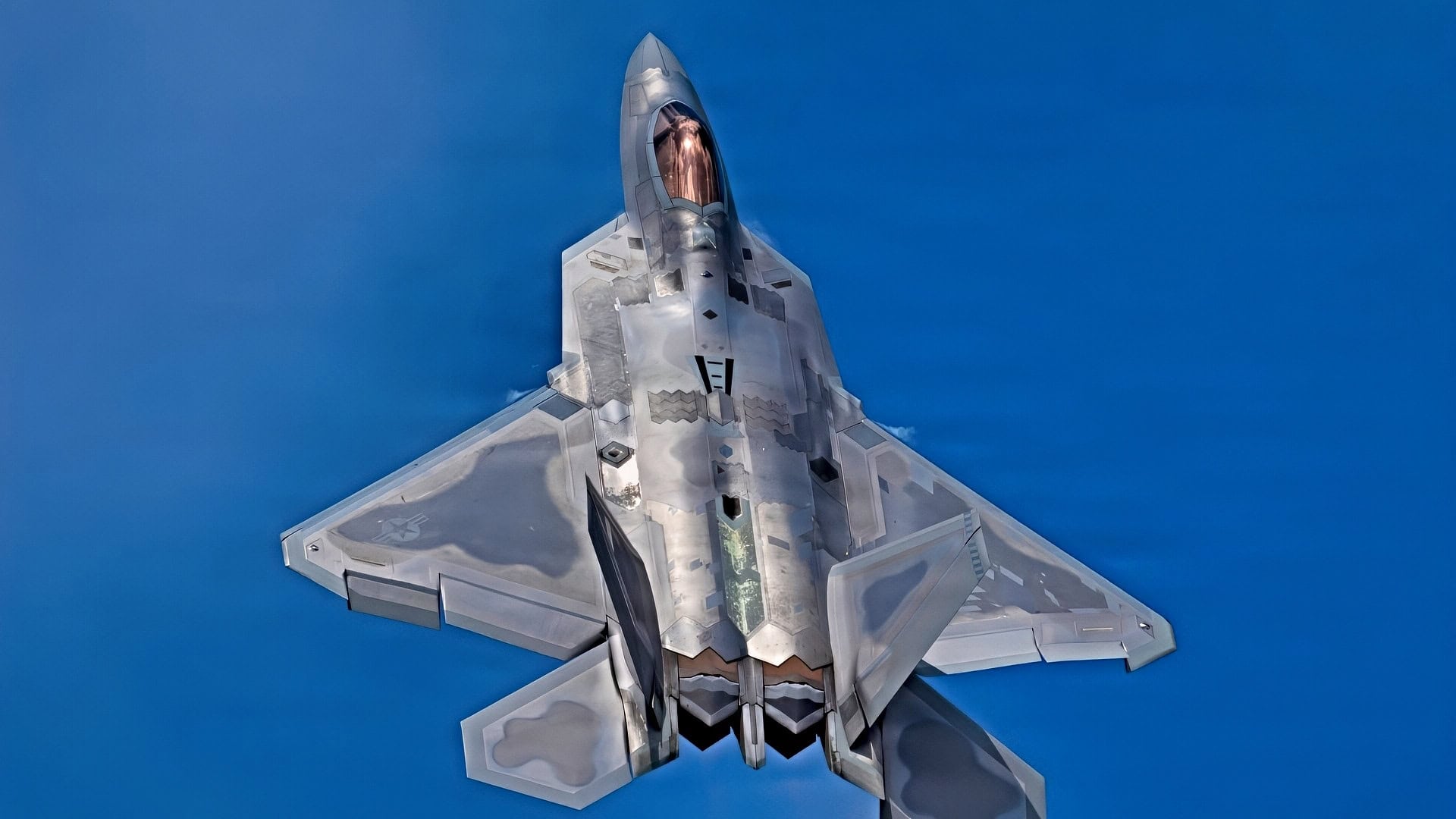
Members of the F-22 Raptor Aerial Demonstration Team perform at the Dyess Big Country Air Fest 2023, Dyess AFB, TX, March 25th, 2023. The F-22 Raptor Aerial Demonstration showcases the unmatched maneuverability of the airframe by executing a series of combat maneuvers to inspire Americans and their allies, and deter foreign adversaries. (U.S. Air Force photo by Staff Sgt. Michael Bowman)
Do Less
The worst mistake would be to make these talks carry every Iranian problem at once.
Washington wants nuclear limits, fewer missile threats, less Iranian support for armed groups, safe passage through Hormuz, and sanctions rules it can defend at home. Iran wants oil revenue, assets unfrozen, recognition of its sovereignty, protection from follow-on strikes, and enough nuclear capability to preserve leverage. Israel wants no Iranian bomb. The Gulf wants quiet without giving Tehran command of the waterway.
These talks cannot carry all of that.
A workable agreement would be smaller and less satisfying. Keep Hormuz open. Put inspectors back where they matter. Down-blend enriched uranium in a verifiable way. Make sanctions relief staged. Tehran must be able to point to it. Washington must be able to defend it. Get enough restraint in Lebanon, Iraq, Yemen, and the Gulf to prevent an incident from wrecking the process. Leave the deeper missile and proxy fights for later because forcing them into the first document may wreck the parts that can be done.
Hawks will hate that. They will see loose ends everywhere, and they will not be wrong. The problem is that the alternative is not Iranian capitulation on command. The alternative is more coercion, more Iranian countermoves, more pressure on oil markets, and another debate over what the United States is trying to achieve.
Force changed the bargaining room. It has not made Iran into a different country.
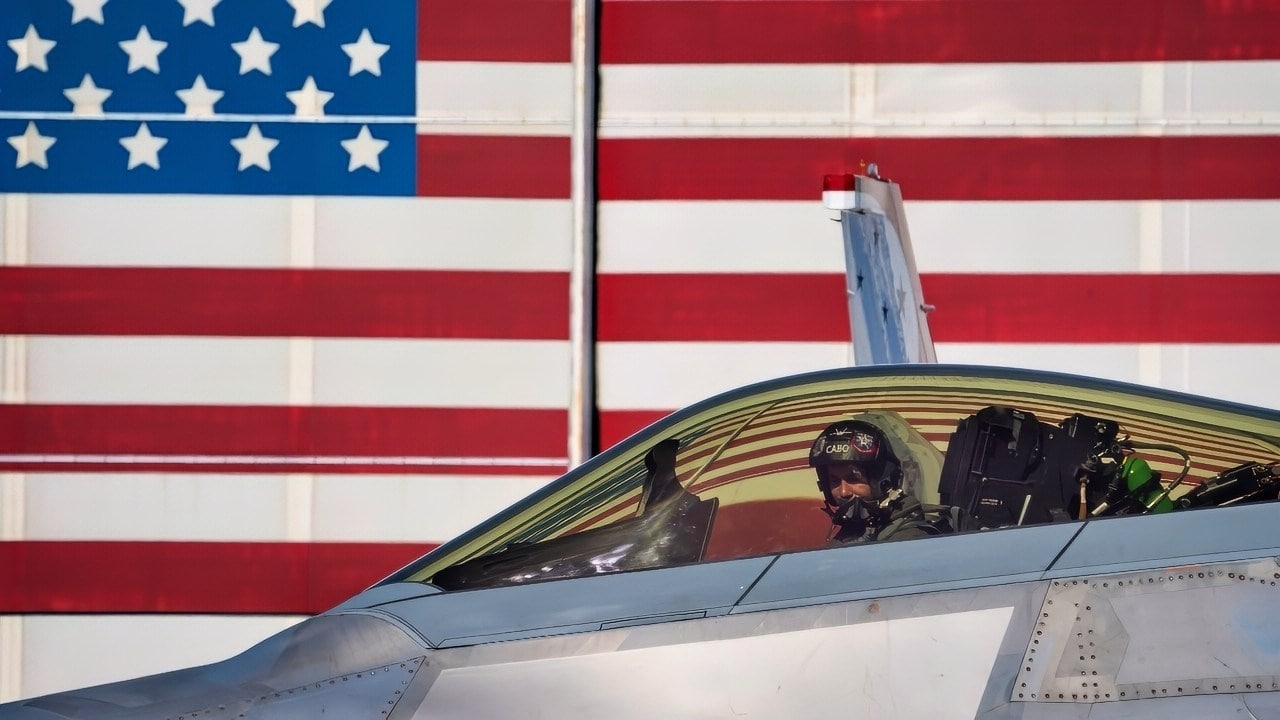
U.S. Air Force Maj. Josh Gunderson, F-22 Demo Team commander, taxis by the Wallops Island Flight Facility NASA hanger June 17, 2021, at Wallops Island, Va. The primary function of the F-22A Raptor is an air dominance and multi-role stealth fighter, and can carry a combination of air-to-air missiles and air-to-ground bombs. (U.S. Air Force photo by Staff Sgt. Don Hudson)
Trump Has to Leave Iran Room to Sign
Trump will want to sell the deal as a victory. He ordered force, Iran absorbed it, and now Iran is negotiating under pressure. That is the political story he will tell. It may even be partly true.
The danger is that performance may start to drive the bargain.
Iran can accept limits if they are wrapped in sovereignty, sequenced, and taken in reciprocal steps. It cannot accept a document that looks like a surrender photo. None of this requires sympathy for Tehran. Weak states still have domestic politics. Revolutionary governments can be more trapped by public language than normal governments. They can bend, but they have to explain the bend as something else.
American officials often forget this after strikes appear to work. A weaker adversary may have fewer options. It may also have fewer options than it can openly accept. Deals often die in that gap.
Trump does not need to flatter the regime. He does need to leave enough cover to implement what it signs.
Iran has its own problem. It cannot simply use the pause to regroup, seek relief, and preserve the nuclear ambiguity that brought the crisis to this point. If Tehran treats the 60 days as a breathing spell before the next round, Trump will have an easy case for renewed force. Israel may not wait that long.
Sixty days is also a long time in the Gulf. A militia rocket lands in the wrong place. A ship is hit. A mine is discovered. Someone outside the room creates a fact no negotiator can ignore. The region has produced larger crises from less.
Still, this pause exists for a reason. Iran showed that the Strait of Hormuz can still shake the world economy. The United States showed that it can punish Iran without settling what Iran is. Markets showed that strategy has a price once tankers and insurers start doing their own math.
A deal both sides can swallow will be ugly. It will anger people who want punishment, people who want restraint, people who want Israel reassured, and people who want Iran treated as a normal power. Useless would be too easy a judgment. The bargain may simply reflect the war that produced it.
The next 60 days may come down to a cruder question than either side will put in a communiqué: whether another round of fighting buys anything worth paying for. Tehran may already know the answer. Trump may, too. Getting both sides to act on it is the harder part.
About the Author: Dr. Andrew Latham
Andrew Latham is a professor of international relations and political theory at Macalester College in Saint Paul, MN. You can follow him on X: @aakatham. He writes a regular column for 19FortyFive.com.