
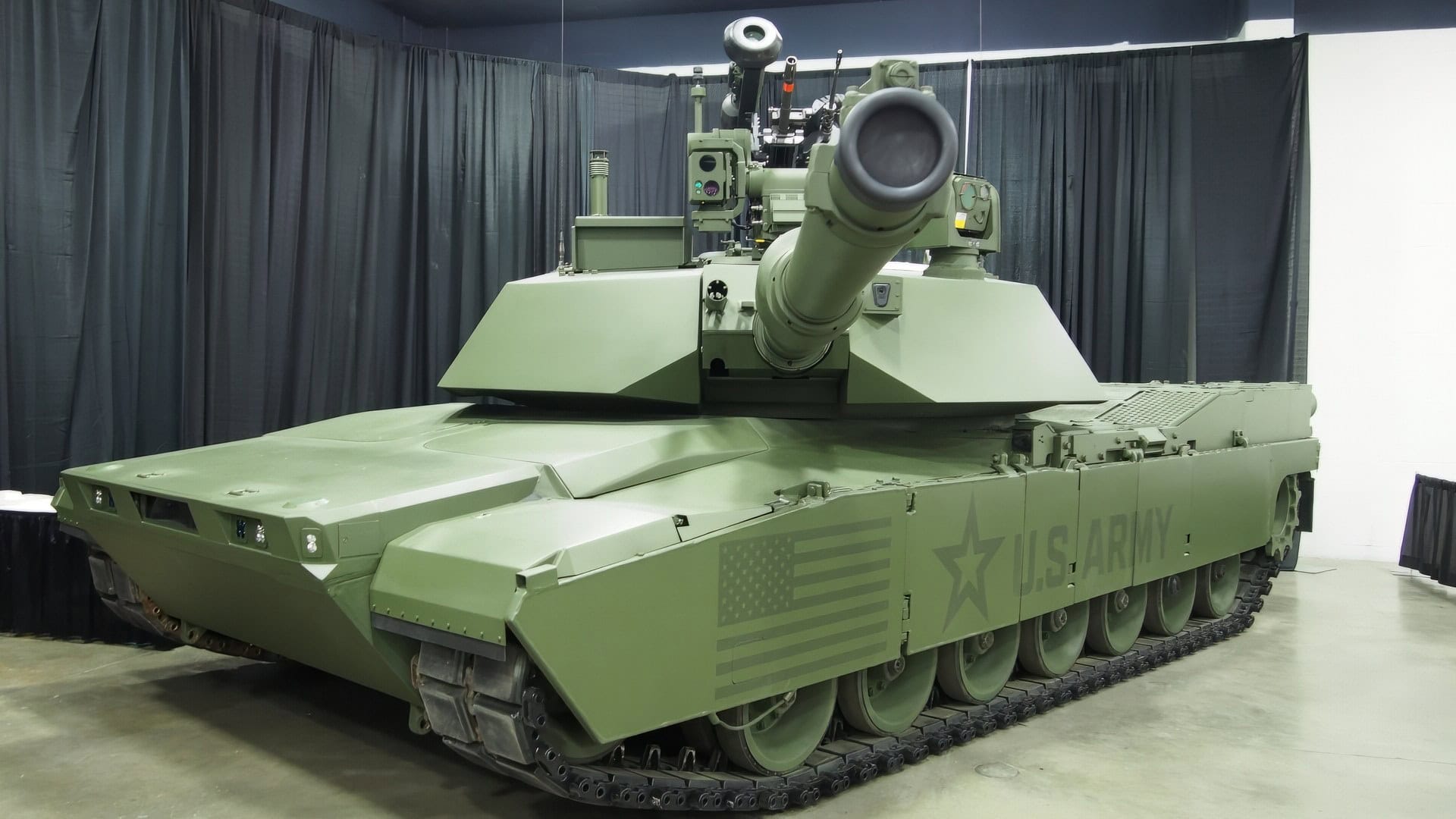
The tank has been declared obsolete roughly once a decade since 1918, and the drone era has produced the most convincing version of the argument yet. Cheap FPV quadcopters and loitering munitions have killed more armor in Ukraine than any weapon since the Second World War, and the wreckage includes Abrams tanks wearing improvised cope cages that looked more medieval than American. The US Army’s answer rolled into public view in January at, of all places, the Detroit Auto Show (and we were there, we have the pictures in this essay for additional context): the M1E3 Abrams, the first fundamental redesign of America’s main battle tank in four decades, built specifically around the proposition that the tank survives the drone era by becoming a different kind of tank. The Army intends to quickly determine whether the proposition holds, with prototypes reaching soldiers this summer.
What The M1E3 Abrams Is: Unmanned Turret, Three-Man Crew, Sixty Tons
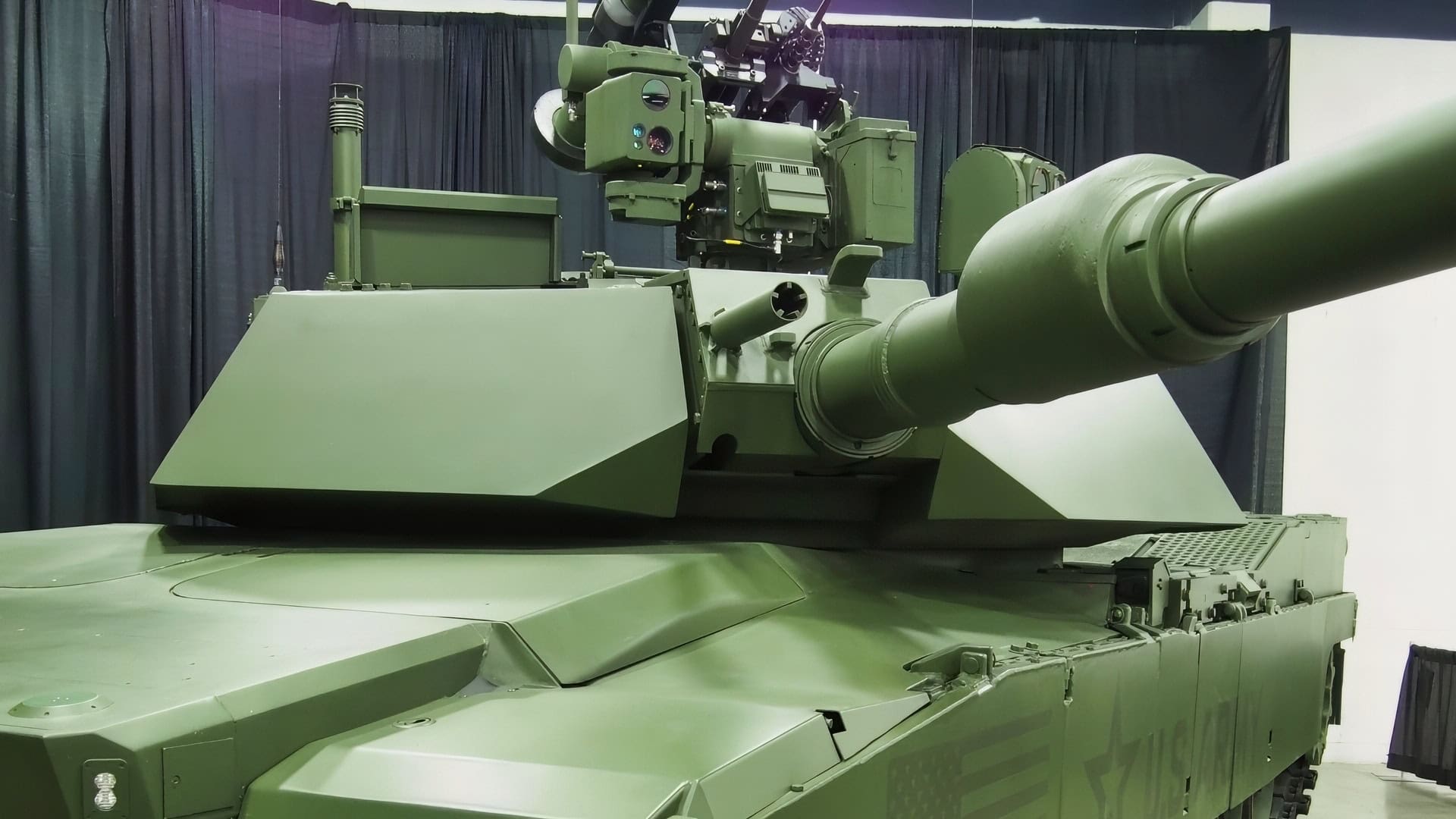
M1E3 Abrams Tank at the Detroit Auto Show. 19FortyFive.com Original Image.
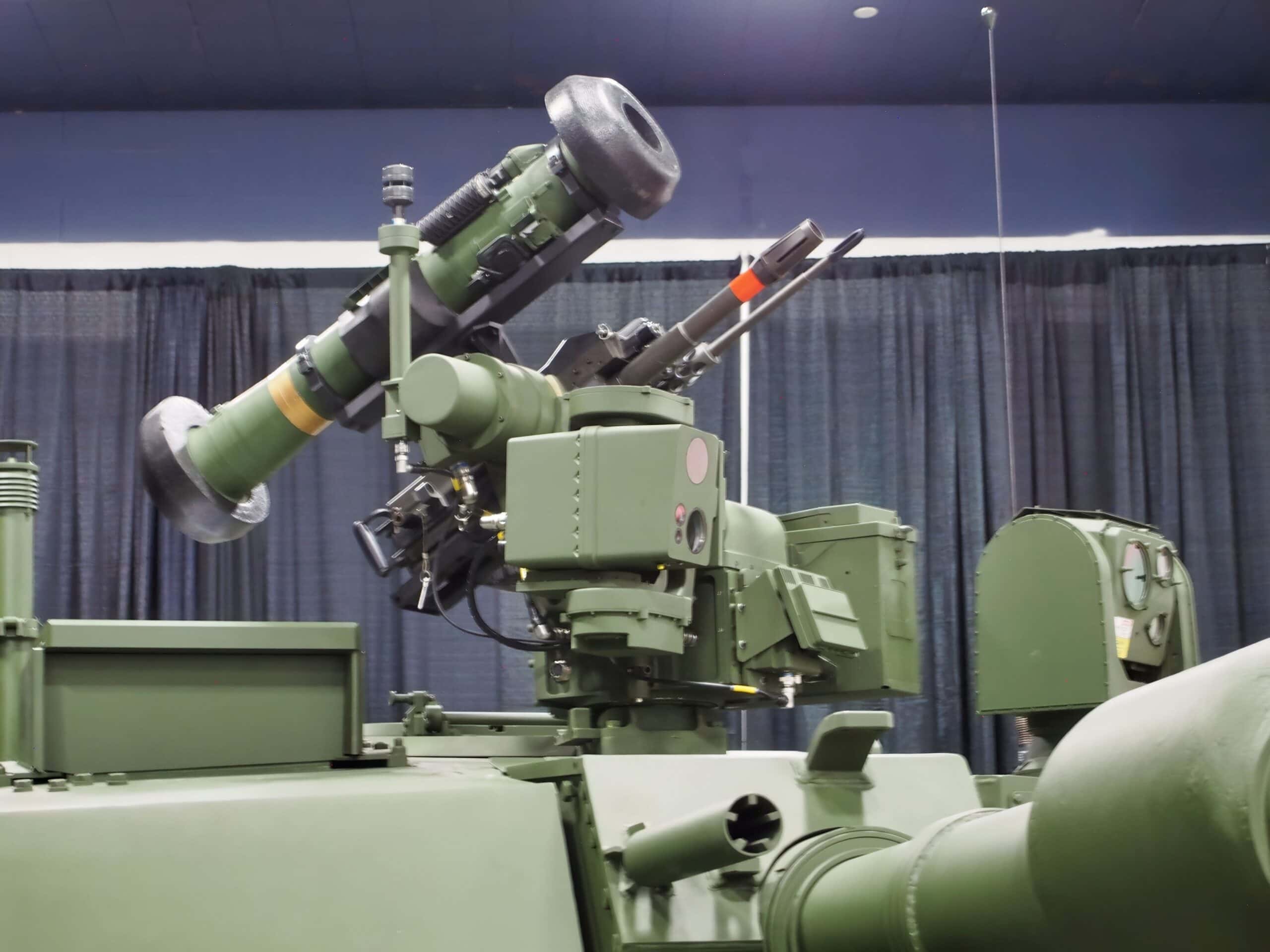
M1E3 Abrams Tank. Taken by 19FortyFive.com
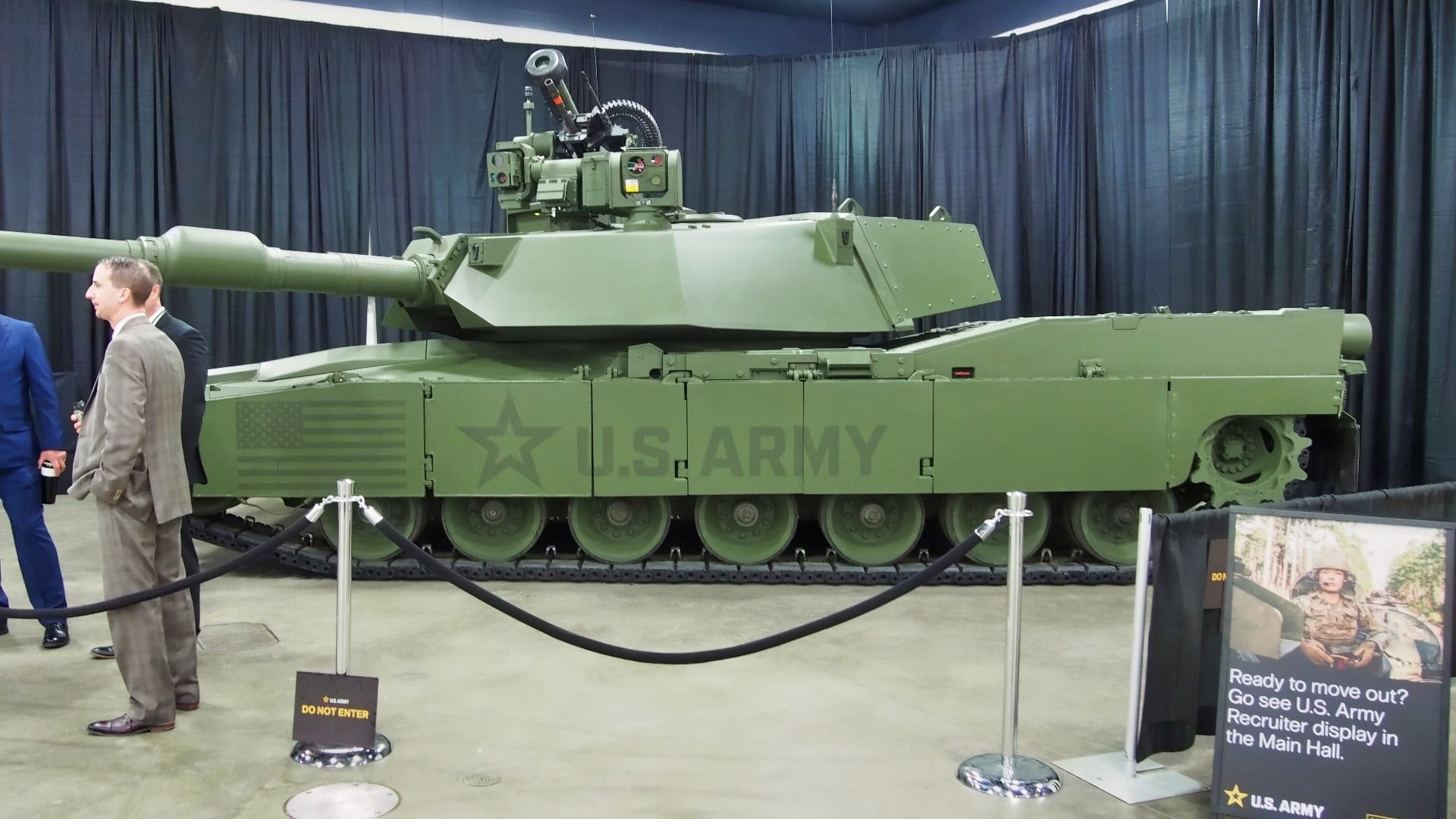
M1E3 Abrams Tank. Taken by 19FortyFive.com
The M1E3 began with a funeral. In September 2023, the Army canceled the planned M1A2 SEPv4 upgrade, concluding that the Abrams could no longer be improved by bolting more equipment onto a hull that had grown past 78 tons, and directed General Dynamics Land Systems toward a transformational redesign instead.
What we saw in Detroit is recognizably an Abrams and structurally something new: a fully unmanned turret served by an autoloader feeding the 120mm smoothbore gun, with the crew cut from four to three — commander, gunner, and driver — seated deeper within the armored hull, a configuration drawn directly from Ukraine, where top-attack munitions punish traditional crew layouts.
A remote weapon station capable of mounting Javelin missiles rides the turret roof, distributed external cameras replace the old optics, and the system’s architecture is digital-native. The crew no longer sits in the turret with the ammunition; the most dangerous real estate on the vehicle is now uninhabited.
The weight target tells the rest of the design story: roughly 60 tons against the SEPv3’s 78, recovering the mobility, bridge-crossing, and transportability that the Abrams surrendered across forty years of armor accretion.
Much of the technical path was proven on the AbramsX demonstrator that GDLS showed in 2022 — about 10 tons lighter than current variants, with a hybrid-electric powerpack claimed to cut fuel consumption by half and onboard processing to assist with threat detection. The Army has been explicit that AbramsX is not the production tank, and equally explicit that it marks what is achievable.
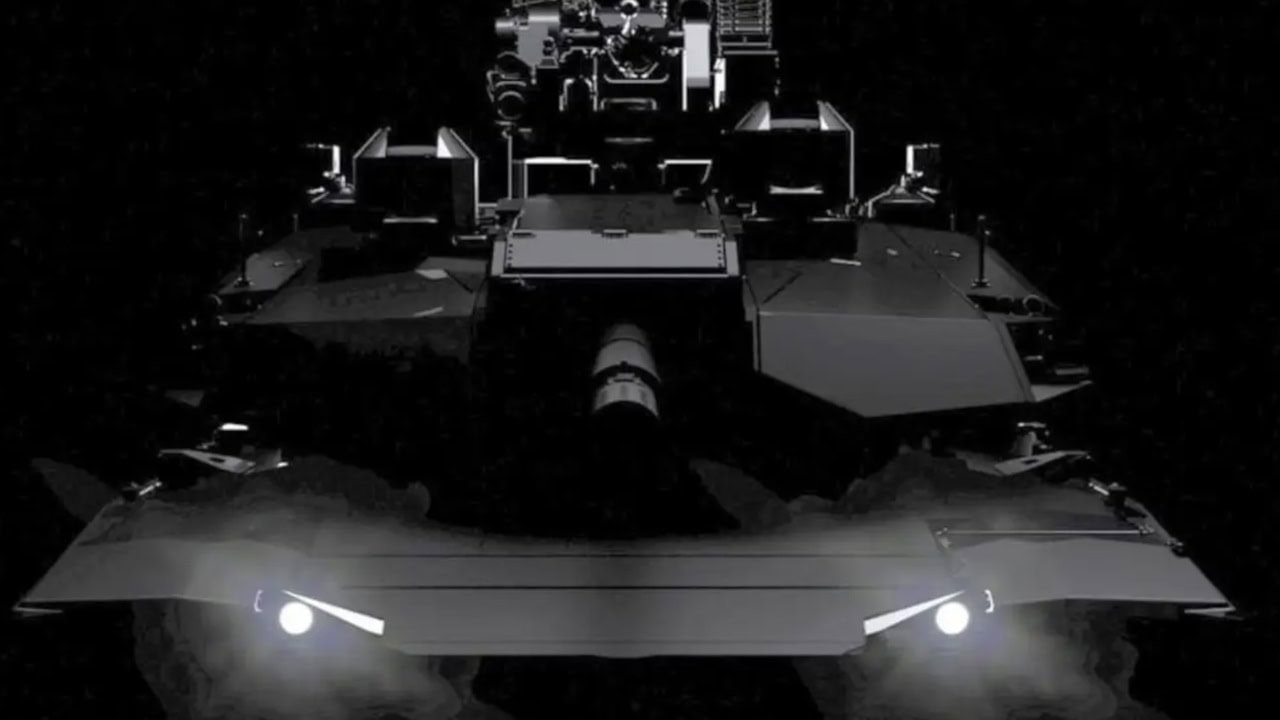
AbramsX NextGen Tank. Image Credit: YouTube Screenshot.
What Makes It Different From Every Abrams Before It
Three changes separate the M1E3 from the entire upgrade lineage behind it.
The first is the propulsion revolution: the famous gas turbine that has powered every Abrams since 1980 gives way to a hybrid arrangement built around a Caterpillar diesel — a powerplant that cuts the fuel-truck convoys that have always been armor’s soft underbelly, enables silent watch with the engine off, and generates the electrical margin that future defensive systems will demand. The Army detailed the hybrid design at last week’s NDIA conference alongside an Abrams Requirements Contract worth roughly $3.8 billion expected this fiscal year. The second is protection designed in rather than strapped on: where today’s fleet receives Trophy-ready integration as an appliqué, the M1E3 is built around an integrated active protection system from the keel up, with the weight and power budgets reserved for it. The third is the Modular Open Systems Approach, which sounds bureaucratic and is the most important survivability feature on the vehicle: the tank is architected so sensors, jammers, and interceptors can be swapped as the threat evolves, on software timelines rather than decade-long upgrade programs.
The schedule is itself a break with precedent. Ukraine’s lessons compressed the original 2030 fielding projection to a fraction of its original; the Army Chief of Staff said last September that four prototypes would be operating within Army formations during 2026, and operational testing with troops begins this summer, with a production decision expected around 2027.
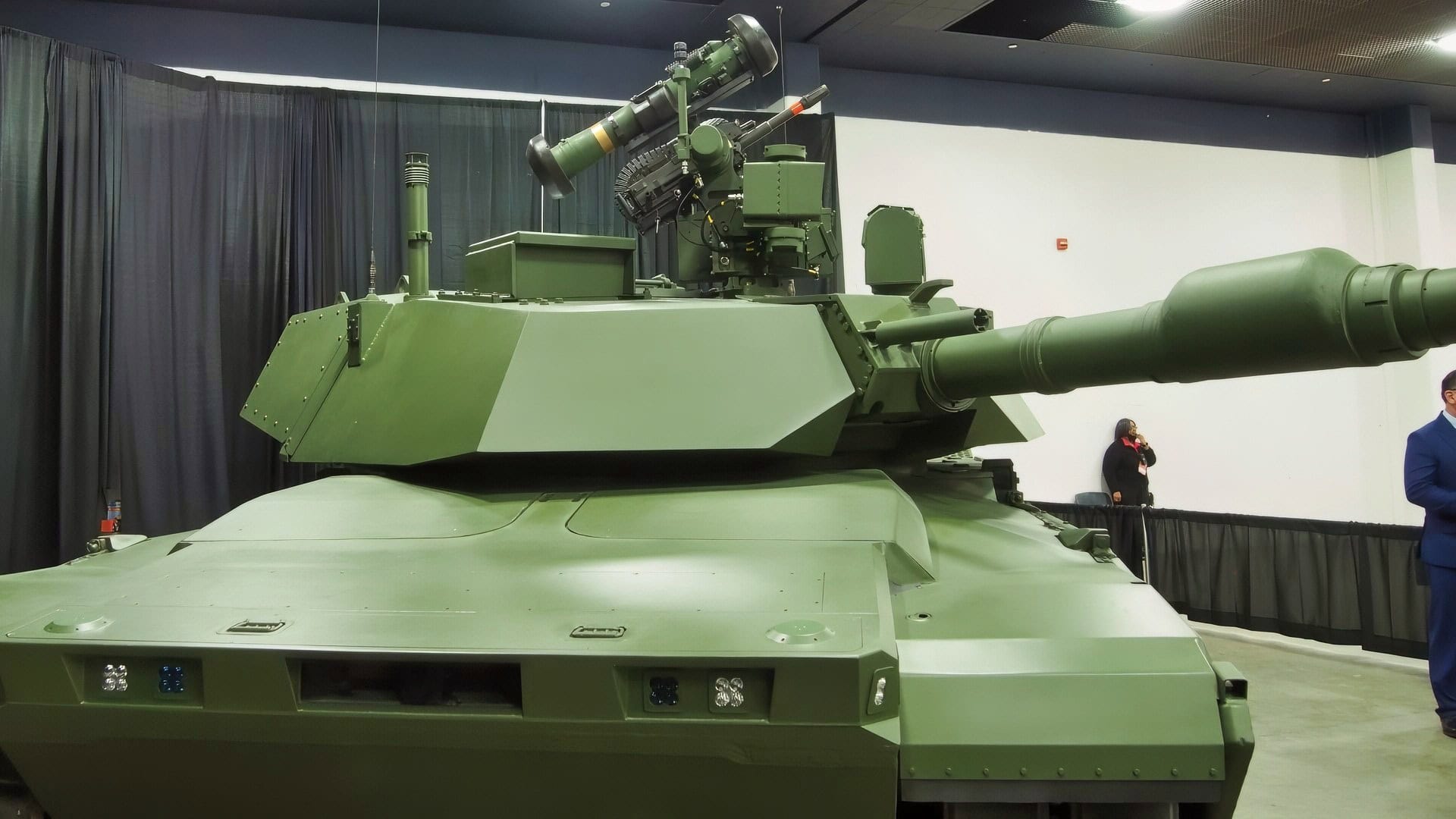
M1E3 Tank from the Detroit Auto Show. Photo Taken By 19FortyFive Staff on 1/17/2026.
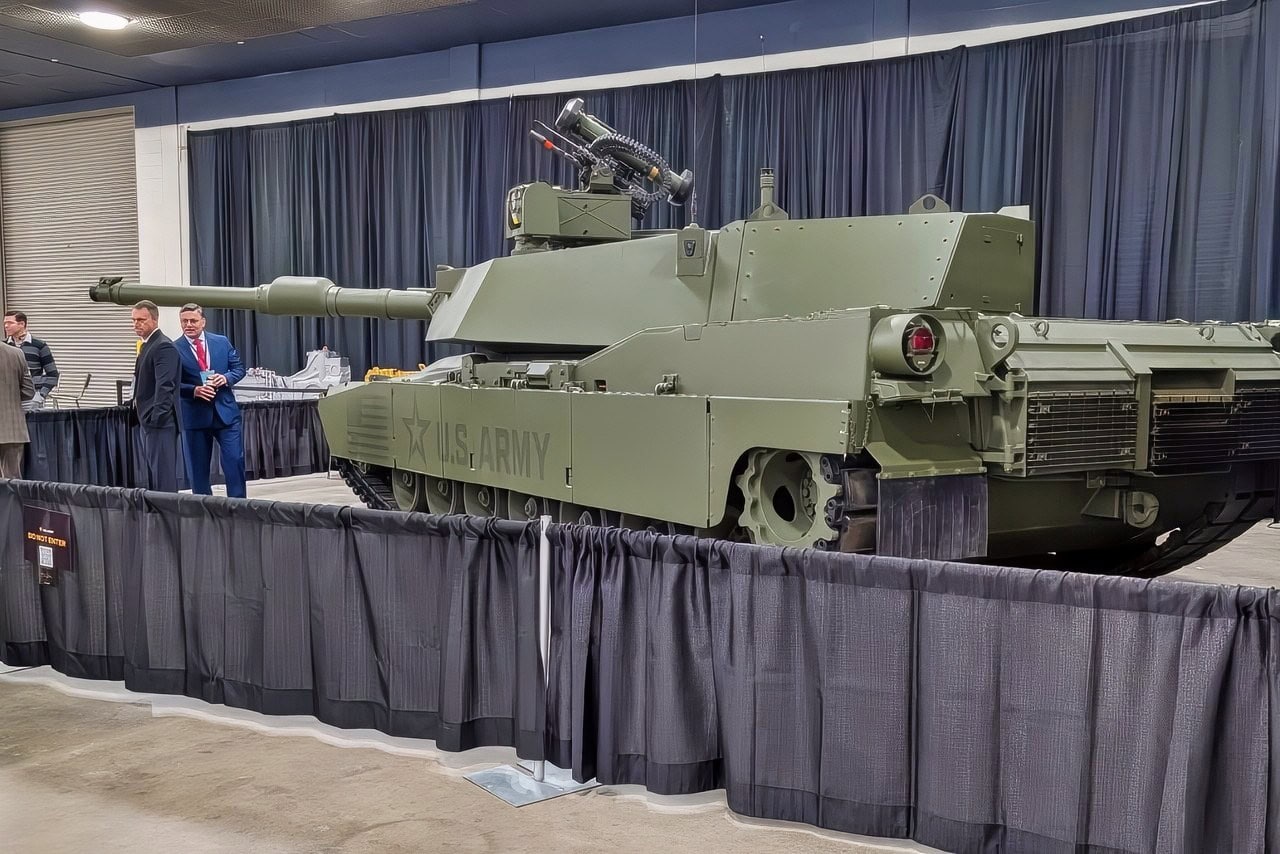
M1E3 Tank at the Detroit Auto Show. Image Credit: 19FortyFive.
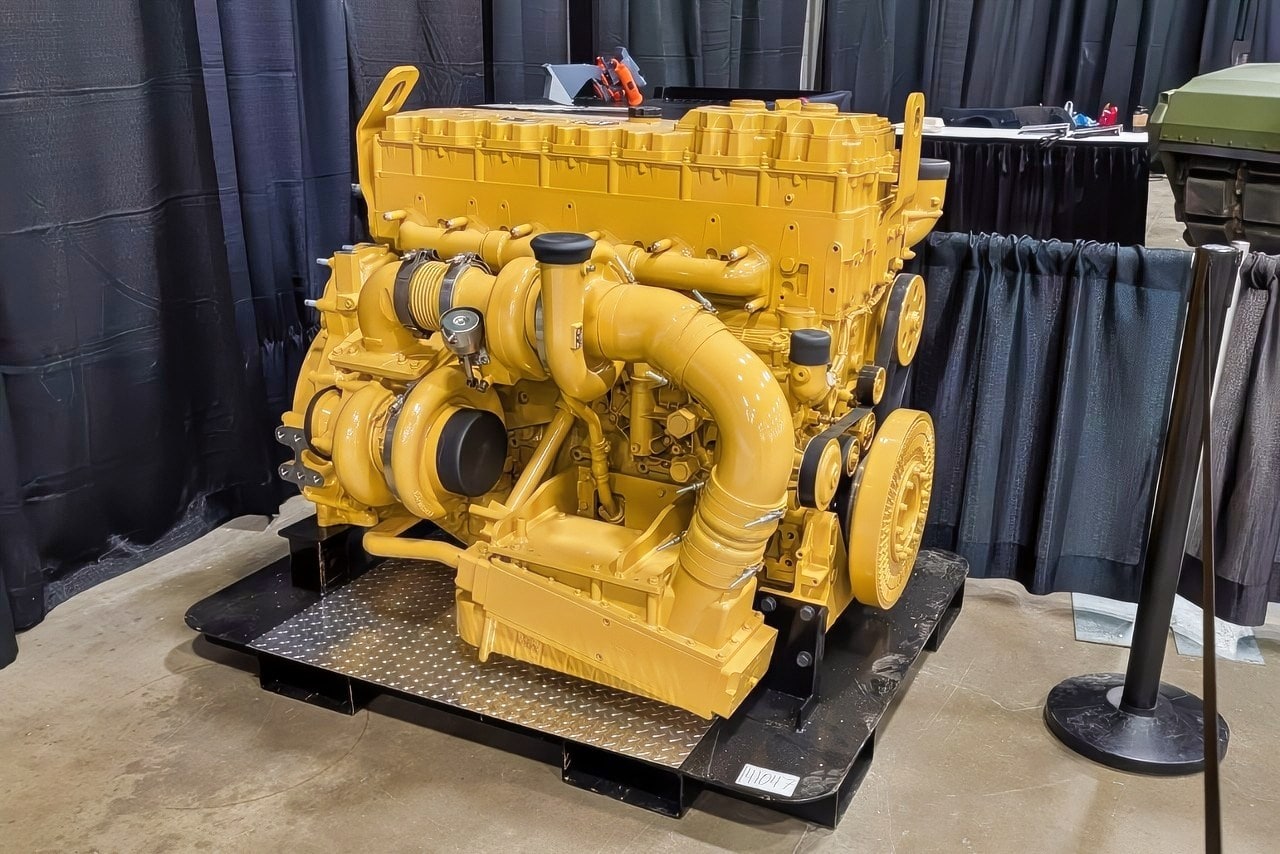
M1E3 Tank at the Detroit Auto Show. Image Credit: 19FortyFive.
The service is accepting iterative development — fielding, learning, fixing — rather than waiting for a perfect design, which is precisely how the drone war’s winners have operated.
The Drone Problem: Fourteen Thousand Dead Tanks In Ukraine
The obsolescence argument deserves its full weight, because the evidence is genuine. Visually confirmed Russian losses alone run to roughly 14,000 tanks and armored vehicles, a large share killed by drones costing less than a tank’s single main-gun round, and Western armor proved no more charmed — Abrams, Leopards, and Challengers all burned under FPV attack in Ukrainian service.
The economics look unanswerable: a $500 drone trading for a $10 million tank, repeated thousands of times, with persistent surveillance making every vehicle within twenty kilometers of the front a target the moment it moves.
However, the same battlefield carries the counter-evidence. Tanks did not disappear from Ukraine; both sides kept demanding more of them, because nothing else combines protected firepower, shock, and the ability to take ground.
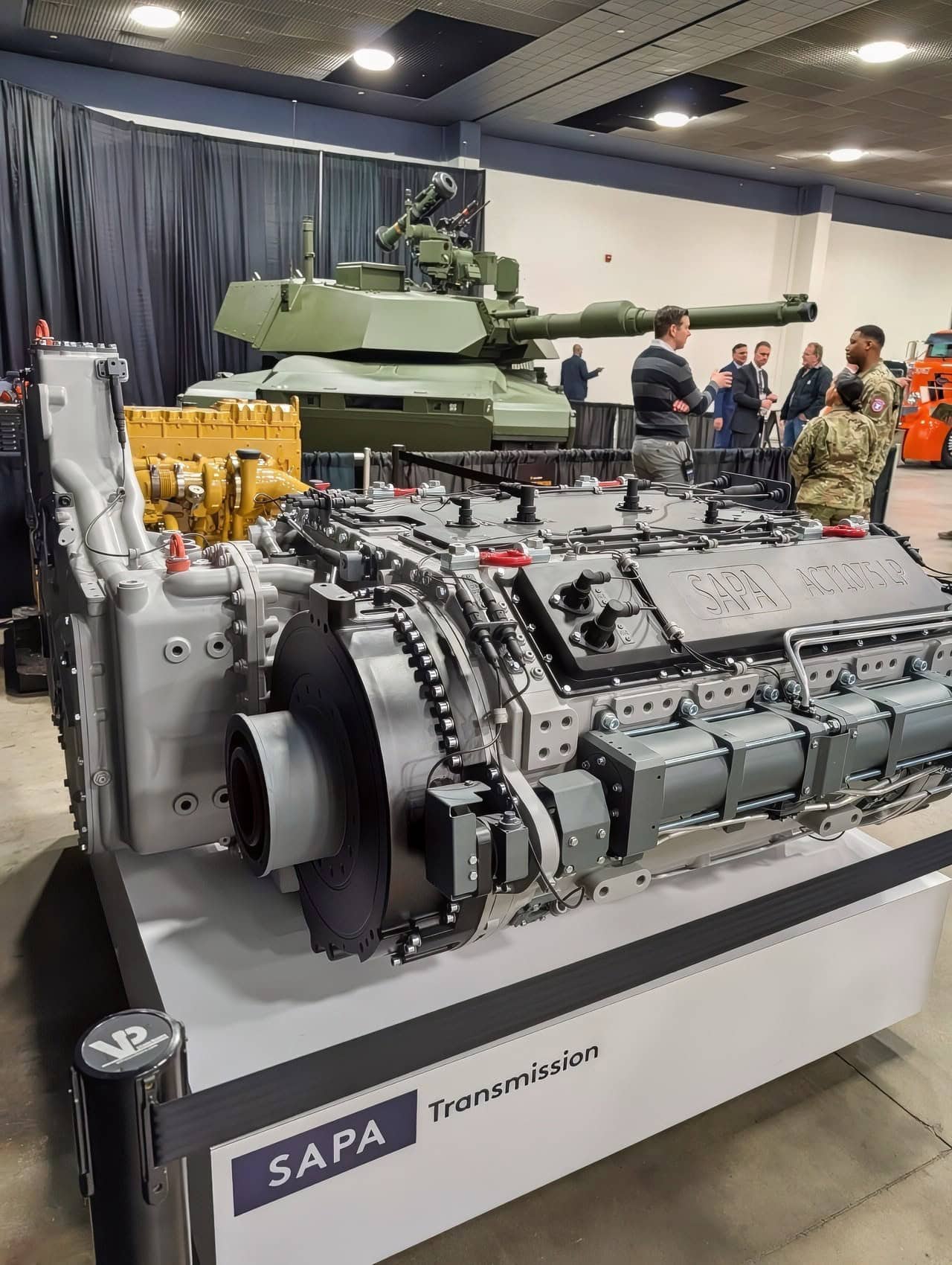
M1E3 Tank at the Detroit Auto Show. Image Credit: 19FortyFive.
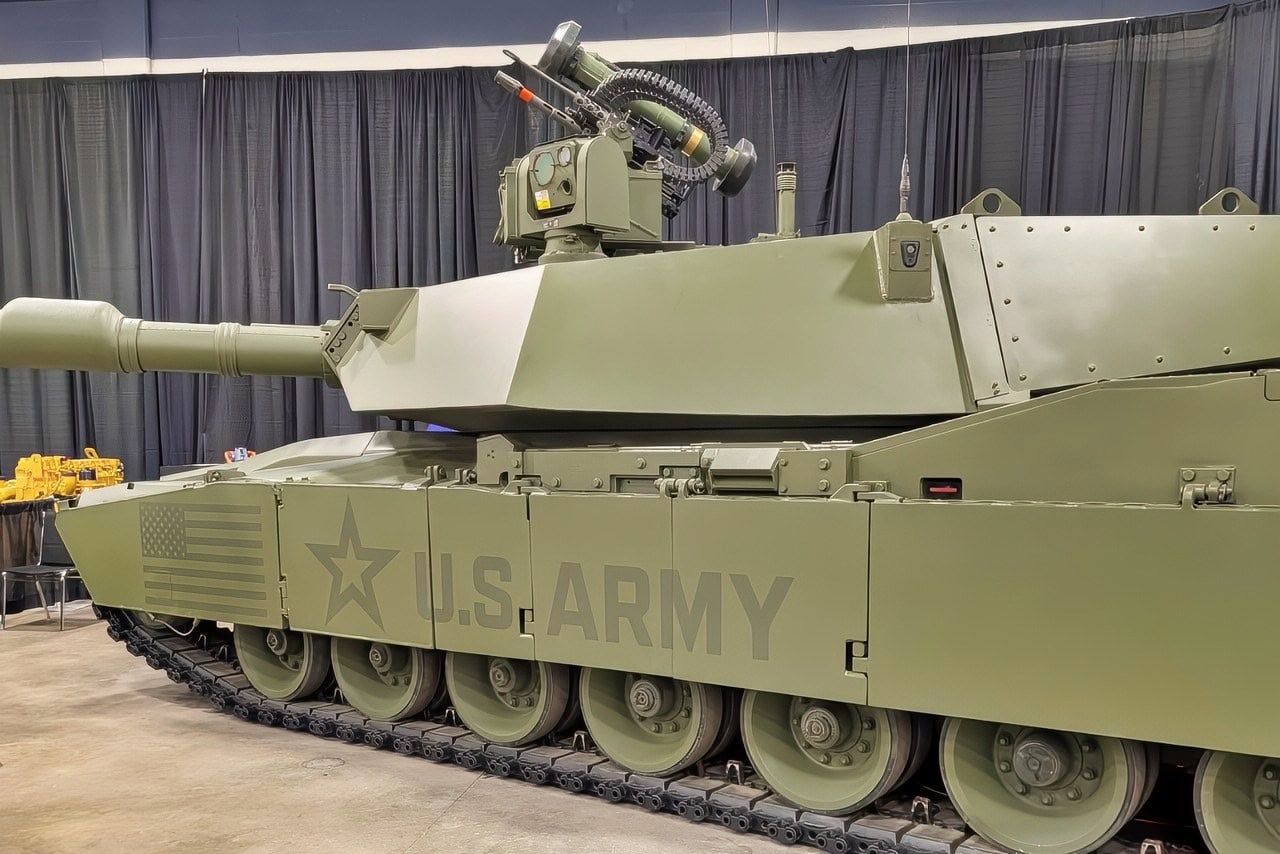
M1E3 Tank at the Detroit Auto Show. Image Credit: 19FortyFive.
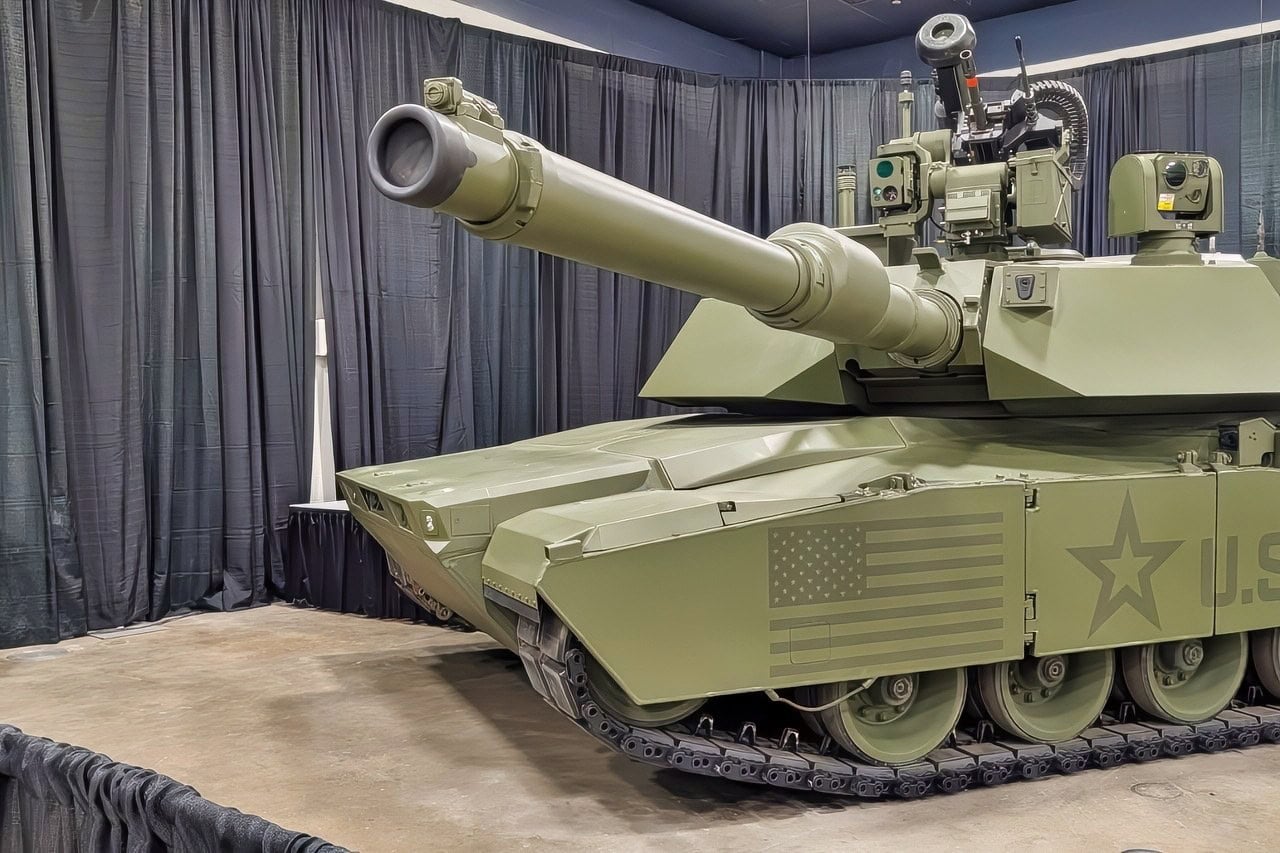
M1E3 Tank at the Detroit Auto Show. Image Credit: 19FortyFive.com
What died in Ukraine was the unprotected tank — armor operating without air defense, without electronic warfare, without infantry screens, parked in assembly areas under enemy drones. The lesson is not that the tank is finished. The lesson is that the tank’s survival moved from its armor to its ecosystem, and the M1E3 is the first Western tank designed from the start around that fact.
Layers, Not Gadgets: How The M1E3 Fights The Drone
The M1E3 treats drone defense as a stack rather than a device, and the latest program details show how concrete the stack has become. The Army’s newest rendering pairs the main gun with a secondary roof turret carrying a 30mm cannon suited to engaging drones, while the integrated XM251 active protection system selected for the tank is also slated for Strykers and Bradleys, giving the entire armored force a common protection architecture. Soft-kill electronic attack breaks the FPV operator’s link, the counter-drone weapon station handles what leaks through, and the tank plugs into the Army’s wider layered counter-UAS network rather than fighting alone.
Beneath the stack sit the quieter advantages. A 60-ton hybrid tank with reduced thermal signature and silent-watch capability is harder to find, faster to displace, and less chained to the fuel convoys that drones feast on. A crew in the hull survives turret penetrations that would have killed an Abrams crew of any earlier generation. And the modular architecture means the counter-drone suite of 2030 — whatever it proves to be — installs without rebuilding the tank, which matters because the drone threat of 2030 will not resemble today’s.
The honest limit is stated in plain words: no vehicle is invulnerable, and the M1E3 will lose individual engagements against saturation attacks, as every weapon eventually loses some engagements.
The standard is not invulnerability. The standard is whether a tank can contribute and survive at useful rates inside a properly built combined-arms formation, and the M1E3’s combination of integrated protection, signature reduction, crew isolation, and upgradability is a serious engineering answer to exactly that question.
About the Author: Harry J. Kazianis
Harry J. Kazianis (@Grecianformula) was the former Senior Director of National Security Affairs at the Center for the National Interest (CFTNI), a foreign policy think tank founded by Richard Nixon based in Washington, DC. Harry has over a decade of experience in think tanks and national security publishing. His ideas have been published in the NY Times, The Washington Post, The Wall Street Journal, CNN, and many other outlets worldwide. He has held positions at CSIS, the Heritage Foundation, the University of Nottingham, and several other institutions related to national security research and studies. He is the former Executive Editor of the National Interest and the Diplomat. He holds a Master’s degree focusing on international affairs from Harvard University.

