
The M1E3 Abrams Tank Is One Giant Question Mark
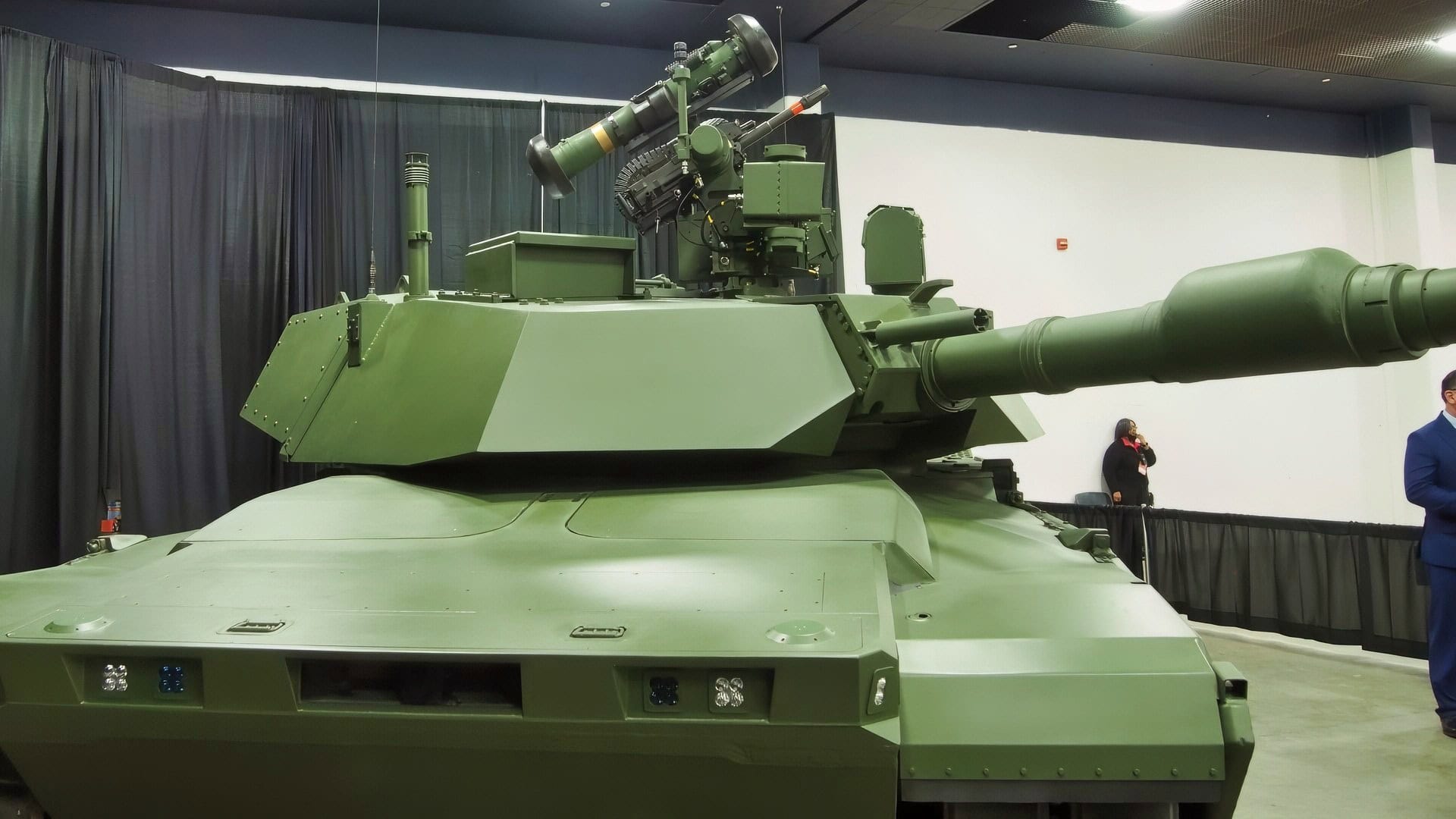
In January, the Army unveiled a pre-prototype version of the M1E3 Abrams, which is expected to serve as the Army’s next-generation main battle tank.
While the demonstrator vehicle is not the final iteration of the M1E3, it offers a glimpse into what the Army wants with the M1E3 program.
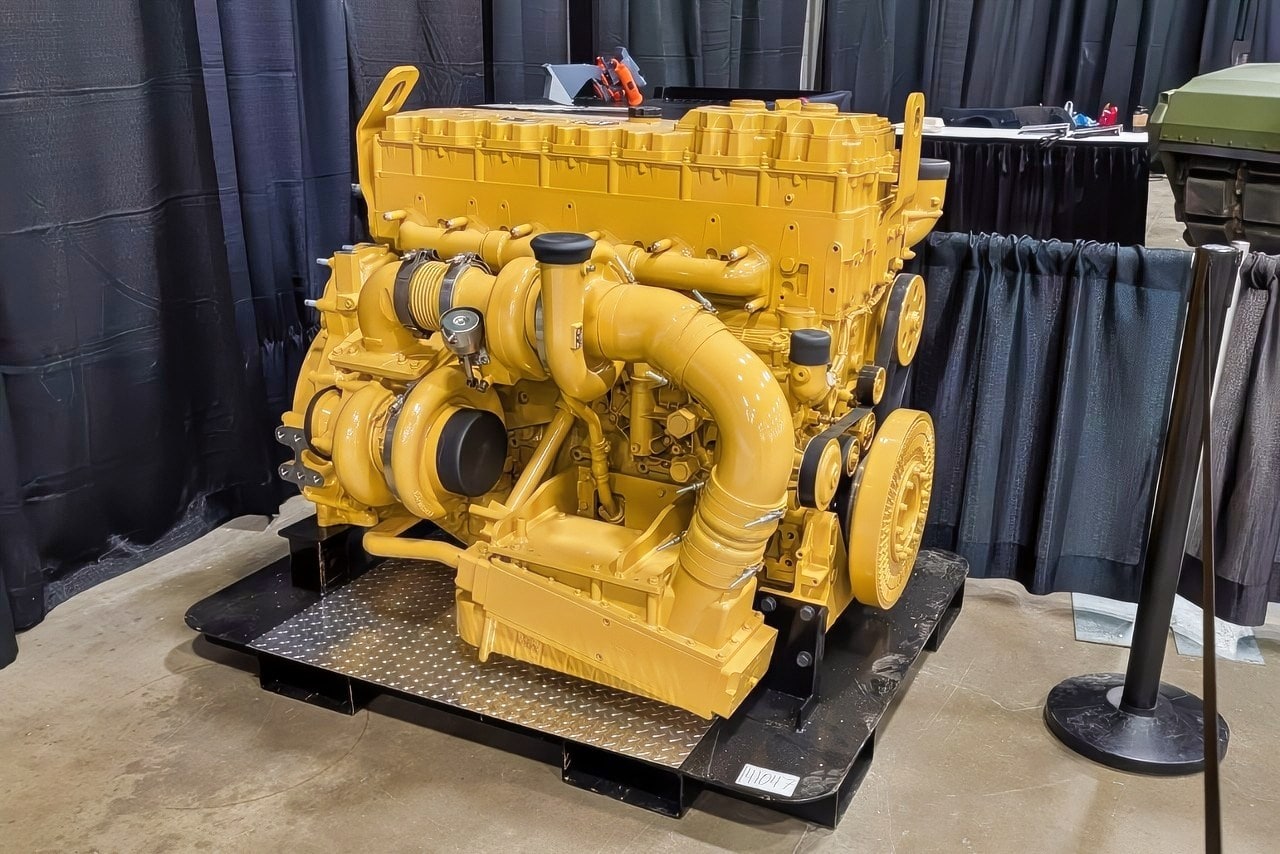
With an unmanned turret, a new hybrid power system, and simplified controls for easier training, the new tank is lighter and more technologically advanced while retaining what works from previous Abrams tanks.
The tank was supposedly designed using lessons learned from the war in Ukraine.
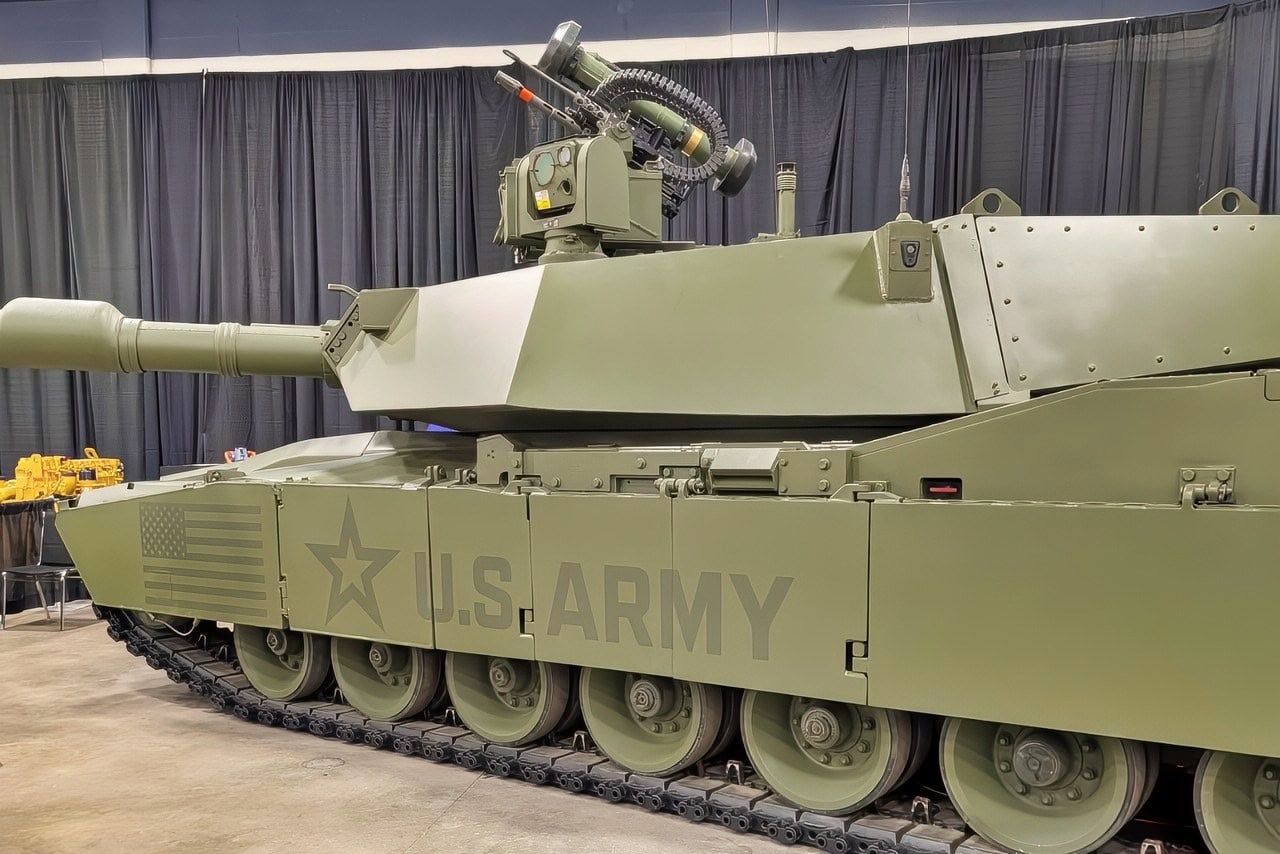
M1E3 Tank at the Detroit Auto Show. Image Credit: 19FortyFive.
Almost three months after its reveal, it is time to ask an important question: Is the M1E3 really adequate to survive in today’s drone-centric environment, or will it burn up like every other tank in Ukraine has?
As a short disclaimer, this analysis is based primarily on the demonstrator tank revealed at the Detroit Auto Show. 19FortyFive was there at the reveal.
The final iteration of the M1E3 has not yet been revealed, and the production variant may address many concerns raised about it. In any case, please note that we are operating with incomplete information about the tank.
Can the M1E3 Survive Against Drones?
The Army itself has described the M1E3 as a tank that is “built to adapt to a wide range of threats, including the growing use of drones and long-range precision weapons.” Let us therefore examine some of the M1E3’s defensive measures against drones and evaluate whether these systems are sufficient for today’s battlefields.
The design of the M1E3 has been significantly altered, with an unmanned turret and an autoloader reducing the crew size to three, similar to Russia’s T-14 Armata (although the M1 TTB is a more apt comparison). This configuration positions the crew in an armored capsule within the hull, thereby removing them from any live ammunition and protecting them from potential cook-offs.
This is a significant step up in survivability. The M1 is already renowned for its robust armor and high level of crew protection. Even with blowout panels, there was always a risk of ammunition detonations harming or killing crew members.
With this new configuration, however, that risk is effectively reduced to zero. One question that remains, however, is what the armor will look like on the M1E3. In some interviews, Army spokesmen have said that the level of armor on the E3 will remain the same as on earlier M1 tanks.
M1E3 Tank at the Detroit Auto Show. Image Credit: 19FortyFive.
What does this mean? Will the turret retain the same level of armor, or will more armor be directed toward the crew capsule in the hull? While this may seem like a minor issue, the armor layout on a tank absolutely matters.
The Strengths and Limitations of APS
Another important feature that has been covered frequently is the integration of APS into the M1E3’s hull.
The M1A2 can be fitted with the Israeli-made Rafael Trophy APS using add-on kits. This, however, has the disadvantage of adding significant dead weight and increasing the tank’s overall mass.
The M1E3, by contrast, seeks to remove that dead weight by integrating APS directly into the hull rather than relying on add-on kits.
The APS on the M1E3 has been confirmed to be an American derivative of Elbit Systems’ Iron Fist hard-kill system, dubbed XM251 in the U.S. This system can intercept ATGMs, kinetic penetrators, and, most importantly, small drones.
APSs are valuable assets on the modern battlefield, but it is also important to recognize that these systems have limitations. The Iron Fist system, in particular, is capable and effective, but it is hardly a silver bullet.
The system comprises two launchers, each capable of firing two projectiles before reloading. Simply put, this is nowhere near enough to ensure adequate protection in a drone-heavy environment.
As Ukraine has demonstrated, drones rarely operate alone; they often travel in large groups that are widely distributed across the battlefield. Tanks are frequently struck multiple times to ensure a proper kill. The Iron Fist APS, while a strong system and certainly worth including, is not sufficient on its own to provide full protection against drones.
A Step in the Right Direction
The M1E3 is also reportedly set to receive passive protection systems designed to reduce the tank’s detectability.
Details regarding these systems have not yet been released. Still, there is speculation that they may include an electronic warfare suite to jam incoming drones or reduce the tank’s infrared signature.
Other measures may include reinforced top armor to protect against drone-delivered bombs and top-attack ATGMs. As stated earlier, the M1E3 is still in the pre-prototype phase, and many details of its design and protection systems remain unknown to the public.
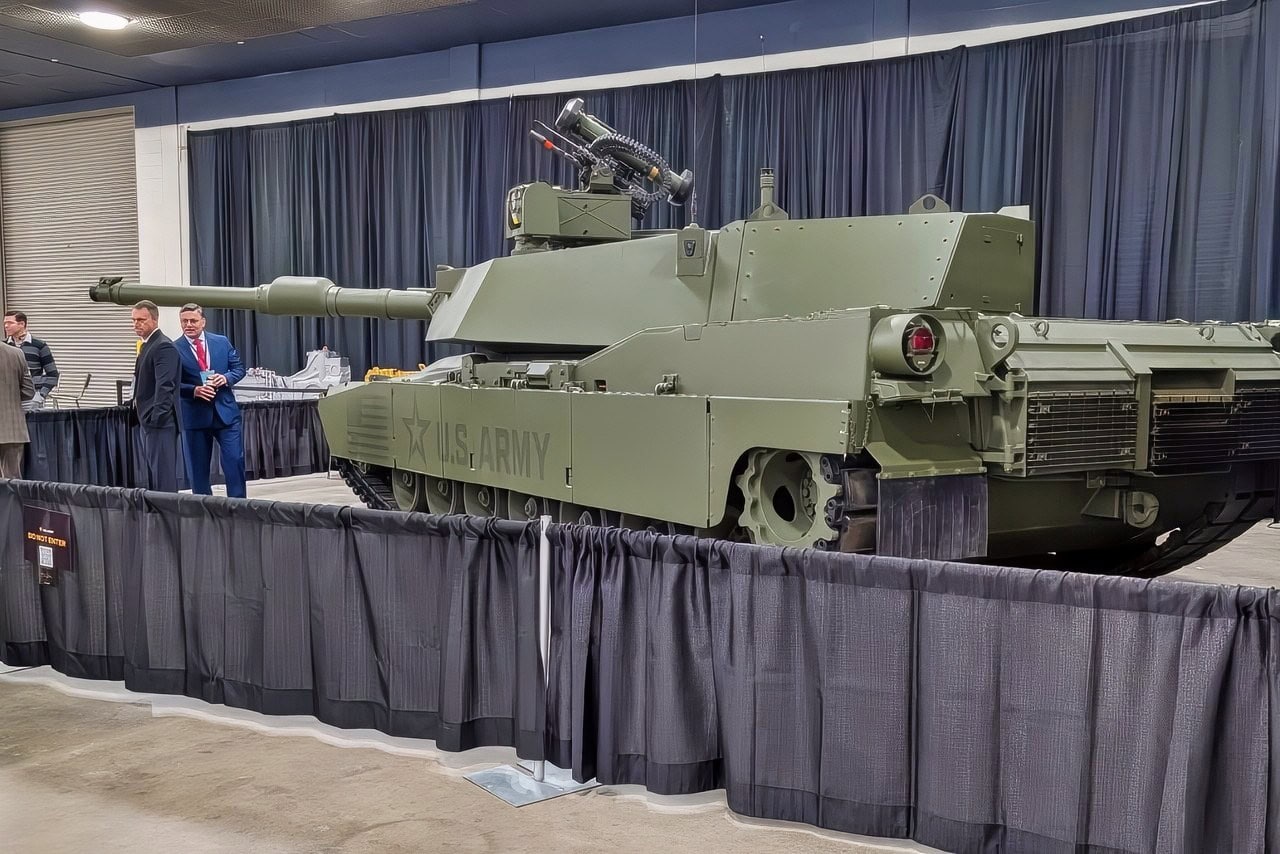
M1E3 Tank at the Detroit Auto Show. Image Credit: 19FortyFive.
Can the M1E3 Abrams Survive a Drone War?
Based on what we currently know, are the M1E3’s protection measures sufficient to ensure its survivability?
The M1E3 is a step in the right direction, but it is not enough to guarantee complete survivability.
To be fair, no system can.
In any high-intensity conflict, no platform is 100% safe from unmanned aerial systems. Jammers can be circumvented, and APSs can be overwhelmed by sheer numbers.
This does not mean these protective measures are a waste of resources; we must be honest with ourselves.
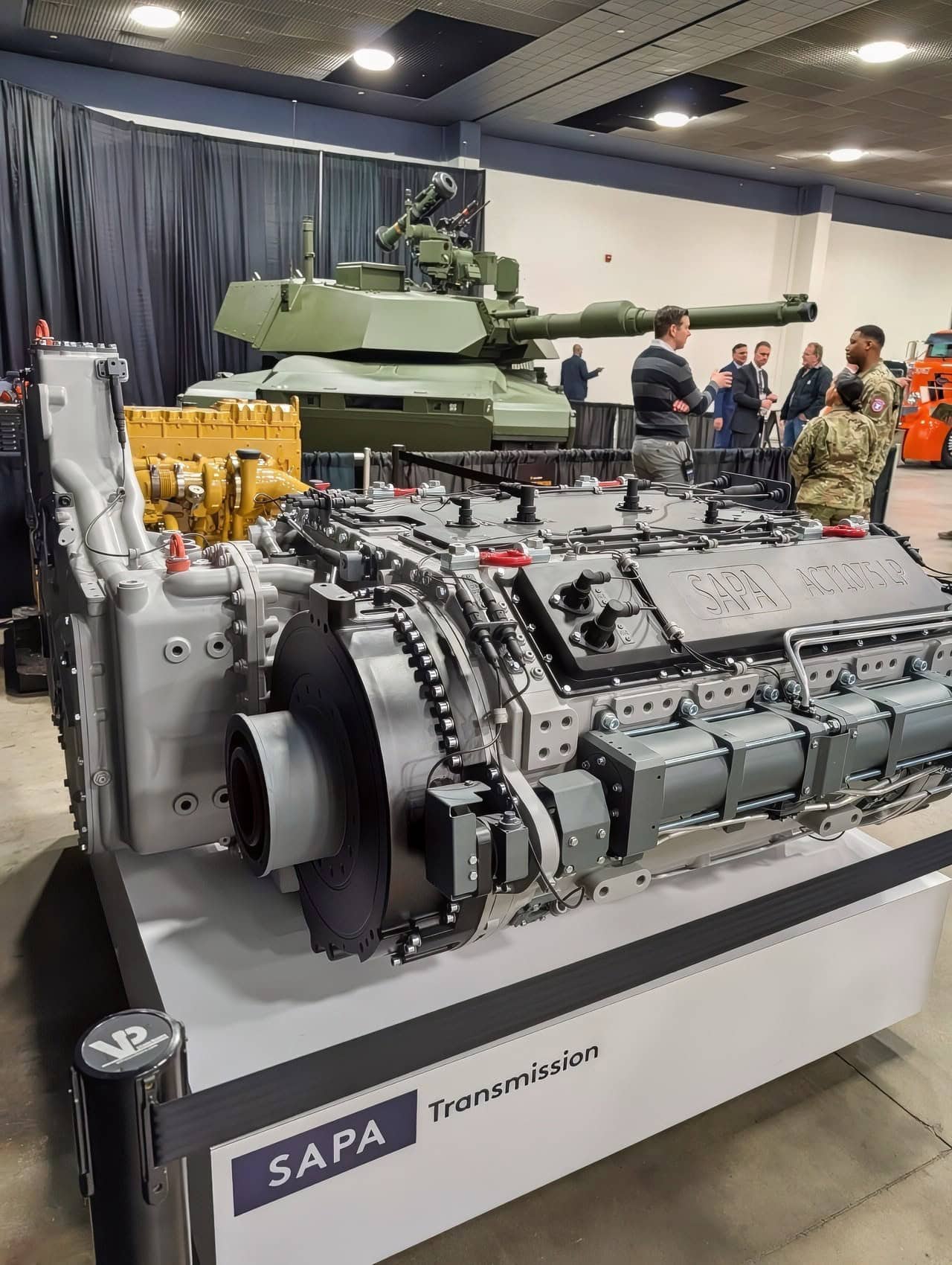
M1E3 Tank at the Detroit Auto Show. Image Credit: 19FortyFive.
In a high-end war, the M1E3 will take losses; there is no way around this. What the tank does achieve, however, is ensuring that even if it is hit, the crew can walk away and fight another day.
MORE – The CIA Had A Faster Spy Plane Than the SR-71
MORE – Russia’s Last Aircraft Carrier Is Doomed
About the Author: Isaac Seitz
Isaac Seitz, a Defense Columnist, graduated from Patrick Henry College’s Strategic Intelligence and National Security program. He has also studied Russian at Middlebury Language Schools and has worked as an intelligence Analyst in the private sector.