
The New M1E3 Tank Is Like Nothing the U.S. Army Uses Today
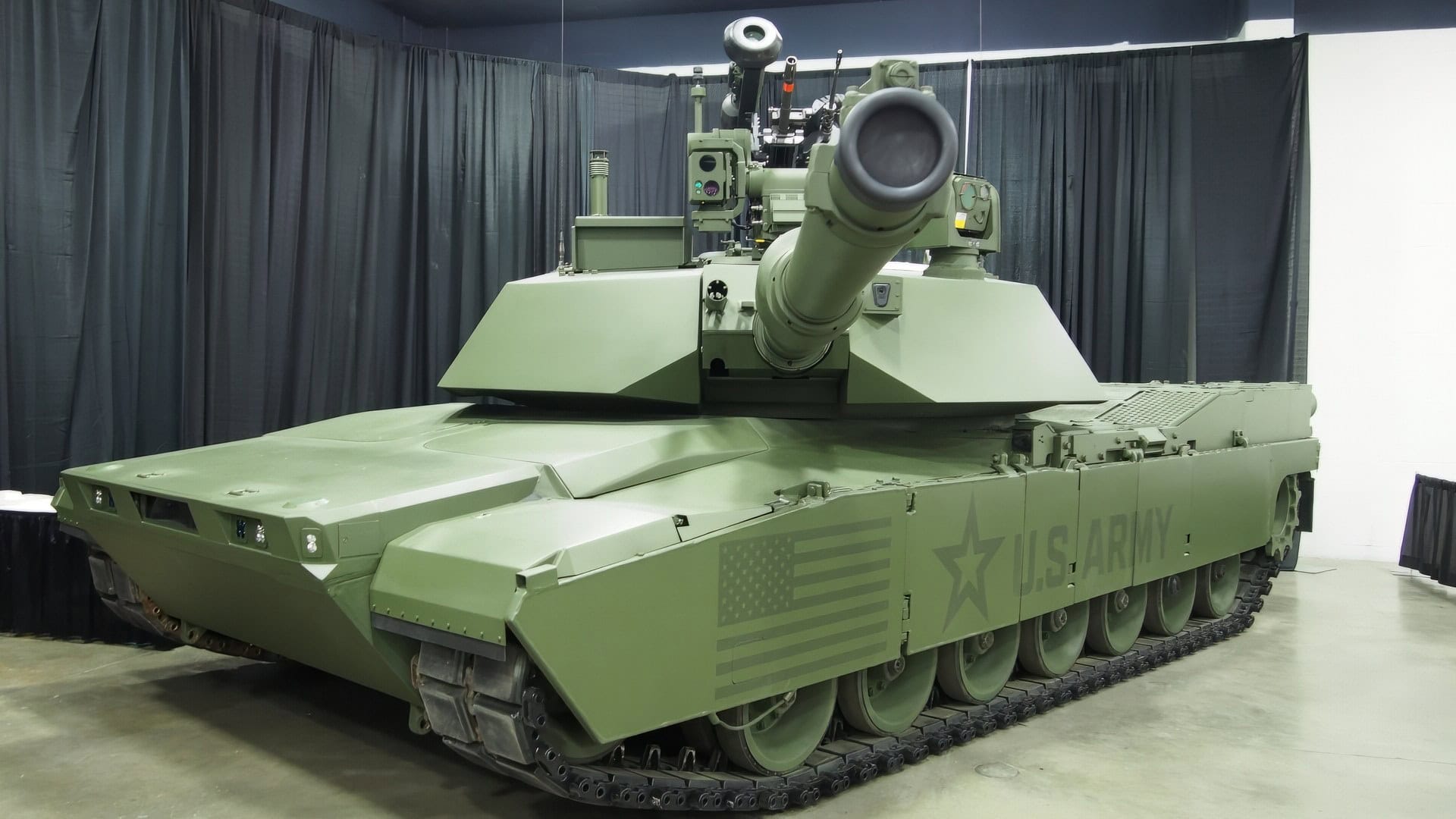
The M1E3 is the next iteration of the venerable M1 Abrams series.
While the tank retains the same hull and cannon as earlier variants, the E3 is a significant departure from previous models.
The tank features an unmanned turret, a new suspension system, a hybrid diesel-electric power system, and a modular design that allows the tank to evolve alongside its environment.
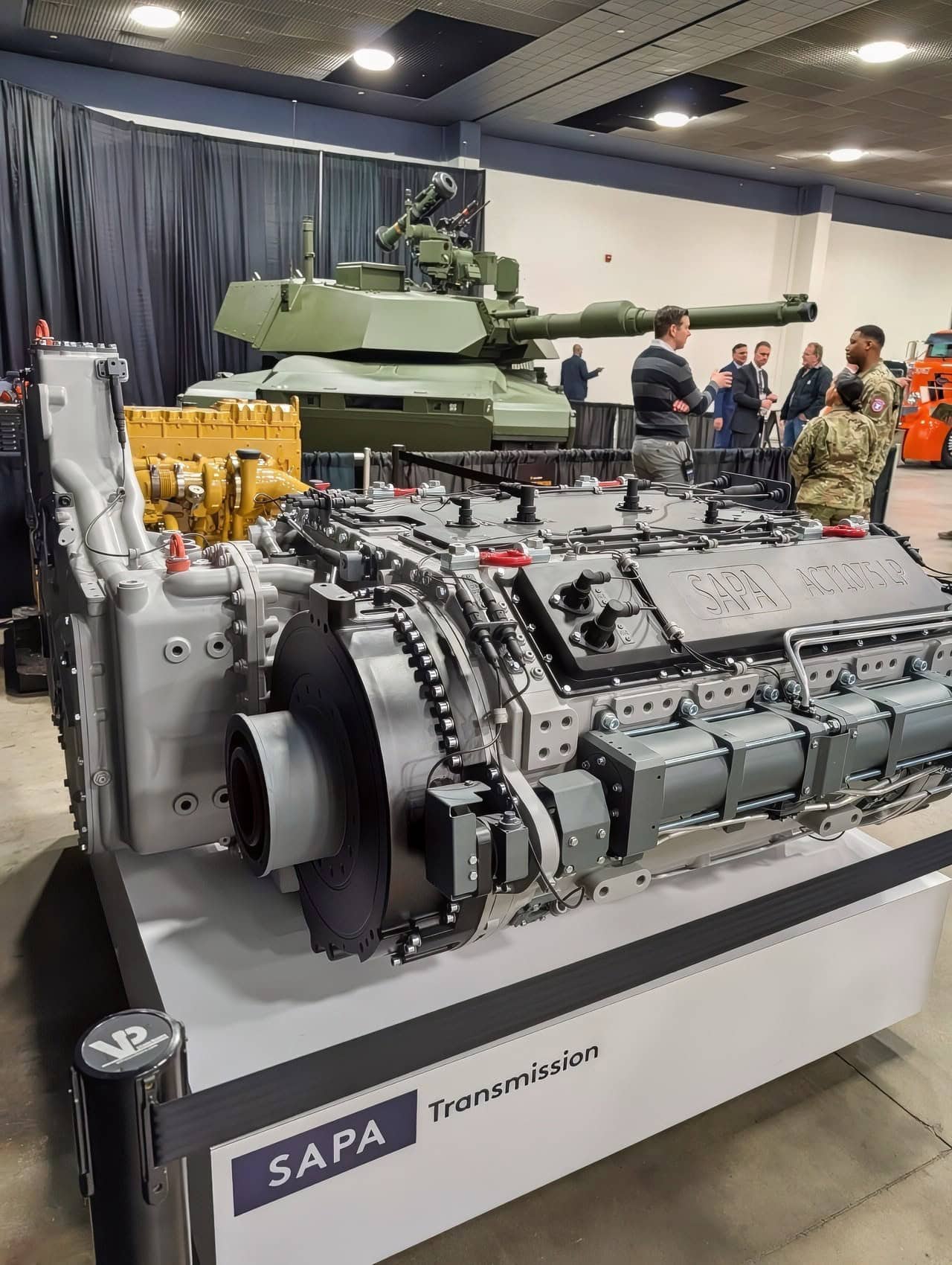
M1E3 Tank at the Detroit Auto Show. Image Credit: 19FortyFive.
The M1E3’s development was fast-tracked after the cancellation of the M1A2 SEPv4 program and was reportedly designed with lessons from Ukraine in mind.
Currently, the Army is expected to receive its first batch of prototypes this year and begin trials in the summer.
We expect the tank to enter production sometime next year.
The Current State of the M1E3 Program
Brent Ingraham, Assistant Secretary of the Army for Acquisition, Logistics, and Technology, spoke recently at the Association of the United States Army’s (AUSA) annual Global Force Symposium.
During the event, he discussed the Army’s current plans for the M1E3 and the program’s projected timeline.
According to Ingraham, the first M1E3 prototypes are expected to be delivered sometime in the summer, after which they will be handed over to Transformation In Contact (TIC) units for testing.
The overall goal of the program, he said, was “to get to production as fast as possible.”
However, a lot depends on how well the M1E3 prototypes perform during combat trials. The Army is hoping to have the tank enter production “in the next 12 months or so.”
It has been reported that the Army is accelerating the M1E3 program after evaluating lessons learned in Ukraine.
The program is running five years ahead of schedule at its current pace, so it is reasonable to expect the tank will enter production in the near future.
Again, a lot depends on how the M1E3 performs in trials, but even so, expecting it to enter production in twelve months when an official prototype has yet to be delivered seems a bit too optimistic.
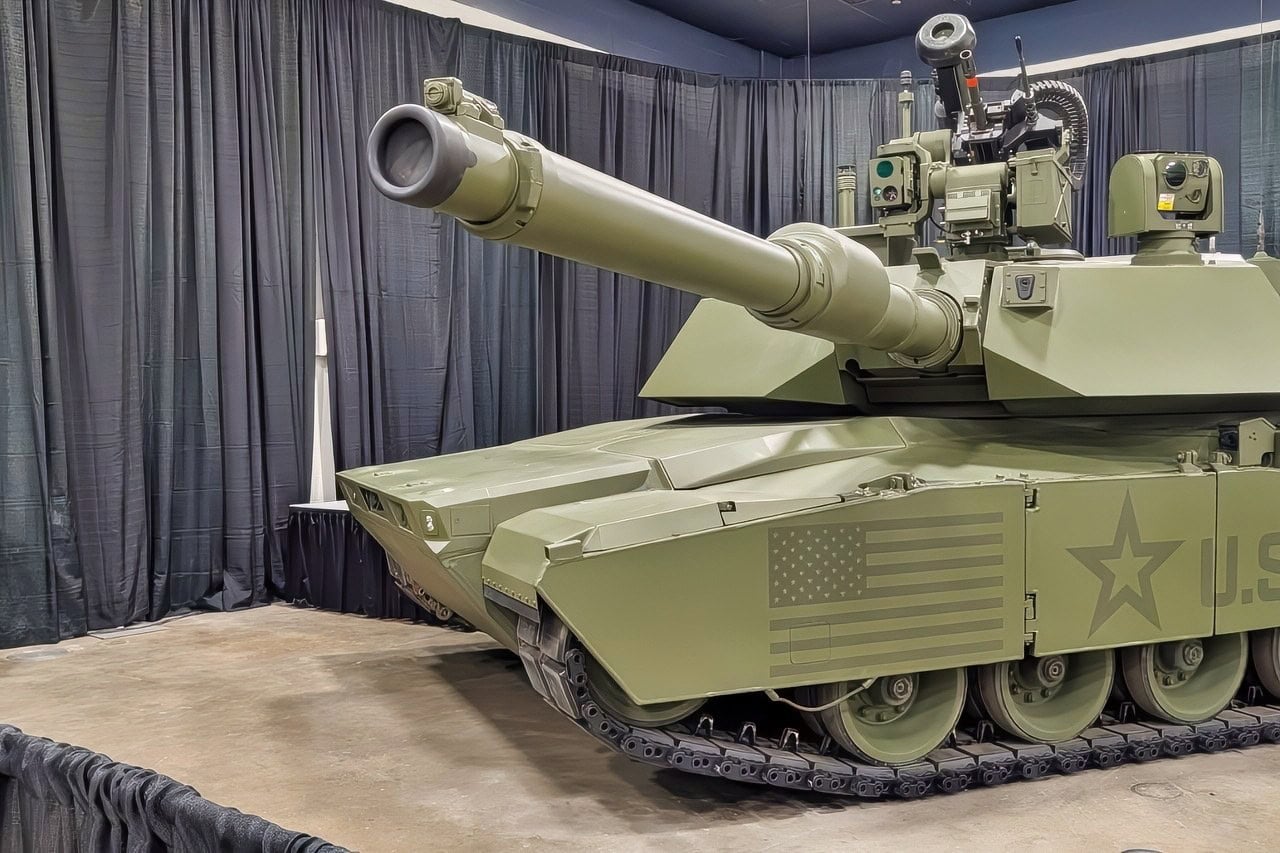
M1E3 Tank at the Detroit Auto Show. Image Credit: 19FortyFive.com
Moving Too Quickly?
The M1E3 still has a long road ahead and many questions that need to be answered before it is ready for full-scale production.
For starters, is the tank going to be built from the ground up, or will it be built upon an existing Abrams chassis?
The M1E3 is technically built upon the same chassis as every other M1 variant, which could allow earlier models to be modernized to the new M1E3 standard.
Furthermore, design changes frequently occur during combat trials to iron out any bugs or kinks that were overlooked during the design phase; that is why such trials exist. Depending on how the trials go, the tank could be delayed for several months while troop feedback is implemented.
There is also the risk of moving too quickly on the project. While it is completely understandable that the Army would want to get the M1E3 into the field as quickly as possible, fast trials frequently result in important issues being overlooked.
These oversights could have disastrous effects on the battlefield if they go undetected. There is a reason fighter jets often spend years undergoing trials: a lot is at stake when sending a new military system into battle.
Of course, there is the possibility that everything goes smoothly during trials and the M1E3 enters production without any problems.
However, there is always a degree of risk when accelerating any project, and those risks should not be dismissed.
The Next-Generation Abrams
The M1E3 made its first “debut” in January 2026 at the Detroit Auto Show, giving the public a first look at the tank in its early stages of development. 19FortyFive made the trip to see it in person. In fact, all the images in this article are from that trip.
The purpose of that particular pre-prototype was to test how the new three-man crew operated in live conditions, as well as the new unmanned turret, remote weapons system, and hybrid power system.
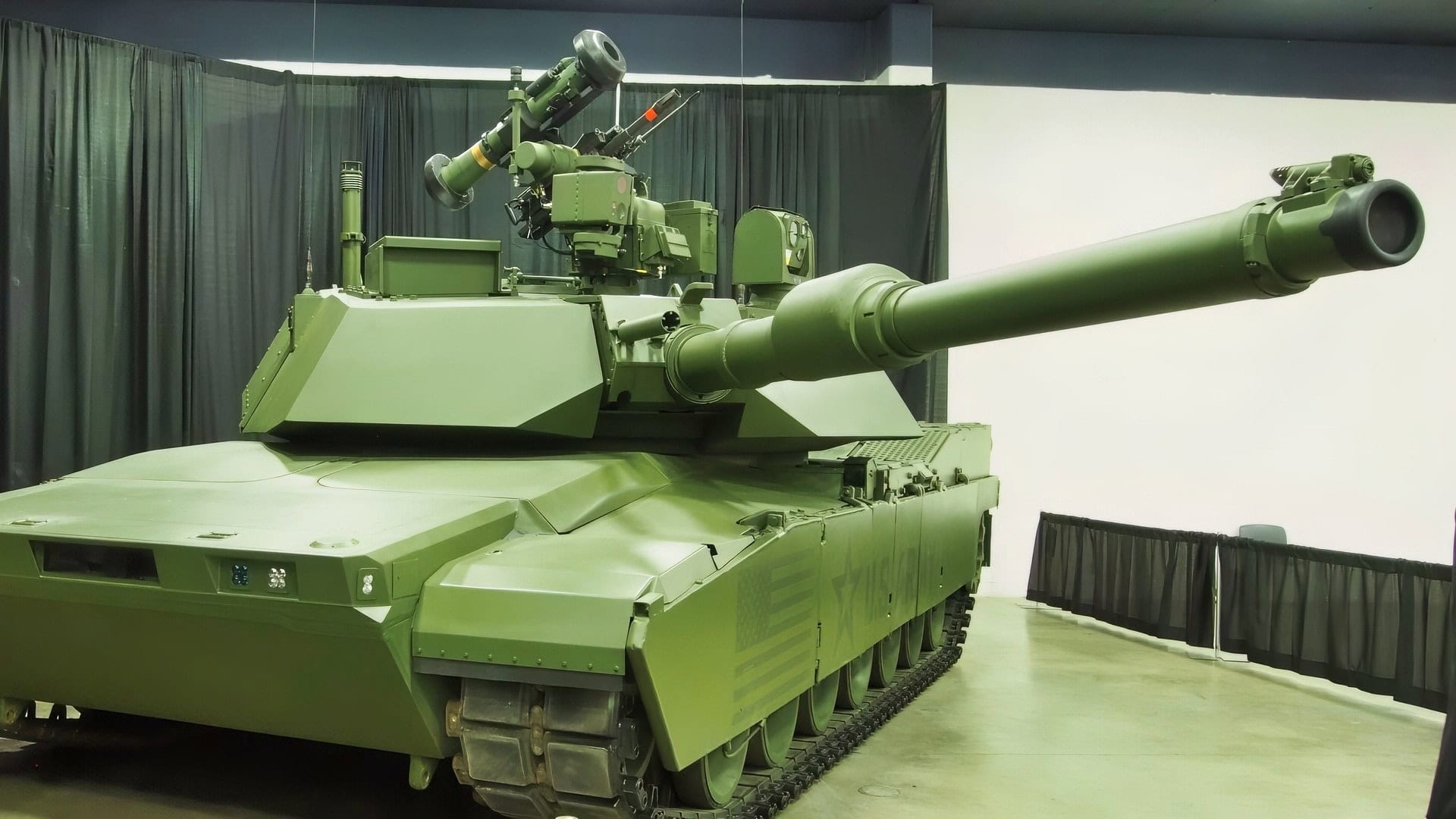
M1E3. 19FortyFive Image from the Detroit Auto Show.
The design of the PR prototype is, most importantly, not reflective of the tank’s final appearance. For example, the remote weapons system on the pre-prototype includes a Javelin ATGM launcher, which is most likely not going to make it into the final design of the M1E3.
Additionally, the final version of the tank will reportedly include both active and passive protection systems, including the Israeli-made Iron Fist APS, which was notably absent from the pre-prototype vehicle.
The M1E3 retains the classic M256 smoothbore cannon that has been in use on the Abrams since the M1A1. Additionally, the M1E3 will use many of the same sights, sensors, and fire-control systems as the current M1A2 SEPv3.
While the war in Ukraine has exposed many features that need change, according to the Army, it has also demonstrated that many systems still work.
MORE – The U.S. Navy Doesn’t Have Enough Aircraft Carriers
MORE – Russia Will Soon Have No Aircraft Carriers
The Abrams’ firepower is still more than capable of engaging current battlefield threats, and its sensors provide the crew with excellent situational awareness.
Not every system needs to be revolutionized.
As the old saying goes: if it ain’t broke, don’t fix it.
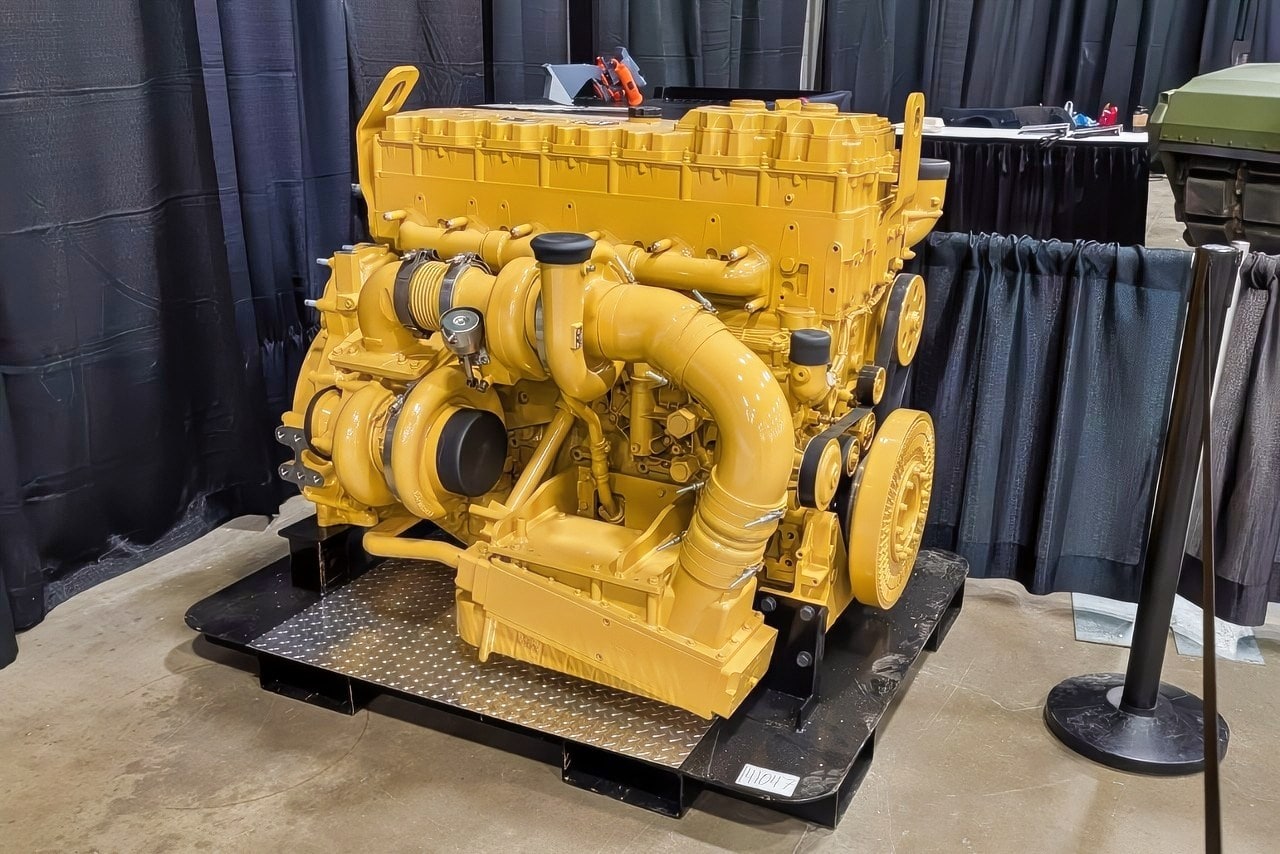
M1E3 Tank at the Detroit Auto Show. Image Credit: 19FortyFive.
About the Author: Isaac Seitz
Isaac Seitz, a Defense Columnist, graduated from Patrick Henry College’s Strategic Intelligence and National Security program. He has also studied Russian at Middlebury Language Schools and has worked as an intelligence Analyst in the private sector.