
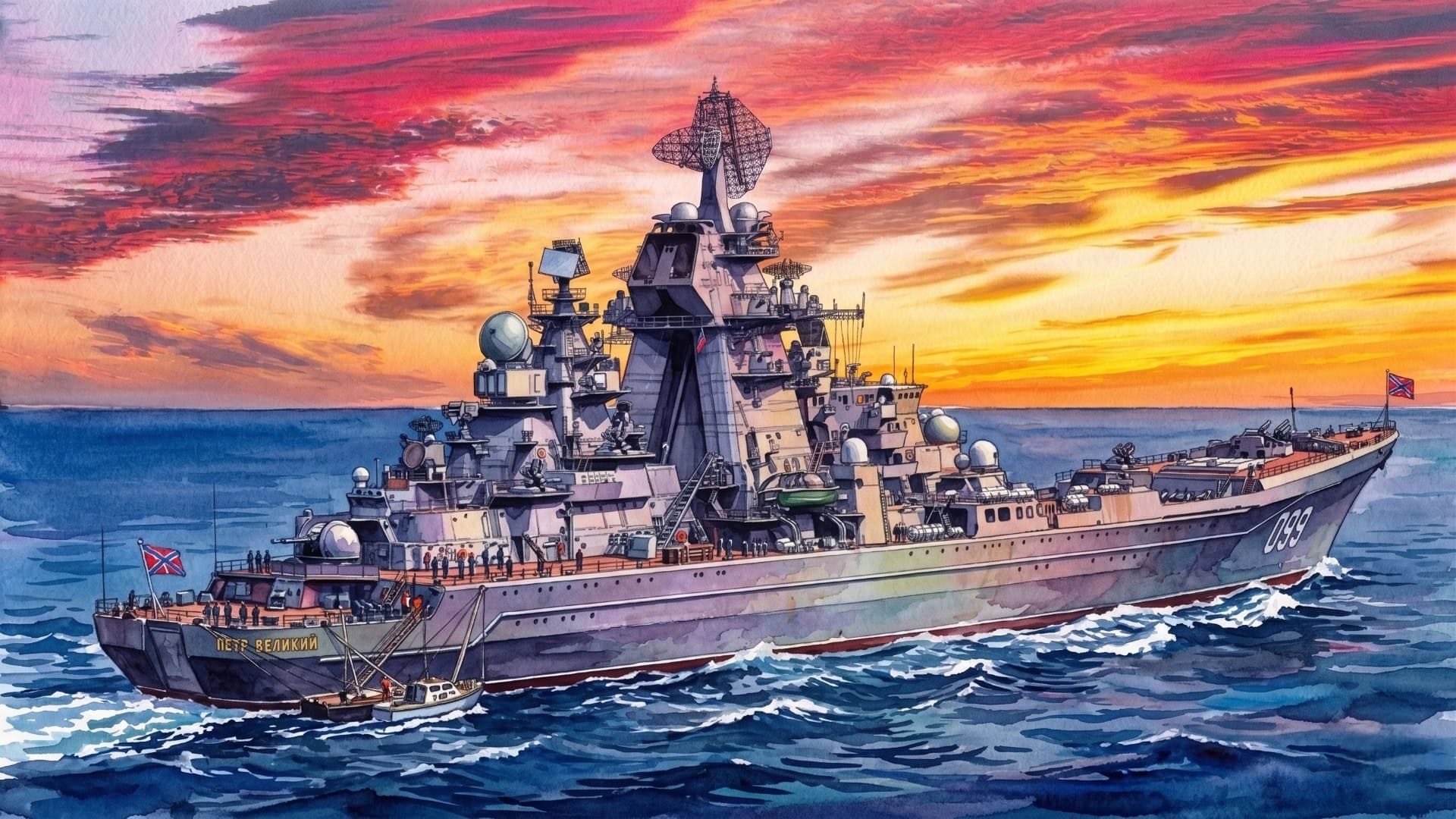
Russia’s nuclear-powered battlecruiser Admiral Nakhimov has begun sea trials in the White Sea after spending nearly three decades undergoing modernization. Satellite imagery recently captured the vessel north of Severodvinsk conducting navigation and speed trials. Russian officials describe the ship as entering the final phase of testing before returning to operational service. This marks the resurrection of one of the largest—and most heavily armed—surface combatants ever built.
Origins of the Vessel: The Kirov-Class Battlecrusier Reboot
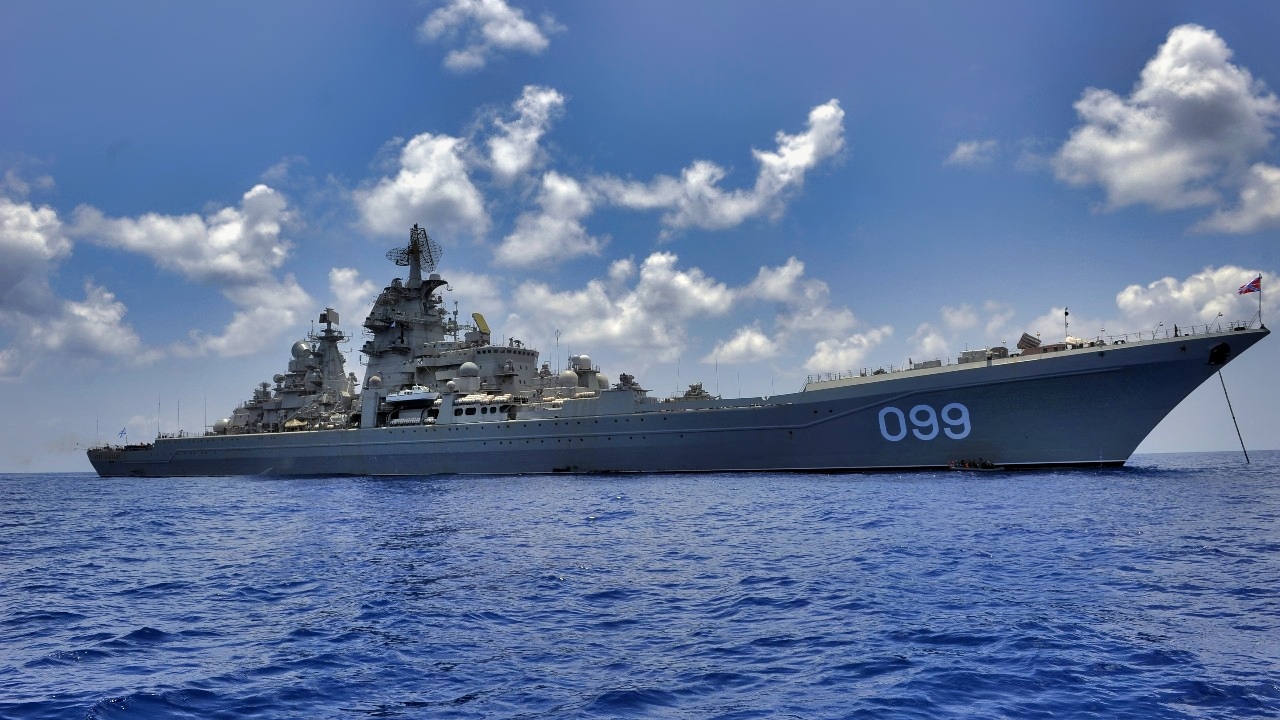
Kirov-Class Russian Navy. Image Credit: Creative Commons.
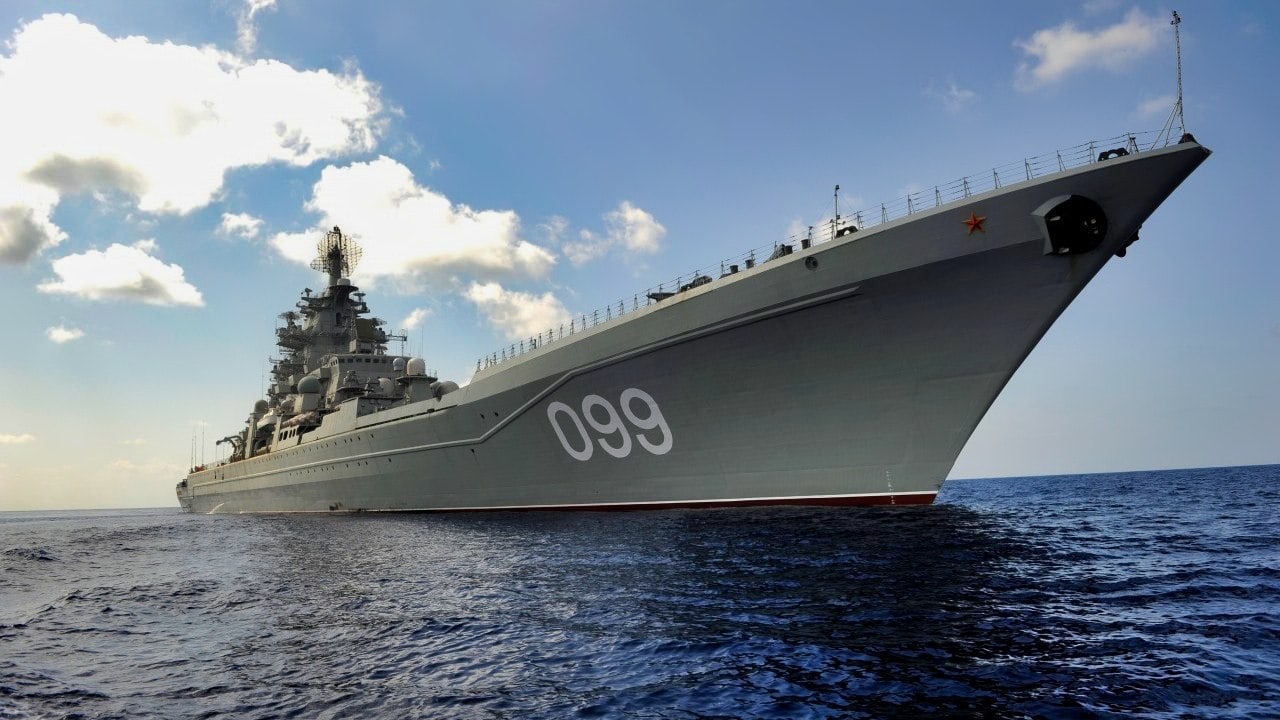
Kirov-Class Battlecruiser Russian Navy
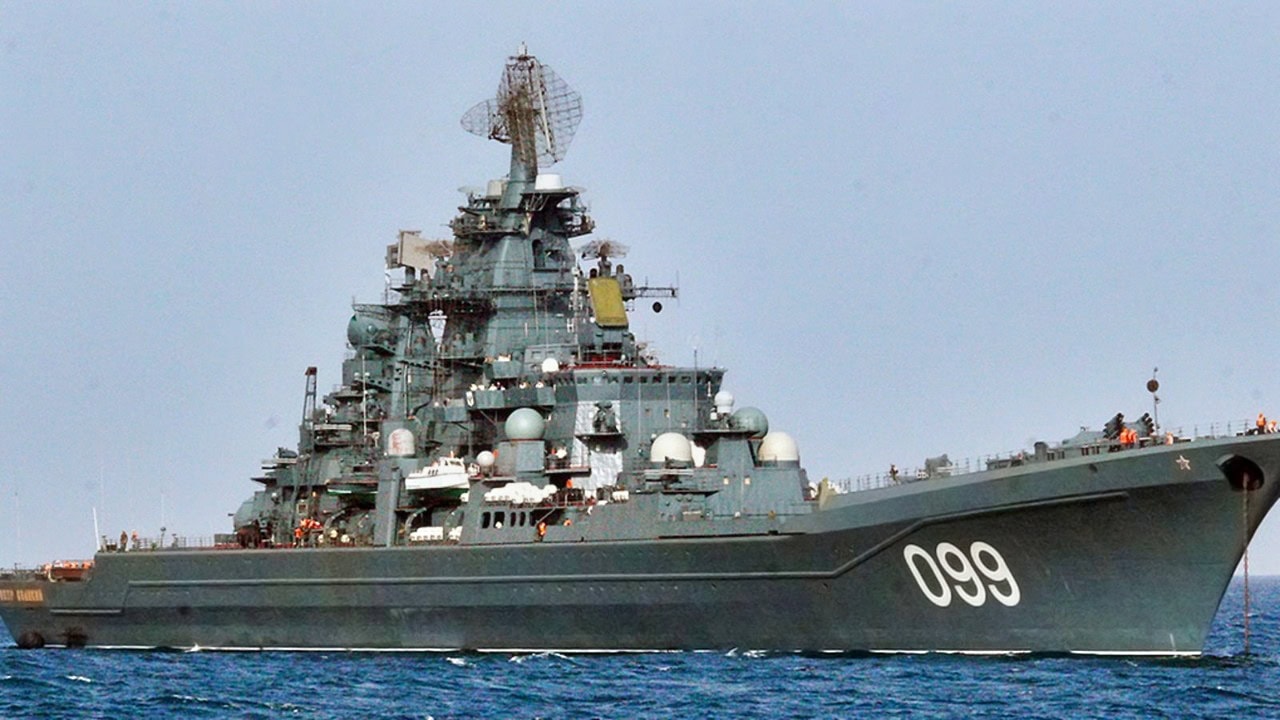
Kirov-Class Battlecruiser Russian Navy. Image Credit: Creative Commons.
Constructed at the end of the Cold War, the Admiral Nakhimov is a Kirov-class nuclear-powered battlecruiser. Displacing as much as 28,000 tons and measuring 823 feet long, the Nakhimov is larger than many World War II battleships (though smaller than a modern aircraft carrier).
Originally built to serve as a heavily armed fleet flagship, capable of hunting carrier strike groups and leading Soviet naval formations, the Nakhimov has not been deployed since 1997.
Decades of Modernization: Business & Industrial Challenges
Last deployed in 1997 and towed to Sevmash shipyard in 1999, the Nakhimov’s modernization was repeatedly delayed.
The original target—to return the vessel to service in 2018—obviously came and went. Now, eight years later, sea trials are finally beginning. Why so long? Because Russia effectively attempted to rebuild much of the ship around a modern missile architecture, one of the most ambitious naval modernization projects in Russian history.
With two pressurized-water nuclear reactors, the Nakhimov produces approximately 300 MW of thermal output and roughly 140,000 horsepower.
The advantages of the nuclear power plant are, obviously, a virtually unlimited range, sustained high-speed operations, and no dependence on frequent refueling. During the modernization, the reactors received new fuel and refurbishment—yet the underlying design still traces back to the Soviet era.
Missile Truck
The most significant feature of the Nakhimov is not the size or gun configuration, but the missiles.
Russia reports that the ship will now carry Tsirkon hypersonic missiles, Kalibr cruise missiles, and Oniks anti-ship missiles. If true, that means one vessel could simultaneously threaten warships, coastal targets, command centers, and logistics hubs. Russia claims that the Tsirkon can travel at hypersonic speeds exceeding Mach 8, leaving defenders very little reaction time.
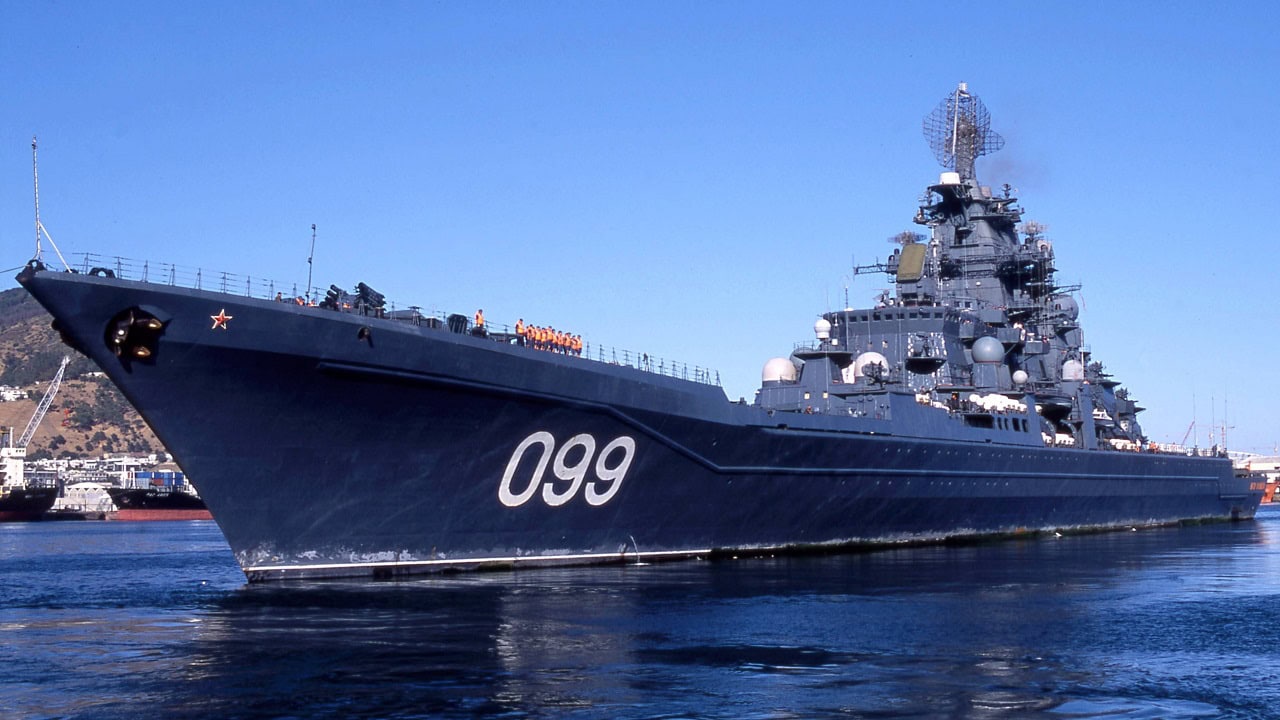
Russian Navy Kirov-Class Battlecruiser. Image Credit: Creative Commons.
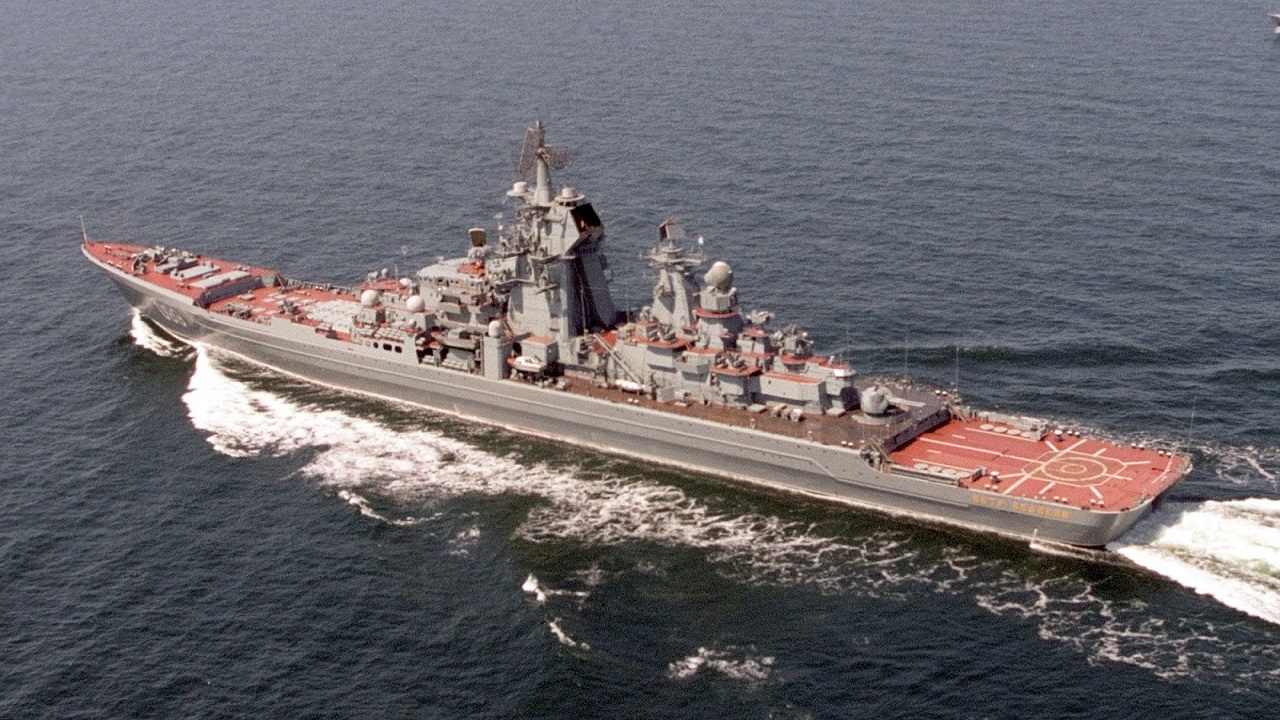
Kirov-Class battlecruiser. Image Credit: Creative Commons.
Backing the Battlecruiser
Most navies abandoned the battlecruiser concept. The US, for example, focused on aircraft carriers, destroyers, and submarines. China did the same. Russia, however, has chosen to field a heavily armed “missile truck,” concentrating enormous firepower within a single platform.
The Nakhimov embodies this approach, operating more like a floating arsenal of missiles than a traditional cruiser.
Strategic Implications
The Nakhimov will likely operate with Russia’s Northern Fleet, near the Barents Sea, Norwegian Sea, and North Atlantic approaches. This will be a concern for NATO—an adversarial vessel carrying large numbers of long-range missiles.
The Tsirkon missiles are especially concerning; if launched from northern waters, they could dramatically compress warning times for NATO naval forces. The Nakhimov is likely to become a centerpiece of Russia’s anti-access strategy in the Arctic and North Atlantic.
The Critics
Not everyone is impressed with the Nakhimov. Critics note that the project took decades while consuming enormous funding and shipyard capacity.
The ship also raises concerns about vulnerability, as modern warfare increasingly favors submarines, drones, and long-range missiles.
Therefore, some analysts question whether concentrating so much capability into one vessel was wise.
Changing of the Guard
Nakhimov’s return signals another change; its sister ship, the Pyotr Velikiy, appears headed for retirement and possible scrapping.
This suggests that Russia could be consolidating resources around one modernized battlecruiser rather than maintaining multiple aging giants.
This reflects the tension between Russia’s desire for enhanced capabilities and its limited budget and industrial capacity.
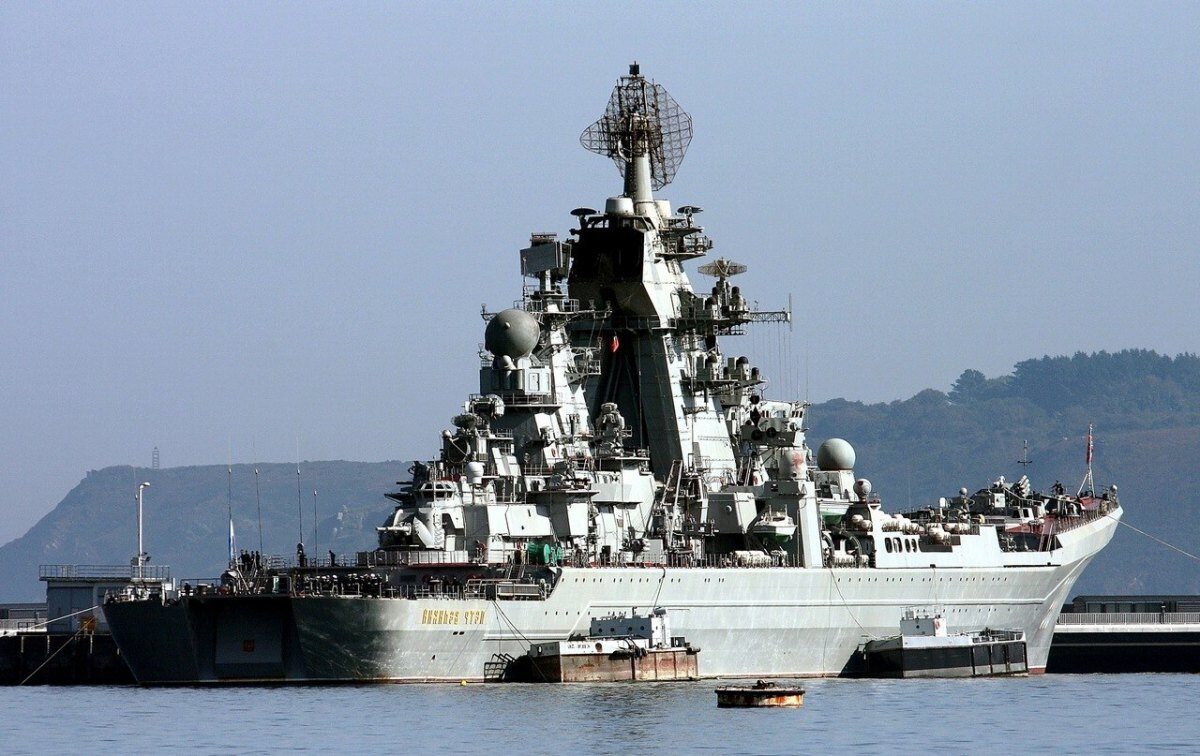
Kirov-Class. Image Credit: Creative Commons.
The Nakhimov’s return marks the end of one of the longest modernization efforts in modern naval history.
The ship combines Cold War size with nuclear propulsion and modern missile technology.
Whether that combination proves effective in the 21st century remains uncertain.
But what’s clear is that Russia is attempting to remain relevant in an era of missile-centric warfare.
For Moscow, the ship’s return represents a powerful symbol of resurgence. And for NATO, the ship represents another heavily armed variable in the northern waters.
MORE – Russia Soon Might Be a Navy with No Aircraft Carriers
About the Author: Harrison Kass
Harrison Kass is a writer and attorney focused on national security, technology, and political culture. His work has appeared in Tablet, City Journal, The Hill, The Spectator, and The Cipher Brief. He holds a JD from the University of Oregon and a master’s in Global & Joint Program Studies from NYU. More at harrisonkass.com.