
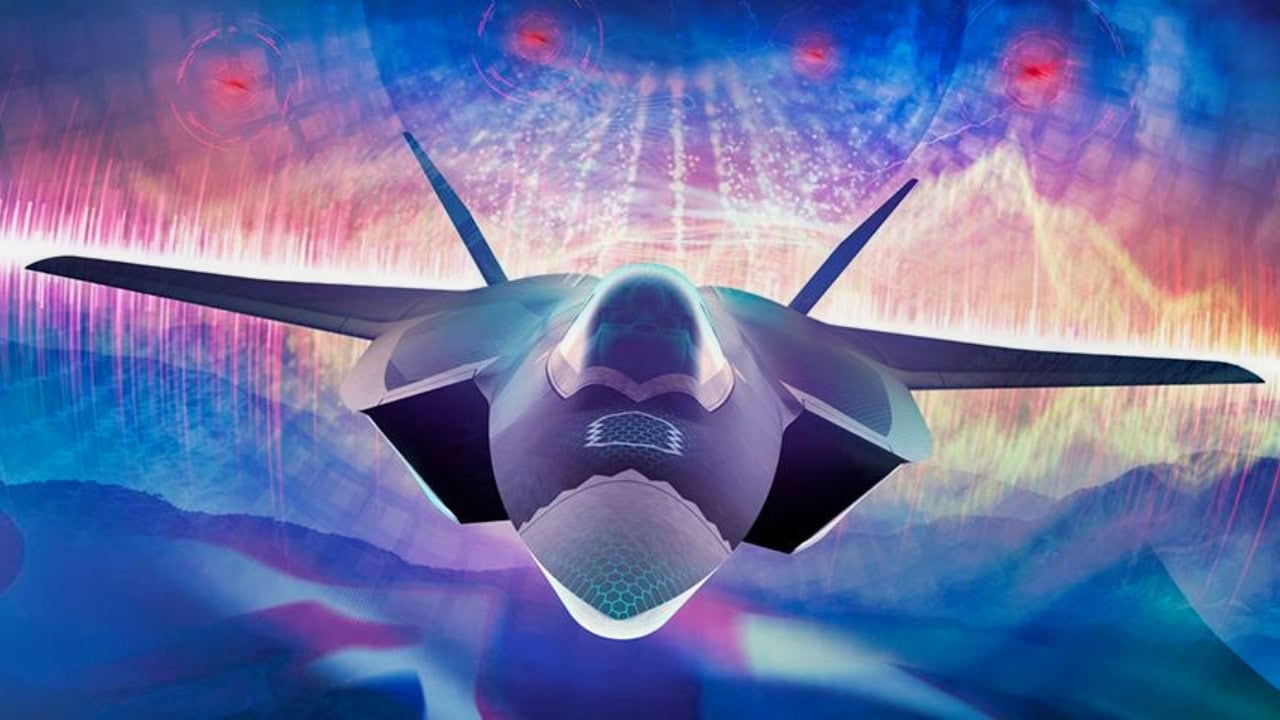
Just when you think the Canadian F-35 saga will end, a new development happens that surprises defense analysts. The Canadians are now interested in pursuing a different next-generation fighter jet.
While it initially committed to purchasing 88 F-35s and paying for the initial lot of 16, the military has changed its mind again.
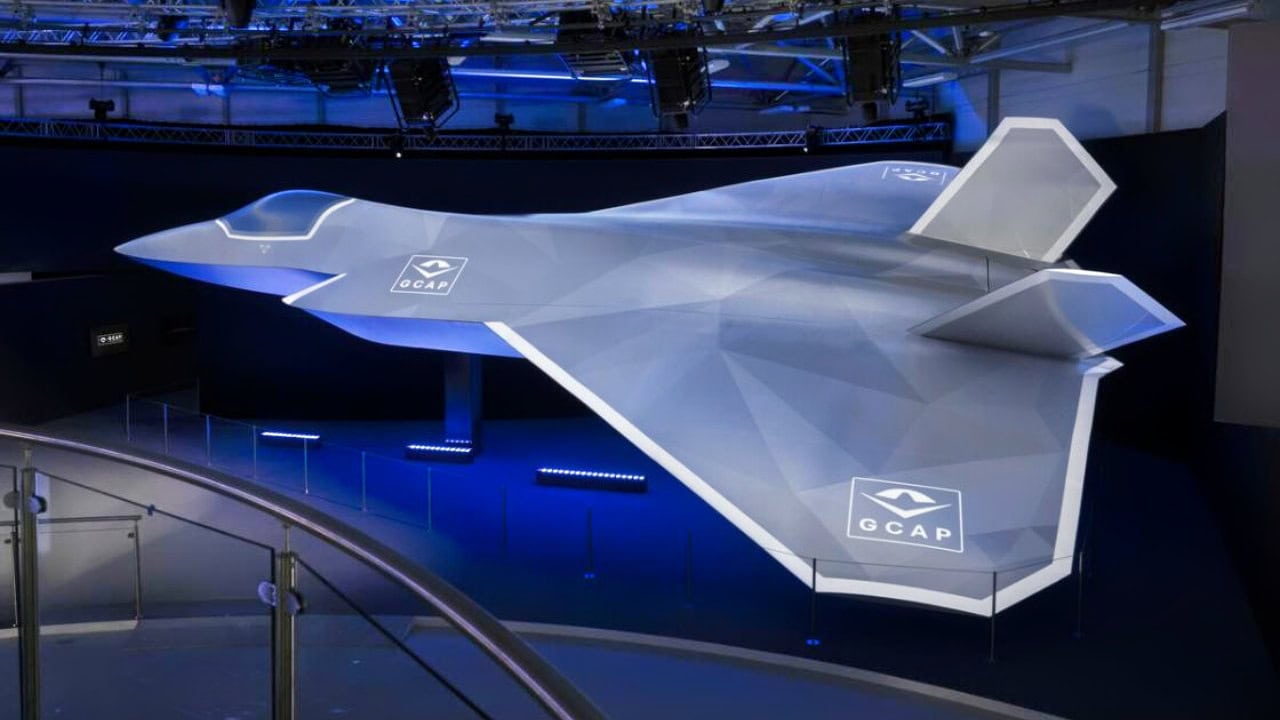
GCAP 6th Generation Fighter
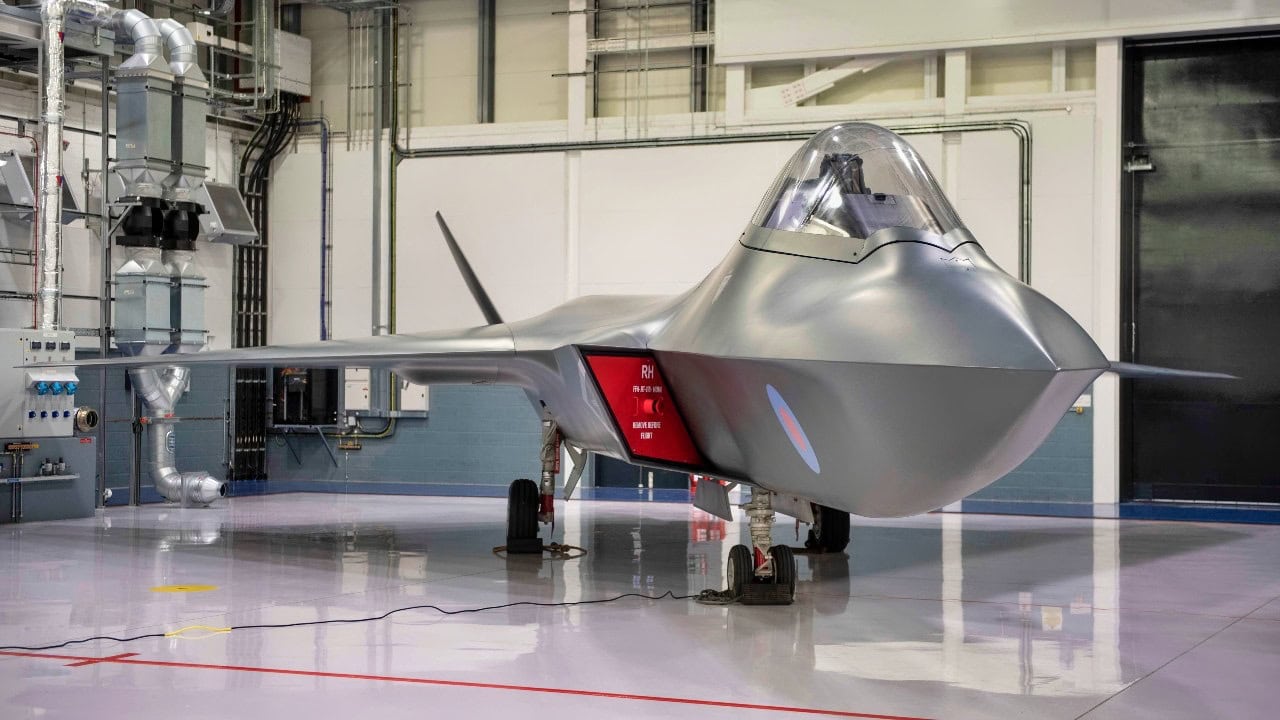
Image of the UK’s concept model for the next generation jet fighter “Tempest”, which was unveiled by Defence Secretary, at Farnborough International Air Show back in 2018.
Canada Eyes Observer Status with GCAP
The Canadian Ministry of Defense has its eye on a new potential jet. The air force from the Great White North is entering “observer status” in the Global Combat Air Program (GCAP) to support the production of a new sixth-generation fighter. The GCAP is a multinational effort that includes the United Kingdom, Japan, and Italy.
What Is the GCAP?
The GCAP airplane is designed to replace the Eurofighter Typhoon.
The much-hyped new fighter will be capable of manned-unmanned teaming and will control a Loyal Wingman drone to improve weapons systems and collect intelligence, surveillance, and reconnaissance data.
The GCAP fighter will have next-level avionics and perhaps artificial intelligence in the cockpit, and it could someday launch hypersonic weapons.
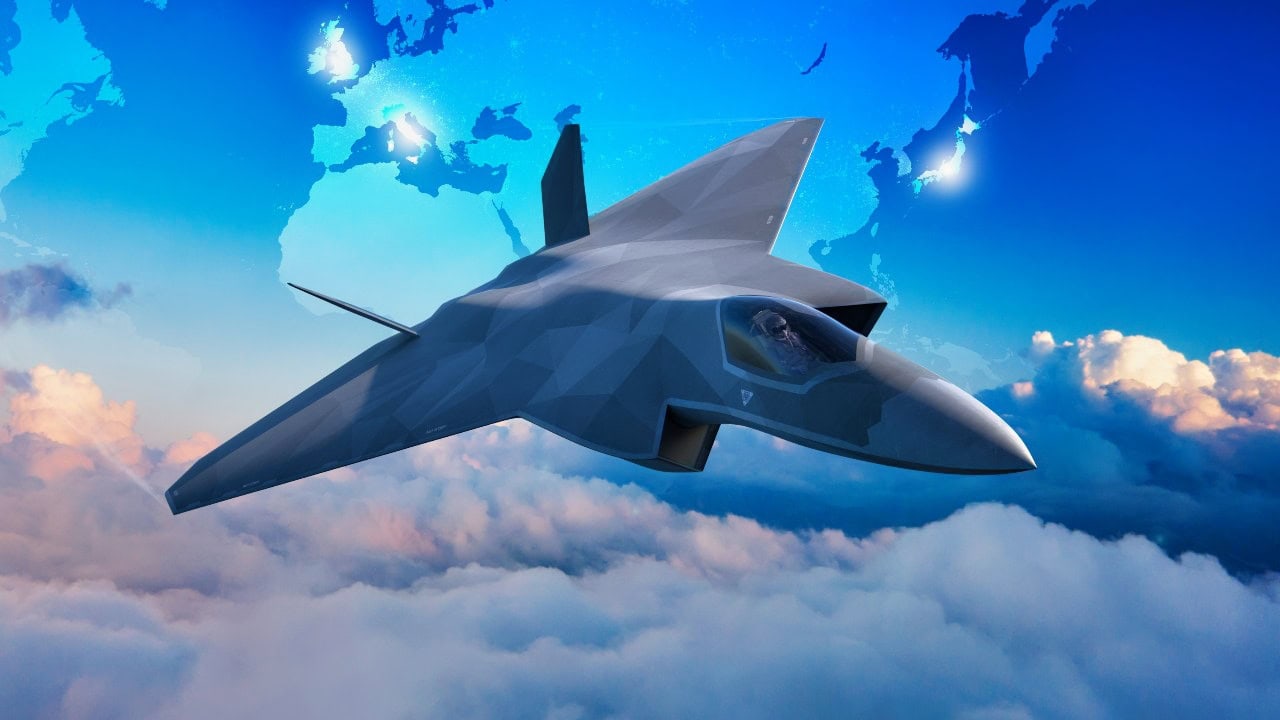
GCAP. Image Credit: Industry Handout.
The program touts its “system of systems” mantra and would make the air force sparkle.
“It’s a good move to anticipate where we need to be in the future so that we’re not playing catch-up,” retired Lieutenant General Christopher Coates, a former top NORAD commander, told CBC News.
GCAP Fighter Will Not Be Ready for Another Nine Years
The main issue with the GCAP fighter is that it will not enter service until 2035.
That means the Canadians must finally decide whether they are going to receive the full purchase of F-35s or rely on a new airplane until then.
The Swedes Have an Answer
The air force is kicking the tires on another option – the JAS 39 Gripen. The JAS 39 is a fourth-generation “+” or “++” fighter manufactured by Saab in Sweden.
This airplane is fast, with great avionics, a high thrust ratio, and an excellent climb rate.
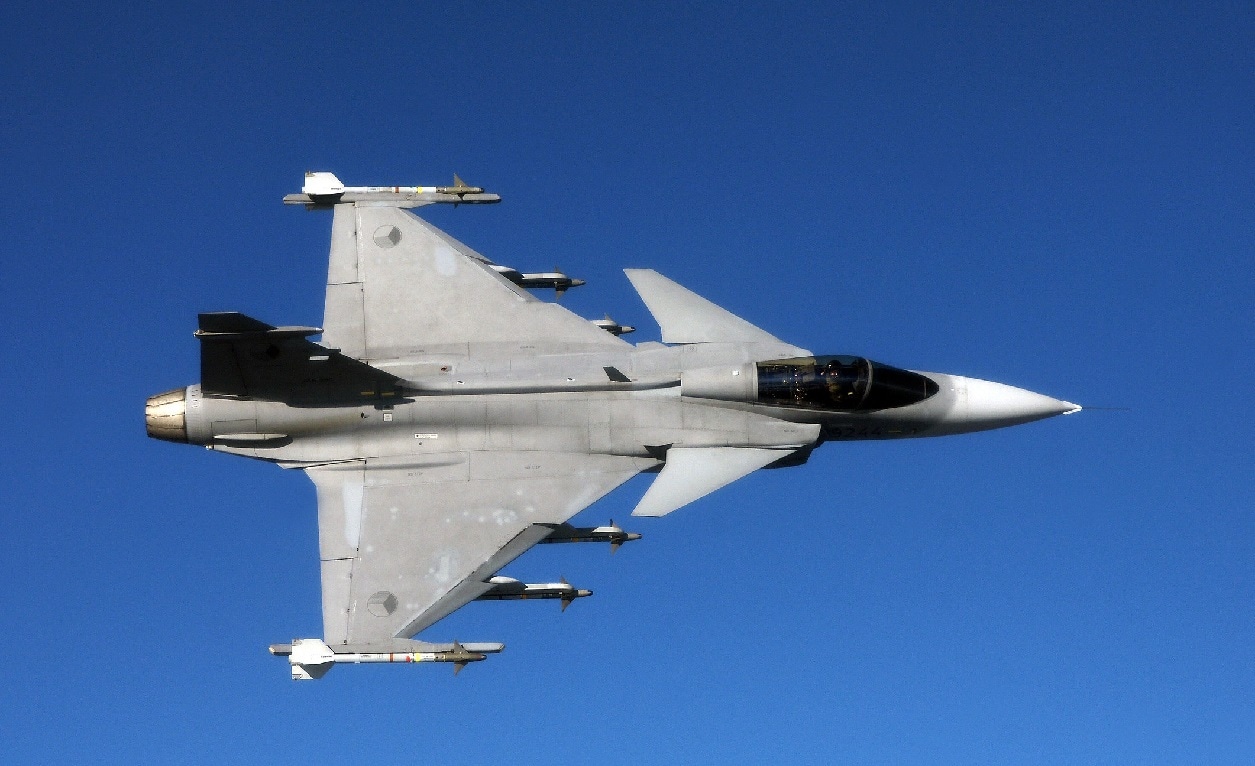
JAS 39 Gripen Fighter Jet. Image Credit: Creative Commons.
Perfect for Combat Patrols and Integration with NATO
The JAS 39 is perfect for the air policing mission that Canada needs to patrol its long borders and immense airspace.
The Gripen is also interoperable with existing NATO fighters and can work in tandem with older jets long in service with the Canadians, such as the CF-18 Hornet.
One downside of the JAS 39 is that it is not as stealthy as the F-35, but it does have ample radar-evading capabilities.
Sweetening the Pot
The Swedes are hounding the Canadians to order dozens of Gripens. Saab is even considering allowing Canada to assemble some JAS 39s indigenously.
This would create ample jobs for the economy, which needs a manufacturing boost.
What Will the Prime Minister Do?
The F-35 is also a great option for NATO interoperability as many members fly it. Canadian Prime Minister Mark Carney has the Lightning II agreement under review, and patience with the Americans is wearing thin as Canada looks at alternative options.
Trump’s Fighter Plane Diplomacy Leaves Much to Be Desired
Canada has had it with President Donald Trump, and this may hurt Lockheed Martin’s deal for the 88 F-35s. Canadians have been rankled by American tariffs and negative rhetoric from Trump, such as claims to make Canada the “51st State.”
This has some observers wondering what the Canadians will decide.
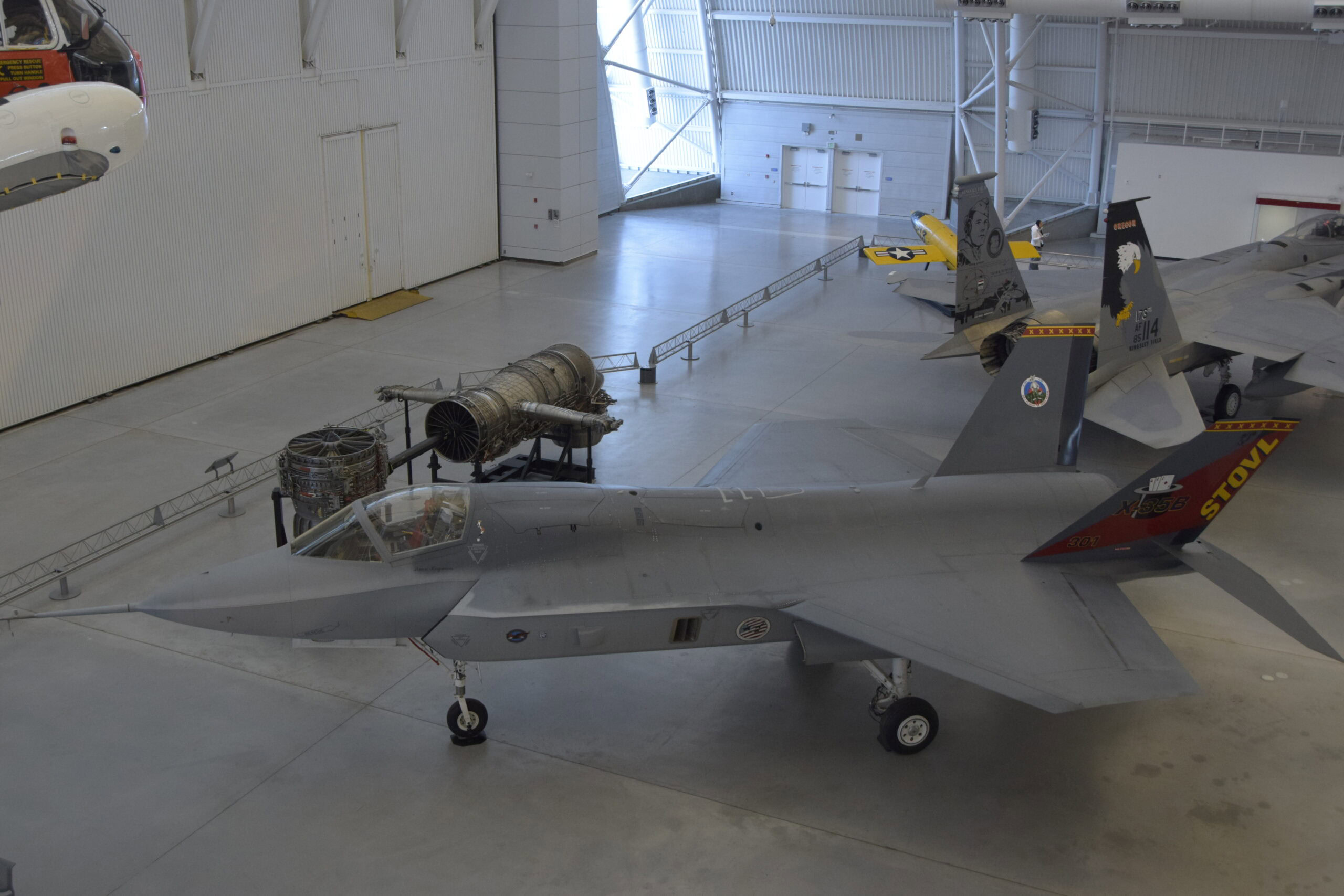
F-35 at the Smithsonian. Image Credit: 19FortyFive
The development with GCAP will frustrate the Americans, as they need steady production of F-35s to achieve better economies of scale and other manufacturing efficiencies.
The more F-35s Lockheed Martin makes, the lower the marginal cost of new fighters becomes.
Keeping Two or Three Fighters Could Be Problematic
Do not rule out the Swedes either. The JAS 39 is a quality airplane, but purchasing the Gripen alongside the Lightning II is challenging.
A mixture of both fighters would require pilots and ground crews to seek training in both America and Sweden. This would be an extensive period of tutelage regarding the operability and maintenance requirements for both airplanes.
The JAS 39 can take off from unimproved and shortened runways, so more Canadian air bases could fly house it around the country, but that would mean the Canadians would have to buy several dozen Gripens. That would leave the rest to be purchased from the United States.
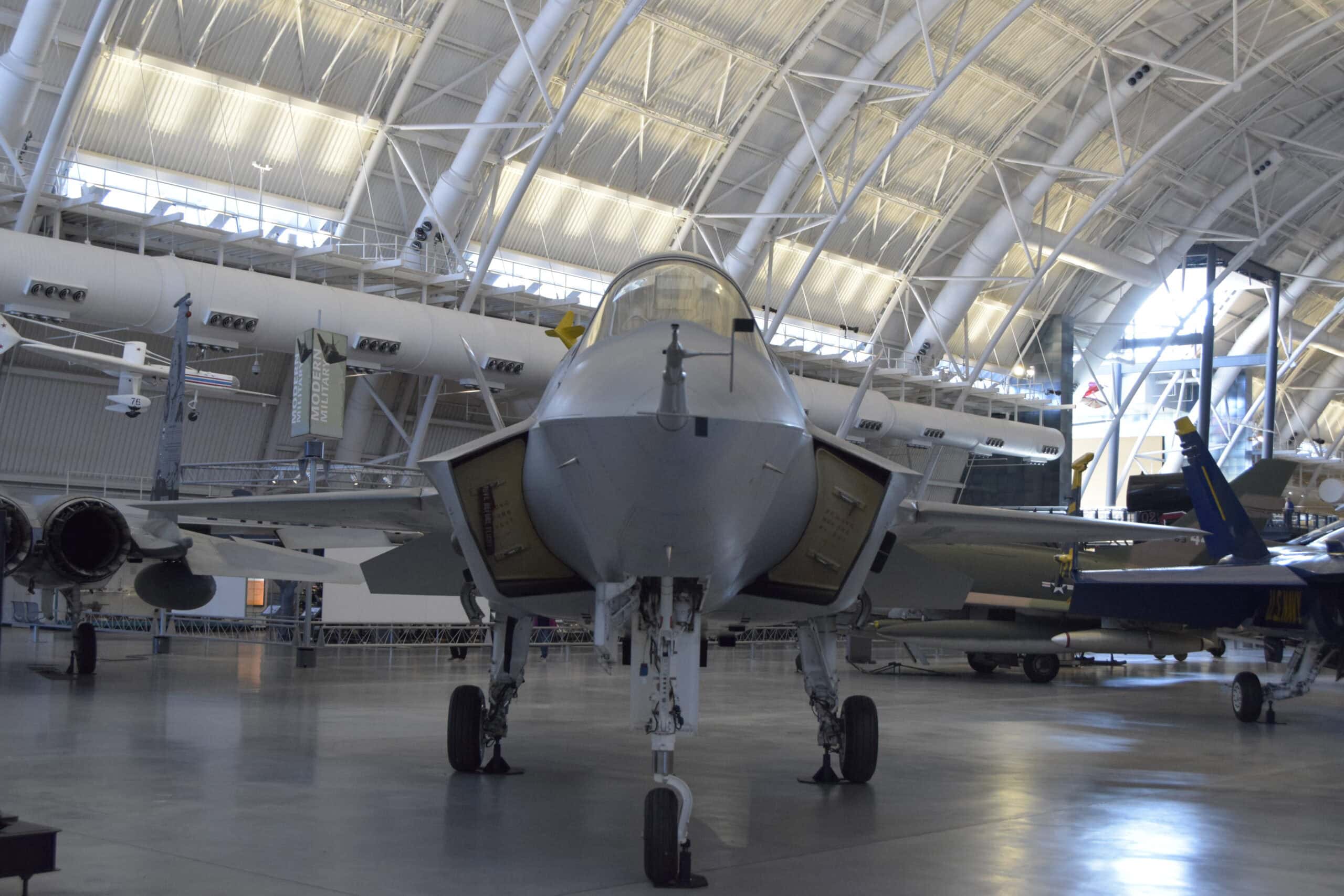
F-35 at the Smithsonian. Image taken on 7/8/2026 by 19FortyFive Staff.
Could Canada Buy More Than 88 Fighters?
Lt. Gen. Coates does not believe that Canada will forego the F-35. It may even end up purchasing more than 88.
But entry into the GCAP project is alluring to the Canadian air force, which has recently experienced a lean period while its fighter fleet becomes obsolete.
Canada Is In No Hurry to Choose
Canada prefers to keep its options open, though.
Relations between the United States and Canada have seen better days, and Europeans and Japanese are wondering whether now is the time to allow Canada to play a bigger role in developing the GCAP.
This is frustrating to the Americans and Swedes who have rolled out the red carpet for Canada to make a major aircraft deal.
Canada would like to join GCAP to observe how new technologies could help modernize its air force. GCAP would be an effective, stealthy tool against Russia, if needed, and the sixth-generation warbird could better protect its long borders.
The Swedes and Americans will just have to bide their time until the Canadians make a final decision on the F-35s and JAS 39 Gripens.
Both countries are tired of the delays and wishy-washiness from Ottawa.
We’ll keep covering these developments. Who knows? The Canadian air force could become one of the best in the world with a combined fleet of F-35s, JAS-39s, and the final GCAP variant.
About the Author: Brent M. Eastwood, PhD
Author of now over 3,500 articles on defense issues, Brent M. Eastwood, PhD, is the author of Don’t Turn Your Back On the World: A Conservative Foreign Policy and Humans, Machines, and Data: Future Trends in Warfare, plus two other books. Brent was the founder and CEO of a tech firm that predicted world events using artificial intelligence. He served as a legislative fellow for US Senator Tim Scott and advised the senator on defense and foreign policy issues. He has taught at American University, George Washington University, and George Mason University. Brent is a former US Army Infantry officer. He can be followed on X @BMEastwood.