
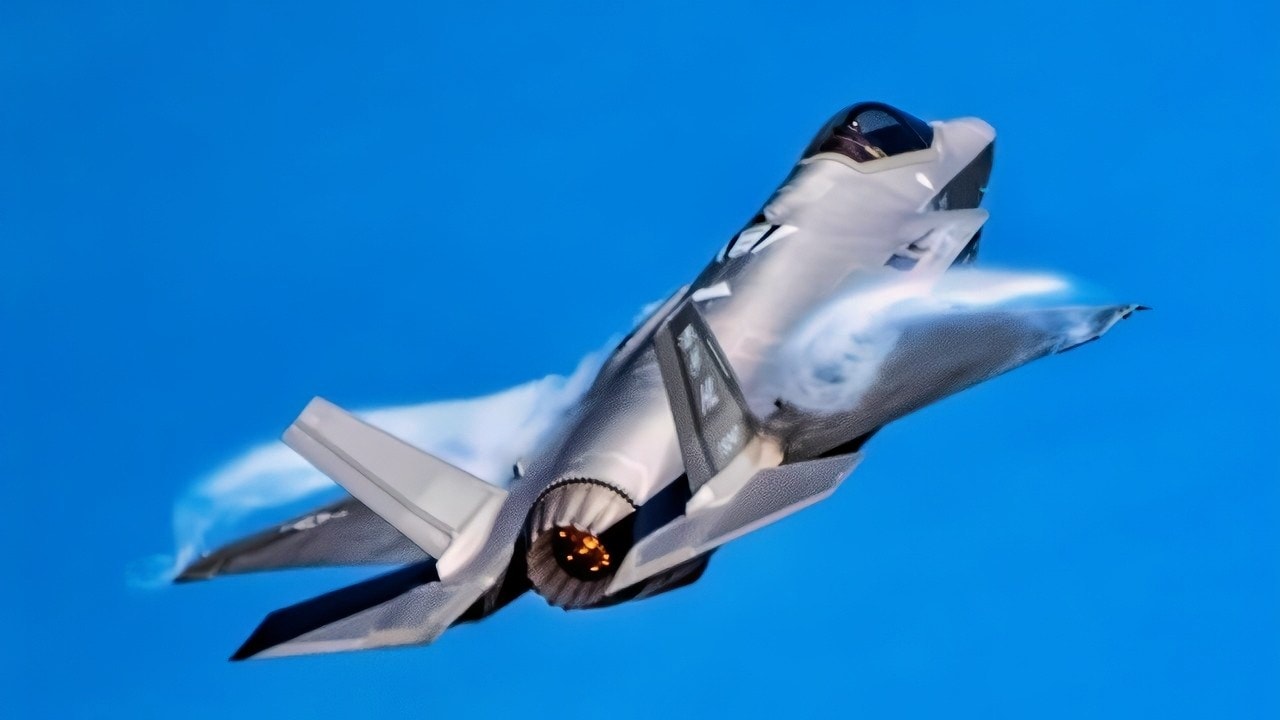
Canada Buys Joint Strike Missiles for Future F-35 Fleet: Canadian Prime Minister Mark Carney announced on July 9, during the 2026 NATO Summit in Ankara, Turkey, that Canada will spend approximately C$800 million ($564 million USD) to purchase Joint Strike Missiles (JSMs) from Norwegian defense company Kongsberg Defence & Aerospace for the Royal Canadian Air Force’s planned F-35A Lightning II fighter jet fleet.
The acquisition makes Canada the sixth country to select the long-range precision-guided missile, following announcements from Norway, Japan, Australia, the United States, and Germany. Ottawa has not yet disclosed how many missiles it plans to purchase, but the weapon will give Canada’s F-35 fleet the ability to strike both ships and land targets from stand-off range. The missiles can also be carried internally, allowing the F-35 to maintain its stealthiness – one of the key characteristics that make the fifth-generation fighter the most advanced in the world.
The announcement comes as Canada continues to review its long-term fighter procurement plans, with Ottawa still considering operating a mixed fleet of Swedish Gripens alongside its already procured F-35s. Although Ottawa remains contractually committed to at least its first 16 F-35 aircraft, it has not confirmed whether it will complete the original purchase of 88 fighters signed in 2023.
Canada Awards Kongsberg Contract
The new Joint Strike Missile contract was first announced by Kongsberg at the end of June, before it was officially unveiled by Prime Minister Carney during the NATO summit in Ankara. The procurement is just one of a number of announced plans to bolster Canadian defensive capabilities announced by the prime minister, alongside investments in Arctic military satellite communications and a new plan for Light Utility Vehicles.
Kongsberg said that integrating the missile with Canada’s future fighter fleet would provide the Royal Canadian Air Force with a “critical operational advantage.”
“We are pleased to welcome Canada as the sixth country to select the JSM. The acquisition of the Joint Strike Missile can fundamentally improve the operational range and effectiveness of Canada’s fighter fleet. In addition to delivering world-class defence technology, KONGSBERG is committed to contributing to industrial growth in the country,” Kongsberg CEO Eirik Lie said in a statement.
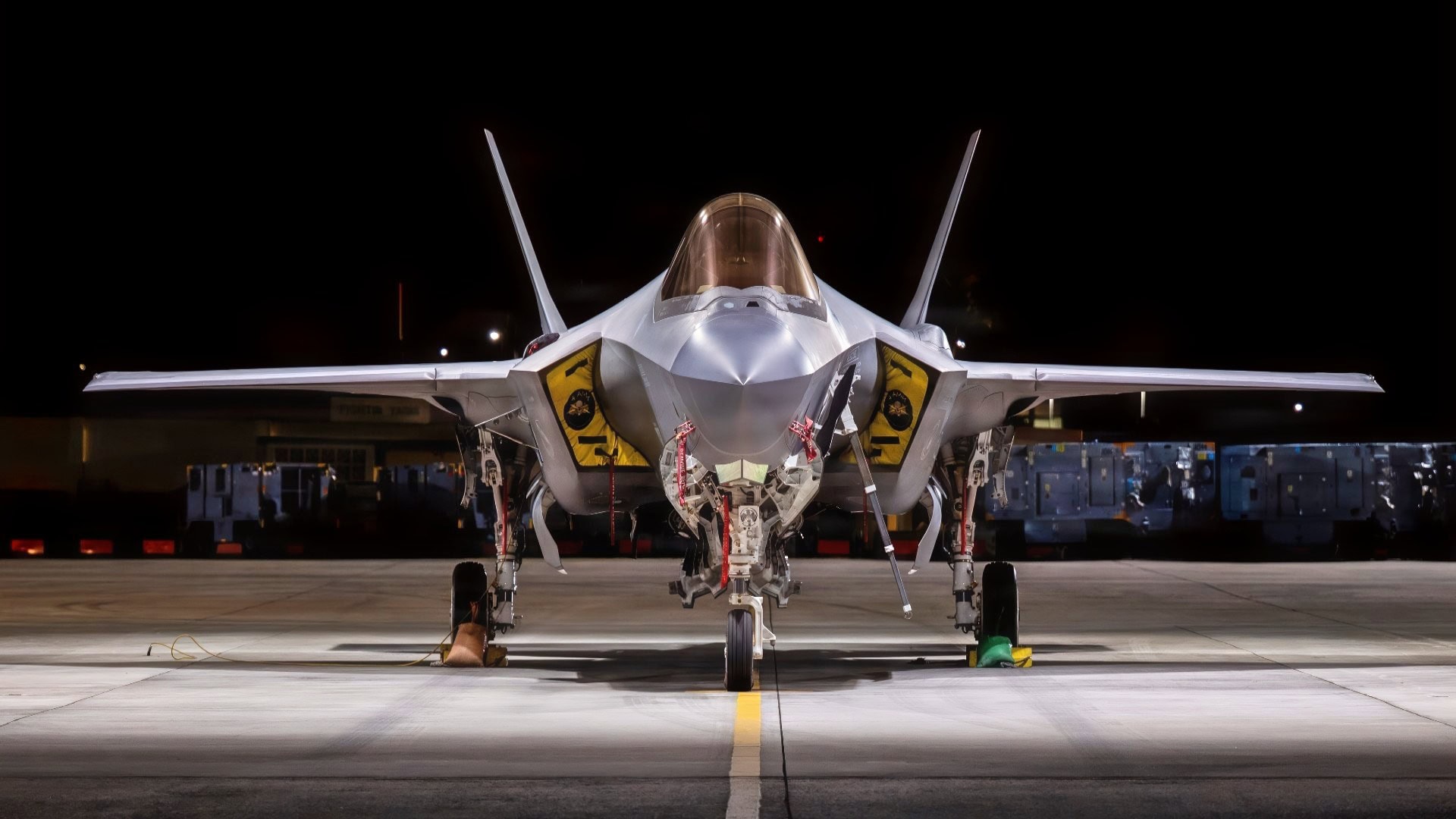
An F-35A Lightning II assigned to the 4th Expeditionary Fighter Squadron, deployed to Kadena Air Base, sit on the flight line during base-wide operational readiness exercise BH 26-1 at Kadena Air Base, Japan, Nov. 3, 2025. Kadena serves as a critical element in deterring potential adversaries through its demonstrated strength and commitment to regional security.
(U.S. Air Force photos by Senior Airman Jonathan Sifuentes)
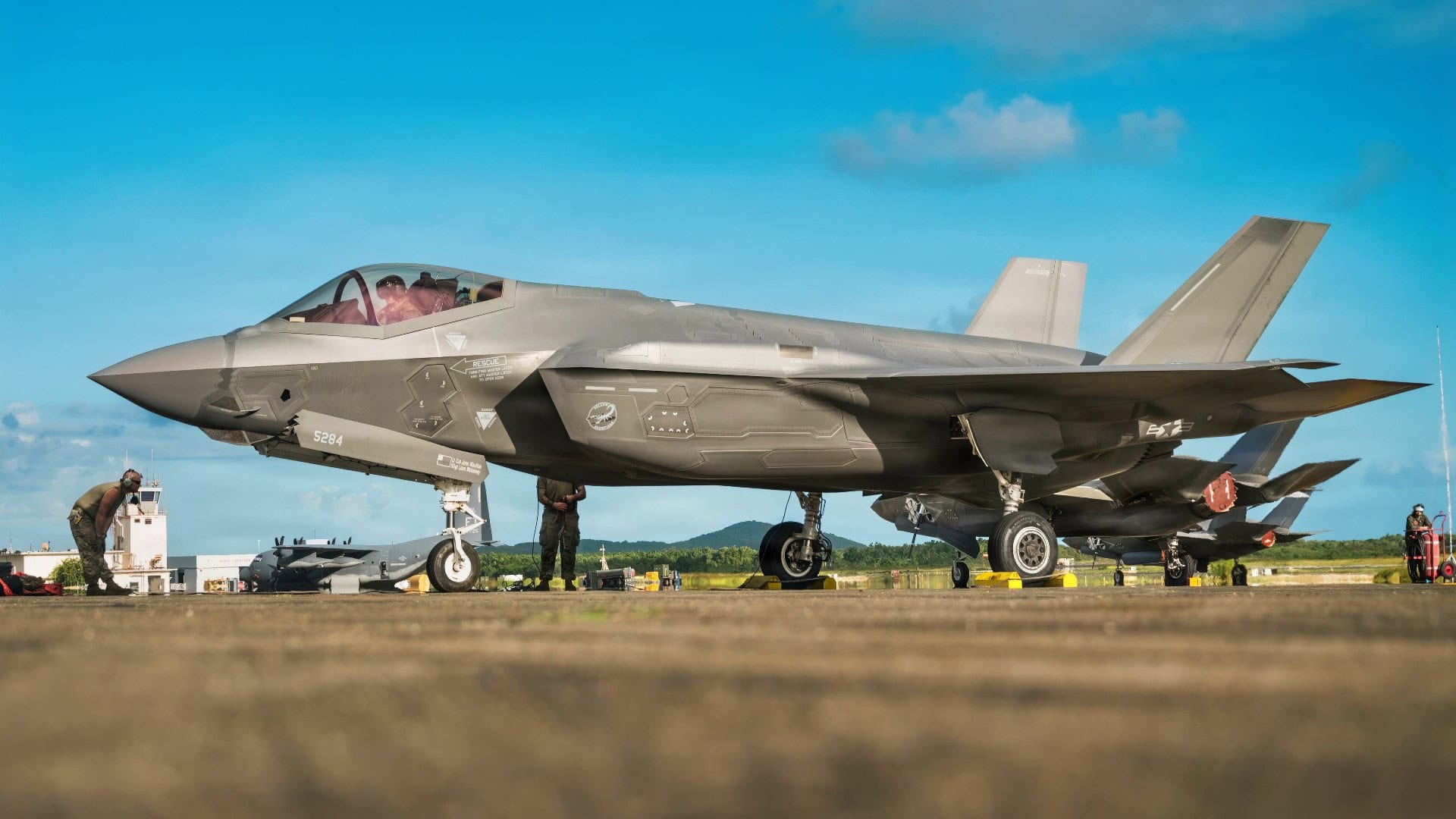
U.S. Air Force crew chiefs perform post flight maintenance on an F-35A Lightning II after its first arrival in Ceiba, Puerto Rico, Dec. 20, 2025. U.S. military forces are deployed to the Caribbean in support of the U.S. Southern Command mission, Department of War-directed operations, and the president’s priorities to disrupt illicit drug trafficking and protect the homeland. (U.S. Air Force photo)
The Norwegian defense company also announced a number of investments in Canada through the government’s Industrial and Technological Benefits Policy, stating that the firm intends to support domestic job creation and partnerships between industry and Canadian universities. The new deals will support Canada’s F-35 fleet that is expected to reach full operational capability by 2034.
Designed Specifically for the F-35
Unlike most stand-off cruise missiles currently in service, the Joint Strike Missile was designed from the outset to fit inside the F-35’s internal weapons bays and allow the aircraft to maintain its low-observable configuration while carrying long-range strike weapons.
It is an advantage not offered by larger missiles such as the AGM-158 Joint Air-to-Surface Standoff Missile (JASSM) or the AGM-158C Long Range Anti-Ship Missile, both of which are too large for internal carriage.
Developed by Kongsberg from its Naval Strike Missile, the JSM is approximately four meters long and weighs 416 kilograms. It carries a warhead weighing roughly 120kg and has a reported range of over 350 kilometers. The missile also combines GPS and inertial navigation and features terrain-reference guidance and an automatic target recognition system. Its two-way datalink also allows operators to upgrade targeting information after launch or redirect the missile while it is in flight.
The F-35 can reportedly carry two JSMs internally while still retaining air-to-air missiles.
A New Strike Capability for Canada
The purchase is a significant upgrade for Canada, expanding the future role of the country’s F-35 fleet beyond air defense.
Canadian pilots will be able to use the aircraft’s radar and electronic warfare suite, as well as its sensor-fusion capabilities, to detect and track hostile targets before launching precision attacks from outside enemy air defenses.
The missile is capable of engaging both maritime and land targets, meaning that the same weapon can be used to target everything from surface warships and coastal missile batteries to integrated air defense systems and high-value military infrastructure.
And because the missile remains inside the aircraft, the F-35 can maintain its reduced radar signature, meaning Canadian forces can make full use of the investment in U.S. fighter technology, whether it’s a full or mixed fleet.
Why It Matters
The acquisition carries significance beyond the missile itself, as the government’s review of its planned F-35 procurement continues. It gives Canada access to a weapon already chosen by several major F-35 operators, meaning Ottawa will not need to develop a uniquely Canadian system and build the necessary training and support pipeline around it.
Operating the same missile as the U.S., Norway, Australia, Japan, and Germany will allow Canada to draw on a large allied supply base and participate more easily in joint procurement and software upgrades, weapons testing, and exercises, building on the advantage of operating the same fighter platform as many of the country’s NATO allies.
The benefit extends beyond testing, too, allowing Canada to integrate with peer forces during a potential future conflict when replacement missiles and spare parts need to be sourced quickly.
About the Author: Jack Buckby
Jack Buckby is a British researcher and analyst specializing in defense and national security, based in New York. His work focuses on military capability, procurement, and strategic competition, producing and editing analysis for policy and defense audiences. He brings extensive editorial experience, with a career output spanning over 1,000 articles at 19FortyFive and National Security Journal, and has previously authored books and papers on extremism and deradicalization.