

The United States continues its military buildup off the coast of Iran as the impasse continues over both the Strait of Hormuz and the Islamic Republic’s nuclear program.
Iranian Foreign Minister Abbas Araghchi declared in an interview that the Islamic Republic would never make even temporary concessions under fire, and that it saw no reason to reopen the Strait of Hormuz.
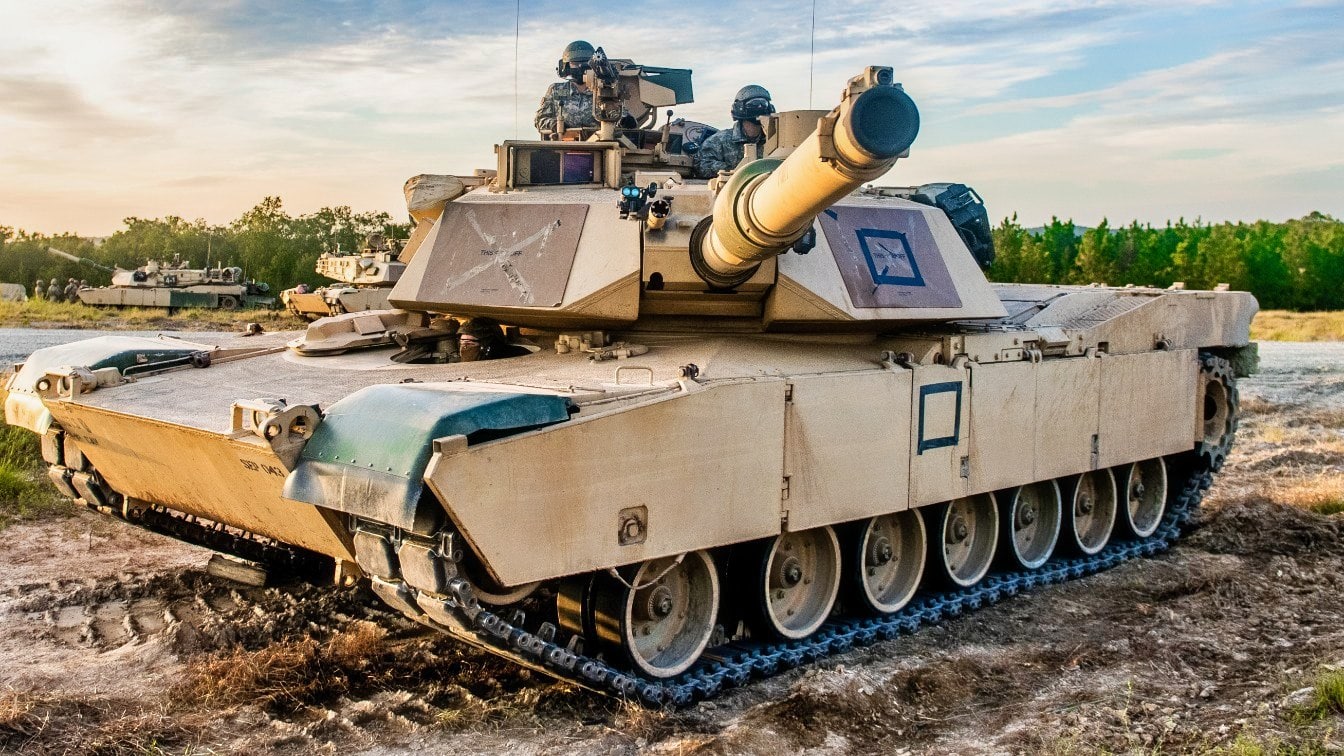
FORT BENNING, Ga. – Students in Armor Basic Officer Leader Course Class 20-005 conduct a platoon situational training exercise, Sept. 22, 2020, at Good Hope Maneuver Training Area on Harmony Church. Students train as both an attacking force and a defending force using the U.S. Army’s M1 Abrams Main Battle Tank. (U.S. Army photo by Patrick A. Albright, Maneuver Center of Excellence and Fort Benning Public Affairs)
“The enemy began from [demanding] ‘unconditional surrender’ and reached a point in which the two sides both acted as superpowers,” Araghchi explained.
While the Central Intelligence Agency continues to take Araghchi at his word and leak about the futility of military force in a way that emboldens the Islamic Republic further, it ignores military options the United States has but has yet to deploy.
During his recent television interview, for example, Araghchi acknowledged, “The regime would collapse if all members of the Supreme National Security Council are hit, which is why they never met at once during the war.”
Likewise, if Trump seeks to end Iran’s ability to harass shipping with its own small boats and short-range drones, the antidote could be placing boots on the ground to prevent the Islamic Revolutionary Guard Corps from accessing the coast.
What might U.S. boots on the ground look like and, as important, how might ordinary Iranians react to American troops on Iranian territory?
Would the United States Pursue an Island Strategy?
Putting troops on the ground in Iran would not be the first time a U.S. president has initiated conflict with a promise that ground forces would not be necessary, only to change his mind.
In 1999, President Bill Clinton began his air campaign against Serbia to compel an end to its ethnic cleansing of Kosovar Albanians with a promise that he would not insert American troops into the region.
Just a few months later, however, he changed his mind, though it then took several weeks to get all the equipment in place.
The question Trump must answer is what ground would the U.S. occupy? There is neither mood nor strategic reason for an Iraq war redux, nor, frankly, does the United States have the manpower: Iran is almost four times the size of Iraq.
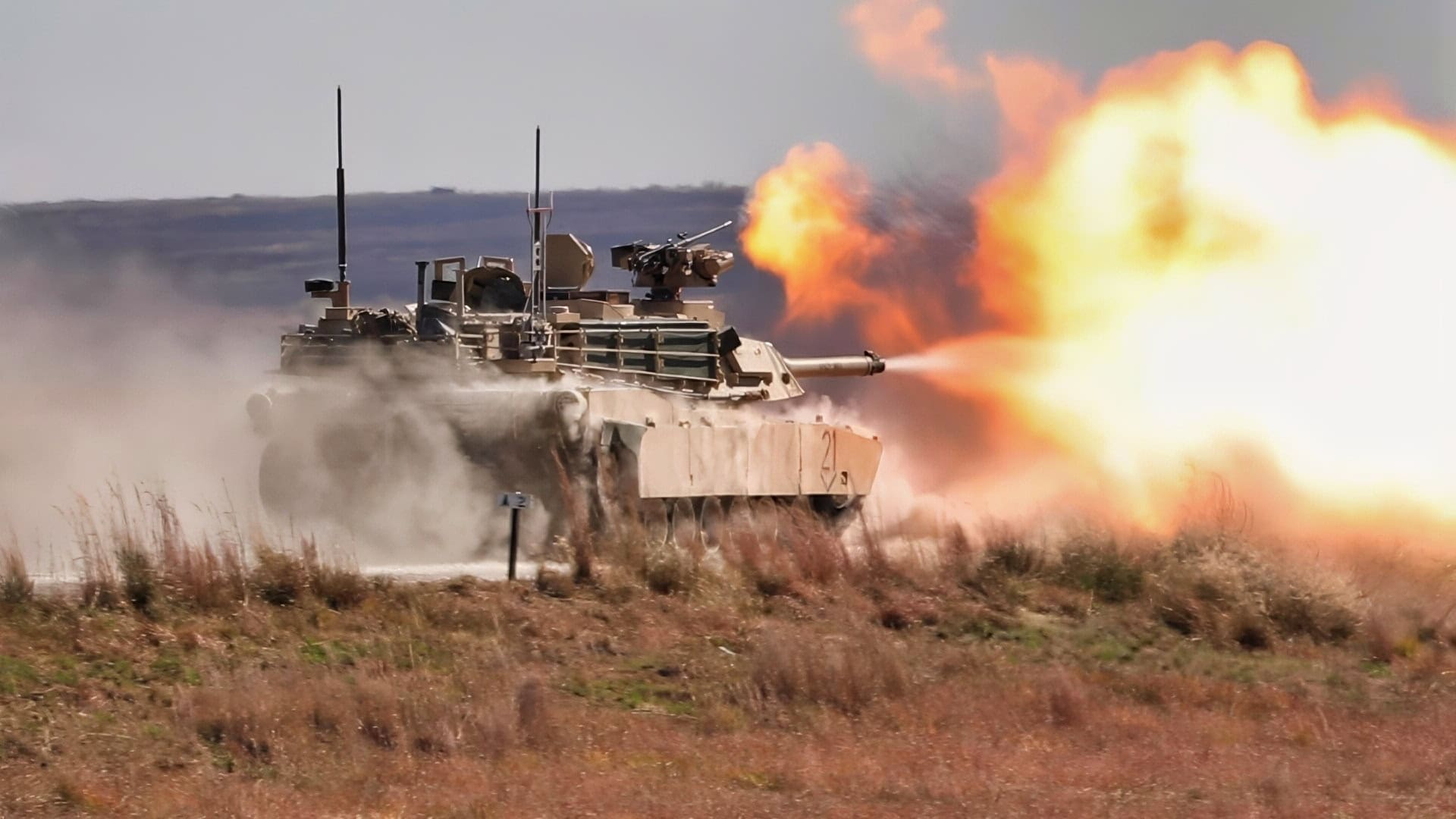
An M1A1 Abrams tank operated by Soldiers with the 2nd Battalion, 70th Armored Regiment, 2nd Armored Brigade Combat Team, 1st Infantry Division, fires while moving at the Douthit Gunnery Complex on Fort Riley, Kansas, Oct. 19, 2022. The tank crew was conducting gunnery for qualification. (U.S. Army photo by Sgt. Jared Simmons)
Rather, the first decision Trump must answer is whether he intends to put U.S. forces on the mainland or simply occupy the Iranian islands in the Persian Gulf.
Trump planners previously discussed taking Kharg Island, from which Iran exports more than 95 percent of its oil, but stopped short of landing forces on it for fear that the Islamic Revolutionary Guard Corps would rain down artillery from the Zagros mountains, just a couple of dozen miles away.
Kharg is economically important, but strategically less so since it is closer to Iraq and Kuwait than the Strait of Hormuz.
Much more important for control of the Strait would be the three islands Iran occupies but the United Arab Emirates claims: Abu Musa, Greater Tonb, and Lesser Tonb.
The Revolutionary Guards occupy all three. Abu Musa has also hosted a depot for Iran’s chemical weapons.
Trump might defer these islands to the Emirati military to occupy, and instead concentrate U.S. forces on Qeshm Island, which hosts underground weapons storage, drone bases, and fast-attack small boats.
Other islands might be relatively easy to seize, especially if Iranian forces are not able to resupply.
The Iranian forces who detained American sailors in January 2016 launched from Farsi Island. U.S. Marines might also take Kish Island, the center of a free trade zone that the Revolutionary Guards uses to launder money.
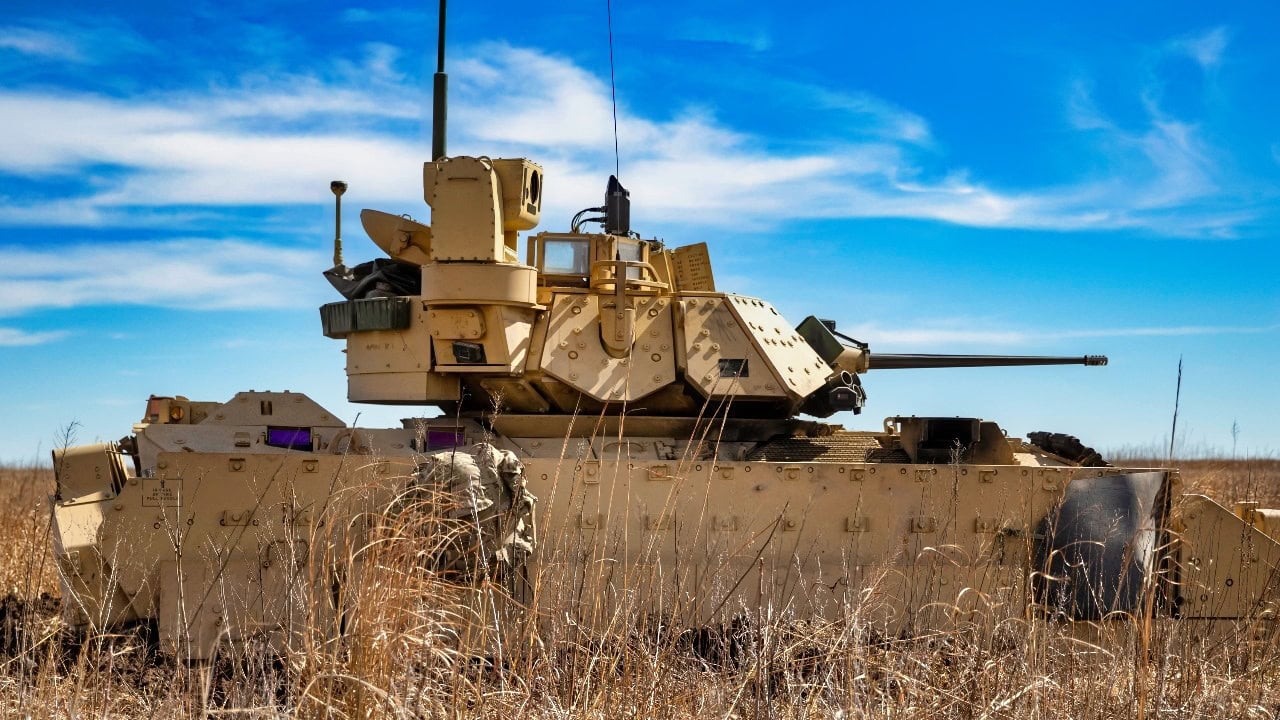
U.S. Army Soldiers with the 3rd Battalion, 66th Armored Regiment, 1st Infantry Division, participated in a battalion wide training event consisting of attacking and defending Bradley Fighting Vehicles and M1 Abrams Main Battle Tanks, on Fort Riley, February 4, 2024. The defending teams dug hasty trench defenses to further conceal and provide cover for their tanks. (U.S. Army Photo by Spc. Kenneth Barnet)
Could the United States Enter Mainland Iran?
The more ambitious strategy the United States might take is to occupy all Iranian ports on the Persian Gulf coast.
While the Iranian coastline (discounting the Caspian) is approximately 1,120 miles, there are relatively few ports given both the terrain and the fact that Persian civilization grew within the Iranian plateau rather than along coasts and rivers.
Beyond Bandar Abbas, Bushehr, and Abadan, there are only about ten smaller port towns, some of which, like Qeshm and Bandar Sirik, are on islands and many of which the United States or Israel have already decimated.
Still, taking mainland ports would raise other complications: Given Iran’s mountainous coastlines, the question is whether U.S. officials would drive inland to seize the high ground, furthering the U.S. footprint.
There are precedents. In 1856, the British Army landed in Bushehr and drove inland, not to hold territory but rather to trade it for concessions along Iran’s border with Afghanistan.
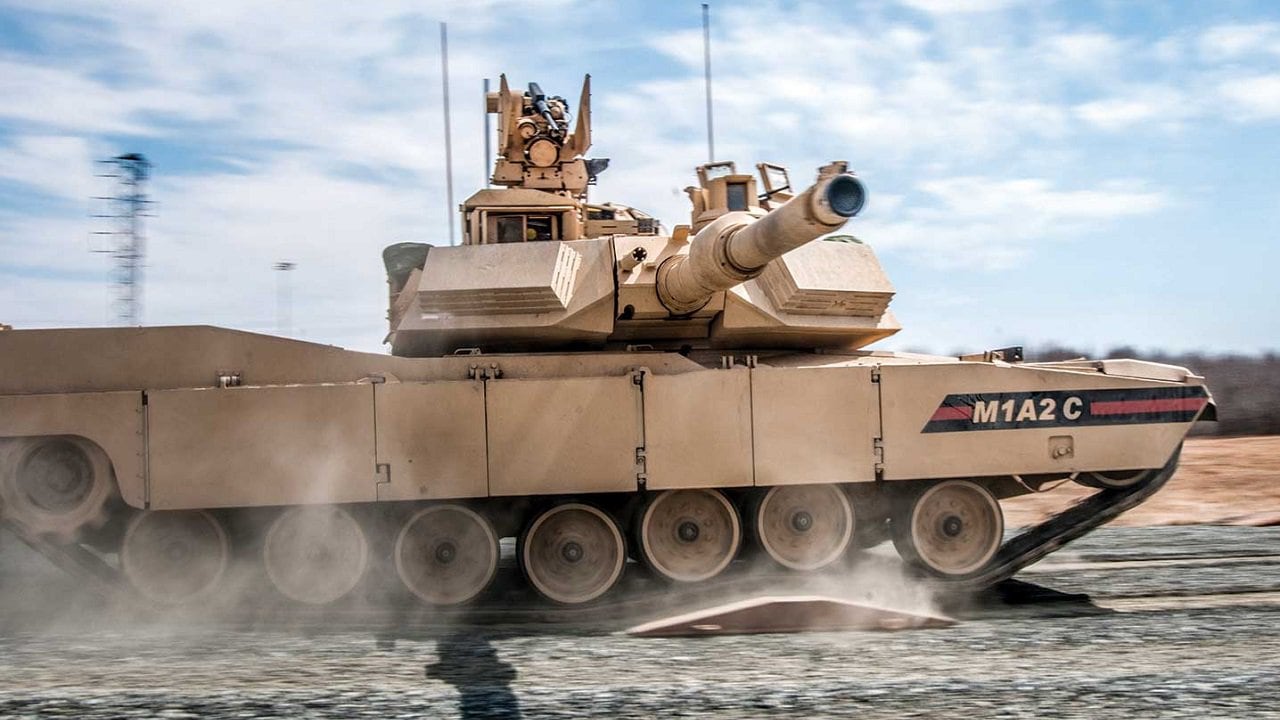
The Abrams Main Battle Tank closes with and destroys the enemy using mobility, firepower, and shock effect.
Iranians may be nationalistic, and they certainly resented British predations and bullying, but it does not automatically follow that they will rally against all occupations.
They rallied against Iraq’s 1980 invasion of Iran because Iraqi President Saddam Hussein wanted to annex Iranian territory.
But when the United States occupied portions of Iran between 1941 and 1945 as part of the “Persian Corridor,” few Iranians reacted, let alone launched an insurgency. At the time, they did not see the American motivation as imperialistic.
Would the Israelis Join?
What is certain is that if American troops land on Iranian territory, it will be delicate.
While the Israel Defense Forces and U.S. military coordinated in both the June 2025 war and Operation Epic Fury eight months later, the White House has publicly demanded the Israelis stand down in the looming conflict.
Driving the White House turn on Israel might be a recognition that while Iranians could tolerate Americans on Iranian territory, they are not ready to accept Israelis.
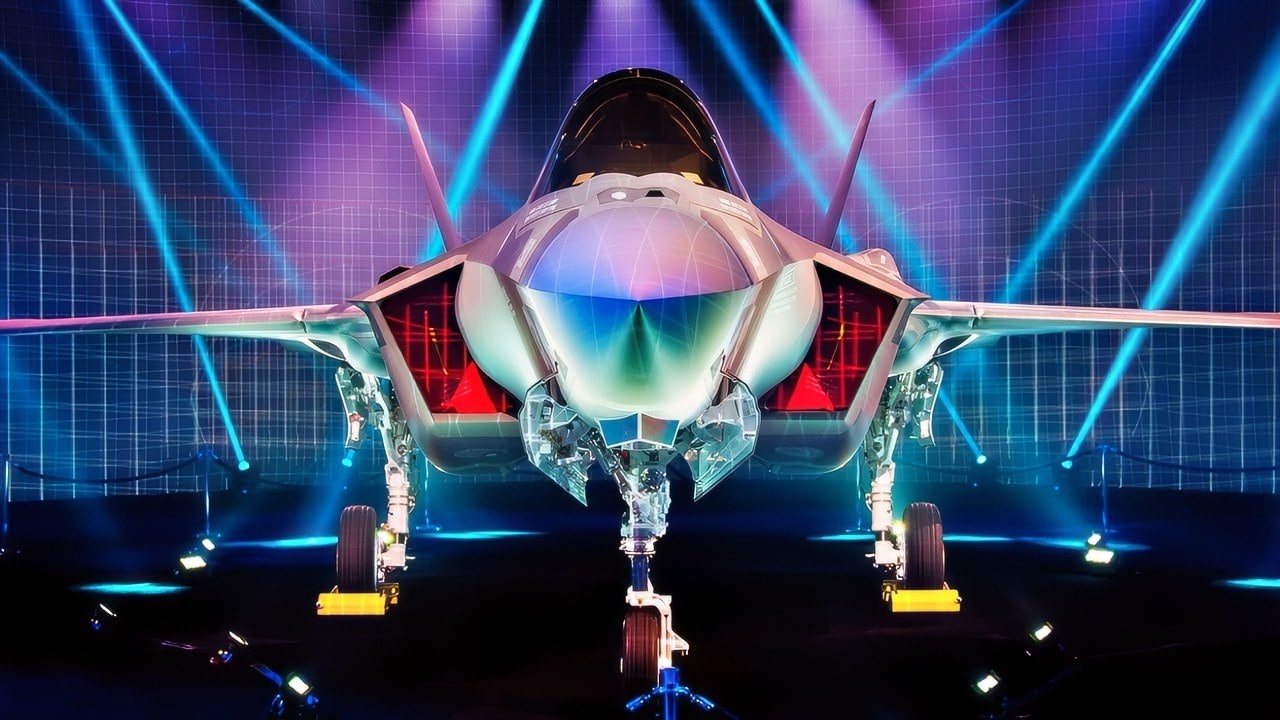
F-35I Adir Lockheed Martin Image
Pentagon planners may want to deprive the Islamic Republic of a propaganda hook that Israelis are seeking to defile Iran with their presence.
Will Trump’s Rhetoric Turn Ordinary Iranians Against America?
Beyond that, there is the Trump problem. Messaging in war must be as precise as targeting, but Trump is prone to off-the-cuff remarks.
Any quip that he plans to take Iran’s oil will, in the Iranian mind, transfer the United States from the Persian Corridor scenario into Saddam Hussein saying he seeks to liberate the oil wells of “Arabistan.”
Occupying any Iranian soil will be walking a tightrope; Trump’s rhetoric adds a hurricane in the background.
Still, the status quo is no longer tenable. House Speaker Mike Johnson (R-Tenn.) may want to “wrap up” the Iran war, but the Iranians have a vote.
If the Iranians continue their war on freedom of navigation, strike U.S. allies, and double down on their nuclear program, the United States will have no choice but to pursue the war until the Iranian regime falls.
About the Author: Dr. Michael Rubin
Michael Rubin is director of policy analysis at the Middle East Forum and a distinguished fellow at India’s Usanas Foundation. A former Pentagon official, Dr. Rubin was a senior fellow at the American Enterprise Institute for more than two decades. He has lived in post-revolution Iran, Yemen, and both pre- and postwar Iraq. Opinions expressed here are the author’s own.