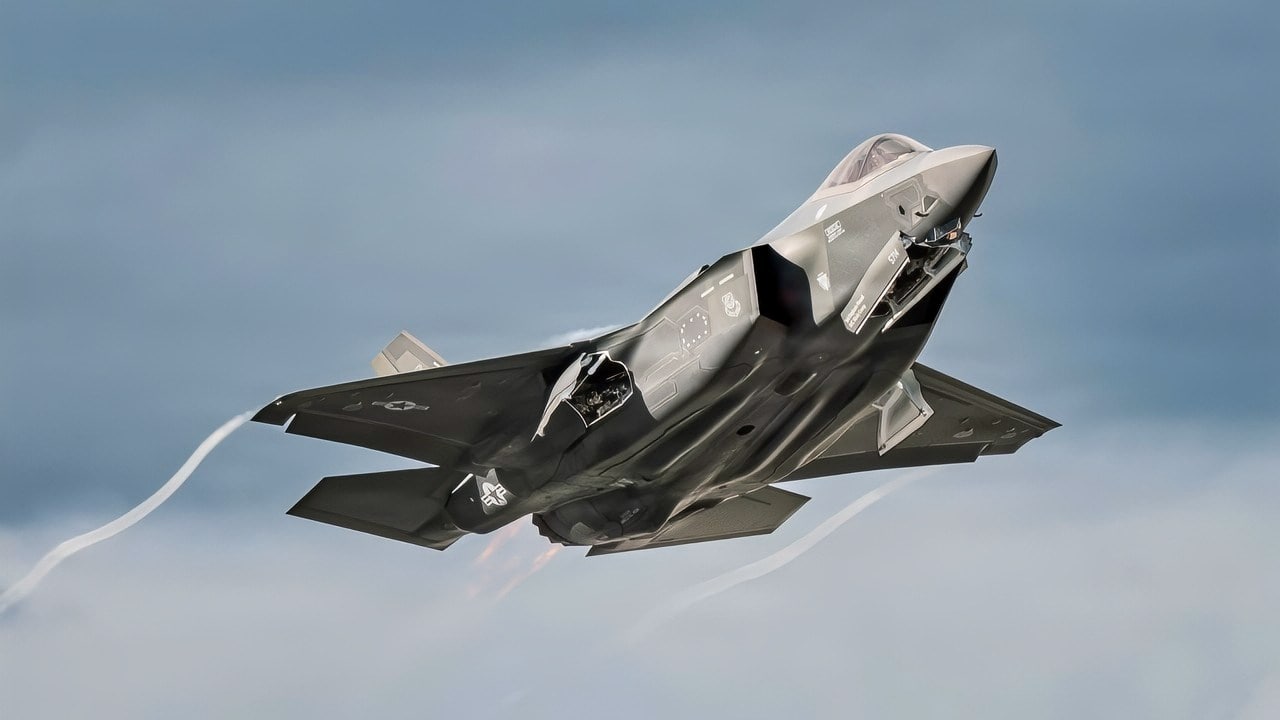
Will Canada go ahead with its full purchase of 88 American-made F-35 fighter jets? Only time will tell.
Trump’s Tariffs Paused
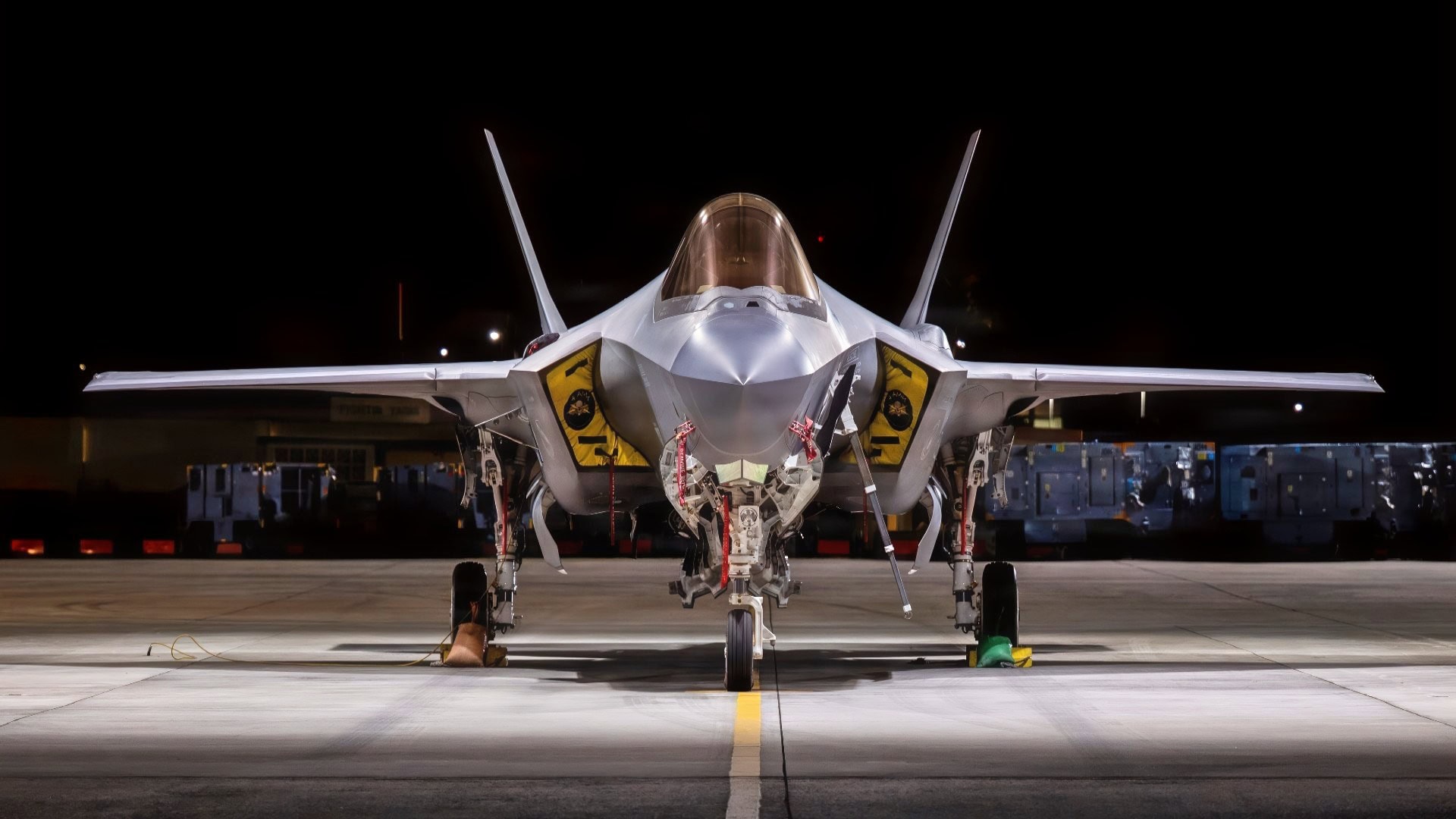
An F-35A Lightning II assigned to the 4th Expeditionary Fighter Squadron, deployed to Kadena Air Base, sit on the flight line during base-wide operational readiness exercise BH 26-1 at Kadena Air Base, Japan, Nov. 3, 2025. Kadena serves as a critical element in deterring potential adversaries through its demonstrated strength and commitment to regional security.
(U.S. Air Force photos by Senior Airman Jonathan Sifuentes)
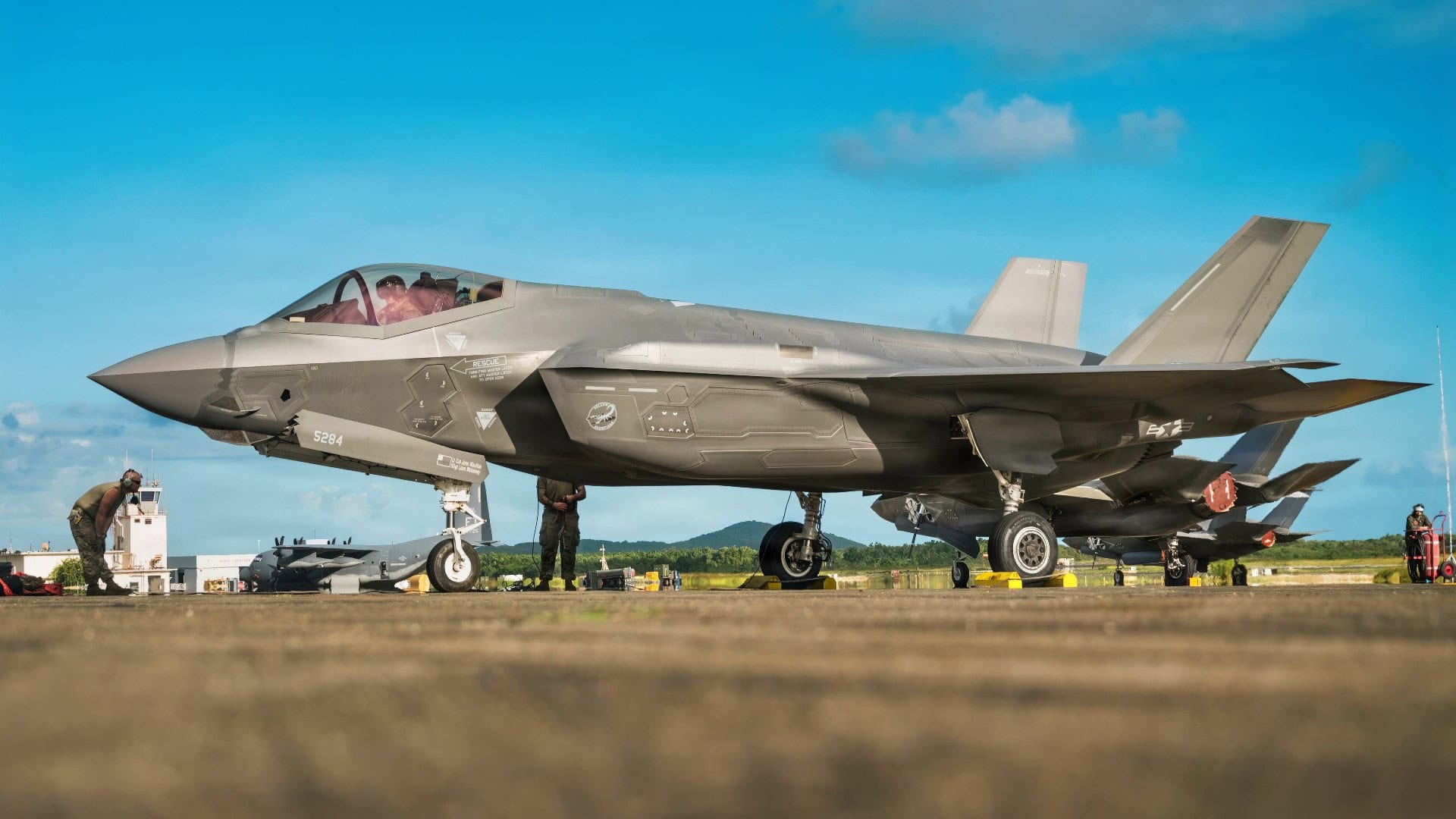
U.S. Air Force crew chiefs perform post flight maintenance on an F-35A Lightning II after its first arrival in Ceiba, Puerto Rico, Dec. 20, 2025. U.S. military forces are deployed to the Caribbean in support of the U.S. Southern Command mission, Department of War-directed operations, and the president’s priorities to disrupt illicit drug trafficking and protect the homeland. (U.S. Air Force photo)
At the very least, we know that Ottawa and Washington’s ties remain very much in flux.
Late Tuesday, U.S. President Donald Trump made the shock announcement that he was postponing the fresh 50% tariffs on around $20 billion of Canadian imports for three days.
Trump claimed that the United States and Canada had reached a deal on the issue, subject to final documentation.
Mark Carney, Canada’s Liberal Prime Minister, simply noted that there had been“substantial progress” while “important work” carried on.
This change comes amid Canada’s cumbersome debate over whether to continue with its planned purchase of F-35 fighter jets from Washington.
Carney launched a review last March after a row with the U.S. over tariffs. The review was initially set to wrap up last autumn, but almost a year on, there is no end in sight.
The 2023 Deal
In 2023, prior to Trump’s reelection to the White House, then Prime Minister Justin Trudeau agreed to buy 88 Lockheed Martin F-35As. The jets were set to replace Canada’s older CF-18 Hornets.
While the deal was initially framed as likely to cost some C$19 billion (around $13.75 billion USD), Canada’s Department of National Defense is listing the plan’s budget at around C$27.7 billion (roughly US$20.05 billion).
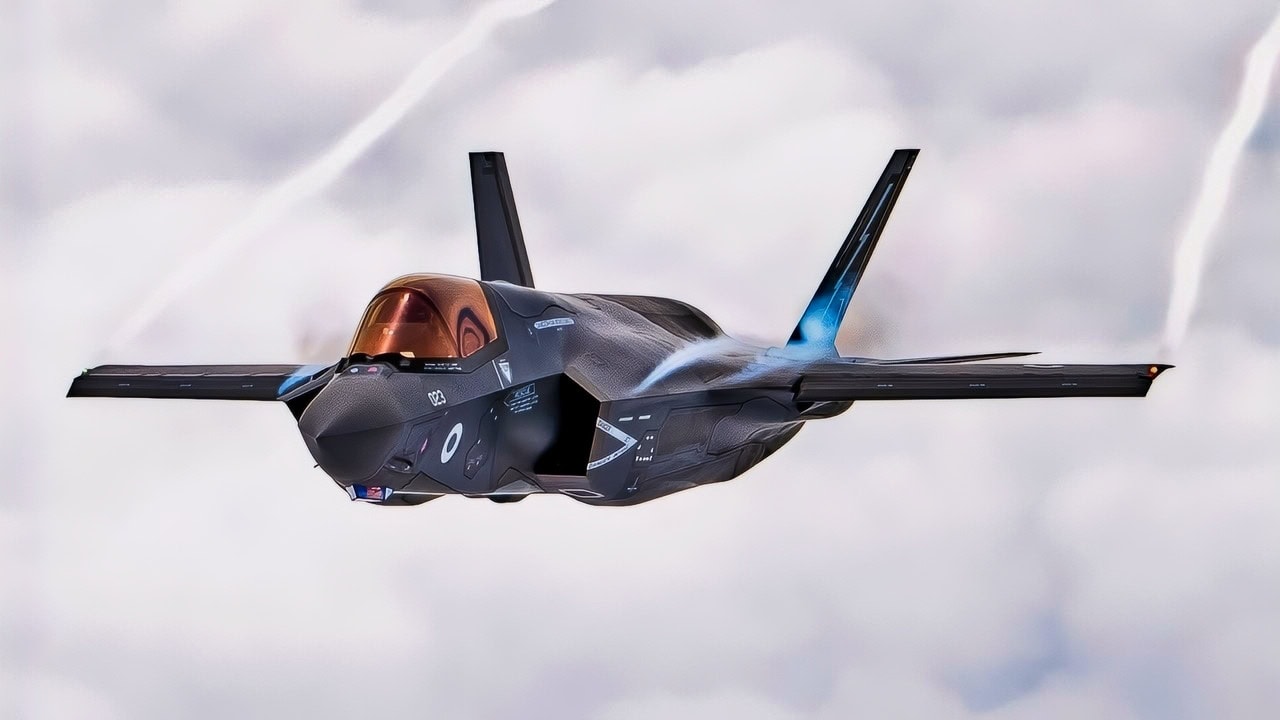
A UK F-35 flies above the Baltics on 25 May 2022. UK and Czech fighter jets have been taking part in air defence training over the Baltic region. UK Eurofighter Typhoons, F-35s and Czech Gripens were involved in an exercise as part of Neptune Shield 22 (NESH22), a multinational maritime vigilance activity. NESH22 has seen a range of multi-domain activities between air, land and maritime assets across Europe and in the Baltic and Mediterranean Seas. It runs from 17 to 31 May 2022.
Other Jet Ideas ‘On the Table’
Defense Minister David McGuinty told a Canadian Senate committee in April that the process was still underway and that aircraft made outside the United States remained under consideration.
He said: “The question of other jets from other countries is something that is on the table.”
Saab’s Swedish-built Gripen has been one of the main rival jets under discussion.
Still, the Canadian government continues to stress that “all options” are being considered.
This could result in Canada operating a fleet of mixed fighter jets.
Writing for the National Post, Richard Shimooka noted that Gripen jets are “less capable, more expensive and still reliant on U.S. production”. Shimooka, a senior fellow at the Macdonald-Laurier Institute, argued that a mixed F-35/Gripen fleet would fail Canada “in every way”.
Others are far sweeter on the Gripen option.
Writing on Substack, ex-submarines officer Hush Kit claimed that: “The Gripen vs F‑35 debate isn’t about hardware or software. It’s about whether Canada has the self-respect to say, “We call the shots.” And if Ottawa wants to be taken seriously — not as a junior partner but as a sovereign state — it should choose accordingly.”
Ottawa’s Legal Pledge
At least part of its initial F-35 pledge is still being taken seriously by Canada.
Ottawa has legally approved funding for the initial 16 aircraft. Carney also said earlier this year that Ottawa was already spending on long-lead components for 14 more F-35 jets.
The Simple Flying online magazine argued last month: “Walking away from the remaining 58 jets would trigger breach-of-contract fines that could dwarf the cost of actually buying the planes, leaving Canada with a massive bill and zero aircraft to show for it.
Accepting the full 88-jet F-35 order also acts as the ultimate geopolitical reset button for Canada-US relations.”
The military case against changing course is also significant.
In 2025, Reuters said that while Canadian defense officials had not strictly endorsed the F-35, their internal review had stressed that keeping plans for the full 88-aircraft F-35 order might make the most sense.
They argued that buying another fighter jet could make training, interoperability, and maintenance more costly and complex, while also raising tensions with the United States.
Canada’s Aging Fleet
Canada’s CF-18 fleet is scheduled to be fully retired by 2032. The first Canadian F-35s are expected to be delivered to Luke Air Force Base in Arizona for training in 2026 and 2027, before the first aircraft arrive on Canadian soil in 2028.
Ottawa currently expects full operational capability in 2033.
In May, Ottawa said that Saab’s GlobalEye was its preferred supplier for an airborne early-warning aircraft rather than Boeing’s E-7 Wedgetail.
This July, Canada also made history by becoming the inaugural observer country in the Global Combat Air Programme (GCAP). This is a joint initiative between the British, Japanese and Italian governments to develop a cutting-edge sixth-generation fighter jet fit for the coming 2030s.
About the Author: Georgia Gilholy
Georgia Gilholy is a journalist based in the United Kingdom who has been published in Newsweek, The Times of Israel, and the Spectator. Gilholy writes about international politics, culture, and education.