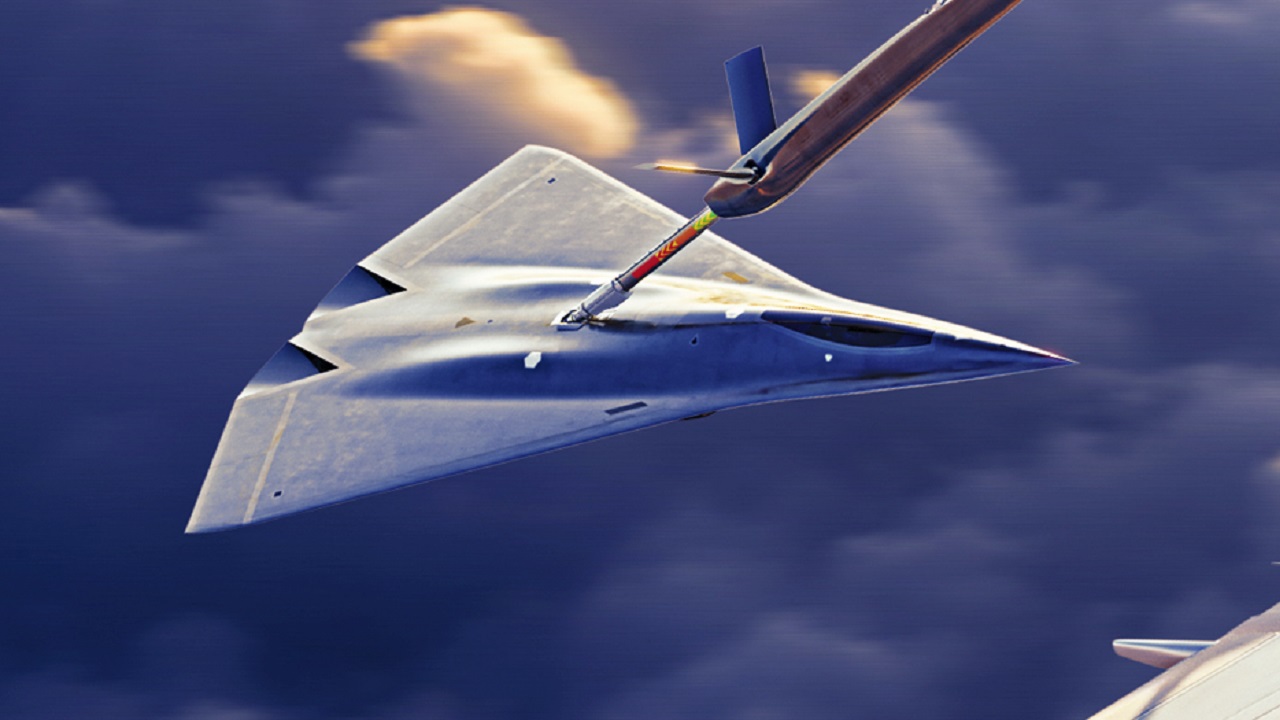
For months, the US Navy (USN) has said it will select a final prime contractor for the 6th-generation F/A-XX carrier-capable fighter by the end of August 2026. Since that self-imposed deadline is coming soon, some handicapping of who will end up in the winner’s circle might be useful at this point.
The F/A-XX Fighter: Who Wins?
The Chief of Naval Operations (CNO), Adm. Daryl Caudle, originally set the August date, with Northrop Grumman (NG) and Boeing/St. Louis.
While both contractors have released several CGI-created depictions of what the final design of the aircraft might look like, any significant details remain highly compartmentalized.
The US Navy has not made a purchase of a fighter aircraft exclusively for its use aboard the carriers since the original F/A-18A/B aircraft was selected from McDonnell-Douglas (now part of the Boeing company) and entered into USN and US Marine Corps (USMC) service in 1983.
Whichever of the two competitors is selected will be designing the replacement for this fighter – the latest version being the F/A-18E/F Super Hornet – that has been US naval aviation’s workhorse for more than 40 years.
Between the two aerospace giants, some voices have suggested that NG has the advantage in the final selection process.
But other sources say Lockheed Martin, which has more stealth-aircraft expertise than the two finalists combined, may be brought on as a subcontractor to the firm that gets the Navy’s nod.
A Role For LM?
The need for that kind of expertise could be particularly pronounced if Boeing is selected.
As one retired flag-rank officer who has long experience in the bidding on both the F/A-XX and F-47 programs stated, “Boeing – for as much as they have expertise in the design of fighter aircraft – has never developed a stealth aircraft for either of the two services.”
“That is the kind of experience that takes decades to accumulate – and there are no shortcuts. There is also no substitute for that level of expertise,” the retired officer said.
Another less-discussed but important expertise LM has in its toolkit is that of designing stealthy aircraft that are unstable at different points on the flight envelope.
The control authority required to maintain stable flight characteristics and the programming of flight-system computer algorithms are other technological disciplines that have been familiar for more than half a century.
One of the earliest examples would be that of the F-117A, which required a quadruple-redundant digital fly-by-wire flight control system to make continuous, automatic corrections to the aircraft’s unstable aerodynamic characteristics and prevent crashing.
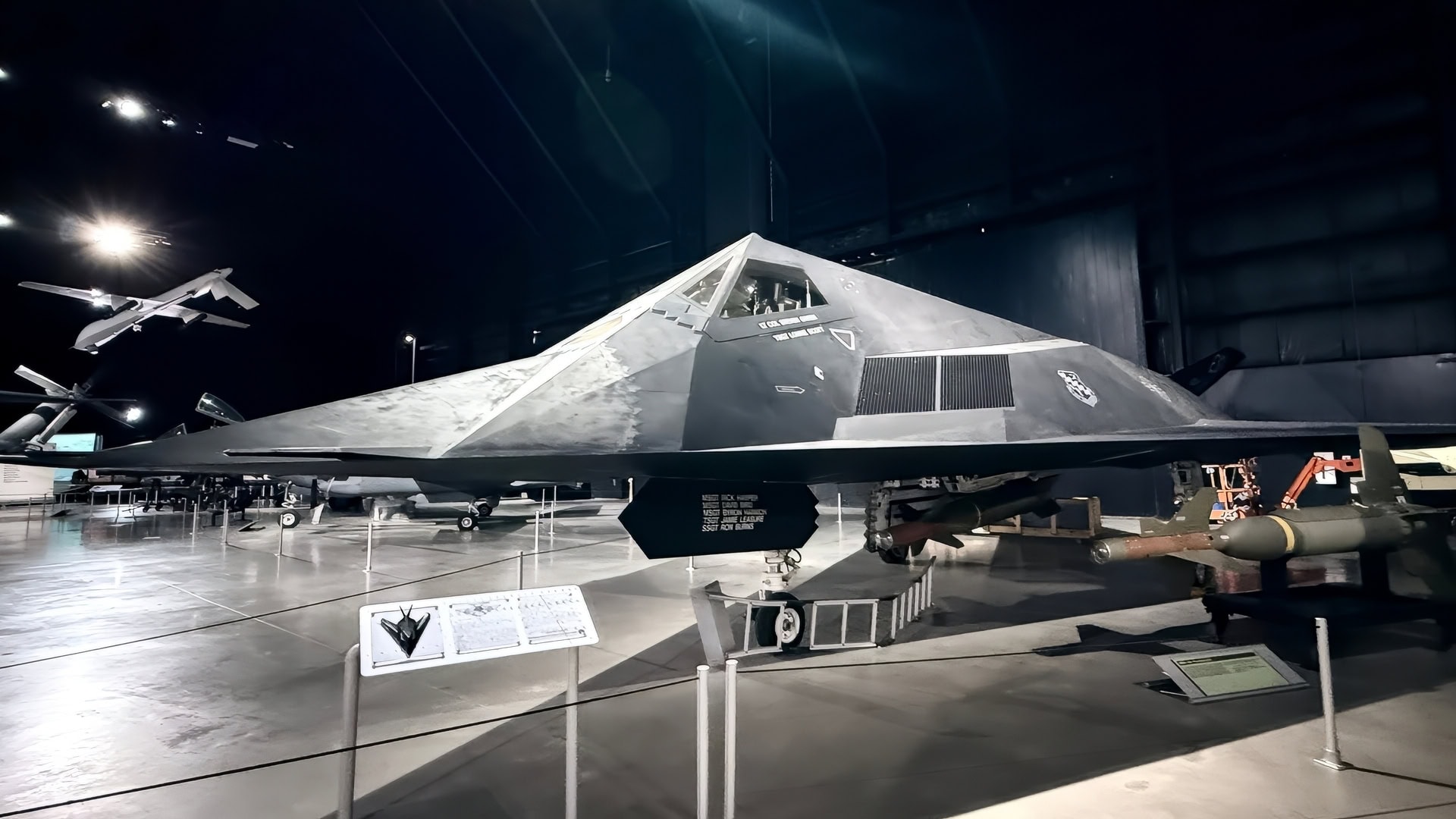
F-117A Nighthawk 19FortyFive.com Image. Taken on July 2025 at the National Museum of the U.S. Air Force by Harry J. Kazianis.
That flight control system was adapted from the original flight control computer designed for the subsonically unstable F-16.
Traditional fighter designs use curved, smooth lines and tail fins to naturally force the nose of the aircraft back into the aircraft’s nose.
Stealth designs employ flat, angled panels (the F-117A being the most extreme example) to deflect radar waves at an obtuse angle rather than back to the radar receiver that generated the pulse.
As the F/A-XX is supposed to be another 6th-generation design with vertical control and is advertised as a blended-body aerodynamic shape, the flight control system (FCS) and familiarity with the requirements the F/A-XX should meet are key in source selection.
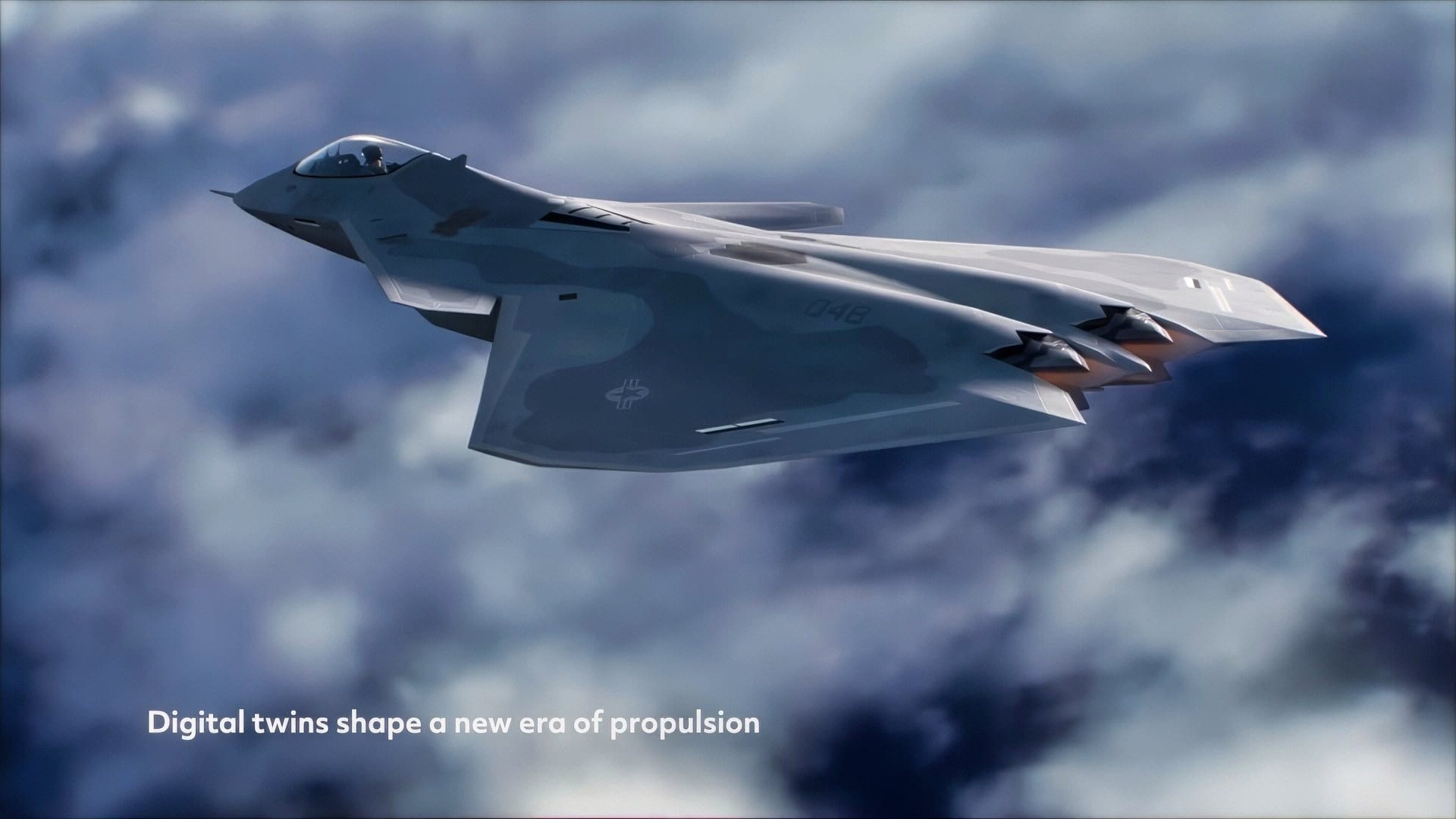
F-47 NGAD Fighter Possible Image. Image Credit: Screenshot.
Does NG Have the Advantage
These two rationales for having LM become part of the program and a subcontractor are also the two reasons why NG might have the advantage over Boeing.
Between the two finalists, NG has an extensive track record with low-observable aircraft.
The company is famously responsible for the design of the B-21 Raider and developed the B-2 Spirit in the 1980s, giving its design team a long history not only in stealth aircraft design but also of developing radar-absorbing materials and advanced manufacturing methods.
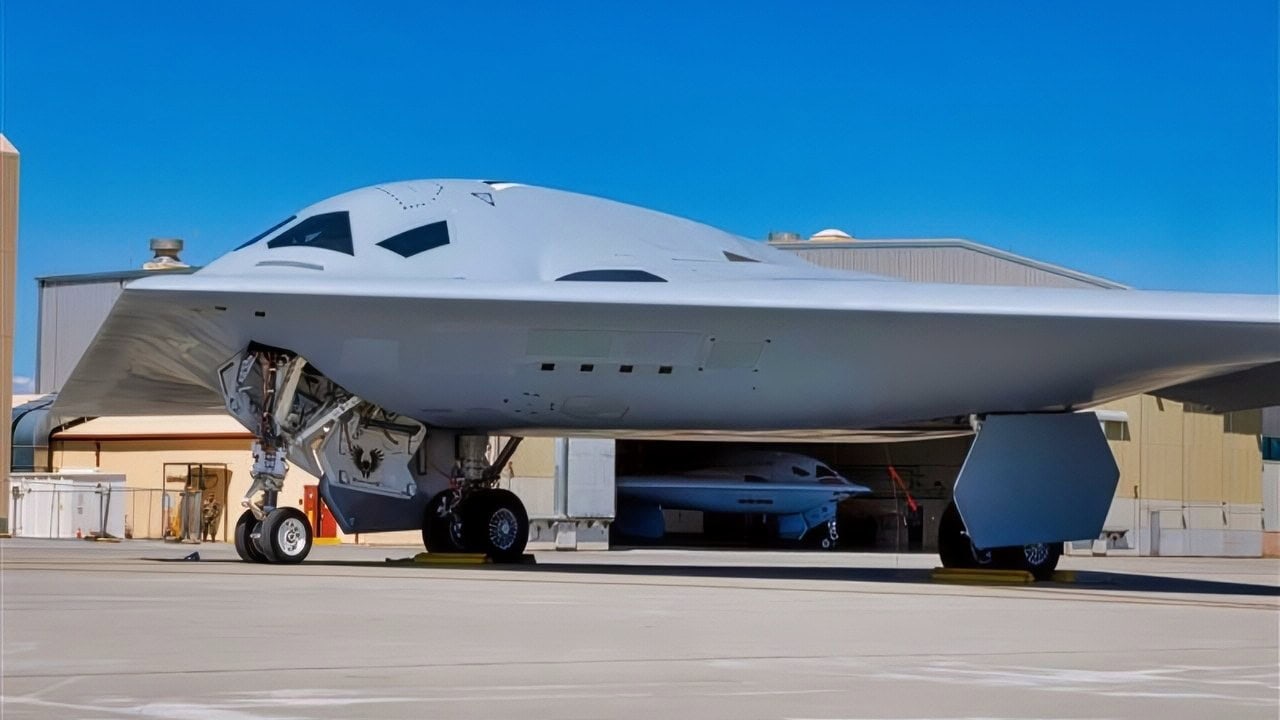
A second B-21 Raider, the world’s sixth-generation stealth bomber, test aircraft arrives at Edwards Air Force Base, Calif., Sept. 11, 2025. The addition of the second test aircraft expands mission systems and weapons integration testing, advancing the program toward operational readiness. (Courtesy photo)
Northrop has publicly released CGI depictions of its F/A-XX proposal concept, but without revealing any classified details.
The company also released some additional F/A-XX concept material in April 2026, as the Navy had been anticipated to make a major announcement during the Sea Air Space symposium and expo that took place that month
Demonstrated competency in stealth aircraft design could be a significant factor as the Navy evaluates the survivability of a design in contested air defense environments.
The additional edge for NG could be the long-range requirements for the F/A-XX – a technique that the company knows all too well with its decades of designing stealth bombers.
About the Author: Reuben F. Johnson
Reuben F. Johnson has thirty-six years of experience analyzing and reporting on foreign weapons systems, defense technologies, and international arms export policy. Johnson is the Director of Research at the Casimir Pulaski Foundation. He is also a survivor of the Russian invasion of Ukraine in February 2022. He worked for years in the American defense industry as a foreign technology analyst and later as a consultant for the U.S. Department of Defense, the Departments of the Navy and Air Force, and the governments of the United Kingdom and Australia. In 2022-2023, he won two awards in a row for his defense reporting. He holds a bachelor’s degree from DePauw University and a master’s degree from Miami University in Ohio, specializing in Soviet and Russian studies. He lives in Warsaw.