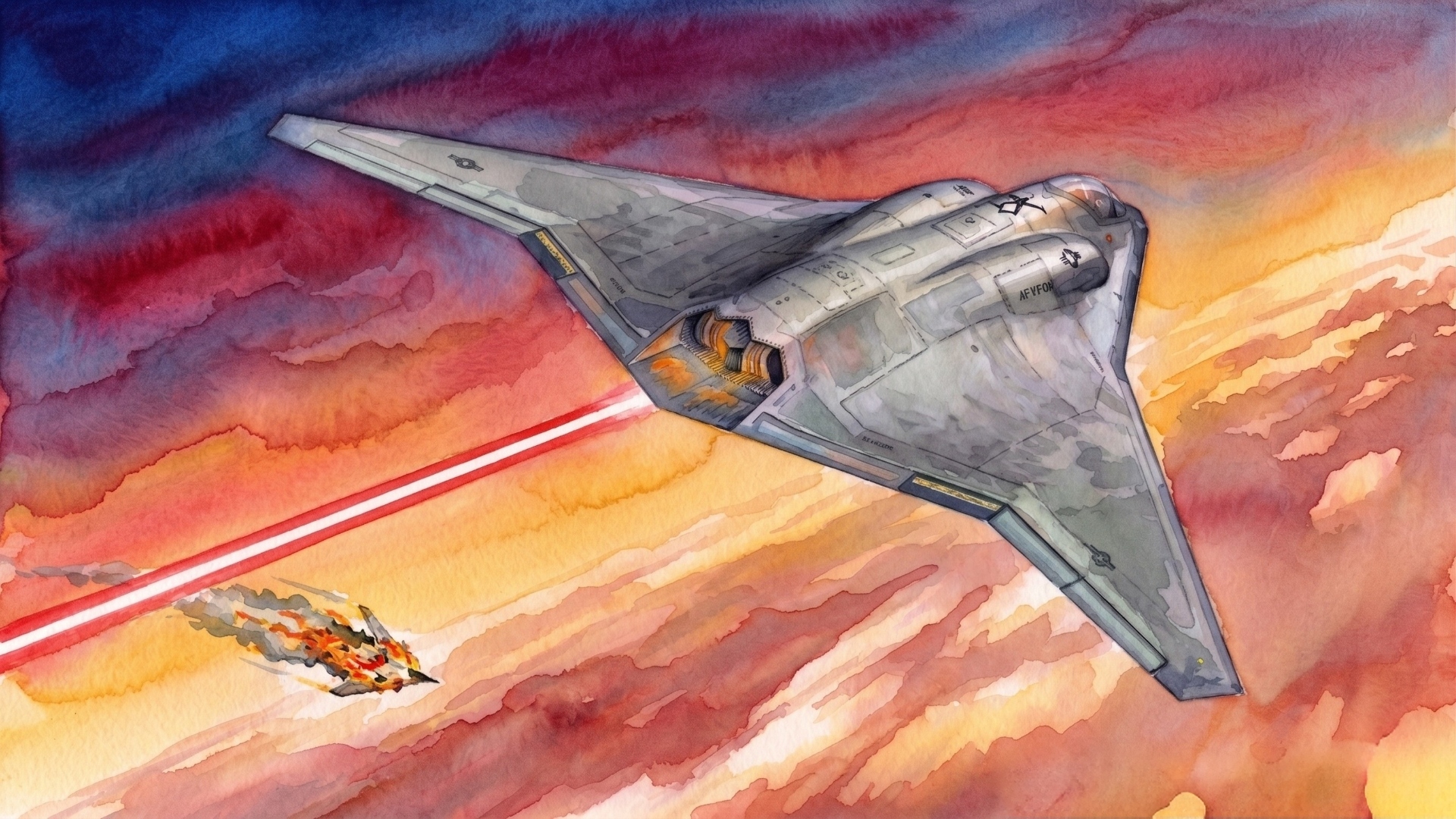
Manila – Last month, the US aviation and defense powerhouse Northrop Grumman (NG) unveiled the most detailed version yet of its design concept for the US Navy’s (USN) F/A-XX program, an aircraft that is likely to be the future of carrier-based aviation for the next half-century. USN officials participating in the 2026 Sea Air Space (SAS) symposium, which coincided with the video’s release, announced last month that a down-select decision to a prime contractor for the 6th-generation, tailless fighter aircraft program would take place in August.
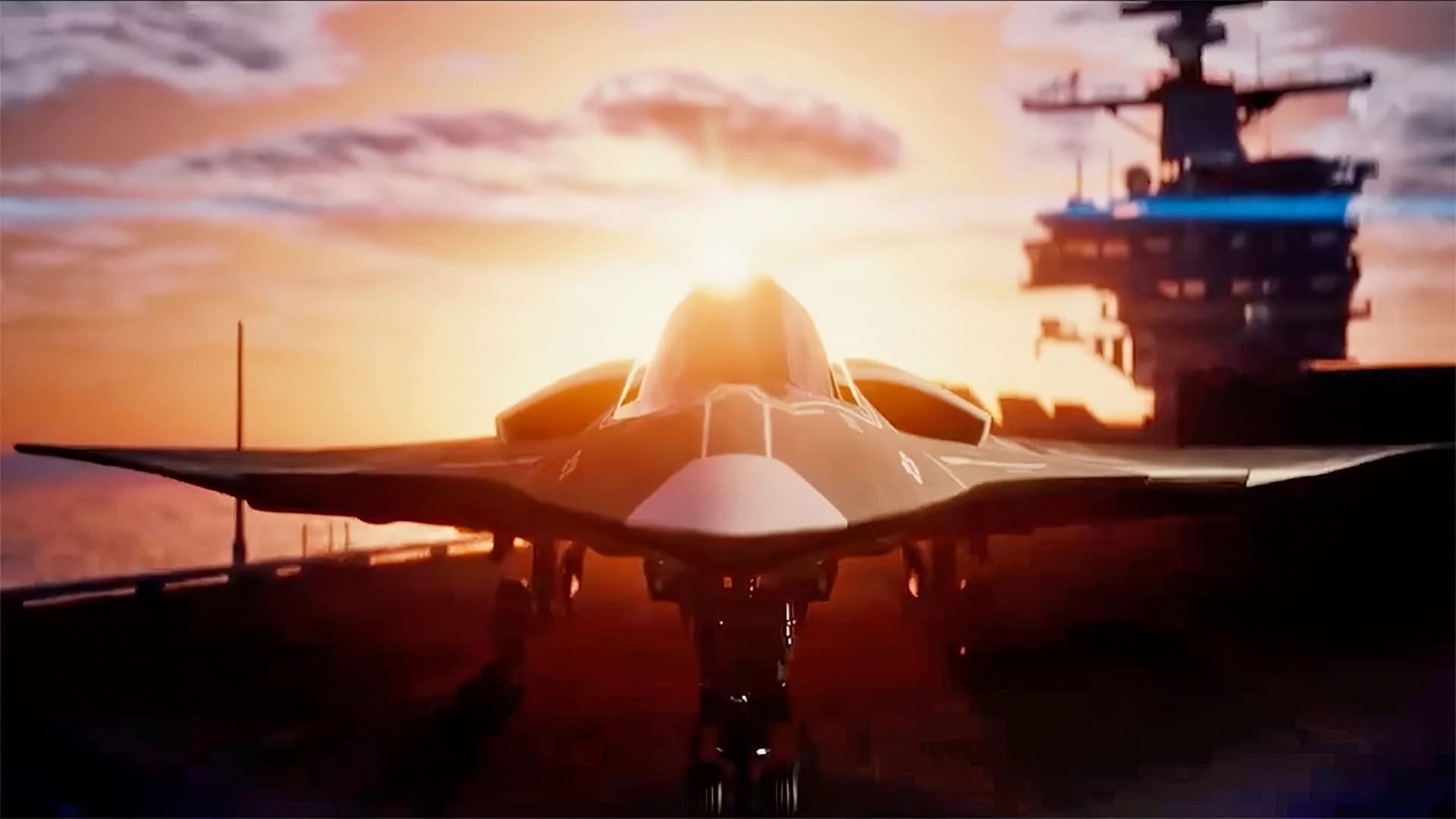
FA-XX Fighter Video Screenshot. Image Credit: NG Video Screencap.
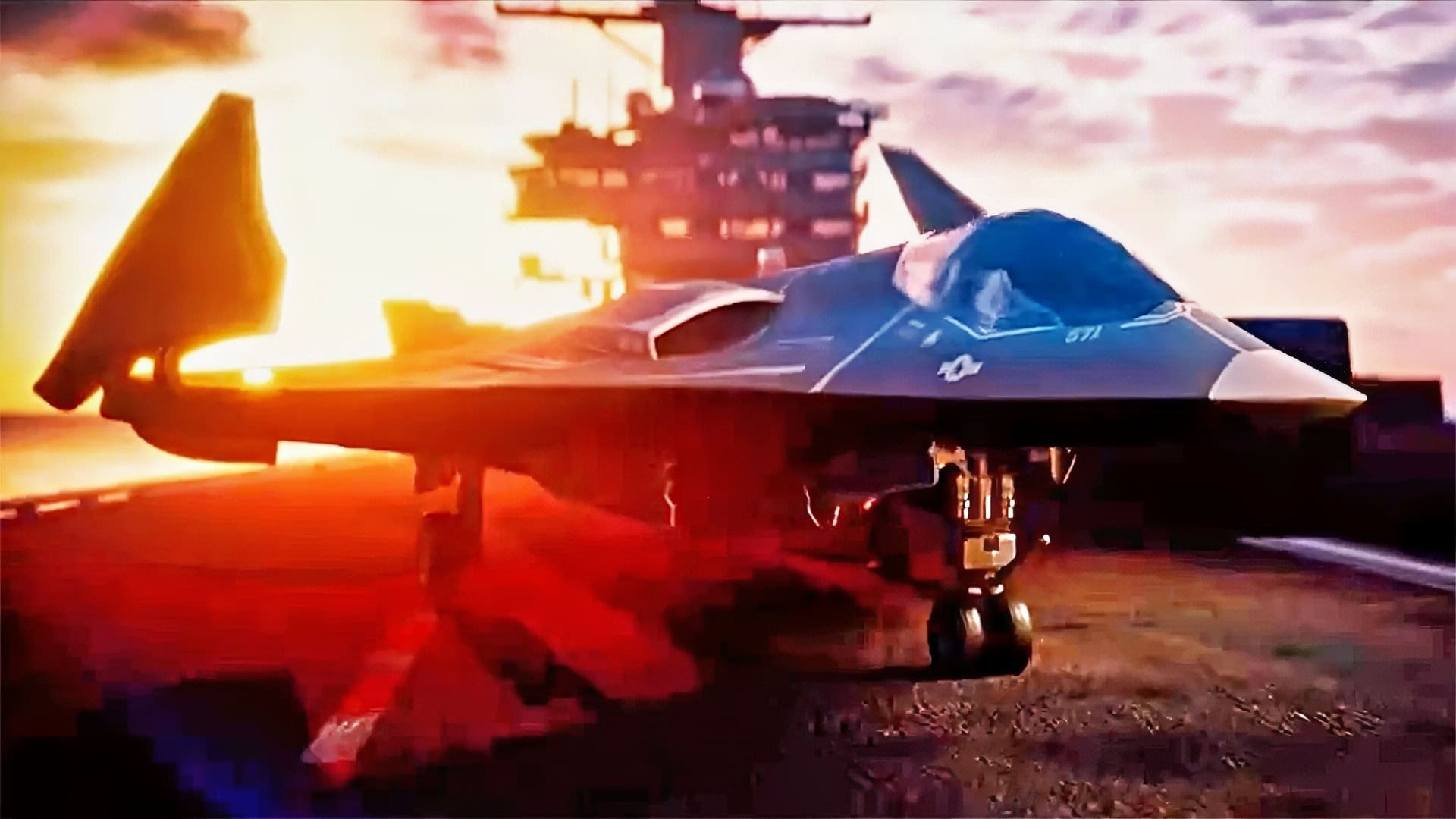
FA-XX Fighter Screenshot from X
Among the details still being hashed over in the past two weeks are the indications that the NG F/A-XX will feature quantum leaps in capability over the USN’s current tactical carrier-based fighter, the F/A-18E/F Super Hornet.
To begin with, F/A-XX is designed to feature entirely new stealth advancements, employing signature-reduction technology likely even beyond that of the company’s most well-known current design, the B-21 Raider.
If what has been seen of the Northrop Grumman (NG) concept thus far is accurate, the design would be a departure from the traditional placement of air intakes below the wing, as in almost all fighter aircraft. Instead, the NG design calls for dorsal intakes to be mounted on top of the fuselage.
This is the same signature reduction concept as employed in the B-21 design, as well as in another previous Northrop (prior to the company’s merger with Grumman) aircraft: the B-2 Spirit stealth bomber.
The last fighter aircraft the company designed with the more conventional placement of the air intakes was the YF-23 prototype that Northrop designed with McDonnell-Douglas. That design was proposed for the Advanced Tactical Fighter (ATF) program as the competing design to the YF-22. Details of that design “live on” in the B-21, which has a similar exhaust section, which is predicted to be utilized in the F/A-XX proposal as well.
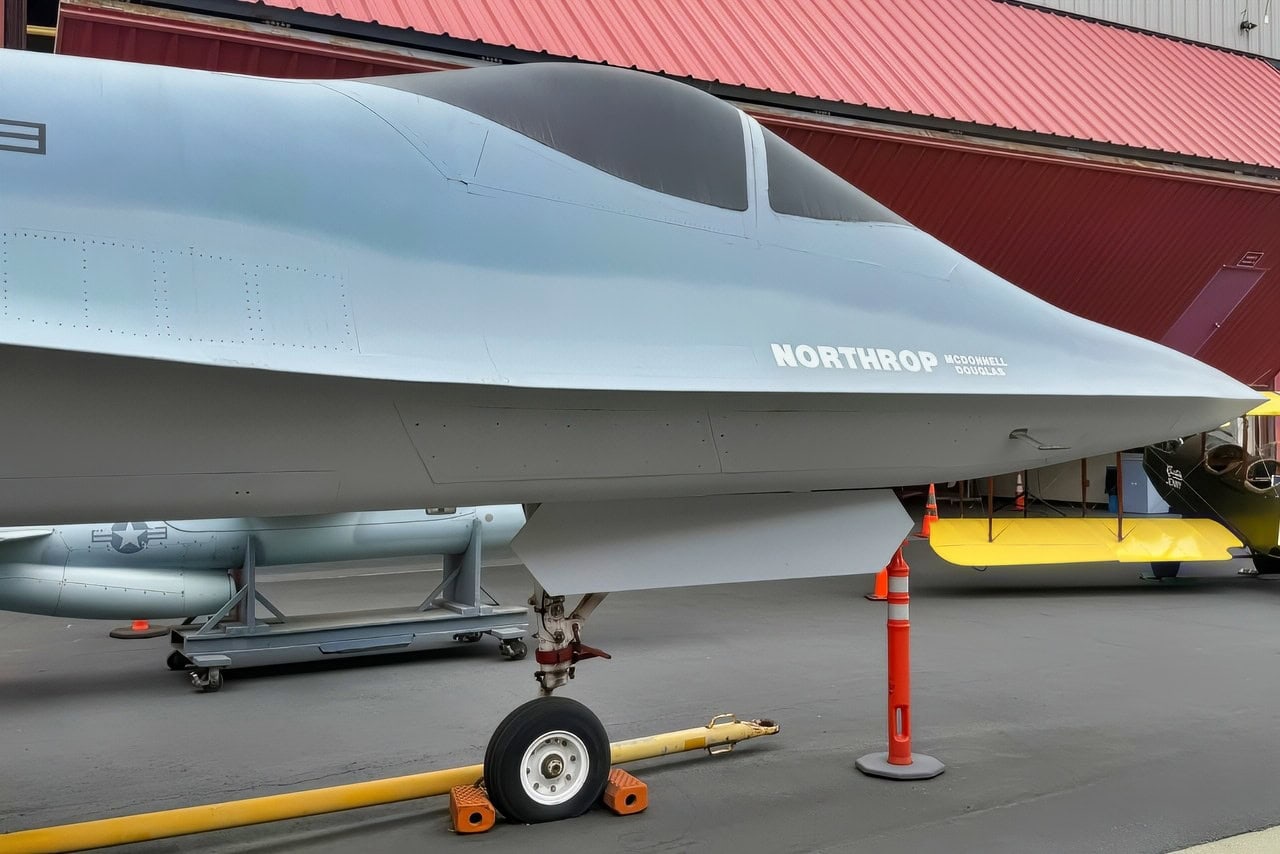
YF-23 Stealth Fighter. Image taken by Harry J. Kazianis for 19FortyFive.
A Much Longer Reach for F/A-XX
The F/A-XX is also predicted to have a combat range or radius that exceeds that of the F/A-18E/F Super Hornet by at least 25 percent. This would mean an unrefuelled combat radius beyond 1,500 nautical miles.
More than a year ago, Rear Adm. Michael “Buzz” Donnelly, Director of the Air Warfare Division, N98, in the Office of the Chief of Naval Operations (CNO) until May of last year, told media outlets at the 2025 Sea Air Space symposium, that the increased range of F/A-XX would be a “core attribute” of the USN’s future carrier fighter.
“That increased range is an essential attribute that we’re looking to field. So probably over 125 percent of the range that we’re seeing today to give us better flexibility, operational reach. It will, of course, have refuel ability. And all of our [carrier] air wings, our tactics and what we are designing in the future considers organic refueling capability. So the F/A-XX will be able to leverage that,” he said at the time.
The aircraft’s extended range requirement is consistent with its overall mission concept.
Whereas the B-21 is intended to strike targets deep inside adversary territory at extended ranges, F/A-XX is planned to be a platform that can fight its way through contested environments, extend operational reach, and allow carriers to operate further from the range of projected advanced threats.
Both the advanced stealth and its large number of internally carried weapons are central to that mission.

F/A-XX Boeing Image.
But a longer-range aircraft employing longer-range weaponry will also have two other major requirements, not the least of which is a completely new concept for on-board sensors. The aircraft is therefore projected to use an outsized active electronically-scanning array (AESA) radar set that can detect, identify, track, and fire on at ranges that exceed most of the current-day fighter aircraft.
An examination of the NG design concept shows a wider, chine-blended nose, which creates on-board internal space for a much larger and more powerful AESA radar – larger than any other carrier-capable aircraft in the USN inventory.
But a much larger antenna array and more power for generating longer-range radar signals are only part of the dramatic increase in this radar’s performance. The aircraft is also expected to utilize a network of “smart-skin” sensors. The new concept behind this distributed sensor fusion design is an external skin covered with sensors, rather than situational awareness being dependent on a single radar set in the aircraft’s nose.
There are two ground-breaking aspects to this arrangement that enhance 360-degree awareness and enable the jet to function as a surveillance node. As such it takes the ideas of operating the FA-18E/F and F-35Cs are miniature AWACS aircraft to a new level.
This radar, along with the other design details of the sensor suite, will create an “active/passive hybrid system.” In this arrangement, the radar operates in conjunction with passive infrared sensors (IRST).
That sensor enables the aircraft to track targets without emitting signals, a major factor in remaining undetected.
New Details for F/A-XX
The 20 April NG promotional video that was posted to the X platform provided the first-ever dynamic views of the design and offered far more detail than was seen in previous static and partial artists’ renderings of the aircraft.
The video shows several angles of the design concept for the first time, which includes frontal views that reveal how the stealth properties would be achieved in nose-on-nose engagements.
The details shown in the video reveal a compact, angular fuselage optimized to reduce radar visibility. This design, combined with the dorsal air intake, offers minimal exposure to the engines’ signatures. The wings, which feature the traditional carrier-fold so the aircraft can be lowered below decks, are nonetheless designed to reduce the radar cross-section (RCS).
Additional details visible from other angles show that the aircraft will have at least two internal weapons bays. They are recessed further into the fuselage than other, previous stealthy aircraft.
While the NG design is still conceptual – if not notional – it follows the trend in all 6th -generation designs – both US and European.
One of those features of these next-generation fighters is their rather large size when compared with 5th-generation designs. But F/A-XX will still be limited by the need for the aircraft to be capable of fitting within the constraints created by the size of the supercarrier below decks, but still being capable of carrying a substantial weapons load.
About the Author: Reuben F. Johnson
Reuben F. Johnson has thirty-six years of experience analyzing and reporting on foreign weapons systems, defense technologies, and international arms export policy. Johnson is the Director of Research at the Casimir Pulaski Foundation. He is also a survivor of the Russian invasion of Ukraine in February 2022. He worked for years in the American defense industry as a foreign technology analyst and later as a consultant for the U.S. Department of Defense, the Departments of the Navy and Air Force, and the governments of the United Kingdom and Australia. In 2022-2023, he won two awards in a row for his defense reporting. He holds a bachelor’s degree from DePauw University and a master’s degree from Miami University in Ohio, specializing in Soviet and Russian studies. He lives in Warsaw.